

6.7 Powerstroke CCV Delete: Better Engine Longevity?
The 6.7L Powerstroke is one of the most durable diesel platforms Ford has ever built. But ask any owner who’s logged six-figure miles on theirs, and they’ll tell you the same thing: the factory crankcase ventilation system is quietly sabotaging your engine from the inside.
Most people dismiss it as minor — a breather tube, some plastic hoses, nothing worth thinking about until you see the inside of your intake manifold. That’s when it clicks: the CCV isn’t just a ventilation system. Left unchecked, it’s a slow-delivery mechanism for carbon, oil sludge, and intake restriction.
So the question isn’t whether the stock CCV setup is flawed. It’s whether a CCV delete 6.7 Powerstroke kit is necessary — or whether this is one problem you can safely ignore.
🔬 What the CCV System Actually Does
Every combustion engine generates crankcase pressure. A fraction of the combustion gases blown past the piston rings ends up in the crankcase, where it mixes with atomized engine oil and water vapor. Without ventilation, this pressure would blow out seals, gaskets, and oil fill caps.
The Closed Crankcase Ventilation (CCV) system solves this by routing crankcase gases back into the engine’s intake tract, where they’re drawn through the turbocharger, intercooler, and intake manifold before being burned in the combustion chamber.
On paper, this is elegant: nothing escapes to the atmosphere, nothing is wasted. In practice, the system routes a hot, oily, carbon-laden aerosol straight into the most sensitive components of your air intake path.
Over tens of thousands of miles, this is what lands in your engine:
Oil film coating the intercooler. The factory intercooler is designed to exchange heat between compressed intake air and ambient airflow. When the internal surfaces are coated in an oil film, heat transfer efficiency drops. The engine ingests hotter, less dense air — directly reducing power and increasing exhaust gas temperatures.
Carbon sludge in the intake manifold. When hot crankcase oil vapor mixes with the fine soot particles that bypass the EGR system, the result is a thick, abrasive carbon paste that cakes onto intake runners and valve stems. This restricts airflow at exactly the point where the engine needs maximum volumetric efficiency.
Turbocharger compressor fouling. The compressor wheel spins at over 100,000 RPM. Oil droplets and carbon particles impacting the blades at those speeds cause gradual pitting, imbalance, and efficiency loss over the compressor’s service life.
⚠️ What Makes the 6.7L CCV System Different
The 2011–2023 6.7L Powerstroke CCV setup differs from previous-generation diesels in two important ways.
First, the CCV filter — a serviceable element housed in the driver’s side valve cover — was intended to separate oil from the crankcase vapor stream before it reached the intake. The problem is that this filter clogs. When it does, crankcase pressure rises instead of falling, and the system starts pushing oil past seals rather than vapor through the intake. A clogged CCV filter on a 6.7L Powerstroke has been documented to cause rear main seal leaks, oil pan gasket weeping, and turbocharger oil seal failures.
Second, the 2025 and newer models now include a CCV pressure sensor — confirming that Ford itself recognizes crankcase pressure as a critical system parameter that needs active monitoring. Earlier 2011–2023 trucks have no such sensor, meaning crankcase overpressure can go undetected until a seal fails or the intake is already caked with deposits.
🔧 What a CCV Delete Actually Changes
A CCV delete 6.7 Powerstroke kit replaces the factory closed-loop ventilation path with an open system. Instead of routing crankcase vapor back into the engine, the kit vents it externally through a filtered breather or routes it into the exhaust downstream of the turbocharger.
Three things change immediately:
No more oil entering the intake tract. The CCV vapor stream is redirected, meaning zero crankcase oil vapor reaches the intercooler, intake manifold, or valves. The intercooler stays clean. The intake manifold stays dry. The turbocharger compressor wheel breathes only what came through the air filter.
Crankcase pressure is actively managed. A well-designed Venturi-style reroute kit uses exhaust gas velocity to create negative pressure (vacuum) at the crankcase vent port, actively pulling crankcase gases out rather than passively waiting for them to find an exit. This is a fundamentally different mechanism from the factory positive-pressure relief system.
Reduced engine bay temperature. The factory CCV plumbing routes hot crankcase gases through a network of rigid plastic pipes and rubber hoses that radiate heat into the engine bay. Removing the stock CCV box and plastic plumbing frees up significant space on the driver’s side of the engine and eliminates a heat source that sits inches from the fuel lines and wiring harness.
📊 Does a CCV Delete Actually Extend Engine Life?
The short answer: yes, indirectly — but not because the CCV system itself is the failure point.
The CCV system doesn’t kill engines. The oil, carbon, and heat it deposits into the intake tract does. The intercooler that should be cooling intake air is instead insulating it with an oil film. The intake valves that should be flowing clean air are instead flowing air through a carbon-lined plenum. The turbocharger compressor that should be balanced to micron tolerances is instead accumulating oil residues on its blades.
A CCV delete 6.7 Powerstroke kit eliminates every one of these secondary effects. It doesn’t add horsepower and it doesn’t lower EGTs directly. What it does is prevent the long-term accumulation of contaminants that degrade every component in the intake path — from the turbo inlet to the cylinder head.
The math is straightforward: a clean intercooler operates at its designed heat exchange efficiency. A clean intake manifold delivers the airflow volume the engine expects. A clean turbocharger compressor maintains its original balance and aerodynamics. These aren’t performance upgrades — they’re the baseline operating conditions the engine was designed for, restored. For an engine platform that routinely exceeds 300,000 miles with proper care, preventing gradual contamination rather than cleaning it up later makes the difference between a truck that still pulls strong at 200,000 miles and one that feels progressively tired.
For a truck that accumulates 20,000 miles per year, the difference between a cleaned intake and a coked intake at 100,000 miles is visible to the naked eye. The difference in intercooler efficiency, turbocharger balance, and manifold airflow is measurable.
🛠 What to Look for in a Quality CCV Kit
Not every CCV kit delivers the same results. Here’s what separates a quality reroute solution from a hardware-store breather:
Venturi-style evacuation vs. atmospheric vent. The most effective kits use a Venturi fitting welded into the exhaust to create active crankcase vacuum. This actively pulls crankcase pressure out rather than relying on passive atmospheric venting — and it eliminates the oil smell that open-atmosphere vents can introduce in the cabin during extended idling.
Mandrel-bent tubing with zero sharp angles. Crankcase vapor contains atomized oil that will condense to liquid at any sharp bend in the routing. A quality kit uses smooth, continuous-radius tubing that allows oil vapor to remain in suspension until it reaches the exhaust injection point.
Anodized aluminum or stainless steel construction. Under-hood temperatures near the turbocharger exceed 300°F during sustained towing. Plastic fittings and rubber-only hoses degrade rapidly in this environment. Billet aluminum components with black anodized finishes resist heat cycling and corrosion for the life of the vehicle.
Complete removal of the factory CCV box. The plastic factory CCV housing on top of the driver’s side valve cover is not just unnecessary after a reroute — it’s a liability. It occupies space that could be used for routing hoses, accessing injectors, or installing aftermarket intake components. A proper kit replaces it entirely with a low-profile block-off plate.
🔗 Seguler 2011-2023 6.7L Ford Powerstroke CCV PCV Reroute Engine Ventilation Kit
A CCV reroute — such as the 6.7L Ford CCV PCV Reroute Kit — solves the intake-side contamination problem, but it doesn’t address the two other sources of carbon accumulation on the 6.7L Powerstroke: the EGR system and the exhaust restriction.

- Precision-Engineered Venturi Flow Design: Features a streamline, baffle-free layout that eliminates restrictive angles, ensuring superior pressure flow and completely preventing oil dripping for a cleaner engine bay.
- Optimal Combustion Efficiency: Effectively eliminates power-robbing crankcase pressure and oil deposits, ensuring only oil-free air enters the intake for maximum combustion efficiency.
- High-Strength Anodized Durability: Crafted from industrial-grade ABS and metal components with a sleek black anodized finish, providing exceptional heat resistance and long-lasting durability for the life of your engine.
🛠 For 2011-2023 6.7L Ford Powerstroke Diesel EGR Delete Kit
The EGR system recirculates exhaust gases — complete with diesel soot — directly into the intake manifold. Combined with crankcase oil vapor, this soot forms the carbon paste that chokes intake runners and sticks EGR valves open. Removing the EGR system in conjunction with a CCV reroute means the intake tract sees neither oil vapor nor exhaust soot for the first time since the truck left the factory floor. A solution like the 6.7L Ford Diesel EGR Delete Kit uses CNC-machined billet aluminum and stainless steel components to permanently close the EGR circuit, with a 10mm exhaust cover plate for factory EGT probes and faster coolant recirculation that lowers operating temperatures.
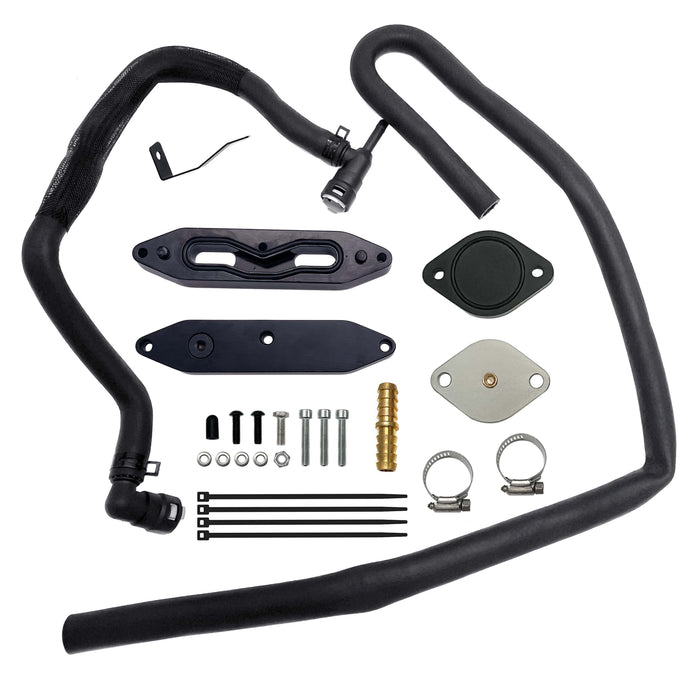
- Precision CNC-Machined Build: Crafted from high-grade billet aluminum and reinforced stainless steel using advanced CNC technology, offering unmatched durability and structural integrity over factory parts.
- Integrated EGT Monitoring: Features a dedicated 10mm ported exhaust cover plate, designed for seamless EGT probe installation to ensure precise engine health monitoring.
- Enhanced Thermal Management: Optimizes coolant flow through an additional recirculating plate, effectively lowering peak engine temperatures and protecting head gaskets under heavy towing loads.
- Eliminates Costly EGR Failures: Permanently removes the soot-clogging and oil-smoke accumulation path, slashing expensive maintenance intervals and significantly extending the service life of your 6.7L engine.
🚀 Seguler 2011-2023 6.7L Ford Powerstroke 4" Cat & DPF Delete Pipe
The DPF and catalytic converter represent the exhaust-side half of the equation. A restricted exhaust increases backpressure, which increases crankcase blow-by, which increases the load on the CCV system. The 6.7L Ford 4" Cat & DPF Delete Pipe removes these restrictions with a 4-inch 409 stainless steel straight-pipe exhaust section that eliminates both the diesel particulate filter and catalytic converter canisters — simultaneously removing the root cause of elevated crankcase pressure while ensuring maximum exhaust flow for competition and off-road applications.

- Premium 409 Stainless Steel Durability: Constructed from high-grade 409 stainless steel to provide superior corrosion resistance and long-lasting structural integrity, ensuring your exhaust system withstands the toughest road conditions.
- High-Flow 4.0" Performance Geometry: Features a full 4-inch diameter pipe design specifically engineered to eliminate restrictive catalytic converters and DPFs, maximizing exhaust flow for peak engine efficiency.
- Permanent DPF Failure Solution: Effectively eliminates the entire DPF system, removing the need for frequent maintenance and preventing costly engine repairs associated with DPF-related limp modes.
- Optimized Power & Backpressure Reduction: Drastically reduces exhaust backpressure, allowing your 6.7L Powerstroke to spool faster and perform at its best, making it the ideal choice for demanding competition and off-road applications.
💡 Is a CCV Delete Kit Right for Your Truck?
If your 6.7L Powerstroke is approaching the 60,000-mile mark and you plan to keep it for the long haul, a CCV delete kit is one of the highest-value preventative modifications available. It costs less than one intercooler replacement, requires no ongoing maintenance, and eliminates a failure mode that silently degrades engine performance over tens of thousands of miles.
For trucks used in off-road environments, closed-course competition, or agricultural applications, combining a CCV reroute with complementary intake and exhaust modifications addresses every source of carbon accumulation in a single service cycle.
Whether you’re starting with a standalone CCV reroute, adding an EGR delete to prevent soot from entering the intake, or upgrading to a full intake-to-exhaust overhaul with a 4-inch DPF and CAT delete pipe, each modification addresses a distinct source of the contamination and restriction that gradually robs the 6.7L Powerstroke of its efficiency. Visit www.seguler.com for a full selection of 6.7L Powerstroke performance components engineered for long-term reliability.
❓ FAQs About CCV Delete 6.7 Powerstroke
Q1: Will a CCV delete void my factory warranty?
A1: Ford’s powertrain warranty covers defects in factory materials and workmanship. Removing or modifying the CCV system falls into a gray area — technically any modification to emissions or ventilation systems can trigger warranty denial on related components. In practice, a CCV reroute alone is unlikely to affect warranty coverage on the long block, but an EGR or DPF delete almost certainly will. For trucks within the warranty period, assess your risk tolerance before proceeding.
Q2: Does a CCV delete have any effect on turbocharger life?
A2: Indirectly, yes. The compressor wheel’s leading edges erode over time from repeated impingement of oil droplets and carbon particles in the CCV vapor stream. Eliminating that contamination source means the compressor wheel stays cleaner for its entire service life. For trucks that see sustained high-boost operation — towing heavy loads at highway speed, for example — this protection is most meaningful.
Q3: Why do some owners report an oil smell after a CCV reroute?
A3: Atmospheric vent systems that terminate the CCV hose under the truck or near the firewall can allow crankcase vapor odor to enter the cabin during idling — particularly in stopped traffic or when using remote start. A well-designed exhaust Venturi system eliminates this by drawing the vapor stream into the exhaust flow, where it’s carried away from the vehicle entirely. This is one of the key advantages of a Venturi-based kit over a simple breather filter.
Q4: Can the CCV filter be cleaned instead of deleted?
A4: Yes, the factory CCV filter is a serviceable component and can be replaced or cleaned periodically. However, this only addresses the filtration side of the equation — it doesn’t reduce the heat that the plastic CCV plumbing radiates into the engine bay, and it doesn’t create the active crankcase vacuum that a Venturi-based reroute provides. A new factory filter keeps oil out of the intake for a few thousand miles; a quality reroute keeps it out permanently.
Q5: Is a CCV delete necessary if I’ve already deleted the EGR and DPF?
A5: They address different problems. The EGR and DPF delete eliminate exhaust-side contamination and restriction. The CCV delete eliminates crankcase-side contamination. A truck with deleted EGR but a stock CCV system is still coating its intercooler and turbocharger compressor with oil vapor. For a fully decontaminated intake path, all three modifications work together — each addressing a different source of the carbon and oil that gradually chokes the intake system.
Featured collection
-
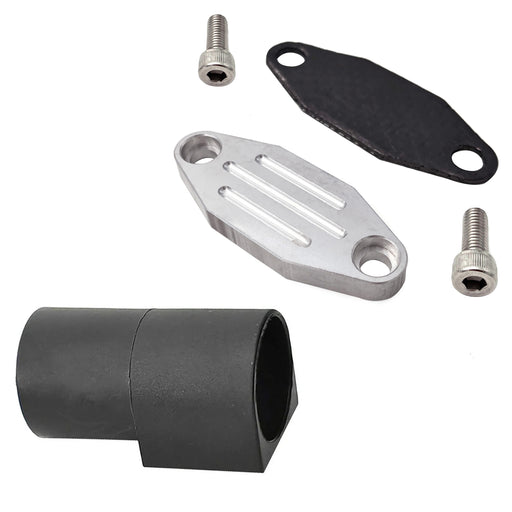
Seguler 1986-1995 Ford F150 F250 F350 Mustang Trucks EGR Simulator Eliminator / Block Off Plate Kit
SEGULEROriginal price $79.99 - Original price $79.99Original price$79.99$79.99 - $79.99Current price $79.99Block Off Plate Material: Aluminum alloy. Easy installation,and convenient to use. Made of CNC milled from aircraft grade Billet aluminum. Will N...
View full details -

Seguler 2011-2023 6.7L Ford Powerstroke Diesel EGR Delete Kit
SEGULEROriginal price $109.99 - Original price $109.99Original price$109.99$109.99 - $109.99Current price $109.99FITMENT 2011-2023 6.7L Ford Powerstroke F-250 F-350 F-450 F-550 Super Duty V8 Diesel. compatible with both standard Pickups and commercial Cab &...
View full details -
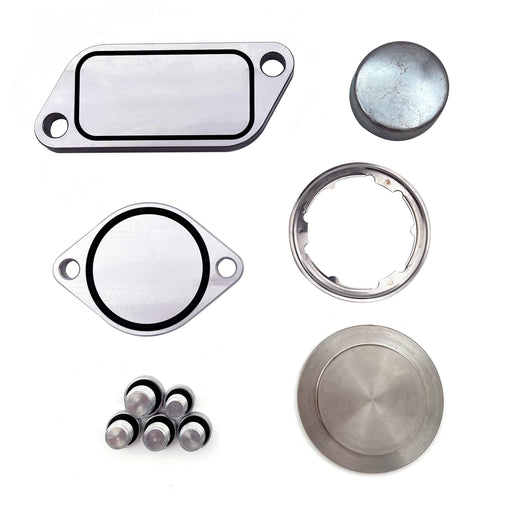
For 2010-Present Stage 2 ISX 15 CM2250 CM2350 EGR Delete Kit
SEGULEROriginal price $59.99 - Original price $59.99Original price$59.99$59.99 - $59.99Current price $59.99FITMENT 2010-Present Cummins Volvo, Peterbilt, Mack, International, Freightliner, Kenworth with the ISX15 CM2250 / CM2350 engines. DESCRIPTION P...
View full details -
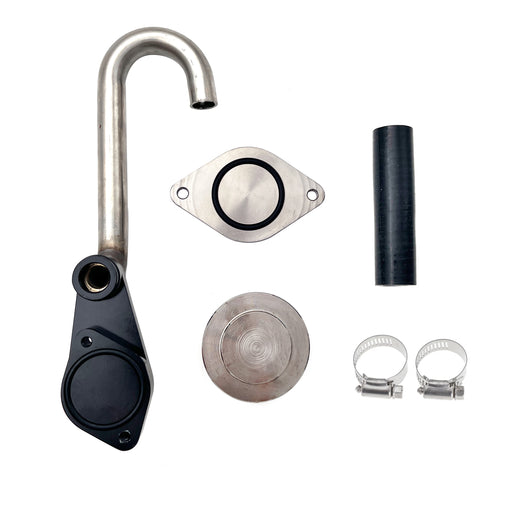
Seguler 2003-2007 6.0L FORD Powerstroke Diesel EGR Cooler Delete Kit
SEGULEROriginal price $56.14 - Original price $56.14Original price$56.14$56.14 - $56.14Current price $56.14FITMENT 2003-2007 6.0L Ford F-250 Ford F-350 F-450 F-550 Super Duty. 2003-2007 6.0L Ford Excursion SUV (Diesel Models Only). 2005-2010 Ford E-Se...
View full details -
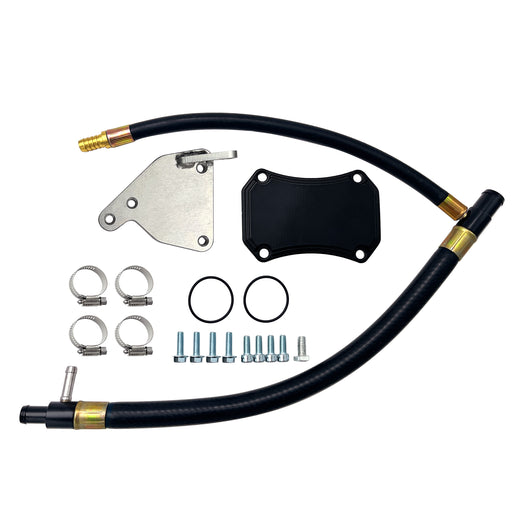
For 2011-2016 6.6L GMC Chevy Duramax Diesel LML EGR Valve Cooler Delete Kit
SEGULEROriginal price $66.49 - Original price $66.49Original price$66.49$66.49 - $66.49Current price $66.49FITMENT 2011-2016 6.6L Chevy GMC Duramax LML 2500 HD 3500 HD Diesel. DESCRIPTION Product Overview The 2011–2016 LML Duramax uses a complex EG...
View full details -
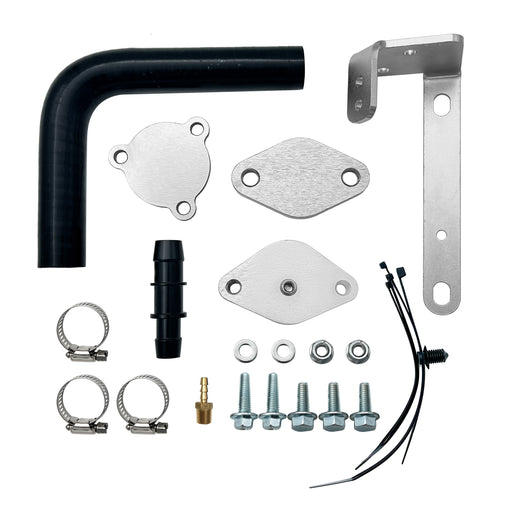
Seguler For 2014-2019 3.0L Dodge Ram 1500 EcoDiesel EGR Valve & Cooler Delete Kit
SEGULEROriginal price $72.99 - Original price $72.99Original price$72.99$72.99 - $72.99Current price $72.99FITMENT 2014-2019 3.0L Dodge Ram 1500 EcoDiesel V6 engine trucks. DESCRIPTION Product Overview Exhaust gas recirculation on 3.0L EcoDiesel V6 ...
View full details -

Seguler 2011-2023 6.7L Ford Powerstroke Diesel EGR Delete Kit
SEGULEROriginal price $85.99 - Original price $85.99Original price$85.99$85.99 - $85.99Current price $85.99FITMENT 2011-2023 6.7L Ford Powerstroke F-250 F-350 F-450 F-550 Super Duty V8 Diesel. compatible with both standard Pickups and commercial Cab &...
View full details -

Seguler 2010-2024 6.7L Dodge Ram Cummins Diesel EGR Valve Cooler Delete Kit
SEGULEROriginal price $89.99 - Original price $89.99Original price$89.99$89.99 - $89.99Current price $89.99FITMENT 2010–2024 6.7L Dodge Ram Cummins 2500 / 3500 Pickup Turbo Diesel. Note: Does NOT fit Chassis Cab 3500 / 4500 / 5500 models. DESCRIPTIO...
View full details -
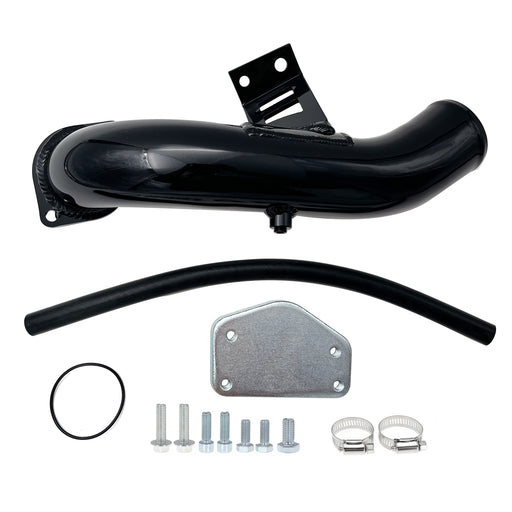
For 2004.5-2005 6.6L Chevy GMC Silverado LLY Duramax Diesel EGR Delete Kit
SEGULEROriginal price $92.99 - Original price $92.99Original price$92.99$92.99 - $92.99Current price $92.99FITMENT 2004.5-2005 6.6L Chevrolet Silverado Duramax LLY 2500HD / 3500 HD. 2004.5-2005 6.6L GMC Sierra Duramax LLY 2500HD / 3500 HD. DESCRIPTION...
View full details -

Seguler 2017-2019 L5P Duramax Diesel 4pcs L5P Can Bus Plugs Connector Replacement
SEGULEROriginal price $75.00 - Original price $75.00Original price$75.00$75.00 - $75.00Current price $75.00FITMENT 2017–2019 Chevrolet Silverado / GMC Sierra Duramax L5P 2500HD & 3500HD Diesel. DESCRIPTION Product Overview Unprotected harness con...
View full details -

Seguler 2020-2023 chevy duramax L5P Diesel Can Bus Plugs Connector
SEGULEROriginal price $80.00 - Original price $80.00Original price$80.00$80.00 - $80.00Current price $80.00FITMENT 2020–2023 Chevrolet Silverado / GMC Sierra Duramax L5P 2500HD & 3500HD Diesel. DESCRIPTION Product Overview Unprotected harness pl...
View full details -
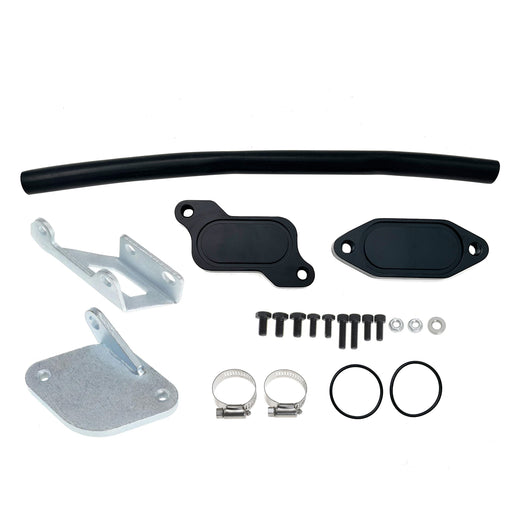
For 2006-2007 6.6L Chevrolet Silverado Classic GMC Duramax LBZ Diesel EGR Valve Cooler Delete Kit
SEGULEROriginal price $63.49 - Original price $63.49Original price$63.49$63.49 - $63.49Current price $63.49FITMENT 2006-2007.4 Chevrolet Silverado Duramax LBZ 2500HD / 3500HD. 2007.4 Chevrolet Silverado Duramax LBZ 2500HD / 3500HD Classic. 2006-2007.4 ...
View full details -

Seguler 2011-2023 6.7L Ford F250 F350 F450 F550 Powerstroke Diesel EGR Valve Delete Cooler Delete Kit
SEGULEROriginal price $55.99 - Original price $55.99Original price$55.99$55.99 - $55.99Current price $55.99FITMENT 2011-2023 6.7L Ford Powerstroke F-250 F-350 F-450 F-550 Super Duty V8 Diesel compatible with both standard Pickups and commercial Cab &a...
View full details -
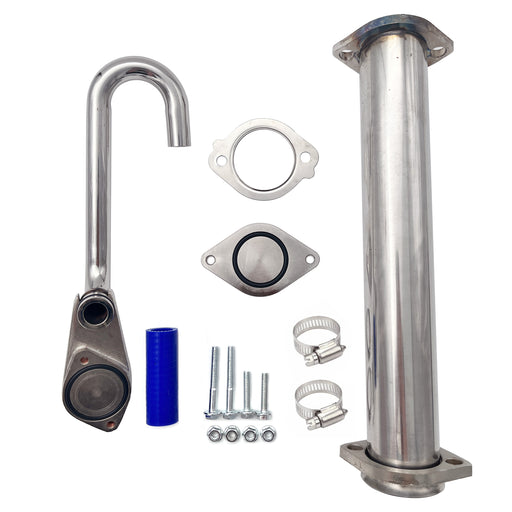
Seguler 2003-2007 6.0L Ford F250 F350 Powerstroke Diesel EGR Basic Cooler Kit
SEGULEROriginal price $79.99 - Original price $79.99Original price$79.99$79.99 - $79.99Current price $79.99FITMENT 2003-2007 6.0L Ford F250 F350 F450 F550 Super Duty Turbo (except 2004 F250 Super Duty). 2003-2005 6.0L Ford Excursion Turbo. 2005 Ford F...
View full details -
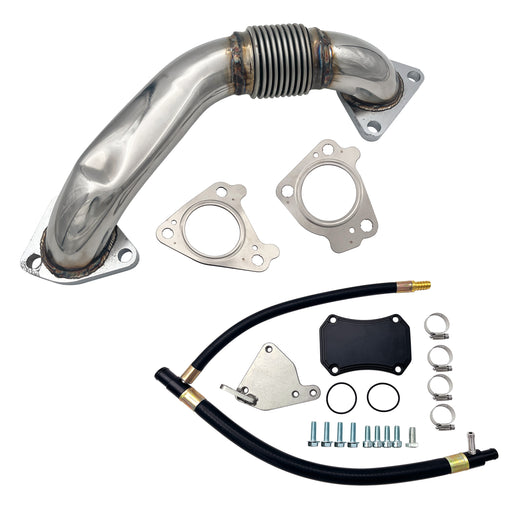
Seguler 2011-2016 6.6L GMC Chevy Duramax Diesel LML Up-Pipe & EGR Valve Cooler Delete Kit
SEGULEROriginal price $173.86 - Original price $173.86Original price$173.86$173.86 - $173.86Current price $173.86FITMENT 2011-2016 6.6L Chevy GMC Duramax LML 2500 HD 3500 HD Diesel. DESCRIPTION Product Overview Direct-injection technology endows GM 5.3L an...
View full details -
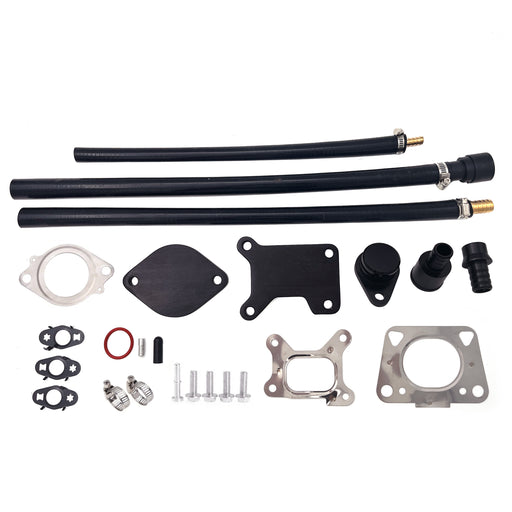
For 2017-2023 6.6L Chevy GMC Duramax L5P diesel EGR Valve Cooler Delete kit
SEGULEROriginal price $131.99 - Original price $131.99Original price$131.99$131.99 - $131.99Current price $131.99FITMENT 2017–2023 6.6L Chevrolet Silverado / GMC Sierra Duramax L5P 2500HD 3500HD Diesel. DESCRIPTION Product Overview Hot soot recirculation ...
View full details -
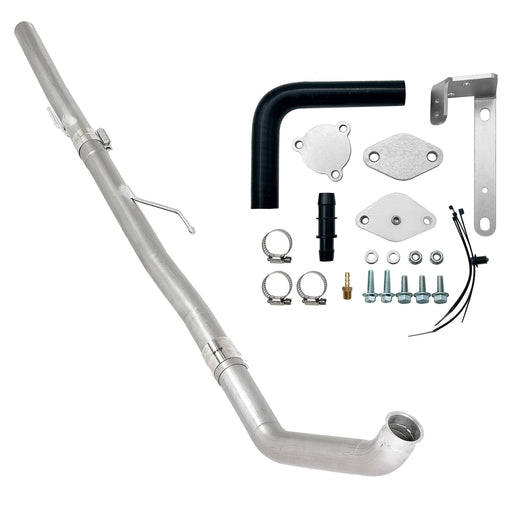
Seguler 3" Ecodiesel DPF Delete Pipe & EGR Delete kit for 2014-2018 3.0L Ram
SEGULEROriginal price $342.00 - Original price $342.00Original price$342.00$342.00 - $342.00Current price $342.00FITMENT 2014–2018 3.0L Dodge Ram 1500 EcoDiesel V6. NOTE: Fit standard Pickup models only (Crew Cab, Quad Cab). Does NOT fit Jeep Grand Cheroke...
View full details -
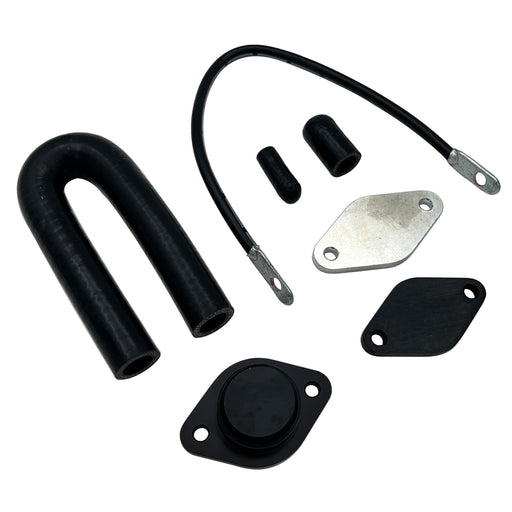
Seguler EGR valve cooler Delete kit for 2020-2022 3.0L Chevy Duramax LM2
SEGULEROriginal price $189.12 - Original price $189.12Original price$189.12$189.12 - $189.12Current price $189.12FITMENT 2020–2022 3.0L Chevrolet Silverado GMC Sierra 1500 LM2 Turbo-Diesel. DESCRIPTION Product Overview Powered by smooth inline-six engine...
View full details -

For 2013-2023 6.7L Dodge Ram Cummins Cab & Chassis EGR Delete Kit Diesel
SEGULEROriginal price $62.99 - Original price $62.99Original price$62.99$62.99 - $62.99Current price $62.99FITMENT 2013–2023 6.7L Ram Cummins 3500 4500 5500 Cab & Chassis / Commercial Trucks. Does NOT fit standard Ram 2500 3500 Pickups. DESCRIPTIO...
View full details -
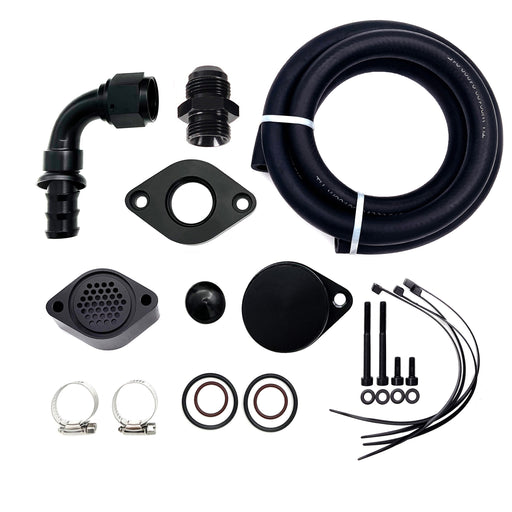
Seguler 2011-2023 6.7L Ford Powerstroke CCV PCV Reroute Engine Ventilation Kit
SEGULEROriginal price $82.99 - Original price $82.99Original price$82.99$82.99 - $82.99Current price $82.99FITMENT 2011-2023 6.7L Ford Powerstroke F-250 F-350 F-450 F-550 Super Duty V8 Diesel. Compatible with both standard Pickups and commercial Cab &...
View full details -
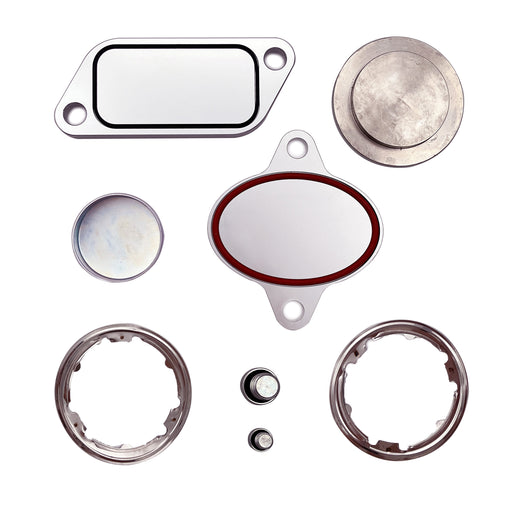
For 2007-2010 Cummins ISX CM871 EGR Plug Kit Stage 2 Plates and Plugs Aluminum
SEGULEROriginal price $67.99 - Original price $67.99Original price$67.99$67.99 - $67.99Current price $67.99FITMENT 2007-2010 Cummins Volvo, Peterbilt, Mack, International, Freightliner, Kenworth with the ISX CM871 Engines. DESCRIPTION Product Overvie...
View full details -
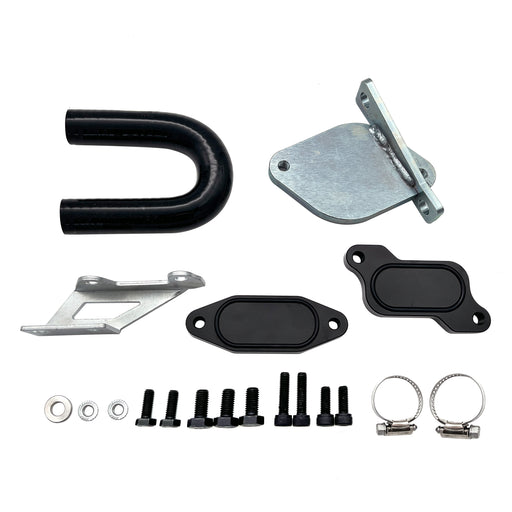
For 2007-2010 6.6L Chevy GMC LMM Duramax EGR Valve Cooler Delete Kit Fit
SEGULEROriginal price $61.99 - Original price $61.99Original price$61.99$61.99 - $61.99Current price $61.99FITMENT 2007.5-2010 6.6L Chevrolet Silverado Duramax LMM 2500HD / 3500HD. 2007.5-2010 6.6L GMC Sierra Duramax LMM 2500HD / 3500HD. Note: Standard...
View full details -
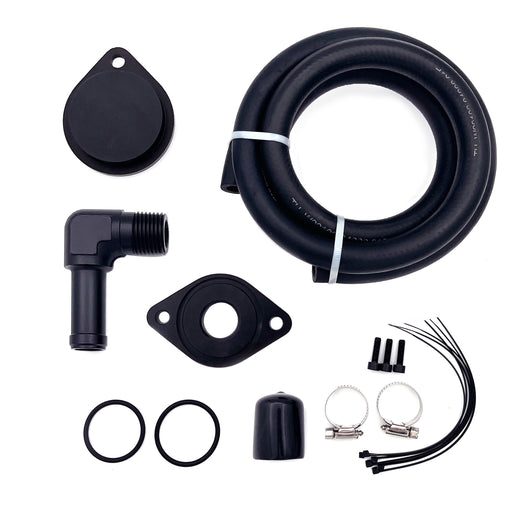
Seguler 2011-2023 Ford 6.7L Powerstroke CCV/PCV Reroute/Delete Engine Ventilation Kit
SEGULEROriginal price $72.00 - Original price $72.00Original price$72.00$72.00 - $72.00Current price $72.00FITMENT 2011-2023 6.7L Ford Powerstroke F-250 F-350 F-450 F-550 Super Duty V8 Diesel. Compatible with both standard Pickups and commercial Cab &...
View full details -
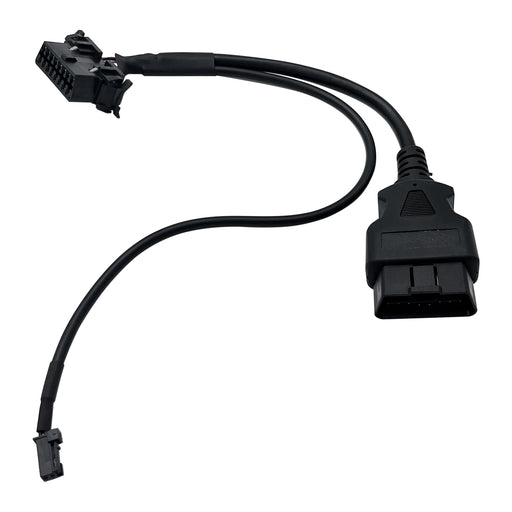
Seguler 2018+ RAM Cummins OBD2 HD Security Gate Bypass Cable
SEGULEROriginal price $45.00 - Original price $45.00Original price$45.00$45.00 - $45.00Current price $45.00FITMENT 2018+ 6.7L Ram Cummins 2500 3500 Turbo Diesel. Designed for Ram pickup trucks equipped with the factory Security Gateway Module. Note: Pl...
View full details -
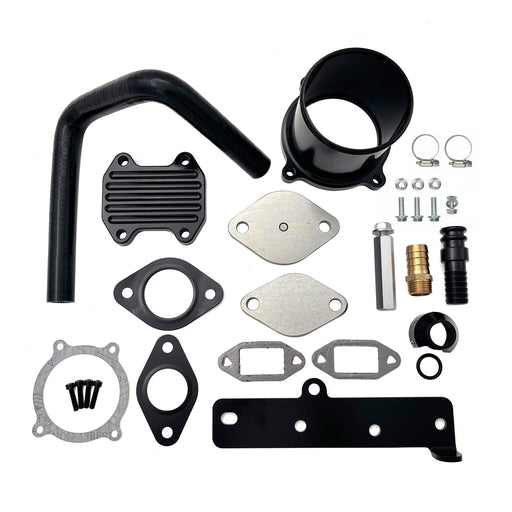
Seguler For 2013-2018 6.7L Dodge RAM 2500 3500 Cummins Diesel EGR Delete Cooler Throttle Valve Delete Kit
SEGULEROriginal price $112.00 - Original price $112.00Original price$112.00$112.00 - $112.00Current price $112.00FITMENT 2013–2018 6.7L Dodge Ram Cummins 2500 & 3500 Pickup Turbo Diesel. Note: Does NOT fit Cab & Chassis (3500 / 4500 / 5500 C&C) m...
View full details


Leave a comment