

How to Improve Diesel Performance (7 Proven Mods)
Understanding Diesel Engine Performance Limitations
Modern diesel engines leave the factory with significant untapped potential. To meet emissions standards, manage warranty claims, and accommodate a wide range of operating conditions, manufacturers tune their engines conservatively. The factory calibration leaves horsepower, torque, and efficiency on the table — performance that can be unlocked through targeted modifications. Understanding where the restrictions lie is the first step toward an effective upgrade strategy.
Key Takeaways
- Factory diesel calibrations leave 30-50% of potential power on the table to meet emissions standards and warranty requirements
- Performance tuning is the single most effective modification — a quality tune can unlock 80-150+ HP on modern diesel platforms
- Intake and exhaust upgrades complement tuning by reducing flow restrictions but provide minimal gains without a tune
- The recommended upgrade sequence is: tuner first, then exhaust, then intake — each builds on the previous modification's gains
- Supporting modifications (transmission, fuel system, cooling) become necessary above 500 HP to maintain reliability
1. DPF Delete: The Biggest Single Restriction
The Diesel Particulate Filter is the most significant flow restriction in a modern diesel exhaust system. Every exhaust pulse from every cylinder must push through a ceramic honeycomb filter designed to trap soot. This creates measurable backpressure — energy the engine wastes pushing exhaust through the filter instead of turning the crankshaft.
Removing the DPF and replacing it with a straight-through delete pipe can reduce exhaust backpressure by 40-60%. Combined with proper ECM tuning, this modification alone can add 20-40 horsepower and 30-60 lb-ft of torque. Fuel economy improves as the engine no longer consumes fuel for active regeneration cycles — typically yielding a 1-3 MPG gain. Turbocharger response sharpens because exhaust energy reaches the turbine wheel faster without the DPF's thermal mass absorbing heat.
2. EGR Delete: Cleaner Air, Cooler Combustion
The EGR system's role — reducing NOx emissions by diluting the intake charge with inert exhaust gas — comes with significant tradeoffs. Exhaust gas entering the intake at 400-600°F raises intake air temperatures, reduces oxygen density, and progressively coats intake components with carbon deposits. These deposits narrow airflow paths over time, causing a gradual decline in performance that many owners do not notice until it becomes severe.
An EGR delete removes this heat source and contamination source simultaneously. Intake air temperatures drop by 100-200°F. The intake manifold, intercooler, and intake valves stay clean. The engine breathes denser, oxygen-rich air that supports more complete combustion. Combined with tuning, an EGR delete adds 15-30 horsepower and noticeably sharper throttle response, especially during low-RPM acceleration.
3. High-Flow Exhaust System
Even after deleting the DPF, the factory exhaust piping — typically 3-3.5 inches in diameter with crush-bent sections — remains a restriction. Upgrading to a mandrel-bent 4-inch or 5-inch system ensures that the engine's full exhaust flow capacity is realized. A properly sized exhaust system also lowers EGTs by 50-150°F under sustained load, protecting the turbocharger and exhaust valves from heat-related wear.
4. Cold Air Intake
The factory air intake system is designed for noise suppression first, flow second. A high-flow cold air intake replaces the restrictive factory airbox and paper filter with a larger-diameter intake tube and a high-surface-area cotton or synthetic filter. This reduces intake restriction and — critically — draws cooler air from outside the engine bay. Cooler intake air is denser, containing more oxygen molecules per unit volume, supporting more powerful combustion. Expect 5-10 horsepower from a quality intake on a tuned truck.
5. ECM Tuning: The Essential Foundation
No hardware modification delivers its full potential without corresponding ECM tuning. The engine computer's fuel maps, injection timing, boost control, and torque management strategies are all calibrated for stock hardware. A professional tune optimizes these parameters for the specific combination of modifications on the truck. Key tuning adjustments include: increased fuel delivery within safe EGT limits, advanced injection timing for complete combustion, higher boost targets with appropriate safety limits, and removal of torque management limits that restrict power delivery during shifts and low-speed operation.
A quality tune from a reputable tuner is the single most important performance investment. A poorly executed tune can cause excessive EGTs, cracked pistons, and transmission damage — while a well-executed tune makes the same hardware produce more power safely and reliably.
6. Supporting Modifications for Reliability
As power increases, supporting systems need attention to maintain reliability:
- EGT Gauge: Essential for monitoring exhaust gas temperatures during sustained load. Sustained EGTs above 1,250°F (pre-turbo) can damage pistons and turbochargers.
- Lift Pump: A fuel lift pump ensures consistent fuel supply pressure to the high-pressure pump, preventing cavitation and injector starvation at high power levels.
- Transmission Tuning: Automatic transmissions need recalibration to handle increased torque — firmer shifts, adjusted torque converter lockup, and increased line pressure protect the transmission from slip and heat buildup.
- Upgraded Intercooler: An aftermarket intercooler with larger core volume and better end-tank design reduces intake air temperatures further, especially during sustained high-boost operation.
FAQs About Diesel Performance Upgrades
Q1: What is the best first modification for a stock diesel truck?
A1: A quality ECM tune is the highest-value first modification. Even on a completely stock truck, a tune can unlock 40-80 horsepower by optimizing fuel and timing maps and reducing torque management. It also establishes the tuning platform for all future hardware modifications.
Q2: How much power can I add before needing to upgrade the transmission?
A2: This varies by platform. The Allison 1000 (Duramax) can handle 500-550 RWHP with tuning alone. The 6R140 (6.7L Powerstroke) handles 500-550 RWHP. The 68RFE (6.7L Cummins) is the weakest link — generally requiring upgrades above 450 RWHP. A transmission tune is strongly recommended at any power level above stock.
Q3: Will performance modifications void my warranty?
A3: Yes. Any modification that alters engine calibration or removes emissions equipment will void related portions of the factory warranty. Under the Magnuson-Moss Act, the dealer must prove the modification caused a specific failure to deny warranty coverage, but in practice, engine and drivetrain claims are routinely denied on modified trucks.
Q4: What is a safe maximum EGT for a tuned diesel engine?
A4: For sustained operation (towing, long grades): keep pre-turbo EGTs below 1,250°F. Brief spikes to 1,350-1,400°F during hard acceleration or short climbs are acceptable. Sustained operation above 1,300°F risks piston damage, turbocharger oil coking, and exhaust valve degradation. If EGTs climb too high, reduce throttle, downshift to increase RPM and cooling airflow, or consider a larger exhaust system.
Q5: Should I do all modifications at once or in stages?
A5: Staged modifications are generally recommended. Start with a tune and monitoring gauges. Add exhaust modifications (delete pipe and cat-back) as a second stage. Add intake and EGR delete as a third stage. This approach allows you to evaluate the impact and reliability of each modification before adding more power, and spreads the cost over time.
Conclusion
Unlocking the full potential of a modern diesel engine is a systematic process — not a single bolt-on part. The most effective approach combines exhaust flow improvements (DPF delete, high-flow exhaust), intake improvements (EGR delete, cold air intake), and professional ECM tuning calibrated for the specific hardware combination. Each modification builds on the previous ones, and proper supporting upgrades ensure the increased power is delivered reliably mile after mile. Explore our complete range of diesel performance products to build your upgrade strategy.
Frequently Asked Questions
What is the best first modification for diesel performance?
A performance tuner is the best first modification. It provides the largest power gain per dollar spent and unlocks the engine's potential. All other modifications work best with a tune as the foundation.
How much HP can a tune alone add to a diesel?
A tune alone typically adds 80-150 HP on modern diesel engines like the 6.7 Powerstroke, 6.7 Cummins, or 6.6 Duramax. The exact gain depends on the tune level and whether emissions systems are still in place.
Do I need to upgrade my transmission with more power?
For tunes adding less than 100 HP over stock, the factory transmission usually holds up. Above that, consider a transmission tune, upgraded torque converter, or full transmission build to prevent slippage and failure.
Is a cold air intake worth it for a diesel?
A cold air intake provides modest gains (5-15 HP) on a tuned diesel. It becomes more valuable at higher power levels where the factory intake becomes a restriction. For stock or mildly tuned trucks, the benefit is minimal.
What supporting mods are needed for high horsepower diesel?
Beyond 500 HP, you typically need upgraded fuel injectors, a high-pressure fuel pump, enhanced cooling (larger intercooler, radiator), and transmission upgrades. Fuel system upgrades are usually the first bottleneck.
Featured collection
-
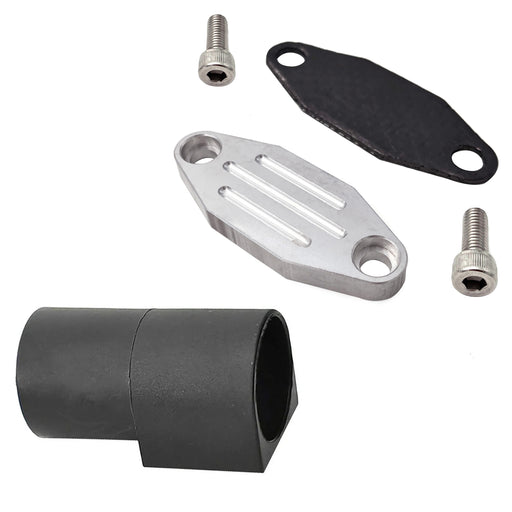
Seguler 1986-1995 Ford F150 F250 F350 Mustang Trucks EGR Simulator Eliminator / Block Off Plate Kit
SEGULEROriginal price $79.99 - Original price $79.99Original price$79.99$79.99 - $79.99Current price $79.99Block Off Plate Material: Aluminum alloy. Easy installation,and convenient to use. Made of CNC milled from aircraft grade Billet aluminum. Will N...
View full details -

Seguler 2011-2023 6.7L Ford Powerstroke Diesel EGR Delete Kit
SEGULEROriginal price $109.99 - Original price $109.99Original price$109.99$109.99 - $109.99Current price $109.99FITMENT 2011-2023 6.7L Ford Powerstroke F-250 F-350 F-450 F-550 Super Duty V8 Diesel. compatible with both standard Pickups and commercial Cab &...
View full details -
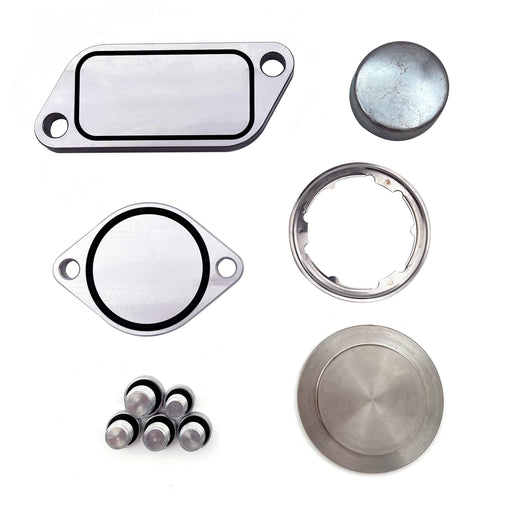
For 2010-Present Stage 2 ISX 15 CM2250 CM2350 EGR Delete Kit
SEGULEROriginal price $59.99 - Original price $59.99Original price$59.99$59.99 - $59.99Current price $59.99FITMENT 2010-Present Cummins Volvo, Peterbilt, Mack, International, Freightliner, Kenworth with the ISX15 CM2250 / CM2350 engines. DESCRIPTION P...
View full details -
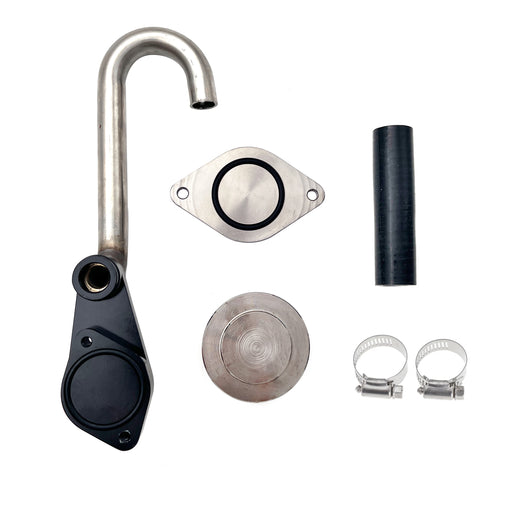
Seguler 2003-2007 6.0L FORD Powerstroke Diesel EGR Cooler Delete Kit
SEGULEROriginal price $56.14 - Original price $56.14Original price$56.14$56.14 - $56.14Current price $56.14FITMENT 2003-2007 6.0L Ford F-250 Ford F-350 F-450 F-550 Super Duty. 2003-2007 6.0L Ford Excursion SUV (Diesel Models Only). 2005-2010 Ford E-Se...
View full details -
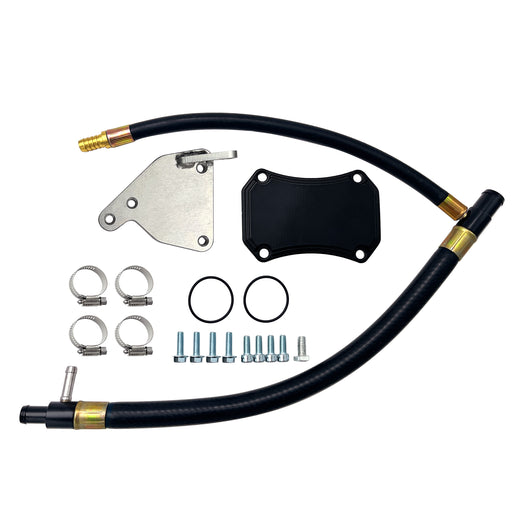
For 2011-2016 6.6L GMC Chevy Duramax Diesel LML EGR Valve Cooler Delete Kit
SEGULEROriginal price $66.49 - Original price $66.49Original price$66.49$66.49 - $66.49Current price $66.49FITMENT 2011-2016 6.6L Chevy GMC Duramax LML 2500 HD 3500 HD Diesel. DESCRIPTION Product Overview The 2011–2016 LML Duramax uses a complex EG...
View full details -
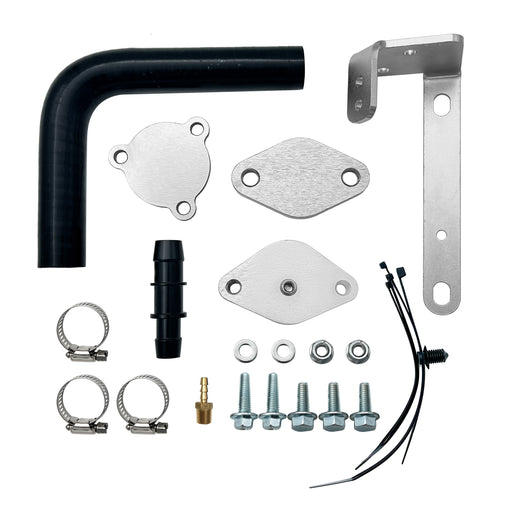
Seguler For 2014-2019 3.0L Dodge Ram 1500 EcoDiesel EGR Valve & Cooler Delete Kit
SEGULEROriginal price $72.99 - Original price $72.99Original price$72.99$72.99 - $72.99Current price $72.99FITMENT 2014-2019 3.0L Dodge Ram 1500 EcoDiesel V6 engine trucks. DESCRIPTION Product Overview Exhaust gas recirculation on 3.0L EcoDiesel V6 ...
View full details -

Seguler 2011-2023 6.7L Ford Powerstroke Diesel EGR Delete Kit
SEGULEROriginal price $85.99 - Original price $85.99Original price$85.99$85.99 - $85.99Current price $85.99FITMENT 2011-2023 6.7L Ford Powerstroke F-250 F-350 F-450 F-550 Super Duty V8 Diesel. compatible with both standard Pickups and commercial Cab &...
View full details -

Seguler 2010-2024 6.7L Dodge Ram Cummins Diesel EGR Valve Cooler Delete Kit
SEGULEROriginal price $89.99 - Original price $89.99Original price$89.99$89.99 - $89.99Current price $89.99FITMENT 2010–2024 6.7L Dodge Ram Cummins 2500 / 3500 Pickup Turbo Diesel. Note: Does NOT fit Chassis Cab 3500 / 4500 / 5500 models. DESCRIPTIO...
View full details -
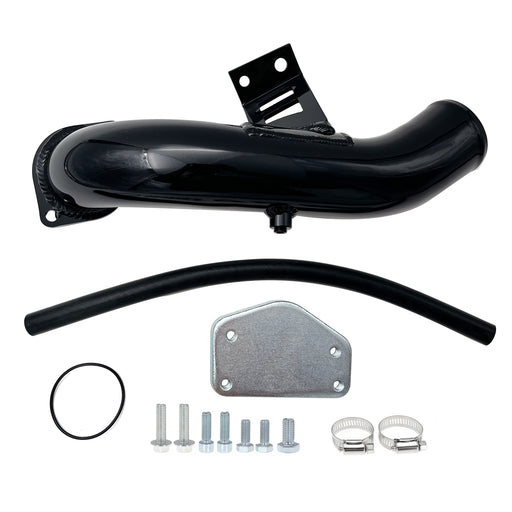
For 2004.5-2005 6.6L Chevy GMC Silverado LLY Duramax Diesel EGR Delete Kit
SEGULEROriginal price $92.99 - Original price $92.99Original price$92.99$92.99 - $92.99Current price $92.99FITMENT 2004.5-2005 6.6L Chevrolet Silverado Duramax LLY 2500HD / 3500 HD. 2004.5-2005 6.6L GMC Sierra Duramax LLY 2500HD / 3500 HD. DESCRIPTION...
View full details -

Seguler 2017-2019 L5P Duramax Diesel 4pcs L5P Can Bus Plugs Connector Replacement
SEGULEROriginal price $75.00 - Original price $75.00Original price$75.00$75.00 - $75.00Current price $75.00FITMENT 2017–2019 Chevrolet Silverado / GMC Sierra Duramax L5P 2500HD & 3500HD Diesel. DESCRIPTION Product Overview Unprotected harness con...
View full details -

Seguler 2020-2023 chevy duramax L5P Diesel Can Bus Plugs Connector
SEGULEROriginal price $80.00 - Original price $80.00Original price$80.00$80.00 - $80.00Current price $80.00FITMENT 2020–2023 Chevrolet Silverado / GMC Sierra Duramax L5P 2500HD & 3500HD Diesel. DESCRIPTION Product Overview Unprotected harness pl...
View full details -
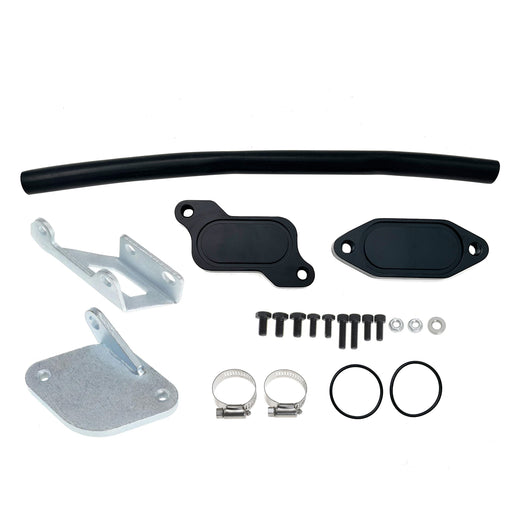
For 2006-2007 6.6L Chevrolet Silverado Classic GMC Duramax LBZ Diesel EGR Valve Cooler Delete Kit
SEGULEROriginal price $63.49 - Original price $63.49Original price$63.49$63.49 - $63.49Current price $63.49FITMENT 2006-2007.4 Chevrolet Silverado Duramax LBZ 2500HD / 3500HD. 2007.4 Chevrolet Silverado Duramax LBZ 2500HD / 3500HD Classic. 2006-2007.4 ...
View full details -

Seguler 2011-2023 6.7L Ford F250 F350 F450 F550 Powerstroke Diesel EGR Valve Delete Cooler Delete Kit
SEGULEROriginal price $55.99 - Original price $55.99Original price$55.99$55.99 - $55.99Current price $55.99FITMENT 2011-2023 6.7L Ford Powerstroke F-250 F-350 F-450 F-550 Super Duty V8 Diesel compatible with both standard Pickups and commercial Cab &a...
View full details -
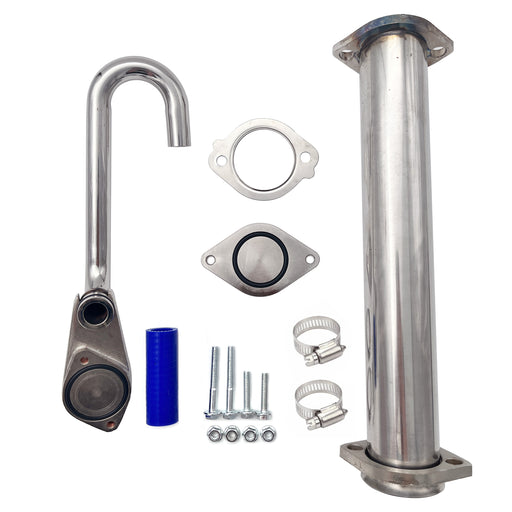
Seguler 2003-2007 6.0L Ford F250 F350 Powerstroke Diesel EGR Basic Cooler Kit
SEGULEROriginal price $79.99 - Original price $79.99Original price$79.99$79.99 - $79.99Current price $79.99FITMENT 2003-2007 6.0L Ford F250 F350 F450 F550 Super Duty Turbo (except 2004 F250 Super Duty). 2003-2005 6.0L Ford Excursion Turbo. 2005 Ford F...
View full details -
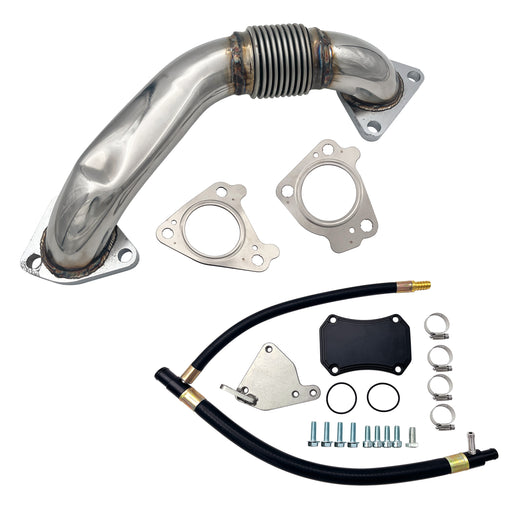
Seguler 2011-2016 6.6L GMC Chevy Duramax Diesel LML Up-Pipe & EGR Valve Cooler Delete Kit
SEGULEROriginal price $173.86 - Original price $173.86Original price$173.86$173.86 - $173.86Current price $173.86FITMENT 2011-2016 6.6L Chevy GMC Duramax LML 2500 HD 3500 HD Diesel. DESCRIPTION Product Overview Direct-injection technology endows GM 5.3L an...
View full details -
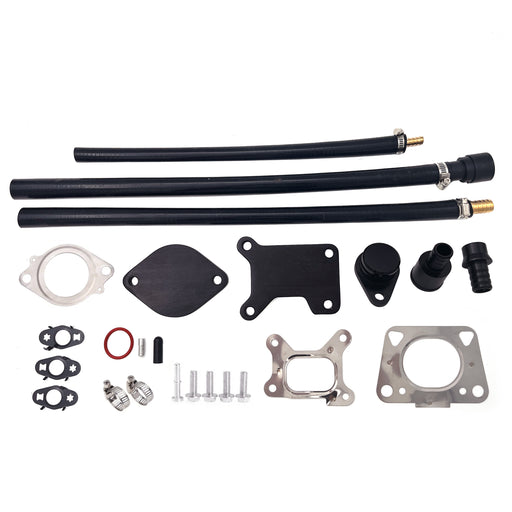
For 2017-2023 6.6L Chevy GMC Duramax L5P diesel EGR Valve Cooler Delete kit
SEGULEROriginal price $131.99 - Original price $131.99Original price$131.99$131.99 - $131.99Current price $131.99FITMENT 2017–2023 6.6L Chevrolet Silverado / GMC Sierra Duramax L5P 2500HD 3500HD Diesel. DESCRIPTION Product Overview Hot soot recirculation ...
View full details -
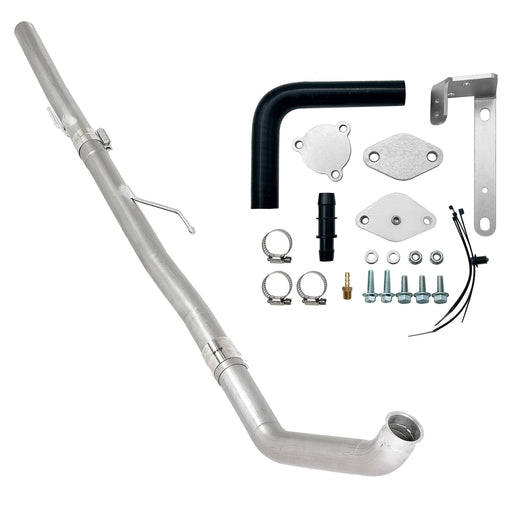
Seguler 3" Ecodiesel DPF Delete Pipe & EGR Delete kit for 2014-2018 3.0L Ram
SEGULEROriginal price $342.00 - Original price $342.00Original price$342.00$342.00 - $342.00Current price $342.00FITMENT 2014–2018 3.0L Dodge Ram 1500 EcoDiesel V6. NOTE: Fit standard Pickup models only (Crew Cab, Quad Cab). Does NOT fit Jeep Grand Cheroke...
View full details -
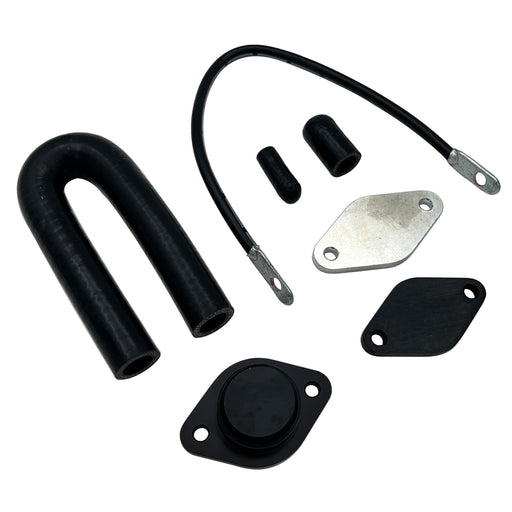
Seguler EGR valve cooler Delete kit for 2020-2022 3.0L Chevy Duramax LM2
SEGULEROriginal price $189.12 - Original price $189.12Original price$189.12$189.12 - $189.12Current price $189.12FITMENT 2020–2022 3.0L Chevrolet Silverado GMC Sierra 1500 LM2 Turbo-Diesel. DESCRIPTION Product Overview Powered by smooth inline-six engine...
View full details -

For 2013-2023 6.7L Dodge Ram Cummins Cab & Chassis EGR Delete Kit Diesel
SEGULEROriginal price $62.99 - Original price $62.99Original price$62.99$62.99 - $62.99Current price $62.99FITMENT 2013–2023 6.7L Ram Cummins 3500 4500 5500 Cab & Chassis / Commercial Trucks. Does NOT fit standard Ram 2500 3500 Pickups. DESCRIPTIO...
View full details -
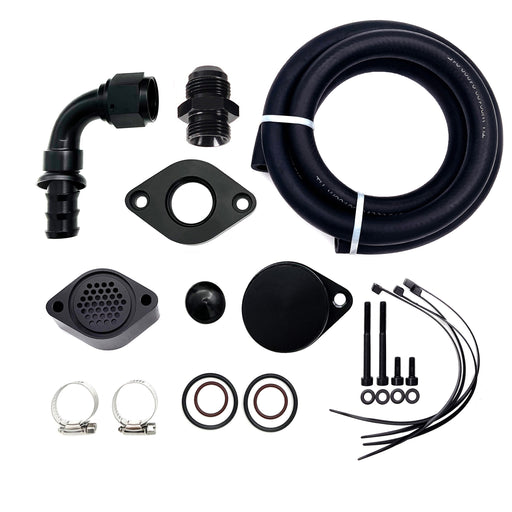
Seguler 2011-2023 6.7L Ford Powerstroke CCV PCV Reroute Engine Ventilation Kit
SEGULEROriginal price $82.99 - Original price $82.99Original price$82.99$82.99 - $82.99Current price $82.99FITMENT 2011-2023 6.7L Ford Powerstroke F-250 F-350 F-450 F-550 Super Duty V8 Diesel. Compatible with both standard Pickups and commercial Cab &...
View full details -
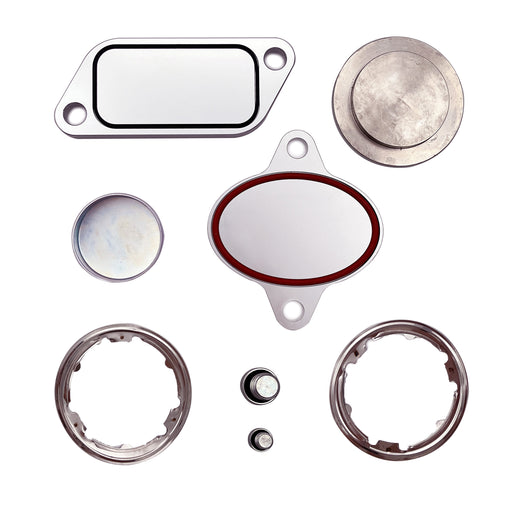
For 2007-2010 Cummins ISX CM871 EGR Plug Kit Stage 2 Plates and Plugs Aluminum
SEGULEROriginal price $67.99 - Original price $67.99Original price$67.99$67.99 - $67.99Current price $67.99FITMENT 2007-2010 Cummins Volvo, Peterbilt, Mack, International, Freightliner, Kenworth with the ISX CM871 Engines. DESCRIPTION Product Overvie...
View full details -
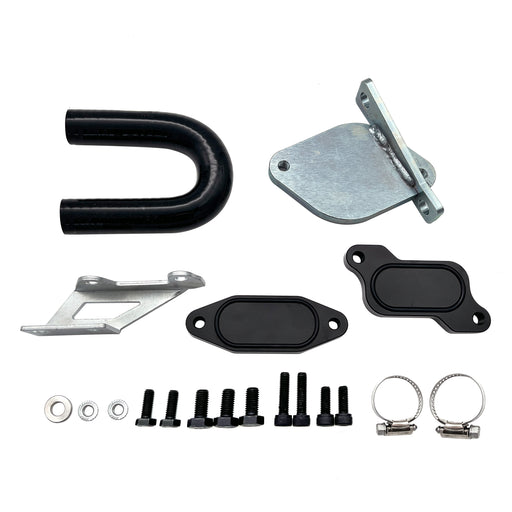
For 2007-2010 6.6L Chevy GMC LMM Duramax EGR Valve Cooler Delete Kit Fit
SEGULEROriginal price $61.99 - Original price $61.99Original price$61.99$61.99 - $61.99Current price $61.99FITMENT 2007.5-2010 6.6L Chevrolet Silverado Duramax LMM 2500HD / 3500HD. 2007.5-2010 6.6L GMC Sierra Duramax LMM 2500HD / 3500HD. Note: Standard...
View full details -
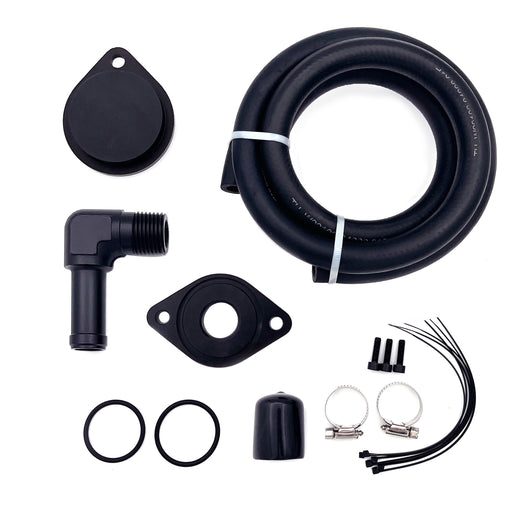
Seguler 2011-2023 Ford 6.7L Powerstroke CCV/PCV Reroute/Delete Engine Ventilation Kit
SEGULEROriginal price $72.00 - Original price $72.00Original price$72.00$72.00 - $72.00Current price $72.00FITMENT 2011-2023 6.7L Ford Powerstroke F-250 F-350 F-450 F-550 Super Duty V8 Diesel. Compatible with both standard Pickups and commercial Cab &...
View full details -
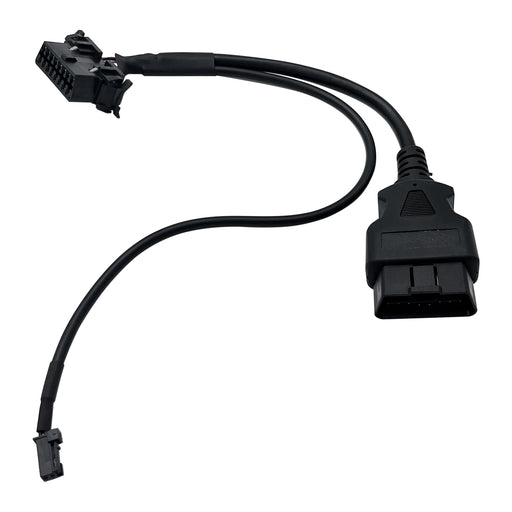
Seguler 2018+ RAM Cummins OBD2 HD Security Gate Bypass Cable
SEGULEROriginal price $45.00 - Original price $45.00Original price$45.00$45.00 - $45.00Current price $45.00FITMENT 2018+ 6.7L Ram Cummins 2500 3500 Turbo Diesel. Designed for Ram pickup trucks equipped with the factory Security Gateway Module. Note: Pl...
View full details -
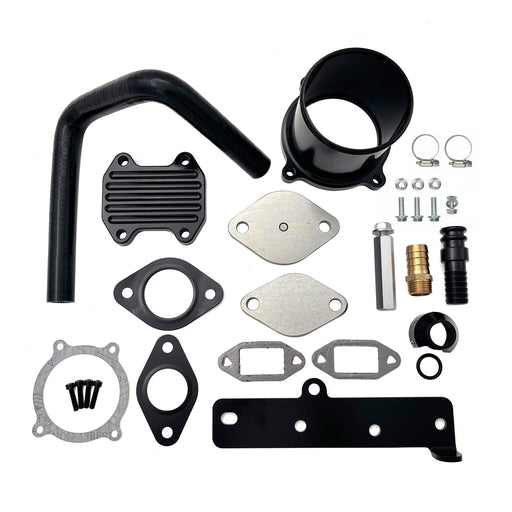
Seguler For 2013-2018 6.7L Dodge RAM 2500 3500 Cummins Diesel EGR Delete Cooler Throttle Valve Delete Kit
SEGULEROriginal price $112.00 - Original price $112.00Original price$112.00$112.00 - $112.00Current price $112.00FITMENT 2013–2018 6.7L Dodge Ram Cummins 2500 & 3500 Pickup Turbo Diesel. Note: Does NOT fit Cab & Chassis (3500 / 4500 / 5500 C&C) m...
View full details


Leave a comment