

6.7 Cummins DPF Delete: Performance Gains Explained
The 6.7L Cummins earned its reputation the hard way — millions of miles in Ram 2500 and 3500 trucks, from job site to highway, loaded with trailers that would humble a lesser engine. The inline-six architecture that dates back to the 5.9L era still underpins the platform, delivering the low-end torque and mechanical simplicity that diesel owners have trusted for decades.
But there is a difference between the 5.9L and the 6.7L that every owner eventually confronts: the emissions hardware. Specifically, the Diesel Particulate Filter sitting in the exhaust system, capturing soot, triggering regenerations, and — when things go wrong — putting the truck in limp mode at the worst possible moment. For owners researching how removing the DPF can affect a 6.7L Cummins, understanding the changes in exhaust flow, regeneration behavior, and engine response is essential.
🔬 What the DPF Does on a 6.7L Cummins
The 6.7L Cummins exhaust system routes gases from the exhaust manifold through several treatment components. The DPF sits downstream of the Diesel Oxidation Catalyst — and upstream of the SCR catalyst when equipped — making it the primary restriction in the exhaust path. Depending on model year and configuration, the complete DPF assembly can represent a significant amount of weight within the exhaust system.
The filter itself is a ceramic substrate with thousands of narrow channels that force exhaust gas through porous walls, trapping soot particles while allowing clean gas to pass. A differential pressure sensor monitors the restriction across the filter. When soot buildup reaches a calibrated threshold, the engine initiates a regeneration cycle.
Regeneration comes in two forms. Passive regeneration occurs during sustained highway driving when exhaust gas temperatures are high enough to oxidize soot naturally. Active regeneration is triggered by the ECU, injecting extra fuel to raise exhaust temperature and burn trapped soot into ash. This is the source of most owner frustration — it consumes fuel without moving the truck, and can be interrupted by short trips or shutting the engine off prematurely. Repeatedly interrupted cycles eventually force a derated mode requiring a dealership-level forced regeneration.
🔗 How the DPF Affects Engine Performance
The DPF is not a passive component. It interacts directly with how the engine breathes.
Exhaust Backpressure
Every filter creates restriction. As soot loads into the DPF, exhaust flow encounters increasing resistance. The engine’s pistons must push against this backpressure during the exhaust stroke, consuming energy that would otherwise contribute to crankshaft rotation. This is called pumping loss — work the engine performs that produces no usable output.
A clean DPF introduces a baseline level of restriction. As soot loads, the restriction increases incrementally with each drive cycle. As soot loading increases and the filter approaches its service limit, exhaust restriction can become more noticeable and begin affecting engine efficiency. Less air per cycle means less fuel can be burned efficiently, which means less torque at the flywheel.
The relationship between soot load and backpressure is not linear. Early soot accumulation creates a relatively small pressure increase. But as the filter approaches capacity, each additional gram of trapped soot creates a proportionally larger restriction — a truck that runs fine at moderate soot levels can feel noticeably different as the filter nears its limit.
Impact on Turbocharger Behavior
The turbocharger in the 6.7L Cummins — a Holset variable geometry unit in most applications — relies on the pressure differential between the exhaust manifold and the downstream exhaust system to drive the turbine wheel. Higher backpressure downstream reduces this differential, which means the turbine has less energy available to spin.
In practical terms, a restricted DPF makes the turbocharger slower to spool. Throttle response suffers, especially at low RPM where exhaust energy is already limited. The variable geometry mechanism — which adjusts turbine inlet vanes to optimize flow across the RPM range — can only compensate to a point. When downstream restriction is high enough, even fully open vanes cannot produce the pressure ratio needed for optimal boost.
The driver experiences this as a delay between pedal input and power delivery — sometimes described as turbo lag, though in this scenario the lag is downstream restriction rather than an inherent turbocharger characteristic. Under heavy load, the combination of high exhaust volume and a partially loaded DPF creates the greatest restriction, which is also when the driver is most likely to notice the performance impact.
Fuel Economy Considerations
Every active regeneration cycle consumes additional fuel to raise exhaust temperature. For a truck used primarily for short trips or in stop-and-go conditions, regeneration can occur frequently — sometimes every 100 to 200 miles. The fuel used during these cycles is not reflected in the truck’s trip computer as additional consumption since it occurs post-combustion, but it is drawn from the tank.
The relationship between DPF restriction and fuel consumption is indirect but measurable: higher exhaust backpressure increases pumping loss, more frequent regeneration burns additional fuel, and the combined effect can shift real-world fuel economy below what the engine would otherwise achieve under the same operating conditions. Trucks operated in a high-idle or low-load duty cycle — common in cold climates, municipal fleets, and job-site applications — are especially affected, as these conditions prevent passive regeneration and force more frequent active cycles.
How Soot Load Accumulates Over Time
Diesel particulate is not a single substance but a mixture of carbon particles, unburned hydrocarbons, metallic ash from engine oil additives, and sulfates from fuel combustion. The DPF captures all of these, but only the carbon and hydrocarbon fraction can be oxidized during regeneration. The ash component — primarily from calcium, zinc, and phosphorus compounds in engine oil — remains permanently in the filter.
Over tens of thousands of miles, this ash accumulation gradually fills the DPF’s channels from the inside out, reducing the filter’s effective capacity for soot. This is why a DPF that needed regeneration every 300 miles at 50,000 miles might need it every 100 miles at 150,000 miles. The ash cannot be burned off. At a certain point, the DPF reaches its ash capacity limit and must be either professionally cleaned — an ultrasonic or thermal cleaning process — or replaced.
⚙️ What Changes After a 6.7 Cummins DPF Delete
The mechanical change is straightforward: the DPF assembly is physically removed from the exhaust system and replaced with a straight pipe section. The ECU is then recalibrated to operate without DPF monitoring. What follows is a series of changes in how the engine behaves.
Exhaust Gas Flow
Without the DPF substrate in the exhaust path, gases flow from the turbocharger outlet through an unrestricted pipe. There is no filter media to push through, no substrate to create restriction. Exhaust exits the manifold, spins the turbine, and leaves the tailpipe without passing through a soot-collecting matrix.
The reduction in flow restriction is most noticeable under load — climbing a grade, towing, or at wide-open throttle — where exhaust volume is highest and the DPF would normally create its greatest restriction. At idle and light cruise, the difference in flow is less pronounced because exhaust volume is lower and the baseline restriction was proportionally smaller.
For a truck that spends its working life pulling a trailer or hauling payload, this change in exhaust flow can be one of the more tangible results. The engine is no longer pushing against a progressively loading filter while simultaneously managing the thermal load of the task at hand.
Turbocharger Response
With reduced downstream restriction, the turbocharger operates with less exhaust-side pressure working against the turbine outlet. Reduced exhaust restriction allows the turbocharger to operate with less downstream pressure, which can improve response consistency and reduce the workload required to maintain boost under certain operating conditions. Some owners report sharper throttle response, particularly in the transition from light cruise to moderate acceleration — the zone where a loaded DPF would create a perceptible delay.
This is not a horsepower gain from the pipe itself. The pipe does not add power. It reduces a parasitic loss, allowing the turbocharger and engine to operate closer to their mechanical potential. The distinction matters: this is efficiency recovery, not power addition.
Exhaust Gas Temperature
DPF restriction elevates EGTs because exhaust gas spends more time at higher pressure in the manifold, transferring more heat to metal components around the turbocharger and exhaust ports. Removing the DPF may reduce EGTs under comparable load conditions, though the magnitude depends on the specific truck, tune quality, and operating conditions.
The practical benefit of lower EGTs is primarily thermal management. Lower sustained exhaust temperatures reduce the heat load on the turbocharger’s turbine housing and bearings, which can contribute to longer component life in high-mileage applications. For trucks that tow heavy loads or operate in hot climates, even a modest EGT reduction can add a meaningful margin to the engine’s thermal operating envelope.
Fuel Economy
Without active regeneration cycles and with reduced exhaust backpressure, some owners report improvements in fuel economy. The actual change depends heavily on driving conditions — trucks used primarily for highway driving, where passive regeneration already keeps the DPF clean, tend to see smaller changes. Trucks operated in stop-and-go conditions where active regeneration cycles are frequent may see more noticeable differences.
It is worth noting that fuel economy is influenced by many variables beyond the exhaust system: tire pressure, aerodynamic load, driving style, ambient temperature, and fuel quality all play a role. Tuning is particularly significant, as the calibration determines fueling strategy across the entire load range and has a larger influence on consumption than the hardware change alone.
Maintenance and Reliability
Removing the DPF eliminates several recurring maintenance concerns. There is no filter to clean, no differential pressure sensor to fail, no regeneration cycle to monitor. The truck’s maintenance focus shifts from emissions system management to the core mechanical systems — engine, transmission, driveline — that are the foundation of the platform’s reputation for durability.
For owners who prefer a predictable maintenance schedule without emissions-related surprises, this shift in focus can be one of the more practical benefits of the change.
Driving Experience and Throttle Response
Beyond the measurable changes in EGT and fuel consumption, many owners report a change in how the truck feels during everyday driving. The removal of exhaust restriction can reduce the delay between throttle input and engine response, particularly at part-throttle transitions where a loaded DPF would create the most noticeable hesitation.
This is not a transformation from stock to race truck. The 6.7L Cummins is an industrial engine with a torque curve designed for work, not drama. What owners tend to describe is a truck that simply responds more directly — less waiting for the turbo to catch up, fewer moments where the engine feels like it is working against itself. The result is a driving experience that feels more connected to the pedal, particularly in the mid-range RPM band where most real-world driving occurs.
🔧 Choosing the Right 6.7L Cummins DPF Solution by Model Year
The 6.7L Cummins has powered Ram trucks through multiple generations, and each generation features different emissions systems, exhaust layouts, and tuning requirements. Understanding these differences is important when selecting the right DPF-related components and upgrades for your truck.
2007.5–2012: Early 6.7L Cummins Platform
The first-generation 6.7L Cummins introduced advanced emissions equipment while maintaining a relatively simple exhaust design compared with later models. These trucks were equipped with a DPF and EGR system, but they did not yet use the SCR/DEF system introduced in newer generations.
Because the emissions system was less complex, the DPF became one of the primary restriction points in the exhaust path. Today, many trucks from this generation have accumulated significant mileage beyond their original warranty period, making exhaust upgrades and reliability-focused modifications a common consideration among owners looking to maintain long-term performance.
For owners upgrading the exhaust system on 2007.5–2012 Ram 2500/3500 trucks, choosing a properly designed replacement component is essential for maintaining durability, fitment, and consistent performance.
Seguler 2007.5-2012 6.7L Dodge Ram Cummins Diesel Products 4" Stainless Steel Exhaust DPF
The 6.7L Cummins 4" DPF Pipe is designed as a direct-fit replacement for the factory DPF section on these early trucks. Constructed from 4-inch stainless steel, it provides a straight-through exhaust path in place of the filter substrate.
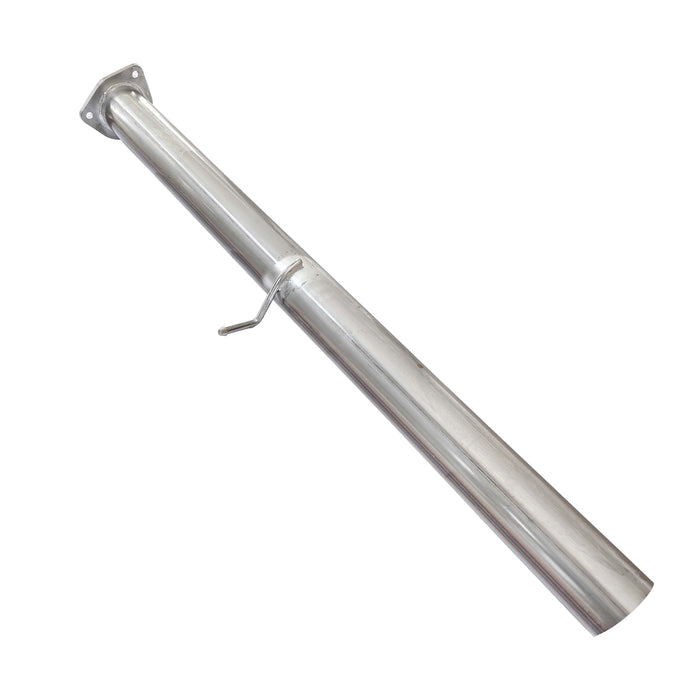
- Premium Stainless Steel Construction: Crafted from high-quality stainless steel, ensuring superior durability and corrosion resistance for long-term reliability.
- 4.0" Performance Inlet: Features a 4.0-inch inlet diameter precision-engineered to maximize exhaust flow and optimize engine efficiency.
- Maintenance-Free DPF Design: Engineered to eliminate the need for regular DPF maintenance, saving you significant time and effort.
-
Enhanced Power & Torque: A professional-grade performance upgrade designed to boost overall horsepower and torque for a more powerful driving experience.
2013–2018: Second Generation
The mid-generation 6.7L introduced SCR/DEF injection alongside the existing DPF and EGR systems, creating a multi-stage emissions architecture. While the DPF remained the primary particulate filter, the additional SCR system added another layer of exhaust aftertreatment downstream. The exhaust path on these trucks is longer and more complex than the first generation.
Seguler 2013-2018 6.7L Ram Cummins Turbo 4" Exhaust Tube Pipe
For owners addressing the exhaust side of this system, the 4" Exhaust Tube Pipe provides a replacement for the factory pipe section, built from 4-inch tubing suitable for the 6.7L’s exhaust flow requirements. The focus is on exhaust-side flow, specifically downstream of the turbocharger outlet.
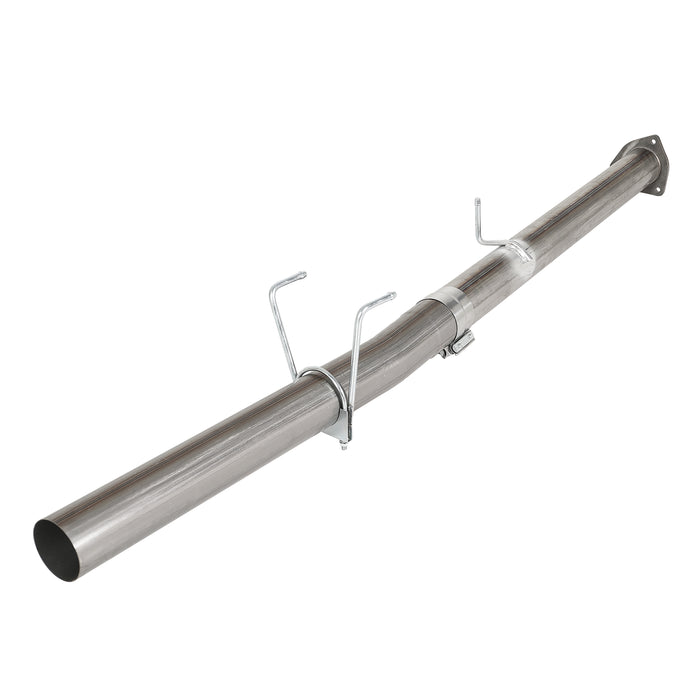
- Durable Performance Construction: Built from T409 stainless steel with a 4.0" diameter, this system is engineered to maximize exhaust flow for high-performance competition applications.
- Enhanced Horsepower and Torque: By significantly reducing exhaust backpressure, the system optimizes airflow, resulting in improved engine power and torque output.
- Eliminates Costly Repair Risks: Removing the DPF and catalytic converter eliminates the potential for future DPF failure, preventing the need for expensive engine repairs associated with those systems.
- Reduced Maintenance Requirements: Deleting the DPF system eliminates the need for regular DPF maintenance, simplifying the long-term upkeep of your truck's exhaust system.
Seguler 2011-2023 6.7L Ford Powerstroke 4" Cat & DPF Delete Pipe
While the 6.7L Cummins and the 6.7L Powerstroke are different engines built by different manufacturers, the DPF delete concept crosses platform boundaries. The 4" Cat & DPF Delete Pipe addresses the same fundamental issue — exhaust restriction from emissions hardware — on the Ford side of the 6.7L diesel landscape. The 4-inch pipe replaces both the catalytic converter and the DPF substrate with a straight-through section, offering a comparable solution for trucks that share the same displacement but not the same cylinder arrangement or manufacturer.
- Durable Performance Construction: Engineered from 409 stainless steel with a 4.0" diameter, this system provides maximum flow specifically designed for competition applications.
- Engineered for Power Gains: By significantly reducing exhaust backpressure, the delete system enhances exhaust flow, which directly boosts the engine's overall performance, power, and torque.
- Prevents Costly System Failures: Eliminating the DPF and catalytic converter removes the risk of DPF-related failure, helping owners avoid expensive future engine repairs.
- Low-Maintenance Design: Removing the factory emissions system eliminates the need for regular DPF maintenance and service intervals.
🧩 What a DPF Delete Does Not Change on the 6.7L Cummins
It is equally important to understand what the modification does not affect. Removing the DPF does not change the engine’s compression ratio, piston speed, bearing clearances, or camshaft profile. The rotating assembly operates under the same mechanical stresses it always has. The fuel injection system — whether the high-pressure common rail in the 5.9L-derived architecture of early trucks or the updated system in later models — operates independently of the DPF’s presence in the exhaust.
The DPF delete also does not increase the engine’s torque or horsepower rating. Any change in perceived output comes from the recovery of parasitic losses, not from new power being created. A 6.7L Cummins that made 350 horsepower at the flywheel before a DPF delete still makes 350 horsepower after — it just may reach that number with less restriction, less fuel wasted on regeneration, and less delay in throttle response.
⚡ Key Considerations Before a DPF Delete
Several factors influence the outcome of a DPF delete on the 6.7L Cummins, and they are worth understanding before making changes to the exhaust system.
Tuning and Calibration
Removing the DPF requires corresponding changes to the engine control strategy. The ECU monitors differential pressure across the filter, EGT sensors before and after the DPF, and several other parameters to manage regeneration. When the filter is physically removed, the ECU calibration typically needs to be updated to prevent fault codes and derate conditions. Tuning quality directly affects how the engine runs after the hardware change — fueling curves, injection timing, boost control, and transmission management all operate on the calibration that accompanies the delete.
Transmission Reliability After a 6.7L Cummins DPF Delete
For Ram trucks equipped with the 68RFE automatic transmission, a successful DPF delete setup is not only about improving exhaust flow — it is also about maintaining a balanced relationship between engine performance and drivetrain reliability. The 68RFE uses engine torque data to control shift timing, line pressure, and clutch engagement, meaning changes in engine output from tuning can directly influence transmission behavior.
A properly calibrated tune helps the transmission handle increased torque more effectively by optimizing shift points and clutch pressure. Without transmission-specific adjustments, additional low-RPM torque can place unnecessary stress on internal components, especially during towing or heavy-duty operation.
In the end, the 68RFE plays a critical role in how a modified 6.7L Cummins performs on the road. Combining quality exhaust components with proper tuning ensures smoother power delivery, better drivability, and improved long-term reliability. A complete performance upgrade is not just about removing restrictions — it is about creating a system where the engine and transmission work together efficiently.
For more technical guides and a complete selection of 6.7L Cummins and Powerstroke exhaust components, visit www.seguler.com.
❓ FAQs About 6.7 Cummins DPF Delete
Q1: Will a DPF delete increase the horsepower of my 6.7 Cummins?
A1: A DPF delete pipe itself does not add horsepower. What it can do is recover efficiency that was lost to exhaust restriction and regeneration cycles. Any noticeable improvement in performance comes from the combination of reduced backpressure and appropriate tuning, not from the pipe alone.
Q2: Can I remove the DPF without tuning the ECU?
A2: Removing the DPF without corresponding calibration changes will result in fault codes, warning lights, and potentially a derated operating mode. The hardware change and the ECU calibration should be addressed together.
Q3: How does a 6.7 Cummins DPF delete affect towing performance?
A3: Under towing conditions, exhaust volume and temperature are naturally higher, which means the DPF creates its greatest restriction when the engine is working hardest. Reducing that restriction may improve exhaust flow and lower EGTs under load, though the actual outcome depends on the specific truck, tune, and towing weight.
Q4: What happens to the exhaust sound after a DPF delete?
A4: The DPF acts as a partial muffler in the exhaust system. Removing it typically results in a more noticeable exhaust note — deeper at idle, more audible under acceleration — though it does not create a dramatic volume increase. For reference, the turbocharger itself acts as a significant sound attenuator in the exhaust path.
Q5: Does removing the DPF affect engine oil life?
A5: Some owners report that engine oil stays cleaner for longer after a DPF delete, because the elimination of active regeneration cycles reduces fuel dilution in the oil. During active regeneration, late-injection fueling can wash cylinder walls and introduce unburned fuel into the crankcase. Without those cycles, oil dilution may decrease.
Q6: Are the DPF delete requirements different for each generation of 6.7 Cummins?
A6: Yes. The 2007.5–2012 trucks have a simpler emissions architecture without SCR/DEF, which means the exhaust path and the required delete components differ from the 2013–2018 trucks that include DEF injection. Later trucks (2019+) introduced hydraulic lash adjusters and updated engine management. Each generation requires components matched to its specific exhaust layout and ECU architecture.
Featured collection
-
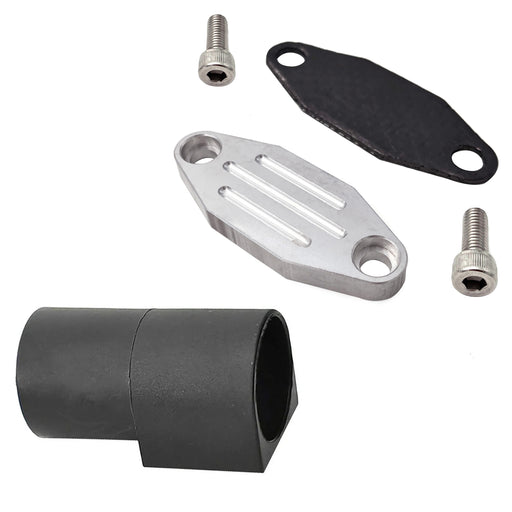
Seguler 1986-1995 Ford F150 F250 F350 Mustang Trucks EGR Simulator Eliminator / Block Off Plate Kit
SEGULEROriginal price $79.99 - Original price $79.99Original price$79.99$79.99 - $79.99Current price $79.99Block Off Plate Material: Aluminum alloy. Easy installation,and convenient to use. Made of CNC milled from aircraft grade Billet aluminum. Will N...
View full details -

Seguler 2011-2023 6.7L Ford Powerstroke Diesel EGR Delete Kit
SEGULEROriginal price $109.99 - Original price $109.99Original price$109.99$109.99 - $109.99Current price $109.99FITMENT 2011-2023 6.7L Ford Powerstroke F-250 F-350 F-450 F-550 Super Duty V8 Diesel. compatible with both standard Pickups and commercial Cab &...
View full details -
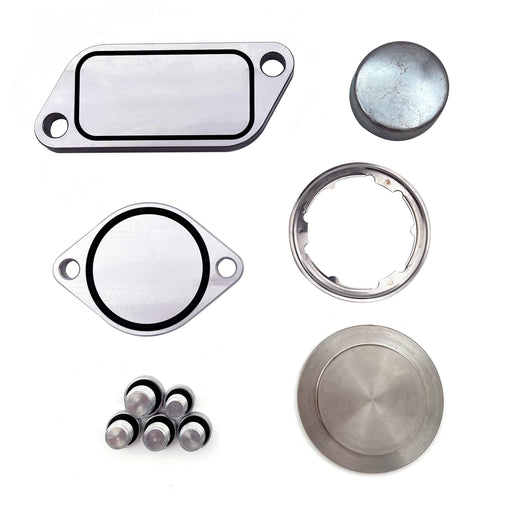
For 2010-Present Stage 2 ISX 15 CM2250 CM2350 EGR Delete Kit
SEGULEROriginal price $59.99 - Original price $59.99Original price$59.99$59.99 - $59.99Current price $59.99FITMENT 2010-Present Cummins Volvo, Peterbilt, Mack, International, Freightliner, Kenworth with the ISX15 CM2250 / CM2350 engines. DESCRIPTION P...
View full details -
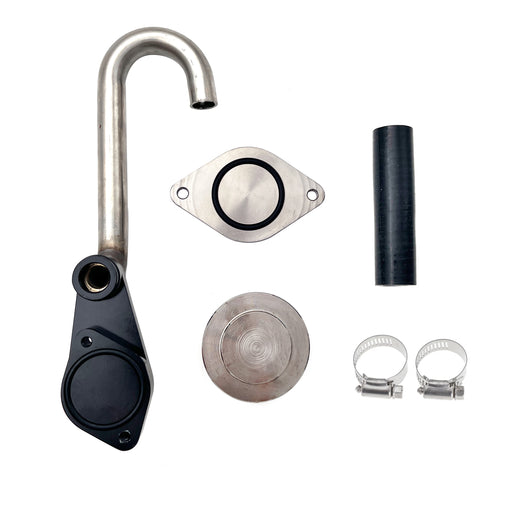
Seguler 2003-2007 6.0L FORD Powerstroke Diesel EGR Cooler Delete Kit
SEGULEROriginal price $56.14 - Original price $56.14Original price$56.14$56.14 - $56.14Current price $56.14FITMENT 2003-2007 6.0L Ford F-250 Ford F-350 F-450 F-550 Super Duty. 2003-2007 6.0L Ford Excursion SUV (Diesel Models Only). 2005-2010 Ford E-Se...
View full details -
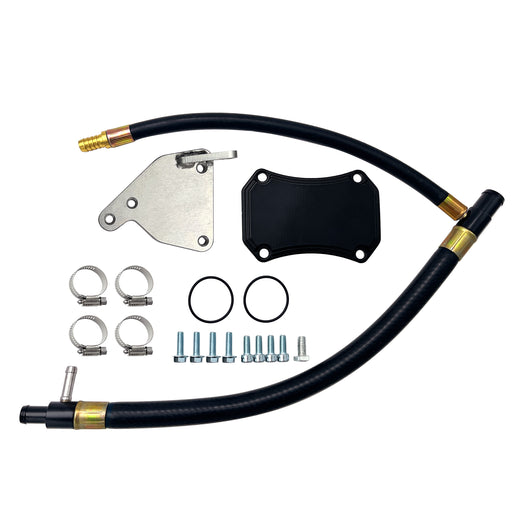
For 2011-2016 6.6L GMC Chevy Duramax Diesel LML EGR Valve Cooler Delete Kit
SEGULEROriginal price $66.49 - Original price $66.49Original price$66.49$66.49 - $66.49Current price $66.49FITMENT 2011-2016 6.6L Chevy GMC Duramax LML 2500 HD 3500 HD Diesel. DESCRIPTION Product Overview The 2011–2016 LML Duramax uses a complex EG...
View full details -
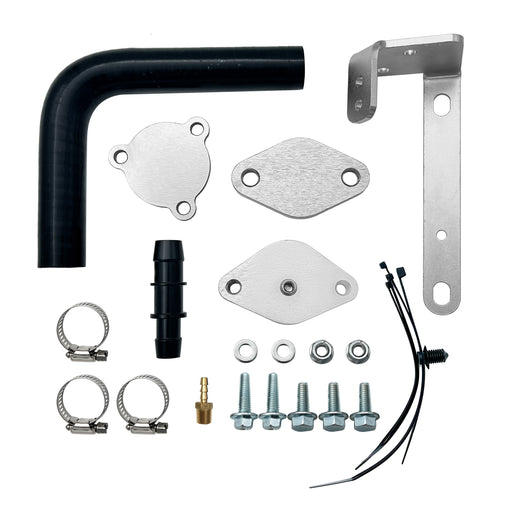
Seguler For 2014-2019 3.0L Dodge Ram 1500 EcoDiesel EGR Valve & Cooler Delete Kit
SEGULEROriginal price $72.99 - Original price $72.99Original price$72.99$72.99 - $72.99Current price $72.99FITMENT 2014-2019 3.0L Dodge Ram 1500 EcoDiesel V6 engine trucks. DESCRIPTION Product Overview Exhaust gas recirculation on 3.0L EcoDiesel V6 ...
View full details -

Seguler 2011-2023 6.7L Ford Powerstroke Diesel EGR Delete Kit
SEGULEROriginal price $85.99 - Original price $85.99Original price$85.99$85.99 - $85.99Current price $85.99FITMENT 2011-2023 6.7L Ford Powerstroke F-250 F-350 F-450 F-550 Super Duty V8 Diesel. compatible with both standard Pickups and commercial Cab &...
View full details -

Seguler 2010-2024 6.7L Dodge Ram Cummins Diesel EGR Valve Cooler Delete Kit
SEGULEROriginal price $89.99 - Original price $89.99Original price$89.99$89.99 - $89.99Current price $89.99FITMENT 2010–2024 6.7L Dodge Ram Cummins 2500 / 3500 Pickup Turbo Diesel. Note: Does NOT fit Chassis Cab 3500 / 4500 / 5500 models. DESCRIPTIO...
View full details -
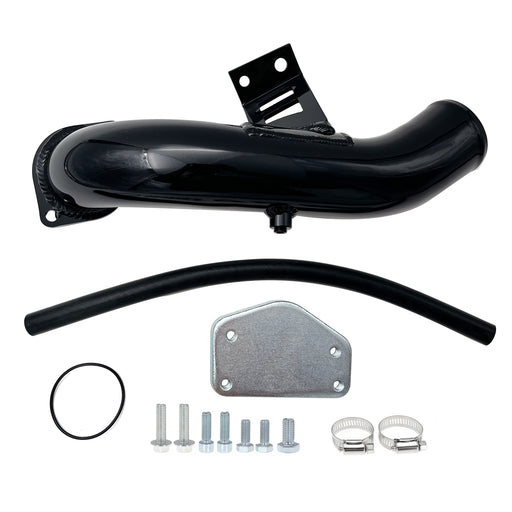
For 2004.5-2005 6.6L Chevy GMC Silverado LLY Duramax Diesel EGR Delete Kit
SEGULEROriginal price $92.99 - Original price $92.99Original price$92.99$92.99 - $92.99Current price $92.99FITMENT 2004.5-2005 6.6L Chevrolet Silverado Duramax LLY 2500HD / 3500 HD. 2004.5-2005 6.6L GMC Sierra Duramax LLY 2500HD / 3500 HD. DESCRIPTION...
View full details -

Seguler 2017-2019 L5P Duramax Diesel 4pcs L5P Can Bus Plugs Connector Replacement
SEGULEROriginal price $75.00 - Original price $75.00Original price$75.00$75.00 - $75.00Current price $75.00FITMENT 2017–2019 Chevrolet Silverado / GMC Sierra Duramax L5P 2500HD & 3500HD Diesel. DESCRIPTION Product Overview Unprotected harness con...
View full details -

Seguler 2020-2023 chevy duramax L5P Diesel Can Bus Plugs Connector
SEGULEROriginal price $80.00 - Original price $80.00Original price$80.00$80.00 - $80.00Current price $80.00FITMENT 2020–2023 Chevrolet Silverado / GMC Sierra Duramax L5P 2500HD & 3500HD Diesel. DESCRIPTION Product Overview Unprotected harness pl...
View full details -
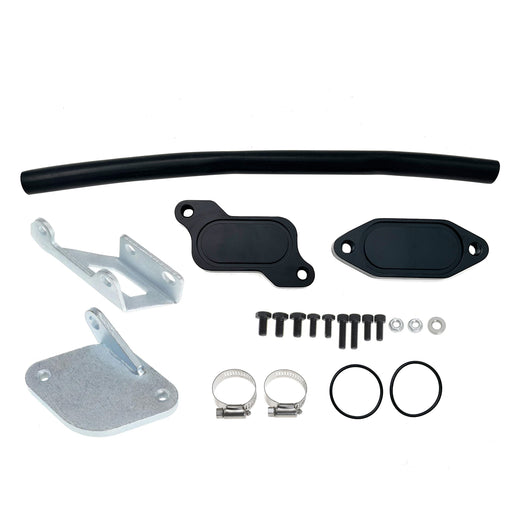
For 2006-2007 6.6L Chevrolet Silverado Classic GMC Duramax LBZ Diesel EGR Valve Cooler Delete Kit
SEGULEROriginal price $63.49 - Original price $63.49Original price$63.49$63.49 - $63.49Current price $63.49FITMENT 2006-2007.4 Chevrolet Silverado Duramax LBZ 2500HD / 3500HD. 2007.4 Chevrolet Silverado Duramax LBZ 2500HD / 3500HD Classic. 2006-2007.4 ...
View full details -

Seguler 2011-2023 6.7L Ford F250 F350 F450 F550 Powerstroke Diesel EGR Valve Delete Cooler Delete Kit
SEGULEROriginal price $55.99 - Original price $55.99Original price$55.99$55.99 - $55.99Current price $55.99FITMENT 2011-2023 6.7L Ford Powerstroke F-250 F-350 F-450 F-550 Super Duty V8 Diesel compatible with both standard Pickups and commercial Cab &a...
View full details -
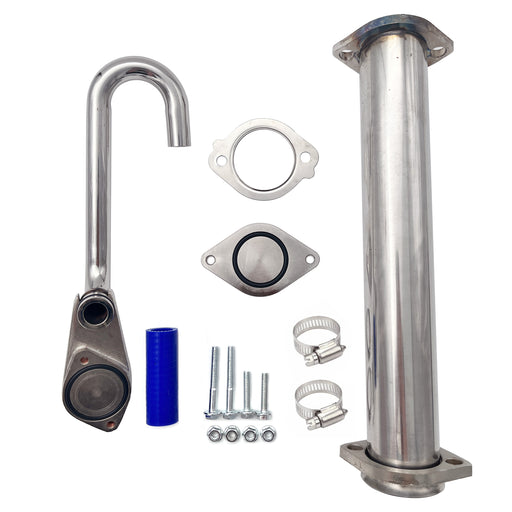
Seguler 2003-2007 6.0L Ford F250 F350 Powerstroke Diesel EGR Basic Cooler Kit
SEGULEROriginal price $79.99 - Original price $79.99Original price$79.99$79.99 - $79.99Current price $79.99FITMENT 2003-2007 6.0L Ford F250 F350 F450 F550 Super Duty Turbo (except 2004 F250 Super Duty). 2003-2005 6.0L Ford Excursion Turbo. 2005 Ford F...
View full details -
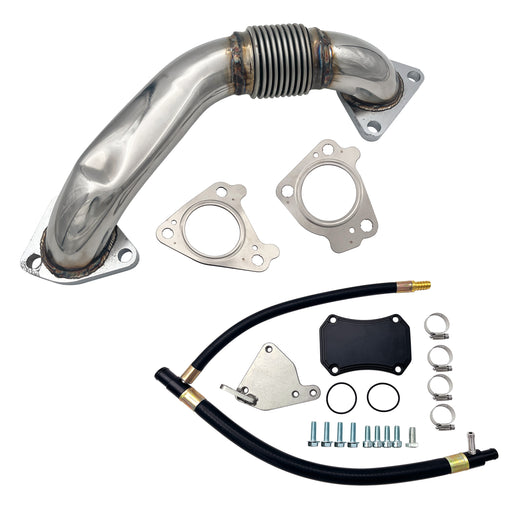
Seguler 2011-2016 6.6L GMC Chevy Duramax Diesel LML Up-Pipe & EGR Valve Cooler Delete Kit
SEGULEROriginal price $173.86 - Original price $173.86Original price$173.86$173.86 - $173.86Current price $173.86FITMENT 2011-2016 6.6L Chevy GMC Duramax LML 2500 HD 3500 HD Diesel. DESCRIPTION Product Overview Direct-injection technology endows GM 5.3L an...
View full details -
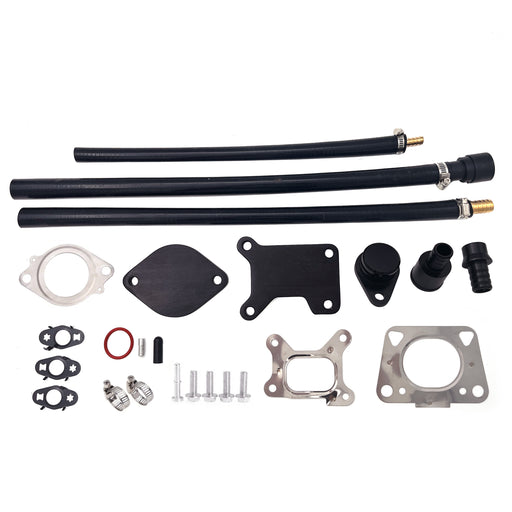
For 2017-2023 6.6L Chevy GMC Duramax L5P diesel EGR Valve Cooler Delete kit
SEGULEROriginal price $131.99 - Original price $131.99Original price$131.99$131.99 - $131.99Current price $131.99FITMENT 2017–2023 6.6L Chevrolet Silverado / GMC Sierra Duramax L5P 2500HD 3500HD Diesel. DESCRIPTION Product Overview Hot soot recirculation ...
View full details -
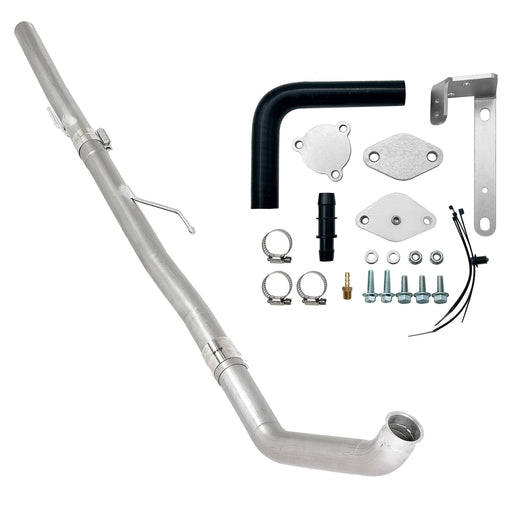
Seguler 3" Ecodiesel DPF Delete Pipe & EGR Delete kit for 2014-2018 3.0L Ram
SEGULEROriginal price $342.00 - Original price $342.00Original price$342.00$342.00 - $342.00Current price $342.00FITMENT 2014–2018 3.0L Dodge Ram 1500 EcoDiesel V6. NOTE: Fit standard Pickup models only (Crew Cab, Quad Cab). Does NOT fit Jeep Grand Cheroke...
View full details -
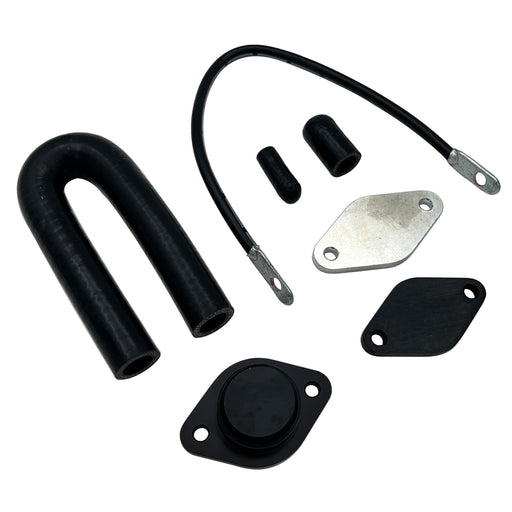
Seguler EGR valve cooler Delete kit for 2020-2022 3.0L Chevy Duramax LM2
SEGULEROriginal price $189.12 - Original price $189.12Original price$189.12$189.12 - $189.12Current price $189.12FITMENT 2020–2022 3.0L Chevrolet Silverado GMC Sierra 1500 LM2 Turbo-Diesel. DESCRIPTION Product Overview Powered by smooth inline-six engine...
View full details -

For 2013-2023 6.7L Dodge Ram Cummins Cab & Chassis EGR Delete Kit Diesel
SEGULEROriginal price $62.99 - Original price $62.99Original price$62.99$62.99 - $62.99Current price $62.99FITMENT 2013–2023 6.7L Ram Cummins 3500 4500 5500 Cab & Chassis / Commercial Trucks. Does NOT fit standard Ram 2500 3500 Pickups. DESCRIPTIO...
View full details -
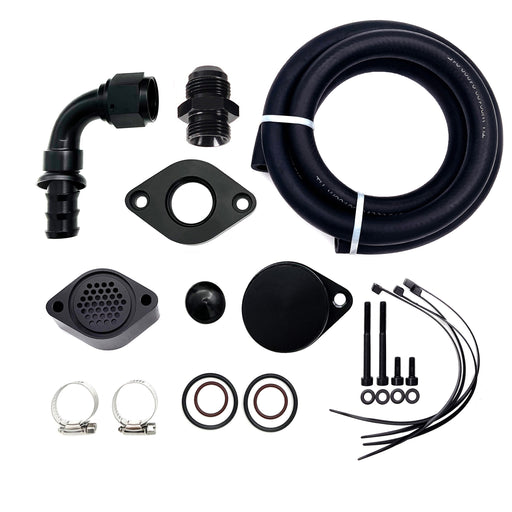
Seguler 2011-2023 6.7L Ford Powerstroke CCV PCV Reroute Engine Ventilation Kit
SEGULEROriginal price $82.99 - Original price $82.99Original price$82.99$82.99 - $82.99Current price $82.99FITMENT 2011-2023 6.7L Ford Powerstroke F-250 F-350 F-450 F-550 Super Duty V8 Diesel. Compatible with both standard Pickups and commercial Cab &...
View full details -
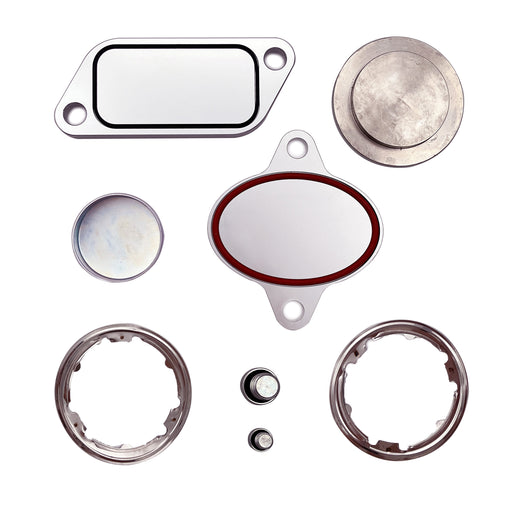
For 2007-2010 Cummins ISX CM871 EGR Plug Kit Stage 2 Plates and Plugs Aluminum
SEGULEROriginal price $67.99 - Original price $67.99Original price$67.99$67.99 - $67.99Current price $67.99FITMENT 2007-2010 Cummins Volvo, Peterbilt, Mack, International, Freightliner, Kenworth with the ISX CM871 Engines. DESCRIPTION Product Overvie...
View full details -
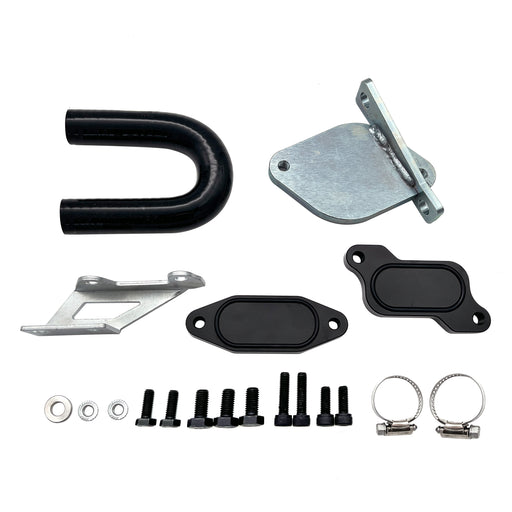
For 2007-2010 6.6L Chevy GMC LMM Duramax EGR Valve Cooler Delete Kit Fit
SEGULEROriginal price $61.99 - Original price $61.99Original price$61.99$61.99 - $61.99Current price $61.99FITMENT 2007.5-2010 6.6L Chevrolet Silverado Duramax LMM 2500HD / 3500HD. 2007.5-2010 6.6L GMC Sierra Duramax LMM 2500HD / 3500HD. Note: Standard...
View full details -
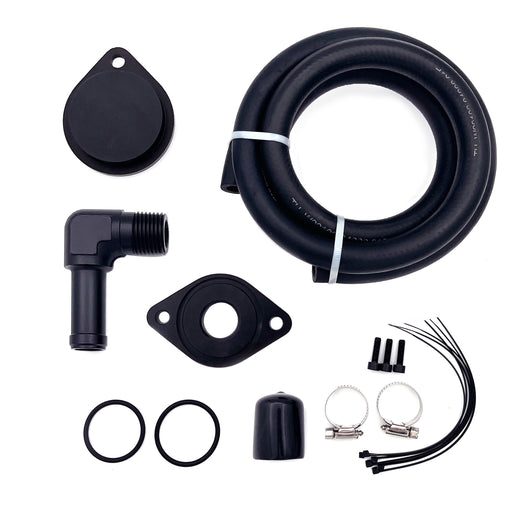
Seguler 2011-2023 Ford 6.7L Powerstroke CCV/PCV Reroute/Delete Engine Ventilation Kit
SEGULEROriginal price $72.00 - Original price $72.00Original price$72.00$72.00 - $72.00Current price $72.00FITMENT 2011-2023 6.7L Ford Powerstroke F-250 F-350 F-450 F-550 Super Duty V8 Diesel. Compatible with both standard Pickups and commercial Cab &...
View full details -
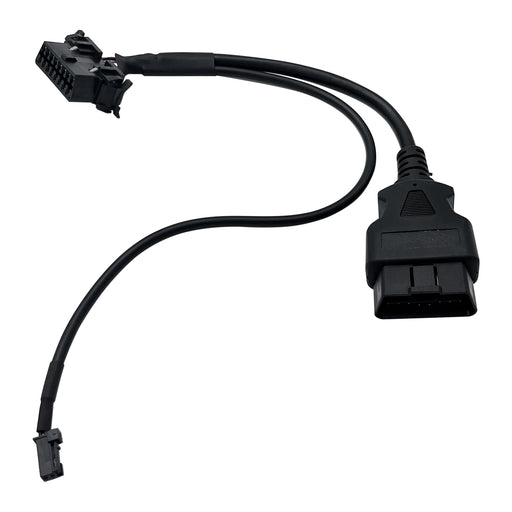
Seguler 2018+ RAM Cummins OBD2 HD Security Gate Bypass Cable
SEGULEROriginal price $45.00 - Original price $45.00Original price$45.00$45.00 - $45.00Current price $45.00FITMENT 2018+ 6.7L Ram Cummins 2500 3500 Turbo Diesel. Designed for Ram pickup trucks equipped with the factory Security Gateway Module. Note: Pl...
View full details -
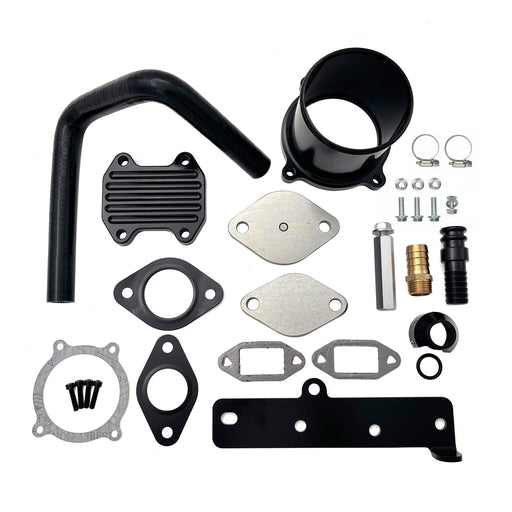
Seguler For 2013-2018 6.7L Dodge RAM 2500 3500 Cummins Diesel EGR Delete Cooler Throttle Valve Delete Kit
SEGULEROriginal price $112.00 - Original price $112.00Original price$112.00$112.00 - $112.00Current price $112.00FITMENT 2013–2018 6.7L Dodge Ram Cummins 2500 & 3500 Pickup Turbo Diesel. Note: Does NOT fit Cab & Chassis (3500 / 4500 / 5500 C&C) m...
View full details


Leave a comment