

EGR Cooler Delete: 3.0L EcoDiesel Ram Benefits
The 3.0L EcoDiesel in the Ram 1500 was designed to deliver the efficiency and torque many half-ton truck owners were looking for — 240 horsepower, 420 lb-ft of torque, and impressive fuel economy that made diesel power attractive for daily driving and towing. For the first 60,000 miles or so, many owners experience exactly what they expected: a smooth, quiet, and capable truck with strong low-end pulling power.
Then the check engine light appears. During inspection, the intake system reveals a problem that many modern diesel owners eventually encounter — carbon deposits building up around the EGR inlet and intake manifold. Over time, the combination of exhaust soot and oil vapor can create thick deposits that may affect airflow, efficiency, and overall engine performance. This is when many EcoDiesel owners begin asking the same question: is the EGR system creating more long-term maintenance challenges than expected?
Understanding EGR-related issues is only part of evaluating the EcoDiesel’s emissions system. Components such as the DPF also play an important role in how the engine manages soot, regeneration, and exhaust flow. Looking at how these systems work together helps explain why many owners research different reliability-focused solutions as their trucks accumulate mileage.
🔬 What the EGR System Does Inside a 3.0L EcoDiesel
Exhaust Gas Recirculation (EGR) is designed with a simple goal: take a controlled amount of exhaust gas, cool it through a heat exchanger, and route it back into the intake system to help reduce combustion temperatures and NOx emissions.
From an emissions standpoint, it is an effective technology. However, because diesel exhaust contains soot particles, and the intake system also receives oil vapor from the crankcase ventilation system, EGR operation can contribute to carbon deposit formation over time. Understanding how this process works is key to identifying common EcoDiesel intake and emissions-related concerns.
How the EGR System Routes on the VM Motori 3.0L EcoDiesel
The EcoDiesel’s EGR system uses a high-pressure loop design. Exhaust gas is drawn from the exhaust manifold before reaching the turbocharger, then passes through the EGR cooler — a compact heat exchanger that uses engine coolant to reduce exhaust temperature. After cooling, the exhaust gas is routed through the EGR valve and back into the intake manifold. During low and moderate engine load conditions, the valve opens and allows a controlled amount of recirculated exhaust gas to enter the intake stream.
The concern begins with what is carried in that recirculated exhaust. Diesel combustion naturally produces fine carbon particles, commonly known as soot. When these particles combine with oil vapor from the crankcase ventilation system and collect inside the intake manifold, they can form a thick, sticky layer of carbon deposits on both metal and plastic surfaces. Over time, repeated driving cycles can gradually increase deposit buildup and restrict airflow through the intake system.
What EGR Carbon Buildup Looks Like in Practice
On a higher-mileage Ram 1500 EcoDiesel with the factory EGR system still in operation, carbon deposits can often be found inside the EGR passages, intake runners, and related intake components. Over time, the combination of exhaust soot and oil vapor can create a thick layer of buildup that reduces the available airflow path through the intake system.
The deposits are not limited to the EGR tube itself. Carbon accumulation can extend into the intake manifold runners and around components such as the swirl valves, affecting how evenly air is distributed throughout the engine.
The EcoDiesel’s intake design makes this issue especially important to monitor. Because the intake manifold uses a plastic composite construction, heavy deposit accumulation can affect airflow efficiency and overall intake system performance over time. For many owners, preventing excessive buildup becomes an important part of maintaining long-term engine reliability.
🛢 How the EGR Cooler Becomes a Potential Failure Point
The EGR cooler is designed to handle extreme operating conditions. As a radiator-style heat exchanger, it continuously manages the temperature difference between engine coolant and exhaust gas, which can reach very high temperatures under certain driving conditions. After years of thermal cycling, the EGR cooler may develop several potential failure points.
Cooler Core Cracking
One of the more serious EGR cooler concerns is internal cracking caused by repeated heating and cooling cycles. Over time, thermal stress can create small fractures inside the cooler core. If a crack develops, engine coolant may enter the exhaust gas path, leading to symptoms such as unexplained coolant loss, white vapor during cold starts, or a sweet exhaust odor.
In severe cases, coolant entering the combustion system can contribute to major engine problems. This is why monitoring coolant levels and unusual exhaust symptoms is important for long-term EcoDiesel reliability.
Cooler Restriction and Carbon Buildup
The EGR cooler contains small internal passages designed to maximize heat transfer. Over extended use, soot and carbon deposits can accumulate inside these passages and reduce the cooler’s ability to efficiently manage exhaust temperatures.
As flow through the cooler becomes restricted, EGR system efficiency can decrease and exhaust flow characteristics may change. Reduced cooling performance means warmer recirculated exhaust gas can enter the intake system, increasing the potential for additional deposit formation.
Coolant Flow Issues
The coolant passages inside the EGR cooler are relatively small and designed for efficient heat exchange. Like other cooling system components, they can be affected by factors such as coolant condition, contamination, or deposits over time.
Reduced coolant flow can limit the cooler’s ability to lower exhaust temperatures, which may affect overall EGR system performance and increase thermal stress on related components.
⚙️ What Changes When Addressing the EGR Cooler — and What Doesn’t
Addressing the EGR cooler system is more involved than simply disconnecting a sensor or making a small adjustment. The EGR cooler is a physical component connected between the exhaust and intake systems, along with related valves, coolant lines, and exhaust passages.
An EGR Cooler Delete is a modification that replaces the factory EGR cooler assembly and associated connections with alternative hardware designed for specific applications. Understanding what components are affected — and what remains unchanged — helps owners make informed decisions about their EcoDiesel’s long-term setup.
2014-2019 3.0L Dodge Ram 1500 EcoDiesel EGR Valve & Cooler Delete Kit
A complete EGR Valve & Cooler Delete Kit replaces the factory EGR cooler assembly, EGR valve, and related coolant and exhaust connections between the exhaust manifold and intake system. By changing the original exhaust gas recirculation path, the kit simplifies the EGR layout and prevents recirculated exhaust gases from being routed back into the intake system.

- Durable Multi-Material Build: Constructed from a high-quality blend of aluminum, stainless steel, and silicone, ensuring long-term reliability and heat resistance under the hood.
- Performance & Thermal Optimization: Effectively eliminates soot buildup and clogged EGR valves, while simultaneously lowering engine compartment temperatures for improved efficiency.
- Comprehensive Deletion Solution: Includes all necessary plates and mounting hardware to fully remove the EGR cooler, offering a complete, clean installation for your vehicle.
Potential Changes After Installation
Reduced Intake Deposit Formation:Without the EGR valve routing exhaust gas back into the intake system, the engine receives intake air without the additional recirculated exhaust stream. Existing carbon deposits will not disappear automatically and may require cleaning during installation, such as a walnut blast or other intake cleaning methods. After the intake system is cleaned, reducing additional soot exposure can help maintain a cleaner intake path over time.
Reduced EGR Cooler-Related Coolant Concerns:Removing the factory EGR cooler eliminates the cooler assembly as a potential source of internal coolant leakage. Since the EGR cooler connects engine coolant and exhaust passages, a failed cooler core can allow coolant to enter areas where it does not belong. Addressing this component can help reduce concerns associated with long-term EGR cooler durability.
Changes in Intake Air Conditions:EGR systems are designed to introduce cooled exhaust gas into the intake stream. Without that recirculated exhaust flow, the intake charge characteristics can change depending on operating conditions, calibration, and overall vehicle setup. Cooler, cleaner intake conditions can support more consistent airflow through the engine.
Changes in Exhaust Flow Characteristics:With the EGR exhaust path no longer active, exhaust flow is routed through a simplified path before reaching the turbocharger. Depending on tuning and vehicle configuration, some owners may notice changes in throttle response and boost behavior due to differences in exhaust flow and intake conditions.
What Does Not Change
Addressing the EGR system does not change the fundamental design or mechanical structure of the EcoDiesel engine. Components such as the timing chain, bearings, pistons, and rotating assembly continue to operate based on proper lubrication, maintenance, and overall engine conditions rather than the presence of EGR hardware alone.
What can change is the operating environment inside the engine. By reducing the amount of recirculated exhaust gas entering the intake system, some owners may experience reduced soot exposure in the intake and lubrication system. Over time, maintaining cleaner oil and airflow conditions can support more consistent engine operation when combined with proper maintenance.
🚨 The Overheating Myth: Why EGR Delete Won’t Cook Your Engine
One of the most persistent objections to EGR removal is the fear that deleting the system will cause the engine to run hotter — the logic being that EGR reduces combustion temperatures, so removing EGR must increase them. On the EcoDiesel platform, this does not hold up.
Where the Myth Breaks Down
The EGR system only operates at low to moderate throttle. Under heavy load — highway passing, grade climbing, trailer towing — the EGR valve closes completely. The engine’s control strategy at wide-open throttle demands maximum oxygen availability and peak cylinder pressure, both of which require zero exhaust gas dilution. If EGR were essential for temperature control, the engine would self-destruct every time you merged onto the interstate. It doesn’t.
What Actually Happens Post-Delete
With the EGR system removed, the engine operates under the same thermal conditions at wide-open throttle that it always did. At part throttle — where EGR was previously active — combustion temperatures do increase slightly, but this increase falls well within the EcoDiesel’s designed thermal envelope. The cooling system, which was sized to manage a truck towing a 7,000-pound trailer up a grade in summer heat, is not going to be overwhelmed by a few degrees of part-throttle temperature rise.
The practical evidence backs this up. EcoDiesel owners who have completed the delete consistently report stable coolant temperatures, unchanged oil temperatures, and no increase in EGTs under comparable load conditions. The engine runs the same temperatures, just without the carbon.
🔗 How Are the EGR and DPF Systems Connected?
The EGR system and the Diesel Particulate Filter serve different functions but work within the same emissions architecture. Understanding their relationship helps explain why many owners address both components rather than treating them as separate, unrelated decisions.
EGR’s Effect on DPF Performance
Soot is what the DPF is designed to capture and burn off during regeneration. But the DPF was originally calibrated for soot from cylinder combustion — the small, dry particulate that forms during normal diesel operation. When EGR is active, the soot load entering the DPF changes. The carbon that was supposed to exit through the exhaust is instead recirculated into the intake, mixes with crankcase oil vapor, partially burns in the cylinders as a contaminated fuel-air charge, and produces a soot composition that the DPF wasn’t designed to process efficiently.
The practical result: more frequent regeneration cycles, incomplete regens, rising DPF differential pressure, and eventually DPF face-plugging — where the front face of the filter substrate becomes permanently clogged with carbon-oil paste that passive regeneration cannot remove.
🔗 Why Some EcoDiesel Owners Consider EGR and DPF Solutions Together
While the EGR system and DPF serve different functions, they operate within the same emissions chain. For owners evaluating multiple components of their emissions system, a properly designed DPF solution can complement the work already done on the EGR side.
Seguler 3" Ecodiesel DPF Delete Pipe Exhaust for 2014-2018 3.0L Dodge Ram 1500
The 3.0L Dodge Ram 1500 replaces the factory DPF section with a straight-through 3-inch exhaust pipe. When paired with an EGR delete, the exhaust system becomes a straight path with no restriction and no carbon collection points. The exhaust gas that exits the turbocharger enters a clean pipe, flows freely to the tailpipe, and leaves the truck entirely — no filter to clog, no regen cycles to manage, no exhaust backpressure to fight.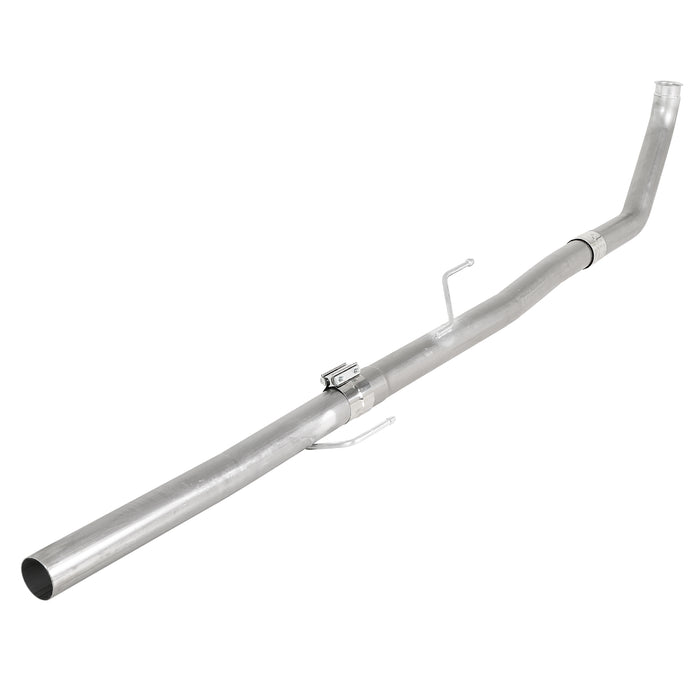
- Durable Construction: Manufactured from high-quality stainless steel to ensure longevity and withstand demanding engine environments.
- Performance and Efficiency Gains: Designed to improve engine performance by increasing power and torque across the power band, while also contributing to better fuel efficiency.
- Simplified Maintenance: By eliminating the need for regular DPF maintenance, this system reduces the complexity and frequency of vehicle service.
- User-Friendly Installation: Comes complete with all necessary hardware to ensure a fast and straightforward installation process.
This is not a performance tuning exercise. It’s a system simplification that addresses the two largest failure points on the EcoDiesel platform in one coordinated change.
💸 The Cost of Waiting vs. The Cost of Acting
The financial comparison between preventive EGR/DPF deletion and reactive repair reveals why many owners choose to act before failure occurs:
| Repair Item | Typical Cost (Reactive) |
Relevance to EGR Cooler Removal |
|---|---|---|
| EGR cooler replacement (OEM) | $1,200–$1,800 |
Avoided entirely with delete |
| Intake manifold cleaning (walnut blast / chemical) | $600–$1,000 |
Required once post-delete, never again |
| DPF replacement (OEM) | $2,500–$4,000 |
Avoided with DPF delete pipe |
| DPF cleaning service |
$300–$600 per service |
Recurring cost eliminated |
| EGR-induced turbocharger damage |
$1,500–$2,500 (replacement) |
Prevented by eliminating soot/oil ingestion |
|
Coolant-induced hydrolock from cracked EGR cooler |
$6,000–$12,000 (engine replacement) |
Prevented by removing the failure point |
The takeaway is not that every EcoDiesel is destined for a five-figure repair. It’s that the EGR and DPF systems create a risk profile that increases with mileage, and the cost of addressing those risks proactively is a fraction of the cost of waiting for failure.
🛒 Choosing the Right Approach for Your EcoDiesel
Every owner’s situation is different, and the right decision depends on mileage, budget, and how the truck is used.
Starting With the EGR System
For owners focused specifically on carbon buildup, coolant system risk, and intake air quality, addressing the EGR system first makes sense. The EGR valve and cooler are the entry point for carbon into the engine, and removing them stops the contamination at its source. This is the most common starting point — and for many owners, especially those with lower mileage trucks, it’s the right first step.
Seguler 3" Ecodiesel DPF Delete Pipe & EGR Delete kit for 2014-2018 3.0L Ram
For higher-mileage trucks or owners who have already experienced DPF-related issues, a coordinated approach that addresses both the EGR and DPF systems can simplify the overall process. The DPF Delete Pipe & EGR Delete kit bundles the DPF delete exhaust pipe and the EGR delete hardware into a single installation. Rather than performing two separate jobs on two different weekends, the combined kit allows the entire emissions hardware chain — EGR cooler, EGR valve, DPF substrate, and differential pressure sensors — to be addressed in one mechanical session.

- Premium Material Construction: Crafted from high-quality stainless steel, ensuring exceptional heat resistance and long-term durability in extreme exhaust environments.
- Optimal Airflow Design: Features a 3.0" inlet diameter, engineered for precision fitment to maximize exhaust efficiency and boost engine performance.
- Maintenance-Free Efficiency: Eliminates soot build-up and clogged EGR valves, significantly reducing the need for regular DPF maintenance.
- Enhanced Power & Torque: Specialized design that optimizes engine output, providing a noticeable increase in overall vehicle power and torque.
What remains is what the EcoDiesel was always capable of: a 3.0L turbocharged V6 diesel that breathes filtered air, burns clean fuel in a clean combustion chamber, and routes exhaust through an unrestricted path.
📊 The 3.0L EcoDiesel After Delete: Real-World Performance
Owners who have completed EGR cooler removal and DPF delete modifications on their EcoDiesel Ram 1500s often report changes in drivability, maintenance, and overall system behavior. Results can vary depending on tuning, driving conditions, vehicle condition, and setup.
Fuel economy improvement. Some owners report improved fuel economy, especially during highway driving. Changes are often associated with reduced regeneration events, exhaust flow characteristics, and overall vehicle calibration.
Throttle response. Some owners report smoother throttle response and more consistent boost behavior after modifying the factory EGR and exhaust systems. Actual results depend on tuning and vehicle configuration.
Oil cleanliness. Reducing recirculated exhaust exposure can help limit additional soot entering the intake system. Some owners report cleaner engine oil and reduced deposit formation when combined with proper maintenance.
Maintenance predictability. Addressing EGR and DPF-related components can help simplify long-term maintenance planning by reducing concerns associated with carbon buildup, regeneration cycles, and emissions system servicing.
For the full selection of 3.0L EcoDiesel exhaust, intake, and emissions solutions, visit www.seguler.com.
❓ FAQs About EGR Cooler Removal on the 3.0L EcoDiesel
Q1: Will removing the EGR cooler void my warranty?
A1: Modifying or removing emissions components may affect warranty coverage, depending on your location, warranty status, and the specific repair being evaluated. Many EcoDiesel owners evaluate this decision after the factory warranty period has expired.
Q2: Do I need to reprogram the ECU after removing the EGR cooler?
A2: Many applications require appropriate tuning or calibration changes after EGR system modifications. Without the correct calibration, the ECU may detect missing EGR flow, set fault codes, and potentially engage limp mode. The delete hardware and the ECM calibration should be addressed together.
Q3: Can I delete the EGR system but keep the DPF?
A3: Yes, the systems can be addressed separately depending on the vehicle setup and owner’s goals. Many owners choose to evaluate both systems together because they are part of the same emissions chain and changes to one can influence the other’s behavior over time.
Q4: How long does an EGR cooler removal take on a 3.0L EcoDiesel?
A4: A professional installation typically takes 4-6 hours. DIY installers should budget a full weekend, especially if the DPF delete pipe is being installed at the same time. The most time-consuming step is accessing the EGR cooler itself — the intake manifold and associated plumbing must be removed for access.
Q5: Does removing the EGR cooler make the exhaust smell different?
A5: Yes. Without the DPF and EGR systems, the exhaust will have a more noticeable diesel odor — similar to pre-emissions diesel trucks. This is a function of removing the aftertreatment systems that scrub exhaust gases, not a malfunction. The smell is most noticeable at idle and diminishes at highway speed.
Q6: Why does the EcoDiesel’s plastic intake manifold make EGR buildup more dangerous than on other diesels?
A6: Most diesel engines use metal intake manifolds that can tolerate carbon accumulation as a maintenance concern. The EcoDiesel uses a plastic composite manifold. Heavy carbon accumulation in plastic intake components can create additional concerns because the material has different heat tolerance characteristics compared with traditional metal intake manifolds.
Q7: Can I address the EGR and DPF systems separately?
A7: Yes. Many owners choose to address specific components based on their vehicle’s mileage, condition, and goals. An EGR Cooler Delete alone stops carbon ingestion at the intake side and eliminates the coolant leak risk from the EGR cooler. A DPF solution can be added later if needed. The systems are mechanically independent and can be addressed in stages.
Q8: Is an EGR delete the same as a DPF delete?
A8: No. They address different parts of the emissions system. An EGR delete focuses on the exhaust gas recirculation system — the loop that routes exhaust from the manifold back into the intake. A DPF delete addresses the particulate filter in the exhaust system downstream of the turbocharger. While they both fall under the emissions control umbrella, they are physically separate components that perform fundamentally different functions.
Featured collection
-
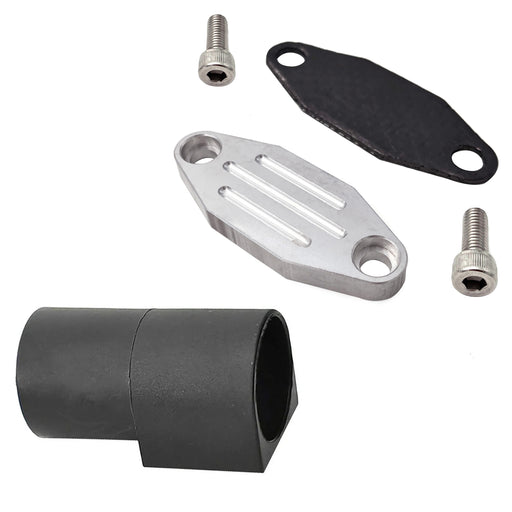
Seguler 1986-1995 Ford F150 F250 F350 Mustang Trucks EGR Simulator Eliminator / Block Off Plate Kit
SEGULEROriginal price $79.99 - Original price $79.99Original price$79.99$79.99 - $79.99Current price $79.99Block Off Plate Material: Aluminum alloy. Easy installation,and convenient to use. Made of CNC milled from aircraft grade Billet aluminum. Will N...
View full details -

Seguler 2011-2023 6.7L Ford Powerstroke Diesel EGR Delete Kit
SEGULEROriginal price $109.99 - Original price $109.99Original price$109.99$109.99 - $109.99Current price $109.99FITMENT 2011-2023 6.7L Ford Powerstroke F-250 F-350 F-450 F-550 Super Duty V8 Diesel. compatible with both standard Pickups and commercial Cab &...
View full details -
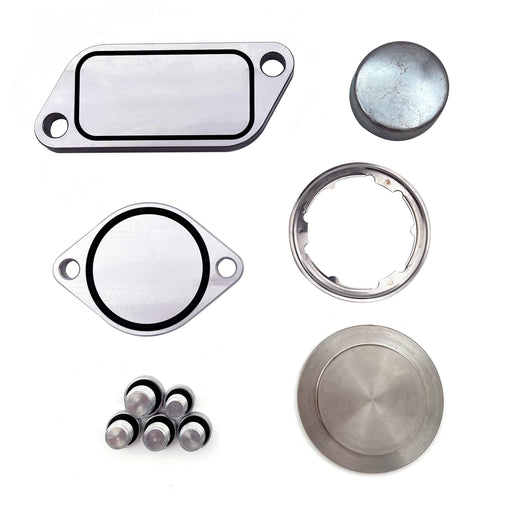
For 2010-Present Stage 2 ISX 15 CM2250 CM2350 EGR Delete Kit
SEGULEROriginal price $59.99 - Original price $59.99Original price$59.99$59.99 - $59.99Current price $59.99FITMENT 2010-Present Cummins Volvo, Peterbilt, Mack, International, Freightliner, Kenworth with the ISX15 CM2250 / CM2350 engines. DESCRIPTION P...
View full details -
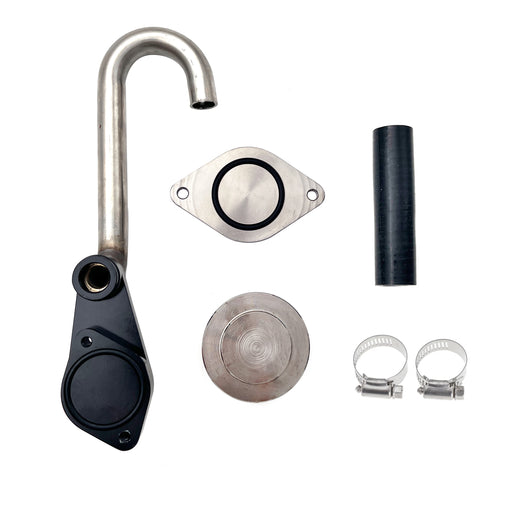
Seguler 2003-2007 6.0L FORD Powerstroke Diesel EGR Cooler Delete Kit
SEGULEROriginal price $56.14 - Original price $56.14Original price$56.14$56.14 - $56.14Current price $56.14FITMENT 2003-2007 6.0L Ford F-250 Ford F-350 F-450 F-550 Super Duty. 2003-2007 6.0L Ford Excursion SUV (Diesel Models Only). 2005-2010 Ford E-Se...
View full details -
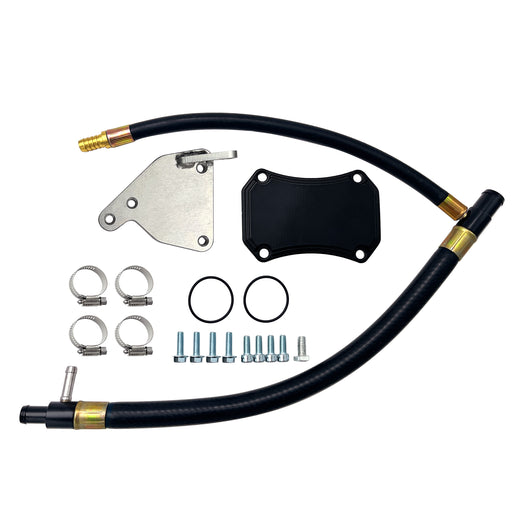
For 2011-2016 6.6L GMC Chevy Duramax Diesel LML EGR Valve Cooler Delete Kit
SEGULEROriginal price $66.49 - Original price $66.49Original price$66.49$66.49 - $66.49Current price $66.49FITMENT 2011-2016 6.6L Chevy GMC Duramax LML 2500 HD 3500 HD Diesel. DESCRIPTION Product Overview The 2011–2016 LML Duramax uses a complex EG...
View full details -
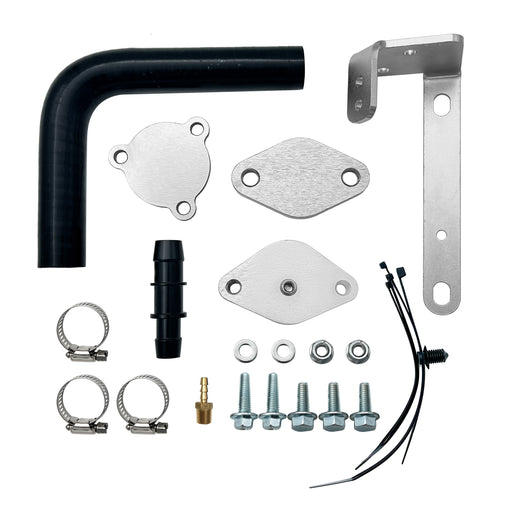
Seguler For 2014-2019 3.0L Dodge Ram 1500 EcoDiesel EGR Valve & Cooler Delete Kit
SEGULEROriginal price $72.99 - Original price $72.99Original price$72.99$72.99 - $72.99Current price $72.99FITMENT 2014-2019 3.0L Dodge Ram 1500 EcoDiesel V6 engine trucks. DESCRIPTION Product Overview Exhaust gas recirculation on 3.0L EcoDiesel V6 ...
View full details -

Seguler 2011-2023 6.7L Ford Powerstroke Diesel EGR Delete Kit
SEGULEROriginal price $85.99 - Original price $85.99Original price$85.99$85.99 - $85.99Current price $85.99FITMENT 2011-2023 6.7L Ford Powerstroke F-250 F-350 F-450 F-550 Super Duty V8 Diesel. compatible with both standard Pickups and commercial Cab &...
View full details -

Seguler 2010-2024 6.7L Dodge Ram Cummins Diesel EGR Valve Cooler Delete Kit
SEGULEROriginal price $89.99 - Original price $89.99Original price$89.99$89.99 - $89.99Current price $89.99FITMENT 2010–2024 6.7L Dodge Ram Cummins 2500 / 3500 Pickup Turbo Diesel. Note: Does NOT fit Chassis Cab 3500 / 4500 / 5500 models. DESCRIPTIO...
View full details -
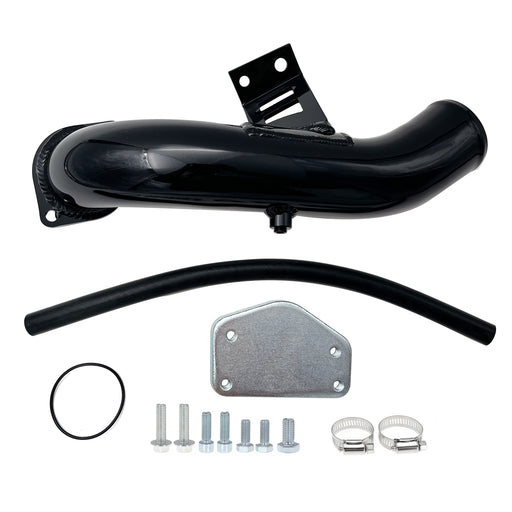
For 2004.5-2005 6.6L Chevy GMC Silverado LLY Duramax Diesel EGR Delete Kit
SEGULEROriginal price $92.99 - Original price $92.99Original price$92.99$92.99 - $92.99Current price $92.99FITMENT 2004.5-2005 6.6L Chevrolet Silverado Duramax LLY 2500HD / 3500 HD. 2004.5-2005 6.6L GMC Sierra Duramax LLY 2500HD / 3500 HD. DESCRIPTION...
View full details -

Seguler 2017-2019 L5P Duramax Diesel 4pcs L5P Can Bus Plugs Connector Replacement
SEGULEROriginal price $75.00 - Original price $75.00Original price$75.00$75.00 - $75.00Current price $75.00FITMENT 2017–2019 Chevrolet Silverado / GMC Sierra Duramax L5P 2500HD & 3500HD Diesel. DESCRIPTION Product Overview Unprotected harness con...
View full details -

Seguler 2020-2023 chevy duramax L5P Diesel Can Bus Plugs Connector
SEGULEROriginal price $80.00 - Original price $80.00Original price$80.00$80.00 - $80.00Current price $80.00FITMENT 2020–2023 Chevrolet Silverado / GMC Sierra Duramax L5P 2500HD & 3500HD Diesel. DESCRIPTION Product Overview Unprotected harness pl...
View full details -
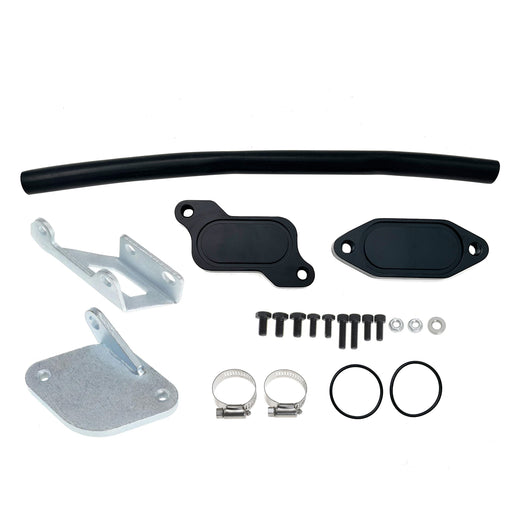
For 2006-2007 6.6L Chevrolet Silverado Classic GMC Duramax LBZ Diesel EGR Valve Cooler Delete Kit
SEGULEROriginal price $63.49 - Original price $63.49Original price$63.49$63.49 - $63.49Current price $63.49FITMENT 2006-2007.4 Chevrolet Silverado Duramax LBZ 2500HD / 3500HD. 2007.4 Chevrolet Silverado Duramax LBZ 2500HD / 3500HD Classic. 2006-2007.4 ...
View full details -

Seguler 2011-2023 6.7L Ford F250 F350 F450 F550 Powerstroke Diesel EGR Valve Delete Cooler Delete Kit
SEGULEROriginal price $55.99 - Original price $55.99Original price$55.99$55.99 - $55.99Current price $55.99FITMENT 2011-2023 6.7L Ford Powerstroke F-250 F-350 F-450 F-550 Super Duty V8 Diesel compatible with both standard Pickups and commercial Cab &a...
View full details -
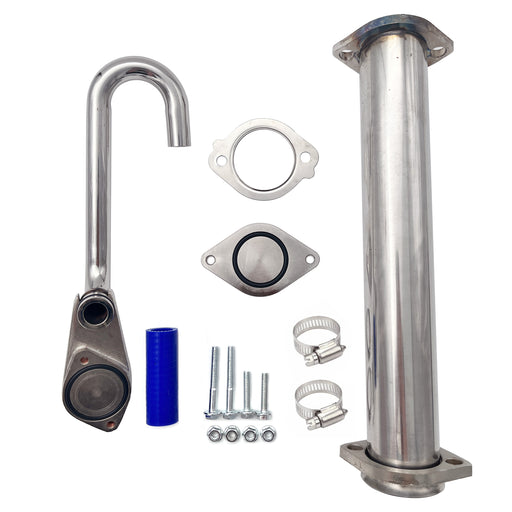
Seguler 2003-2007 6.0L Ford F250 F350 Powerstroke Diesel EGR Basic Cooler Kit
SEGULEROriginal price $79.99 - Original price $79.99Original price$79.99$79.99 - $79.99Current price $79.99FITMENT 2003-2007 6.0L Ford F250 F350 F450 F550 Super Duty Turbo (except 2004 F250 Super Duty). 2003-2005 6.0L Ford Excursion Turbo. 2005 Ford F...
View full details -
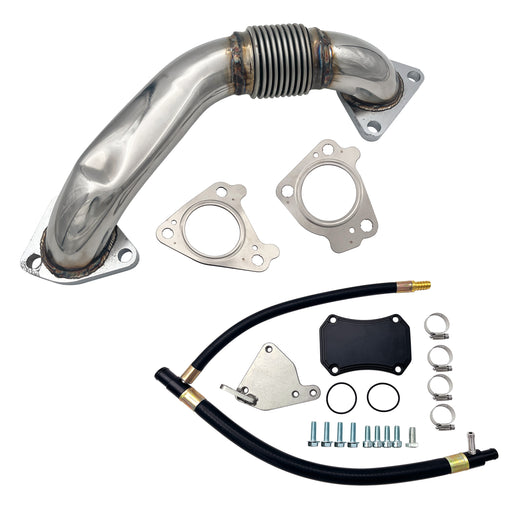
Seguler 2011-2016 6.6L GMC Chevy Duramax Diesel LML Up-Pipe & EGR Valve Cooler Delete Kit
SEGULEROriginal price $173.86 - Original price $173.86Original price$173.86$173.86 - $173.86Current price $173.86FITMENT 2011-2016 6.6L Chevy GMC Duramax LML 2500 HD 3500 HD Diesel. DESCRIPTION Product Overview Direct-injection technology endows GM 5.3L an...
View full details -
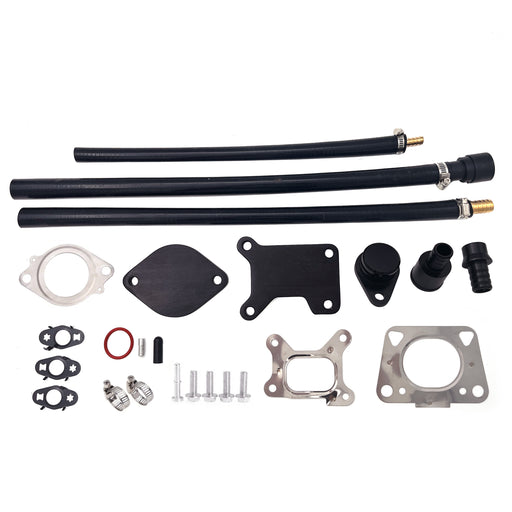
For 2017-2023 6.6L Chevy GMC Duramax L5P diesel EGR Valve Cooler Delete kit
SEGULEROriginal price $131.99 - Original price $131.99Original price$131.99$131.99 - $131.99Current price $131.99FITMENT 2017–2023 6.6L Chevrolet Silverado / GMC Sierra Duramax L5P 2500HD 3500HD Diesel. DESCRIPTION Product Overview Hot soot recirculation ...
View full details -
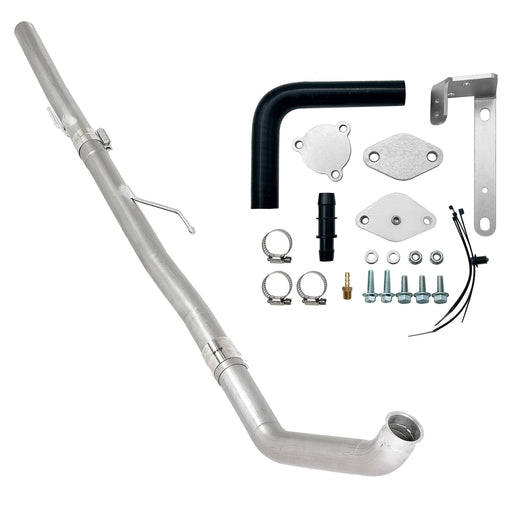
Seguler 3" Ecodiesel DPF Delete Pipe & EGR Delete kit for 2014-2018 3.0L Ram
SEGULEROriginal price $342.00 - Original price $342.00Original price$342.00$342.00 - $342.00Current price $342.00FITMENT 2014–2018 3.0L Dodge Ram 1500 EcoDiesel V6. NOTE: Fit standard Pickup models only (Crew Cab, Quad Cab). Does NOT fit Jeep Grand Cheroke...
View full details -
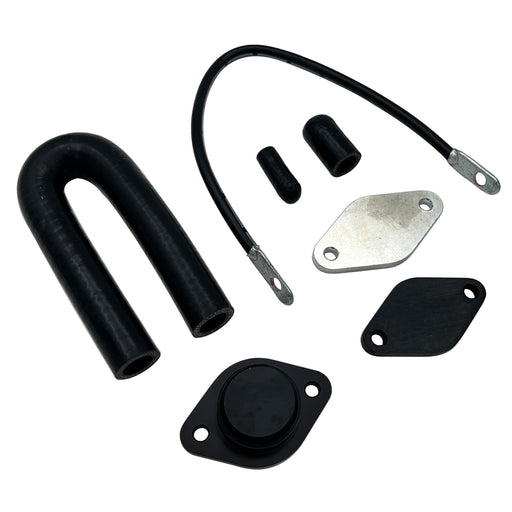
Seguler EGR valve cooler Delete kit for 2020-2022 3.0L Chevy Duramax LM2
SEGULEROriginal price $189.12 - Original price $189.12Original price$189.12$189.12 - $189.12Current price $189.12FITMENT 2020–2022 3.0L Chevrolet Silverado GMC Sierra 1500 LM2 Turbo-Diesel. DESCRIPTION Product Overview Powered by smooth inline-six engine...
View full details -

For 2013-2023 6.7L Dodge Ram Cummins Cab & Chassis EGR Delete Kit Diesel
SEGULEROriginal price $62.99 - Original price $62.99Original price$62.99$62.99 - $62.99Current price $62.99FITMENT 2013–2023 6.7L Ram Cummins 3500 4500 5500 Cab & Chassis / Commercial Trucks. Does NOT fit standard Ram 2500 3500 Pickups. DESCRIPTIO...
View full details -
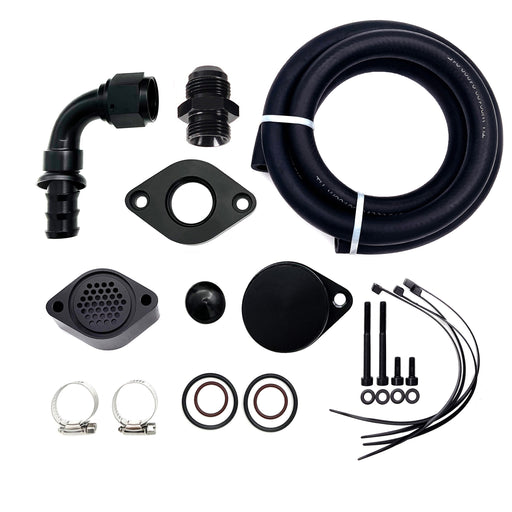
Seguler 2011-2023 6.7L Ford Powerstroke CCV PCV Reroute Engine Ventilation Kit
SEGULEROriginal price $82.99 - Original price $82.99Original price$82.99$82.99 - $82.99Current price $82.99FITMENT 2011-2023 6.7L Ford Powerstroke F-250 F-350 F-450 F-550 Super Duty V8 Diesel. Compatible with both standard Pickups and commercial Cab &...
View full details -
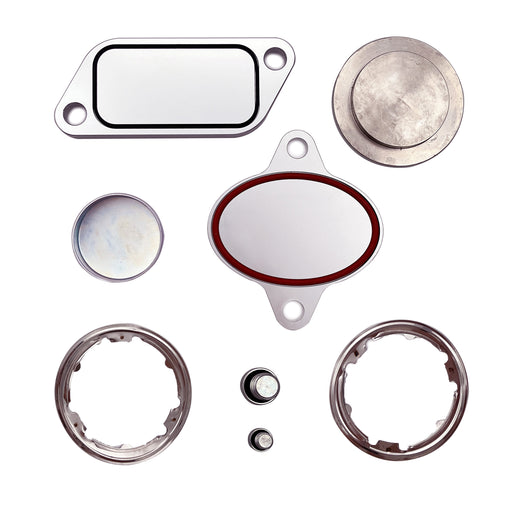
For 2007-2010 Cummins ISX CM871 EGR Plug Kit Stage 2 Plates and Plugs Aluminum
SEGULEROriginal price $67.99 - Original price $67.99Original price$67.99$67.99 - $67.99Current price $67.99FITMENT 2007-2010 Cummins Volvo, Peterbilt, Mack, International, Freightliner, Kenworth with the ISX CM871 Engines. DESCRIPTION Product Overvie...
View full details -
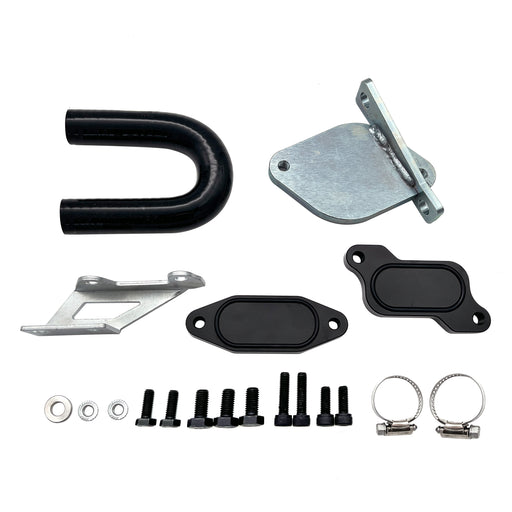
For 2007-2010 6.6L Chevy GMC LMM Duramax EGR Valve Cooler Delete Kit Fit
SEGULEROriginal price $61.99 - Original price $61.99Original price$61.99$61.99 - $61.99Current price $61.99FITMENT 2007.5-2010 6.6L Chevrolet Silverado Duramax LMM 2500HD / 3500HD. 2007.5-2010 6.6L GMC Sierra Duramax LMM 2500HD / 3500HD. Note: Standard...
View full details -
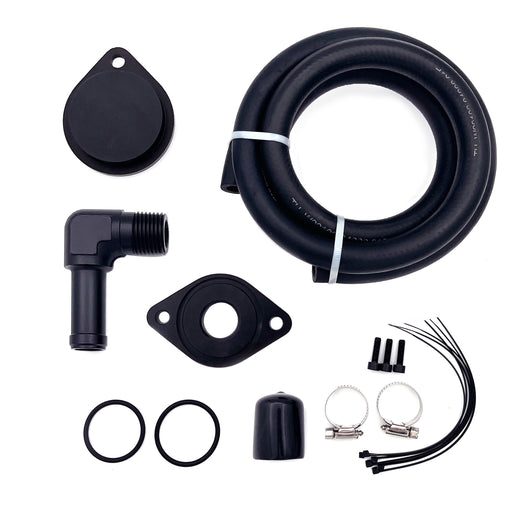
Seguler 2011-2023 Ford 6.7L Powerstroke CCV/PCV Reroute/Delete Engine Ventilation Kit
SEGULEROriginal price $72.00 - Original price $72.00Original price$72.00$72.00 - $72.00Current price $72.00FITMENT 2011-2023 6.7L Ford Powerstroke F-250 F-350 F-450 F-550 Super Duty V8 Diesel. Compatible with both standard Pickups and commercial Cab &...
View full details -
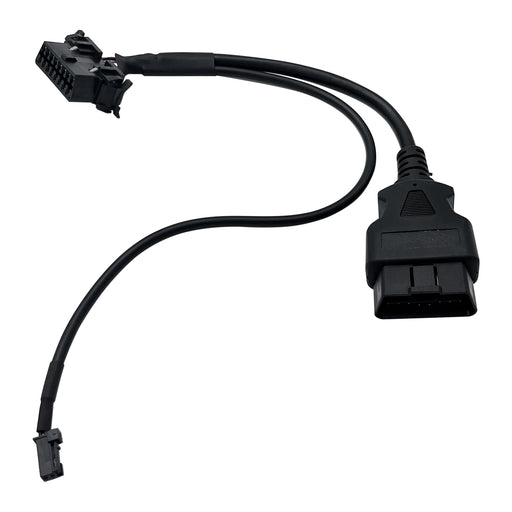
Seguler 2018+ RAM Cummins OBD2 HD Security Gate Bypass Cable
SEGULEROriginal price $45.00 - Original price $45.00Original price$45.00$45.00 - $45.00Current price $45.00FITMENT 2018+ 6.7L Ram Cummins 2500 3500 Turbo Diesel. Designed for Ram pickup trucks equipped with the factory Security Gateway Module. Note: Pl...
View full details -
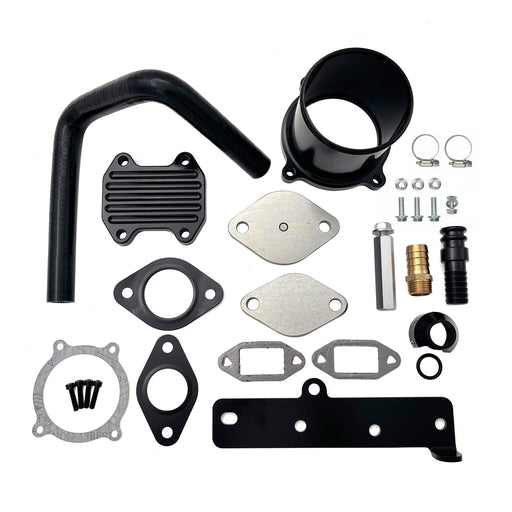
Seguler For 2013-2018 6.7L Dodge RAM 2500 3500 Cummins Diesel EGR Delete Cooler Throttle Valve Delete Kit
SEGULEROriginal price $112.00 - Original price $112.00Original price$112.00$112.00 - $112.00Current price $112.00FITMENT 2013–2018 6.7L Dodge Ram Cummins 2500 & 3500 Pickup Turbo Diesel. Note: Does NOT fit Cab & Chassis (3500 / 4500 / 5500 C&C) m...
View full details


Leave a comment