

6.7 Cummins Exhaust: Boost Power (2007.5-2018 Kit)
🚨 The $9,500 Mistake One Owner Made at 115,000 Miles!
January 2026. A 2014 Ram 3500 Laramie with 115,000 miles arrived at a diesel shop on the back of a flatbed.
The owner had maintained the truck properly — oil changes every 7,500 miles, fuel filters serviced regularly, and no tuning. It was used exactly how a Cummins was designed to work: towing an 18,000-pound gooseneck trailer between Colorado and Texas twice a month.
The problem started quietly. The coolant reservoir kept dropping. Three months earlier, the degas bottle was low. He topped it off. The next oil change came around, and it was low again. No puddle under the truck. No obvious white smoke. Just a coolant level that kept disappearing every 800 miles.
After diagnosis, the EGR cooler was found to be leaking internally. Coolant contamination affected the engine oil, eventually contributing to major internal damage. The repair bill — including labor — exceeded $9,500.
This is how a preventable 6.7L Cummins failure can begin: not with a warning light or dramatic breakdown, but with small signs that are easy to overlook.
🚛 What’s Actually Restricting Your 6.7L Cummins?
Before you can improve performance, it helps to understand where factory systems can create restrictions and how they affect the engine under load.
The DPF — A Filter That Creates Increasing Exhaust Restriction
The Diesel Particulate Filter sits downstream of the turbocharger, capturing soot inside a ceramic filter structure. During active regeneration, the ECU adds extra fuel to raise exhaust temperatures and burn accumulated soot from the filter.
The system works as designed, but the DPF also creates additional exhaust restriction. As soot and ash accumulate over time, backpressure increases, forcing the turbocharger and engine to work harder under load. Higher exhaust restriction can contribute to increased EGTs, slower turbo response, and reduced airflow efficiency.
The EGR System — Hot Soot-Laden Exhaust Gas Back Into Your Intake
The Exhaust Gas Recirculation system routes exhaust gas back into the intake as part of the emissions control process. The EGR cooler uses engine coolant to reduce exhaust temperatures before the gas re-enters the cylinders.
Repeated heating and cooling cycles can place stress on the EGR cooler over time, while soot deposits gradually build up inside the system. If the cooler develops internal leaks, coolant can enter the intake stream and potentially lead to oil contamination and costly engine damage.
Meanwhile, recirculated exhaust gases can introduce soot into the intake system, coating intake runners, valves, and intercooler components over time. This buildup can reduce airflow efficiency, increase EGTs, and contribute to reduced performance as mileage accumulates.
The Intake Manifold — The Bottleneck Nobody Mentions
The factory 6.7L Cummins intake horn is designed around OEM packaging and emissions requirements. While it performs well under factory conditions, its internal shape and airflow path can become a limiting factor when the engine is working harder, especially during towing and heavy-load driving.
Over time, EGR-related soot buildup can accumulate throughout the intake system, reducing airflow efficiency and affecting overall engine breathing. Once exhaust restrictions and EGR contamination are addressed, improving the intake path becomes an important step in creating a more complete airflow upgrade.
A high-flow intake manifold helps increase airflow capacity, improve throttle response, and support more efficient engine operation under load.
The Cascade — Why One System Can Affect Another
These systems do not operate independently. EGR-related soot buildup can reduce intake airflow efficiency, while restricted airflow can affect combustion quality and increase soot production. As soot accumulation increases, the DPF may require more frequent regeneration cycles, adding additional stress to the overall system.
Over time, increased restriction and contamination can affect turbocharger efficiency, exhaust temperatures, and engine operating conditions. Each system can contribute to the problems created by the others.
Addressing only one restriction may improve a single area, but improving the entire airflow system creates a more complete solution. Reducing exhaust restriction, limiting EGR-related contamination, and improving intake airflow helps the 6.7L Cummins operate more efficiently under load.
🔧 Complete 6.7L Cummins Airflow Upgrade — DPF, EGR & Intake
Always follow the specific instructions included with your parts and verify local regulations before installation.
The DPF delete pipe, EGR delete kit, and high-flow intake manifold work together as a complete airflow upgrade. Since these components share overlapping access points during installation, completing them together helps reduce repeated disassembly, saves installation time, and allows the entire exhaust, intake, and EGR system to be upgraded at once.
A complete installation requires proper preparation and mechanical experience. With the right tools and instructions, these upgrades provide a more efficient way to address factory airflow restrictions and EGR-related contamination while improving the overall performance potential of the 6.7L Cummins platform.Before You Start
Before You Start
Before beginning the installation, prepare the truck properly and review all instructions included with your parts. Park on a level surface, secure the vehicle, disconnect the batteries, and allow enough time for the engine and exhaust system to cool.
Apply penetrating oil to exhaust fasteners before removal, especially clamps and flange connections that have experienced years of heat cycles.
Label each sensor connector as it is removed. Simple identification during disassembly can save significant time during reassembly and helps ensure every connection is returned correctly.
Step 1: Drain Coolant and Prepare Engine Access
Before removing the EGR cooler, drain enough coolant from the system to prevent excessive coolant loss during disassembly. The EGR cooler and coolant lines can retain additional fluid, so prepare a suitable drain pan and protect surrounding components from spills.
Remove the intake components required for access to the EGR cooler and intake manifold area. Clearing the engine bay around the rear of the intake system provides better access to the EGR cooler mounting hardware and makes removal easier.
Step 2: Remove the Factory DPF Assembly
Disconnect the DPF-related sensors and electrical connectors before removing the factory assembly. Release each connector carefully and avoid pulling on wiring harnesses. Label sensor connections and pressure lines during removal to make reinstallation easier.
A helpful tip is to leave the sensors installed in the DPF until the assembly is removed from the truck. Accessing heat-cycled sensor threads underneath the vehicle can be difficult and may increase the chance of damage.
Apply penetrating lubricant to exhaust connections and clamps before removal. Support the DPF assembly during removal, as the factory unit is heavy and requires proper handling. Removing the assembly carefully helps prevent damage to surrounding components and makes installation of the new exhaust pipe easier.
Step 3: Install the 4" DPF Delete Pipe
Install the new exhaust pipe using a new gasket and properly align the front and rear connections before tightening clamps. Reusing old sealing components can lead to exhaust leaks, so replacing worn hardware during installation is recommended.
Leave clamps loose during initial assembly to allow proper adjustment. Ensure the pipe has adequate clearance from the frame, driveshaft, and other surrounding components before final tightening. Proper alignment helps prevent vibration, exhaust noise, and contact issues during operation.
Once the system is correctly positioned, tighten all clamps and verify that the exhaust path is secure. The clean straight-through design helps reduce restriction and provides improved exhaust flow compared with the factory DPF assembly.
Step 4: Remove the Intake Manifold and EGR Cooler
With the coolant drained, remove the necessary intake components to access the EGR cooler and surrounding hardware. Proper access is important, as the EGR cooler is located deep in the engine valley on 6.7L Cummins applications.
Disconnect the EGR cooler coolant lines carefully and prepare for remaining coolant inside the system. Protect surrounding components from spills and keep the mounting areas clean during removal.
The rear EGR cooler hardware near the firewall can be difficult to access, and a swivel extension may be required for proper removal.
Remove the EGR cooler and valve assembly carefully, keeping the unit level to prevent trapped coolant from spilling. Before installing the delete components, thoroughly clean all mounting surfaces and remove any old gasket material to ensure proper sealing and prevent future exhaust leaks.
Step 5: Install the EGR Block-Off Plates and Reroute Coolant
Install the EGR block-off plates with the supplied gaskets and ensure all sealing surfaces are clean before assembly. Proper sealing is critical to prevent exhaust leaks and maintain reliable operation after removing the factory EGR components.
Tighten all fasteners according to the kit instructions and avoid over-tightening, which can damage sealing surfaces and create future leaks.
Complete the coolant reroute following the included instructions. Proper hose routing is important — a kinked line or trapped air can affect coolant flow and may cause issues after installation. Secure any unused ports with proper caps designed for engine-bay temperatures.
Step 6: Install the High-Flow Intake Manifold
Install a new intake manifold gasket and ensure the mounting surface is clean before installation. Proper sealing is important to prevent air leaks and maintain consistent engine operation.
Install the high-flow intake manifold and transfer the required factory components, including sensors and brackets, according to the kit instructions. Carefully install each sensor and connection to avoid damage during reassembly.
Once installed, verify that all connections are secure and that the intake system is properly sealed before moving to final checks.
Step 7: Reconnect, Route Wiring, and Refill
Reconnect the intercooler piping and verify that all boots and clamps are properly secured. A loose connection can create boost leaks and reduce engine performance under load.
Reconnect all sensors and route wiring away from exhaust heat sources and moving components. Ensure every connector is fully seated and locked before final assembly.
Reconnect the grid heater wiring and battery terminals, then refill the cooling system with the correct coolant type specified for the vehicle. After refilling, inspect all coolant connections and verify that the system is properly filled before startup.
Step 8: Bleed, Tune, and First Start
Before starting the truck, make sure the cooling system has been properly filled and bled according to the vehicle and kit instructions. Verify coolant levels, check all connections for leaks, and confirm that the system reaches normal operating temperature.
Load the correct ECM calibration before operating the vehicle after removing DPF and EGR components. Running deleted hardware with the factory calibration may trigger fault codes, warning lights, or reduced-power operation depending on the vehicle setup.
After startup, inspect the EGR block-off plates, exhaust connections, intake system, and coolant lines for any signs of leaks. Verify that all sensors and electrical connections are properly secured before returning the truck to normal operation.
🛠 Tools and Preparation!
Before starting the installation, prepare the necessary tools and allow enough time to complete the job properly. Having the right equipment ready can make the process smoother and help prevent damage during removal and installation.
1.Socket set and wrenches
2.Torque wrench
3.Breaker bar and penetrating oil
4.Swivel extensions
5.Hose clamp pliers
6.Drain pan and shop towels
Review the installation instructions, confirm vehicle fitment, and allow extra time for removing heat-cycled exhaust hardware.
⚠️ Before You Turn the Key — Critical Post-Installation Checks!
Engine Calibration
The ECM should be loaded with the correct calibration before operating the vehicle after DPF and EGR hardware removal. Running the factory calibration with modified hardware may trigger fault codes, warning lights, or reduced-power operation depending on the vehicle setup.
Coolant System
Verify coolant level and inspect all coolant connections for leaks after installation. Allow the engine to reach operating temperature and confirm the cooling system is operating normally.
A soft or spongy upper radiator hose may indicate trapped air in the system. Properly bleed the cooling system according to the vehicle and kit instructions before returning the truck to regular operation.
Exhaust System
Inspect all clamps, flanges, and slip joints to ensure the exhaust system is properly sealed after installation. Check for unusual exhaust noise, visible leaks, or signs of escaping exhaust around connection points.
Pay special attention to the downpipe connection area, as hard-to-access joints are often more difficult to seal correctly during installation.
Intake System
Verify that all intake boots, clamps, and connections are properly secured after installation. Loose connections can create boost leaks, reduce airflow efficiency, or affect engine performance under load.
Confirm that all intake-related sensors, including the MAP sensor, are properly connected and locked in place. A disconnected or incorrectly installed sensor can affect boost readings and overall engine operation.
💸 The Five Most Expensive Installation Mistakes!
Mistake 1: Reusing the Downpipe Gasket
The factory gasket is designed as a one-time-use sealing component. Reusing an old gasket can lead to exhaust leaks at the turbo outlet connection.A new gasket is inexpensive compared with the time and labor required to remove the exhaust system again and correct a leak after installation.
Mistake 2: Overtightening the EGR Block-Off Plate Bolts
Aluminum plates can warp if over-tightened during installation. Excessive bolt force can affect sealing and may lead to leaks, fault codes, or poor engine operationUse a torque wrench and follow the recommended installation specifications to ensure proper sealing.
Mistake 3: Mixing Coolant Types
The 6.7L Cummins uses HOAT coolant. Universal green or OAT coolant creates sludge that clogs the radiator, heater core, and block. Flushing a sludged system requires chemical cleaners and multiple drain cycles.
Mistake 4: Forgetting the Electrical Connector Tab Lock
Every sensor connector has a positive-lock tab. It can feel seated without the tab engaged. Push until you hear the click, then tug to confirm.
Mistake 5: Not Cycling the Cooling System After EGR Delete
The coolant reroute changes the flow path. Air pockets at the back of the cylinder head won’t bleed at idle. Run the engine with the degas cap off until the thermostat opens. If the temperature gauge spikes and drops, there’s an air pocket — let it cool, top off, repeat.
🎥 DPF Removal — Real-World Walkthrough After 250,000 Miles?
This Ram 6.7L Cummins spent its life in Louisiana. After a quarter-million miles of service, the DPF was finally removed — revealing what long-term exhaust restriction can look like inside the factory filtration system.
The teardown tells the story. The inlet side of the DPF (upstream before the filter) shows significantly more soot buildup from years of exhaust flow, while the outlet side (downstream) appears much cleaner. This is the DPF performing its intended job — capturing soot before cleaner exhaust exits the system. However, after 250,000 miles, the filter has also experienced years of heat cycles, soot accumulation, and exhaust flow restriction.
The removal process highlights the challenges many owners encounter during this job: rusted exhaust clamps requiring penetrating lubricant and patience, stubborn rubber hanger isolators, hidden sensor locking tabs, and the correct flange-disengagement technique — moving the assembly rearward first before lowering — that can make the difference between a smooth removal and a frustrating struggle.
Seeing a high-mileage DPF removed firsthand helps explain why many 6.7 Cummins owners look at exhaust upgrades to improve airflow, reduce restrictions, and support better performance under load.
💰 Here’s the Math — What a Stock DPF System Costs Over 10 Years!
A DPF isn’t a one-time purchase. It’s a recurring cost center that charges you in fuel, labor, and eventually replacement. Here’s what the numbers look like assuming 20,000 miles per year:
| Cost Item | Per Event | Frequency | 10-Year Total |
|---|---|---|---|
| DPF cleaning service | $300-600 | Every 30-50k miles | $1,800-4,000 |
| Regeneration fuel (extra diesel burned) | ~1-2 gallons per regen | Every 300-800 miles | $1,500-3,500 |
| Reduced MPG from backpressure | 1-3 MPG loss | Continuous | $3,000-8,000 |
| DPF replacement (ash-loaded, beyond cleaning) | $2,500-4,500 | Once at 150-200k miles | $2,500-4,500 |
| Total | $8,800-20,000 |
Every one of these costs has a single root cause: a ceramic filter in your exhaust path that was never there for performance. The filter catches soot. You pay to burn it off. You pay to have it cleaned. Eventually you pay to replace it. And the entire time it’s installed, you pay in fuel economy from the restriction.
On a cold-climate truck that sees frequent short trips, the numbers skew higher — incomplete regens happen more often because the DPF never reaches sustained cleaning temperature, which accelerates ash loading and increases regen frequency.
🔧 The Three-Part Solution — DPF, EGR, and Intake Manifold
You’ve seen the 10-year cost of keeping the stock DPF. You’ve watched a quarter-million-mile filter come out of a truck on a lift. And you know the EGR cooler leaks coolant into places it doesn’t belong — the $9,500 lesson from that Ram 3500 on I-25.
Each of these problems has a fix. Here’s what each solution looks like, and what separates parts that last from parts that don’t.
| Upgrade | What It Solves |
|---|---|
| 4" Exhaust Pipe | Exhaust restriction and backpressure |
| EGR Delete Kit | Soot buildup and EGR cooler issues |
| High Flow Intake Manifold | Intake airflow restriction |
Seguler 4" Stainless Exhaust Upgrade Pipe for 2007.5-2012 6.7L Cummins
The 4" DPF Delete Race Pipe replaces the restrictive factory DPF section to improve exhaust flow and reduce backpressure in the exhaust system. By removing the restriction created by the factory filtration assembly, it helps the turbocharger operate more efficiently, supports lower exhaust temperatures, and improves overall engine response under load.
Designed for 2007.5–2012 Ram 2500/3500 6.7L Cummins diesel trucks, this upgrade is ideal for owners looking to improve exhaust airflow, reduce the effects of factory DPF restrictions, and build a more efficient towing and performance setup. It works especially well as part of a complete airflow package combined with EGR and intake upgrades.
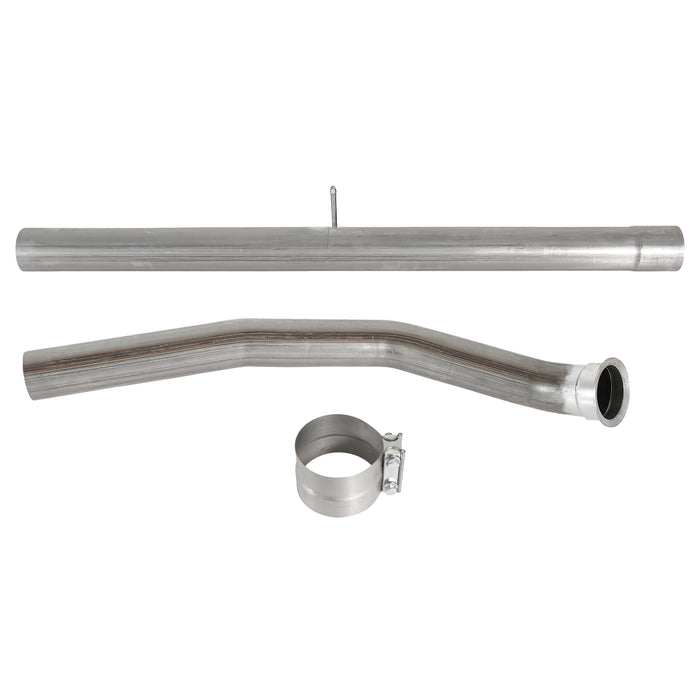
- Material & Construction: Manufactured from T-409 stainless steel for durability and optimal flow, featuring a 4" system from the turbo back down to the mid-pipe with no bungs for a clean design.
- Performance: Designed for maximum flow to improve performance in competition applications.
- Temperature Optimization: Lowers Exhaust Gas Temperatures (EGTs) to improve engine health and longevity.
- Vehicle Fitment: Fits 2007.5-2012 Dodge Ram 2500/3500 6.7L Cummins diesel trucks, but does NOT fit Cab & Chassis commercial style trucks or trucks with air-ride suspension.
| Feature | Seguler 4" Stainless Exhaust Upgrade Pipe | Lower-Cost Alternative ($60–120) |
|---|---|---|
| Material | T-409 stainless steel |
The material is susceptible to corrosion. |
| Flow design |
4" improved exhaust flow turbo-back to mid-pipe |
May use crush-bent manufacturing — bends can create restriction compared with mandrel-bent |
| Sensor bungs | No bungs — clean streamlined design, no leak points |
Stamped bungs — potential for sensor reading variances and leak paths |
| Construction | T-409 stainless throughout, uniform corrosion resistance |
Different materials and welding methods may affect long-term durability |
| EGT impact |
Lower EGTs — reducing thermal stress on turbo and pistons.
|
May not provide equivalent flow optimization under sustained load |
| Fitment |
Direct-fit 2007.5–2012 Ram 2500/3500 6.7L (not Cab & Chassis or air-ride) |
“Universal” fit — may require additional adjustment for specific applications |
Key Takeaway: Lower-cost alternatives in the $60–120 range may use aluminized steel and crush-bent manufacturing, while the T-409 stainless pipe uses mandrel-bent maximum-flow design throughout. The material grade and flow design make the biggest difference in long-term durability — better materials and construction mean doing the job once rather than replacing a failed pipe after a winter or two.
With the DPF path open, the engine’s next source of chronic stress is the exhaust gas recirculation system — the same system that destroyed the bearings in that Ram 3500.
Seguler 2007-2009 6.7L Dodge Ram Cummins Diesel EGR Delete Kit
The Diesel EGR Delete Kit removes the factory EGR valve and cooler to help eliminate soot buildup and reduce intake contamination caused by recirculated exhaust gases. By preventing hot exhaust gases from being routed back into the intake system, it helps maintain cleaner airflow and supports more consistent engine performance.
Removing the factory EGR cooler from the coolant circuit also helps reduce potential cooler-related failure points and simplifies the overall airflow system. Designed for 2007–2009 6.7L Ram Cummins 2500/3500 diesel trucks, this upgrade works well with exhaust and intake improvements to create a more complete airflow solution.

- Material & Construction: Constructed from aluminum alloy, stainless steel, and silica gel, completely replacing the EGR valve and EGR cooler with no additional parts required.
- Soot & Valve Protection: Eliminates soot buildup and prevents clogged EGR valves for off-road use.
- Thermal Efficiency: Lowers coolant temperatures because coolant no longer flows through the EGR cooler.
- Vehicle Fitment: Designed specifically for 2007-2009 6.7L Ram Cummins 2500 and 3500 diesel trucks.
| Feature | Seguler EGR Delete Kit | Lower-Cost Alternative ($80–150) |
|---|---|---|
| Intake-side plate |
Aluminum alloy — matched thermal expansion.
|
Stamped steel construction — long-term sealing concerns.
|
| Exhaust-side plate |
Stainless steel — holds shape at sustained exhaust temperatures |
One metal grade across different heat zones |
| Gaskets |
Silica gel — heat-resistant, seals under sustained thermal cycling |
Paper or cork gaskets — may offer less heat resistance than silica gel under sustained thermal cycling |
| Coolant circuit |
EGR cooler removed from coolant loop — lower operating temperatures |
May not include coolant reroute — can create dead-end paths in the cooling circuit |
| Installation |
Complete kit — EGR valve + cooler replacement, no other parts required |
May not include every component needed for a complete installation |
| Fitment |
2007–2009 6.7L Ram Cummins 2500/3500 Diesel — direct replacement |
Gasket quality affects long-term heat cycle sealing |
With the exhaust flowing and the intake staying clean, one last bottleneck remains — the factory plastic intake horn. This is where airflow hits the wall after you’ve fixed everything else.
Seguler 2007-2018 6.7L RAM Cummins 2500 3500 Diesel 3.5inch High Flow Intake Manifold
After upgrading the exhaust system and addressing EGR-related intake contamination, the factory intake horn can become a limiting point in the airflow system. The OEM plastic intake design was built for packaging and emissions requirements, not maximum airflow under heavy load.
The Seguler 3.5" High Flow Intake Manifold increases airflow capacity through the intake path, helping improve throttle response, turbocharger efficiency, and overall engine breathing. By reducing intake restriction, it supports more consistent airflow during towing, acceleration, and higher-load driving conditions.
Designed for direct fitment on 2007–2018 6.7L RAM Cummins 2500/3500/4500/5500 diesel trucks, this intake upgrade works well as part of a complete airflow improvement package alongside exhaust and EGR system upgrades.

- Material & Construction: Manufactured from T304 Stainless Steel with 16-gauge thickness, featuring mandrel-bent tubes and fully TIG-welded construction for optimal penetration without airflow impact.
- Performance: Delivers high reliability, a faster turbine valve core, significant gains in throttle response, and nearly 50% improved intercooler airflow compared to stock.
- Design Features: Precisely indented pipe for dipstick line clearance and a perfect match for the original vehicle.
- Vehicle Fitment: Specifically designed for 2007-2018 6.7L RAM Cummins 2500, 3500, 4500, and 5500 diesel trucks.
| Feature | Seguler 3.5" High Flow Intake Manifold | Lower-Cost Alternative ($80–150) |
|---|---|---|
| Material |
T304 stainless steel — 16-gauge mandrel-bent tubes |
Thin-gauge materials — internal surface condition may degrade over time |
| Construction |
Fully TIG welded — precise penetration, no airflow disruption at seams |
Different welding methods — may affect internal surface finish and flow characteristics |
| Flow gain |
Designed for improved flow over stock — 3.50" inlet, 3.00" outlet |
Flow claims may vary by design — diameter alone doesn’t guarantee flow improvement |
| Dip stick clearance |
Precisely indented — no interference, no bending required |
May not include clearance provisions — could require additional adjustment during installation |
| Throttle response |
Improved throttle response with a direct-fit OEM-style installation |
May not deliver the same throttle response improvement without equivalent flow design |
| Platform coverage |
2007–2018 6.7L RAM Cummins 2500/3500/4500/5500 Diesel |
One-size-fits-all designs — may require verification for specific application fitment |
Key Takeaway: Lower-cost intake manifolds in the $80–150 range may use thin-gauge materials and simpler welding methods, while T304 stainless with TIG-welded mandrel-bent tubes offers consistent internal surface finish and precise fitment — including dip stick clearance and platform-specific port alignment. The material grade, welding quality, and flow design ultimately determine whether an intake manifold delivers measurable improvement or just replaces the factory part.
📊 What Owners May Notice After These Three Upgrades?
Changes owners may experience with quality components and proper tuning can vary depending on driving style, altitude, temperature, towing conditions, and calibration strategy.
🌡️ Exhaust Gas Temperatures — one of the first changes owners monitor with a pyrometer.
Many owners notice improved EGT control depending on tuning, driving conditions, altitude, and towing load. Reducing exhaust restriction helps lower thermal stress on pistons, rings, and turbocharger components during heavy-duty operation.
⚡ Turbo Response — improved airflow can help reduce response delay.
The engine works with fewer factory airflow restrictions, reduced EGR-related intake contamination, and improved intake flow compared with the stock setup. Improved airflow can help sharpen throttle response and support more consistent boost recovery under load.
⛽ Fuel Economy — regeneration-related fuel consumption can be reduced.
Highway driving with proper tuning may show efficiency changes, while city driving and heavy towing results will vary depending on load, driving habits, and calibration. Aggressive driving can offset any potential fuel savings regardless of modifications.
🛢️ Oil Condition — reduced soot exposure can help maintain oil quality.
By reducing EGR-related soot entering the engine, these upgrades can help limit soot contamination and support cleaner oil during normal service intervals. Oil change intervals should still follow manufacturer recommendations based on fuel dilution, usage, and operating conditions.
❓ Frequently Asked Questions
Q1: Are these modifications legal for on-road vehicles?
A1: Emissions equipment modification requirements vary by jurisdiction. Removing or disabling factory emissions components — including DPF, EGR, SCR, and DEF systems — may violate federal, state, and local regulations for on-road vehicles. Always verify legal requirements in your area. This information is provided for educational purposes.
Q2: Do I need a tune after installation?
A2: Yes, for DPF delete and EGR delete. The ECU monitors DPF pressure, exhaust temperature, and EGR position sensors. Removing hardware without disabling the corresponding ECU monitors triggers fault codes and potentially reduced-power mode. The intake manifold alone typically does not require tuning.
Q3: Why replace the factory intake manifold?
A3: The factory intake horn is injection-molded plastic with a restrictive 90° bend and limited cross-section designed for packaging, not airflow. After the exhaust path is freed and EGR contamination ends, the stock intake becomes the tightest remaining restriction — especially at 2,200-3,000 RPM under load.
Q4: How long does a quality DPF delete pipe last?
A4: T-409 stainless with quality TIG welding can last the life of the truck. The primary failure mode is internal corrosion from acidic exhaust condensation. Thinner or aluminized pipes in regions with winter road treatment may develop leaks within one to two seasons.
Q5: Can one person install all three in a weekend?
A5: Yes, with preparation. The DPF delete pipe is the most accessible — 2-3 hours. The EGR delete adds coolant draining and engine-valley work. The intake manifold is straightforward bolt-on. Budget a full weekend with hand tools. A shop with a lift: 4-6 hours.
Q6: What are the signs of a failing EGR cooler?
A6: Gradual coolant loss with no visible external leak is the most common early warning. Other signs: white smoke at startup that clears, coolant odor from the exhaust, and coolant contamination on the oil dipstick. If coolant is disappearing with no puddle underneath, pressure-test the cooler.
Q7: Will this affect towing capacity?
A7: Rated towing capacity — determined by frame, suspension, brakes, and cooling — does not change. What changes is how the truck behaves under load: lower EGTs give more thermal headroom on grades, and improved throttle response makes speed management more precise with a trailer.
Q8: What maintenance is eliminated versus what’s added?
A8: DPF regeneration maintenance eliminated. Periodic EGR valve and cooler cleaning eliminated. The intake manifold requires verifying sensor connections at oil changes. The exhaust system benefits from a five-minute clamp inspection during each oil change.
Q9: What is the benefit of upgrading the exhaust on a 6.7 Cummins?
A9: Upgrading to a high-flow exhaust system improves airflow, reduces exhaust gas temperatures, sharpens turbo response, and provides more thermal headroom while towing. Combined with addressing EGR and intake restrictions, these changes allow the 6.7L Cummins to operate more efficiently — particularly under sustained load where stock restrictions create the most backpressure.
🏁 The Bottom Line
The 6.7L Cummins was built to work. The factory exhaust, EGR, and intake systems were built to meet emissions requirements. Those are different engineering goals — and over time, these systems can create additional restrictions and maintenance concerns.
A leaking EGR cooler contributed to a costly engine repair without an obvious warning sign. A restricted DPF can create ongoing costs through increased regeneration, maintenance, and potential replacement. A factory intake horn can become an airflow limitation once exhaust restrictions are reduced. Three common restrictions on one engine platform — addressed with a complete airflow solution.
Step one: improve exhaust flow with a high-flow pipe to reduce restriction and help lower EGTs. Step two: reduce contamination by removing the EGR cooler and preventing soot from entering the intake system. Step three: improve airflow by upgrading the factory intake path. Each component addresses a specific limitation — together, they help the 6.7L Cummins operate more efficiently under load.
Explore Seguler’s 6.7 Cummins airflow upgrade solutions, including exhaust pipes, EGR solutions, and high-flow intake upgrades designed to improve airflow and long-term reliability. Visit seguler.com to find the right parts for your truck.
Featured collection
-
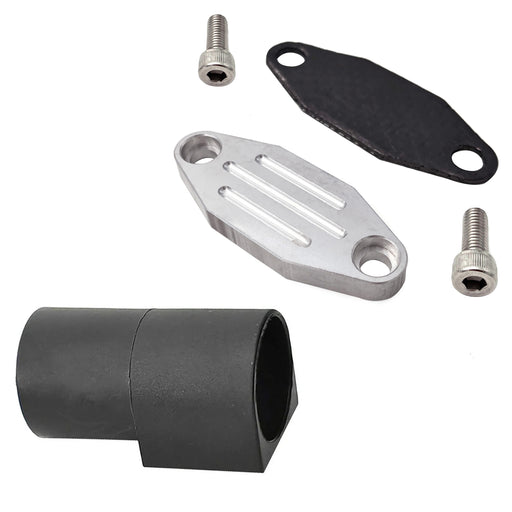
Seguler 1986-1995 Ford F150 F250 F350 Mustang Trucks EGR Simulator Eliminator / Block Off Plate Kit
SEGULEROriginal price $79.99 - Original price $79.99Original price$79.99$79.99 - $79.99Current price $79.99Block Off Plate Material: Aluminum alloy. Easy installation,and convenient to use. Made of CNC milled from aircraft grade Billet aluminum. Will N...
View full details -

Seguler 2011-2023 6.7L Ford Powerstroke Diesel EGR Delete Kit
SEGULEROriginal price $109.99 - Original price $109.99Original price$109.99$109.99 - $109.99Current price $109.99FITMENT 2011-2023 6.7L Ford Powerstroke F-250 F-350 F-450 F-550 Super Duty V8 Diesel. compatible with both standard Pickups and commercial Cab &...
View full details -
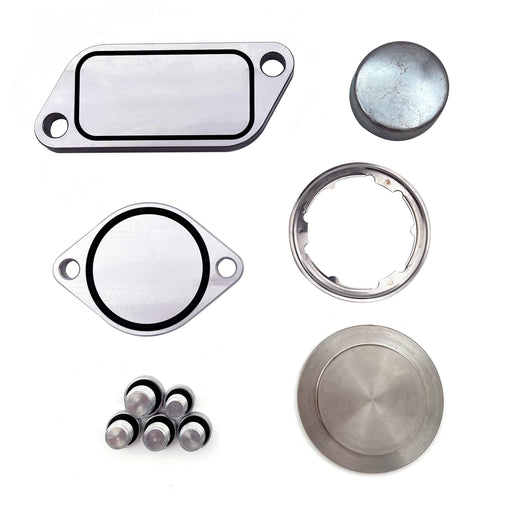
For 2010-Present Stage 2 ISX 15 CM2250 CM2350 EGR Delete Kit
SEGULEROriginal price $59.99 - Original price $59.99Original price$59.99$59.99 - $59.99Current price $59.99FITMENT 2010-Present Cummins Volvo, Peterbilt, Mack, International, Freightliner, Kenworth with the ISX15 CM2250 / CM2350 engines. DESCRIPTION P...
View full details -
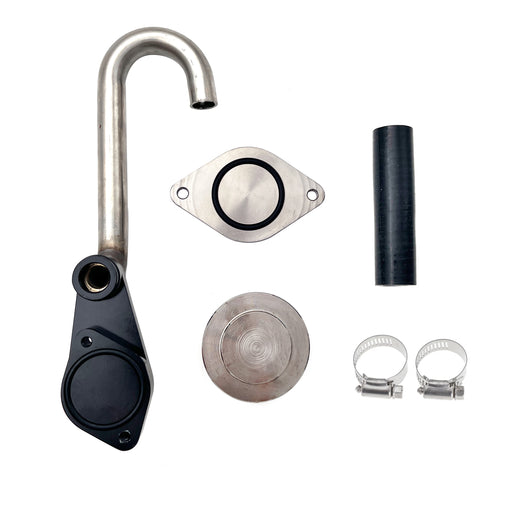
Seguler 2003-2007 6.0L FORD Powerstroke Diesel EGR Cooler Delete Kit
SEGULEROriginal price $56.14 - Original price $56.14Original price$56.14$56.14 - $56.14Current price $56.14FITMENT 2003-2007 6.0L Ford F-250 Ford F-350 F-450 F-550 Super Duty. 2003-2007 6.0L Ford Excursion SUV (Diesel Models Only). 2005-2010 Ford E-Se...
View full details -
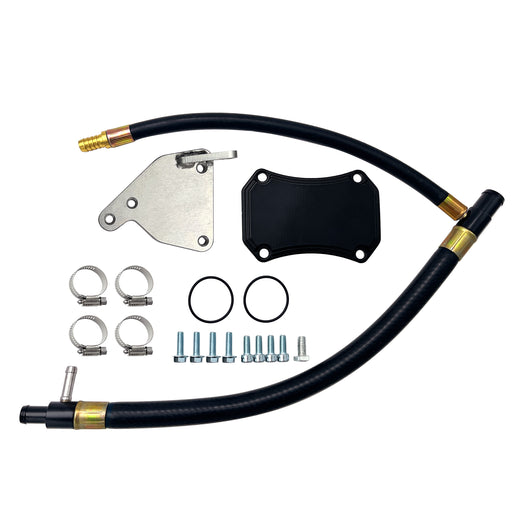
For 2011-2016 6.6L GMC Chevy Duramax Diesel LML EGR Valve Cooler Delete Kit
SEGULEROriginal price $66.49 - Original price $66.49Original price$66.49$66.49 - $66.49Current price $66.49FITMENT 2011-2016 6.6L Chevy GMC Duramax LML 2500 HD 3500 HD Diesel. DESCRIPTION Product Overview The 2011–2016 LML Duramax uses a complex EG...
View full details -
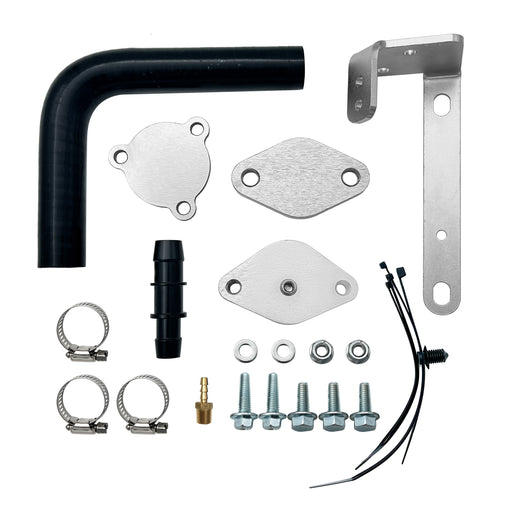
Seguler For 2014-2019 3.0L Dodge Ram 1500 EcoDiesel EGR Valve & Cooler Delete Kit
SEGULEROriginal price $72.99 - Original price $72.99Original price$72.99$72.99 - $72.99Current price $72.99FITMENT 2014-2019 3.0L Dodge Ram 1500 EcoDiesel V6 engine trucks. DESCRIPTION Product Overview Exhaust gas recirculation on 3.0L EcoDiesel V6 ...
View full details -

Seguler 2011-2023 6.7L Ford Powerstroke Diesel EGR Delete Kit
SEGULEROriginal price $85.99 - Original price $85.99Original price$85.99$85.99 - $85.99Current price $85.99FITMENT 2011-2023 6.7L Ford Powerstroke F-250 F-350 F-450 F-550 Super Duty V8 Diesel. compatible with both standard Pickups and commercial Cab &...
View full details -

Seguler 2010-2024 6.7L Dodge Ram Cummins Diesel EGR Valve Cooler Delete Kit
SEGULEROriginal price $89.99 - Original price $89.99Original price$89.99$89.99 - $89.99Current price $89.99FITMENT 2010–2024 6.7L Dodge Ram Cummins 2500 / 3500 Pickup Turbo Diesel. Note: Does NOT fit Chassis Cab 3500 / 4500 / 5500 models. DESCRIPTIO...
View full details -
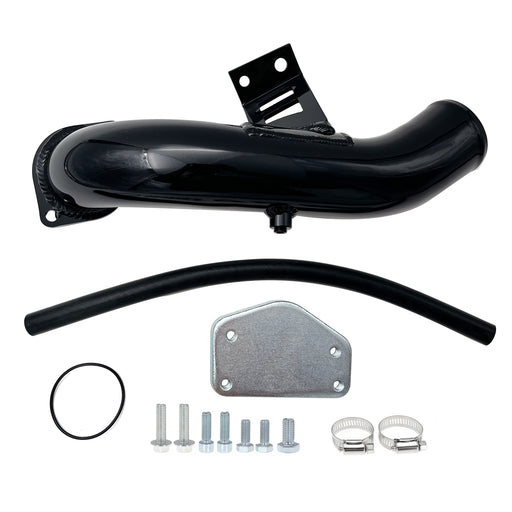
For 2004.5-2005 6.6L Chevy GMC Silverado LLY Duramax Diesel EGR Delete Kit
SEGULEROriginal price $92.99 - Original price $92.99Original price$92.99$92.99 - $92.99Current price $92.99FITMENT 2004.5-2005 6.6L Chevrolet Silverado Duramax LLY 2500HD / 3500 HD. 2004.5-2005 6.6L GMC Sierra Duramax LLY 2500HD / 3500 HD. DESCRIPTION...
View full details -

Seguler 2017-2019 L5P Duramax Diesel 4pcs L5P Can Bus Plugs Connector Replacement
SEGULEROriginal price $75.00 - Original price $75.00Original price$75.00$75.00 - $75.00Current price $75.00FITMENT 2017–2019 Chevrolet Silverado / GMC Sierra Duramax L5P 2500HD & 3500HD Diesel. DESCRIPTION Product Overview Unprotected harness con...
View full details -

Seguler 2020-2023 chevy duramax L5P Diesel Can Bus Plugs Connector
SEGULEROriginal price $80.00 - Original price $80.00Original price$80.00$80.00 - $80.00Current price $80.00FITMENT 2020–2023 Chevrolet Silverado / GMC Sierra Duramax L5P 2500HD & 3500HD Diesel. DESCRIPTION Product Overview Unprotected harness pl...
View full details -
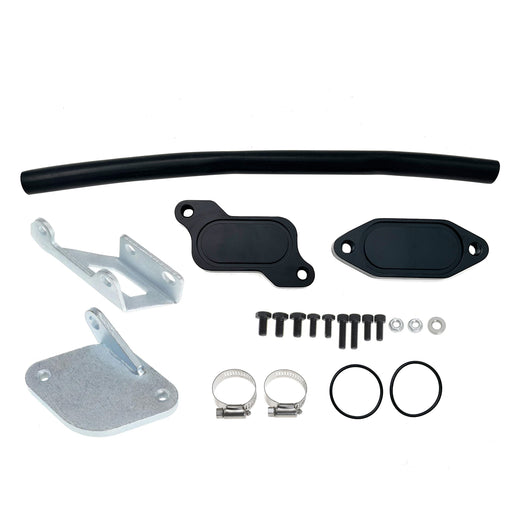
For 2006-2007 6.6L Chevrolet Silverado Classic GMC Duramax LBZ Diesel EGR Valve Cooler Delete Kit
SEGULEROriginal price $63.49 - Original price $63.49Original price$63.49$63.49 - $63.49Current price $63.49FITMENT 2006-2007.4 Chevrolet Silverado Duramax LBZ 2500HD / 3500HD. 2007.4 Chevrolet Silverado Duramax LBZ 2500HD / 3500HD Classic. 2006-2007.4 ...
View full details -

Seguler 2011-2023 6.7L Ford F250 F350 F450 F550 Powerstroke Diesel EGR Valve Delete Cooler Delete Kit
SEGULEROriginal price $55.99 - Original price $55.99Original price$55.99$55.99 - $55.99Current price $55.99FITMENT 2011-2023 6.7L Ford Powerstroke F-250 F-350 F-450 F-550 Super Duty V8 Diesel compatible with both standard Pickups and commercial Cab &a...
View full details -
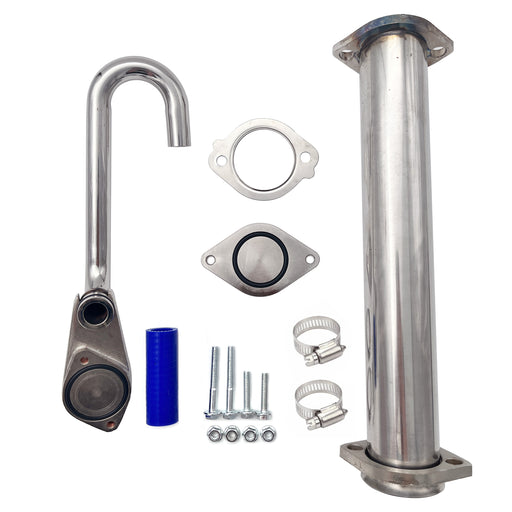
Seguler 2003-2007 6.0L Ford F250 F350 Powerstroke Diesel EGR Basic Cooler Kit
SEGULEROriginal price $79.99 - Original price $79.99Original price$79.99$79.99 - $79.99Current price $79.99FITMENT 2003-2007 6.0L Ford F250 F350 F450 F550 Super Duty Turbo (except 2004 F250 Super Duty). 2003-2005 6.0L Ford Excursion Turbo. 2005 Ford F...
View full details -
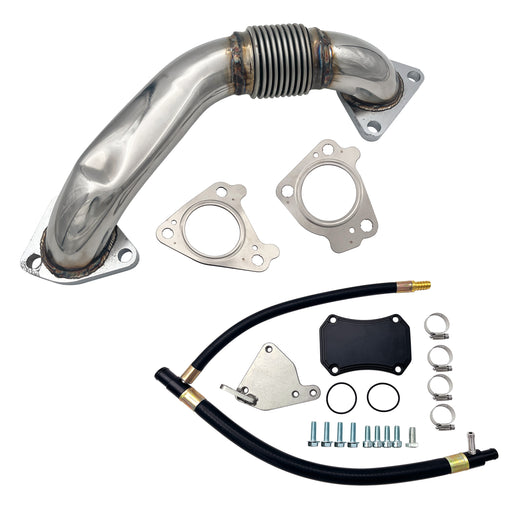
Seguler 2011-2016 6.6L GMC Chevy Duramax Diesel LML Up-Pipe & EGR Valve Cooler Delete Kit
SEGULEROriginal price $173.86 - Original price $173.86Original price$173.86$173.86 - $173.86Current price $173.86FITMENT 2011-2016 6.6L Chevy GMC Duramax LML 2500 HD 3500 HD Diesel. DESCRIPTION Product Overview Direct-injection technology endows GM 5.3L an...
View full details -
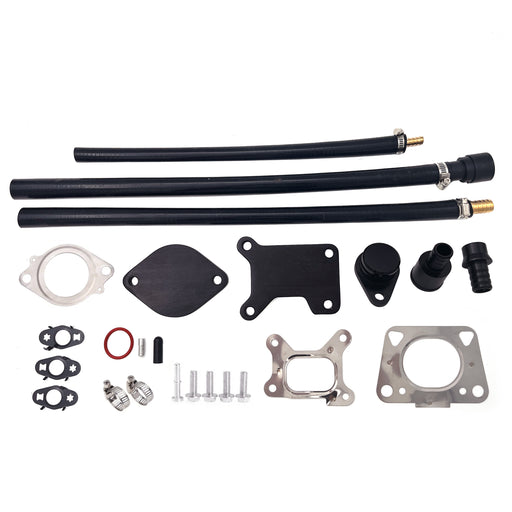
For 2017-2023 6.6L Chevy GMC Duramax L5P diesel EGR Valve Cooler Delete kit
SEGULEROriginal price $131.99 - Original price $131.99Original price$131.99$131.99 - $131.99Current price $131.99FITMENT 2017–2023 6.6L Chevrolet Silverado / GMC Sierra Duramax L5P 2500HD 3500HD Diesel. DESCRIPTION Product Overview Hot soot recirculation ...
View full details -
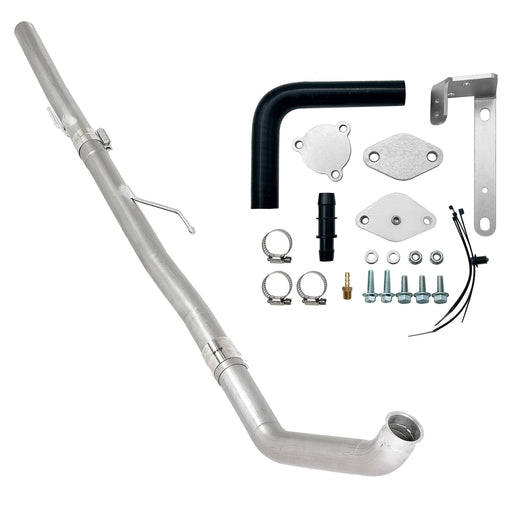
Seguler 3" Ecodiesel DPF Delete Pipe & EGR Delete kit for 2014-2018 3.0L Ram
SEGULEROriginal price $342.00 - Original price $342.00Original price$342.00$342.00 - $342.00Current price $342.00FITMENT 2014–2018 3.0L Dodge Ram 1500 EcoDiesel V6. NOTE: Fit standard Pickup models only (Crew Cab, Quad Cab). Does NOT fit Jeep Grand Cheroke...
View full details -
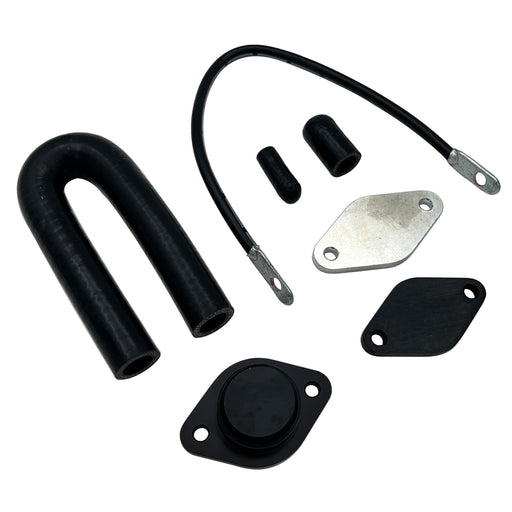
Seguler EGR valve cooler Delete kit for 2020-2022 3.0L Chevy Duramax LM2
SEGULEROriginal price $189.12 - Original price $189.12Original price$189.12$189.12 - $189.12Current price $189.12FITMENT 2020–2022 3.0L Chevrolet Silverado GMC Sierra 1500 LM2 Turbo-Diesel. DESCRIPTION Product Overview Powered by smooth inline-six engine...
View full details -

For 2013-2023 6.7L Dodge Ram Cummins Cab & Chassis EGR Delete Kit Diesel
SEGULEROriginal price $62.99 - Original price $62.99Original price$62.99$62.99 - $62.99Current price $62.99FITMENT 2013–2023 6.7L Ram Cummins 3500 4500 5500 Cab & Chassis / Commercial Trucks. Does NOT fit standard Ram 2500 3500 Pickups. DESCRIPTIO...
View full details -
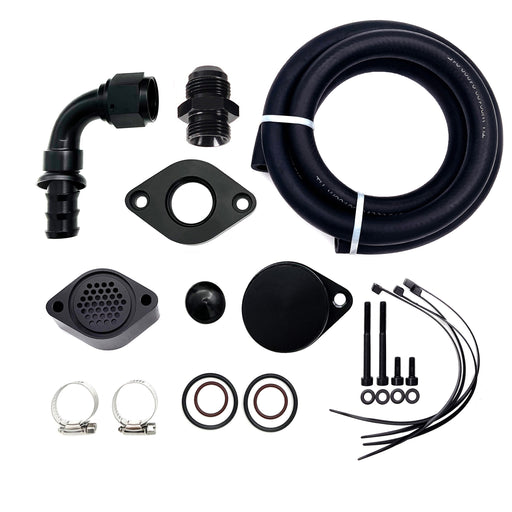
Seguler 2011-2023 6.7L Ford Powerstroke CCV PCV Reroute Engine Ventilation Kit
SEGULEROriginal price $82.99 - Original price $82.99Original price$82.99$82.99 - $82.99Current price $82.99FITMENT 2011-2023 6.7L Ford Powerstroke F-250 F-350 F-450 F-550 Super Duty V8 Diesel. Compatible with both standard Pickups and commercial Cab &...
View full details -
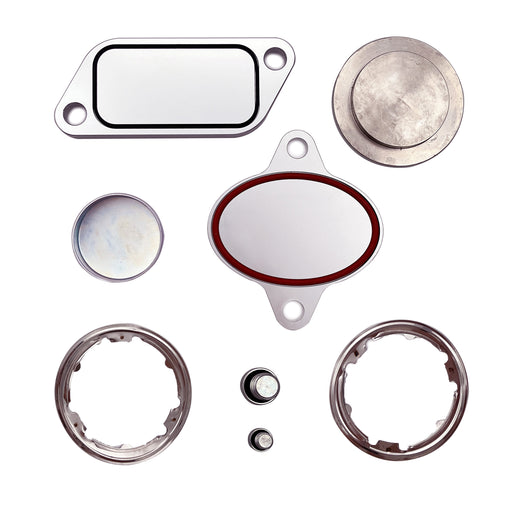
For 2007-2010 Cummins ISX CM871 EGR Plug Kit Stage 2 Plates and Plugs Aluminum
SEGULEROriginal price $67.99 - Original price $67.99Original price$67.99$67.99 - $67.99Current price $67.99FITMENT 2007-2010 Cummins Volvo, Peterbilt, Mack, International, Freightliner, Kenworth with the ISX CM871 Engines. DESCRIPTION Product Overvie...
View full details -
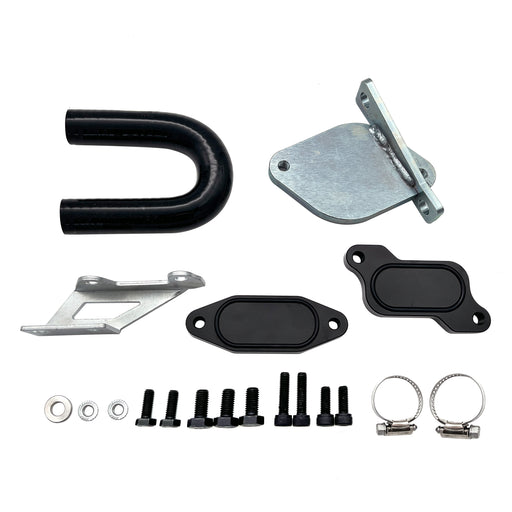
For 2007-2010 6.6L Chevy GMC LMM Duramax EGR Valve Cooler Delete Kit Fit
SEGULEROriginal price $61.99 - Original price $61.99Original price$61.99$61.99 - $61.99Current price $61.99FITMENT 2007.5-2010 6.6L Chevrolet Silverado Duramax LMM 2500HD / 3500HD. 2007.5-2010 6.6L GMC Sierra Duramax LMM 2500HD / 3500HD. Note: Standard...
View full details -
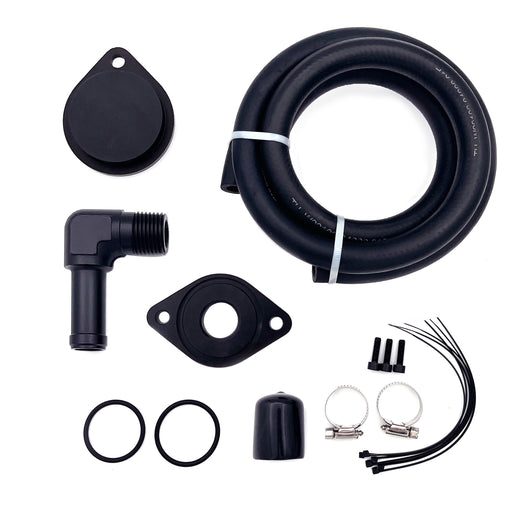
Seguler 2011-2023 Ford 6.7L Powerstroke CCV/PCV Reroute/Delete Engine Ventilation Kit
SEGULEROriginal price $72.00 - Original price $72.00Original price$72.00$72.00 - $72.00Current price $72.00FITMENT 2011-2023 6.7L Ford Powerstroke F-250 F-350 F-450 F-550 Super Duty V8 Diesel. Compatible with both standard Pickups and commercial Cab &...
View full details -
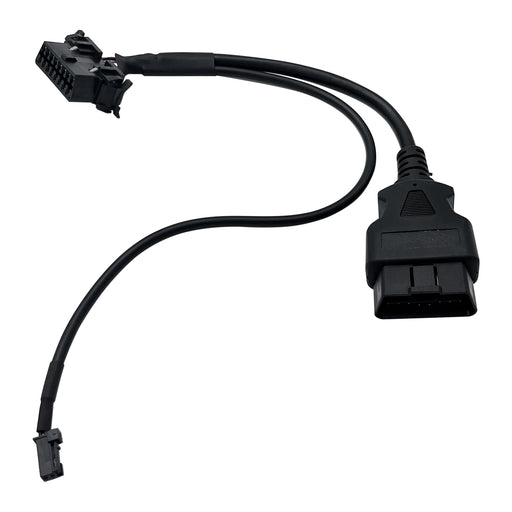
Seguler 2018+ RAM Cummins OBD2 HD Security Gate Bypass Cable
SEGULEROriginal price $45.00 - Original price $45.00Original price$45.00$45.00 - $45.00Current price $45.00FITMENT 2018+ 6.7L Ram Cummins 2500 3500 Turbo Diesel. Designed for Ram pickup trucks equipped with the factory Security Gateway Module. Note: Pl...
View full details -
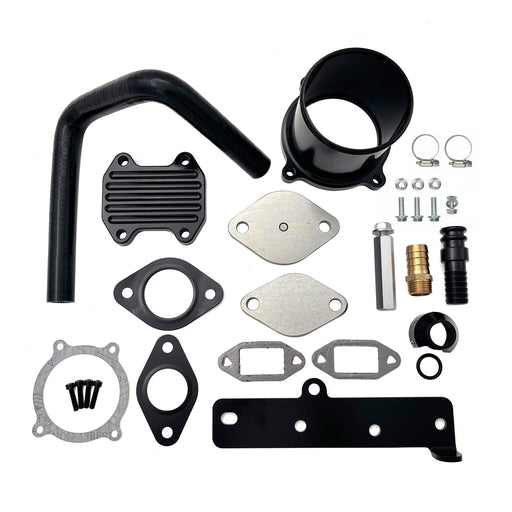
Seguler For 2013-2018 6.7L Dodge RAM 2500 3500 Cummins Diesel EGR Delete Cooler Throttle Valve Delete Kit
SEGULEROriginal price $112.00 - Original price $112.00Original price$112.00$112.00 - $112.00Current price $112.00FITMENT 2013–2018 6.7L Dodge Ram Cummins 2500 & 3500 Pickup Turbo Diesel. Note: Does NOT fit Cab & Chassis (3500 / 4500 / 5500 C&C) m...
View full details


Leave a comment