

How to Delete a 6.7 Powerstroke the Right Way
What Does "Deleting" a 6.7 Powerstroke Mean?
"Deleting" a 6.7L Powerstroke refers to removing or disabling the emissions control systems that Ford engineered into the engine to meet EPA Tier 4 standards. These systems include the Diesel Particulate Filter (DPF), Exhaust Gas Recirculation (EGR) system, and Selective Catalytic Reduction (SCR) system that uses Diesel Exhaust Fluid (DEF). The core idea behind a delete is straightforward: these emissions systems create exhaust backpressure, consume fuel during regeneration cycles, introduce soot into the intake (via EGR), and introduce maintenance costs over the vehicle's lifetime. Removing them can unlock measurable improvements in power, efficiency, and reliability.
Key Takeaways
- Full 6.7 Powerstroke delete removes DPF, EGR, DEF/SCR systems—unlocking 60-100 HP and 2-4 MPG improvement
- Professional ECM tuning is mandatory—never run delete hardware without a tune (triggers limp mode and engine damage)
- 4-inch exhaust recommended for stock/mild tunes; 5-inch for 550+ HP builds and heavy towing
- Delete is for off-road use only—violations carry federal fines and mandatory restoration penalties
- Consider resale value, insurance implications, and local emissions testing before proceeding
However, it is critical to understand that deletion is not a casual modification. It fundamentally changes the vehicle's emissions profile, renders it non-compliant with federal regulations for on-road use, and should only be performed on vehicles operated exclusively off-road or in competition settings.
The Correct Components to Remove
A proper 6.7 Powerstroke delete addresses all major emissions restriction points, not just one or two. Here is the complete system breakdown:
1. DPF (Diesel Particulate Filter)
The DPF is a ceramic filter that traps soot particles. Under normal operation, it requires periodic active regeneration — burning off accumulated soot by injecting extra fuel into the exhaust stroke to raise exhaust temperatures above 1,000°F. These regeneration cycles consume fuel, can dilute engine oil when interrupted, and the DPF itself becomes a flow restriction. Deleting the DPF involves replacing it with a straight-through delete pipe, which immediately reduces exhaust backpressure.
2. EGR (Exhaust Gas Recirculation)
The EGR system routes a portion of exhaust gas back into the intake manifold to lower combustion temperatures and reduce NOx formation. While effective for emissions, it introduces carbon-laden gases that coat the intake manifold, valves, and intercooler with deposits over time. Deleting the EGR involves block-off plates or a complete hardware removal kit that seals the exhaust and intake ports.
3. DEF/SCR System
The SCR system injects Diesel Exhaust Fluid into the exhaust stream, where it reacts with NOx in the catalytic converter to form harmless nitrogen and water. Deleting this system eliminates the need to purchase and refill DEF, removes the SCR catalyst (a flow restriction), and prevents DEF system-related failures such as crystallized injectors or failed DEF pumps.
4. CCV Reroute
While not always included in delete packages, rerouting the Crankcase Ventilation (CCV) system prevents oil vapor from entering the intake. This is especially beneficial after an EGR delete since the intake no longer receives soot-laden gases — keeping it clean maximizes the performance benefits of the delete.
Step-by-Step Deletion Process Overview
- Vehicle Assessment: Verify the truck's mechanical condition. Address any existing issues (turbocharger health, injectors, cooling system) before proceeding.
- Component Removal: Starting with the exhaust system, remove the DPF assembly and SCR catalyst. Drain and disconnect DEF lines. Remove the EGR valve and cooler assembly, capping all ports with the supplied block-off plates and plugs.
- Hardware Installation: Install the DPF delete pipe (typically 4-inch or 5-inch), EGR block-off kit, and CCV reroute components. All connections must be leak-free — exhaust leaks before the turbocharger will reduce boost pressure and performance.
- ECM Tuning: This is the most critical step. The ECM must be reprogrammed to disable DPF regeneration cycles, EGR monitoring, and DEF system checks. A professional tune optimizes fuel maps, injection timing, and boost control for the new airflow characteristics.
- Verification: After installation, monitor EGTs, boost pressure, and coolant temperature through the first several drive cycles. Check for exhaust leaks, coolant leaks, and any DTCs.
Critical Considerations Before Deletion
- Legal Status: The EPA prohibits tampering with emissions control systems on vehicles operated on public roads. Penalties can include fines of several thousand dollars and mandatory restoration to factory configuration.
- Resale Value: A deleted truck may be harder to sell in states with emissions testing and may command a lower price from buyers who need a road-legal vehicle.
- Insurance Implications: Modifications that render a vehicle non-compliant with federal regulations may affect insurance coverage in the event of a claim.
- Professional Tuning Is Mandatory: Never install delete hardware without a corresponding ECM tune. Running without a tune will trigger limp mode and can cause engine damage from incorrect fuel and timing maps.
FAQs About 6.7 Powerstroke Deletion
Q1: How much horsepower does a full delete and tune add to a 6.7 Powerstroke?
A1: A full DPF/EGR/DEF delete with a quality tune typically adds 60-100 horsepower and 120-180 lb-ft of torque at the wheels. Exact gains depend on the tune level chosen, supporting modifications (intake, intercooler), and fuel quality.
Q2: How long does the installation process take?
A2: A professional shop can complete a full delete in 6-8 hours. Experienced DIYers should budget a full weekend (12-16 hours). The exhaust and EGR hardware removal is straightforward with basic tools, but accessing all mounting points and routing wiring carefully takes time.
Q3: Will a delete improve fuel economy on a 6.7 Powerstroke?
A3: Yes. Owners typically report 2-4 MPG improvement after a full delete and tune, primarily because active DPF regeneration cycles (which inject and waste fuel) are eliminated. The reduction in exhaust backpressure also contributes to lower pumping losses during normal driving.
Q4: What tune level is safe for a stock 6.7 Powerstroke bottom end?
A4: A stock 6.7 Powerstroke bottom end can safely handle tunes up to approximately 550 rear-wheel horsepower with stock head bolts and fuel system. Beyond this level, upgraded head studs, a built transmission, and a lift pump are recommended to maintain reliability.
Q5: Is a 4-inch or 5-inch exhaust better after a delete?
A5: For street-driven trucks under 550 horsepower, a 4-inch system offers the best balance of flow and exhaust velocity, maintaining strong low-end torque. A 5-inch system is better suited for high-horsepower builds (550+ HP), frequent heavy towing, or owners seeking maximum flow and a deeper exhaust tone.
Conclusion
Deleting a 6.7 Powerstroke is a significant engineering decision that fundamentally changes how the engine operates. When performed correctly — with quality hardware, professional tuning, and full awareness of the legal and practical implications — it can deliver substantial improvements in power, efficiency, and long-term reliability. For off-road and competition applications, explore our 6.7 Powerstroke delete kits designed for precise fitment and maximum performance.


Featured collection
-
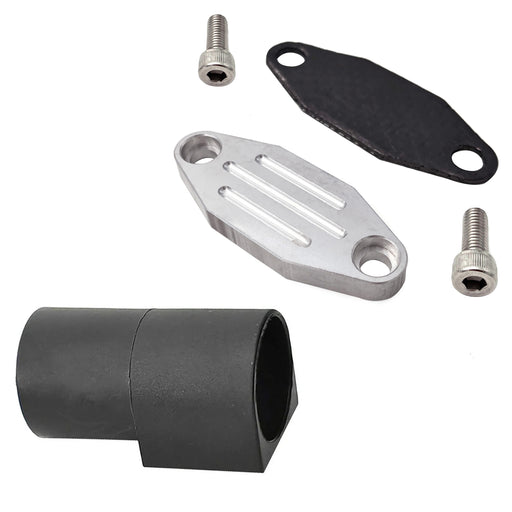
Seguler 1986-1995 Ford F150 F250 F350 Mustang Trucks EGR Simulator Eliminator / Block Off Plate Kit
SEGULEROriginal price $79.99 - Original price $79.99Original price$79.99$79.99 - $79.99Current price $79.99Block Off Plate Material: Aluminum alloy. Easy installation,and convenient to use. Made of CNC milled from aircraft grade Billet aluminum. Will N...
View full details -

Seguler 2011-2023 6.7L Ford Powerstroke Diesel EGR Delete Kit
SEGULEROriginal price $109.99 - Original price $109.99Original price$109.99$109.99 - $109.99Current price $109.99FITMENT 2011-2023 6.7L Ford Powerstroke F-250 F-350 F-450 F-550 Super Duty V8 Diesel. compatible with both standard Pickups and commercial Cab &...
View full details -
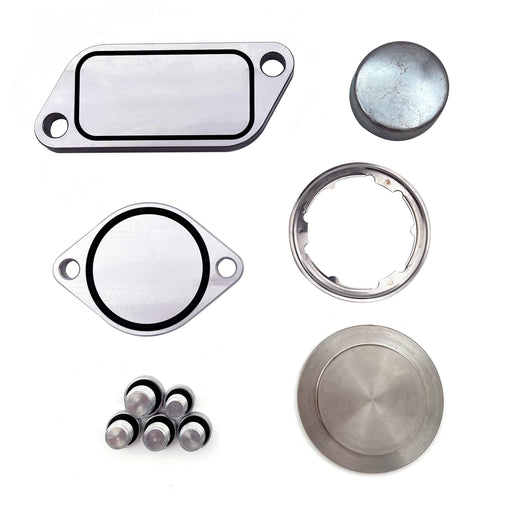
For 2010-Present Stage 2 ISX 15 CM2250 CM2350 EGR Delete Kit
SEGULEROriginal price $59.99 - Original price $59.99Original price$59.99$59.99 - $59.99Current price $59.99FITMENT 2010-Present Cummins Volvo, Peterbilt, Mack, International, Freightliner, Kenworth with the ISX15 CM2250 / CM2350 engines. DESCRIPTION P...
View full details -
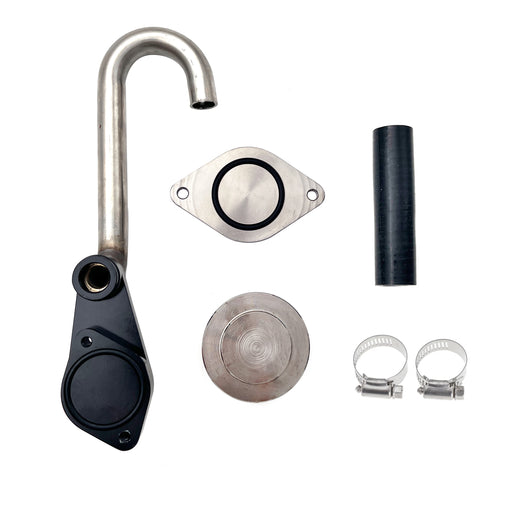
Seguler 2003-2007 6.0L FORD Powerstroke Diesel EGR Cooler Delete Kit
SEGULEROriginal price $56.14 - Original price $56.14Original price$56.14$56.14 - $56.14Current price $56.14FITMENT 2003-2007 6.0L Ford F-250 Ford F-350 F-450 F-550 Super Duty. 2003-2007 6.0L Ford Excursion SUV (Diesel Models Only). 2005-2010 Ford E-Se...
View full details -
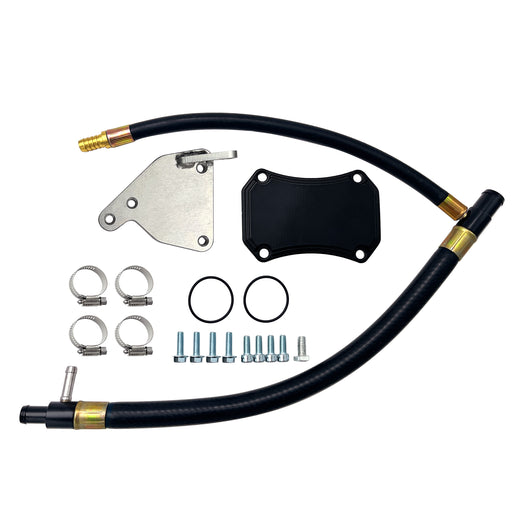
For 2011-2016 6.6L GMC Chevy Duramax Diesel LML EGR Valve Cooler Delete Kit
SEGULEROriginal price $66.49 - Original price $66.49Original price$66.49$66.49 - $66.49Current price $66.49FITMENT 2011-2016 6.6L Chevy GMC Duramax LML 2500 HD 3500 HD Diesel. DESCRIPTION Product Overview The 2011–2016 LML Duramax uses a complex EG...
View full details -
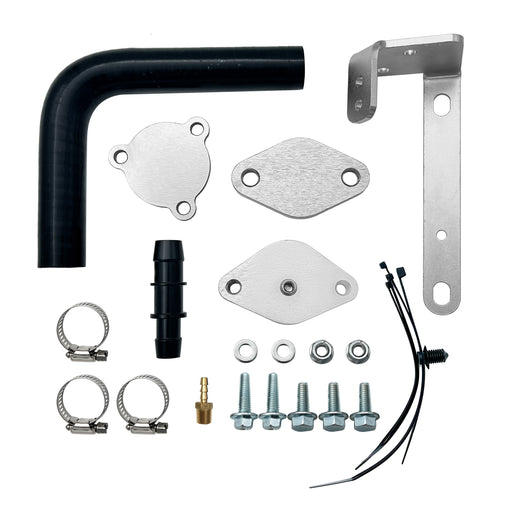
Seguler For 2014-2019 3.0L Dodge Ram 1500 EcoDiesel EGR Valve & Cooler Delete Kit
SEGULEROriginal price $72.99 - Original price $72.99Original price$72.99$72.99 - $72.99Current price $72.99FITMENT 2014-2019 3.0L Dodge Ram 1500 EcoDiesel V6 engine trucks. DESCRIPTION Product Overview Exhaust gas recirculation on 3.0L EcoDiesel V6 ...
View full details -

Seguler 2011-2023 6.7L Ford Powerstroke Diesel EGR Delete Kit
SEGULEROriginal price $85.99 - Original price $85.99Original price$85.99$85.99 - $85.99Current price $85.99FITMENT 2011-2023 6.7L Ford Powerstroke F-250 F-350 F-450 F-550 Super Duty V8 Diesel. compatible with both standard Pickups and commercial Cab &...
View full details -

Seguler 2010-2024 6.7L Dodge Ram Cummins Diesel EGR Valve Cooler Delete Kit
SEGULEROriginal price $89.99 - Original price $89.99Original price$89.99$89.99 - $89.99Current price $89.99FITMENT 2010–2024 6.7L Dodge Ram Cummins 2500 / 3500 Pickup Turbo Diesel. Note: Does NOT fit Chassis Cab 3500 / 4500 / 5500 models. DESCRIPTIO...
View full details -
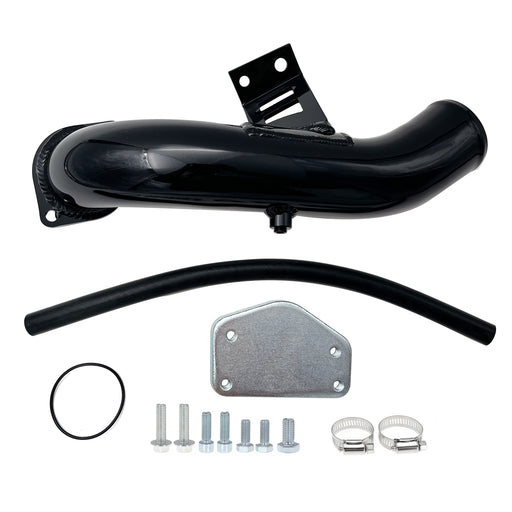
For 2004.5-2005 6.6L Chevy GMC Silverado LLY Duramax Diesel EGR Delete Kit
SEGULEROriginal price $92.99 - Original price $92.99Original price$92.99$92.99 - $92.99Current price $92.99FITMENT 2004.5-2005 6.6L Chevrolet Silverado Duramax LLY 2500HD / 3500 HD. 2004.5-2005 6.6L GMC Sierra Duramax LLY 2500HD / 3500 HD. DESCRIPTION...
View full details -

Seguler 2017-2019 L5P Duramax Diesel 4pcs L5P Can Bus Plugs Connector Replacement
SEGULEROriginal price $75.00 - Original price $75.00Original price$75.00$75.00 - $75.00Current price $75.00FITMENT 2017–2019 Chevrolet Silverado / GMC Sierra Duramax L5P 2500HD & 3500HD Diesel. DESCRIPTION Product Overview Unprotected harness con...
View full details -

Seguler 2020-2023 chevy duramax L5P Diesel Can Bus Plugs Connector
SEGULEROriginal price $80.00 - Original price $80.00Original price$80.00$80.00 - $80.00Current price $80.00FITMENT 2020–2023 Chevrolet Silverado / GMC Sierra Duramax L5P 2500HD & 3500HD Diesel. DESCRIPTION Product Overview Unprotected harness pl...
View full details -
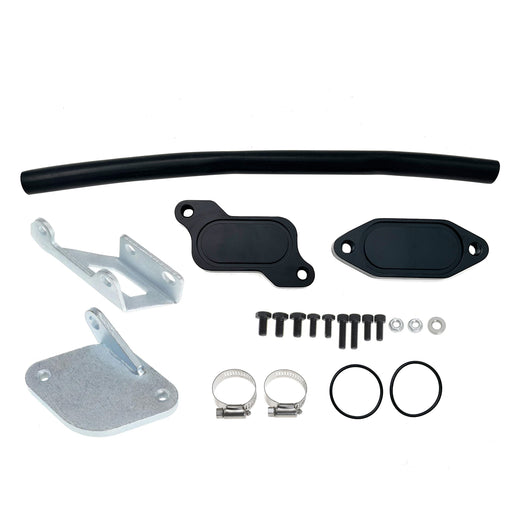
For 2006-2007 6.6L Chevrolet Silverado Classic GMC Duramax LBZ Diesel EGR Valve Cooler Delete Kit
SEGULEROriginal price $63.49 - Original price $63.49Original price$63.49$63.49 - $63.49Current price $63.49FITMENT 2006-2007.4 Chevrolet Silverado Duramax LBZ 2500HD / 3500HD. 2007.4 Chevrolet Silverado Duramax LBZ 2500HD / 3500HD Classic. 2006-2007.4 ...
View full details -

Seguler 2011-2023 6.7L Ford F250 F350 F450 F550 Powerstroke Diesel EGR Valve Delete Cooler Delete Kit
SEGULEROriginal price $55.99 - Original price $55.99Original price$55.99$55.99 - $55.99Current price $55.99FITMENT 2011-2023 6.7L Ford Powerstroke F-250 F-350 F-450 F-550 Super Duty V8 Diesel compatible with both standard Pickups and commercial Cab &a...
View full details -
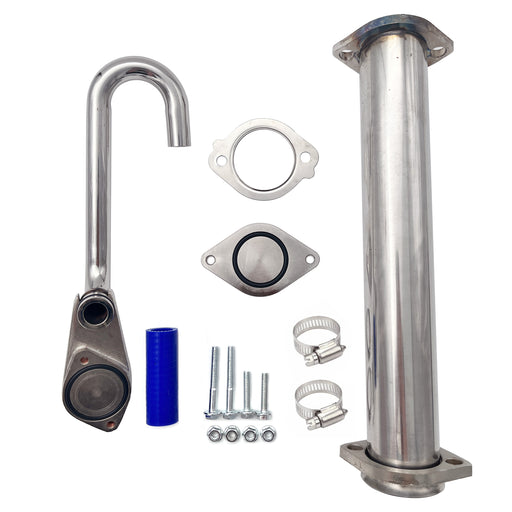
Seguler 2003-2007 6.0L Ford F250 F350 Powerstroke Diesel EGR Basic Cooler Kit
SEGULEROriginal price $79.99 - Original price $79.99Original price$79.99$79.99 - $79.99Current price $79.99FITMENT 2003-2007 6.0L Ford F250 F350 F450 F550 Super Duty Turbo (except 2004 F250 Super Duty). 2003-2005 6.0L Ford Excursion Turbo. 2005 Ford F...
View full details -
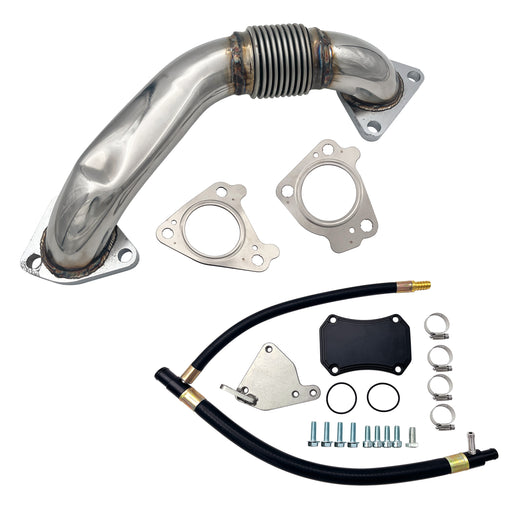
Seguler 2011-2016 6.6L GMC Chevy Duramax Diesel LML Up-Pipe & EGR Valve Cooler Delete Kit
SEGULEROriginal price $173.86 - Original price $173.86Original price$173.86$173.86 - $173.86Current price $173.86FITMENT 2011-2016 6.6L Chevy GMC Duramax LML 2500 HD 3500 HD Diesel. DESCRIPTION Product Overview Direct-injection technology endows GM 5.3L an...
View full details -
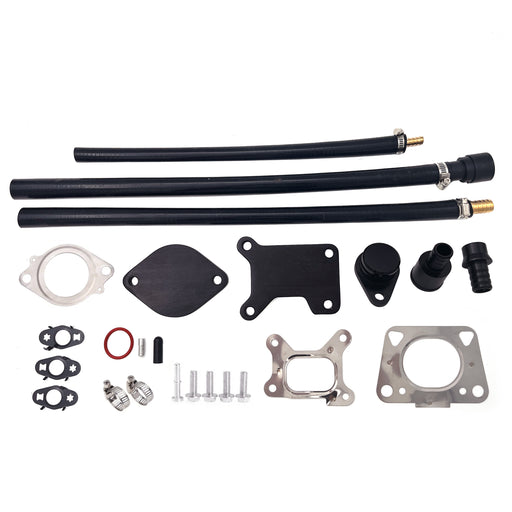
For 2017-2023 6.6L Chevy GMC Duramax L5P diesel EGR Valve Cooler Delete kit
SEGULEROriginal price $131.99 - Original price $131.99Original price$131.99$131.99 - $131.99Current price $131.99FITMENT 2017–2023 6.6L Chevrolet Silverado / GMC Sierra Duramax L5P 2500HD 3500HD Diesel. DESCRIPTION Product Overview Hot soot recirculation ...
View full details -
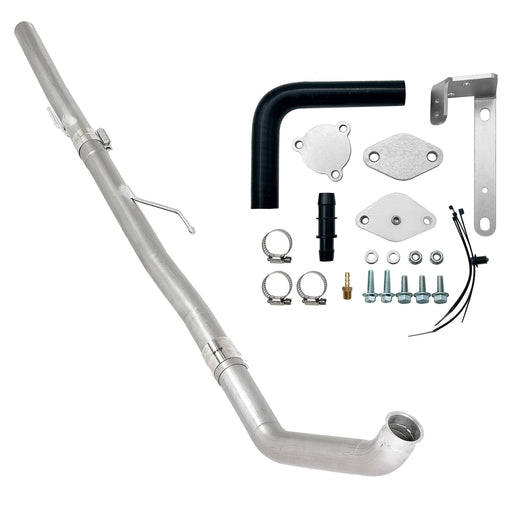
Seguler 3" Ecodiesel DPF Delete Pipe & EGR Delete kit for 2014-2018 3.0L Ram
SEGULEROriginal price $342.00 - Original price $342.00Original price$342.00$342.00 - $342.00Current price $342.00FITMENT 2014–2018 3.0L Dodge Ram 1500 EcoDiesel V6. NOTE: Fit standard Pickup models only (Crew Cab, Quad Cab). Does NOT fit Jeep Grand Cheroke...
View full details -
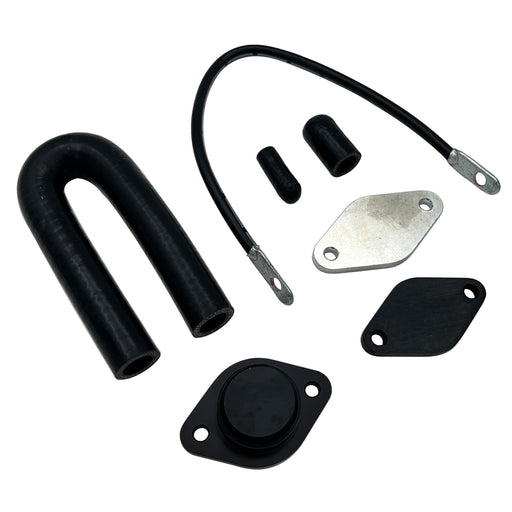
Seguler EGR valve cooler Delete kit for 2020-2022 3.0L Chevy Duramax LM2
SEGULEROriginal price $189.12 - Original price $189.12Original price$189.12$189.12 - $189.12Current price $189.12FITMENT 2020–2022 3.0L Chevrolet Silverado GMC Sierra 1500 LM2 Turbo-Diesel. DESCRIPTION Product Overview Powered by smooth inline-six engine...
View full details -

For 2013-2023 6.7L Dodge Ram Cummins Cab & Chassis EGR Delete Kit Diesel
SEGULEROriginal price $62.99 - Original price $62.99Original price$62.99$62.99 - $62.99Current price $62.99FITMENT 2013–2023 6.7L Ram Cummins 3500 4500 5500 Cab & Chassis / Commercial Trucks. Does NOT fit standard Ram 2500 3500 Pickups. DESCRIPTIO...
View full details -
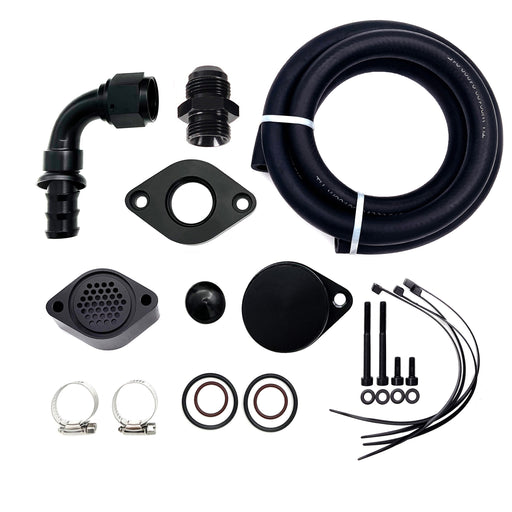
Seguler 2011-2023 6.7L Ford Powerstroke CCV PCV Reroute Engine Ventilation Kit
SEGULEROriginal price $82.99 - Original price $82.99Original price$82.99$82.99 - $82.99Current price $82.99FITMENT 2011-2023 6.7L Ford Powerstroke F-250 F-350 F-450 F-550 Super Duty V8 Diesel. Compatible with both standard Pickups and commercial Cab &...
View full details -
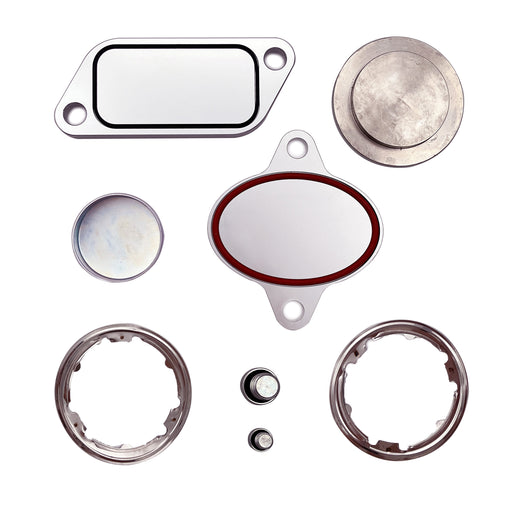
For 2007-2010 Cummins ISX CM871 EGR Plug Kit Stage 2 Plates and Plugs Aluminum
SEGULEROriginal price $67.99 - Original price $67.99Original price$67.99$67.99 - $67.99Current price $67.99FITMENT 2007-2010 Cummins Volvo, Peterbilt, Mack, International, Freightliner, Kenworth with the ISX CM871 Engines. DESCRIPTION Product Overvie...
View full details -
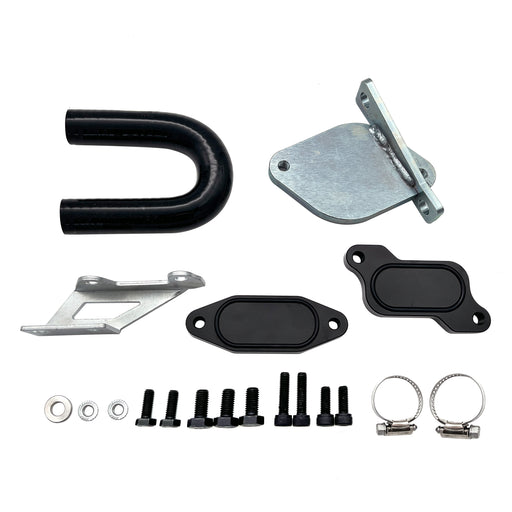
For 2007-2010 6.6L Chevy GMC LMM Duramax EGR Valve Cooler Delete Kit Fit
SEGULEROriginal price $61.99 - Original price $61.99Original price$61.99$61.99 - $61.99Current price $61.99FITMENT 2007.5-2010 6.6L Chevrolet Silverado Duramax LMM 2500HD / 3500HD. 2007.5-2010 6.6L GMC Sierra Duramax LMM 2500HD / 3500HD. Note: Standard...
View full details -
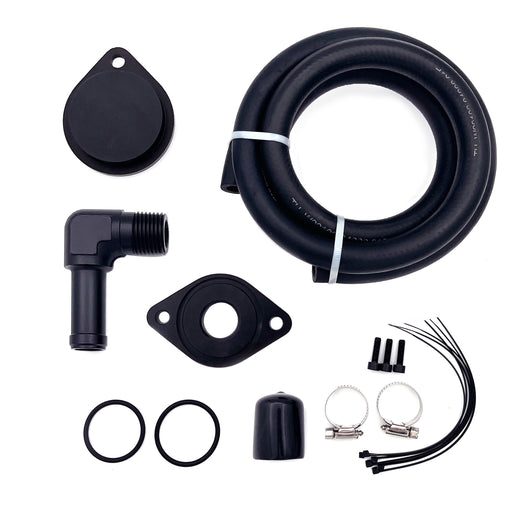
Seguler 2011-2023 Ford 6.7L Powerstroke CCV/PCV Reroute/Delete Engine Ventilation Kit
SEGULEROriginal price $72.00 - Original price $72.00Original price$72.00$72.00 - $72.00Current price $72.00FITMENT 2011-2023 6.7L Ford Powerstroke F-250 F-350 F-450 F-550 Super Duty V8 Diesel. Compatible with both standard Pickups and commercial Cab &...
View full details -
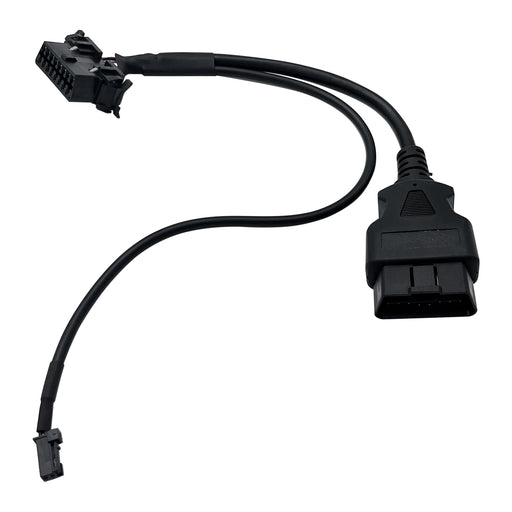
Seguler 2018+ RAM Cummins OBD2 HD Security Gate Bypass Cable
SEGULEROriginal price $45.00 - Original price $45.00Original price$45.00$45.00 - $45.00Current price $45.00FITMENT 2018+ 6.7L Ram Cummins 2500 3500 Turbo Diesel. Designed for Ram pickup trucks equipped with the factory Security Gateway Module. Note: Pl...
View full details -
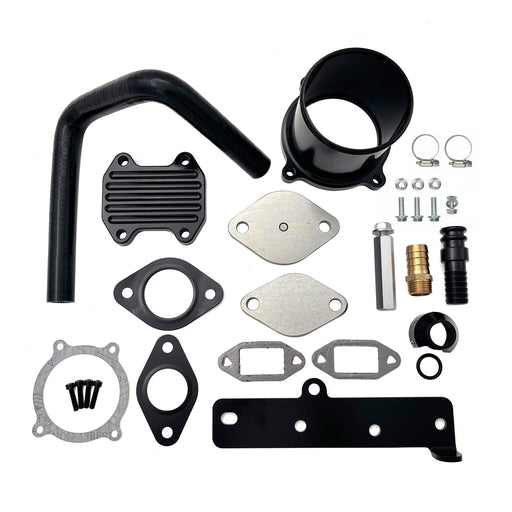
Seguler For 2013-2018 6.7L Dodge RAM 2500 3500 Cummins Diesel EGR Delete Cooler Throttle Valve Delete Kit
SEGULEROriginal price $112.00 - Original price $112.00Original price$112.00$112.00 - $112.00Current price $112.00FITMENT 2013–2018 6.7L Dodge Ram Cummins 2500 & 3500 Pickup Turbo Diesel. Note: Does NOT fit Cab & Chassis (3500 / 4500 / 5500 C&C) m...
View full details


Leave a comment