

6.7 Cummins Delete: Pros, Cons & What Changes
What Does "Deleting" a 6.7 Cummins Mean?
"Deleting" a 6.7L Cummins refers to removing or disabling the emissions control systems installed by Ram to meet EPA emissions standards. On the 6.7 Cummins (2007.5-present), this typically includes the Exhaust Gas Recirculation (EGR) system, the Diesel Particulate Filter (DPF), and on 2013+ models, the Selective Catalytic Reduction (SCR) system that uses Diesel Exhaust Fluid (DEF). The goal is straightforward: eliminate the flow restrictions, heat sources, and maintenance liabilities that these systems introduce, allowing the engine to operate closer to its mechanical potential.
Key Takeaways
- A full 6.7 Cummins delete (EGR + DPF + DEF) can yield 100-200+ HP gains and 3-5 MPG improvement with proper tuning
- EGR delete eliminates carbon buildup in the intake, reducing maintenance costs and extending engine component life
- The primary cons are legal: EPA violations carry fines up to $44,539 per tampering event and complete warranty voidance
- Deleted trucks cannot pass state emissions inspections and may be flagged during dealer service visits
- Partial deletes (EGR only) offer moderate benefits with lower legal risk than full emissions system removal
The 6.7 Cummins is widely regarded as one of the most robust diesel engine platforms ever produced, capable of exceeding 500,000 miles with proper maintenance. However, many owners find that the emissions systems are the weakest link in an otherwise bulletproof powertrain — failing EGR coolers, clogged DPFs, and DEF system issues account for a disproportionate share of repair costs and downtime.
Pros of 6.7 Cummins Deletion
1. Significant Power and Torque Gains
With the DPF and EGR systems removed and a proper ECM tune, a 6.7 Cummins can gain 60-120 additional horsepower and 120-200 lb-ft of torque at the wheels. The gains come from multiple sources: reduced exhaust backpressure (the engine wastes less energy pushing against the DPF), cooler and denser intake air (no EGR heat dilution), and optimized fuel and timing maps that take full advantage of the cleaner airflow. The difference in throttle response is immediate and dramatic — the engine revs more freely and pulls harder through the entire RPM range.
2. Improved Fuel Economy
Active DPF regeneration consumes significant fuel for a process that produces heat, not power. Eliminating regeneration cycles alone can improve fuel economy by 1-3 MPG. Combined with the reduced pumping losses from lower exhaust backpressure, owners typically report 2-4 MPG improvement overall. For a truck driven 15,000-20,000 miles annually, this represents $300-600 in fuel savings per year at current diesel prices.
3. Elimination of Expensive Failure Points
The 6.7 Cummins EGR cooler is a known trouble spot: internal cracking can introduce coolant into the intake, and a complete EGR cooler replacement costs $1,500-2,500 at a dealership. DPF replacement costs $2,000-4,000. DEF system repairs (pump, injector, heater) regularly cost $800-1,500. Deleting these systems permanently removes these failure modes and their associated costs.
4. Lower Operating Temperatures
Without the EGR system introducing 400-600°F exhaust gas into the intake, and without the DPF retaining massive thermal energy, the engine operates at measurably lower temperatures across the board. EGTs drop by 100-200°F under sustained load. Intake air temperatures drop by 100-150°F. Under-hood temperatures decrease, reducing heat soak on wiring, hoses, and plastic components.
5. Simplified Maintenance
A deleted 6.7 Cummins eliminates: DEF refills, DPF regeneration concerns, EGR valve cleaning, DPF pressure sensor replacements, NOx sensor replacements, and the potential for regeneration-related oil dilution. The maintenance schedule simplifies to standard diesel engine care: oil changes, fuel filters, and air filters.
Cons of 6.7 Cummins Deletion
1. Legal and Regulatory Compliance
Tampering with emissions control systems on vehicles operated on public roads is prohibited by the federal Clean Air Act. Penalties can be substantial — fines of several thousand dollars for individuals, significantly more for commercial operators or shops performing the work. In states and counties with diesel emissions testing (California, Colorado, New York, and expanding others), a deleted truck cannot be legally registered for on-road use.
2. Warranty Voiding
Deletion will void the factory powertrain warranty. For 2019+ Ram trucks, this includes the 5-year/100,000-mile Cummins diesel engine warranty. Extended warranties universally exclude emissions system modifications. If a major engine failure occurs after deletion (unrelated to the delete itself), Ram will almost certainly deny coverage based on the emissions tampering.
3. Resale Challenges
Selling a deleted truck is more difficult. The buyer pool is limited to those in non-emissions-testing regions or those willing to restore emissions systems. Restoring a deleted 6.7 Cummins to factory configuration costs $3,000-6,000 in parts and labor. Many dealers will not accept a deleted truck on trade-in without significant value reduction.
4. Tuning Dependency
A deleted truck is permanently dependent on its aftermarket tune. If the tuning device fails, if the ECM is reflashed by a dealer for an unrelated service, or if the tuner goes out of business, you may be left with a truck that will not run. This creates an ongoing dependency that does not exist with a stock configuration.
5. Increased Noise and Exhaust Odor
The DPF and SCR catalyst serve as significant sound attenuators. Their removal produces a louder, more pronounced exhaust note. Additionally, without the SCR catalyst neutralizing exhaust compounds, the exhaust has a distinct diesel odor — noticeable at idle and during warm-up, and potentially objectionable to passengers and bystanders.
Decision Framework: Is It Right for Your Situation?
Deletion makes the most sense for owners in these situations:
- The truck is operated exclusively off-road, in competition, or for export
- The factory warranty has expired
- You intend to keep the truck long-term (5+ years) and prioritize reliability over resale value
- You live in a region without diesel emissions testing
Deletion should be reconsidered if:
- The truck is still under factory or extended warranty
- You plan to sell or trade within 2-3 years
- You operate in a state or county with active emissions enforcement
- You rely on the truck as your sole daily driver and cannot risk any legal or mechanical complications
FAQs About 6.7 Cummins Deletion
Q1: What is the total cost of a full 6.7 Cummins delete?
A1: A complete delete package (DPF delete pipe, EGR delete kit, tuning device with custom tunes) typically costs $1,500-3,000 in parts. Professional installation adds $800-1,500 in labor. Budget $2,500-4,500 all-in for a quality job with proper tuning.
Q2: Can I delete only the EGR and keep the DPF?
A2: Technically possible but rarely done. The two systems work together. Deleting EGR while keeping the DPF increases soot output (higher combustion temperatures produce more particulates), which accelerates DPF loading. Most owners either delete both or delete neither for optimal results.
Q3: How does deletion affect towing performance?
A3: Positively, with one caveat. The power and torque gains make towing easier — less throttle input to maintain speed on grades, more passing power. However, without the EGT-limiting function of the EGR system, it is critical to monitor EGTs with a gauge while towing heavy. A quality tune will include safe EGT limits, but the driver must be aware of temperatures during sustained grade climbs.
Q4: What is the best exhaust size for a deleted 6.7 Cummins?
A4: For trucks under 550 RWHP: a 4-inch system provides excellent flow while maintaining exhaust velocity for strong low-end torque. For 550+ RWHP builds or frequent maximum-weight towing: a 5-inch system offers unrestricted flow. The 5-inch produces a deeper exhaust tone but may drone at highway speeds without a quality muffler.
Q5: Will a delete increase the lifespan of my 6.7 Cummins?
A5: Potentially yes, for the right use case. By eliminating carbon buildup from EGR, reducing thermal stress from regeneration cycles, and preventing oil dilution from interrupted regens, deletion addresses several factors that contribute to long-term engine wear. However, the engine's ultimate lifespan still depends primarily on maintenance quality, operating conditions, and tune safety margins.
Conclusion
Deleting a 6.7 Cummins is not a trivial decision — it involves weighing clear performance and reliability benefits against significant legal, warranty, and practical tradeoffs. For the right owner — one operating off-road or in competition, with an out-of-warranty truck they intend to keep long-term — deletion can transform the ownership experience. For daily-driven, on-road trucks, the compliance and resale risks demand careful consideration. Visit www.seguler.com to explore our 6.7 Cummins delete solutions and make an informed decision for your truck.
Frequently Asked Questions
What does a full 6.7 Cummins delete include?
A full delete removes the EGR system, DPF filter, and DEF/SCR system. It requires a delete-specific tuner, EGR block-off kit, DPF delete pipe or full exhaust, and DEF system disable. Some owners also delete the CCV system.
How much does it cost to delete a 6.7 Cummins?
A complete 6.7 Cummins delete costs $2,500-5,000 including parts and labor. The tuner ($500-1,500), EGR kit ($150-400), exhaust ($500-1,500), and labor ($500-1,500) are the main cost components.
Can a deleted 6.7 Cummins be returned to stock?
Yes, but it requires reinstalling all removed emissions components and re-flashing the stock tune. Keep all original parts if you anticipate needing to return to stock for inspections or resale.
Does deleting a 6.7 Cummins affect reliability?
When properly tuned and maintained, a deleted 6.7 Cummins can be more reliable than stock due to reduced thermal stress and elimination of regeneration cycles. Poor-quality tunes, however, can cause engine damage.
What are the EPA fines for deleting a diesel truck?
The EPA can impose civil penalties up to $44,539 per tampering event for individuals and significantly more for shops performing the work. Enforcement has increased since 2020 with targeted crackdowns.


Featured collection
-
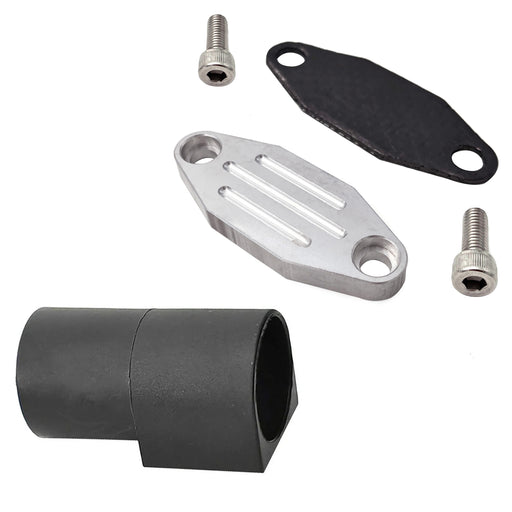
Seguler 1986-1995 Ford F150 F250 F350 Mustang Trucks EGR Simulator Eliminator / Block Off Plate Kit
SEGULEROriginal price $79.99 - Original price $79.99Original price$79.99$79.99 - $79.99Current price $79.99Block Off Plate Material: Aluminum alloy. Easy installation,and convenient to use. Made of CNC milled from aircraft grade Billet aluminum. Will N...
View full details -

Seguler 2011-2023 6.7L Ford Powerstroke Diesel EGR Delete Kit
SEGULEROriginal price $109.99 - Original price $109.99Original price$109.99$109.99 - $109.99Current price $109.99FITMENT 2011-2023 6.7L Ford Powerstroke F-250 F-350 F-450 F-550 Super Duty V8 Diesel. compatible with both standard Pickups and commercial Cab &...
View full details -
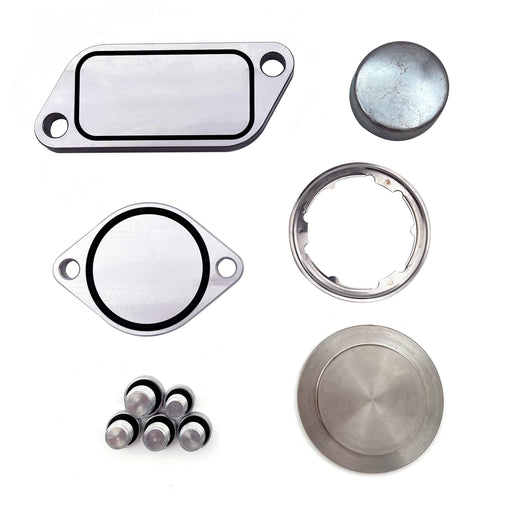
For 2010-Present Stage 2 ISX 15 CM2250 CM2350 EGR Delete Kit
SEGULEROriginal price $59.99 - Original price $59.99Original price$59.99$59.99 - $59.99Current price $59.99FITMENT 2010-Present Cummins Volvo, Peterbilt, Mack, International, Freightliner, Kenworth with the ISX15 CM2250 / CM2350 engines. DESCRIPTION P...
View full details -
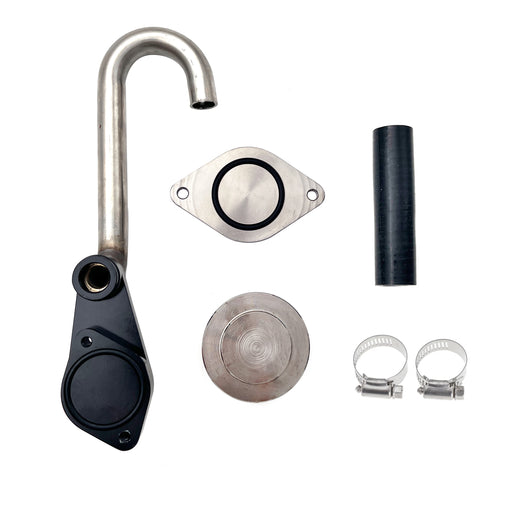
Seguler 2003-2007 6.0L FORD Powerstroke Diesel EGR Cooler Delete Kit
SEGULEROriginal price $56.14 - Original price $56.14Original price$56.14$56.14 - $56.14Current price $56.14FITMENT 2003-2007 6.0L Ford F-250 Ford F-350 F-450 F-550 Super Duty. 2003-2007 6.0L Ford Excursion SUV (Diesel Models Only). 2005-2010 Ford E-Se...
View full details -
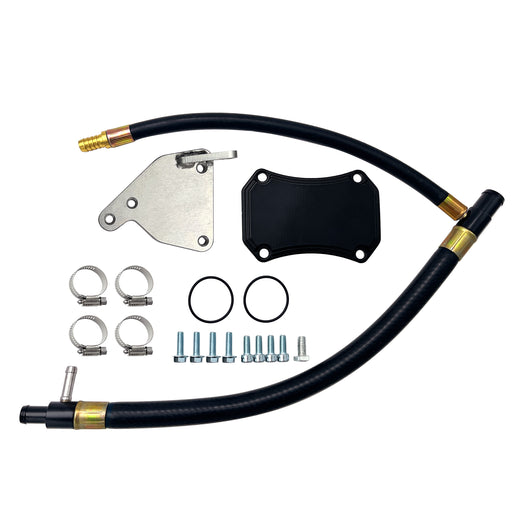
For 2011-2016 6.6L GMC Chevy Duramax Diesel LML EGR Valve Cooler Delete Kit
SEGULEROriginal price $66.49 - Original price $66.49Original price$66.49$66.49 - $66.49Current price $66.49FITMENT 2011-2016 6.6L Chevy GMC Duramax LML 2500 HD 3500 HD Diesel. DESCRIPTION Product Overview The 2011–2016 LML Duramax uses a complex EG...
View full details -
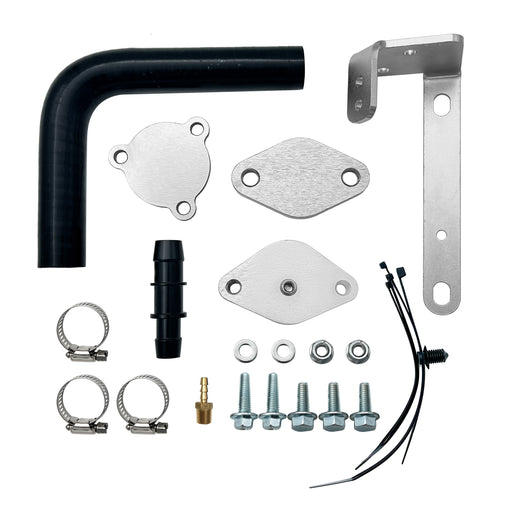
Seguler For 2014-2019 3.0L Dodge Ram 1500 EcoDiesel EGR Valve & Cooler Delete Kit
SEGULEROriginal price $72.99 - Original price $72.99Original price$72.99$72.99 - $72.99Current price $72.99FITMENT 2014-2019 3.0L Dodge Ram 1500 EcoDiesel V6 engine trucks. DESCRIPTION Product Overview Exhaust gas recirculation on 3.0L EcoDiesel V6 ...
View full details -

Seguler 2011-2023 6.7L Ford Powerstroke Diesel EGR Delete Kit
SEGULEROriginal price $85.99 - Original price $85.99Original price$85.99$85.99 - $85.99Current price $85.99FITMENT 2011-2023 6.7L Ford Powerstroke F-250 F-350 F-450 F-550 Super Duty V8 Diesel. compatible with both standard Pickups and commercial Cab &...
View full details -

Seguler 2010-2024 6.7L Dodge Ram Cummins Diesel EGR Valve Cooler Delete Kit
SEGULEROriginal price $89.99 - Original price $89.99Original price$89.99$89.99 - $89.99Current price $89.99FITMENT 2010–2024 6.7L Dodge Ram Cummins 2500 / 3500 Pickup Turbo Diesel. Note: Does NOT fit Chassis Cab 3500 / 4500 / 5500 models. DESCRIPTIO...
View full details -
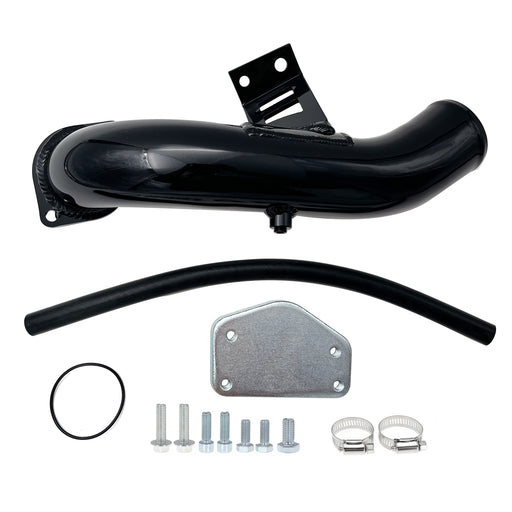
For 2004.5-2005 6.6L Chevy GMC Silverado LLY Duramax Diesel EGR Delete Kit
SEGULEROriginal price $92.99 - Original price $92.99Original price$92.99$92.99 - $92.99Current price $92.99FITMENT 2004.5-2005 6.6L Chevrolet Silverado Duramax LLY 2500HD / 3500 HD. 2004.5-2005 6.6L GMC Sierra Duramax LLY 2500HD / 3500 HD. DESCRIPTION...
View full details -

Seguler 2017-2019 L5P Duramax Diesel 4pcs L5P Can Bus Plugs Connector Replacement
SEGULEROriginal price $75.00 - Original price $75.00Original price$75.00$75.00 - $75.00Current price $75.00FITMENT 2017–2019 Chevrolet Silverado / GMC Sierra Duramax L5P 2500HD & 3500HD Diesel. DESCRIPTION Product Overview Unprotected harness con...
View full details -

Seguler 2020-2023 chevy duramax L5P Diesel Can Bus Plugs Connector
SEGULEROriginal price $80.00 - Original price $80.00Original price$80.00$80.00 - $80.00Current price $80.00FITMENT 2020–2023 Chevrolet Silverado / GMC Sierra Duramax L5P 2500HD & 3500HD Diesel. DESCRIPTION Product Overview Unprotected harness pl...
View full details -
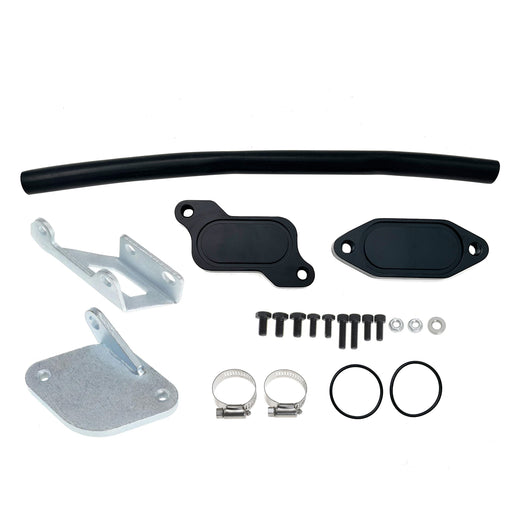
For 2006-2007 6.6L Chevrolet Silverado Classic GMC Duramax LBZ Diesel EGR Valve Cooler Delete Kit
SEGULEROriginal price $63.49 - Original price $63.49Original price$63.49$63.49 - $63.49Current price $63.49FITMENT 2006-2007.4 Chevrolet Silverado Duramax LBZ 2500HD / 3500HD. 2007.4 Chevrolet Silverado Duramax LBZ 2500HD / 3500HD Classic. 2006-2007.4 ...
View full details -

Seguler 2011-2023 6.7L Ford F250 F350 F450 F550 Powerstroke Diesel EGR Valve Delete Cooler Delete Kit
SEGULEROriginal price $55.99 - Original price $55.99Original price$55.99$55.99 - $55.99Current price $55.99FITMENT 2011-2023 6.7L Ford Powerstroke F-250 F-350 F-450 F-550 Super Duty V8 Diesel compatible with both standard Pickups and commercial Cab &a...
View full details -
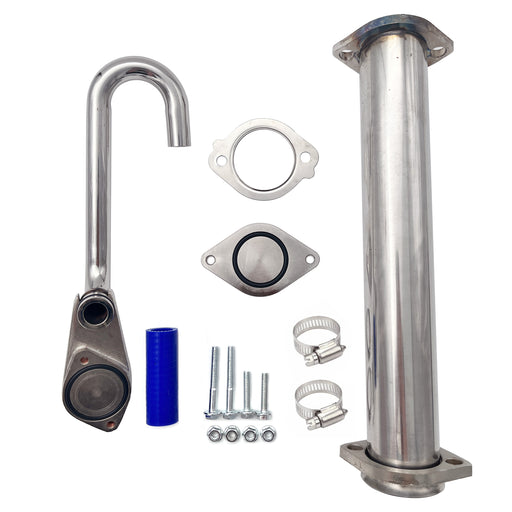
Seguler 2003-2007 6.0L Ford F250 F350 Powerstroke Diesel EGR Basic Cooler Kit
SEGULEROriginal price $79.99 - Original price $79.99Original price$79.99$79.99 - $79.99Current price $79.99FITMENT 2003-2007 6.0L Ford F250 F350 F450 F550 Super Duty Turbo (except 2004 F250 Super Duty). 2003-2005 6.0L Ford Excursion Turbo. 2005 Ford F...
View full details -
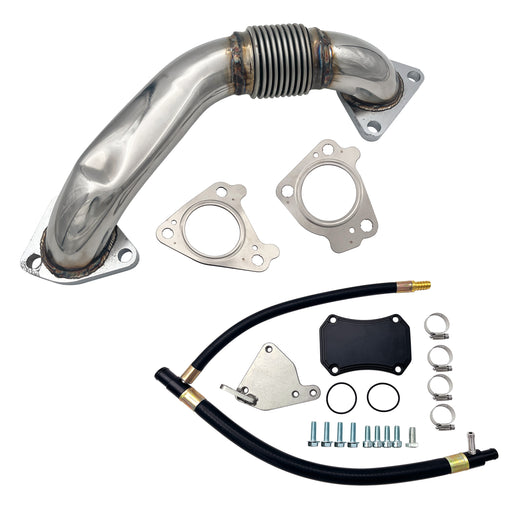
Seguler 2011-2016 6.6L GMC Chevy Duramax Diesel LML Up-Pipe & EGR Valve Cooler Delete Kit
SEGULEROriginal price $173.86 - Original price $173.86Original price$173.86$173.86 - $173.86Current price $173.86FITMENT 2011-2016 6.6L Chevy GMC Duramax LML 2500 HD 3500 HD Diesel. DESCRIPTION Product Overview Direct-injection technology endows GM 5.3L an...
View full details -
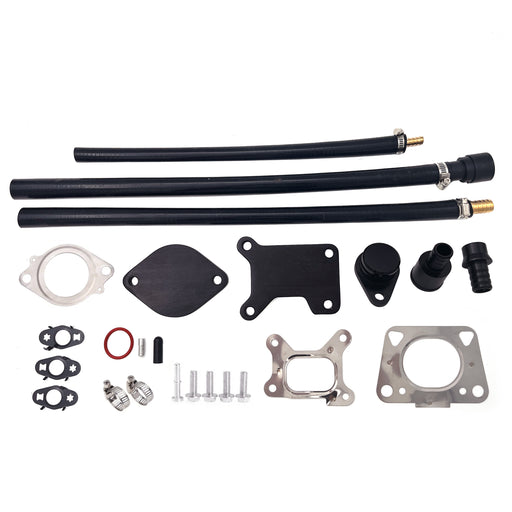
For 2017-2023 6.6L Chevy GMC Duramax L5P diesel EGR Valve Cooler Delete kit
SEGULEROriginal price $131.99 - Original price $131.99Original price$131.99$131.99 - $131.99Current price $131.99FITMENT 2017–2023 6.6L Chevrolet Silverado / GMC Sierra Duramax L5P 2500HD 3500HD Diesel. DESCRIPTION Product Overview Hot soot recirculation ...
View full details -
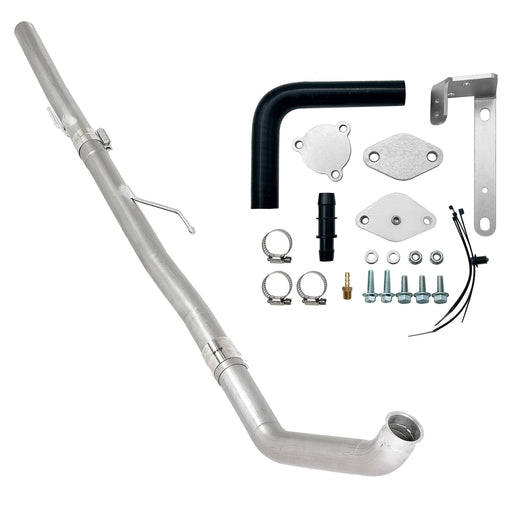
Seguler 3" Ecodiesel DPF Delete Pipe & EGR Delete kit for 2014-2018 3.0L Ram
SEGULEROriginal price $342.00 - Original price $342.00Original price$342.00$342.00 - $342.00Current price $342.00FITMENT 2014–2018 3.0L Dodge Ram 1500 EcoDiesel V6. NOTE: Fit standard Pickup models only (Crew Cab, Quad Cab). Does NOT fit Jeep Grand Cheroke...
View full details -
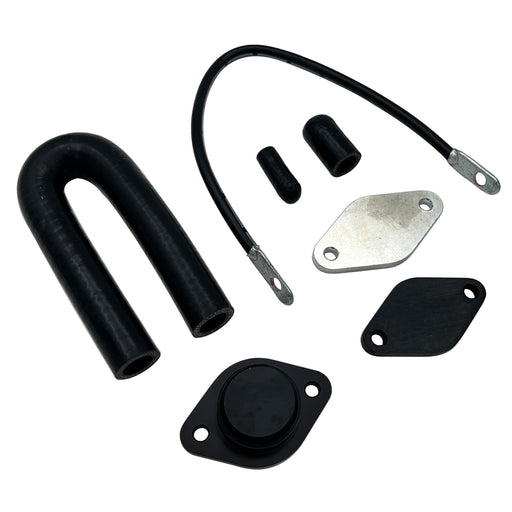
Seguler EGR valve cooler Delete kit for 2020-2022 3.0L Chevy Duramax LM2
SEGULEROriginal price $189.12 - Original price $189.12Original price$189.12$189.12 - $189.12Current price $189.12FITMENT 2020–2022 3.0L Chevrolet Silverado GMC Sierra 1500 LM2 Turbo-Diesel. DESCRIPTION Product Overview Powered by smooth inline-six engine...
View full details -

For 2013-2023 6.7L Dodge Ram Cummins Cab & Chassis EGR Delete Kit Diesel
SEGULEROriginal price $62.99 - Original price $62.99Original price$62.99$62.99 - $62.99Current price $62.99FITMENT 2013–2023 6.7L Ram Cummins 3500 4500 5500 Cab & Chassis / Commercial Trucks. Does NOT fit standard Ram 2500 3500 Pickups. DESCRIPTIO...
View full details -
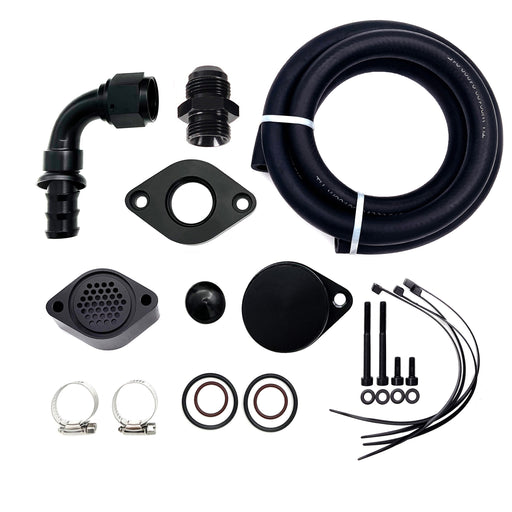
Seguler 2011-2023 6.7L Ford Powerstroke CCV PCV Reroute Engine Ventilation Kit
SEGULEROriginal price $82.99 - Original price $82.99Original price$82.99$82.99 - $82.99Current price $82.99FITMENT 2011-2023 6.7L Ford Powerstroke F-250 F-350 F-450 F-550 Super Duty V8 Diesel. Compatible with both standard Pickups and commercial Cab &...
View full details -
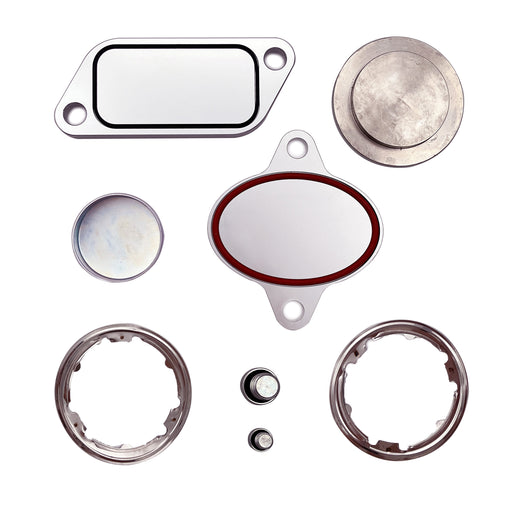
For 2007-2010 Cummins ISX CM871 EGR Plug Kit Stage 2 Plates and Plugs Aluminum
SEGULEROriginal price $67.99 - Original price $67.99Original price$67.99$67.99 - $67.99Current price $67.99FITMENT 2007-2010 Cummins Volvo, Peterbilt, Mack, International, Freightliner, Kenworth with the ISX CM871 Engines. DESCRIPTION Product Overvie...
View full details -
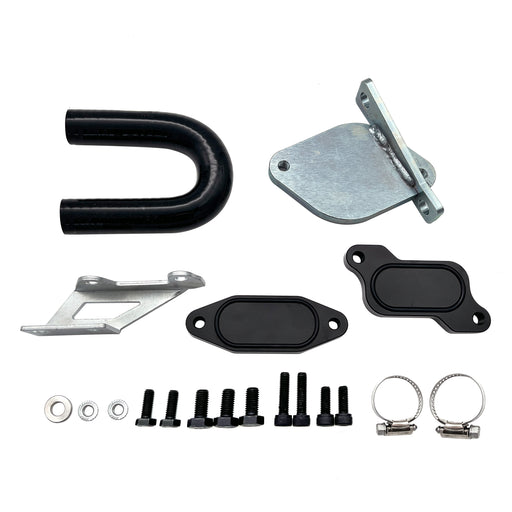
For 2007-2010 6.6L Chevy GMC LMM Duramax EGR Valve Cooler Delete Kit Fit
SEGULEROriginal price $61.99 - Original price $61.99Original price$61.99$61.99 - $61.99Current price $61.99FITMENT 2007.5-2010 6.6L Chevrolet Silverado Duramax LMM 2500HD / 3500HD. 2007.5-2010 6.6L GMC Sierra Duramax LMM 2500HD / 3500HD. Note: Standard...
View full details -
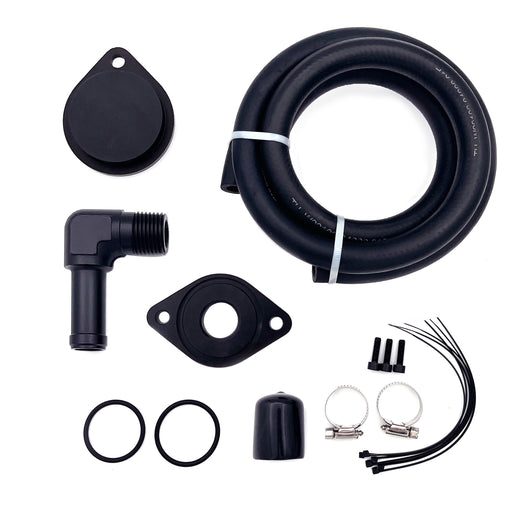
Seguler 2011-2023 Ford 6.7L Powerstroke CCV/PCV Reroute/Delete Engine Ventilation Kit
SEGULEROriginal price $72.00 - Original price $72.00Original price$72.00$72.00 - $72.00Current price $72.00FITMENT 2011-2023 6.7L Ford Powerstroke F-250 F-350 F-450 F-550 Super Duty V8 Diesel. Compatible with both standard Pickups and commercial Cab &...
View full details -
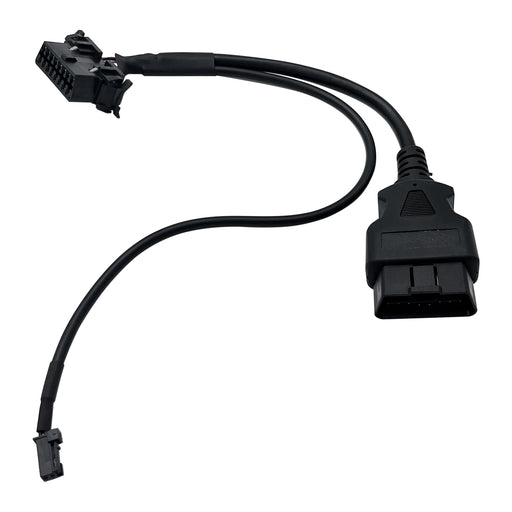
Seguler 2018+ RAM Cummins OBD2 HD Security Gate Bypass Cable
SEGULEROriginal price $45.00 - Original price $45.00Original price$45.00$45.00 - $45.00Current price $45.00FITMENT 2018+ 6.7L Ram Cummins 2500 3500 Turbo Diesel. Designed for Ram pickup trucks equipped with the factory Security Gateway Module. Note: Pl...
View full details -
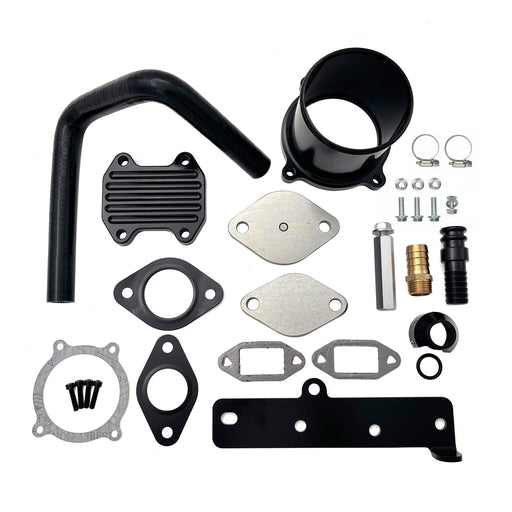
Seguler For 2013-2018 6.7L Dodge RAM 2500 3500 Cummins Diesel EGR Delete Cooler Throttle Valve Delete Kit
SEGULEROriginal price $112.00 - Original price $112.00Original price$112.00$112.00 - $112.00Current price $112.00FITMENT 2013–2018 6.7L Dodge Ram Cummins 2500 & 3500 Pickup Turbo Diesel. Note: Does NOT fit Cab & Chassis (3500 / 4500 / 5500 C&C) m...
View full details


Leave a comment