

What to Install First: Tuner, Delete Pipe, or EGR?
If I want my truck to look resurrected, where should I start?
Key Takeaways
- Always install the delete tuner FIRST — it prevents fault codes and engine protection mode when emissions components are removed
- The correct installation order is: 1) Tuner, 2) Delete pipe/exhaust, 3) EGR delete kit — each step depends on the previous one
- Installing exhaust before the tuner will trigger immediate check engine codes and potentially put the truck in limp mode
- Budget 2-3 hours for tuner setup, 3-5 hours for exhaust, and 3-4 hours for EGR delete — plan a full weekend for all three
- A complete delete package (tuner + exhaust + EGR) costs $2,000-4,500 and delivers the best value when done together
Here is the process :
1. Install your Delete Tuner
2. Install your Delete pipe/exhaust
3. Install your EGR Delete Kit.
If you haven't purchTuner EGR / DPF / DEF / CCV Kitased the complete deletion package yet, you can consider: Tuner EGR/DPF/DEF/CCV Kit
Although our tuner and components are designed to be easy to install, installing them requires some time and patience. We strongly recommend installing in the possible locations left by the truck to prevent you from receiving a faulty tuner, experiencing technical issues, or being unable to complete the installation in one go.
i: Installing the complete package may take several hours. It depends on your familiarity with trucks and the tools at hand. If you have read this installation guide and do not fully believe that you can install the kit, we strongly recommend that you hire a professional store to install the kit for you. The Diesel Dudes team is unable to assist you with the actual installation of the kit. We provide information for you to install it yourself, or you can pass on the information to your installation professional.
ii: Sometimes there may be technical issues with the tuner. Although we can certainly help quickly resolve these issues, please note that our tuning technicians may take up to 1 business day to respond to technical inquiries. If your truck is your daily driver or important to your business operations, please avoid installing the kit the day before important dates. Please remember, 9/10 installations are simple and no problem. But we hope to avoid any pressure on you, so these are our suggestions.
1. Install Your Delete Tuner
The first thing you want to install is the delete tuner.
Before you go ahead and do this, we have a step 0 :
First thing you will want to do is unplug the Air Intake Throttle Valve, you can find more information on that here : Air Intake Throttle Valve
After this is complete, the next thing you want to do is ensure your battery is fully charged and you have a GOOD battery charger hooked up to your truck for the installation. This is REQUIRED!!!
Make sure all extra electronics are unplugged for the duration of the installation.
If you have a SOTF ( SHIFT ON THE FLY ) switch and are wanting to install it, you can do this before or after the tunes are installed. We suggest that you install the tuner first, and see if the tunes were installed correctly... THEN install the switch, however, it ultimately does not matter.
After your tunes are installed, you are encouraged to start your truck to see if it worked. DO NOT DRIVE AROUND WITHOUT THE HARD PARTS DELETED!!
If you do run into any issues with the tune installation, please visit this instructions : Tuner Support
2. Install Your Delete Pipe/Exhaust
Now that your tunes are successfully installed, its time for the delete pipe.
- Do not drive your truck without deleting the DPF&CAT/Exhaust
- In our instructions we suggest that you do this right after the tuner.
Depending on if you purchased the DPF&CAT pipe or the exhaust, the process will be very similar.
If you got the DPF&CAT pipe : DPF Delete Kit
If you got the Full exhaust, it is quite straight forward, you simply need to remove the exhaust system
On both the DPF&CAT pipe and the Full Exhaust, you will need to remove all of the sensors related to the emission system.
3. Install Your EGR Delete Kit
Now, the last step is to install the EGR delete kit.
If you have not purchased EGR delete KIT yet : EGR Delete kit
The EGR is an optional item to the delete. It can be done at a later time no problem. The minimum requirements for the EGR delete is that you unplug the EGR sensors. The physical device can be unplugged at a later time.
Finally, it should be noted that
It should be noted that if you do not perform the deletion operation in this order
We suggest following the above steps to ensure successful installation.
If you have indeed completed the difficult parts before the adjustment, please ensure that there is no code during the adjustment installation process.
You may see some DTC codes related to your emission system But if possible, please clear the music before loading it!
Frequently Asked Questions
Why does the tuner need to be installed first?
The tuner must be installed first because it reprograms the ECM to ignore missing emissions sensors and components. Without the tune, removing any emissions part triggers immediate fault codes and potential limp mode.
Can I drive with just a tuner and no other mods?
Yes, you can run a tuner on a stock truck for improved performance without deleting anything. Many tuners offer stock-compatible power levels. This is actually a good way to evaluate the tuner before committing to deletes.
How long does a full delete installation take?
A complete delete (tuner + exhaust + EGR) typically takes 8-14 hours depending on the vehicle and your experience level. Most DIYers spread the work across a weekend, while professional shops can do it in one day.
Do I need to do all three deletes at once?
No, you can do them incrementally. However, doing them together saves time and money since the tuner needs to be reprogrammed for each component removed. Many owners start with the tuner and exhaust, then add EGR later.
What tools do I need for a delete installation?
Basic hand tools including metric sockets (8mm-18mm), wrenches, ratchet extensions, a pry bar, and jack stands or a lift. An OBD2 scanner is helpful for verifying codes are cleared. Penetrating oil is essential for rusty exhaust bolts.
Featured collection
-
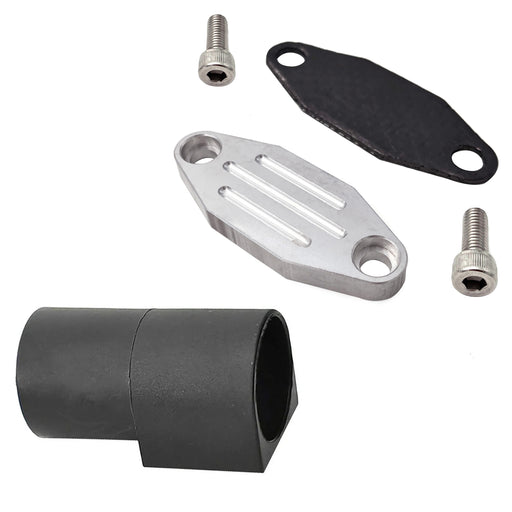
Seguler 1986-1995 Ford F150 F250 F350 Mustang Trucks EGR Simulator Eliminator / Block Off Plate Kit
SEGULEROriginal price $79.99 - Original price $79.99Original price$79.99$79.99 - $79.99Current price $79.99Block Off Plate Material: Aluminum alloy. Easy installation,and convenient to use. Made of CNC milled from aircraft grade Billet aluminum. Will N...
View full details -

Seguler 2011-2023 6.7L Ford Powerstroke Diesel EGR Delete Kit
SEGULEROriginal price $109.99 - Original price $109.99Original price$109.99$109.99 - $109.99Current price $109.99FITMENT 2011-2023 6.7L Ford Powerstroke F-250 F-350 F-450 F-550 Super Duty V8 Diesel. compatible with both standard Pickups and commercial Cab &...
View full details -
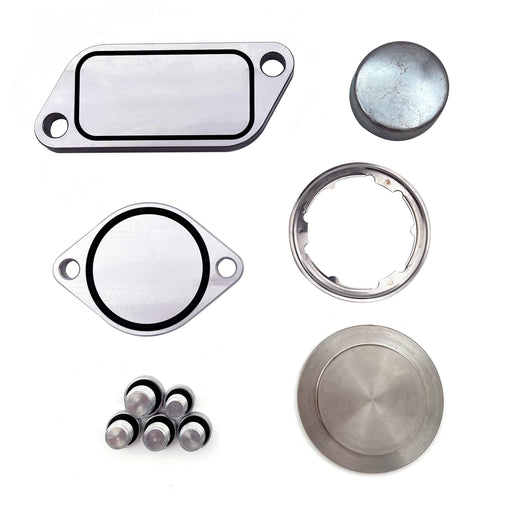
For 2010-Present Stage 2 ISX 15 CM2250 CM2350 EGR Delete Kit
SEGULEROriginal price $59.99 - Original price $59.99Original price$59.99$59.99 - $59.99Current price $59.99FITMENT 2010-Present Cummins Volvo, Peterbilt, Mack, International, Freightliner, Kenworth with the ISX15 CM2250 / CM2350 engines. DESCRIPTION P...
View full details -
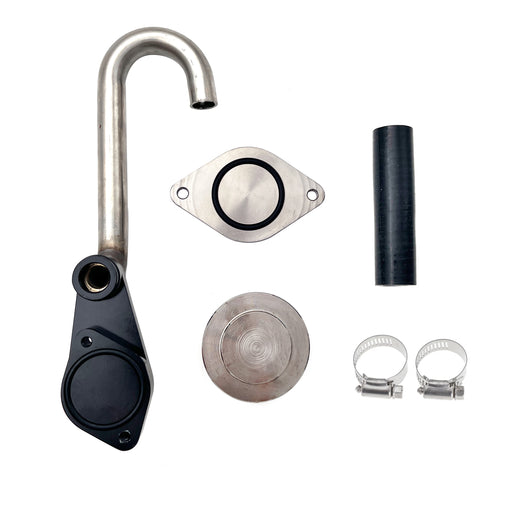
Seguler 2003-2007 6.0L FORD Powerstroke Diesel EGR Cooler Delete Kit
SEGULEROriginal price $56.14 - Original price $56.14Original price$56.14$56.14 - $56.14Current price $56.14FITMENT 2003-2007 6.0L Ford F-250 Ford F-350 F-450 F-550 Super Duty. 2003-2007 6.0L Ford Excursion SUV (Diesel Models Only). 2005-2010 Ford E-Se...
View full details -
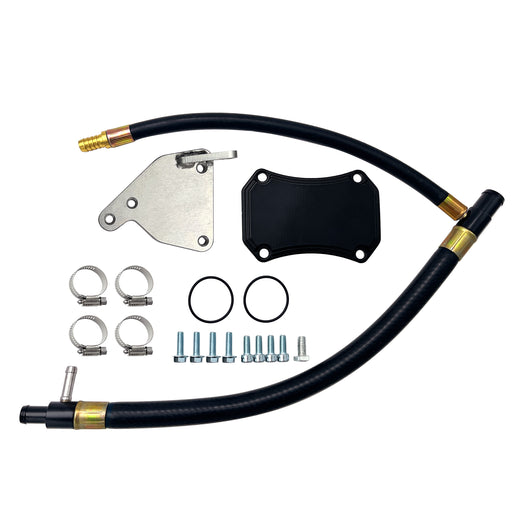
For 2011-2016 6.6L GMC Chevy Duramax Diesel LML EGR Valve Cooler Delete Kit
SEGULEROriginal price $66.49 - Original price $66.49Original price$66.49$66.49 - $66.49Current price $66.49FITMENT 2011-2016 6.6L Chevy GMC Duramax LML 2500 HD 3500 HD Diesel. DESCRIPTION Product Overview The 2011–2016 LML Duramax uses a complex EG...
View full details -
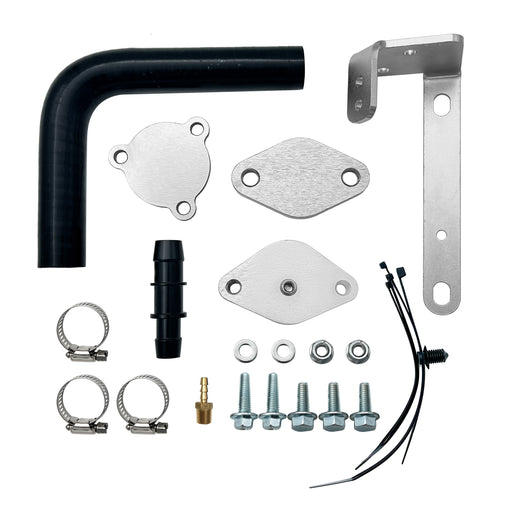
Seguler For 2014-2019 3.0L Dodge Ram 1500 EcoDiesel EGR Valve & Cooler Delete Kit
SEGULEROriginal price $72.99 - Original price $72.99Original price$72.99$72.99 - $72.99Current price $72.99FITMENT 2014-2019 3.0L Dodge Ram 1500 EcoDiesel V6 engine trucks. DESCRIPTION Product Overview Exhaust gas recirculation on 3.0L EcoDiesel V6 ...
View full details -

Seguler 2011-2023 6.7L Ford Powerstroke Diesel EGR Delete Kit
SEGULEROriginal price $85.99 - Original price $85.99Original price$85.99$85.99 - $85.99Current price $85.99FITMENT 2011-2023 6.7L Ford Powerstroke F-250 F-350 F-450 F-550 Super Duty V8 Diesel. compatible with both standard Pickups and commercial Cab &...
View full details -

Seguler 2010-2024 6.7L Dodge Ram Cummins Diesel EGR Valve Cooler Delete Kit
SEGULEROriginal price $89.99 - Original price $89.99Original price$89.99$89.99 - $89.99Current price $89.99FITMENT 2010–2024 6.7L Dodge Ram Cummins 2500 / 3500 Pickup Turbo Diesel. Note: Does NOT fit Chassis Cab 3500 / 4500 / 5500 models. DESCRIPTIO...
View full details -
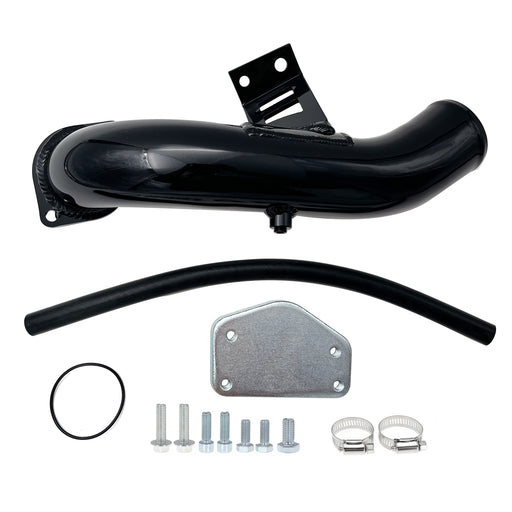
For 2004.5-2005 6.6L Chevy GMC Silverado LLY Duramax Diesel EGR Delete Kit
SEGULEROriginal price $92.99 - Original price $92.99Original price$92.99$92.99 - $92.99Current price $92.99FITMENT 2004.5-2005 6.6L Chevrolet Silverado Duramax LLY 2500HD / 3500 HD. 2004.5-2005 6.6L GMC Sierra Duramax LLY 2500HD / 3500 HD. DESCRIPTION...
View full details -

Seguler 2017-2019 L5P Duramax Diesel 4pcs L5P Can Bus Plugs Connector Replacement
SEGULEROriginal price $75.00 - Original price $75.00Original price$75.00$75.00 - $75.00Current price $75.00FITMENT 2017–2019 Chevrolet Silverado / GMC Sierra Duramax L5P 2500HD & 3500HD Diesel. DESCRIPTION Product Overview Unprotected harness con...
View full details -

Seguler 2020-2023 chevy duramax L5P Diesel Can Bus Plugs Connector
SEGULEROriginal price $80.00 - Original price $80.00Original price$80.00$80.00 - $80.00Current price $80.00FITMENT 2020–2023 Chevrolet Silverado / GMC Sierra Duramax L5P 2500HD & 3500HD Diesel. DESCRIPTION Product Overview Unprotected harness pl...
View full details -
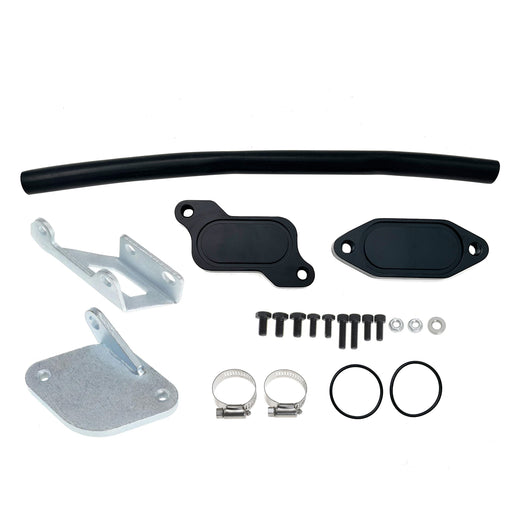
For 2006-2007 6.6L Chevrolet Silverado Classic GMC Duramax LBZ Diesel EGR Valve Cooler Delete Kit
SEGULEROriginal price $63.49 - Original price $63.49Original price$63.49$63.49 - $63.49Current price $63.49FITMENT 2006-2007.4 Chevrolet Silverado Duramax LBZ 2500HD / 3500HD. 2007.4 Chevrolet Silverado Duramax LBZ 2500HD / 3500HD Classic. 2006-2007.4 ...
View full details -

Seguler 2011-2023 6.7L Ford F250 F350 F450 F550 Powerstroke Diesel EGR Valve Delete Cooler Delete Kit
SEGULEROriginal price $55.99 - Original price $55.99Original price$55.99$55.99 - $55.99Current price $55.99FITMENT 2011-2023 6.7L Ford Powerstroke F-250 F-350 F-450 F-550 Super Duty V8 Diesel compatible with both standard Pickups and commercial Cab &a...
View full details -
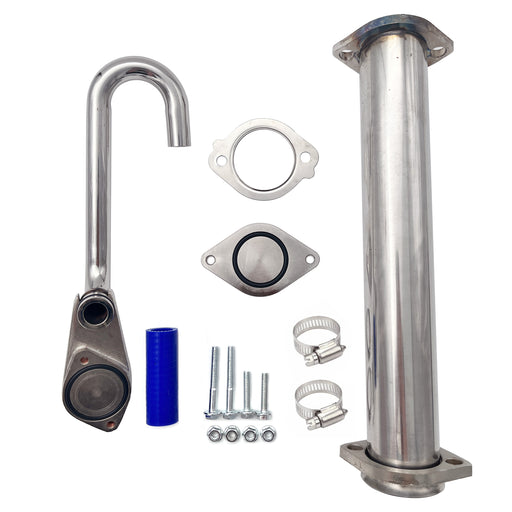
Seguler 2003-2007 6.0L Ford F250 F350 Powerstroke Diesel EGR Basic Cooler Kit
SEGULEROriginal price $79.99 - Original price $79.99Original price$79.99$79.99 - $79.99Current price $79.99FITMENT 2003-2007 6.0L Ford F250 F350 F450 F550 Super Duty Turbo (except 2004 F250 Super Duty). 2003-2005 6.0L Ford Excursion Turbo. 2005 Ford F...
View full details -
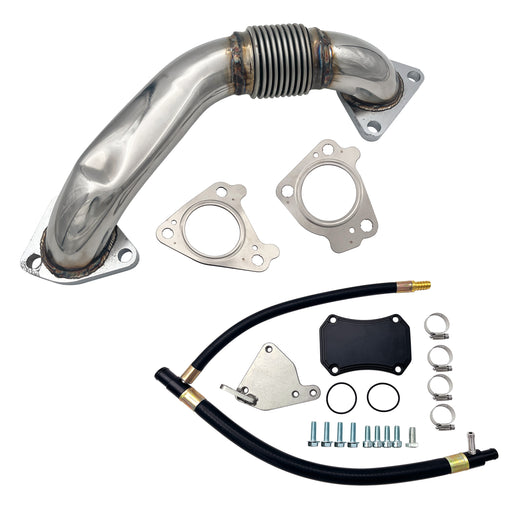
Seguler 2011-2016 6.6L GMC Chevy Duramax Diesel LML Up-Pipe & EGR Valve Cooler Delete Kit
SEGULEROriginal price $173.86 - Original price $173.86Original price$173.86$173.86 - $173.86Current price $173.86FITMENT 2011-2016 6.6L Chevy GMC Duramax LML 2500 HD 3500 HD Diesel. DESCRIPTION Product Overview Direct-injection technology endows GM 5.3L an...
View full details -
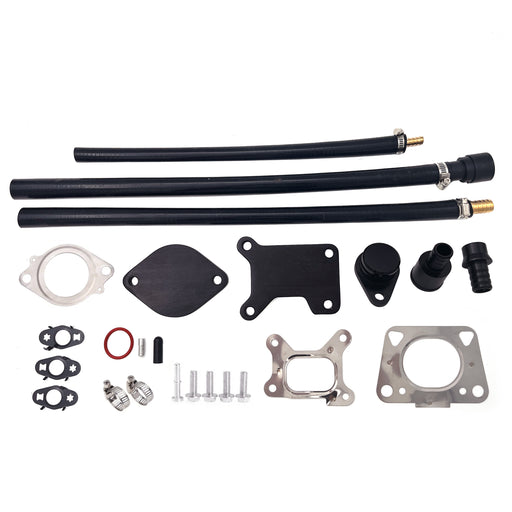
For 2017-2023 6.6L Chevy GMC Duramax L5P diesel EGR Valve Cooler Delete kit
SEGULEROriginal price $131.99 - Original price $131.99Original price$131.99$131.99 - $131.99Current price $131.99FITMENT 2017–2023 6.6L Chevrolet Silverado / GMC Sierra Duramax L5P 2500HD 3500HD Diesel. DESCRIPTION Product Overview Hot soot recirculation ...
View full details -
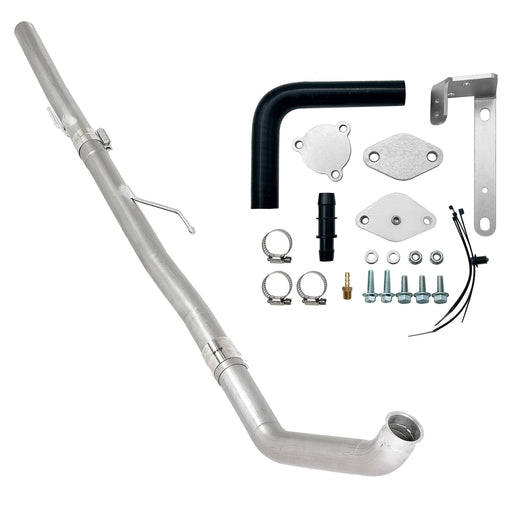
Seguler 3" Ecodiesel DPF Delete Pipe & EGR Delete kit for 2014-2018 3.0L Ram
SEGULEROriginal price $342.00 - Original price $342.00Original price$342.00$342.00 - $342.00Current price $342.00FITMENT 2014–2018 3.0L Dodge Ram 1500 EcoDiesel V6. NOTE: Fit standard Pickup models only (Crew Cab, Quad Cab). Does NOT fit Jeep Grand Cheroke...
View full details -
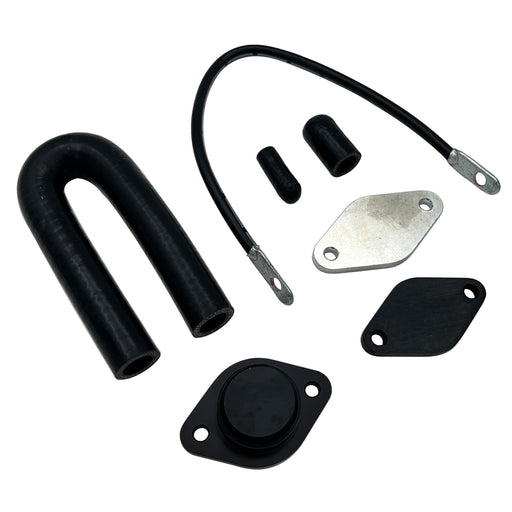
Seguler EGR valve cooler Delete kit for 2020-2022 3.0L Chevy Duramax LM2
SEGULEROriginal price $189.12 - Original price $189.12Original price$189.12$189.12 - $189.12Current price $189.12FITMENT 2020–2022 3.0L Chevrolet Silverado GMC Sierra 1500 LM2 Turbo-Diesel. DESCRIPTION Product Overview Powered by smooth inline-six engine...
View full details -

For 2013-2023 6.7L Dodge Ram Cummins Cab & Chassis EGR Delete Kit Diesel
SEGULEROriginal price $62.99 - Original price $62.99Original price$62.99$62.99 - $62.99Current price $62.99FITMENT 2013–2023 6.7L Ram Cummins 3500 4500 5500 Cab & Chassis / Commercial Trucks. Does NOT fit standard Ram 2500 3500 Pickups. DESCRIPTIO...
View full details -
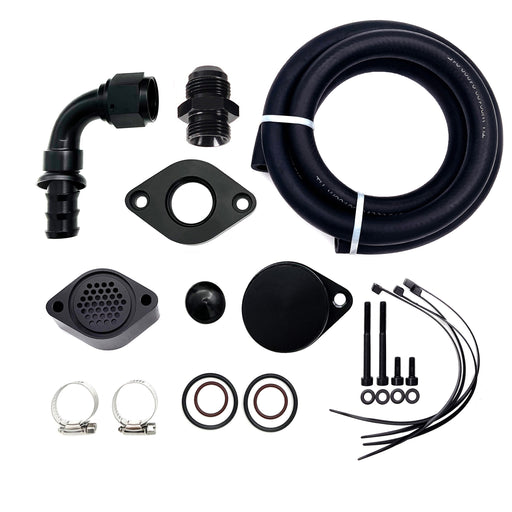
Seguler 2011-2023 6.7L Ford Powerstroke CCV PCV Reroute Engine Ventilation Kit
SEGULEROriginal price $82.99 - Original price $82.99Original price$82.99$82.99 - $82.99Current price $82.99FITMENT 2011-2023 6.7L Ford Powerstroke F-250 F-350 F-450 F-550 Super Duty V8 Diesel. Compatible with both standard Pickups and commercial Cab &...
View full details -
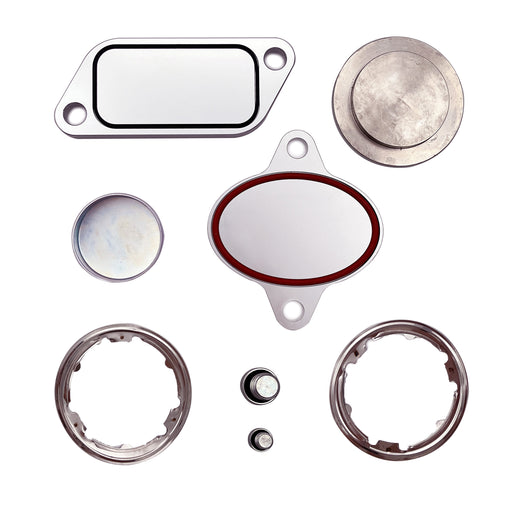
For 2007-2010 Cummins ISX CM871 EGR Plug Kit Stage 2 Plates and Plugs Aluminum
SEGULEROriginal price $67.99 - Original price $67.99Original price$67.99$67.99 - $67.99Current price $67.99FITMENT 2007-2010 Cummins Volvo, Peterbilt, Mack, International, Freightliner, Kenworth with the ISX CM871 Engines. DESCRIPTION Product Overvie...
View full details -
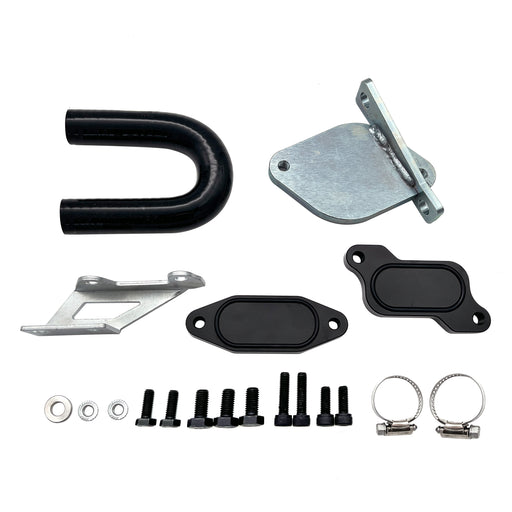
For 2007-2010 6.6L Chevy GMC LMM Duramax EGR Valve Cooler Delete Kit Fit
SEGULEROriginal price $61.99 - Original price $61.99Original price$61.99$61.99 - $61.99Current price $61.99FITMENT 2007.5-2010 6.6L Chevrolet Silverado Duramax LMM 2500HD / 3500HD. 2007.5-2010 6.6L GMC Sierra Duramax LMM 2500HD / 3500HD. Note: Standard...
View full details -
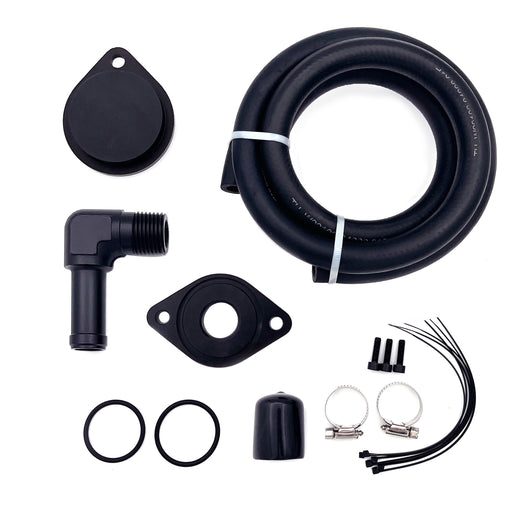
Seguler 2011-2023 Ford 6.7L Powerstroke CCV/PCV Reroute/Delete Engine Ventilation Kit
SEGULEROriginal price $72.00 - Original price $72.00Original price$72.00$72.00 - $72.00Current price $72.00FITMENT 2011-2023 6.7L Ford Powerstroke F-250 F-350 F-450 F-550 Super Duty V8 Diesel. Compatible with both standard Pickups and commercial Cab &...
View full details -
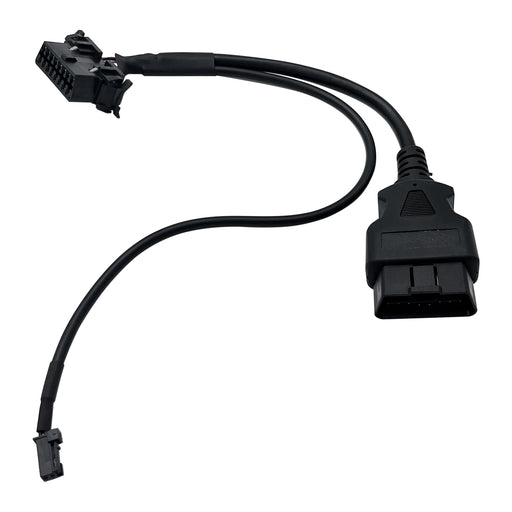
Seguler 2018+ RAM Cummins OBD2 HD Security Gate Bypass Cable
SEGULEROriginal price $45.00 - Original price $45.00Original price$45.00$45.00 - $45.00Current price $45.00FITMENT 2018+ 6.7L Ram Cummins 2500 3500 Turbo Diesel. Designed for Ram pickup trucks equipped with the factory Security Gateway Module. Note: Pl...
View full details -
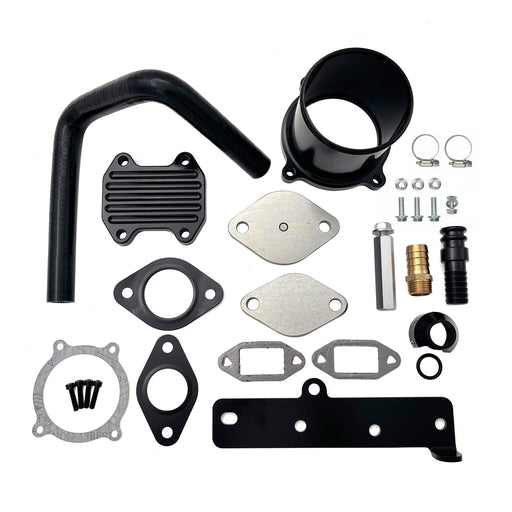
Seguler For 2013-2018 6.7L Dodge RAM 2500 3500 Cummins Diesel EGR Delete Cooler Throttle Valve Delete Kit
SEGULEROriginal price $112.00 - Original price $112.00Original price$112.00$112.00 - $112.00Current price $112.00FITMENT 2013–2018 6.7L Dodge Ram Cummins 2500 & 3500 Pickup Turbo Diesel. Note: Does NOT fit Cab & Chassis (3500 / 4500 / 5500 C&C) m...
View full details


Leave a comment