

EGR Block-Off Plate vs Delete: Which?
🔑 Key Takeaways
- Block off plates: $30-$80, quick install, stops EGR function but leaves the cooler in place (still a potential failure point)
- Full delete kits: $200-$600, removes all EGR components, improves airflow, permanently eliminates cooler failure risk
- Both options require ECU tuning to prevent check engine lights and ensure safe engine operation
- Choose based on your budget, long-term ownership plans, and whether maximum reliability or minimum investment is your priority
When you begin focusing on your engine's performance and long-term health, the Exhaust Gas Recirculation (EGR) system inevitably becomes a topic of consideration. Whether your goal is cleaner intake air, sharper throttle response, or better overall engine preservation, you'll find various approaches to optimization—each with its own merits.
Among these options, the EGR block off plate stands out as a thoughtful and adaptable solution. It works through precise mechanical isolation, reducing exhaust contamination without altering your vehicle’s factory wiring or layout. If you prefer a modification that is low in cost, reversible in nature, and focused specifically on intake cleanliness and throttle improvement, then understanding how an EGR block-off plate functions—and where it fits into your maintenance or enhancement plan—can offer clarity and confidence in your decision.
What is an EGR Block Off Plate?
An EGR block off plate is a simple yet effective aftermarket component, typically made from metal or high-strength graphite. Its core function is to physically block the exhaust gas recirculation channel, offering a cleaner intake solution for your engine.
How It Works
The EGR block off plate is installed precisely between the EGR valve and the engine intake manifold. Once installed, it completely prevents exhaust gases from entering the intake system while keeping all the original EGR components—valve, sensors, and piping—in place, with no visible external changes.
Why Choose an EGR Block Off Plate
-
Cleans the Intake System
The EGR block off plate effectively eliminates contamination from unburned carbon particles, oil vapors, and acidic substances in the exhaust, preventing buildup in the intake manifold and on the back of valves. -
Optimizes Combustion Efficiency
It helps improve combustion efficiency, allowing fuel to burn more completely. -
Enhances Driving Response
Throttle response is noticeably improved, especially in low RPM ranges, delivering a smoother and more responsive driving experience.
EGR Delete vs. Block Off Plate: A Detailed Comparison
When considering modifications to the exhaust gas recirculation system, truck owners typically face two main options: installing an EGR block off plate or performing a full EGR delete. Understanding these differences is key to making the right choice for your needs.
The EGR Block Off Plate Approach
Advantages
- Easy installation, ideal for DIY enthusiasts
- Fully reversible—can be removed anytime to restore the original setup
- Maintains the integrity of the factory EGR system
- Effectively prevents carbon buildup in the intake and improves throttle response
Points to Note
- Long-term use may lead to wear on the EGR valve due to lack of use
- Does not fix existing issues such as a faulty EGR valve or cooler leaks
The EGR Delete Approach
Advantages
- Eliminates all potential failure points related to the EGR system, including cooler leaks
- When paired with professional ECU tuning, may offer refined power and fuel efficiency gains
Points to Note
- Requires professional hardware removal and ECU reprogramming
- Significantly higher cost compared to the block-off plate method
- Reversing the process is complex and costly, involving parts replacement and reprogramming
When Is an EGR Block Off Plate the Right Choice?
An EGR block off plate may be your ideal solution if:
- You’re working within a budget but want to address intake carbon buildup
- You prefer to keep the option of restoring your vehicle to its original state
- Your EGR system is currently functioning without major issues, and you’re looking for preventive maintenance
Choosing a High-Quality EGR Block-Off Plate Solution
Now that you understand how EGR systems work and the options available for optimizing them, you might be wondering: Is there a solution that truly solves the problem of exhaust contamination while being reliable and easy to install?
1986-1995 Ford Trucks EGR Simulator Eliminator/Block Off Plate
Our carefully engineered EGR block off plate is the precise answer to that need. It’s more than just a metal plate—it's a performance upgrade backed by thoughtful design and proven results. Here’s what sets it apart, broken down into three key areas: material, design, and performance.
This item: Ford F150 F250 F350 Mustang Trucks

1986-1995 2.8L 4.9L 5.0L Ford EGR Simulator Eliminator/Block Off Plate
When you decide to optimize the EGR system, choosing a well-designed and solidly constructed solution is of vital importance. Our EGR block off plate and simulator eliminator combo set is precisely created for this purpose. It is not merely a functional component, but also a relentless pursuit of performance and reliability.
This item: Ford F150 F250 Mustang Bronco Trucks

Core Advantage
- Core Material: Made from aerospace-grade 6061-T6 aluminum
- Long-Term Reliability: No warping or deformation under prolonged heat exposure
- Perfect Fit: In-place replacement kit, no cutting or modification required
- Protection at the Source: Effective prevention of carbon deposits from forming
- Noticeable Improvement: Delivers cleaner air for better combustion efficiency, resulting in sharper throttle response and smoother power delivery
Why Choose the Combined Product?
This "physical blocking + electronic spoofing" combo kit is designed to completely disable the vehicle's EGR system. Its primary purposes are to enhance throttle response, keep the engine internals clean, and prevent fault codes triggered by the installation of the EGR block-off plate.
If only the "block off plate" is installed:
The exhaust gas flow is physically blocked, achieving the mechanical goal. However, the ECU will immediately detect the anomaly, illuminate the malfunction indicator lamp (MIL), and the vehicle may enter a "limp mode"
EGR Block Off Plate Install Guide
General Steps
-
Prepare & Disconnect
Start by disconnecting both batteries for safety. Then use a wrench to remove the lower EGR pipe.
-
Install Simulator
Unplug the electrical connector from the EGR valve, and connect the provided simulator to your vehicle's wiring harness.
-
Remove & Clean
Take out the two bolts holding the EGR valve, remove the valve, and clean the mounting surface thoroughly.
-
Install Block Off Plate
Place the block-off plate and high-temperature gasket onto the mounting surface, then secure with the two provided bolts.
Important Installation Notes
- Position the plate closest to the intake manifold
- Always use the included new gaskets, installed on the correct side—typically toward the exhaust
- Tighten bolts to the specified torque to avoid damage
Conclusion
Ultimately, whether you choose a simple EGR block-off plate or a full delete kit depends largely on your goals, budget, and willingness to modify your vehicle's factory setup. The block-off plate offers a practical, reversible way to reduce carbon buildup and improve throttle response—without permanent changes or major expense.
New Year Special!
As we approach the New Year, we're extending our best wishes and an exclusive offer! From December 29, 2025, to January 4, 2026, visit our website to shop the EGR optimization kits mentioned above and more. Use discount code seg2026 at checkout to enjoy 15% off!
If you're ready to explore which solution best fits your truck, or if you'd like to see our range of EGR modification kits—including precision-machined block-off plates and complete simulator kits—visit www.seguler.com. We offer detailed product guides, installation support, and options tailored to various makes and models.
FAQs About EGR Block Off Plate
Q1: Is it necessary to calibrate after installing the EGR block off plate?
A1: Yes, tuning the Engine Control Unit (ECU) is essential after installing an EGR block-off plate to prevent error codes, ensure proper engine function, avoid potential damage, and optimize performance.
Q2: Will the installation affect the annual inspection or emission test?
A2: EGR is part of the emission control system. Any modification to it may cause the exhaust gas emission values to exceed the legal standards, thus failing the emission test. It is recommended that you understand the local regulations before installation. Some users only use this solution in non-road or race scenarios.
Q3: How can I confirm that the product is compatible with my truck?
A3: We offer precise matching based on vehicle model year. Before purchasing, please check your vehicle's VIN code or contact our customer service for specific information. We will confirm the compatibility for you.
Q4: How soon can you notice the changes after installation?
A4: After proper installation, you may notice a lighter throttle response and smoother low-speed torque during your first drive. The cleaning effect of the intake system will become gradually apparent after driving a certain distance.
Q5: Can using an EGR block off plate for an extended period damage the engine?
A5: Under normal usage conditions, the high-quality blocking board itself will not cause any damage. It is recommended to regularly check the engine condition after installation, especially for vehicles with a high mileage.


Featured collection
-
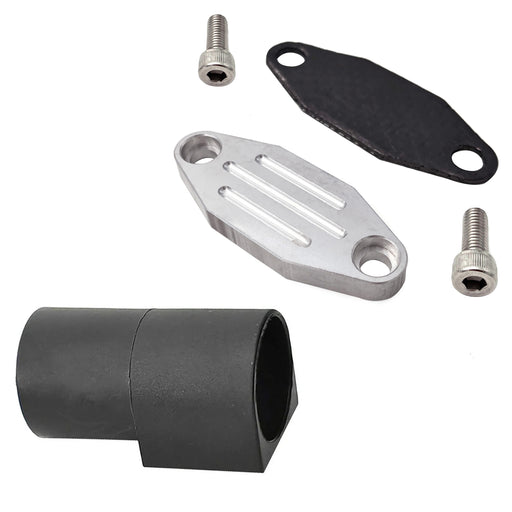
Seguler 1986-1995 Ford F150 F250 F350 Mustang Trucks EGR Simulator Eliminator / Block Off Plate Kit
SEGULEROriginal price $79.99 - Original price $79.99Original price$79.99$79.99 - $79.99Current price $79.99Block Off Plate Material: Aluminum alloy. Easy installation,and convenient to use. Made of CNC milled from aircraft grade Billet aluminum. Will N...
View full details -

Seguler 2011-2023 6.7L Ford Powerstroke Diesel EGR Delete Kit
SEGULEROriginal price $109.99 - Original price $109.99Original price$109.99$109.99 - $109.99Current price $109.99FITMENT 2011-2023 6.7L Ford Powerstroke F-250 F-350 F-450 F-550 Super Duty V8 Diesel. compatible with both standard Pickups and commercial Cab &...
View full details -
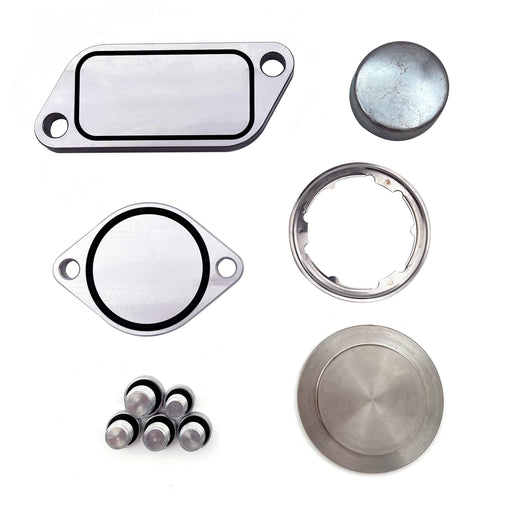
For 2010-Present Stage 2 ISX 15 CM2250 CM2350 EGR Delete Kit
SEGULEROriginal price $59.99 - Original price $59.99Original price$59.99$59.99 - $59.99Current price $59.99FITMENT 2010-Present Cummins Volvo, Peterbilt, Mack, International, Freightliner, Kenworth with the ISX15 CM2250 / CM2350 engines. DESCRIPTION P...
View full details -
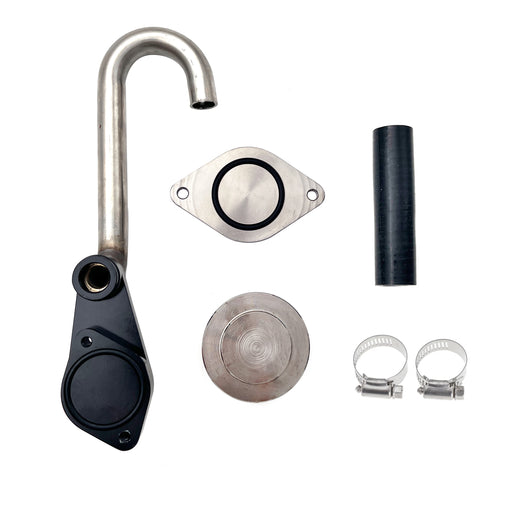
Seguler 2003-2007 6.0L FORD Powerstroke Diesel EGR Cooler Delete Kit
SEGULEROriginal price $56.14 - Original price $56.14Original price$56.14$56.14 - $56.14Current price $56.14FITMENT 2003-2007 6.0L Ford F-250 Ford F-350 F-450 F-550 Super Duty. 2003-2007 6.0L Ford Excursion SUV (Diesel Models Only). 2005-2010 Ford E-Se...
View full details -
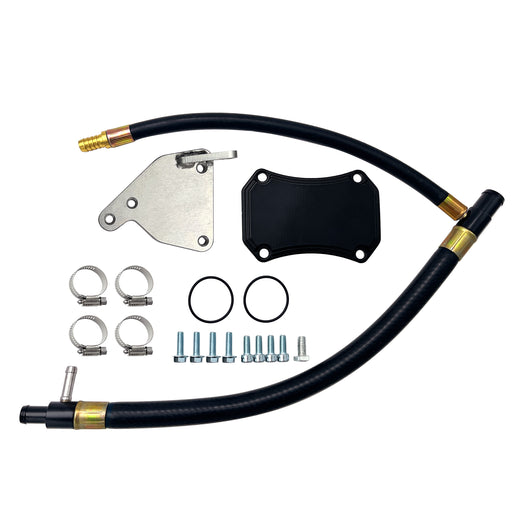
For 2011-2016 6.6L GMC Chevy Duramax Diesel LML EGR Valve Cooler Delete Kit
SEGULEROriginal price $66.49 - Original price $66.49Original price$66.49$66.49 - $66.49Current price $66.49FITMENT 2011-2016 6.6L Chevy GMC Duramax LML 2500 HD 3500 HD Diesel. DESCRIPTION Product Overview The 2011–2016 LML Duramax uses a complex EG...
View full details -
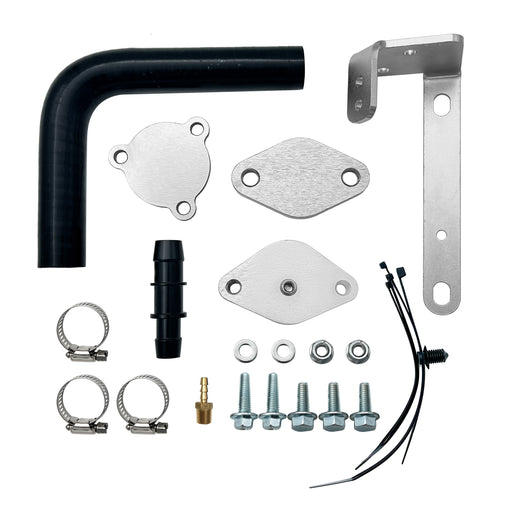
Seguler For 2014-2019 3.0L Dodge Ram 1500 EcoDiesel EGR Valve & Cooler Delete Kit
SEGULEROriginal price $72.99 - Original price $72.99Original price$72.99$72.99 - $72.99Current price $72.99FITMENT 2014-2019 3.0L Dodge Ram 1500 EcoDiesel V6 engine trucks. DESCRIPTION Product Overview Exhaust gas recirculation on 3.0L EcoDiesel V6 ...
View full details -

Seguler 2011-2023 6.7L Ford Powerstroke Diesel EGR Delete Kit
SEGULEROriginal price $85.99 - Original price $85.99Original price$85.99$85.99 - $85.99Current price $85.99FITMENT 2011-2023 6.7L Ford Powerstroke F-250 F-350 F-450 F-550 Super Duty V8 Diesel. compatible with both standard Pickups and commercial Cab &...
View full details -

Seguler 2010-2024 6.7L Dodge Ram Cummins Diesel EGR Valve Cooler Delete Kit
SEGULEROriginal price $89.99 - Original price $89.99Original price$89.99$89.99 - $89.99Current price $89.99FITMENT 2010–2024 6.7L Dodge Ram Cummins 2500 / 3500 Pickup Turbo Diesel. Note: Does NOT fit Chassis Cab 3500 / 4500 / 5500 models. DESCRIPTIO...
View full details -
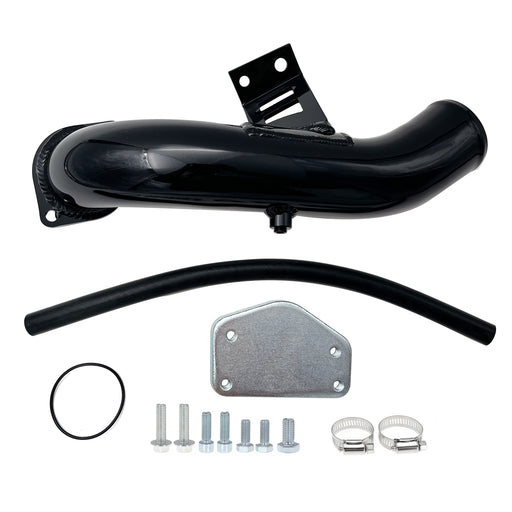
For 2004.5-2005 6.6L Chevy GMC Silverado LLY Duramax Diesel EGR Delete Kit
SEGULEROriginal price $92.99 - Original price $92.99Original price$92.99$92.99 - $92.99Current price $92.99FITMENT 2004.5-2005 6.6L Chevrolet Silverado Duramax LLY 2500HD / 3500 HD. 2004.5-2005 6.6L GMC Sierra Duramax LLY 2500HD / 3500 HD. DESCRIPTION...
View full details -

Seguler 2017-2019 L5P Duramax Diesel 4pcs L5P Can Bus Plugs Connector Replacement
SEGULEROriginal price $75.00 - Original price $75.00Original price$75.00$75.00 - $75.00Current price $75.00FITMENT 2017–2019 Chevrolet Silverado / GMC Sierra Duramax L5P 2500HD & 3500HD Diesel. DESCRIPTION Product Overview Unprotected harness con...
View full details -

Seguler 2020-2023 chevy duramax L5P Diesel Can Bus Plugs Connector
SEGULEROriginal price $80.00 - Original price $80.00Original price$80.00$80.00 - $80.00Current price $80.00FITMENT 2020–2023 Chevrolet Silverado / GMC Sierra Duramax L5P 2500HD & 3500HD Diesel. DESCRIPTION Product Overview Unprotected harness pl...
View full details -
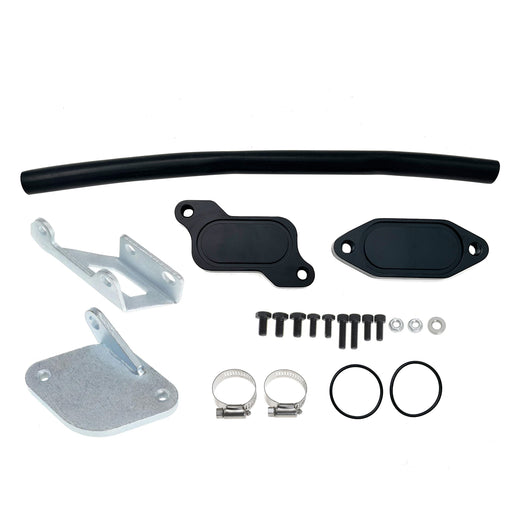
For 2006-2007 6.6L Chevrolet Silverado Classic GMC Duramax LBZ Diesel EGR Valve Cooler Delete Kit
SEGULEROriginal price $63.49 - Original price $63.49Original price$63.49$63.49 - $63.49Current price $63.49FITMENT 2006-2007.4 Chevrolet Silverado Duramax LBZ 2500HD / 3500HD. 2007.4 Chevrolet Silverado Duramax LBZ 2500HD / 3500HD Classic. 2006-2007.4 ...
View full details -

Seguler 2011-2023 6.7L Ford F250 F350 F450 F550 Powerstroke Diesel EGR Valve Delete Cooler Delete Kit
SEGULEROriginal price $55.99 - Original price $55.99Original price$55.99$55.99 - $55.99Current price $55.99FITMENT 2011-2023 6.7L Ford Powerstroke F-250 F-350 F-450 F-550 Super Duty V8 Diesel compatible with both standard Pickups and commercial Cab &a...
View full details -
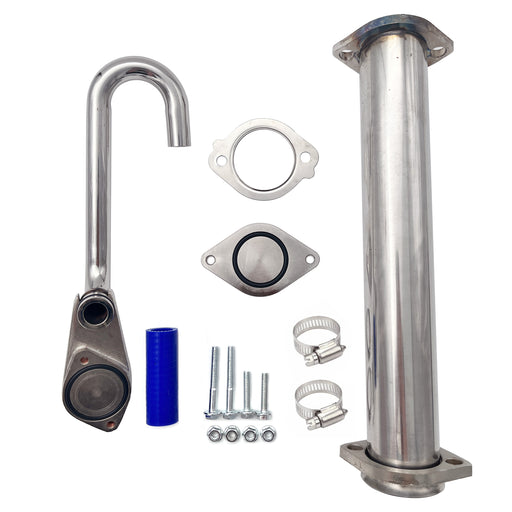
Seguler 2003-2007 6.0L Ford F250 F350 Powerstroke Diesel EGR Basic Cooler Kit
SEGULEROriginal price $79.99 - Original price $79.99Original price$79.99$79.99 - $79.99Current price $79.99FITMENT 2003-2007 6.0L Ford F250 F350 F450 F550 Super Duty Turbo (except 2004 F250 Super Duty). 2003-2005 6.0L Ford Excursion Turbo. 2005 Ford F...
View full details -
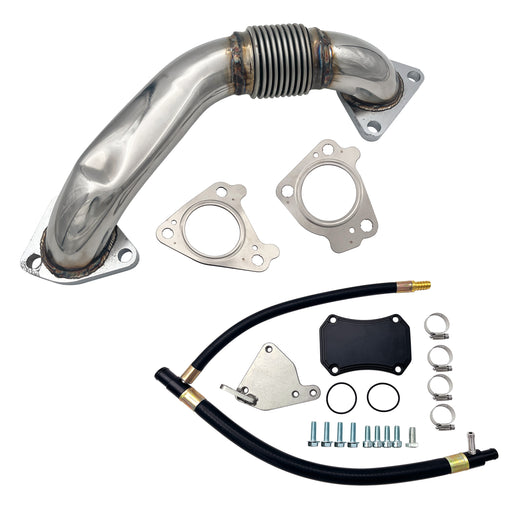
Seguler 2011-2016 6.6L GMC Chevy Duramax Diesel LML Up-Pipe & EGR Valve Cooler Delete Kit
SEGULEROriginal price $173.86 - Original price $173.86Original price$173.86$173.86 - $173.86Current price $173.86FITMENT 2011-2016 6.6L Chevy GMC Duramax LML 2500 HD 3500 HD Diesel. DESCRIPTION Product Overview Direct-injection technology endows GM 5.3L an...
View full details -
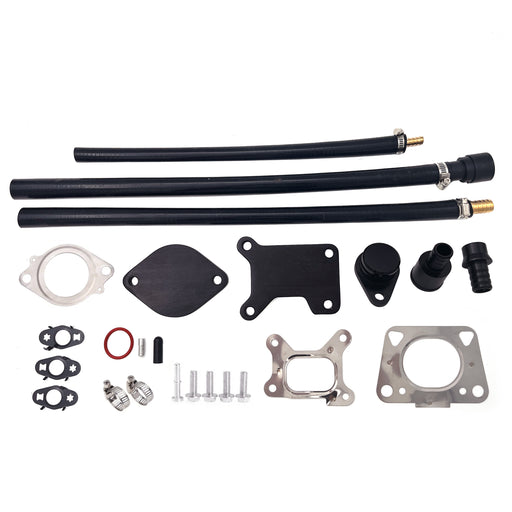
For 2017-2023 6.6L Chevy GMC Duramax L5P diesel EGR Valve Cooler Delete kit
SEGULEROriginal price $131.99 - Original price $131.99Original price$131.99$131.99 - $131.99Current price $131.99FITMENT 2017–2023 6.6L Chevrolet Silverado / GMC Sierra Duramax L5P 2500HD 3500HD Diesel. DESCRIPTION Product Overview Hot soot recirculation ...
View full details -
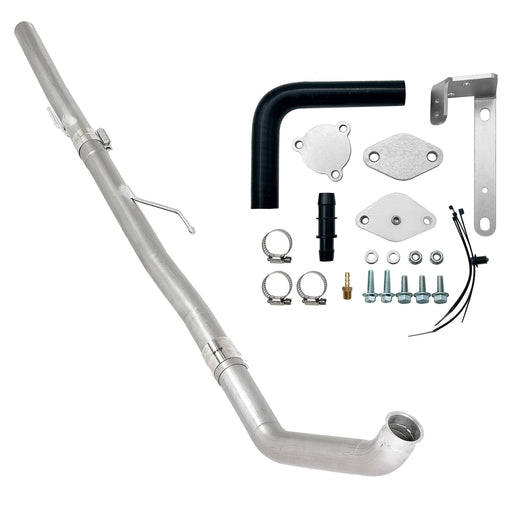
Seguler 3" Ecodiesel DPF Delete Pipe & EGR Delete kit for 2014-2018 3.0L Ram
SEGULEROriginal price $342.00 - Original price $342.00Original price$342.00$342.00 - $342.00Current price $342.00FITMENT 2014–2018 3.0L Dodge Ram 1500 EcoDiesel V6. NOTE: Fit standard Pickup models only (Crew Cab, Quad Cab). Does NOT fit Jeep Grand Cheroke...
View full details -
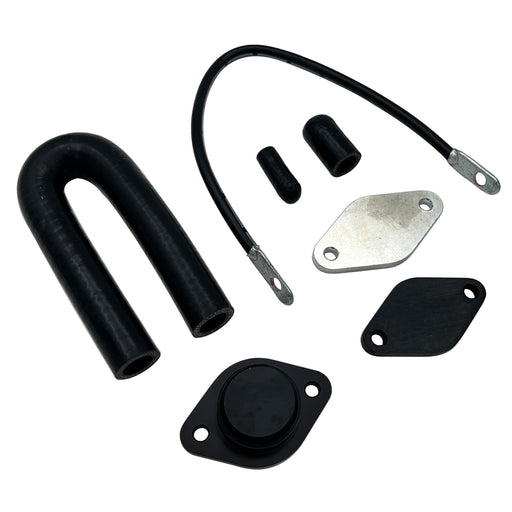
Seguler EGR valve cooler Delete kit for 2020-2022 3.0L Chevy Duramax LM2
SEGULEROriginal price $189.12 - Original price $189.12Original price$189.12$189.12 - $189.12Current price $189.12FITMENT 2020–2022 3.0L Chevrolet Silverado GMC Sierra 1500 LM2 Turbo-Diesel. DESCRIPTION Product Overview Powered by smooth inline-six engine...
View full details -

For 2013-2023 6.7L Dodge Ram Cummins Cab & Chassis EGR Delete Kit Diesel
SEGULEROriginal price $62.99 - Original price $62.99Original price$62.99$62.99 - $62.99Current price $62.99FITMENT 2013–2023 6.7L Ram Cummins 3500 4500 5500 Cab & Chassis / Commercial Trucks. Does NOT fit standard Ram 2500 3500 Pickups. DESCRIPTIO...
View full details -
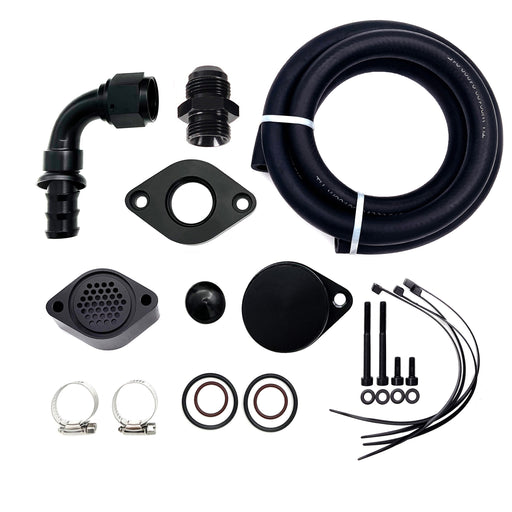
Seguler 2011-2023 6.7L Ford Powerstroke CCV PCV Reroute Engine Ventilation Kit
SEGULEROriginal price $82.99 - Original price $82.99Original price$82.99$82.99 - $82.99Current price $82.99FITMENT 2011-2023 6.7L Ford Powerstroke F-250 F-350 F-450 F-550 Super Duty V8 Diesel. Compatible with both standard Pickups and commercial Cab &...
View full details -
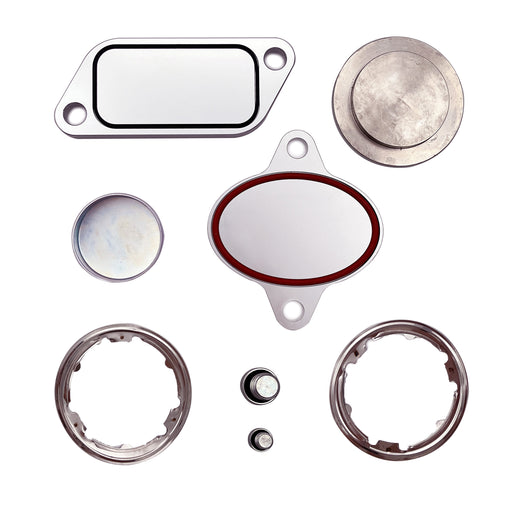
For 2007-2010 Cummins ISX CM871 EGR Plug Kit Stage 2 Plates and Plugs Aluminum
SEGULEROriginal price $67.99 - Original price $67.99Original price$67.99$67.99 - $67.99Current price $67.99FITMENT 2007-2010 Cummins Volvo, Peterbilt, Mack, International, Freightliner, Kenworth with the ISX CM871 Engines. DESCRIPTION Product Overvie...
View full details -
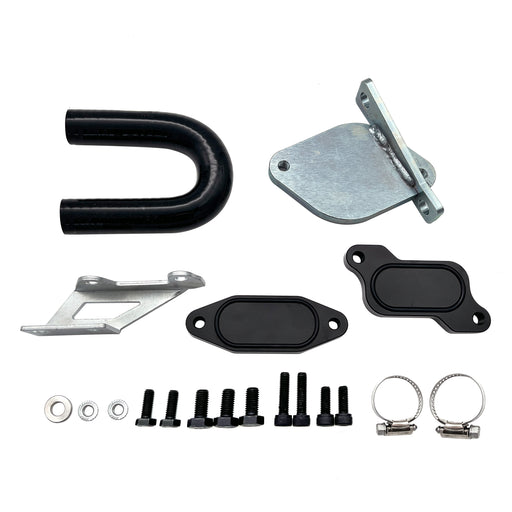
For 2007-2010 6.6L Chevy GMC LMM Duramax EGR Valve Cooler Delete Kit Fit
SEGULEROriginal price $61.99 - Original price $61.99Original price$61.99$61.99 - $61.99Current price $61.99FITMENT 2007.5-2010 6.6L Chevrolet Silverado Duramax LMM 2500HD / 3500HD. 2007.5-2010 6.6L GMC Sierra Duramax LMM 2500HD / 3500HD. Note: Standard...
View full details -
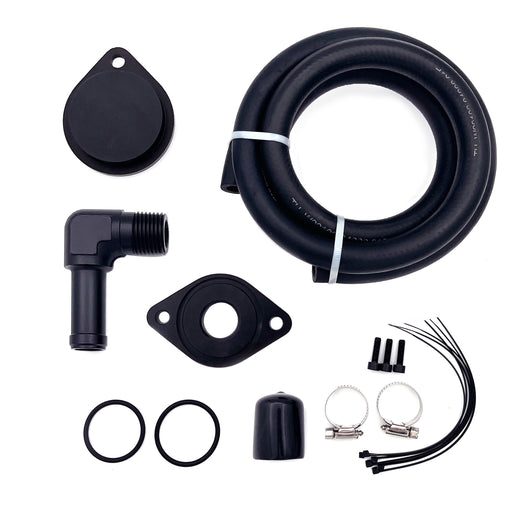
Seguler 2011-2023 Ford 6.7L Powerstroke CCV/PCV Reroute/Delete Engine Ventilation Kit
SEGULEROriginal price $72.00 - Original price $72.00Original price$72.00$72.00 - $72.00Current price $72.00FITMENT 2011-2023 6.7L Ford Powerstroke F-250 F-350 F-450 F-550 Super Duty V8 Diesel. Compatible with both standard Pickups and commercial Cab &...
View full details -
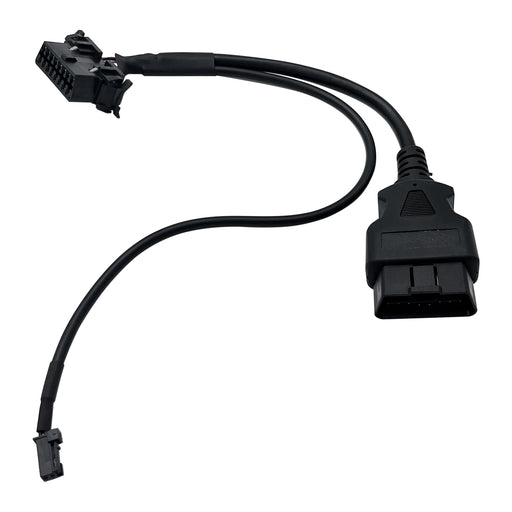
Seguler 2018+ RAM Cummins OBD2 HD Security Gate Bypass Cable
SEGULEROriginal price $45.00 - Original price $45.00Original price$45.00$45.00 - $45.00Current price $45.00FITMENT 2018+ 6.7L Ram Cummins 2500 3500 Turbo Diesel. Designed for Ram pickup trucks equipped with the factory Security Gateway Module. Note: Pl...
View full details -
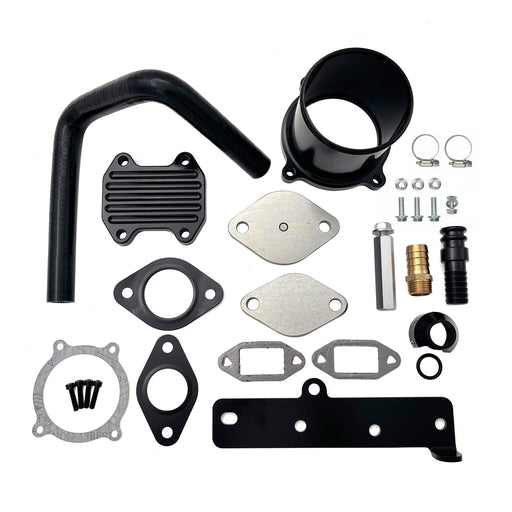
Seguler For 2013-2018 6.7L Dodge RAM 2500 3500 Cummins Diesel EGR Delete Cooler Throttle Valve Delete Kit
SEGULEROriginal price $112.00 - Original price $112.00Original price$112.00$112.00 - $112.00Current price $112.00FITMENT 2013–2018 6.7L Dodge Ram Cummins 2500 & 3500 Pickup Turbo Diesel. Note: Does NOT fit Cab & Chassis (3500 / 4500 / 5500 C&C) m...
View full details


Leave a comment