

How to Maintain Your DPF (and Avoid Clogs)
What Is a DPF and How Does It Work?
A Diesel Particulate Filter (DPF) is a ceramic honeycomb filter installed in the exhaust system of modern diesel vehicles. Its job is straightforward but critical: capture and store soot particles from the exhaust stream before they exit the tailpipe. The DPF traps particulate matter in microscopic pores throughout the ceramic substrate, preventing up to 85% of diesel soot from entering the atmosphere.
Key Takeaways
- DPF captures 85% of diesel soot—regeneration burns off accumulated soot at 1,000-1,200°F
- Complete regeneration cycles: drive 20-30 minutes at highway speeds when DPF light activates
- Use low-SAPS engine oil (API CJ-4, CK-4, FA-4) to minimize ash loading and extend filter life
- Professional DPF cleaning recommended at 150,000-200,000 miles; costs $500-1,000 vs $2,000-5,000 replacement
- Short trips and extended idling are DPF killers—schedule weekly highway drives for urban driving patterns
However, a DPF has finite capacity. As soot accumulates, exhaust backpressure rises, eventually restricting engine performance. To address this, the engine control module (ECM) periodically initiates a regeneration cycle — burning off the accumulated soot at temperatures of 1,000-1,200°F. There are two types of regeneration:
- Passive Regeneration: Occurs automatically during sustained highway driving when exhaust temperatures are naturally high enough to oxidize soot. No driver intervention required.
- Active Regeneration: Triggered by the ECM when the DPF reaches a soot load threshold (typically 45-50%). The system injects additional fuel during the exhaust stroke to raise exhaust temperatures and burn off the accumulated soot. This process takes 20-40 minutes.
Common DPF Problems and Their Causes
1. Incomplete Regeneration Cycles
The most common DPF issue stems from driving patterns that prevent complete regeneration. Short trips, stop-and-go traffic, and prolonged idling keep exhaust temperatures too low for passive regeneration. When active regeneration is triggered but interrupted (by shutting off the engine mid-cycle), the partially-burned soot converts to ash that cannot be removed through normal regeneration. Over time, this ash accumulates and permanently reduces the DPF's capacity.
2. Sensor Failures
Modern DPF systems rely on differential pressure sensors and temperature sensors to monitor soot load and regeneration status. When these sensors malfunction — due to heat damage, wiring issues, or contamination — the ECM receives incorrect data and may fail to initiate regeneration when needed, or trigger unnecessary regeneration cycles that waste fuel.
3. Oil Ash Accumulation
Not all particles trapped by the DPF can be burned off. Engine oil ash — the non-combustible residue from oil consumption — builds up in the DPF over tens of thousands of miles. Unlike soot, ash cannot be removed through regeneration. Eventually, ash loading reaches a point where the DPF must be removed and professionally cleaned or replaced.
4. Fuel Dilution from Failed Regeneration
When active regeneration is repeatedly interrupted, the unburned fuel injected during the regeneration attempt can wash past the piston rings and dilute the engine oil. This reduces oil viscosity, accelerates engine wear, and in extreme cases can cause the oil level to rise — a condition known as "making oil" that indicates serious diesel fuel contamination.
Essential DPF Maintenance Practices
1. Drive for Complete Regeneration
The single most effective DPF maintenance practice is ensuring regeneration cycles complete fully. When you notice the DPF warning light or detect the symptoms of active regeneration (elevated idle speed, cooling fans running, distinct exhaust smell), continue driving at highway speeds (above 40 MPH) for at least 20-30 minutes. Avoid shutting off the engine mid-cycle. If your driving patterns consist primarily of short urban trips, schedule a weekly 30-minute highway drive specifically for DPF health.
2. Use Low-Ash Engine Oil
Using the correct engine oil specification is critical for DPF longevity. Modern diesel engines require low-SAPS (Sulphated Ash, Phosphorus, and Sulphur) oils meeting API CJ-4, CK-4, or FA-4 standards. These formulations produce significantly less ash during combustion, reducing the rate of DPF ash loading. Using conventional high-ash oils in a DPF-equipped diesel can reduce filter life by 30-50%.
3. Monitor Warning Lights and Respond Promptly
Most diesel trucks have a staged DPF warning system:
- Amber DPF Light (Stage 1): Soot load is elevated. Drive at highway speeds for 20-30 minutes to allow passive or active regeneration.
- Flashing DPF Light (Stage 2): Soot load is critical. Immediate highway driving is required. Continued short-trip driving may lead to derate.
- Check Engine Light + DPF Light (Stage 3): The system has detected a fault. Professional diagnosis is required — continued driving may cause permanent filter damage.
4. Professional DPF Cleaning
Even with diligent maintenance, ash accumulates over time. Most manufacturers recommend professional DPF cleaning at 150,000-200,000 miles, though heavy towing and frequent short trips may require it sooner. Professional cleaning methods include:
- Pneumatic Cleaning: High-pressure air pulses dislodge ash from the filter substrate
- Thermal Cleaning: The DPF is baked in a specialized oven at controlled temperatures to oxidize remaining soot, followed by pneumatic ash removal
- Aqueous Cleaning: A water-based solution circulates through the filter to dissolve and flush out ash deposits
Professional cleaning typically costs $500-1,000 — significantly less than DPF replacement, which can run $2,000-5,000 depending on the vehicle.
5. Maintain the Broader Engine System
DPF problems are often symptoms of upstream issues. Regular maintenance of these systems prevents DPF damage:
- Fuel Injectors: Leaking injectors introduce unburned fuel into the exhaust, overwhelming the DPF with soot
- Turbocharger: A failing turbo can push oil into the exhaust stream, accelerating ash loading
- EGR System: A malfunctioning EGR valve increases soot production at the source
- Air Filter: A restricted air filter causes rich combustion and excessive soot
FAQs About DPF Maintenance
Q1: How long does a DPF last with proper maintenance?
A1: A well-maintained DPF typically lasts 150,000-250,000 miles before requiring professional cleaning or replacement. Trucks used primarily for highway driving at consistent speeds tend to see the longest DPF life, while those used for short urban trips may need service as early as 100,000 miles.
Q2: What happens if I ignore the DPF warning light?
A2: Ignoring the DPF warning light leads to progressively more severe consequences. The ECM will first limit engine power (derate) to protect the system. If the filter becomes completely clogged, the engine may fail to start. Continued driving with a severely clogged DPF can cause exhaust backpressure high enough to damage the turbocharger, EGR cooler, and even head gaskets.
Q3: Can I clean my DPF myself?
A3: DIY DPF cleaning is generally not recommended for modern sealed DPFs. Consumer-grade cleaning solutions may not fully remove ash deposits and can leave chemical residues that damage the catalytic coating. Professional cleaning using specialized equipment is the reliable method. Removing the DPF for cleaning also requires disassembly of exhaust components that may be rusted or seized.
Q4: Does idling damage the DPF?
A4: Extended idling is harmful to DPFs because exhaust temperatures at idle are far below the threshold for passive regeneration (typically 500-600°F minimum). Soot accumulates during idling without any offsetting burn-off, accelerating the need for active regeneration. Fleet vehicles that idle extensively often see DPF service intervals cut in half compared to highway-driven vehicles.
Q5: Is a DPF delete a better solution than maintenance?
A5: Removing the DPF eliminates regeneration cycles, reduces exhaust backpressure, and removes a significant maintenance cost from the ownership equation. However, DPF deletes are for off-road and competition use only. On-road vehicles with deleted DPFs violate federal emissions regulations, may fail state inspections, and can face substantial penalties. For daily-driven street trucks, proper maintenance is the compliant path.
Conclusion
DPF maintenance does not have to be a constant headache. By understanding how the system works, driving in a way that supports complete regeneration, using the correct low-ash engine oil, and responding promptly to warning lights, you can maximize your DPF's service life and minimize expensive repairs. For trucks operated in conditions where DPF maintenance is impractical, explore our range of DPF solutions designed for off-road and performance applications.


Featured collection
-
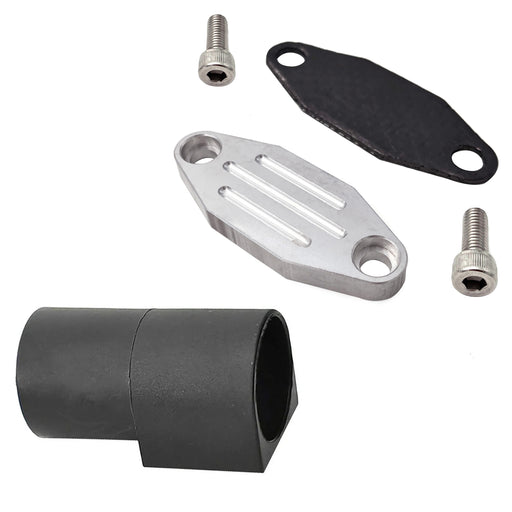
Seguler 1986-1995 Ford F150 F250 F350 Mustang Trucks EGR Simulator Eliminator / Block Off Plate Kit
SEGULEROriginal price $79.99 - Original price $79.99Original price$79.99$79.99 - $79.99Current price $79.99Block Off Plate Material: Aluminum alloy. Easy installation,and convenient to use. Made of CNC milled from aircraft grade Billet aluminum. Will N...
View full details -

Seguler 2011-2023 6.7L Ford Powerstroke Diesel EGR Delete Kit
SEGULEROriginal price $109.99 - Original price $109.99Original price$109.99$109.99 - $109.99Current price $109.99FITMENT 2011-2023 6.7L Ford Powerstroke F-250 F-350 F-450 F-550 Super Duty V8 Diesel. compatible with both standard Pickups and commercial Cab &...
View full details -
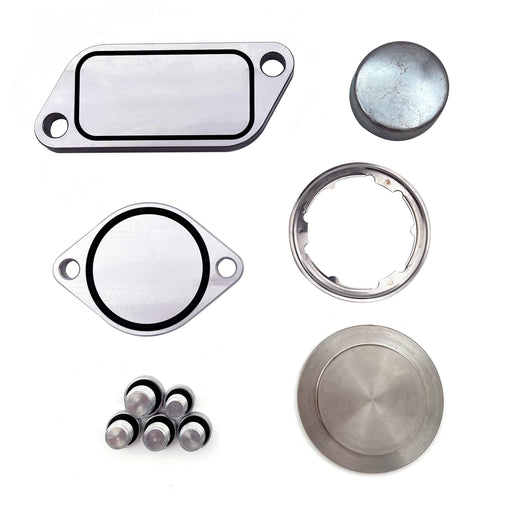
For 2010-Present Stage 2 ISX 15 CM2250 CM2350 EGR Delete Kit
SEGULEROriginal price $59.99 - Original price $59.99Original price$59.99$59.99 - $59.99Current price $59.99FITMENT 2010-Present Cummins Volvo, Peterbilt, Mack, International, Freightliner, Kenworth with the ISX15 CM2250 / CM2350 engines. DESCRIPTION P...
View full details -
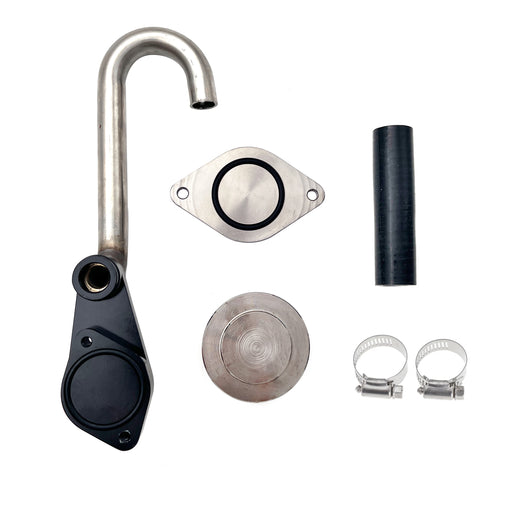
Seguler 2003-2007 6.0L FORD Powerstroke Diesel EGR Cooler Delete Kit
SEGULEROriginal price $56.14 - Original price $56.14Original price$56.14$56.14 - $56.14Current price $56.14FITMENT 2003-2007 6.0L Ford F-250 Ford F-350 F-450 F-550 Super Duty. 2003-2007 6.0L Ford Excursion SUV (Diesel Models Only). 2005-2010 Ford E-Se...
View full details -
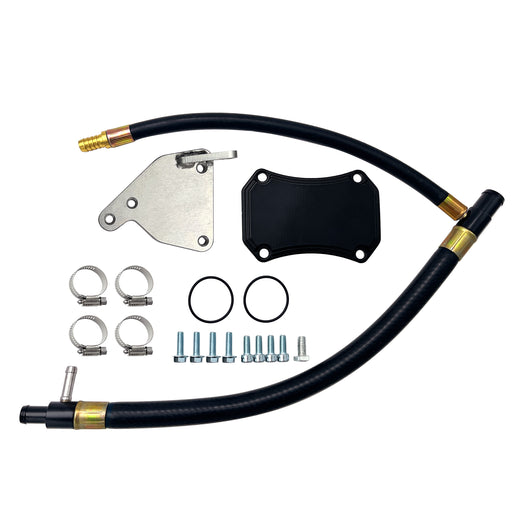
For 2011-2016 6.6L GMC Chevy Duramax Diesel LML EGR Valve Cooler Delete Kit
SEGULEROriginal price $66.49 - Original price $66.49Original price$66.49$66.49 - $66.49Current price $66.49FITMENT 2011-2016 6.6L Chevy GMC Duramax LML 2500 HD 3500 HD Diesel. DESCRIPTION Product Overview The 2011–2016 LML Duramax uses a complex EG...
View full details -
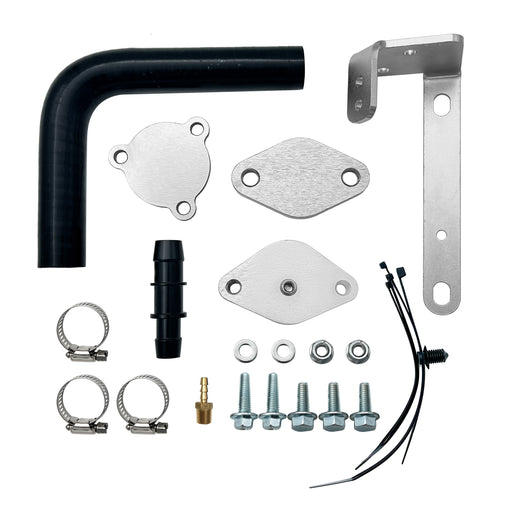
Seguler For 2014-2019 3.0L Dodge Ram 1500 EcoDiesel EGR Valve & Cooler Delete Kit
SEGULEROriginal price $72.99 - Original price $72.99Original price$72.99$72.99 - $72.99Current price $72.99FITMENT 2014-2019 3.0L Dodge Ram 1500 EcoDiesel V6 engine trucks. DESCRIPTION Product Overview Exhaust gas recirculation on 3.0L EcoDiesel V6 ...
View full details -

Seguler 2011-2023 6.7L Ford Powerstroke Diesel EGR Delete Kit
SEGULEROriginal price $85.99 - Original price $85.99Original price$85.99$85.99 - $85.99Current price $85.99FITMENT 2011-2023 6.7L Ford Powerstroke F-250 F-350 F-450 F-550 Super Duty V8 Diesel. compatible with both standard Pickups and commercial Cab &...
View full details -

Seguler 2010-2024 6.7L Dodge Ram Cummins Diesel EGR Valve Cooler Delete Kit
SEGULEROriginal price $89.99 - Original price $89.99Original price$89.99$89.99 - $89.99Current price $89.99FITMENT 2010–2024 6.7L Dodge Ram Cummins 2500 / 3500 Pickup Turbo Diesel. Note: Does NOT fit Chassis Cab 3500 / 4500 / 5500 models. DESCRIPTIO...
View full details -
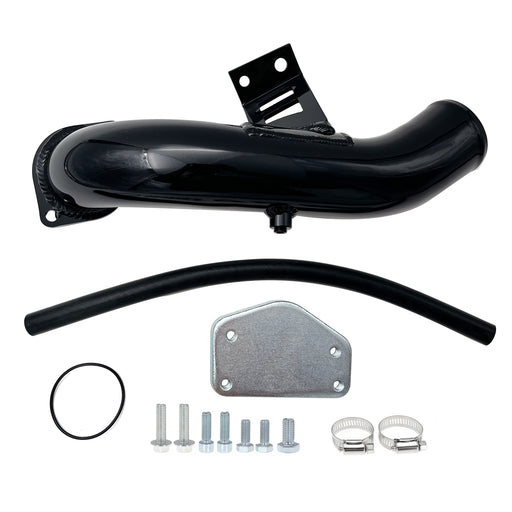
For 2004.5-2005 6.6L Chevy GMC Silverado LLY Duramax Diesel EGR Delete Kit
SEGULEROriginal price $92.99 - Original price $92.99Original price$92.99$92.99 - $92.99Current price $92.99FITMENT 2004.5-2005 6.6L Chevrolet Silverado Duramax LLY 2500HD / 3500 HD. 2004.5-2005 6.6L GMC Sierra Duramax LLY 2500HD / 3500 HD. DESCRIPTION...
View full details -

Seguler 2017-2019 L5P Duramax Diesel 4pcs L5P Can Bus Plugs Connector Replacement
SEGULEROriginal price $75.00 - Original price $75.00Original price$75.00$75.00 - $75.00Current price $75.00FITMENT 2017–2019 Chevrolet Silverado / GMC Sierra Duramax L5P 2500HD & 3500HD Diesel. DESCRIPTION Product Overview Unprotected harness con...
View full details -

Seguler 2020-2023 chevy duramax L5P Diesel Can Bus Plugs Connector
SEGULEROriginal price $80.00 - Original price $80.00Original price$80.00$80.00 - $80.00Current price $80.00FITMENT 2020–2023 Chevrolet Silverado / GMC Sierra Duramax L5P 2500HD & 3500HD Diesel. DESCRIPTION Product Overview Unprotected harness pl...
View full details -
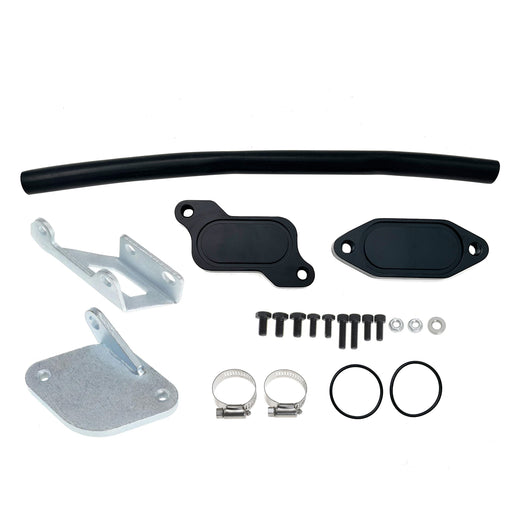
For 2006-2007 6.6L Chevrolet Silverado Classic GMC Duramax LBZ Diesel EGR Valve Cooler Delete Kit
SEGULEROriginal price $63.49 - Original price $63.49Original price$63.49$63.49 - $63.49Current price $63.49FITMENT 2006-2007.4 Chevrolet Silverado Duramax LBZ 2500HD / 3500HD. 2007.4 Chevrolet Silverado Duramax LBZ 2500HD / 3500HD Classic. 2006-2007.4 ...
View full details -

Seguler 2011-2023 6.7L Ford F250 F350 F450 F550 Powerstroke Diesel EGR Valve Delete Cooler Delete Kit
SEGULEROriginal price $55.99 - Original price $55.99Original price$55.99$55.99 - $55.99Current price $55.99FITMENT 2011-2023 6.7L Ford Powerstroke F-250 F-350 F-450 F-550 Super Duty V8 Diesel compatible with both standard Pickups and commercial Cab &a...
View full details -
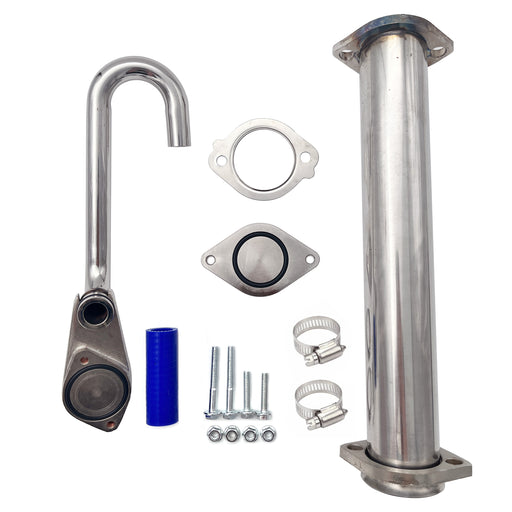
Seguler 2003-2007 6.0L Ford F250 F350 Powerstroke Diesel EGR Basic Cooler Kit
SEGULEROriginal price $79.99 - Original price $79.99Original price$79.99$79.99 - $79.99Current price $79.99FITMENT 2003-2007 6.0L Ford F250 F350 F450 F550 Super Duty Turbo (except 2004 F250 Super Duty). 2003-2005 6.0L Ford Excursion Turbo. 2005 Ford F...
View full details -
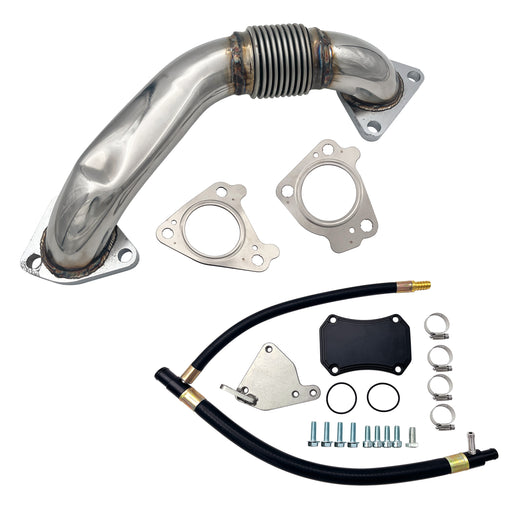
Seguler 2011-2016 6.6L GMC Chevy Duramax Diesel LML Up-Pipe & EGR Valve Cooler Delete Kit
SEGULEROriginal price $173.86 - Original price $173.86Original price$173.86$173.86 - $173.86Current price $173.86FITMENT 2011-2016 6.6L Chevy GMC Duramax LML 2500 HD 3500 HD Diesel. DESCRIPTION Product Overview Direct-injection technology endows GM 5.3L an...
View full details -
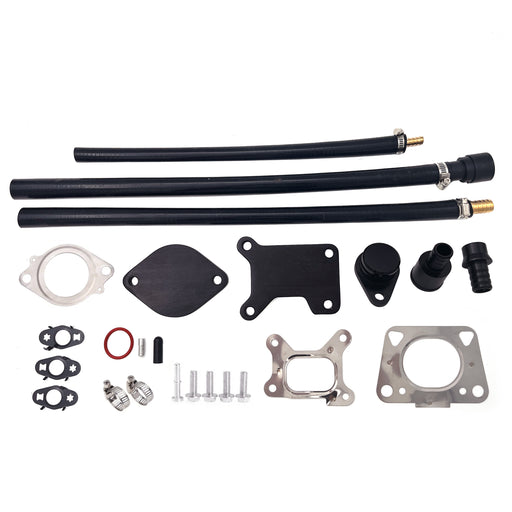
For 2017-2023 6.6L Chevy GMC Duramax L5P diesel EGR Valve Cooler Delete kit
SEGULEROriginal price $131.99 - Original price $131.99Original price$131.99$131.99 - $131.99Current price $131.99FITMENT 2017–2023 6.6L Chevrolet Silverado / GMC Sierra Duramax L5P 2500HD 3500HD Diesel. DESCRIPTION Product Overview Hot soot recirculation ...
View full details -
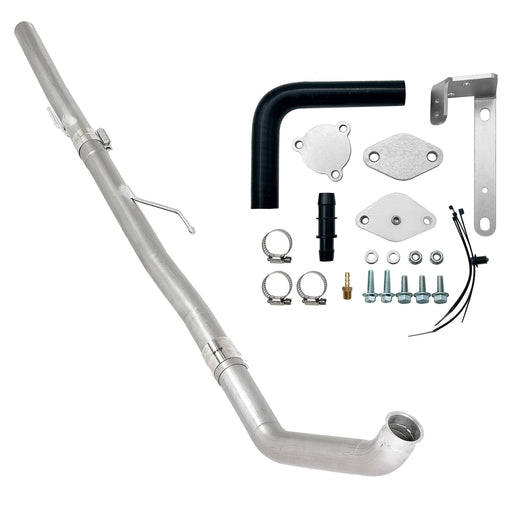
Seguler 3" Ecodiesel DPF Delete Pipe & EGR Delete kit for 2014-2018 3.0L Ram
SEGULEROriginal price $342.00 - Original price $342.00Original price$342.00$342.00 - $342.00Current price $342.00FITMENT 2014–2018 3.0L Dodge Ram 1500 EcoDiesel V6. NOTE: Fit standard Pickup models only (Crew Cab, Quad Cab). Does NOT fit Jeep Grand Cheroke...
View full details -
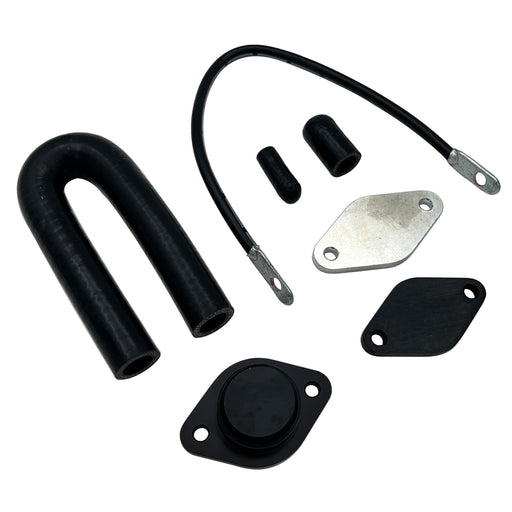
Seguler EGR valve cooler Delete kit for 2020-2022 3.0L Chevy Duramax LM2
SEGULEROriginal price $189.12 - Original price $189.12Original price$189.12$189.12 - $189.12Current price $189.12FITMENT 2020–2022 3.0L Chevrolet Silverado GMC Sierra 1500 LM2 Turbo-Diesel. DESCRIPTION Product Overview Powered by smooth inline-six engine...
View full details -

For 2013-2023 6.7L Dodge Ram Cummins Cab & Chassis EGR Delete Kit Diesel
SEGULEROriginal price $62.99 - Original price $62.99Original price$62.99$62.99 - $62.99Current price $62.99FITMENT 2013–2023 6.7L Ram Cummins 3500 4500 5500 Cab & Chassis / Commercial Trucks. Does NOT fit standard Ram 2500 3500 Pickups. DESCRIPTIO...
View full details -
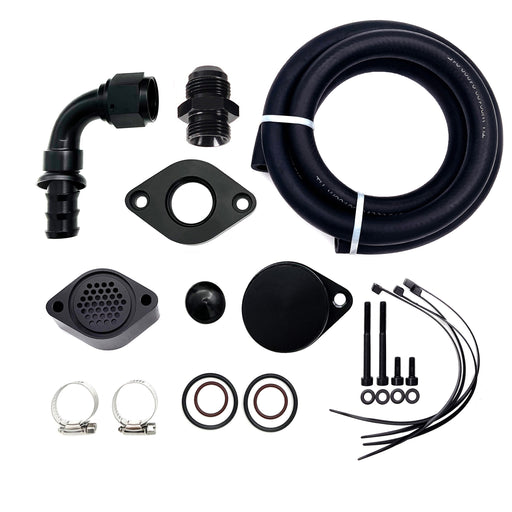
Seguler 2011-2023 6.7L Ford Powerstroke CCV PCV Reroute Engine Ventilation Kit
SEGULEROriginal price $82.99 - Original price $82.99Original price$82.99$82.99 - $82.99Current price $82.99FITMENT 2011-2023 6.7L Ford Powerstroke F-250 F-350 F-450 F-550 Super Duty V8 Diesel. Compatible with both standard Pickups and commercial Cab &...
View full details -
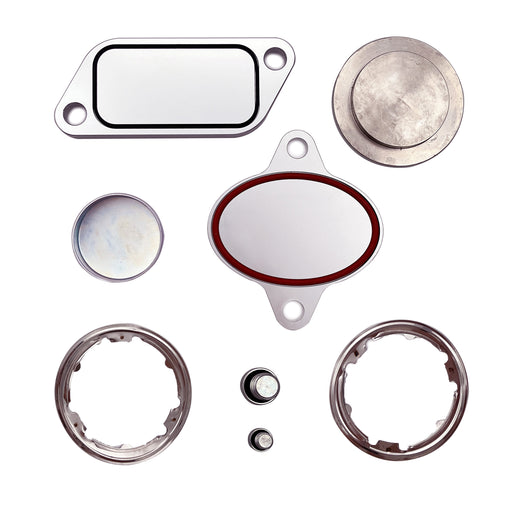
For 2007-2010 Cummins ISX CM871 EGR Plug Kit Stage 2 Plates and Plugs Aluminum
SEGULEROriginal price $67.99 - Original price $67.99Original price$67.99$67.99 - $67.99Current price $67.99FITMENT 2007-2010 Cummins Volvo, Peterbilt, Mack, International, Freightliner, Kenworth with the ISX CM871 Engines. DESCRIPTION Product Overvie...
View full details -
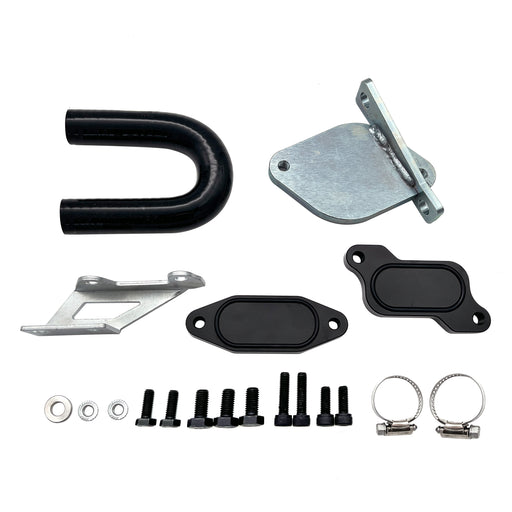
For 2007-2010 6.6L Chevy GMC LMM Duramax EGR Valve Cooler Delete Kit Fit
SEGULEROriginal price $61.99 - Original price $61.99Original price$61.99$61.99 - $61.99Current price $61.99FITMENT 2007.5-2010 6.6L Chevrolet Silverado Duramax LMM 2500HD / 3500HD. 2007.5-2010 6.6L GMC Sierra Duramax LMM 2500HD / 3500HD. Note: Standard...
View full details -
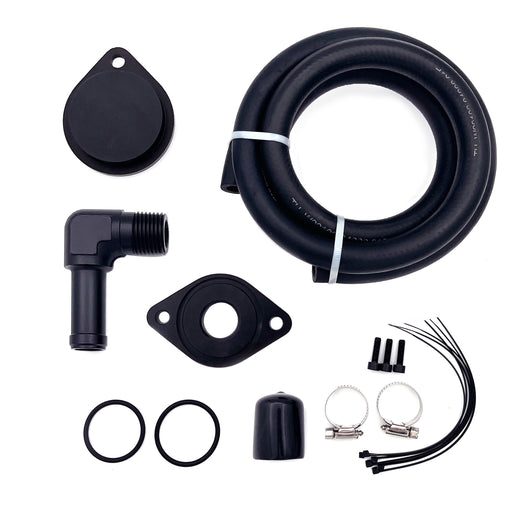
Seguler 2011-2023 Ford 6.7L Powerstroke CCV/PCV Reroute/Delete Engine Ventilation Kit
SEGULEROriginal price $72.00 - Original price $72.00Original price$72.00$72.00 - $72.00Current price $72.00FITMENT 2011-2023 6.7L Ford Powerstroke F-250 F-350 F-450 F-550 Super Duty V8 Diesel. Compatible with both standard Pickups and commercial Cab &...
View full details -
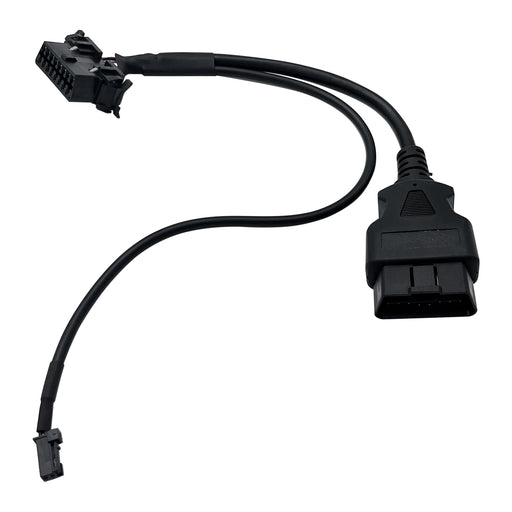
Seguler 2018+ RAM Cummins OBD2 HD Security Gate Bypass Cable
SEGULEROriginal price $45.00 - Original price $45.00Original price$45.00$45.00 - $45.00Current price $45.00FITMENT 2018+ 6.7L Ram Cummins 2500 3500 Turbo Diesel. Designed for Ram pickup trucks equipped with the factory Security Gateway Module. Note: Pl...
View full details -
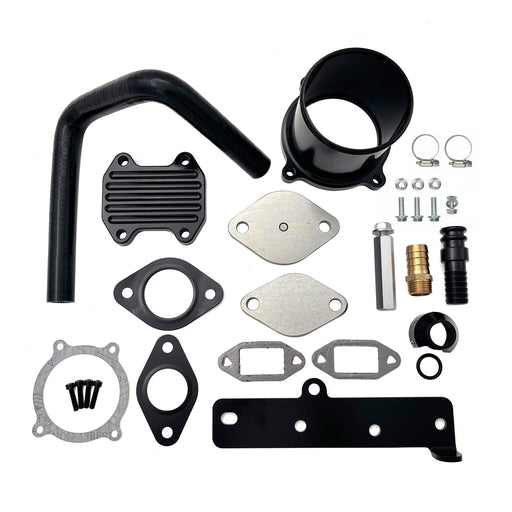
Seguler For 2013-2018 6.7L Dodge RAM 2500 3500 Cummins Diesel EGR Delete Cooler Throttle Valve Delete Kit
SEGULEROriginal price $112.00 - Original price $112.00Original price$112.00$112.00 - $112.00Current price $112.00FITMENT 2013–2018 6.7L Dodge Ram Cummins 2500 & 3500 Pickup Turbo Diesel. Note: Does NOT fit Cab & Chassis (3500 / 4500 / 5500 C&C) m...
View full details


Leave a comment