

EGR Delete Kits: The Ultimate Buyer's Guide
What Is an EGR Delete Kit?
An Exhaust Gas Recirculation (EGR) delete kit is a hardware package designed to remove or permanently disable the EGR system on a diesel engine. The EGR system is an emissions control technology that recirculates a portion of exhaust gas back into the engine's intake manifold. By introducing inert exhaust gas into the combustion chamber, peak combustion temperatures are reduced, which lowers the formation of nitrogen oxides (NOx) — a regulated pollutant that contributes to smog and acid rain.
Key Takeaways
- EGR systems recirculate exhaust gas to reduce NOx emissions but introduce soot, heat, and carbon buildup into the intake manifold
- EGR delete kits include block-off plates, coolant reroute hoses, and gaskets to permanently disable the EGR system
- Deleting the EGR lowers intake temperatures by 100-200°F, reducing carbon buildup and extending intake manifold life
- EGR delete requires ECM tuning to prevent fault codes — the computer must be recalibrated to ignore missing EGR flow data
- Combined EGR + DPF + DEF delete (full delete) addresses the entire emissions system but carries the highest legal and warranty risk
While effective for emissions compliance, EGR introduces hot, soot-laden gas into the precision environment of the intake system. Over thousands of miles, this leads to carbon deposits, reduced intake airflow, increased intake air temperatures, and multiple potential failure points. An EGR delete kit addresses these issues at their root by physically removing the EGR valve, cooler, and associated plumbing, then sealing all ports with precision-engineered block-off plates and replacement pipes.
What Components Are Included in a Quality EGR Delete Kit?
A professionally engineered EGR delete kit typically includes the following components:
- EGR Valve Block-Off Plate: A CNC-machined plate that seals the port where the EGR valve originally connected to the intake manifold. Constructed from 304 stainless steel or billet 6061-T6 aluminum for thermal stability.
- EGR Cooler Block-Off Plate: Seals the exhaust-side port where the EGR cooler received exhaust gas. Must withstand direct exposure to exhaust temperatures exceeding 1,200°F.
- Replacement Up-Pipe (model dependent): Replaces the factory exhaust pipe that feeds the EGR cooler, eliminating the branch that routed exhaust to the EGR system.
- Coolant Reroute Components: When the EGR cooler is removed, the coolant circuit that fed it must be properly rerouted to maintain correct flow through the engine's cooling system.
- High-Temperature Gaskets and Hardware: All gaskets must be rated for sustained operation at exhaust gas temperatures. Hardware should be Grade 8 or stainless steel to resist corrosion and thermal cycling.
- Installation Instructions: Vehicle-specific, illustrated instructions that account for model-year differences in component locations and fastener specifications.
Key Benefits of Installing an EGR Delete Kit
1. Cleaner Intake Airflow
Without exhaust gas being reintroduced into the intake, the engine breathes 100% fresh, oxygen-dense air. This eliminates the primary source of intake carbon buildup, keeping intake runners, valves, and the intercooler clean over the engine's lifetime. The result is maintained airflow efficiency rather than the progressive airflow degradation that affects stock EGR-equipped engines.
2. Lower Intake Air Temperatures
Recirculated exhaust gas enters the intake at 400-600°F even after passing through the EGR cooler. Removing this heat source reduces intake air temperatures by 100-200°F, increasing air density. Cooler, denser intake air supports more complete combustion, higher power output, and lower EGTs under load.
3. Measurable Power and Torque Gains
Combining an EGR delete with a proper ECM tune can yield 20-40 additional horsepower and 40-70 lb-ft of torque, depending on the engine platform. The gains come from two sources: the engine ingests more oxygen per combustion cycle (cooler, denser air), and the ECM's fuel and timing maps can be optimized for clean air rather than exhaust-diluted air.
4. Permanent Elimination of EGR Failure Points
EGR systems contain multiple components with finite service lives: the EGR valve (prone to carbon-induced sticking), the EGR cooler (subject to thermal fatigue cracking and internal coolant leaks), and the EGR temperature and pressure sensors. Deleting the system removes all of these failure points, eliminating the associated diagnosis and repair costs permanently.
5. Improved Throttle Response
Without exhaust gas diluting the intake charge during throttle transitions, the engine responds more immediately to accelerator input. This is especially noticeable during passing maneuvers and when accelerating from a stop with a load — situations where the stock EGR system's contribution to intake dilution is most detrimental to response.
EGR Delete vs. EGR Block-Off Plate: What is the Difference?
This is a common point of confusion. Here are the key distinctions:
- EGR Block-Off Plate: A simple plate installed between the EGR valve and intake manifold that physically blocks exhaust flow. The EGR valve, cooler, and all plumbing remain in place. Installation takes 30-60 minutes and costs $20-50. Performance gains are modest because the intake restriction from the remaining hardware persists. Still requires ECM tuning to prevent check engine lights.
- Full EGR Delete Kit: Removes the EGR valve, cooler, and associated plumbing entirely. Replaces the factory up-pipe and reroutes coolant lines. Installation takes 4-6 hours and costs $150-500 depending on the vehicle. Provides maximum airflow improvement, weight reduction, and permanent elimination of all EGR failure modes.
The block-off plate is an entry-level modification — suitable for budget-conscious owners or those who may need to easily reverse the modification. The full delete is the comprehensive solution for those committed to permanently removing the EGR system.
FAQs About EGR Delete Kits
Q1: Do I need a tune after installing an EGR delete kit?
A1: Yes, professional ECM tuning is mandatory. The ECM monitors EGR flow through the MAF sensor and EGR valve position. Without a tune that disables EGR monitoring and optimizes fuel and timing maps, the truck will illuminate the check engine light and may enter reduced-power limp mode.
Q2: Will an EGR delete cause the engine to run hotter?
A2: No — the opposite. EGR reintroduces hot exhaust gas into the combustion chamber, raising peak temperatures. Removing EGR, combined with the cooler intake air temperatures from fresh air only, actually lowers peak combustion temperatures. Coolant temperature is unaffected as the cooling system thermostat controls that independently.
Q3: Which engines benefit most from an EGR delete?
A3: Engines with known EGR system weaknesses benefit most. The 6.0L Powerstroke (EGR cooler failures), LLY Duramax (EGR cooler cracking), and 6.7L Cummins (valve sticking) are among the platforms where EGR delete provides the most dramatic reliability improvement. Newer engines with more robust EGR designs (2017+ L5P Duramax, 2020+ Powerstroke) still benefit from improved airflow and reduced carbon buildup.
Q4: Can I install an EGR delete kit myself?
A4: Experienced DIY mechanics can install most EGR delete kits in 4-6 hours with standard hand tools. The most challenging aspects are accessing bolts in confined spaces (often requiring extensions and swivel sockets), properly bleeding the cooling system after rerouting, and ensuring all block-off seals are leak-free. Those without significant mechanical experience should budget for professional installation.
Q5: Is an EGR delete legal for on-road use?
A5: No. Tampering with or removing factory emissions control equipment on vehicles operated on public roads is prohibited by the federal Clean Air Act. EGR delete kits are legal only for dedicated off-road vehicles, competition-use vehicles, and export applications. Owners should verify their local regulations before proceeding.
Conclusion
An EGR delete kit is one of the most impactful modifications available for a modern diesel engine. By eliminating the primary source of intake carbon deposits, reducing intake temperatures, and permanently removing failure-prone components, it delivers meaningful improvements in power, reliability, and long-term maintenance costs. The decision to delete should be made with full awareness of the legal implications for your specific operating environment. For off-road and competition applications, browse our EGR delete solutions covering all major diesel platforms.
Frequently Asked Questions
What does an EGR delete kit include?
A complete EGR delete kit typically includes block-off plates for the EGR valve and intake, coolant reroute hoses to bypass the EGR cooler, new gaskets, and all necessary hardware. Some kits also include intake manifold cleaning supplies.
Can I delete EGR without deleting DPF?
Yes, you can delete the EGR independently. However, the EGR and DPF systems are interconnected — deleting the EGR reduces soot production, which can extend DPF life. Many owners choose to delete both for maximum benefit.
How much does an EGR delete kit cost?
EGR delete kits typically range from $100 to $400 depending on the vehicle platform and kit quality. Professional installation adds $300-800 in labor. A tuner, required for the delete, costs an additional $500-1,500.
Will EGR delete improve fuel economy?
Yes, most owners report a 0.5-2 MPG improvement after EGR delete with proper tuning. The engine runs more efficiently with cooler, denser intake air and without the parasitic load of the EGR system.
What is the difference between EGR, DPF, and DEF delete?
EGR delete removes exhaust gas recirculation, DPF delete removes the diesel particulate filter, and DEF delete disables the selective catalytic reduction system. Each targets a different emissions component; a full delete removes all three.


Featured collection
-
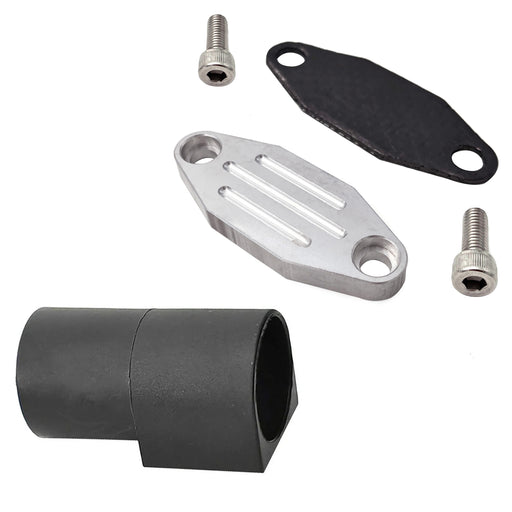
Seguler 1986-1995 Ford F150 F250 F350 Mustang Trucks EGR Simulator Eliminator / Block Off Plate Kit
SEGULEROriginal price $79.99 - Original price $79.99Original price$79.99$79.99 - $79.99Current price $79.99Block Off Plate Material: Aluminum alloy. Easy installation,and convenient to use. Made of CNC milled from aircraft grade Billet aluminum. Will N...
View full details -

Seguler 2011-2023 6.7L Ford Powerstroke Diesel EGR Delete Kit
SEGULEROriginal price $109.99 - Original price $109.99Original price$109.99$109.99 - $109.99Current price $109.99FITMENT 2011-2023 6.7L Ford Powerstroke F-250 F-350 F-450 F-550 Super Duty V8 Diesel. compatible with both standard Pickups and commercial Cab &...
View full details -
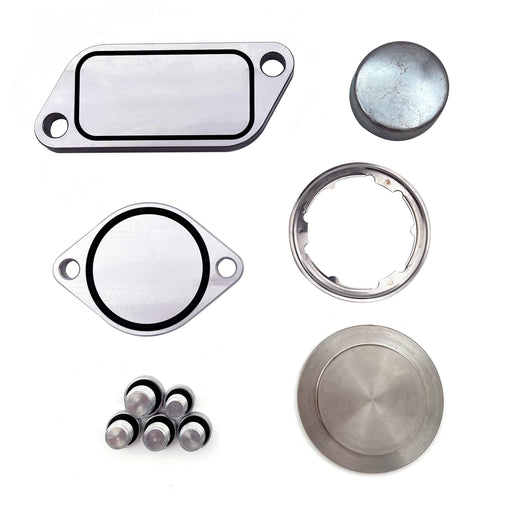
For 2010-Present Stage 2 ISX 15 CM2250 CM2350 EGR Delete Kit
SEGULEROriginal price $59.99 - Original price $59.99Original price$59.99$59.99 - $59.99Current price $59.99FITMENT 2010-Present Cummins Volvo, Peterbilt, Mack, International, Freightliner, Kenworth with the ISX15 CM2250 / CM2350 engines. DESCRIPTION P...
View full details -
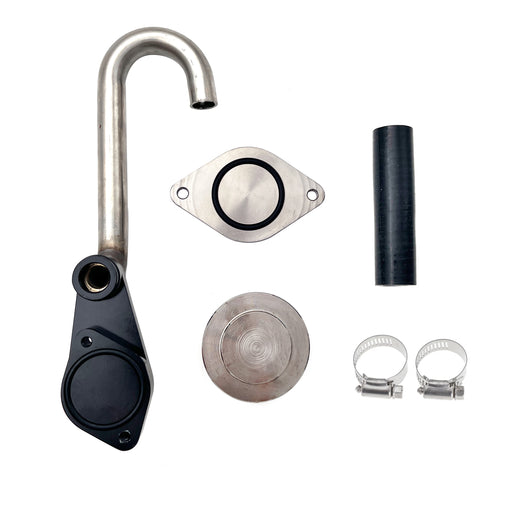
Seguler 2003-2007 6.0L FORD Powerstroke Diesel EGR Cooler Delete Kit
SEGULEROriginal price $56.14 - Original price $56.14Original price$56.14$56.14 - $56.14Current price $56.14FITMENT 2003-2007 6.0L Ford F-250 Ford F-350 F-450 F-550 Super Duty. 2003-2007 6.0L Ford Excursion SUV (Diesel Models Only). 2005-2010 Ford E-Se...
View full details -
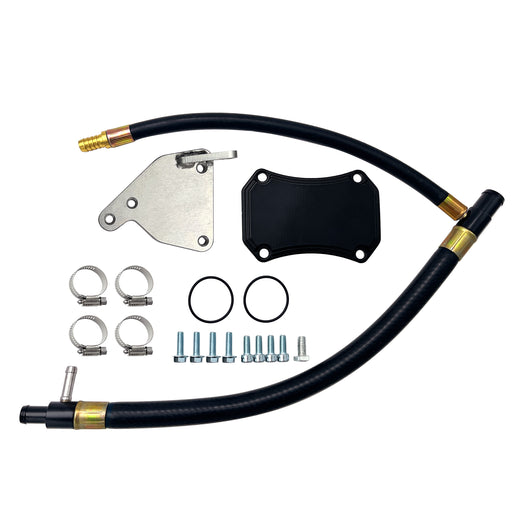
For 2011-2016 6.6L GMC Chevy Duramax Diesel LML EGR Valve Cooler Delete Kit
SEGULEROriginal price $66.49 - Original price $66.49Original price$66.49$66.49 - $66.49Current price $66.49FITMENT 2011-2016 6.6L Chevy GMC Duramax LML 2500 HD 3500 HD Diesel. DESCRIPTION Product Overview The 2011–2016 LML Duramax uses a complex EG...
View full details -
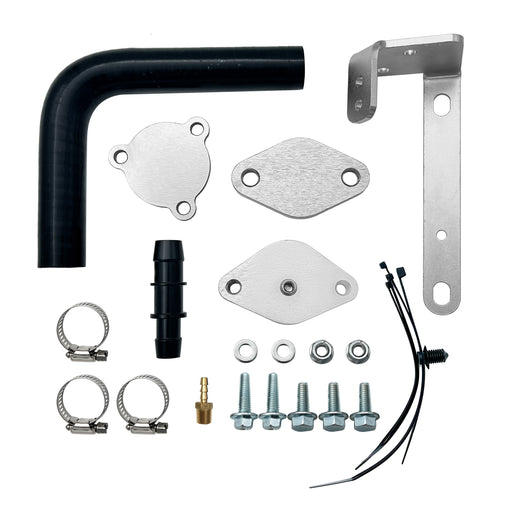
Seguler For 2014-2019 3.0L Dodge Ram 1500 EcoDiesel EGR Valve & Cooler Delete Kit
SEGULEROriginal price $72.99 - Original price $72.99Original price$72.99$72.99 - $72.99Current price $72.99FITMENT 2014-2019 3.0L Dodge Ram 1500 EcoDiesel V6 engine trucks. DESCRIPTION Product Overview Exhaust gas recirculation on 3.0L EcoDiesel V6 ...
View full details -

Seguler 2011-2023 6.7L Ford Powerstroke Diesel EGR Delete Kit
SEGULEROriginal price $85.99 - Original price $85.99Original price$85.99$85.99 - $85.99Current price $85.99FITMENT 2011-2023 6.7L Ford Powerstroke F-250 F-350 F-450 F-550 Super Duty V8 Diesel. compatible with both standard Pickups and commercial Cab &...
View full details -

Seguler 2010-2024 6.7L Dodge Ram Cummins Diesel EGR Valve Cooler Delete Kit
SEGULEROriginal price $89.99 - Original price $89.99Original price$89.99$89.99 - $89.99Current price $89.99FITMENT 2010–2024 6.7L Dodge Ram Cummins 2500 / 3500 Pickup Turbo Diesel. Note: Does NOT fit Chassis Cab 3500 / 4500 / 5500 models. DESCRIPTIO...
View full details -
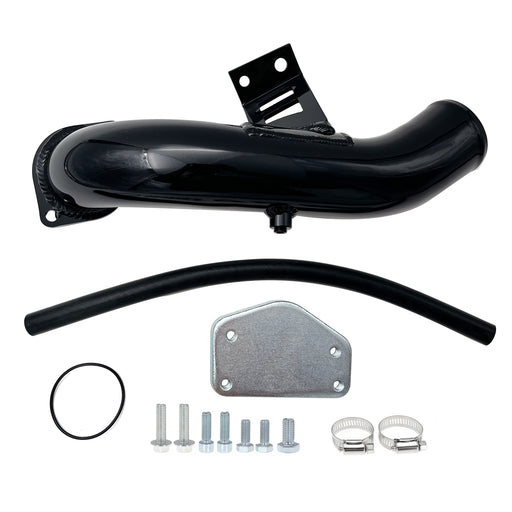
For 2004.5-2005 6.6L Chevy GMC Silverado LLY Duramax Diesel EGR Delete Kit
SEGULEROriginal price $92.99 - Original price $92.99Original price$92.99$92.99 - $92.99Current price $92.99FITMENT 2004.5-2005 6.6L Chevrolet Silverado Duramax LLY 2500HD / 3500 HD. 2004.5-2005 6.6L GMC Sierra Duramax LLY 2500HD / 3500 HD. DESCRIPTION...
View full details -

Seguler 2017-2019 L5P Duramax Diesel 4pcs L5P Can Bus Plugs Connector Replacement
SEGULEROriginal price $75.00 - Original price $75.00Original price$75.00$75.00 - $75.00Current price $75.00FITMENT 2017–2019 Chevrolet Silverado / GMC Sierra Duramax L5P 2500HD & 3500HD Diesel. DESCRIPTION Product Overview Unprotected harness con...
View full details -

Seguler 2020-2023 chevy duramax L5P Diesel Can Bus Plugs Connector
SEGULEROriginal price $80.00 - Original price $80.00Original price$80.00$80.00 - $80.00Current price $80.00FITMENT 2020–2023 Chevrolet Silverado / GMC Sierra Duramax L5P 2500HD & 3500HD Diesel. DESCRIPTION Product Overview Unprotected harness pl...
View full details -
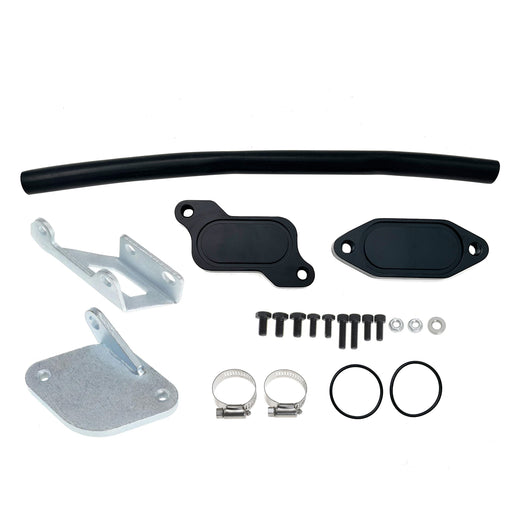
For 2006-2007 6.6L Chevrolet Silverado Classic GMC Duramax LBZ Diesel EGR Valve Cooler Delete Kit
SEGULEROriginal price $63.49 - Original price $63.49Original price$63.49$63.49 - $63.49Current price $63.49FITMENT 2006-2007.4 Chevrolet Silverado Duramax LBZ 2500HD / 3500HD. 2007.4 Chevrolet Silverado Duramax LBZ 2500HD / 3500HD Classic. 2006-2007.4 ...
View full details -

Seguler 2011-2023 6.7L Ford F250 F350 F450 F550 Powerstroke Diesel EGR Valve Delete Cooler Delete Kit
SEGULEROriginal price $55.99 - Original price $55.99Original price$55.99$55.99 - $55.99Current price $55.99FITMENT 2011-2023 6.7L Ford Powerstroke F-250 F-350 F-450 F-550 Super Duty V8 Diesel compatible with both standard Pickups and commercial Cab &a...
View full details -
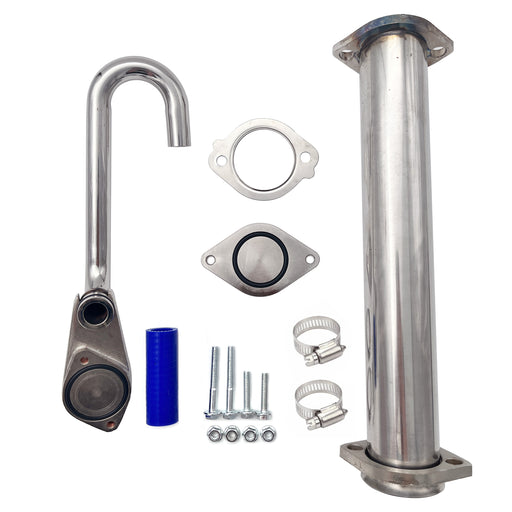
Seguler 2003-2007 6.0L Ford F250 F350 Powerstroke Diesel EGR Basic Cooler Kit
SEGULEROriginal price $79.99 - Original price $79.99Original price$79.99$79.99 - $79.99Current price $79.99FITMENT 2003-2007 6.0L Ford F250 F350 F450 F550 Super Duty Turbo (except 2004 F250 Super Duty). 2003-2005 6.0L Ford Excursion Turbo. 2005 Ford F...
View full details -
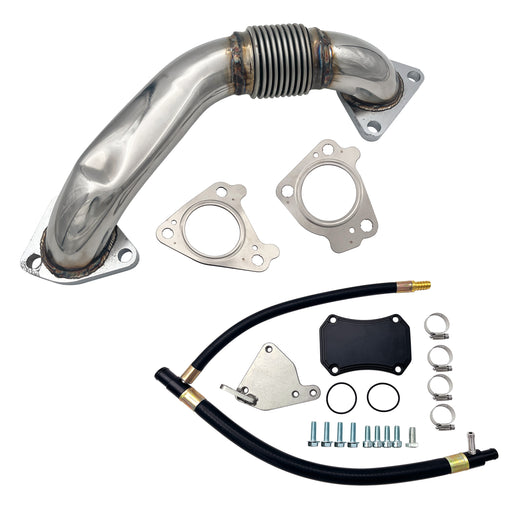
Seguler 2011-2016 6.6L GMC Chevy Duramax Diesel LML Up-Pipe & EGR Valve Cooler Delete Kit
SEGULEROriginal price $173.86 - Original price $173.86Original price$173.86$173.86 - $173.86Current price $173.86FITMENT 2011-2016 6.6L Chevy GMC Duramax LML 2500 HD 3500 HD Diesel. DESCRIPTION Product Overview Direct-injection technology endows GM 5.3L an...
View full details -
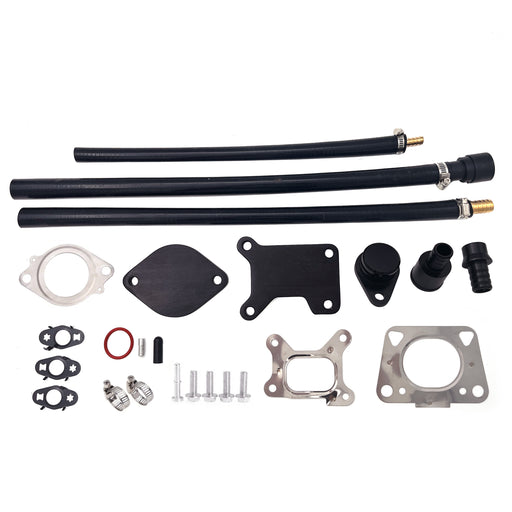
For 2017-2023 6.6L Chevy GMC Duramax L5P diesel EGR Valve Cooler Delete kit
SEGULEROriginal price $131.99 - Original price $131.99Original price$131.99$131.99 - $131.99Current price $131.99FITMENT 2017–2023 6.6L Chevrolet Silverado / GMC Sierra Duramax L5P 2500HD 3500HD Diesel. DESCRIPTION Product Overview Hot soot recirculation ...
View full details -
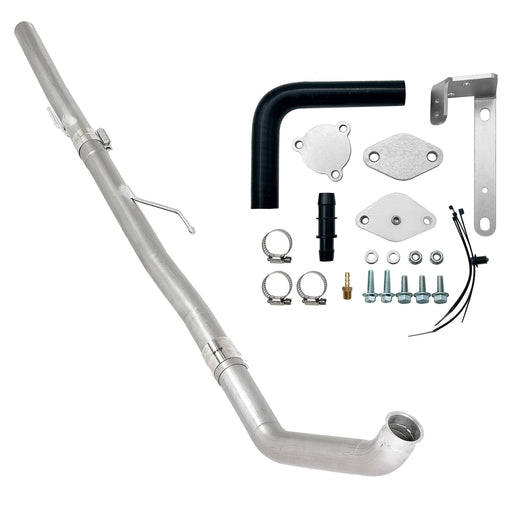
Seguler 3" Ecodiesel DPF Delete Pipe & EGR Delete kit for 2014-2018 3.0L Ram
SEGULEROriginal price $342.00 - Original price $342.00Original price$342.00$342.00 - $342.00Current price $342.00FITMENT 2014–2018 3.0L Dodge Ram 1500 EcoDiesel V6. NOTE: Fit standard Pickup models only (Crew Cab, Quad Cab). Does NOT fit Jeep Grand Cheroke...
View full details -
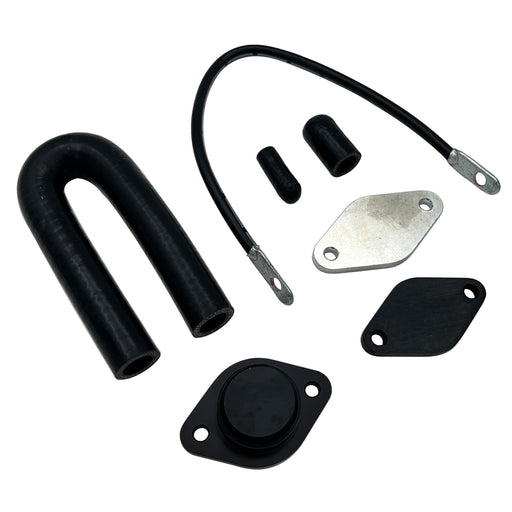
Seguler EGR valve cooler Delete kit for 2020-2022 3.0L Chevy Duramax LM2
SEGULEROriginal price $189.12 - Original price $189.12Original price$189.12$189.12 - $189.12Current price $189.12FITMENT 2020–2022 3.0L Chevrolet Silverado GMC Sierra 1500 LM2 Turbo-Diesel. DESCRIPTION Product Overview Powered by smooth inline-six engine...
View full details -

For 2013-2023 6.7L Dodge Ram Cummins Cab & Chassis EGR Delete Kit Diesel
SEGULEROriginal price $62.99 - Original price $62.99Original price$62.99$62.99 - $62.99Current price $62.99FITMENT 2013–2023 6.7L Ram Cummins 3500 4500 5500 Cab & Chassis / Commercial Trucks. Does NOT fit standard Ram 2500 3500 Pickups. DESCRIPTIO...
View full details -
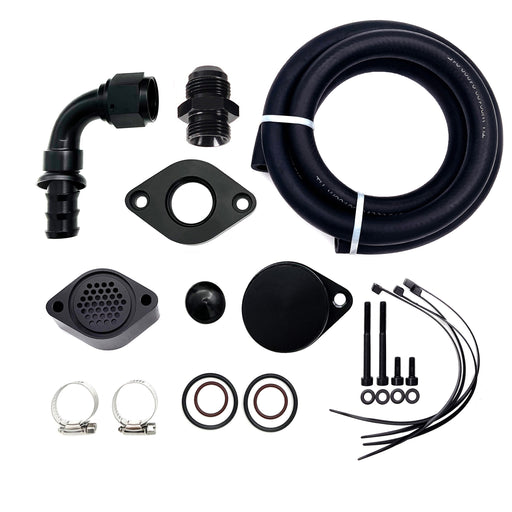
Seguler 2011-2023 6.7L Ford Powerstroke CCV PCV Reroute Engine Ventilation Kit
SEGULEROriginal price $82.99 - Original price $82.99Original price$82.99$82.99 - $82.99Current price $82.99FITMENT 2011-2023 6.7L Ford Powerstroke F-250 F-350 F-450 F-550 Super Duty V8 Diesel. Compatible with both standard Pickups and commercial Cab &...
View full details -
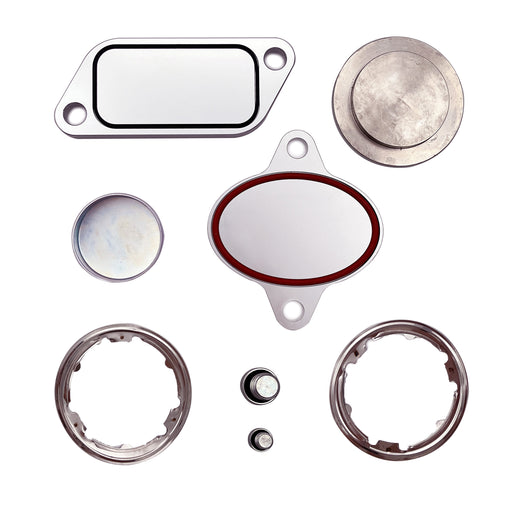
For 2007-2010 Cummins ISX CM871 EGR Plug Kit Stage 2 Plates and Plugs Aluminum
SEGULEROriginal price $67.99 - Original price $67.99Original price$67.99$67.99 - $67.99Current price $67.99FITMENT 2007-2010 Cummins Volvo, Peterbilt, Mack, International, Freightliner, Kenworth with the ISX CM871 Engines. DESCRIPTION Product Overvie...
View full details -
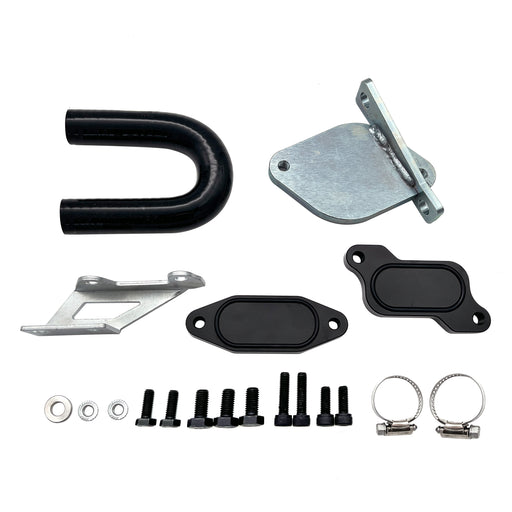
For 2007-2010 6.6L Chevy GMC LMM Duramax EGR Valve Cooler Delete Kit Fit
SEGULEROriginal price $61.99 - Original price $61.99Original price$61.99$61.99 - $61.99Current price $61.99FITMENT 2007.5-2010 6.6L Chevrolet Silverado Duramax LMM 2500HD / 3500HD. 2007.5-2010 6.6L GMC Sierra Duramax LMM 2500HD / 3500HD. Note: Standard...
View full details -
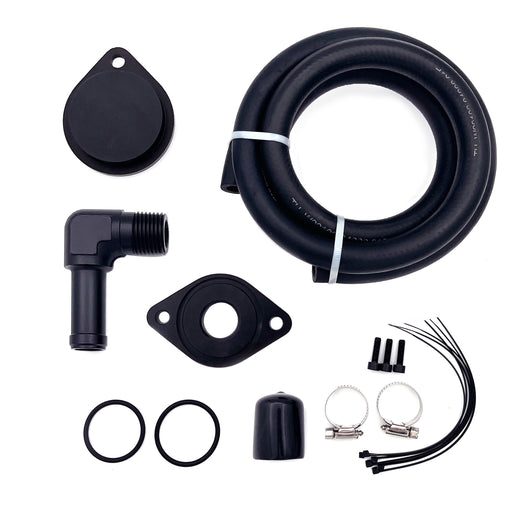
Seguler 2011-2023 Ford 6.7L Powerstroke CCV/PCV Reroute/Delete Engine Ventilation Kit
SEGULEROriginal price $72.00 - Original price $72.00Original price$72.00$72.00 - $72.00Current price $72.00FITMENT 2011-2023 6.7L Ford Powerstroke F-250 F-350 F-450 F-550 Super Duty V8 Diesel. Compatible with both standard Pickups and commercial Cab &...
View full details -
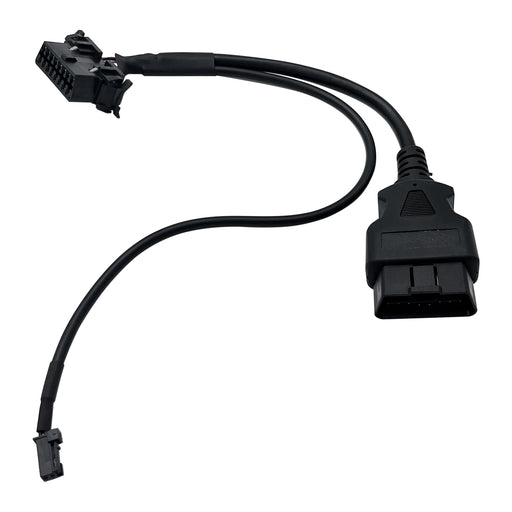
Seguler 2018+ RAM Cummins OBD2 HD Security Gate Bypass Cable
SEGULEROriginal price $45.00 - Original price $45.00Original price$45.00$45.00 - $45.00Current price $45.00FITMENT 2018+ 6.7L Ram Cummins 2500 3500 Turbo Diesel. Designed for Ram pickup trucks equipped with the factory Security Gateway Module. Note: Pl...
View full details -
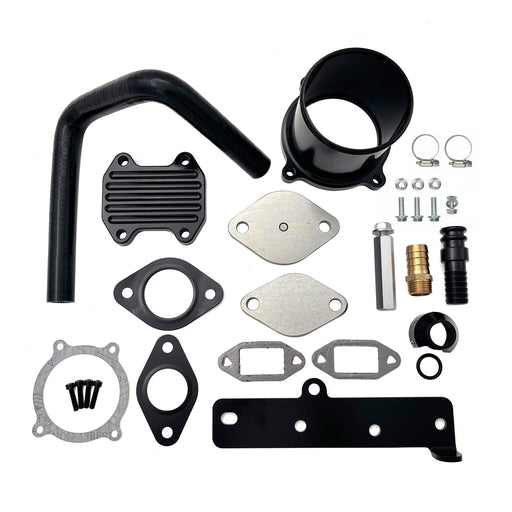
Seguler For 2013-2018 6.7L Dodge RAM 2500 3500 Cummins Diesel EGR Delete Cooler Throttle Valve Delete Kit
SEGULEROriginal price $112.00 - Original price $112.00Original price$112.00$112.00 - $112.00Current price $112.00FITMENT 2013–2018 6.7L Dodge Ram Cummins 2500 & 3500 Pickup Turbo Diesel. Note: Does NOT fit Cab & Chassis (3500 / 4500 / 5500 C&C) m...
View full details


Leave a comment