

DPF Delete: How It Affects Your Engine
How the DPF System Works
The Diesel Particulate Filter is a ceramic substrate housed in a metal canister installed in the exhaust system downstream of the turbocharger. Its microscopic pores capture 85-95% of soot particles from the exhaust stream. As soot accumulates, the Engine Control Module monitors differential pressure across the filter. When soot load reaches approximately 45-50%, the ECM initiates active regeneration — injecting fuel into the exhaust stroke to raise DPF inlet temperatures to 1,000-1,200°F, burning the trapped soot into ash and CO2.
Key Takeaways
- DPF filters capture 85-95% of soot but create exhaust backpressure that reduces turbo efficiency and increases EGTs
- Deleting the DPF eliminates active regeneration cycles, improving fuel economy by 1-3 MPG and reducing oil dilution risk
- Without the DPF, exhaust gas temperatures drop 100-200°F, reducing thermal stress on the turbo and nearby components
- DPF delete is illegal for on-road use in the US under EPA regulations and voids the factory powertrain warranty
- Proper tuning is mandatory after DPF delete — running without a tune will trigger check engine codes and potential limp mode
This system, while effective for emissions compliance, creates several operational challenges that motivate owners to consider DPF deletion.
Positive Effects of DPF Deletion on Engine Performance
1. Increased Horsepower and Torque
The DPF is the single largest flow restriction in a modern diesel exhaust system. It creates measurable backpressure that the engine must overcome during the exhaust stroke — power that would otherwise go to the crankshaft. Removing the DPF and replacing it with a straight-through delete pipe can reduce exhaust backpressure by 40-60%. With proper ECM tuning, this translates to 20-40 additional horsepower and 40-80 lb-ft of torque at the wheels, depending on the engine platform and tune level.
2. Improved Fuel Economy
Active DPF regeneration consumes significant fuel. Each regeneration cycle injects extra diesel into the exhaust stroke — fuel that produces heat, not power. Depending on driving patterns, regeneration can account for 3-8% of total fuel consumption. Eliminating regeneration cycles, combined with the reduced pumping losses from lower backpressure, typically yields a 1-3 MPG improvement. For a truck driven 20,000 miles per year, this represents 75-150 gallons of fuel saved annually.
3. Elimination of Regeneration-Related Issues
Active regeneration introduces several failure modes that DPF deletion eliminates entirely:
- Oil Dilution: When regeneration is interrupted (engine shut off mid-cycle), unburned fuel washes past piston rings and dilutes engine oil, reducing its lubricating properties
- Turbocharger Coking: High exhaust temperatures during regeneration accelerate oil coking in the turbocharger bearing housing
- Forced Regeneration Costs: Dealership-performed forced regenerations for severely clogged DPFs cost $200-400 per service
4. Lower Exhaust Gas Temperatures
Without the DPF acting as a thermal mass and flow restriction, exhaust gases evacuate the system more rapidly. Sustained EGTs can drop by 100-150°F under load, which reduces thermal stress on the turbocharger, exhaust valves, and exhaust manifold gaskets.
5. Reduced Maintenance Costs
Over a 150,000-mile ownership period, DPF-related costs include: pressure sensor replacements ($150-300 each), DPF cleaning every 100,000-150,000 miles ($500-1,000), potential DPF replacement ($2,000-5,000), and DEF fluid refills. Deletion eliminates all of these expenses permanently.
Negative Effects and Risks of DPF Deletion
1. Emissions Compliance
A deleted vehicle will not pass any state or federal emissions inspection. The EPA prohibits tampering with emissions control systems on vehicles operated on public roads. Penalties can include substantial fines and mandatory restoration to factory configuration. In states with diesel emissions testing (California, Colorado, New York, and others), the vehicle cannot be legally registered for on-road use.
2. Warranty Voiding
DPF deletion will void the factory powertrain and emissions warranties. For the 6.7 Powerstroke, this includes the 5-year/100,000-mile diesel engine warranty. Extended warranties typically exclude modifications that alter emissions systems.
3. Resale Value Impact
A deleted truck's resale value is negatively affected in regions with emissions testing, as it limits the buyer pool to those who do not need road-legal status or are willing to restore the emissions systems. Reinstalling factory DPF/EGR/DEF components is expensive — often $3,000-6,000 in parts and labor.
4. Increased Exhaust Noise and Odor
The DPF acts as a sound attenuator in the exhaust system. Its removal produces a louder, more pronounced diesel exhaust note. Additionally, without the DPF and SCR catalyst, the exhaust will have a noticeable diesel odor that may be objectionable to some drivers and passengers, especially at idle.
5. Tuning Dependency
A deleted truck is permanently dependent on its aftermarket tune. If the tuning device fails or if the ECM needs to be reflashed by a dealer for an unrelated issue, the truck will not run without re-tuning. This creates a single point of failure that does not exist with a stock configuration.
FAQs About DPF Deletion
Q1: Can I just delete the DPF without deleting the EGR?
A1: Technically yes, but it is uncommon. The DPF and EGR systems work together — the EGR system's soot output contributes to DPF loading. Deleting the DPF while keeping the EGR means carbon continues entering the intake while exhaust flow improves. Most comprehensive delete packages address both systems simultaneously for maximum benefit.
Q2: Will a DPF delete cause a check engine light?
A2: Without a tune, yes — the ECM will detect missing DPF pressure differential, abnormal EGT sensor readings, and failed NOx sensor readings, triggering multiple DTCs and likely limp mode. A proper tune disables these monitoring functions and provides the correct fuel and timing maps for the delete configuration.
Q3: How does DPF deletion affect turbocharger life?
A3: Generally positively. Lower exhaust backpressure reduces the pressure differential across the turbocharger, decreasing thrust bearing load. Lower sustained EGTs reduce oil coking risk. However, the turbocharger's life ultimately depends on quality oil, proper warm-up and cool-down practices, and the tune's boost and EGT limits.
Q4: Is a DPF delete reversible?
A4: Physically, yes — if you retain all the factory components, they can be reinstalled. However, this is a labor-intensive process (essentially the same labor as the original installation). The ECM must be reflashed to the factory calibration. The cost of reversal (parts, labor, and reflash) can approach the cost of the original delete.
Q5: What supporting modifications are recommended with a DPF delete?
A5: At minimum: a professional ECM tune matched to your hardware configuration, an EGT gauge (if not factory-equipped), and upgraded exhaust manifold gaskets. For higher-horsepower tunes: a cold air intake, upgraded intercooler piping, and a transmission tune (for automatic trucks) are recommended to handle the increased power reliably.
Conclusion
DPF deletion is not a one-dimensional decision. It offers clear performance, efficiency, and maintenance benefits, balanced against significant legal, warranty, and resale implications. The decision to delete should be based on a thorough understanding of your vehicle's intended use, your local regulatory environment, and your tolerance for the risks involved. For off-road and competition applications, browse our DPF delete solutions engineered for precise fit and maximum durability.
Frequently Asked Questions
Does DPF delete damage the engine?
When properly tuned, DPF delete does not damage the engine. In fact, eliminating regeneration cycles reduces thermal stress and oil dilution. However, an untuned delete will cause fault codes and potential engine protection modes.
How much horsepower does a DPF delete add?
A DPF delete combined with a tune typically adds 30-80 horsepower depending on the engine platform and tune calibration. The power gain comes primarily from reduced exhaust backpressure and optimized fuel mapping.
Is DPF delete legal for road use?
No. Removing or bypassing the DPF violates EPA emissions regulations for on-road vehicles in the United States. DPF delete kits are sold for off-road and competition use only.
Can I pass emissions testing with a DPF delete?
No. Vehicles with DPF delete will fail visual and sniffer emissions tests in states that require them. Some states without emissions testing may not detect the modification during routine inspections.
What happens if I delete my DPF without a tuner?
Without a tuner, the ECM will detect missing DPF sensors and trigger check engine lights, fault codes, and potentially put the vehicle into limp mode. A delete-specific tune is essential to disable DPF monitoring.


Featured collection
-
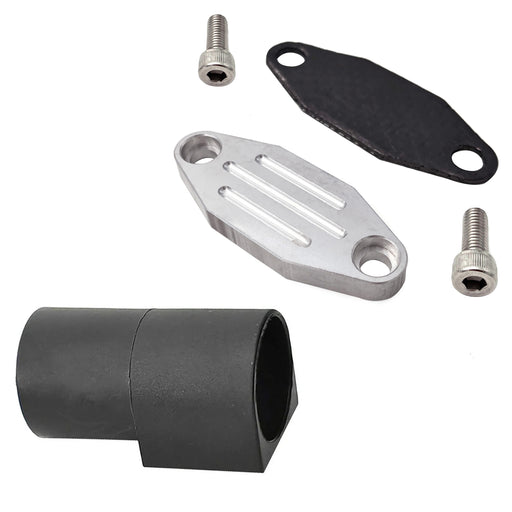
Seguler 1986-1995 Ford F150 F250 F350 Mustang Trucks EGR Simulator Eliminator / Block Off Plate Kit
SEGULEROriginal price $79.99 - Original price $79.99Original price$79.99$79.99 - $79.99Current price $79.99Block Off Plate Material: Aluminum alloy. Easy installation,and convenient to use. Made of CNC milled from aircraft grade Billet aluminum. Will N...
View full details -

Seguler 2011-2023 6.7L Ford Powerstroke Diesel EGR Delete Kit
SEGULEROriginal price $109.99 - Original price $109.99Original price$109.99$109.99 - $109.99Current price $109.99FITMENT 2011-2023 6.7L Ford Powerstroke F-250 F-350 F-450 F-550 Super Duty V8 Diesel. compatible with both standard Pickups and commercial Cab &...
View full details -
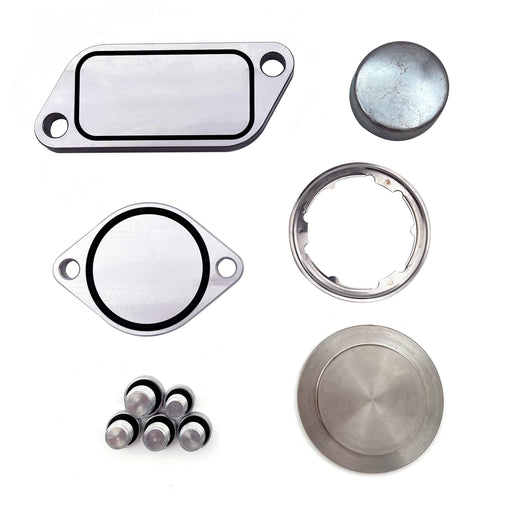
For 2010-Present Stage 2 ISX 15 CM2250 CM2350 EGR Delete Kit
SEGULEROriginal price $59.99 - Original price $59.99Original price$59.99$59.99 - $59.99Current price $59.99FITMENT 2010-Present Cummins Volvo, Peterbilt, Mack, International, Freightliner, Kenworth with the ISX15 CM2250 / CM2350 engines. DESCRIPTION P...
View full details -
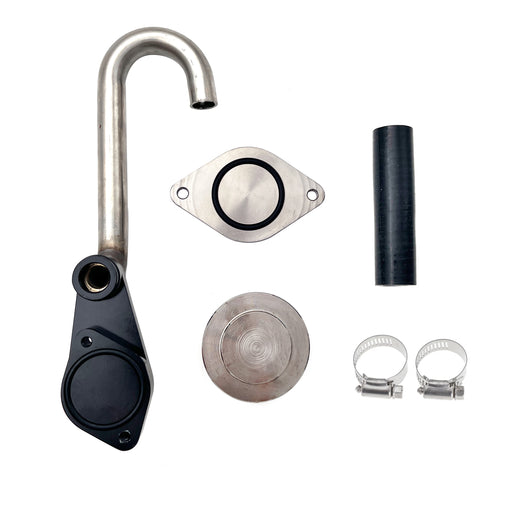
Seguler 2003-2007 6.0L FORD Powerstroke Diesel EGR Cooler Delete Kit
SEGULEROriginal price $56.14 - Original price $56.14Original price$56.14$56.14 - $56.14Current price $56.14FITMENT 2003-2007 6.0L Ford F-250 Ford F-350 F-450 F-550 Super Duty. 2003-2007 6.0L Ford Excursion SUV (Diesel Models Only). 2005-2010 Ford E-Se...
View full details -
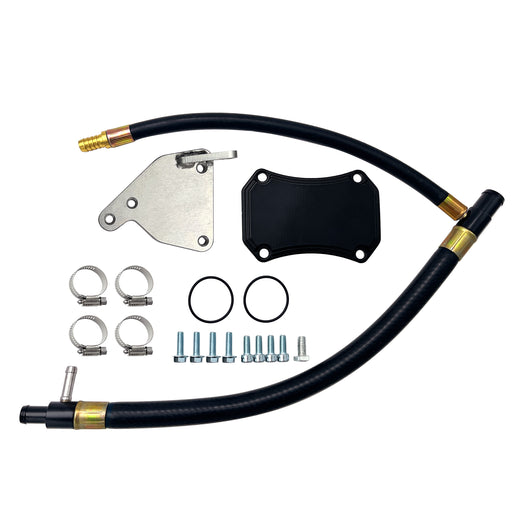
For 2011-2016 6.6L GMC Chevy Duramax Diesel LML EGR Valve Cooler Delete Kit
SEGULEROriginal price $66.49 - Original price $66.49Original price$66.49$66.49 - $66.49Current price $66.49FITMENT 2011-2016 6.6L Chevy GMC Duramax LML 2500 HD 3500 HD Diesel. DESCRIPTION Product Overview The 2011–2016 LML Duramax uses a complex EG...
View full details -
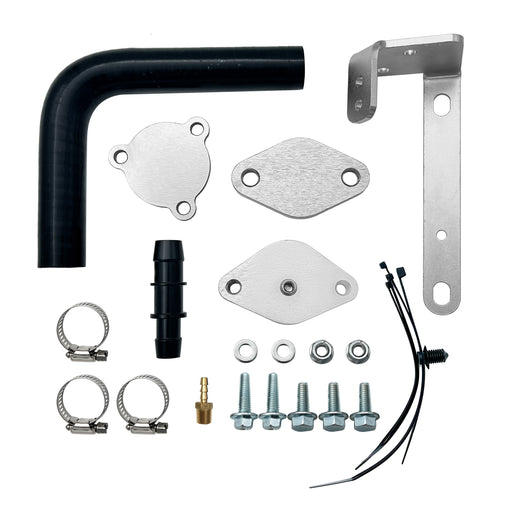
Seguler For 2014-2019 3.0L Dodge Ram 1500 EcoDiesel EGR Valve & Cooler Delete Kit
SEGULEROriginal price $72.99 - Original price $72.99Original price$72.99$72.99 - $72.99Current price $72.99FITMENT 2014-2019 3.0L Dodge Ram 1500 EcoDiesel V6 engine trucks. DESCRIPTION Product Overview Exhaust gas recirculation on 3.0L EcoDiesel V6 ...
View full details -

Seguler 2011-2023 6.7L Ford Powerstroke Diesel EGR Delete Kit
SEGULEROriginal price $85.99 - Original price $85.99Original price$85.99$85.99 - $85.99Current price $85.99FITMENT 2011-2023 6.7L Ford Powerstroke F-250 F-350 F-450 F-550 Super Duty V8 Diesel. compatible with both standard Pickups and commercial Cab &...
View full details -

Seguler 2010-2024 6.7L Dodge Ram Cummins Diesel EGR Valve Cooler Delete Kit
SEGULEROriginal price $89.99 - Original price $89.99Original price$89.99$89.99 - $89.99Current price $89.99FITMENT 2010–2024 6.7L Dodge Ram Cummins 2500 / 3500 Pickup Turbo Diesel. Note: Does NOT fit Chassis Cab 3500 / 4500 / 5500 models. DESCRIPTIO...
View full details -
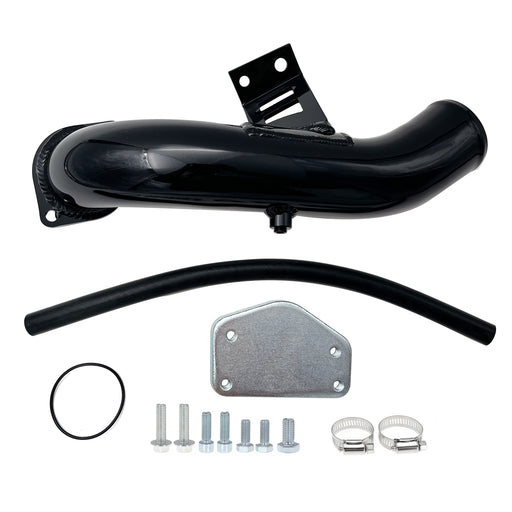
For 2004.5-2005 6.6L Chevy GMC Silverado LLY Duramax Diesel EGR Delete Kit
SEGULEROriginal price $92.99 - Original price $92.99Original price$92.99$92.99 - $92.99Current price $92.99FITMENT 2004.5-2005 6.6L Chevrolet Silverado Duramax LLY 2500HD / 3500 HD. 2004.5-2005 6.6L GMC Sierra Duramax LLY 2500HD / 3500 HD. DESCRIPTION...
View full details -

Seguler 2017-2019 L5P Duramax Diesel 4pcs L5P Can Bus Plugs Connector Replacement
SEGULEROriginal price $75.00 - Original price $75.00Original price$75.00$75.00 - $75.00Current price $75.00FITMENT 2017–2019 Chevrolet Silverado / GMC Sierra Duramax L5P 2500HD & 3500HD Diesel. DESCRIPTION Product Overview Unprotected harness con...
View full details -

Seguler 2020-2023 chevy duramax L5P Diesel Can Bus Plugs Connector
SEGULEROriginal price $80.00 - Original price $80.00Original price$80.00$80.00 - $80.00Current price $80.00FITMENT 2020–2023 Chevrolet Silverado / GMC Sierra Duramax L5P 2500HD & 3500HD Diesel. DESCRIPTION Product Overview Unprotected harness pl...
View full details -
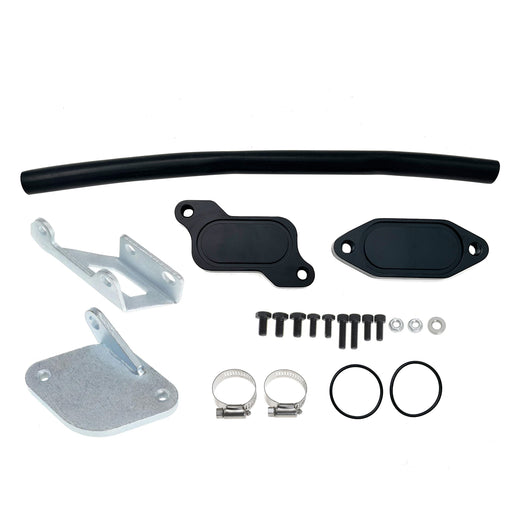
For 2006-2007 6.6L Chevrolet Silverado Classic GMC Duramax LBZ Diesel EGR Valve Cooler Delete Kit
SEGULEROriginal price $63.49 - Original price $63.49Original price$63.49$63.49 - $63.49Current price $63.49FITMENT 2006-2007.4 Chevrolet Silverado Duramax LBZ 2500HD / 3500HD. 2007.4 Chevrolet Silverado Duramax LBZ 2500HD / 3500HD Classic. 2006-2007.4 ...
View full details -

Seguler 2011-2023 6.7L Ford F250 F350 F450 F550 Powerstroke Diesel EGR Valve Delete Cooler Delete Kit
SEGULEROriginal price $55.99 - Original price $55.99Original price$55.99$55.99 - $55.99Current price $55.99FITMENT 2011-2023 6.7L Ford Powerstroke F-250 F-350 F-450 F-550 Super Duty V8 Diesel compatible with both standard Pickups and commercial Cab &a...
View full details -
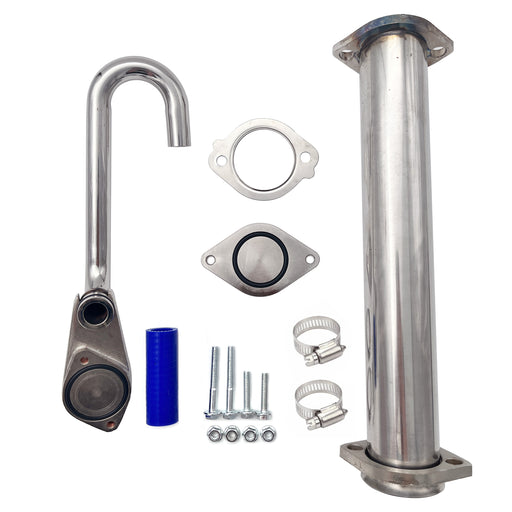
Seguler 2003-2007 6.0L Ford F250 F350 Powerstroke Diesel EGR Basic Cooler Kit
SEGULEROriginal price $79.99 - Original price $79.99Original price$79.99$79.99 - $79.99Current price $79.99FITMENT 2003-2007 6.0L Ford F250 F350 F450 F550 Super Duty Turbo (except 2004 F250 Super Duty). 2003-2005 6.0L Ford Excursion Turbo. 2005 Ford F...
View full details -
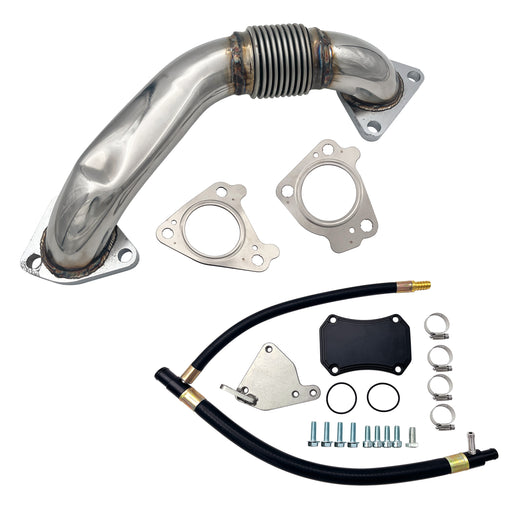
Seguler 2011-2016 6.6L GMC Chevy Duramax Diesel LML Up-Pipe & EGR Valve Cooler Delete Kit
SEGULEROriginal price $173.86 - Original price $173.86Original price$173.86$173.86 - $173.86Current price $173.86FITMENT 2011-2016 6.6L Chevy GMC Duramax LML 2500 HD 3500 HD Diesel. DESCRIPTION Product Overview Direct-injection technology endows GM 5.3L an...
View full details -
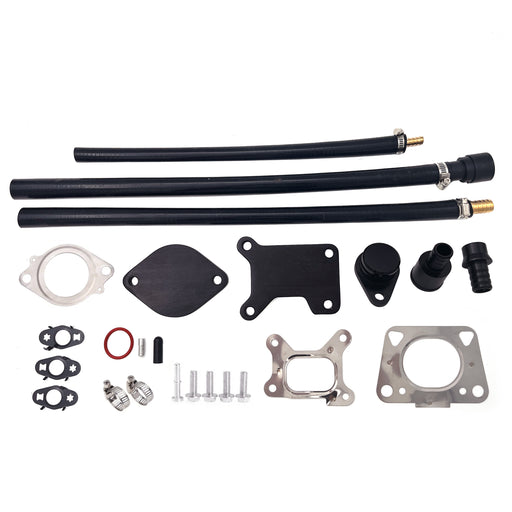
For 2017-2023 6.6L Chevy GMC Duramax L5P diesel EGR Valve Cooler Delete kit
SEGULEROriginal price $131.99 - Original price $131.99Original price$131.99$131.99 - $131.99Current price $131.99FITMENT 2017–2023 6.6L Chevrolet Silverado / GMC Sierra Duramax L5P 2500HD 3500HD Diesel. DESCRIPTION Product Overview Hot soot recirculation ...
View full details -
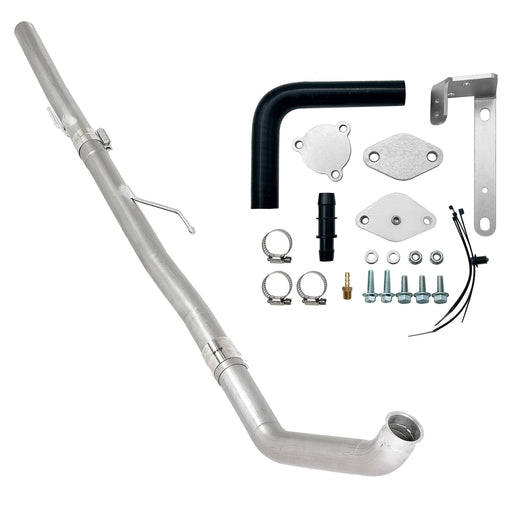
Seguler 3" Ecodiesel DPF Delete Pipe & EGR Delete kit for 2014-2018 3.0L Ram
SEGULEROriginal price $342.00 - Original price $342.00Original price$342.00$342.00 - $342.00Current price $342.00FITMENT 2014–2018 3.0L Dodge Ram 1500 EcoDiesel V6. NOTE: Fit standard Pickup models only (Crew Cab, Quad Cab). Does NOT fit Jeep Grand Cheroke...
View full details -
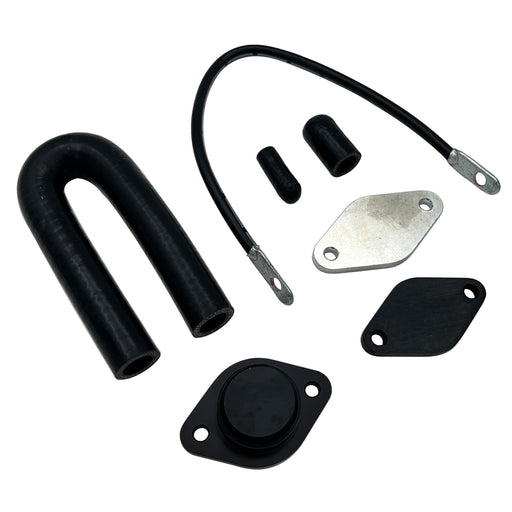
Seguler EGR valve cooler Delete kit for 2020-2022 3.0L Chevy Duramax LM2
SEGULEROriginal price $189.12 - Original price $189.12Original price$189.12$189.12 - $189.12Current price $189.12FITMENT 2020–2022 3.0L Chevrolet Silverado GMC Sierra 1500 LM2 Turbo-Diesel. DESCRIPTION Product Overview Powered by smooth inline-six engine...
View full details -

For 2013-2023 6.7L Dodge Ram Cummins Cab & Chassis EGR Delete Kit Diesel
SEGULEROriginal price $62.99 - Original price $62.99Original price$62.99$62.99 - $62.99Current price $62.99FITMENT 2013–2023 6.7L Ram Cummins 3500 4500 5500 Cab & Chassis / Commercial Trucks. Does NOT fit standard Ram 2500 3500 Pickups. DESCRIPTIO...
View full details -
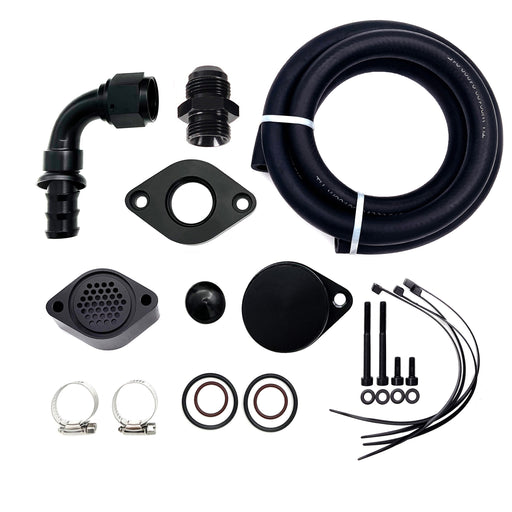
Seguler 2011-2023 6.7L Ford Powerstroke CCV PCV Reroute Engine Ventilation Kit
SEGULEROriginal price $82.99 - Original price $82.99Original price$82.99$82.99 - $82.99Current price $82.99FITMENT 2011-2023 6.7L Ford Powerstroke F-250 F-350 F-450 F-550 Super Duty V8 Diesel. Compatible with both standard Pickups and commercial Cab &...
View full details -
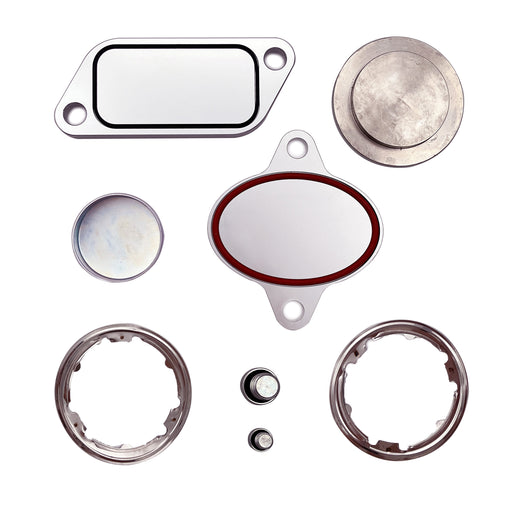
For 2007-2010 Cummins ISX CM871 EGR Plug Kit Stage 2 Plates and Plugs Aluminum
SEGULEROriginal price $67.99 - Original price $67.99Original price$67.99$67.99 - $67.99Current price $67.99FITMENT 2007-2010 Cummins Volvo, Peterbilt, Mack, International, Freightliner, Kenworth with the ISX CM871 Engines. DESCRIPTION Product Overvie...
View full details -
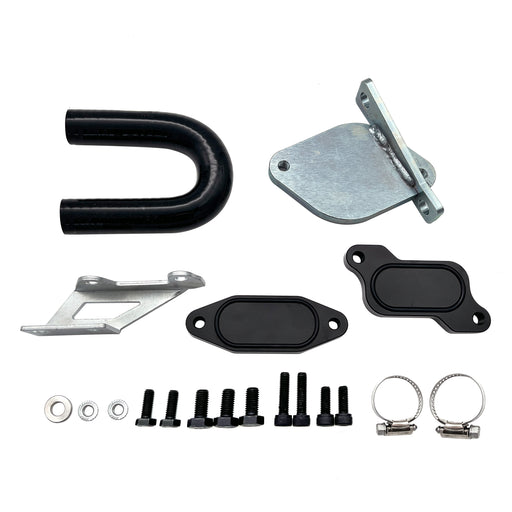
For 2007-2010 6.6L Chevy GMC LMM Duramax EGR Valve Cooler Delete Kit Fit
SEGULEROriginal price $61.99 - Original price $61.99Original price$61.99$61.99 - $61.99Current price $61.99FITMENT 2007.5-2010 6.6L Chevrolet Silverado Duramax LMM 2500HD / 3500HD. 2007.5-2010 6.6L GMC Sierra Duramax LMM 2500HD / 3500HD. Note: Standard...
View full details -
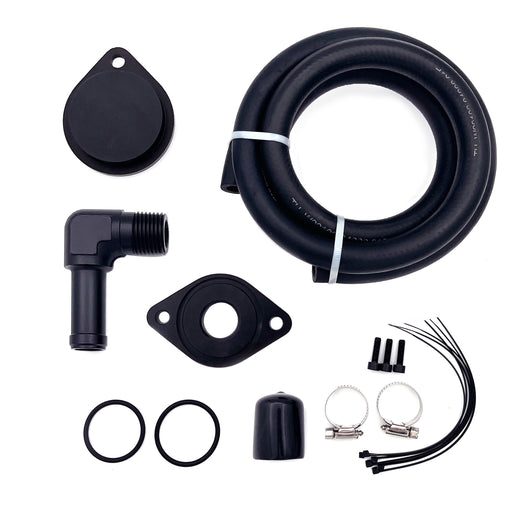
Seguler 2011-2023 Ford 6.7L Powerstroke CCV/PCV Reroute/Delete Engine Ventilation Kit
SEGULEROriginal price $72.00 - Original price $72.00Original price$72.00$72.00 - $72.00Current price $72.00FITMENT 2011-2023 6.7L Ford Powerstroke F-250 F-350 F-450 F-550 Super Duty V8 Diesel. Compatible with both standard Pickups and commercial Cab &...
View full details -
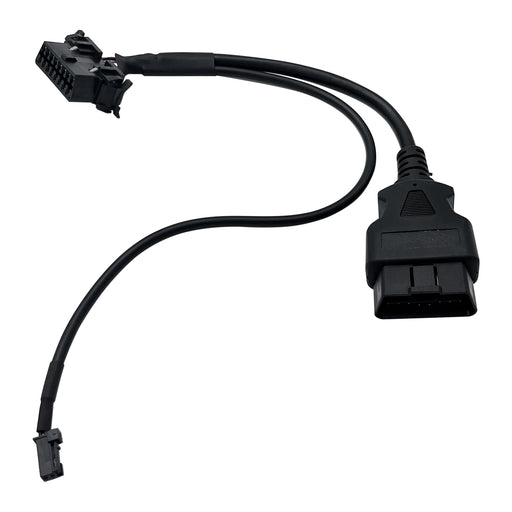
Seguler 2018+ RAM Cummins OBD2 HD Security Gate Bypass Cable
SEGULEROriginal price $45.00 - Original price $45.00Original price$45.00$45.00 - $45.00Current price $45.00FITMENT 2018+ 6.7L Ram Cummins 2500 3500 Turbo Diesel. Designed for Ram pickup trucks equipped with the factory Security Gateway Module. Note: Pl...
View full details -
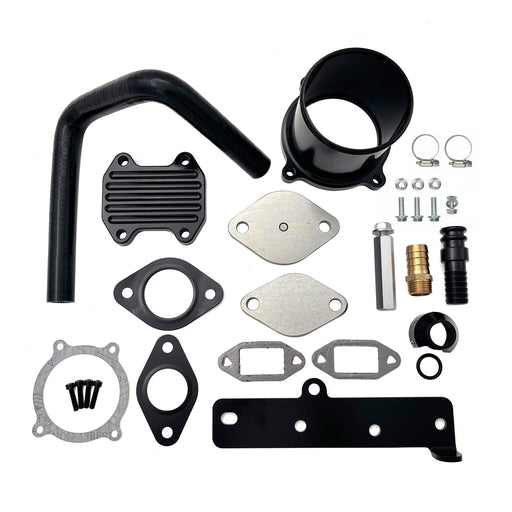
Seguler For 2013-2018 6.7L Dodge RAM 2500 3500 Cummins Diesel EGR Delete Cooler Throttle Valve Delete Kit
SEGULEROriginal price $112.00 - Original price $112.00Original price$112.00$112.00 - $112.00Current price $112.00FITMENT 2013–2018 6.7L Dodge Ram Cummins 2500 & 3500 Pickup Turbo Diesel. Note: Does NOT fit Cab & Chassis (3500 / 4500 / 5500 C&C) m...
View full details


Leave a comment