

6.4L Powerstroke DPF Delete — End the Regen and Fuel Dilution
The 2008–2010 6.4L Powerstroke is the one diesel where a DPF delete isn’t a performance upgrade — it’s a survivability modification. Every active regeneration cycle injects raw diesel through the main injectors during the exhaust stroke, and 10–20% of that fuel washes past the piston rings into the crankcase. Over a single oil-change interval, that builds to 5–8% fuel dilution — enough to thin 15W-40 oil to the point where it can no longer protect the main and rod bearings.
For off-road / competition use only. Not legal for on-road use in emissions-regulated areas. Check your local, state, and federal laws before modifying any emissions-related component.
How DPF Regeneration Works — and Why It Needs Extra Fuel
To understand why the 6.4L’s version of this system is so destructive, you first need to understand what regeneration is actually doing.
What the DPF Is
The diesel particulate filter is a ceramic honeycomb mounted in the exhaust stream. Exhaust gas flows through its porous walls, and the soot particles — the black carbon that used to pour out of older diesel tailpipes — get trapped on the way through. The same way a paper element catches dirt before it reaches the engine, the DPF catches soot before it reaches the tailpipe.
The catch is that the DPF can’t simply be thrown away and replaced every few thousand miles. It has to clean itself — and that cleaning process is regeneration.
Passive vs. Active Regeneration
There are two ways the DPF burns off trapped soot:
-
Passive regeneration happens on its own when exhaust temperatures are naturally high enough — typically sustained highway cruising at speed. The catalyst coating on the DPF surface helps burn off captured soot without the engine doing anything extra.
-
Active regeneration kicks in when passive regen can’t keep up. The ECM commands extra fuel to raise exhaust temperature high enough to burn off the accumulated soot. This is where the trouble starts, because that “extra fuel” has to come from somewhere.
How the ECM Decides to Regen
The DPF has a back-pressure sensor (and, on many systems, a differential-pressure sensor) that watches how much the filter is restricting exhaust flow. As soot builds up, back-pressure rises. When it crosses a threshold, the sensor tells the ECM “this filter is getting plugged,” and the ECM initiates an active regeneration.
The regen has to meet specific conditions:
On the 6.4L, the engine needs to be above roughly 170°F (so the thermostat is working and the engine is at operating temperature) and typically traveling above 35 mph. If those conditions aren’t met, the regen either waits or runs only partially — which is exactly the scenario that causes the worst fuel-dilution problems.
Soot vs. Ash: What Regeneration Can and Can’t Remove
The distinction matters because it explains why the DPF is a wear item even when everything works:
-
Soot is unburned carbon. Regeneration burns it off — that’s the whole point of the cycle.
-
Ash is what’s left after soot burns, plus the metallic residue from the engine oil’s additive package. Ash cannot be burned off. It accumulates in the filter permanently and eventually blocks it.
That’s why the correct low-SAPS (low sulfated ash, phosphorus, sulfur) engine oil is critical on a DPF-equipped diesel: the wrong oil’s additive chemistry produces ash. But even with the right oil, ash slowly builds, and the DPF eventually needs cleaning or replacement.
Why Regeneration Needs Fuel at All
Burning soot requires temperatures far above normal diesel exhaust. At cruise, a diesel’s exhaust runs several hundred degrees Fahrenheit. To ignite the trapped soot, the system needs to push the exhaust up to roughly 1,100°F — hot enough to incinerate the carbon inside the filter.
The only practical way to hit that temperature on demand is to add fuel.
Why the 6.4L’s DPF System Is Fundamentally Different — and Worse
A First-Generation Design, Rushed to Market
The 6.4L Powerstroke was Ford’s first diesel with a factory diesel particulate filter, built on a compressed timeline to hit 2008 EPA Tier 2 Bin 5 standards. The regeneration strategy Ford shipped would not have survived another two years of development.
How Later Diesels Solved It: The Ninth Injector
On modern aftertreatment systems active regeneration injects fuel through a dedicated ninth injector mounted in the exhaust stream, downstream of the turbo. That fuel ignites in the diesel oxidation catalyst, producing the ~1,100°F exhaust temperature needed to burn soot out of the DPF without ever entering a combustion chamber. The fuel never touches a piston ring.
How the 6.4L Does It: Post-Injection Through the Main Injectors
The 6.4L has no ninth injector. Instead, it injects regeneration fuel through the main injectors during the exhaust stroke — after combustion has finished and the piston is traveling upward to expel spent gases. The ECM commands a precise quantity of diesel into the cylinder with the exhaust valve open, and the raw fuel travels through the exhaust manifold and into the DOC where it ignites. This is post-injection regeneration, and it is the root of every major 6.4L reliability problem.
The Fuel Dilution Mechanism: How Regeneration “Makes Oil”
Fuel dilution on a 6.4L doesn’t happen gradually — it happens in discrete events.
An active regen lasts 10–25 minutes depending on soot load. During that window, the ECM commands post-injection quantities totaling roughly 0.2–0.4 gallons of diesel. About 80–90% of that reaches the DOC and ignites. The remaining 10–20% — about 0.02 to 0.08 gallons per cycle — condenses on the cylinder walls and enters the crankcase.
The Math Explains the 6.4L’s Reputation:
- A truck in mixed driving regens roughly every 300 miles.
- Over a 5,000-mile oil-change interval, that’s about 17 regeneration cycles.
- At 0.02–0.08 gallons of fuel per cycle, that’s 0.34–1.36 gallons of diesel entering the oil.
- The 6.4L holds 15 quarts (3.75 gallons) of oil. One gallon of diesel in that sump is 7–8% fuel dilution.
The Consequences are Mechanical
- At 5% dilution — 15W-40 oil loses 20–30% of its kinematic viscosity. It behaves like 10W-30.
- At 8%, it behaves like 5W-20. The main and rod bearings were designed for 15W-40 film strength at operating temperature.
- When the oil thins to half its intended viscosity, the bearing-to-journal clearance collapses under load, and the result is a spun bearing.
What Would Happen If These Data Occurred in Reality?
One owner of a 2009 F-350 reported his truck flagging an “engine high oil level” warning — the level was rising because diesel was entering the sump faster than the engine burned oil. He deleted the DPF. His next used-oil analysis at 5,000 miles showed less than 0.5% fuel, down from 6.2% before the delete. The oil level stopped rising. The iron and chromium wear metals — indicators of ring and cylinder-wall wear — dropped by half.
Why the Regen Cycle Also Wrecks Your Fuel Economy
Partial Regens: The Filter That Never Gets Clean
The regen process overfuels the engine to push exhaust temperatures high enough to burn trapped soot. On a truck that only ever completes partial regenerations — stop-and-go driving, short trips, interrupted highway runs — the filter never fully clears. It drops just below the trigger threshold, then climbs back over it within 10–50 miles. The truck spends its life cycling in and out of regen.
What That Costs at the Pump
Owners who drive this way routinely report 7–9 MPG, because the engine is constantly injecting extra fuel to clean a filter that never gets clean. The same owner who drained 19–20 quarts of “oil” also watched his fuel economy climb roughly 1 MPG after the delete — not because of a power gain, but because the engine stopped pouring diesel down the exhaust stroke.
The fix is the same in both cases: end the regeneration cycle, and both the oil dilution and the fuel waste stop at the source.
How to Tell Your 6.4L Is Diluting Its Oil Right Now
You don’t need a UOA kit to spot the early warning signs. The truck tells you:
- The oil level rises on the dipstick — the single clearest signal. Diesel is entering the sump faster than the engine consumes oil.
- The oil smells like diesel — a sharp fuel smell on the dipstick is dilution, not normal diesel carbon odor.
- The oil looks thin and pale between changes — diluted oil loses the thick, dark character of healthy diesel oil and runs noticeably thinner.
- Frequent regens — a regen every 100 miles or less, or a truck that seems to be “always” in a regen cycle.
- Fuel economy in the single digits — 7–9 MPG in mixed driving points to constant partial regens.
If you’re seeing the oil level creep up between changes, that is fuel dilution in its most visible form. Left alone, it is the direct path to a spun bearing and a $8,000–$12,000 bottom-end rebuild.
What a DPF Delete Actually Fixes
A DPF delete attacks the problem at its source, in one move:
- Stops regeneration entirely. No more post-injection events, no more raw fuel sprayed into the cylinders on the exhaust stroke.
- Ends fuel dilution. When the post-injection stops, diesel stops entering the crankcase. Oil levels stabilize, viscosity holds, and the bearings get the film strength they were designed for.
- Recovers the fuel the regen was wasting. The diesel that was previously burned purely to clean the filter is now zero.
- Reduces backpressure. A straight-through pipe removes the DPF and DOC, which generate measurable pumping losses at every engine speed.
- Removes the DPF as a failure point. No filter to clog, crack, or eventually require a $3,000–$5,000 replacement.
The result is measurable across three dimensions, and the honest numbers are smaller than the marketing suggests.
Exhaust Gas Temperature
A stock 6.4L at highway cruise runs 700–900°F at the turbo inlet. During regen, post-injection spikes that to 1,100–1,250°F — heat cycles the turbo, cylinder head, and exhaust valves endure repeatedly over the engine’s life. A deleted 6.4L on a conservative tune cruises at 550–700°F under the same conditions and never sees a regeneration spike.
Fuel Economy
The realistic gain is 1.5–3.0 MPG in mixed driving — not the 4–6 MPG some sellers advertise. A truck that averaged 11 MPG stock may average 13–14 after delete and tune. The exact number depends on the tune, with a conservative street calibration producing the low end and a highway-optimized custom file the high end.
Oil Health
This is the metric that actually matters on a 6.4L. Used-oil analysis from a deleted truck consistently shows fuel dilution below 0.5% at a 5,000-mile interval, versus 5–8% stock. Viscosity stays within grade for the full interval. Wear metals drop to levels consistent with a healthy engine. The oil finally does what it’s supposed to do.
Why the EGR Has to Go With It
The DPF and EGR are separate components with separate delete kits — but on the 6.4L they are one job, and here’s the proof.
A 2008 F-450 owner deleted his DPF but left the EGR coolers intact “for a few months.” When you delete the DPF and tune the truck, the EGR valve is commanded shut 100% of the time. The recirculated soot-laden exhaust that would normally flow through the coolers has nowhere to go — it packs into the coolers and fills them up. Within a few months, the horizontal EGR cooler ruptured.
The mechanism is simple and it’s why the two deletes belong together:
- Deleting the DPF without the EGR leaves the EGR coolers as a live failure point, now filling with trapped soot.
- Deleting the EGR without the DPF removes the soot source but leaves the DPF to clog faster from richer, hotter combustion.
A bundled kit that addresses both in a single teardown eliminates redundant labor behind the tightly-packed 6.4L firewall — the parts you have to remove for EGR work are the same parts you’re already accessing for the exhaust work.
What a Delete Won’t Fix — the Honest Limit
Deleting the DPF and EGR removes the emissions-induced failure modes. It does not make the 6.4L bulletproof.
Arnie, speaking for Diesel USA and Performance Turbochargers — one of the largest Garrett master distributors in the country — was asked directly whether you can bulletproof a 6.4L. His answer: “My first answer is no. I would just advise getting a different engine.” He goes on to describe the catastrophic failures his shops see: cylinder-head failures, valves breaking off the stem and getting sucked into the next cylinder, “popcorn machine” teardowns.
A delete does not address:
- Pistons — the factory pistons have a weak crown design and can crack under high boost or heavy tuning, regardless of emissions.
- Valve train — valve failures are an internal problem no pipe fixes.
- Up-pipe bellows — the exhaust up-pipes crack from heat and vibration on their own; that’s a separate fix.
- The CP4 concern — actually the 6.4L uses the Siemens K16 pump, a different unit with its own known failure mode; no delete addresses it.
- Blow-by and crankcase pressure — a separate catch-can/reroute job.
The realistic framing, repeated by honest long-term owners, is this: do the delete, run a mild tune, keep the oil changed at 5,000 miles, and don’t chase big horsepower. That’s the recipe that gets a 6.4L past 200,000 miles.
The Up-Pipe: A Separate Weak Point Worth Knowing
What the Up-Pipes Are, and Why They Crack
In simple terms, the up-pipes are the two short exhaust tubes that carry exhaust gas from the exhaust manifolds up to the turbocharger. They sit in the tight space at the back of the engine, ahead of the turbo. Because the 6.4L runs a compound twin-turbo setup, those up-pipes carry high heat, pressure, and vibration, and the factory units have thin walls with flexible bellows sections that fatigue and crack over time.
The Tell-Tale Symptom: A Screech Under Boost
When an up-pipe bellows cracks, exhaust leaks out before it reaches the turbo — a pre-turbo leak that robs drive pressure and shows up as a high-pitched screech or whistle under boost. It’s one of the most commonly misdiagnosed problems on this platform: owners replace a perfectly good turbo chasing a sound that a cracked up-pipe was making all along.
Why It Belongs in Your Delete
The reason it belongs in the same conversation as a delete is that the SG-ER-0233 kit already bundles T-304 stainless up-pipes with the delete pipe and EGR hardware — because the firewall-side teardown that the delete requires is the same teardown you need to reach the up-pipes. Doing them together avoids paying for that disassembly twice. For a full breakdown of the symptoms, the pre-turbo vs. post-turbo distinction, and how to diagnose it, see our dedicated guide: 6.4L Powerstroke Up-Pipe — Why Your Truck Screeches Under Boost.
The Cost Math: Cheaper Than One Dealer Repair
The physical pipe is the cheap part. Tuning is the cost center, and it’s the one piece people underestimate.
| Line item | Cost |
|---|---|
| 4" Cat & DPF delete pipe + EGR delete kit | $401.99 |
| Delete tune (handheld or custom) | $500–$1,200 |
| Labor (2–3 hours DIY, or shop rate) | $0–$300 |
| Total | $900–$1,900 |
Set that against what the stock system costs to keep alive:
- DPF replacement at a Ford dealer: $3,000–$5,000 for the part alone.
- EGR cooler replacement: $2,000–$2,500.
- Bottom-end rebuild after a spun bearing: $8,000–$12,000.
The entire delete — pipe, EGR kit, and tune — costs less than a single DPF replacement, and a fraction of what a fuel-dilution bearing failure costs. That’s the math that makes “survivability modification” the honest label.
The Product: One Kit, Both Systems
The Seguler 4" Cat & DPF Delete Pipe & EGR Delete Kit bundles the two deletes the 6.4L needs into a single firewall-side teardown.

What’s in it:
- 4" mandrel-bent Cat-DPF delete pipe — replaces the restrictive factory Cat-DPF canister with a straight-through section that restores unrestricted exhaust evacuation and stops regeneration cycles.
- EGR delete hardware — removes both factory EGR coolers, blocking carbon sludge from reaching the intake and eliminating the risk of coolant leakage through failed cooler cores.
- Heavy-duty up-pipes in T-304 stainless — with inner-interlocking braided flex sections that absorb repeated extreme-heat expansion without splitting, eliminating boost leaks and cracked bellows.
Fitment covers 2008–2010 6.4L F-250, F-350, F-450, and F-550 Super Duty trucks, including both standard pickup beds and Cab & Chassis configurations.
The bundle logic is straightforward:
Accessing the EGR coolers and the downpipe connection both require significant disassembly behind the firewall. Installing both in the same session eliminates the redundant labor of doing them separately — and it prevents the “deleted DPF, forgot the EGR” rupture that catches owners months later.
The Golden Rule: Tune First, Then Unbolt
The correct sequence is non-negotiable, and reversing it is the single most common mistake.
- Connect the tuner to the OBD-II port with the batteries fully charged.
- Read and save the stock calibration file.
- Flash the delete tune — this disables the DPF differential-pressure monitor, the active regen command, the EGT rationality checks, and (if deleting EGR) the EGR valve-position monitor.
- Confirm the flash is complete.
- Only then remove the DPF/DOC canister and install the delete pipe.
If the pipe goes in before the tune, the ECM detects zero differential pressure across the missing DPF, registers a circuit fault, attempts a forced regeneration, fails, and escalates to a 25–40% power derate within one to three drive cycles. Five minutes of tuning first, two to three hours of wrenching second.
The Complete Install: Step by Step
The physical work breaks into two halves — the DPF/DOC canister and the EGR hardware — and they’re done in the same teardown because they share the same firewall-side access.
Tools You’ll Need
- Jack and jack stands — the DPF/DOC canister sits under the passenger side and needs clearance to drop.
- 15mm and 17mm sockets — for the downpipe flange bolts and exhaust hanger hardware.
- 13mm EGT sensor socket — for the exhaust temperature sensors on the DPF assembly.
- Penetrating oil — sprayed on every bolt, clamp, and sensor the day before. Exhaust hardware seizes hard on 2008–2010 trucks.
- Ratchet strap — the single most useful tool for separating a seized slip-fit joint (more on that below).
- Heat gun or propane torch — for the band clamp that refuses to break loose.
- Impact wrench — for rusted clamps that hand tools can’t crack.
- New exhaust gaskets and a fresh band clamp — the old ones are usually rust-welded and not worth reusing.
- Drain pan — for the coolant that comes out when the EGR coolers are removed.
- Gloves and eye protection — soot and coolant both go everywhere.
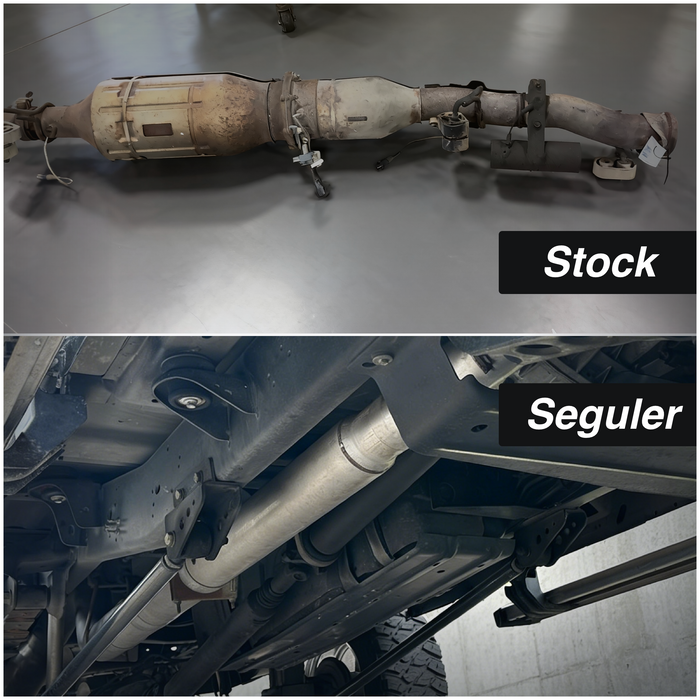
Step 1: Remove the DPF/DOC Canister
This is the mechanical half, and it’s a straight-up remove-and-replace:
- Lift the truck and support it on jack stands. Never work under a vehicle on a jack alone.
- Disconnect the sensors on the DPF assembly. The factory canister carries exhaust temperature and pressure sensors; unplug them and label each one so they go back to the right location. Tape the open connectors to keep dirt out.
- Unbolt the downpipe flange. Two bolts at the front of the canister where the downpipe enters.
- Free the exhaust hangers. The rubber hanger donuts slide off their rods; a little soapy water or a pry bar helps.
- Loosen the band clamp at the rear slip-fit joint. This is the spot that seizes. On a rusted clamp, heat the band with a torch and hit it with an impact — don’t force it by hand and risk snapping the bolt.
- Separate the slip-fit with a ratchet strap. Hook one end of a ratchet strap to a rear exhaust hanger and the other to the frame rail, then ratchet the whole section backward until the slip-fit pops free.
- Drop the canister. It’s heavy — the factory DPF/DOC is a dense, filter-packed assembly. Support it as you unbolt the last hanger and lower it out.
Step 2: Install the Delete Pipe
- Test-fit the delete pipe in the factory location before tightening anything. It should sit in the same hanger positions as the canister it replaces.
- Bolt the front flange to the downpipe using new gaskets.
- Slip the rear section into the muffler pipe and fit a fresh band clamp.
- Re-hang the pipe on the factory rubber hangers.
- Tighten everything front-to-back, then double-check the flanges and clamps for leaks before you start the truck.
Step 3: Delete the EGR (Same Teardown, No Extra Disassembly)
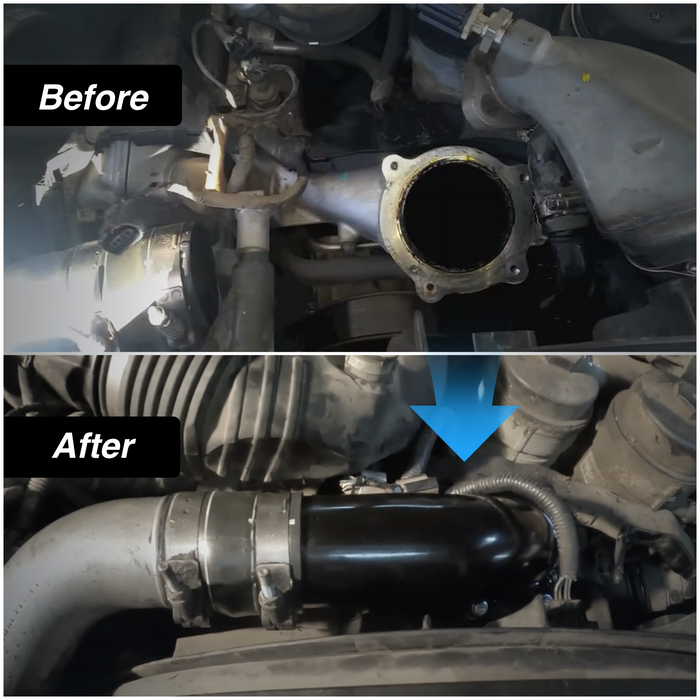
The EGR delete happens while the exhaust is already apart, which is exactly why the kit bundles it:
- Drain the coolant. Catch it in a clean pan and measure how much you remove so you know how much to refill.
- Remove both EGR coolers. The 6.4L uses two — a high-temperature cooler ahead of the turbo and a low-temperature cooler in the DPF circuit.
- Bolt on the block-off plates at the cooler inlet and outlet ports, with fresh gaskets and even tightening.
- Reroute the coolant lines using the fittings in the kit so the cooling circuit stays intact and sealed.
- Refill the coolant and bleed the system. The 6.4L cooling system holds roughly 28–30 quarts, and air pockets are a real risk after opening the EGR circuit — run the engine with the heater on full and the degas cap off until the thermostat opens and the level stabilizes, then top off.
The Three Mistakes That Come Back to Bite You
- Reversing the tune and the wrench. This is the one that bricks the job — flash the delete tune before unbolting anything, or the truck derates within a couple of drive cycles.
- Skipping the coolant reroute. Block off the EGR coolers without properly rerouting the coolant and you’ll trap air in the circuit and cook the engine. The 6.4L’s cooling system is unforgiving about this.
- Not labeling the sensors. The DPF carries several sensors, and mixing them up on reassembly produces a wall of ghost codes that take hours to trace.
Get the Right Kit for Your 6.4L
The 6.4L Powerstroke doesn’t have to be a money pit, but it won’t survive on the stock emissions strategy. Post-injection regeneration is what turns 15 quarts of oil into 19–20 quarts of diesel-contaminated soup, thins the oil past the point of bearing protection, and eventually spins a bearing that costs $8,000–$12,000 to rebuild.
A DPF delete — paired with the EGR delete and a proper tune — ends the regen cycle, ends the fuel dilution, and recovers the fuel the regen was wasting, all for less than a single dealer DPF replacement.
The 4" Cat & DPF Delete Pipe & EGR Delete Kit bundles both systems into one firewall-side teardown, so you don’t pay for the same disassembly twice. Match it to a proper 6.4L delete tune, flash before you unbolt, and run a conservative calibration — and the engine finally gets to do what it was supposed to do from the factory.
Frequently Asked Questions
Q1: Why does the 6.4L need a DPF delete more than other diesels?
A: Because its regeneration strategy injects raw diesel through the main injectors during the exhaust stroke, and a portion of that fuel enters the crankcase every cycle. Over a 5,000-mile interval that builds to 5–8% dilution — enough to thin 15W-40 oil past the point of bearing protection. Later diesels use a dedicated ninth injector that keeps regen fuel out of the cylinders entirely.
Q2: How much fuel dilution is normal on a stock 6.4L?
A: Five to eight percent at a 5,000-mile change is typical for mixed driving, with stop-and-go use pushing it toward the high end. Industry guidance treats anything over 2% as a concern and over 5% as a serious problem requiring either an oil change or a root-cause fix.
Q3: Will a DPF delete stop my 6.4L from “making oil”?
A: Yes. “Making oil” — a rising dipstick level — is fuel dilution in its most visible form. When the post-injection events stop, diesel stops entering the sump and the level stabilizes. A 2009 F-350 owner’s “engine high oil level” warning disappeared permanently after the delete, and his next oil analysis at 5,000 miles showed fuel dilution below 0.5%.
Q4: How much MPG gain should I actually expect?
A: About 1.5–3 MPG in mixed driving, depending on the tune — not the 4–6 MPG some sellers claim. The gain comes from eliminating regen fuel consumption and reducing exhaust backpressure, both of which recover fuel that was never contributing to forward motion.
Q5: Does a DPF delete also delete the EGR system?
A: No — they’re separate systems with separate hardware. The DPF and DOC come out with a single exhaust pipe; the EGR needs its own block-off plates and cooler removal. A bundled kit does both in one teardown, which is why the two are often sold together for the 6.4L.
Q6: Can I tune a 2008–2010 6.4L through the OBD-II port?
A: Yes. The 6.4L ECM accepts calibration writes through the OBD-II port with a handheld programmer — no bench unlock or ECM removal required. A standard delete-tune flash takes about five minutes, making it simpler and cheaper than later Powerstroke, Duramax, and Cummins platforms.
Q7: What happens if I install the delete pipe without tuning first?
A: The ECM detects zero differential pressure across the missing DPF, attempts and fails a forced regeneration, and escalates to a 25–40% power derate within one to three drive cycles. The truck enters limp mode until the delete tune is flashed. Always tune first, then unbolt.
Q8: Does deleting the DPF make a 6.4L bulletproof?
A: No. It removes the emissions-induced failures — fuel dilution, regen heat, DPF clogging — but not the internal weak points. Pistons, valve train, and up-pipe bellows can still fail. The realistic recipe is delete + mild tune + 5,000-mile oil changes + no big horsepower.
Q9: How long does the installation take?
A: Two to three hours for a first-timer with basic tools, a jack, and jack stands. The DPF/DOC canister is accessible under the passenger side, and only two V-band clamps plus the hanger bolts need to come off. A shop that does deletes regularly finishes in under two hours.
Q10: Is a 6.4L DPF delete legal on the street?
A: No. Removing emissions equipment on a road vehicle violates the federal Clean Air Act (42 U.S.C. § 7522) and most state laws, with no off-road exemption. These parts are for off-road, competition, and closed-course vehicles only — check your local laws before modifying anything.
For off-road / competition use only. Not legal for on-road use in emissions-regulated areas. Check your local, state, and federal laws before modifying any emissions-related component.
Featured collection
-
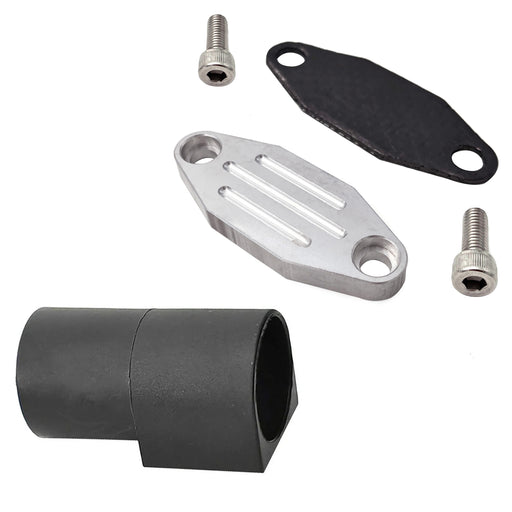
Seguler 1986-1995 Ford F150 F250 F350 Mustang Trucks EGR Simulator Eliminator / Block Off Plate Kit
SEGULEROriginal price $79.99 - Original price $79.99Original price$79.99$79.99 - $79.99Current price $79.99Block Off Plate Material: Aluminum alloy. Easy installation,and convenient to use. Made of CNC milled from aircraft grade Billet aluminum. Will N...
View full details -

Seguler 2011-2023 6.7L Ford Powerstroke Diesel EGR Delete Kit
SEGULEROriginal price $109.99 - Original price $109.99Original price$109.99$109.99 - $109.99Current price $109.99FITMENT 2011-2023 6.7L Ford Powerstroke F-250 F-350 F-450 F-550 Super Duty V8 Diesel. compatible with both standard Pickups and commercial Cab &...
View full details -
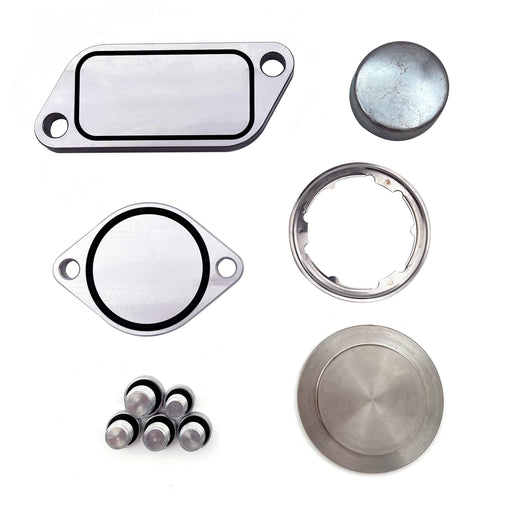
For 2010-Present Stage 2 ISX 15 CM2250 CM2350 EGR Delete Kit
SEGULEROriginal price $59.99 - Original price $59.99Original price$59.99$59.99 - $59.99Current price $59.99FITMENT 2010-Present Cummins Volvo, Peterbilt, Mack, International, Freightliner, Kenworth with the ISX15 CM2250 / CM2350 engines. DESCRIPTION P...
View full details -
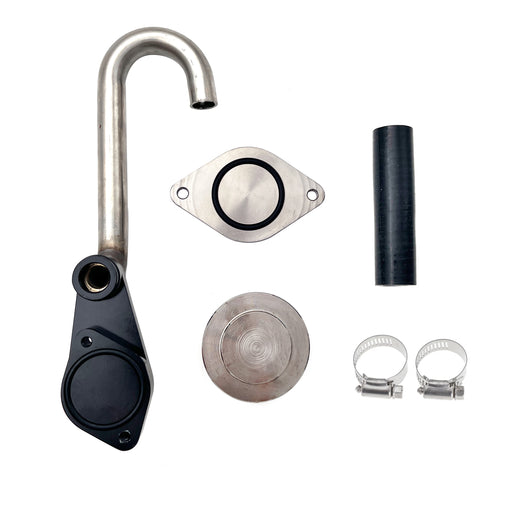
Seguler 2003-2007 6.0L FORD Powerstroke Diesel EGR Cooler Delete Kit
SEGULEROriginal price $56.14 - Original price $56.14Original price$56.14$56.14 - $56.14Current price $56.14FITMENT 2003-2007 6.0L Ford F-250 Ford F-350 F-450 F-550 Super Duty. 2003-2007 6.0L Ford Excursion SUV (Diesel Models Only). 2005-2010 Ford E-Se...
View full details -
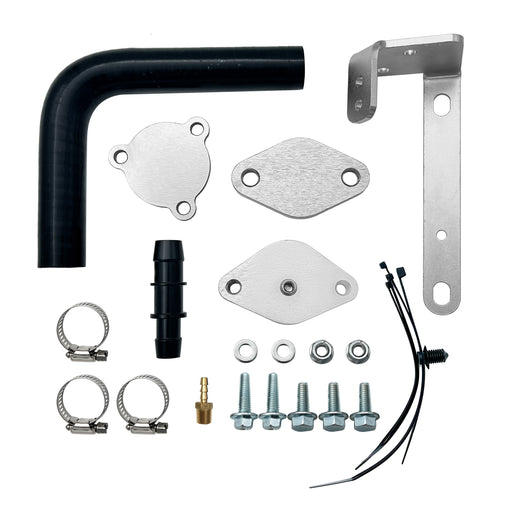
Seguler For 2014-2019 3.0L Dodge Ram 1500 EcoDiesel EGR Valve & Cooler Delete Kit
SEGULEROriginal price $72.99 - Original price $72.99Original price$72.99$72.99 - $72.99Current price $72.99FITMENT 2014-2019 3.0L Dodge Ram 1500 EcoDiesel V6 engine trucks. DESCRIPTION Product Overview Exhaust gas recirculation on 3.0L EcoDiesel V6 ...
View full details -
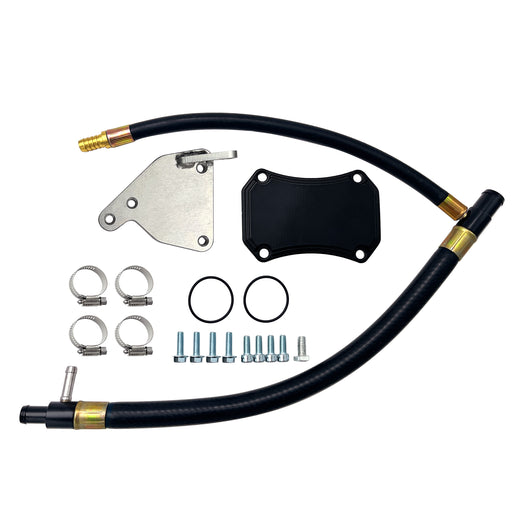
For 2011-2016 6.6L GMC Chevy Duramax Diesel LML EGR Valve Cooler Delete Kit
SEGULEROriginal price $66.49 - Original price $66.49Original price$66.49$66.49 - $66.49Current price $66.49FITMENT 2011-2016 6.6L Chevy GMC Duramax LML 2500 HD 3500 HD Diesel. DESCRIPTION Product Overview The 2011–2016 LML Duramax uses a complex EG...
View full details -

Seguler 2011-2023 6.7L Ford Powerstroke Diesel EGR Delete Kit
SEGULEROriginal price $85.99 - Original price $85.99Original price$85.99$85.99 - $85.99Current price $85.99FITMENT 2011-2023 6.7L Ford Powerstroke F-250 F-350 F-450 F-550 Super Duty V8 Diesel. compatible with both standard Pickups and commercial Cab &...
View full details -

Seguler 2010-2024 6.7L Dodge Ram Cummins Diesel EGR Valve Cooler Delete Kit
SEGULEROriginal price $89.99 - Original price $89.99Original price$89.99$89.99 - $89.99Current price $89.99FITMENT 2010–2024 6.7L Dodge Ram Cummins 2500 / 3500 Pickup Turbo Diesel. Note: Does NOT fit Chassis Cab 3500 / 4500 / 5500 models. DESCRIPTIO...
View full details -

Seguler 2017-2019 L5P Duramax Diesel 4pcs L5P Can Bus Plugs Connector Replacement
SEGULEROriginal price $75.00 - Original price $75.00Original price$75.00$75.00 - $75.00Current price $75.00FITMENT 2017–2019 Chevrolet Silverado / GMC Sierra Duramax L5P 2500HD & 3500HD Diesel. DESCRIPTION Product Overview Unprotected harness con...
View full details -
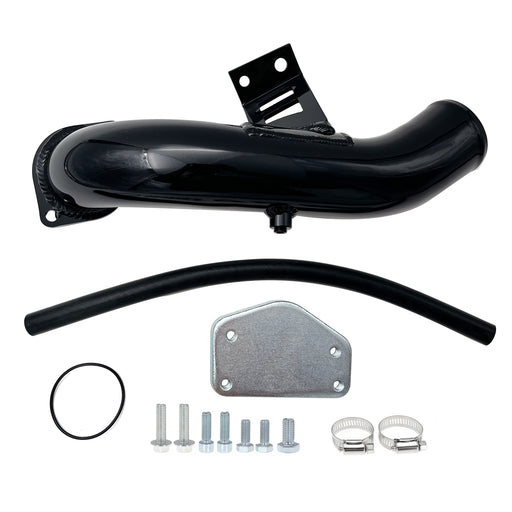
For 2004.5-2005 6.6L Chevy GMC Silverado LLY Duramax Diesel EGR Delete Kit
SEGULEROriginal price $92.99 - Original price $92.99Original price$92.99$92.99 - $92.99Current price $92.99FITMENT 2004.5-2005 6.6L Chevrolet Silverado Duramax LLY 2500HD / 3500 HD. 2004.5-2005 6.6L GMC Sierra Duramax LLY 2500HD / 3500 HD. DESCRIPTION...
View full details -

Seguler 2020-2023 chevy duramax L5P Diesel Can Bus Plugs Connector
SEGULEROriginal price $80.00 - Original price $80.00Original price$80.00$80.00 - $80.00Current price $80.00FITMENT 2020–2023 Chevrolet Silverado / GMC Sierra Duramax L5P 2500HD & 3500HD Diesel. DESCRIPTION Product Overview Unprotected harness pl...
View full details -
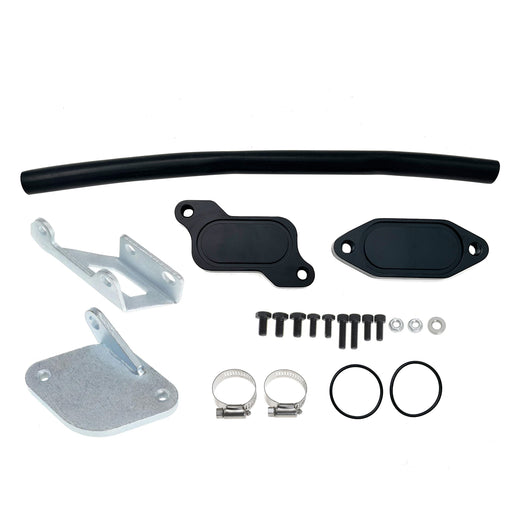
For 2006-2007 6.6L Chevrolet Silverado Classic GMC Duramax LBZ Diesel EGR Valve Cooler Delete Kit
SEGULEROriginal price $63.49 - Original price $63.49Original price$63.49$63.49 - $63.49Current price $63.49FITMENT 2006-2007.4 Chevrolet Silverado Duramax LBZ 2500HD / 3500HD. 2007.4 Chevrolet Silverado Duramax LBZ 2500HD / 3500HD Classic. 2006-2007.4 ...
View full details -

Seguler 2011-2023 6.7L Ford F250 F350 F450 F550 Powerstroke Diesel EGR Valve Delete Cooler Delete Kit
SEGULEROriginal price $55.99 - Original price $55.99Original price$55.99$55.99 - $55.99Current price $55.99FITMENT 2011-2023 6.7L Ford Powerstroke F-250 F-350 F-450 F-550 Super Duty V8 Diesel compatible with both standard Pickups and commercial Cab &a...
View full details -
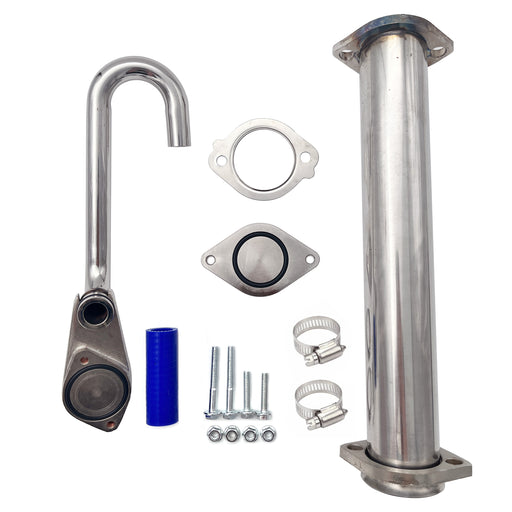
Seguler 2003-2007 6.0L Ford F250 F350 Powerstroke Diesel EGR Basic Cooler Kit
SEGULEROriginal price $79.99 - Original price $79.99Original price$79.99$79.99 - $79.99Current price $79.99FITMENT 2003-2007 6.0L Ford F250 F350 F450 F550 Super Duty Turbo (except 2004 F250 Super Duty). 2003-2005 6.0L Ford Excursion Turbo. 2005 Ford F...
View full details -
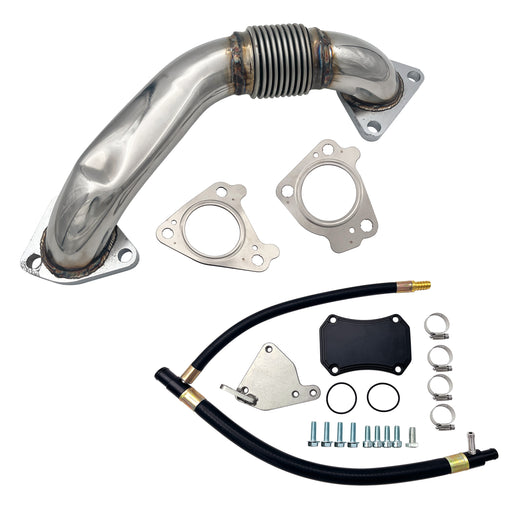
Seguler 2011-2016 6.6L GMC Chevy Duramax Diesel LML Up-Pipe & EGR Valve Cooler Delete Kit
SEGULEROriginal price $173.86 - Original price $173.86Original price$173.86$173.86 - $173.86Current price $173.86FITMENT 2011-2016 6.6L Chevy GMC Duramax LML 2500 HD 3500 HD Diesel. DESCRIPTION Product Overview Direct-injection technology endows GM 5.3L an...
View full details -
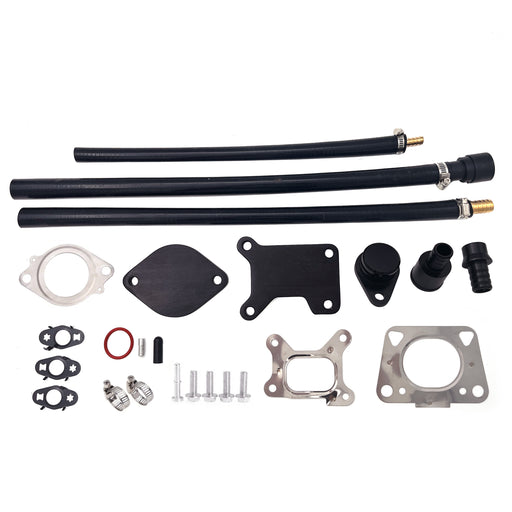
For 2017-2023 6.6L Chevy GMC Duramax L5P diesel EGR Valve Cooler Delete kit
SEGULEROriginal price $131.99 - Original price $131.99Original price$131.99$131.99 - $131.99Current price $131.99FITMENT 2017–2023 6.6L Chevrolet Silverado / GMC Sierra Duramax L5P 2500HD 3500HD Diesel. DESCRIPTION Product Overview Hot soot recirculation ...
View full details -
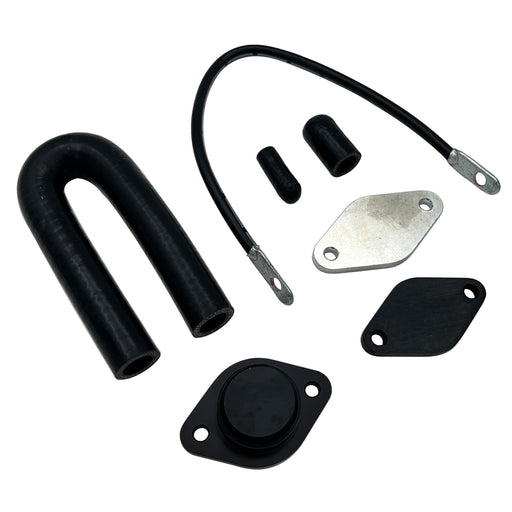
Seguler EGR valve cooler Delete kit for 2020-2022 3.0L Chevy Duramax LM2
SEGULEROriginal price $189.12 - Original price $189.12Original price$189.12$189.12 - $189.12Current price $189.12FITMENT 2020–2022 3.0L Chevrolet Silverado GMC Sierra 1500 LM2 Turbo-Diesel. DESCRIPTION Product Overview Powered by smooth inline-six engine...
View full details -
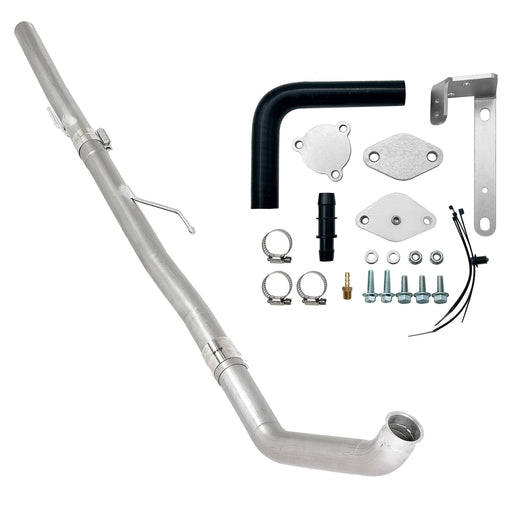
Seguler 3" Ecodiesel DPF Delete Pipe & EGR Delete kit for 2014-2018 3.0L Ram
SEGULEROriginal price $342.00 - Original price $342.00Original price$342.00$342.00 - $342.00Current price $342.00FITMENT 2014–2018 3.0L Dodge Ram 1500 EcoDiesel V6. NOTE: Fit standard Pickup models only (Crew Cab, Quad Cab). Does NOT fit Jeep Grand Cheroke...
View full details -

For 2013-2023 6.7L Dodge Ram Cummins Cab & Chassis EGR Delete Kit Diesel
SEGULEROriginal price $62.99 - Original price $62.99Original price$62.99$62.99 - $62.99Current price $62.99FITMENT 2013–2023 6.7L Ram Cummins 3500 4500 5500 Cab & Chassis / Commercial Trucks. Does NOT fit standard Ram 2500 3500 Pickups. DESCRIPTIO...
View full details -
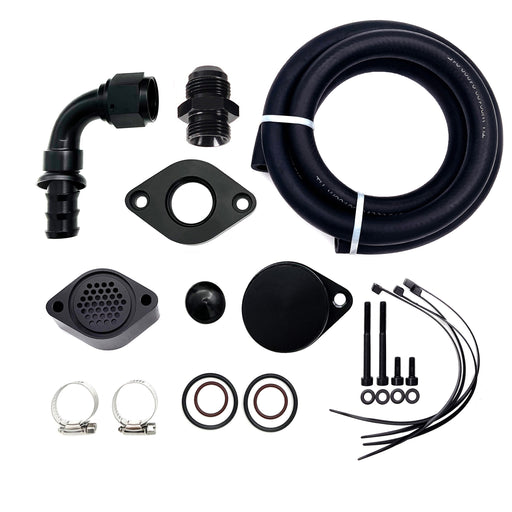
Seguler 2011-2023 6.7L Ford Powerstroke CCV PCV Reroute Engine Ventilation Kit
SEGULEROriginal price $82.99 - Original price $82.99Original price$82.99$82.99 - $82.99Current price $82.99FITMENT 2011-2023 6.7L Ford Powerstroke F-250 F-350 F-450 F-550 Super Duty V8 Diesel. Compatible with both standard Pickups and commercial Cab &...
View full details -
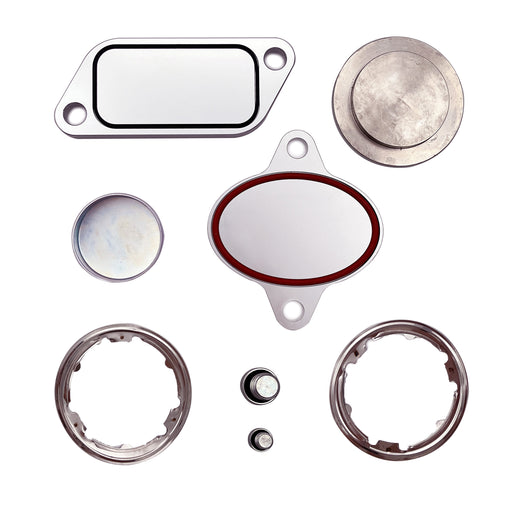
For 2007-2010 Cummins ISX CM871 EGR Plug Kit Stage 2 Plates and Plugs Aluminum
SEGULEROriginal price $67.99 - Original price $67.99Original price$67.99$67.99 - $67.99Current price $67.99FITMENT 2007-2010 Cummins Volvo, Peterbilt, Mack, International, Freightliner, Kenworth with the ISX CM871 Engines. DESCRIPTION Product Overvie...
View full details -
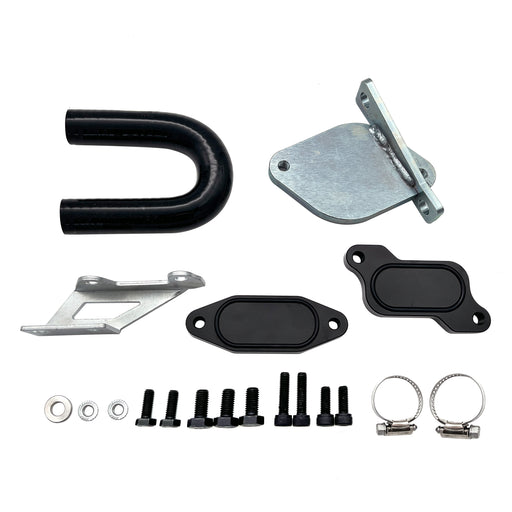
For 2007-2010 6.6L Chevy GMC LMM Duramax EGR Valve Cooler Delete Kit Fit
SEGULEROriginal price $61.99 - Original price $61.99Original price$61.99$61.99 - $61.99Current price $61.99FITMENT 2007.5-2010 6.6L Chevrolet Silverado Duramax LMM 2500HD / 3500HD. 2007.5-2010 6.6L GMC Sierra Duramax LMM 2500HD / 3500HD. Note: Standard...
View full details -
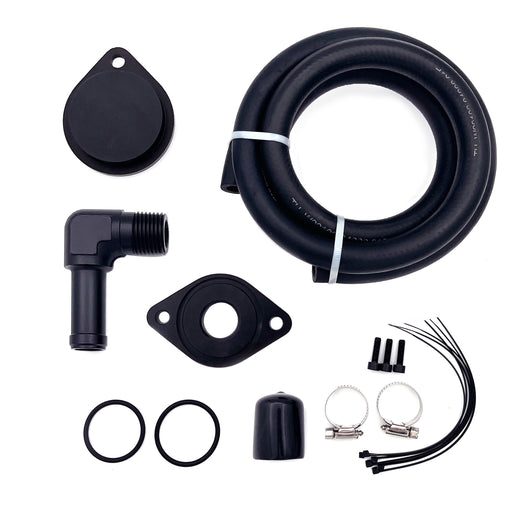
Seguler 2011-2023 Ford 6.7L Powerstroke CCV/PCV Reroute/Delete Engine Ventilation Kit
SEGULEROriginal price $72.00 - Original price $72.00Original price$72.00$72.00 - $72.00Current price $72.00FITMENT 2011-2023 6.7L Ford Powerstroke F-250 F-350 F-450 F-550 Super Duty V8 Diesel. Compatible with both standard Pickups and commercial Cab &...
View full details -
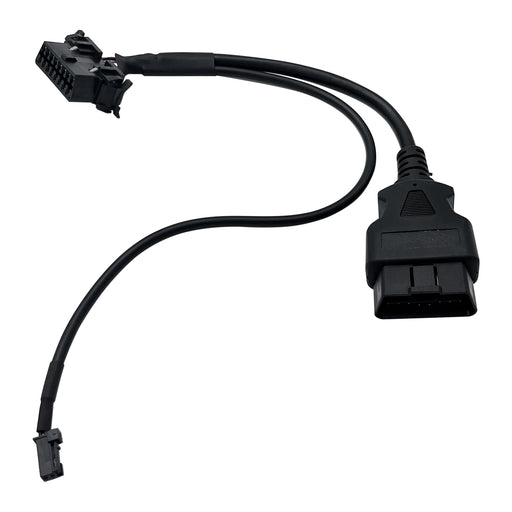
Seguler 2018+ RAM Cummins OBD2 HD Security Gate Bypass Cable
SEGULEROriginal price $45.00 - Original price $45.00Original price$45.00$45.00 - $45.00Current price $45.00FITMENT 2018+ 6.7L Ram Cummins 2500 3500 Turbo Diesel. Designed for Ram pickup trucks equipped with the factory Security Gateway Module. Note: Pl...
View full details -
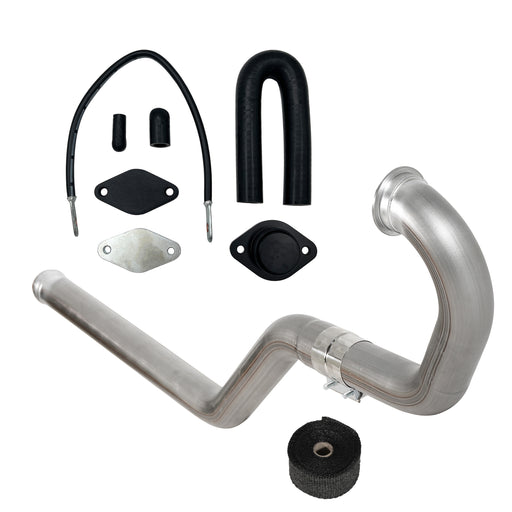
3" Turbo Back DPF & EGR Delete Kit for 2020-2022 GM 3.0L LM2 Duramax
SEGULEROriginal price $550.00 - Original price $550.00Original price$550.00$550.00 - $550.00Current price $550.00FITMENT 2020–2022 3.0L Chevrolet Silverado 1500 LM2 Diesel. 2020–2022 3.0L GMC Sierra 1500 LM2 Diesel. DESCRIPTION Product Overview On the 3.0...
View full details


Leave a comment