

6.0L Powerstroke EGR Cooler Symptoms — Code Explained and Fix
If your 6.0L Powerstroke is blowing white smoke, losing coolant with no visible leak, and puking from the degas bottle, the EGR cooler is the prime suspect — but it is almost never the root cause. On this engine, the EGR cooler is the victim of a clogged oil cooler sitting directly upstream in the coolant circuit. Fix the cooler without fixing the oil cooler, and you’ll be back in the same spot in 30,000–50,000 miles.
For off-road / competition use only. Not legal for on-road use in emissions-regulated areas. Check your local, state, and federal laws before modifying any emissions-related component.
What the EGR System Does —Why the 6.0L Cooler Is the Weak Link
Every modern diesel recirculates a metered portion of exhaust gas back into the intake to lower peak combustion temperature and cut NOx. That’s the EGR system. On the 6.0L, the exhaust first passes through the EGR cooler — a liquid-to-air heat exchanger that uses engine coolant to drop the gas from roughly 1,200°F at the valve down to something the intake can handle.
Two Design Facts Make It the Weak Link:
-
A brazed-fin core. The factory cooler uses narrow internal fins brazed to thin tubes. Those brazed seams and thin walls don’t survive repeated thermal shock. That constant expand-contract cycle fatigues the brazed joints until they crack.
-
A round/square split. Ford changed the cooler mid-production. Trucks built before 9/22/03 use a cylindrical round cooler; trucks built after 9/22/03 use the square, fin-style cooler that’s far more prone to clogging and cracking.
The Failure Chain: Why the Oil Cooler Is the Real Root Cause
On a healthy 6.0L, the EGR cooler fails because something upstream starved it of coolant. The chain is remarkably consistent:
-
The oil cooler clogs first. The 6.0L oil cooler’s internal passages are narrow enough to plug with casting sand, rust, and — most commonly — silicate gel from old Ford Gold coolant. This typically happens between 80,000 and 130,000 miles, faster if the truck idles or short-trips constantly.
-
Coolant flow to the EGR cooler drops. With the oil cooler restricted, the EGR cooler is now trying to cool 1,200°F exhaust with a fraction of its design coolant volume.
-
The cooler boils and cracks. Without enough flow to carry heat away, the coolant left inside flashes to steam, the pressure spikes, and the brazed core or thin tubes rupture from the inside out.
-
Coolant leaks internally. Once cracked, coolant enters the intake and exhaust — and that’s when the white smoke, coolant loss, and eventual hydro-lock begin.
This is why the single most common repeat-repair mistake on the 6.0L is swapping the EGR cooler and leaving the oil cooler in place. The visible failed part gets replaced; the buried cause doesn’t.
The Symptoms: What a Failing Cooler Looks Like
The 6.0L gives you clear warning signs before the cooler lets go completely. They’re easy to dismiss one at a time — it’s only when you connect them that the picture is obvious.
-
White smoke or steam from the tailpipe. The signature symptom. Coolant leaks into the exhaust and flashes into sweet-smelling steam. It’s most obvious when the engine is warm and the EGR valve opens, under acceleration or load.
-
Unexplained coolant loss. The degas bottle drops with no puddle under the truck. That coolant is going somewhere internal — into the exhaust, the intake, or both. Adding more than a quart every 1,000 miles with no external leak points hard at the cooler.
-
Coolant “puking” from the degas bottle. Traces of coolant sprayed or crusted around the degas cap mean the cooling system is pressurizing abnormally. This can also signal a head gasket — on the 6.0L the two often travel together.
-
A sweet coolant smell in the cab or around the truck after a hard pull, usually through the vents.
-
Rough idle, a stumble, or power surge. A sticking EGR valve or coolant reaching the cylinders causes misfires and a retarded-feeling idle. Some owners describe it as a “bucking” that makes them think the turbo is going out.
-
Overheating. As the cooler dumps coolant and introduces air pockets, the system loses its ability to shed heat, and the engine runs hotter under load.
-
Hydro-lock, in the worst case. Enough coolant in a cylinder and the engine won’t crank at all — liquid coolant doesn’t compress. This is the catastrophic endpoint, and it often drags the head gaskets down with it.
The window between the first white puff and a full hydro-lock can be only a few hundred miles under load. Don’t drive through these symptoms.
Quick Reference: Symptom vs. Likely Part
Bookmark this table — it’s the fastest way to go from what you’re seeing to what’s actually wrong.
| Symptom | Most Likely Part | How to Confirm |
|---|---|---|
| White smoke / sweet steam (warm, under load) | EGR cooler (cracked) | Pull the valve — look for wet or steam-cleaned |
| Coolant loss with no external leak | EGR cooler (cracked) | Watch the degas bottle over a day or two |
| Coolant puking from the degas cap | Cooler or head gasket | Degas bubble test — pull the VGT plug |
| Sweet coolant smell in the cab | EGR cooler (cracked) | Inspect the exhaust for steam |
| Rough idle / stumble / bucking | EGR valve (carboned) | Pull the valve — look for dry carbon |
| Overheating under load | Oil cooler (clogged, the root cause) | Delta test — EOT vs ECT over 15°F |
| Engine won’t crank (hydro-lock) | EGR cooler (coolant in a cylinder) | Pull glow plugs, hand-turn the crank |
| Oily film on the valve, no smoke | CCV (oil vapor, normal) | Not a cooler fault — don’t delete for this |
| P0401 / P0402 / P0404 code | EGR valve (not the cooler) | Codes point at the valve |
| White smoke + coolant loss, no code | EGR cooler (cracked) | A cracked cooler often sets no code |
A cracked cooler and a carboned valve are two different failures with different fixes — this table is how you tell which one you’re looking at before you spend a dollar.
What the Codes Actually Mean
The 6.0L’s EGR codes mostly point at the valve, not the cooler — which is why this gets misdiagnosed so often.
| Code | What It Means | What’s Usually Happening |
|---|---|---|
| P0401 | EGR flow insufficient | Valve stuck shut, or cooler passage carboned/blocked |
| P0402 | EGR flow excessive | Valve stuck open, flooding the intake |
| P0404 | EGR control circuit range/performance | Actuator or wiring fault, or a heavily carboned valve |
This Point You Need to Pay Attention:
A P0401 often means the valve is carboned shut, not that the cooler is cracked. A cracked cooler frequently produces no EGR code at all, because the leak is on the coolant side, not the exhaust-flow side. The codes tell you the valve isn’t moving correctly; the cooler leak is diagnosed by physical symptoms and the checks below.
A sticky, carboned EGR valve is easy to confuse with a cooler problem:
Rough idle and stalling, low power, a fuel smell, a knocking sound from higher combustion temps when the valve sticks shut, and poor fuel economy. If you have those but no white smoke and no coolant loss, you’re dealing with a valve, not a cooler.
EGR Valve vs EGR Cooler: How to Tell Them Apart
The EGR valve and the EGR cooler are two different parts, they fail in different ways, and the fix is completely different — but their symptoms overlap enough that people routinely buy the wrong one. Here’s the clean way to separate them.
-
The valve is a moving part. The valve is a computer-controlled butterfly that meters exhaust flow. It fails by carbon buildup — soot cakes onto the stem and seat until it sticks open or shut.
-
The cooler is a heat exchanger.The cooler is a passive radiator that uses coolant to cool the gas; it fails by cracking, which leaks coolant.
| Signal | Points to the Valve | Points to the Cooler |
|---|---|---|
| White smoke | No | Yes — the signature |
| Coolant loss | No | Yes |
| EGR code (P0401/P0402/P0404) | Yes — the usual cause | Sometimes no code at all |
| Rough idle / stumble | Yes | Only if coolant reaches cylinders |
| What you see on the valve | Dry, caked carbon | Wet or steam-cleaned |
| Fix | Clean, or replace if mechanically stuck | Replace, upgrade, or delete |
The Three Fastest Ways to Tell Them Apart:
-
White smoke + coolant loss = cooler. A carboned valve doesn’t burn coolant and doesn’t produce sweet-smelling steam. If you have both those symptoms, the cooler is leaking and the valve may also be dirty.
-
Codes without smoke or coolant loss = valve. A P0401/P0402 with a rough idle, low power, and a fuel smell, but no white smoke and a stable coolant level, is a sticking valve. Clean it or replace it.
-
Pull the valve and look. This is the tiebreaker. Dry, caked carbon = valve issue. Wet, dripping coolant, or a steam-cleaned patch = cooler leak. Oily-but-dry = the CCV.

One more nuance worth knowing: a heavily carboned valve can sometimes produce a P0401 that gets misread as a cooler blockage. The code says “insufficient EGR flow,” and both a stuck-shut valve and a carboned cooler passage can cause that.
What to Do When You See the Codes or Symptoms
Seeing white smoke or an EGR code is a signal to act — but the order you act in decides whether you fix it once or twice. Here’s the sequence that avoids the two classic mistakes (driving through it, and buying parts before diagnosing).
1. Stop driving if you have white smoke or coolant loss. The EGR cooler leak can progress to hydro-lock in a few hundred miles under load, and the steam and pressure it creates can drag the head gaskets down with it. If the exhaust is blowing sweet-smelling steam and the degas bottle is dropping, get it off the road and diagnose it cold.
2. Pull the codes — but don’t buy parts yet. Read the DTCs to see what the ECM thinks is wrong, then remember that EGR codes point at the valve, not the cooler. The cooler leak is confirmed by physical checks, not a code.
3. Check and record the coolant level. Note exactly where the degas bottle sits, then watch it over the next day or two. Unexplained loss with no puddle is the single strongest pointer at an internal cooler leak.
4. Decide what’s actually failed — then order. Only after steps 1–3 should you commit to a part. That’s the difference between a $60 delete that fixes it and a $500 cooler swap that comes back in 30,000 miles because the oil cooler was never touched.
How to Confirm It: The Hands-On Checks
One check is the most reliable, and it costs nothing:
Pull the EGR Valve and Look into the Intake
The valve sits on top of the engine, held by two 8mm bolts. What you see inside tells the story:
- Dry black soot is normal on a used 6.0L.
- Wetness, coolant droplets, or a steam-cleaned patch is not — that’s a cracked cooler leaking coolant where only dry soot belongs.
- Oily-but-dry residue is a different thing. Oily buildup on the valve is oil vapor from the CCV (crankcase vent), not a cooler leak. If it’s wet and dripping, that’s coolant; if it’s just greasy, that’s the CCV.
Two More Confirmations are Worth Running
- The oil-cooler delta test. Drive at steady highway speed and compare engine oil temperature (EOT) to coolant temperature (ECT). A spread over 15°F means the oil cooler is clogged — and that’s the real reason the EGR cooler failed, even if the cooler itself hasn’t cracked yet.
-
Oil analysis. Elevated glycol in the oil with a clean block test points back to the cooler leaking internally.
Is It the EGR Cooler or a Blown Head Gasket?
This is the most expensive question on a 6.0L, because both failures cause white smoke, coolant loss, and cooling-system pressure — and the fix for a head gasket is a much bigger job. Get it wrong and you either pay for a head gasket job you didn’t need, or you fix the cooler and ignore the gaskets that are actually blown.
The Degas-bottle Bubble Test is the Fastest Field Check
Run a clear hose from the degas bottle into a half-filled water bottle, start the engine, and let it stabilize. Watch the stream of bubbles, then unplug the turbo’s VGT harness (which commands the EGR valve):
-
Bubbles drop off sharply when you unplug the VGT → the EGR cooler is the source. Killing the VGT stops EGR flow, which takes the backpressure off the cooler, and the bubbles fade.
-
Bubbles keep coming unchanged → combustion pressure is entering the cooling system from a blown head gasket.
-
Bubbles stay strong and come back livelier when you plug the VGT back in → you likely have both a blown head gasket and a failed cooler.
A Combustion-leak (Block) Test Adds Confirmation: a blue test fluid drawn over the coolant turns yellow/green if combustion gases are present — that’s the head gasket.
A coolant pressure-decay test: (pressurize to ~20 PSI and watch for a drop with no external leak) confirms internal loss but doesn’t separate the two.
Run the bubble test first, then back it up with the block test if you’re still unsure.
The Three Repair Paths — and What They Cost
Once the cooler is confirmed, you have three real options with very different trade-offs.
| Path | What It Does | Legal | Recurrence |
|---|---|---|---|
| EGR delete |
Removes cooler and valve; block-off plates + coolant reroute |
Off-road only | Permanent |
| Upgraded cooler |
Bulletproof-style braided stainless tube core |
Street legal | 100k+ miles |
| OEM replacement | Same fragile brazed-fin design | Street legal | 30k–50k miles if the root cause is ignored |
An EGR delete is the most permanent fix and the lowest cost.
It removes the cooler and valve entirely, seals the exhaust port with block-off plates, and reroutes the coolant so the engine’s thermal management stays intact. A supporting tune is mandatory — without it, the ECM sets EGR flow codes and the truck derates.
Two delete kits cover this path, and the difference is what’s in the box:

-
The base 6.0L EGR cooler delete kit is the budget play. It comes with billet aluminum block-off plates and the coolant reroute J-tube that connects the oil cooler back to the water pump, bypassing the old cooler’s location entirely.

-
The heavy-duty EGR cooler kit steps up to 304 stainless steel tubing, precision-cut steel block-off plates, and reinforced silicone couplers with T-bolt clamps. It’s designed to be paired with a Y-pipe replacement while you’re in there — which saves a second 4–6 hour teardown down the road, since the factory up-pipe is virtually guaranteed to crack anyway.
A Replacement Cooler Keeps the Truck Street-legal
The OEM-style brazed-fin cooler will fail again on the same timeline. A braided-tube, TIG-welded stainless core — the “Bulletproof” style, from the specialist aftermarket — holds up far better, but it’s a pricier path.
An OEM Replacement Is the Same Question
It’s the same fragile design, often at a similar price to the stainless upgrade, and if the oil cooler isn’t addressed it’ll crack again within 30,000–50,000 miles.
Why the Oil Cooler Can't Be Skipped
This is the single most important point in the whole repair, and it applies no matter which path you choose.
The EGR cooler is the symptom; the oil cooler is the cause. If you delete or replace the EGR cooler and leave a restricted oil cooler in place, you’ve removed one failure point but left the restricted coolant flow that will now stress something else .
Three moves make the repair actually last:
-
Flow-test or replace the oil cooler at the same time. On a high-mileage 6.0L, experienced techs won’t touch an EGR cooler without at least flow-testing the oil cooler, and usually replacing it.
-
Flush the cooling system before you install the new oil cooler. All the junk the flush pulls loose can settle right back into the new oil cooler’s bottom channels and clog it immediately. Flush first, then install the fresh cooler.
-
Add a coolant filter. A bypass coolant filter catches the casting sand and rust before it reaches the coolers. It’s the single highest-ROI add-on on the 6.0L, and it pairs with either a delete or a replacement.
What a Delete Does — and Doesn’t — Do
There’s a lot of marketing noise around EGR deletes, so a few honest lines are worth the space.
-
A delete removes a failure point; it doesn’t add horsepower. Any power gain comes from the tune you pair with the delete, not from removing the cooler itself. The real wins are reliability and a cleaner intake.
-
A delete doesn’t fix the oil cooler. You still have to address the clogged oil cooler, or you’ve solved one problem and left the more fundamental one in place.
On the 6.0L specifically, the EGR cooler is a genuine liability — not because EGR itself is evil, but because this particular platform routes coolant through an easily-clogged oil cooler first. Plenty of modern EGR-equipped diesels run a million miles; the 6.0L’s problem is that its cooler sits downstream of a known clog point.
What the Install Involves
A 6.0L EGR cooler delete or replacement is an intermediate-to-advanced DIY job — the part is buried in the engine valley beneath the intake manifold, so access is the whole battle.
The access path:
Drain the coolant, disconnect the batteries, then remove the degas bottle, air intake and intercooler pipes, the FICM, the serpentine belt and alternator, and the fuel and oil feed/return lines. Then the turbo comes out (three pedestal bolts plus the up-pipe and downpipe V-band clamps), followed by the turbo pedestal and the intake manifold.
Two things worth doing while you’re in there:
-
The up-pipe. The factory up-pipe is virtually guaranteed to crack and leak over time, and you already have the turbo off. Replacing it during the delete takes minutes; waiting means repeating 4–6 hours of top-end teardown later.
-
The STC fitting and IPR, on 2005+ trucks. With the oil cooler housing off, you have direct access to the high-pressure oil pump. Replacing the updated STC fitting and inspecting the IPR now is cheap insurance.
Hydro-lock recovery, if it’s already happened:
Pull the glow plugs on the passenger side (the EGR cooler feeds the up-pipe on that side), then turn the engine over by hand to push the coolant out of the cylinder. Expect the glow-plug harness to be brittle and break — order a replacement ahead of time. Change the oil after, since some coolant will have slipped past the rings.

Frequently Asked Questions
What are the first signs of a bad EGR cooler on a 6.0L?
White smoke or sweet-smelling steam from the exhaust — especially warm and under load — plus coolant loss with no visible leak. Those two together are the strongest early warning, and a wet EGR valve or intake confirms it.
Will a bad EGR cooler throw a code?
Not always. A cracked cooler leaks on the coolant side, so it often produces no EGR code at all. The P0401/P0402/P0404 codes more often point at a carboned or stuck EGR valve, not the cooler leak itself.
What does oily residue on the EGR valve mean?
Oily-but-dry buildup is oil vapor from the CCV (crankcase vent), not a cooler leak. A cracked cooler shows wet, dripping coolant. If it’s greasy, it’s the CCV; if it’s wet, it’s the cooler.
How do I tell an EGR cooler leak from a blown head gasket?
Run the degas-bottle bubble test. If the bubbles drop off when you unplug the VGT actuator, it’s the cooler; if they keep coming, it’s the head gasket; if they come back livelier when you reconnect, it’s both. Back it up with a block test if you’re unsure.
Is the oil cooler really the cause of EGR cooler failure?
Yes, in most cases. The 6.0L oil cooler sits upstream of the EGR cooler, and when it clogs with casting sand, rust, or silicate gel, it starves the cooler of coolant until it cracks. Check the EOT–ECT spread — over 15°F means the oil cooler is the root cause.
Do I have to replace the oil cooler when the EGR cooler fails?
You should at least flow-test it, and on a high-mileage truck you should replace it. Skipping it is how the new EGR cooler fails again in 30,000–50,000 miles.
What’s the difference between the round and square EGR cooler?
Ford changed the cooler design during production. Trucks built before 9/22/03 use the round style, after that the square style — and they don’t interchange, so match your build date before ordering.
Does deleting the EGR add horsepower?
The delete itself doesn’t. Removing the failure point improves reliability and cleans up the intake, but any power gain comes from the tune you pair with it.
Should I flush the cooling system before or after the oil cooler job?
Flush before you install the new oil cooler. If you flush after, the debris the flush loosens can settle into the new cooler and clog it immediately.
What coolant should I run in a 6.0L?
An OAT/ELC-style coolant rather than silicate-based Ford Gold. Silicate coolant is a direct contributor to oil-cooler plugging, and switching types — after a proper flush — is the standard fix.
Do I need to pull the intake manifold to replace or delete the cooler?
Yes. The EGR cooler is buried in the engine valley beneath the intake manifold, so the job requires pulling the alternator, intake, turbo, and manifold to reach it.
How fast can a bad EGR cooler destroy the engine?
Fast enough to matter. Coolant in a cylinder hydro-locks the engine, and the steam and pressure can stress the head gaskets into failure. The gap from first white smoke to a hydro-locked, head-gasket bill can be only a few hundred miles under load.
Get the Right Fix for Your 6.0L
The cooler is the easy part — the oil cooler and the coolant are what decide whether the fix sticks. A 6.0L EGR cooler delete kit ends the failure chain permanently for off-road use, and a heavy-duty EGR cooler kit replaces the fragile factory core with 304 stainless. Either way, pair it with an oil-cooler service and a coolant flush, and the fix is built to last. Browse the full 6.0L lineup at Seguler.com.
Would you like to see how other car owners make their choices? Here are a few worth reading posts:
-
6.0L Powerstroke EGR Delete: Complete Decision Guide
- 6.0L Powerstroke EGR & Exhaust Upgrade Guide (2003-2007)

Legal Disclaimer
For off-road / competition use only. Not legal for on-road use in emissions-regulated areas. Check your local, state, and federal laws before modifying any emissions-related component.
Featured collection
-
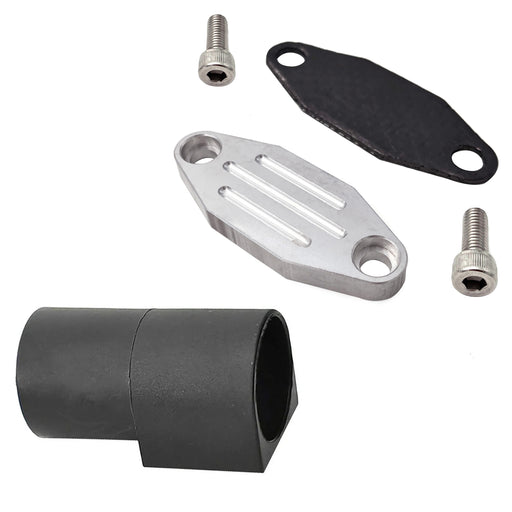
Seguler 1986-1995 Ford F150 F250 F350 Mustang Trucks EGR Simulator Eliminator / Block Off Plate Kit
SEGULEROriginal price $79.99 - Original price $79.99Original price$79.99$79.99 - $79.99Current price $79.99Block Off Plate Material: Aluminum alloy. Easy installation,and convenient to use. Made of CNC milled from aircraft grade Billet aluminum. Will N...
View full details -

Seguler 2011-2023 6.7L Ford Powerstroke Diesel EGR Delete Kit
SEGULEROriginal price $109.99 - Original price $109.99Original price$109.99$109.99 - $109.99Current price $109.99FITMENT 2011-2023 6.7L Ford Powerstroke F-250 F-350 F-450 F-550 Super Duty V8 Diesel. compatible with both standard Pickups and commercial Cab &...
View full details -
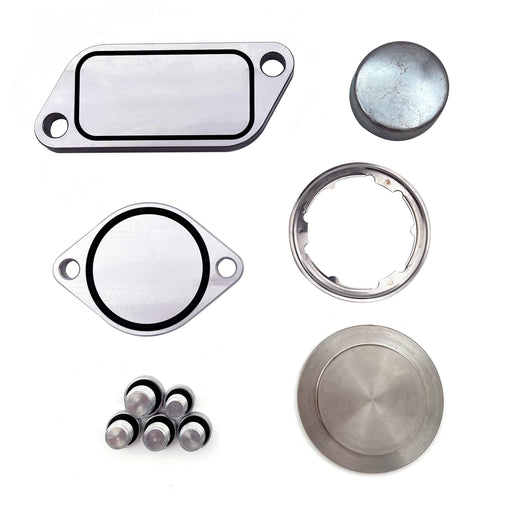
For 2010-Present Stage 2 ISX 15 CM2250 CM2350 EGR Delete Kit
SEGULEROriginal price $59.99 - Original price $59.99Original price$59.99$59.99 - $59.99Current price $59.99FITMENT 2010-Present Cummins Volvo, Peterbilt, Mack, International, Freightliner, Kenworth with the ISX15 CM2250 / CM2350 engines. DESCRIPTION P...
View full details -
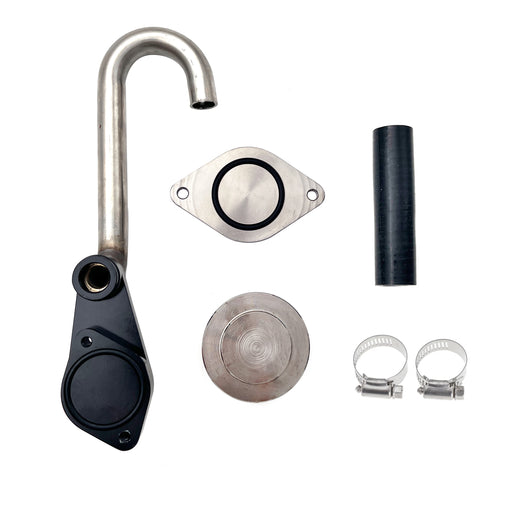
Seguler 2003-2007 6.0L FORD Powerstroke Diesel EGR Cooler Delete Kit
SEGULEROriginal price $56.14 - Original price $56.14Original price$56.14$56.14 - $56.14Current price $56.14FITMENT 2003-2007 6.0L Ford F-250 Ford F-350 F-450 F-550 Super Duty. 2003-2007 6.0L Ford Excursion SUV (Diesel Models Only). 2005-2010 Ford E-Se...
View full details -
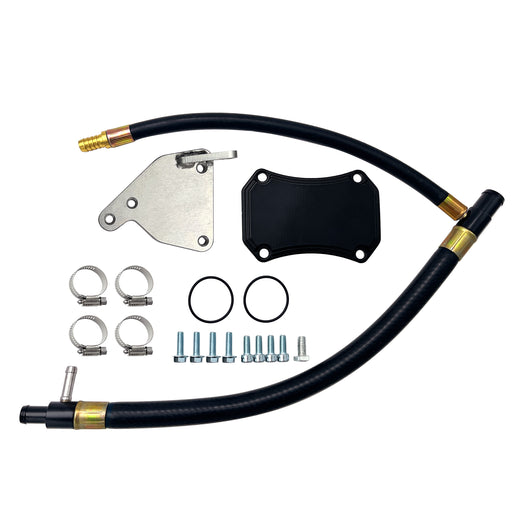
For 2011-2016 6.6L GMC Chevy Duramax Diesel LML EGR Valve Cooler Delete Kit
SEGULEROriginal price $66.49 - Original price $66.49Original price$66.49$66.49 - $66.49Current price $66.49FITMENT 2011-2016 6.6L Chevy GMC Duramax LML 2500 HD 3500 HD Diesel. DESCRIPTION Product Overview The 2011–2016 LML Duramax uses a complex EG...
View full details -
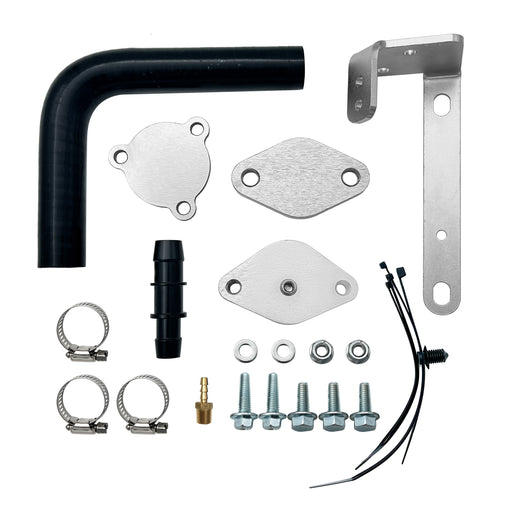
Seguler For 2014-2019 3.0L Dodge Ram 1500 EcoDiesel EGR Valve & Cooler Delete Kit
SEGULEROriginal price $72.99 - Original price $72.99Original price$72.99$72.99 - $72.99Current price $72.99FITMENT 2014-2019 3.0L Dodge Ram 1500 EcoDiesel V6 engine trucks. DESCRIPTION Product Overview Exhaust gas recirculation on 3.0L EcoDiesel V6 ...
View full details -

Seguler 2011-2023 6.7L Ford Powerstroke Diesel EGR Delete Kit
SEGULEROriginal price $85.99 - Original price $85.99Original price$85.99$85.99 - $85.99Current price $85.99FITMENT 2011-2023 6.7L Ford Powerstroke F-250 F-350 F-450 F-550 Super Duty V8 Diesel. compatible with both standard Pickups and commercial Cab &...
View full details -

Seguler 2010-2024 6.7L Dodge Ram Cummins Diesel EGR Valve Cooler Delete Kit
SEGULEROriginal price $89.99 - Original price $89.99Original price$89.99$89.99 - $89.99Current price $89.99FITMENT 2010–2024 6.7L Dodge Ram Cummins 2500 / 3500 Pickup Turbo Diesel. Note: Does NOT fit Chassis Cab 3500 / 4500 / 5500 models. DESCRIPTIO...
View full details -
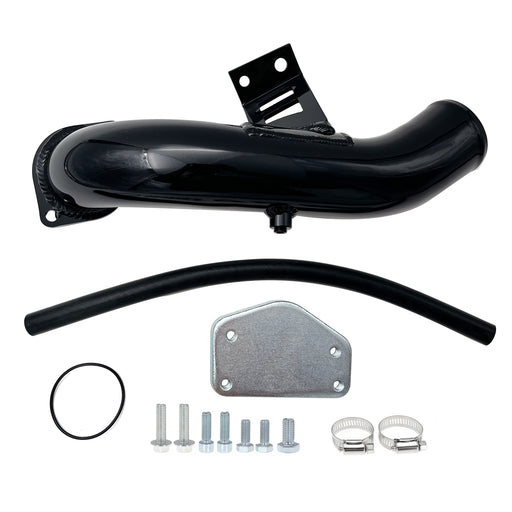
For 2004.5-2005 6.6L Chevy GMC Silverado LLY Duramax Diesel EGR Delete Kit
SEGULEROriginal price $92.99 - Original price $92.99Original price$92.99$92.99 - $92.99Current price $92.99FITMENT 2004.5-2005 6.6L Chevrolet Silverado Duramax LLY 2500HD / 3500 HD. 2004.5-2005 6.6L GMC Sierra Duramax LLY 2500HD / 3500 HD. DESCRIPTION...
View full details -

Seguler 2017-2019 L5P Duramax Diesel 4pcs L5P Can Bus Plugs Connector Replacement
SEGULEROriginal price $75.00 - Original price $75.00Original price$75.00$75.00 - $75.00Current price $75.00FITMENT 2017–2019 Chevrolet Silverado / GMC Sierra Duramax L5P 2500HD & 3500HD Diesel. DESCRIPTION Product Overview Unprotected harness con...
View full details -

Seguler 2020-2023 chevy duramax L5P Diesel Can Bus Plugs Connector
SEGULEROriginal price $80.00 - Original price $80.00Original price$80.00$80.00 - $80.00Current price $80.00FITMENT 2020–2023 Chevrolet Silverado / GMC Sierra Duramax L5P 2500HD & 3500HD Diesel. DESCRIPTION Product Overview Unprotected harness pl...
View full details -
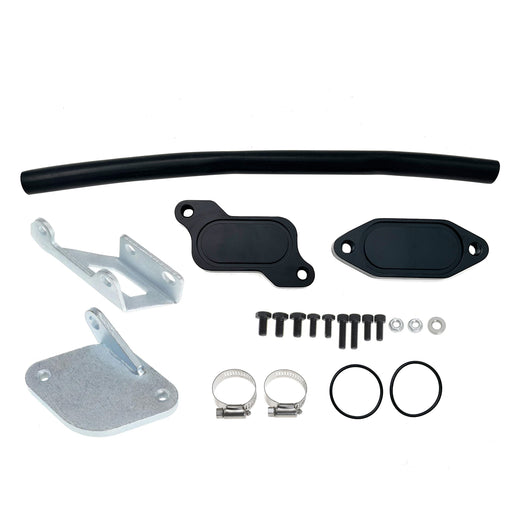
For 2006-2007 6.6L Chevrolet Silverado Classic GMC Duramax LBZ Diesel EGR Valve Cooler Delete Kit
SEGULEROriginal price $63.49 - Original price $63.49Original price$63.49$63.49 - $63.49Current price $63.49FITMENT 2006-2007.4 Chevrolet Silverado Duramax LBZ 2500HD / 3500HD. 2007.4 Chevrolet Silverado Duramax LBZ 2500HD / 3500HD Classic. 2006-2007.4 ...
View full details -

Seguler 2011-2023 6.7L Ford F250 F350 F450 F550 Powerstroke Diesel EGR Valve Delete Cooler Delete Kit
SEGULEROriginal price $55.99 - Original price $55.99Original price$55.99$55.99 - $55.99Current price $55.99FITMENT 2011-2023 6.7L Ford Powerstroke F-250 F-350 F-450 F-550 Super Duty V8 Diesel compatible with both standard Pickups and commercial Cab &a...
View full details -
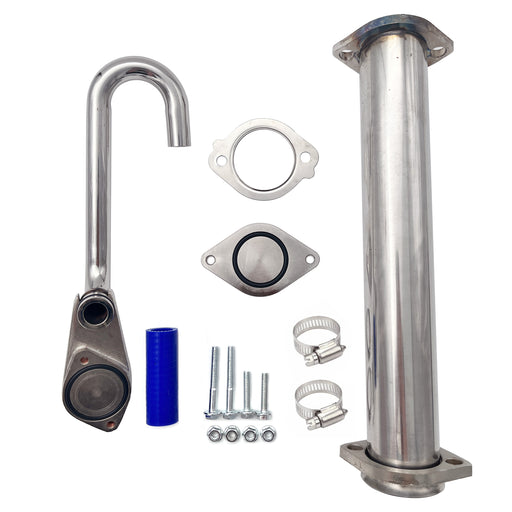
Seguler 2003-2007 6.0L Ford F250 F350 Powerstroke Diesel EGR Basic Cooler Kit
SEGULEROriginal price $79.99 - Original price $79.99Original price$79.99$79.99 - $79.99Current price $79.99FITMENT 2003-2007 6.0L Ford F250 F350 F450 F550 Super Duty Turbo (except 2004 F250 Super Duty). 2003-2005 6.0L Ford Excursion Turbo. 2005 Ford F...
View full details -
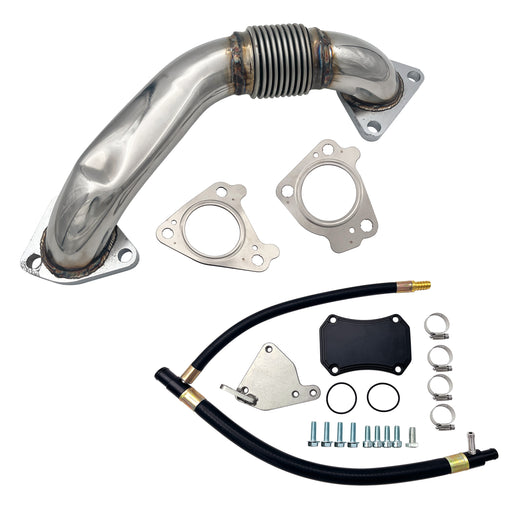
Seguler 2011-2016 6.6L GMC Chevy Duramax Diesel LML Up-Pipe & EGR Valve Cooler Delete Kit
SEGULEROriginal price $173.86 - Original price $173.86Original price$173.86$173.86 - $173.86Current price $173.86FITMENT 2011-2016 6.6L Chevy GMC Duramax LML 2500 HD 3500 HD Diesel. DESCRIPTION Product Overview Direct-injection technology endows GM 5.3L an...
View full details -
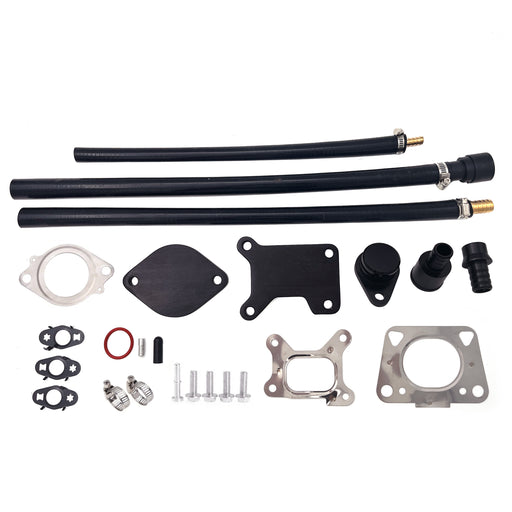
For 2017-2023 6.6L Chevy GMC Duramax L5P diesel EGR Valve Cooler Delete kit
SEGULEROriginal price $131.99 - Original price $131.99Original price$131.99$131.99 - $131.99Current price $131.99FITMENT 2017–2023 6.6L Chevrolet Silverado / GMC Sierra Duramax L5P 2500HD 3500HD Diesel. DESCRIPTION Product Overview Hot soot recirculation ...
View full details -
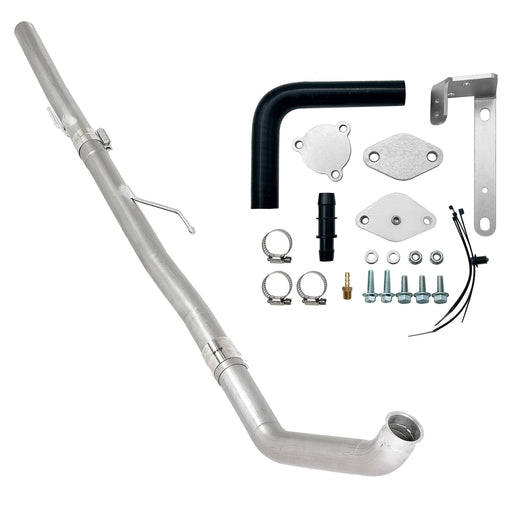
Seguler 3" Ecodiesel DPF Delete Pipe & EGR Delete kit for 2014-2018 3.0L Ram
SEGULEROriginal price $342.00 - Original price $342.00Original price$342.00$342.00 - $342.00Current price $342.00FITMENT 2014–2018 3.0L Dodge Ram 1500 EcoDiesel V6. NOTE: Fit standard Pickup models only (Crew Cab, Quad Cab). Does NOT fit Jeep Grand Cheroke...
View full details -
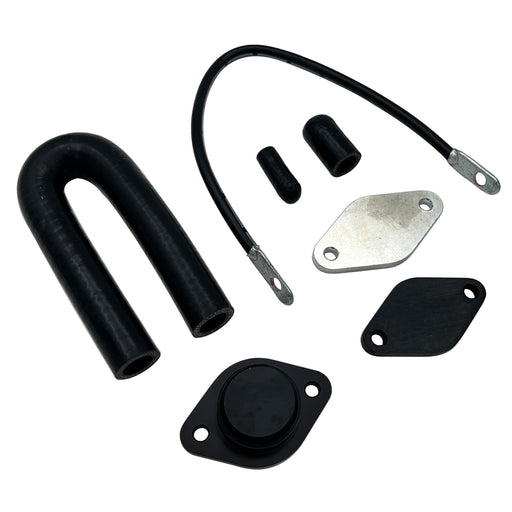
Seguler EGR valve cooler Delete kit for 2020-2022 3.0L Chevy Duramax LM2
SEGULEROriginal price $189.12 - Original price $189.12Original price$189.12$189.12 - $189.12Current price $189.12FITMENT 2020–2022 3.0L Chevrolet Silverado GMC Sierra 1500 LM2 Turbo-Diesel. DESCRIPTION Product Overview Powered by smooth inline-six engine...
View full details -

For 2013-2023 6.7L Dodge Ram Cummins Cab & Chassis EGR Delete Kit Diesel
SEGULEROriginal price $62.99 - Original price $62.99Original price$62.99$62.99 - $62.99Current price $62.99FITMENT 2013–2023 6.7L Ram Cummins 3500 4500 5500 Cab & Chassis / Commercial Trucks. Does NOT fit standard Ram 2500 3500 Pickups. DESCRIPTIO...
View full details -
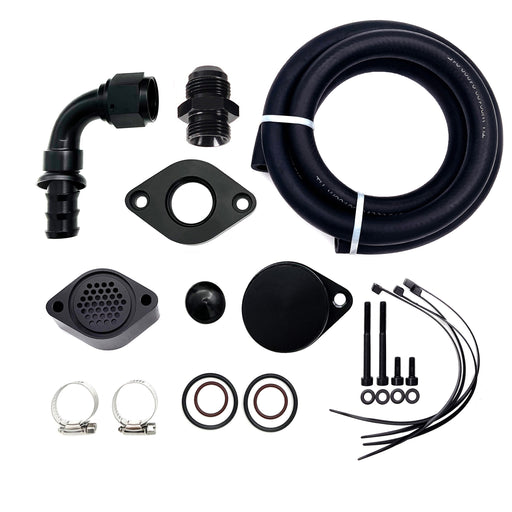
Seguler 2011-2023 6.7L Ford Powerstroke CCV PCV Reroute Engine Ventilation Kit
SEGULEROriginal price $82.99 - Original price $82.99Original price$82.99$82.99 - $82.99Current price $82.99FITMENT 2011-2023 6.7L Ford Powerstroke F-250 F-350 F-450 F-550 Super Duty V8 Diesel. Compatible with both standard Pickups and commercial Cab &...
View full details -
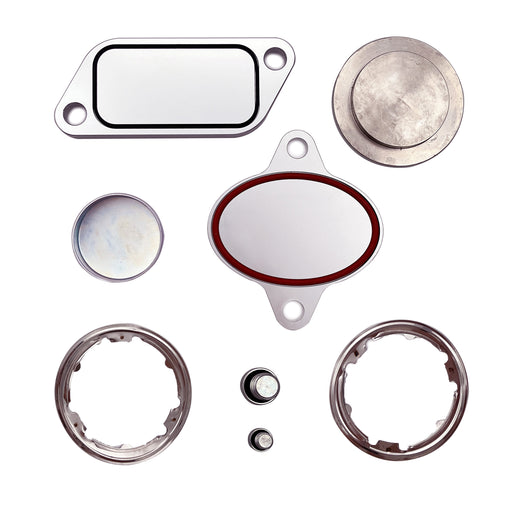
For 2007-2010 Cummins ISX CM871 EGR Plug Kit Stage 2 Plates and Plugs Aluminum
SEGULEROriginal price $67.99 - Original price $67.99Original price$67.99$67.99 - $67.99Current price $67.99FITMENT 2007-2010 Cummins Volvo, Peterbilt, Mack, International, Freightliner, Kenworth with the ISX CM871 Engines. DESCRIPTION Product Overvie...
View full details -
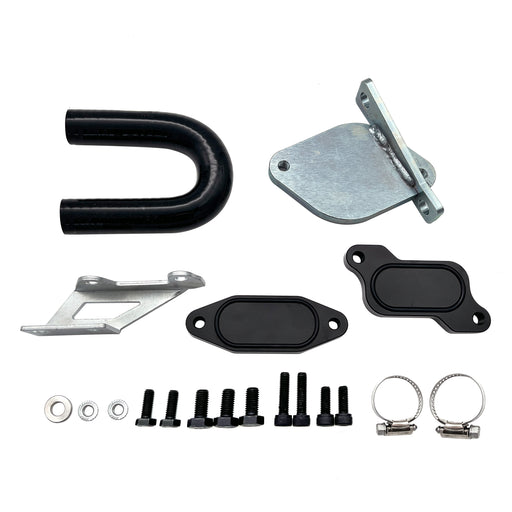
For 2007-2010 6.6L Chevy GMC LMM Duramax EGR Valve Cooler Delete Kit Fit
SEGULEROriginal price $61.99 - Original price $61.99Original price$61.99$61.99 - $61.99Current price $61.99FITMENT 2007.5-2010 6.6L Chevrolet Silverado Duramax LMM 2500HD / 3500HD. 2007.5-2010 6.6L GMC Sierra Duramax LMM 2500HD / 3500HD. Note: Standard...
View full details -
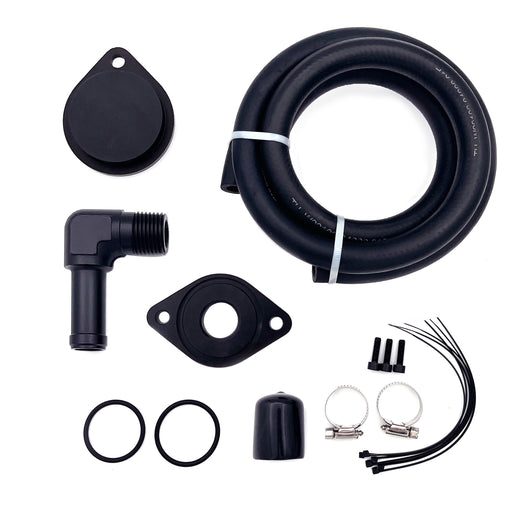
Seguler 2011-2023 Ford 6.7L Powerstroke CCV/PCV Reroute/Delete Engine Ventilation Kit
SEGULEROriginal price $72.00 - Original price $72.00Original price$72.00$72.00 - $72.00Current price $72.00FITMENT 2011-2023 6.7L Ford Powerstroke F-250 F-350 F-450 F-550 Super Duty V8 Diesel. Compatible with both standard Pickups and commercial Cab &...
View full details -
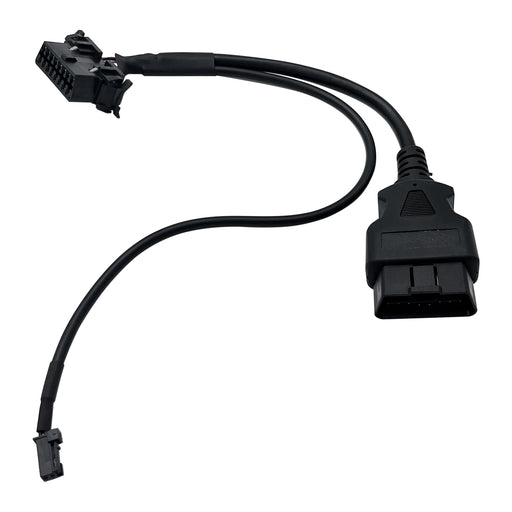
Seguler 2018+ RAM Cummins OBD2 HD Security Gate Bypass Cable
SEGULEROriginal price $45.00 - Original price $45.00Original price$45.00$45.00 - $45.00Current price $45.00FITMENT 2018+ 6.7L Ram Cummins 2500 3500 Turbo Diesel. Designed for Ram pickup trucks equipped with the factory Security Gateway Module. Note: Pl...
View full details -
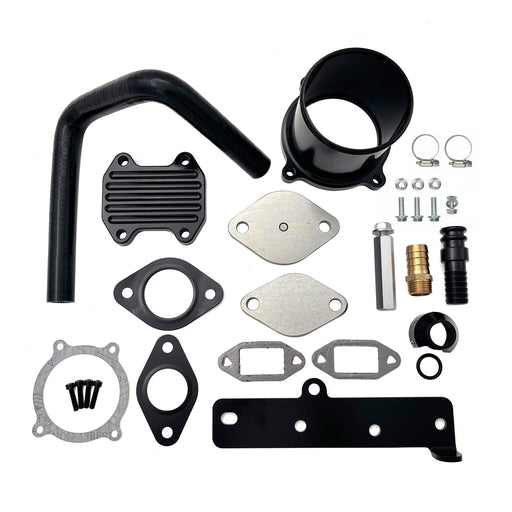
Seguler For 2013-2018 6.7L Dodge RAM 2500 3500 Cummins Diesel EGR Delete Cooler Throttle Valve Delete Kit
SEGULEROriginal price $112.00 - Original price $112.00Original price$112.00$112.00 - $112.00Current price $112.00FITMENT 2013–2018 6.7L Dodge Ram Cummins 2500 & 3500 Pickup Turbo Diesel. Note: Does NOT fit Cab & Chassis (3500 / 4500 / 5500 C&C) m...
View full details


Leave a comment