

6.7 Cummins EGR Delete Kit: Upgrade or Liability?
🔑 Key Takeaways
- Upgrade side: 15-30 HP, 1-3 MPG improvement, elimination of the #1 failure point, and dramatically reduced maintenance costs
- Liability side: federal law violations, voided warranty, potential resale challenges, and the risk of poor-quality kits causing damage
- The truth: an EGR delete is an upgrade for reliability-focused long-term owners, but a liability for those concerned about warranty and legal compliance
- Quality kit selection is the single most important factor—cheap universal kits are the real liability
In the field of contemporary 6.7L cummins engine maintenance and upgrades, the question of "whether to remove the EGR system" is filled with opposing views and shared experiences, ranging from strong advocacy to firm opposition. These varying voices often leave those seeking answers even more confused. How can one find clear and reliable guidance amidst contradictory technical claims, unverified performance promises, and ambiguous regulatory interpretations?
This article aims to navigate through this fog of information. For vehicle owners facing this decision, it provides a decision-making analysis framework based on facts and logic, helping them make a careful and informed judgment according to their vehicle's condition, usage scenario, and risk considerations.
Understanding the EGR Dilemma and Your Options
Design Intent and Real-World Challenges of EGR
EGR reduces combustion temperature by introducing exhaust gases, effectively suppressing the generation of nitrogen oxides (NOx) to meet stringent emission regulations. However, this comes with unavoidable side effects: increased carbon buildup in the intake system, sluggish throttle response under certain conditions, and potential failure points such as the valve body and cooler.
Your Three Options
Option A: Optimization and Maintenance
This is the preferred choice for minor issues or preventive maintenance. It includes: regular cleaning with professional additives, using low-ash engine oil, timely replacement of faulty EGR valves/coolers, and so on.
Option B: Temporary Bypass
Temporarily disable the EGR system through software or install a simple bypass device. However, the damaged or clogged hardware remains on the engine, and the physical fault still exists.
Option C: Complete Removal
This involves physically removing the faulty components, establishing a completely new, clean, and efficient foundation for the engine's intake and exhaust systems. Its primary goal is to restore the engine's designed breathing efficiency and permanently eliminate specific failure points.
The Specific Scenarios for "Option C"
EGR delete is a serious engineering decision, not a universal upgrade suitable for everyone. It primarily serves two clear types of needs, and the decision-maker must accept its inherent prerequisites beforehand:
Core Need Scenarios
Fault Eradication Type
The vehicle already suffers from hardware failures such as internal leaks in the EGR cooler or severe valve sticking. The owner seeks a permanent, complete solution.
Performance Priority Type
The vehicle is used for non-highway competition, specific work environments, or purely for performance pursuit. Throttle response and long-term reliability are absolute priorities.
Prerequisites That Must Be Accepted
-
Legal and Compliance: In most jurisdictions, this may lead to failed annual inspections, penalties for road use, and affect vehicle insurance coverage.
-
Environmental Impact: This action will significantly increase NOx emissions from the vehicle's exhaust.
Key Conclusion
Only if your needs clearly fall into the scenarios above, and you fully understand and accept all the prerequisites, does discussing "how to properly implement the systems engineering" have practical meaning. Otherwise, Option A or B is a more prudent choice.
Why a Complete Replacement Kit is Crucial
Why You Can't Just Use a Block-Off Plate
-
Creates Exhaust Interference: This may disrupt the smooth flow of exhaust gases, potentially causing abnormal turbo backpressure and worsened response.
-
Introduces Leak Points: Non-precision block-off plates and low-quality gaskets cannot withstand long-term thermal cycling and vibration, easily leading to exhaust leaks.
-
Lacks System Integration: Simply blocking one port in isolation does not consider the overall engine bay layout, pipe support, and thermal expansion, which may cause interference, noises, or detachment.
The Value of a Professional Replacement Kit
A professional EGR delete kit provides a complete, ready-to-install hardware solution that requires no secondary modifications. It solves the root problems:
-
Eliminates the Failure Source: Permanently resolving the carbon buildup, clogging, leaks, and sticking caused by them.
-
Ensures Sealing and Safety: The kit provides all necessary, precisely fitted installation hardware, ensuring reliable sealing at all connection points under all operating conditions, preventing exhaust leaks.
-
Restores Normal Engine Breathing: This allows the engine to restore its designed breathing efficiency. Common issues like throttle lag and power loss are often improved.
EGR Delete Only or Complete Exhaust System Replacement?
2010-2024 6.7L Cummins Ram EGR Throttle Valve Cooler Delete Kit
Tired of EGR-related carbon buildup and sluggish throttle response? This direct-fit, precision-engineered EGR delete kit offers the most targeted and efficient solution for your Cummins.

Materials & Design
Utilizes an aluminum alloy body and silicone seals. Designed specifically for the original vehicle's plumbing to ensure a direct and safe replacement.
Problems Solved:
- Permanently eliminates carbon buildup and EGR valve sticking caused by exhaust gas recirculation.
- Reduces load on the engine cooling system, helping to maintain more stable coolant temperatures.
- Stops the introduction of high-temperature exhaust gases into the cylinders, improving combustion quality and throttle response.
Ideal Scenario
Your primary concerns stem only from the EGR system. You wish to permanently resolve this issue in the most direct and cost-effective way, with no urgent need for significant peak horsepower gains.
2013-2018 6.7L Ram Cummins 4" DPF & EGR Cooler Throttle Delete Kit
Go beyond simple fixes—this 4" DPF & EGR Delete kit is engineered to fully unleash your 6.7L Ram Cummins' performance by eliminating both EGR and DPF bottlenecks in one complete intake-to-exhaust upgrade.

Materials & Design:
Includes a high-quality, 4" performance exhaust system manufactured from stainless steel, designed to replace the stock DPF, forming a complete intake and exhaust upgrade package.
Problems Solved:
- Not only solves the EGR problem but also physically removes the risks and limitations associated with DPF clogging.
- This product significantly reduces exhaust backpressure, resulting in faster turbo spool-up, notable gains in horsepower and torque, along with potential fuel efficiency optimization.
- Aims to meet the user's comprehensive desire for enhanced performance, improved sound, greater durability, and superior throttle response.
Ideal Scenario
You are no longer satisfied with merely fixing a fault. You aim to fully unleash the engine's potential performance, pursuing ultimate power output, better fuel economy, and are willing to invest in a complete, bottleneck-free intake and exhaust system.
6.7L Cummins EGR Delete Kit Installation
Preparation Phase
- Disconnect the battery.
- Prepare tools and a coolant collection pan.
Removal Phase
- Remove the intake pipe to gain working access.
- Disconnect the EGR coolant lines (contain any leakage).
- Remove the EGR valve and EGR cooler in sequence, avoiding damage to nearby sensors.
Installation Phase
- Install the provided blocking plates or plugs, and tighten to the specified torque to prevent deformation.
- Reroute the coolant circuit using the supplied bypass fittings or hoses, and secure them properly.
Testing Phase
- Reinstall all intake components and ensure connections are secure.
- Start the engine and check for any leaks or abnormal temperature readings.
- Conduct a short loaded road test to verify stable system operation.
A Note on Software and Tuning
After completing the hardware replacement, it is usually necessary to address the check engine light triggered by the removal:
Basic Operation (Clearing Fault Codes)
Use professional diagnostic equipment to clear or disable the EGR-related diagnostic trouble codes (DTCs) in the Engine Control Unit (ECU). This prevents the vehicle from entering a reduced-power "limp mode" due to detecting no EGR signal.
Performance Tuning (Optional)
Once hardware operation is confirmed stable and safe, owners seeking further performance optimization can opt for targeted ECU tuning.
It must be clear: Any software optimization must be based on stable and safe hardware operation.
Conlusion:
Based on an in-depth analysis of the 6.7L Cummins EGR system, we have distilled the following key conclusion: EGR deletion is not a universal upgrade, but a serious engineering decision aimed at permanently eliminating hardware failures or pursuing pure performance, and it must be undertaken with full acceptance of the legal and environmental risks involved. If your needs clearly align with these two points, then a well-designed, professionally installed complete EGR replacement kit is essential for restoring your engine's breathing efficiency and ensuring long-term reliability. At www.seguler.com we offer rigorously validated hardware solutions and comprehensive installation guidance. Choosing us means choosing a foundation of professionalism, clarity, and dependable technical support.
FAQs About 6.7L Cummins EGR Delete Kit
Q1: Can I install the 6.7L Cummis EGR delete kit myself?
A1: Many DIYers with solid mechanical skills can tackle this job. However, it requires patience, the right set of tools, and careful handling of the coolant system to avoid spills and air pockets.
Q2: Will installing a delete kit damage my engine?
A2: A properly installed kit should not cause damage. The risks come from poor installation, incorrect tuning after the delete, or forcing components during removal without proper support, which can lead to leaks or other issues.
Q3: How long does the installation take?
A3: The time required depends heavily on your experience and the complexity of the kit. A basic delete might take a few hours for a seasoned mechanic, while a more comprehensive kit with integrated components can take significantly longer. Having detailed, model-specific instructions is crucial for efficiency.
Q4: Is deleting the EGR on a 6.7 Cummins worth it?
A4: For enthusiasts focused on performance and long-term engine health, deleting the EGR system on a 6.7L Cummins can be worthwhile. Potential benefits often include increased horsepower, improved fuel economy, and lower overall engine operating temperatures.
Q5: If I change my mind later, can I revert the EGR delete?
A5: Yes, it is possible to reverse the process. It typically involves reinstalling all the original EGR components and having the Engine Control Unit (ECU) professionally retuned to factory specifications. Consulting with a specialist before starting the delete is a good idea if reversibility is a concern.


Featured collection
-
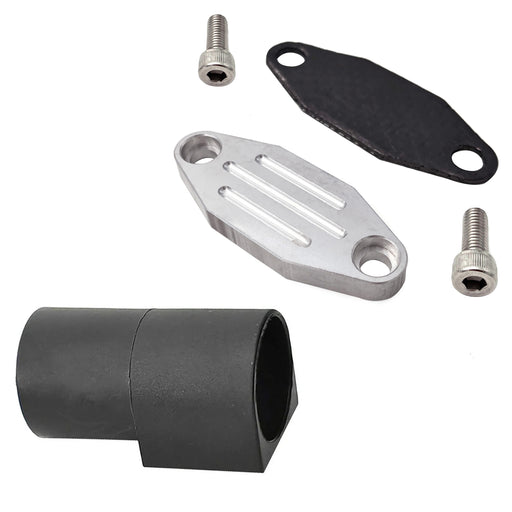
Seguler 1986-1995 Ford F150 F250 F350 Mustang Trucks EGR Simulator Eliminator / Block Off Plate Kit
SEGULEROriginal price $79.99 - Original price $79.99Original price$79.99$79.99 - $79.99Current price $79.99Block Off Plate Material: Aluminum alloy. Easy installation,and convenient to use. Made of CNC milled from aircraft grade Billet aluminum. Will N...
View full details -

Seguler 2011-2023 6.7L Ford Powerstroke Diesel EGR Delete Kit
SEGULEROriginal price $109.99 - Original price $109.99Original price$109.99$109.99 - $109.99Current price $109.99FITMENT 2011-2023 6.7L Ford Powerstroke F-250 F-350 F-450 F-550 Super Duty V8 Diesel. compatible with both standard Pickups and commercial Cab &...
View full details -
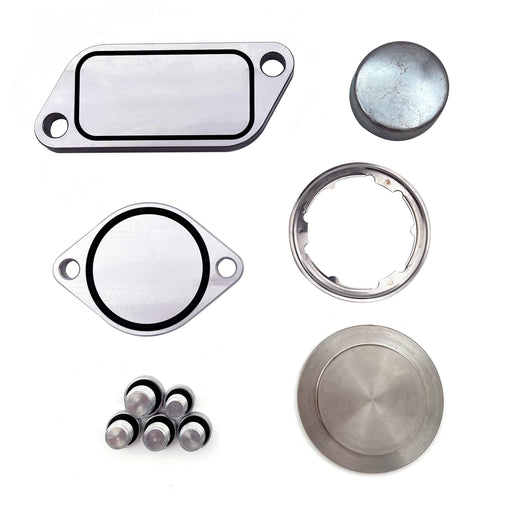
For 2010-Present Stage 2 ISX 15 CM2250 CM2350 EGR Delete Kit
SEGULEROriginal price $59.99 - Original price $59.99Original price$59.99$59.99 - $59.99Current price $59.99FITMENT 2010-Present Cummins Volvo, Peterbilt, Mack, International, Freightliner, Kenworth with the ISX15 CM2250 / CM2350 engines. DESCRIPTION P...
View full details -
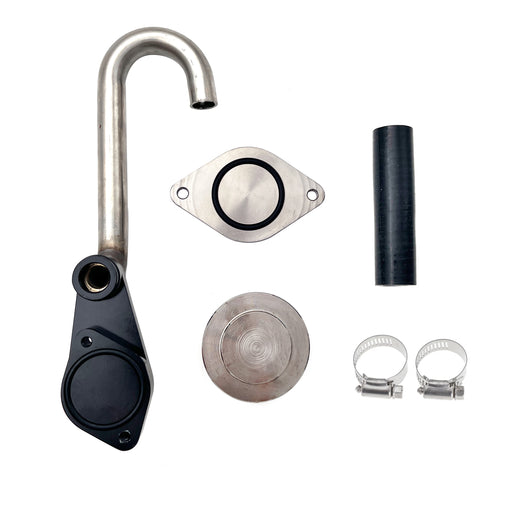
Seguler 2003-2007 6.0L FORD Powerstroke Diesel EGR Cooler Delete Kit
SEGULEROriginal price $56.14 - Original price $56.14Original price$56.14$56.14 - $56.14Current price $56.14FITMENT 2003-2007 6.0L Ford F-250 Ford F-350 F-450 F-550 Super Duty. 2003-2007 6.0L Ford Excursion SUV (Diesel Models Only). 2005-2010 Ford E-Se...
View full details -
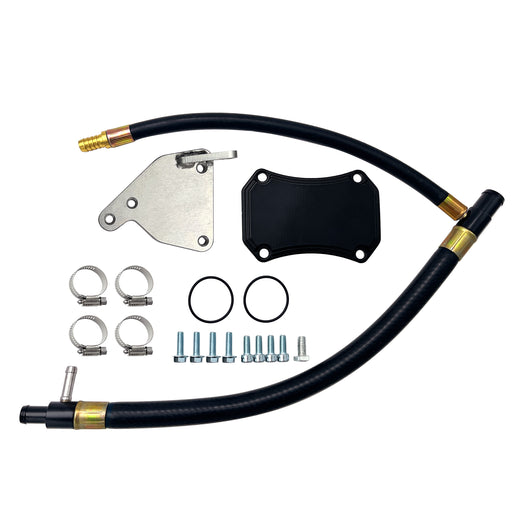
For 2011-2016 6.6L GMC Chevy Duramax Diesel LML EGR Valve Cooler Delete Kit
SEGULEROriginal price $66.49 - Original price $66.49Original price$66.49$66.49 - $66.49Current price $66.49FITMENT 2011-2016 6.6L Chevy GMC Duramax LML 2500 HD 3500 HD Diesel. DESCRIPTION Product Overview The 2011–2016 LML Duramax uses a complex EG...
View full details -
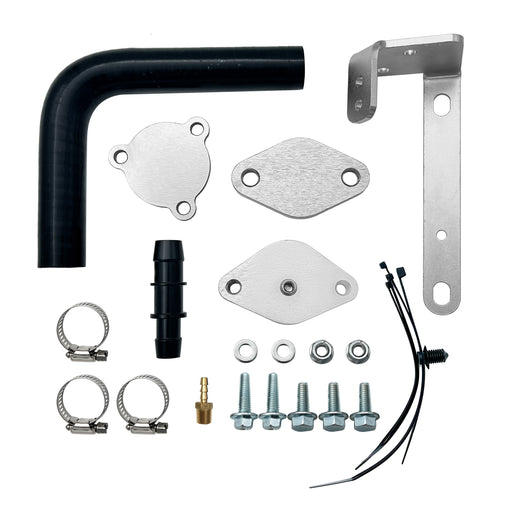
Seguler For 2014-2019 3.0L Dodge Ram 1500 EcoDiesel EGR Valve & Cooler Delete Kit
SEGULEROriginal price $72.99 - Original price $72.99Original price$72.99$72.99 - $72.99Current price $72.99FITMENT 2014-2019 3.0L Dodge Ram 1500 EcoDiesel V6 engine trucks. DESCRIPTION Product Overview Exhaust gas recirculation on 3.0L EcoDiesel V6 ...
View full details -

Seguler 2011-2023 6.7L Ford Powerstroke Diesel EGR Delete Kit
SEGULEROriginal price $85.99 - Original price $85.99Original price$85.99$85.99 - $85.99Current price $85.99FITMENT 2011-2023 6.7L Ford Powerstroke F-250 F-350 F-450 F-550 Super Duty V8 Diesel. compatible with both standard Pickups and commercial Cab &...
View full details -

Seguler 2010-2024 6.7L Dodge Ram Cummins Diesel EGR Valve Cooler Delete Kit
SEGULEROriginal price $89.99 - Original price $89.99Original price$89.99$89.99 - $89.99Current price $89.99FITMENT 2010–2024 6.7L Dodge Ram Cummins 2500 / 3500 Pickup Turbo Diesel. Note: Does NOT fit Chassis Cab 3500 / 4500 / 5500 models. DESCRIPTIO...
View full details -
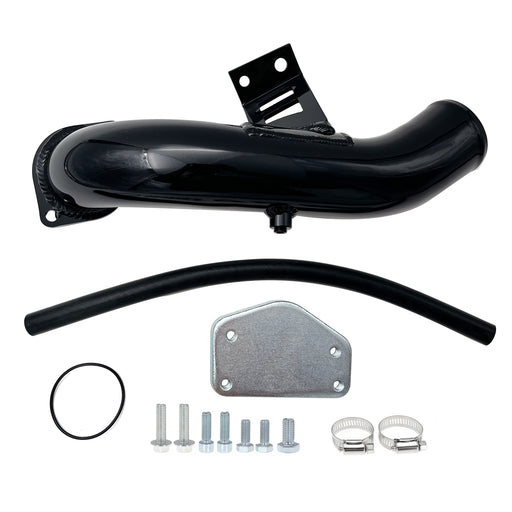
For 2004.5-2005 6.6L Chevy GMC Silverado LLY Duramax Diesel EGR Delete Kit
SEGULEROriginal price $92.99 - Original price $92.99Original price$92.99$92.99 - $92.99Current price $92.99FITMENT 2004.5-2005 6.6L Chevrolet Silverado Duramax LLY 2500HD / 3500 HD. 2004.5-2005 6.6L GMC Sierra Duramax LLY 2500HD / 3500 HD. DESCRIPTION...
View full details -

Seguler 2017-2019 L5P Duramax Diesel 4pcs L5P Can Bus Plugs Connector Replacement
SEGULEROriginal price $75.00 - Original price $75.00Original price$75.00$75.00 - $75.00Current price $75.00FITMENT 2017–2019 Chevrolet Silverado / GMC Sierra Duramax L5P 2500HD & 3500HD Diesel. DESCRIPTION Product Overview Unprotected harness con...
View full details -

Seguler 2020-2023 chevy duramax L5P Diesel Can Bus Plugs Connector
SEGULEROriginal price $80.00 - Original price $80.00Original price$80.00$80.00 - $80.00Current price $80.00FITMENT 2020–2023 Chevrolet Silverado / GMC Sierra Duramax L5P 2500HD & 3500HD Diesel. DESCRIPTION Product Overview Unprotected harness pl...
View full details -
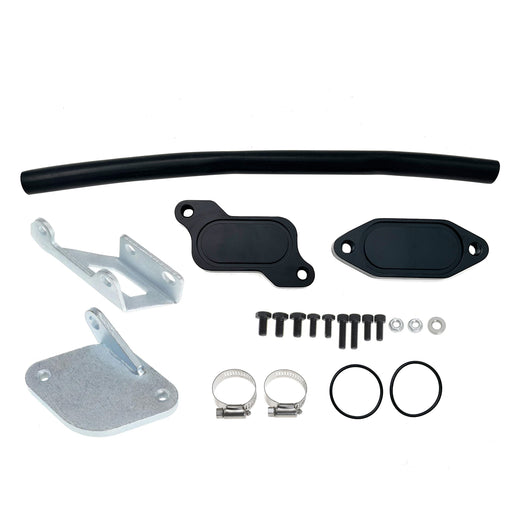
For 2006-2007 6.6L Chevrolet Silverado Classic GMC Duramax LBZ Diesel EGR Valve Cooler Delete Kit
SEGULEROriginal price $63.49 - Original price $63.49Original price$63.49$63.49 - $63.49Current price $63.49FITMENT 2006-2007.4 Chevrolet Silverado Duramax LBZ 2500HD / 3500HD. 2007.4 Chevrolet Silverado Duramax LBZ 2500HD / 3500HD Classic. 2006-2007.4 ...
View full details -

Seguler 2011-2023 6.7L Ford F250 F350 F450 F550 Powerstroke Diesel EGR Valve Delete Cooler Delete Kit
SEGULEROriginal price $55.99 - Original price $55.99Original price$55.99$55.99 - $55.99Current price $55.99FITMENT 2011-2023 6.7L Ford Powerstroke F-250 F-350 F-450 F-550 Super Duty V8 Diesel compatible with both standard Pickups and commercial Cab &a...
View full details -
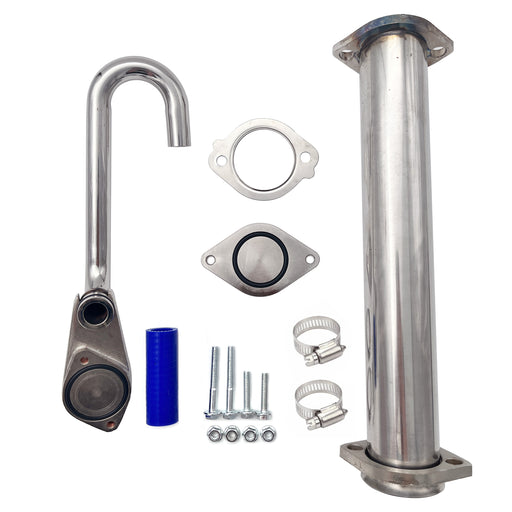
Seguler 2003-2007 6.0L Ford F250 F350 Powerstroke Diesel EGR Basic Cooler Kit
SEGULEROriginal price $79.99 - Original price $79.99Original price$79.99$79.99 - $79.99Current price $79.99FITMENT 2003-2007 6.0L Ford F250 F350 F450 F550 Super Duty Turbo (except 2004 F250 Super Duty). 2003-2005 6.0L Ford Excursion Turbo. 2005 Ford F...
View full details -
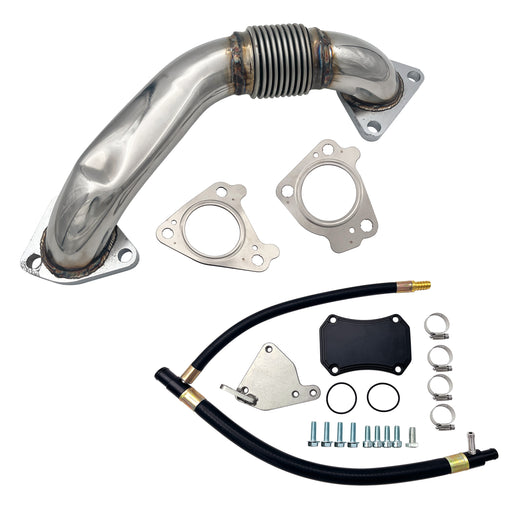
Seguler 2011-2016 6.6L GMC Chevy Duramax Diesel LML Up-Pipe & EGR Valve Cooler Delete Kit
SEGULEROriginal price $173.86 - Original price $173.86Original price$173.86$173.86 - $173.86Current price $173.86FITMENT 2011-2016 6.6L Chevy GMC Duramax LML 2500 HD 3500 HD Diesel. DESCRIPTION Product Overview Direct-injection technology endows GM 5.3L an...
View full details -
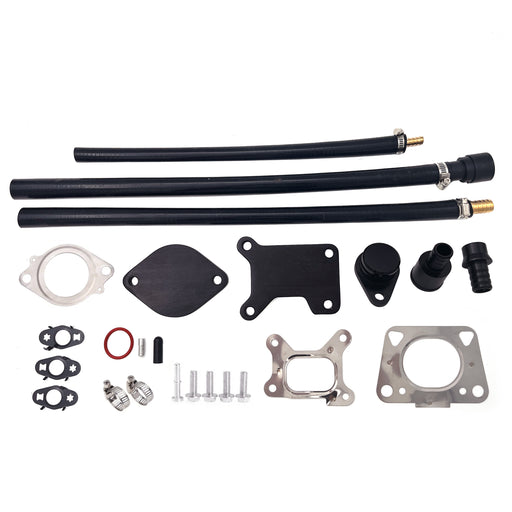
For 2017-2023 6.6L Chevy GMC Duramax L5P diesel EGR Valve Cooler Delete kit
SEGULEROriginal price $131.99 - Original price $131.99Original price$131.99$131.99 - $131.99Current price $131.99FITMENT 2017–2023 6.6L Chevrolet Silverado / GMC Sierra Duramax L5P 2500HD 3500HD Diesel. DESCRIPTION Product Overview Hot soot recirculation ...
View full details -
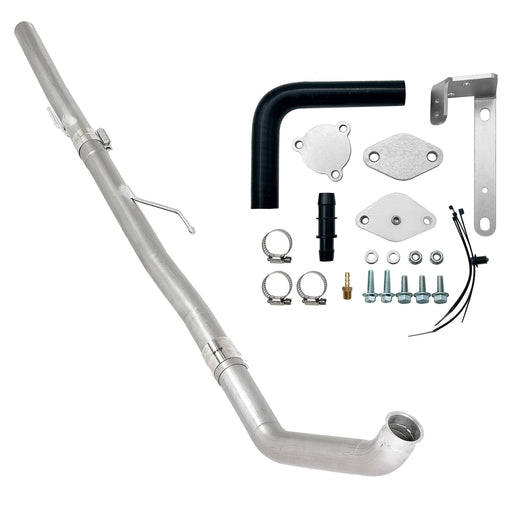
Seguler 3" Ecodiesel DPF Delete Pipe & EGR Delete kit for 2014-2018 3.0L Ram
SEGULEROriginal price $342.00 - Original price $342.00Original price$342.00$342.00 - $342.00Current price $342.00FITMENT 2014–2018 3.0L Dodge Ram 1500 EcoDiesel V6. NOTE: Fit standard Pickup models only (Crew Cab, Quad Cab). Does NOT fit Jeep Grand Cheroke...
View full details -
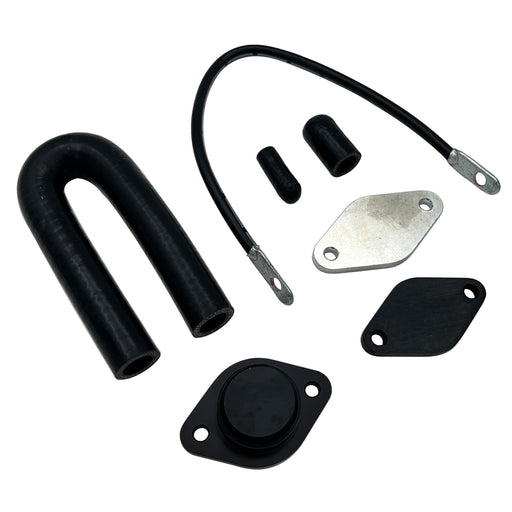
Seguler EGR valve cooler Delete kit for 2020-2022 3.0L Chevy Duramax LM2
SEGULEROriginal price $189.12 - Original price $189.12Original price$189.12$189.12 - $189.12Current price $189.12FITMENT 2020–2022 3.0L Chevrolet Silverado GMC Sierra 1500 LM2 Turbo-Diesel. DESCRIPTION Product Overview Powered by smooth inline-six engine...
View full details -

For 2013-2023 6.7L Dodge Ram Cummins Cab & Chassis EGR Delete Kit Diesel
SEGULEROriginal price $62.99 - Original price $62.99Original price$62.99$62.99 - $62.99Current price $62.99FITMENT 2013–2023 6.7L Ram Cummins 3500 4500 5500 Cab & Chassis / Commercial Trucks. Does NOT fit standard Ram 2500 3500 Pickups. DESCRIPTIO...
View full details -
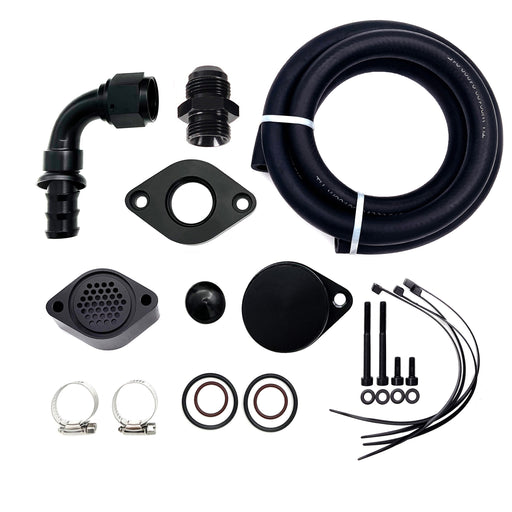
Seguler 2011-2023 6.7L Ford Powerstroke CCV PCV Reroute Engine Ventilation Kit
SEGULEROriginal price $82.99 - Original price $82.99Original price$82.99$82.99 - $82.99Current price $82.99FITMENT 2011-2023 6.7L Ford Powerstroke F-250 F-350 F-450 F-550 Super Duty V8 Diesel. Compatible with both standard Pickups and commercial Cab &...
View full details -
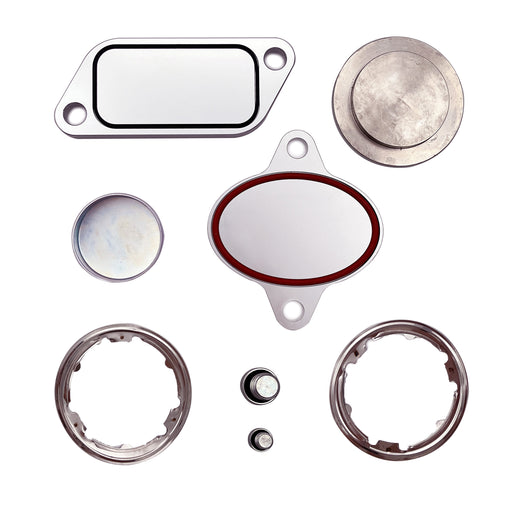
For 2007-2010 Cummins ISX CM871 EGR Plug Kit Stage 2 Plates and Plugs Aluminum
SEGULEROriginal price $67.99 - Original price $67.99Original price$67.99$67.99 - $67.99Current price $67.99FITMENT 2007-2010 Cummins Volvo, Peterbilt, Mack, International, Freightliner, Kenworth with the ISX CM871 Engines. DESCRIPTION Product Overvie...
View full details -
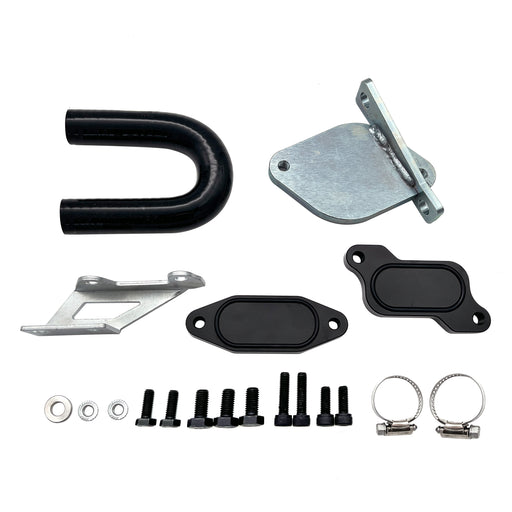
For 2007-2010 6.6L Chevy GMC LMM Duramax EGR Valve Cooler Delete Kit Fit
SEGULEROriginal price $61.99 - Original price $61.99Original price$61.99$61.99 - $61.99Current price $61.99FITMENT 2007.5-2010 6.6L Chevrolet Silverado Duramax LMM 2500HD / 3500HD. 2007.5-2010 6.6L GMC Sierra Duramax LMM 2500HD / 3500HD. Note: Standard...
View full details -
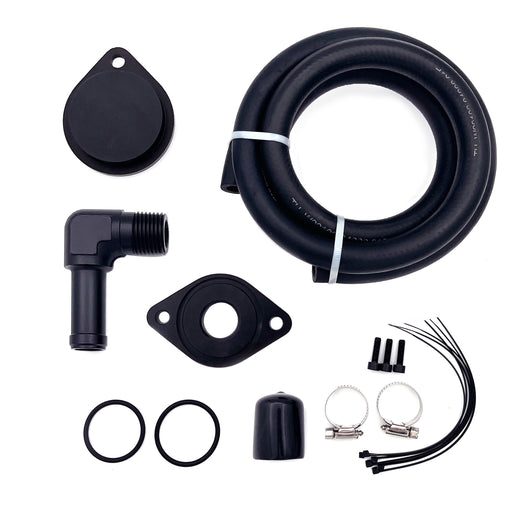
Seguler 2011-2023 Ford 6.7L Powerstroke CCV/PCV Reroute/Delete Engine Ventilation Kit
SEGULEROriginal price $72.00 - Original price $72.00Original price$72.00$72.00 - $72.00Current price $72.00FITMENT 2011-2023 6.7L Ford Powerstroke F-250 F-350 F-450 F-550 Super Duty V8 Diesel. Compatible with both standard Pickups and commercial Cab &...
View full details -
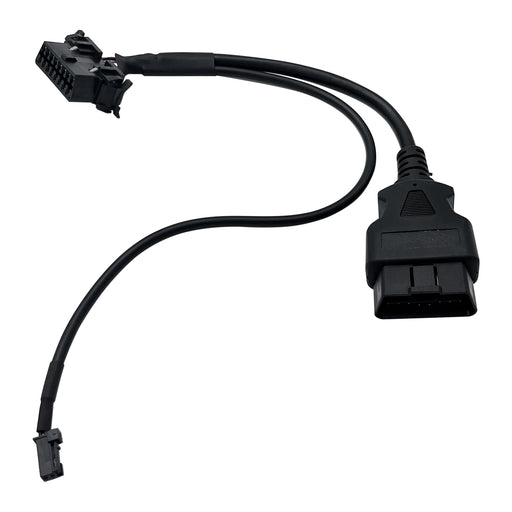
Seguler 2018+ RAM Cummins OBD2 HD Security Gate Bypass Cable
SEGULEROriginal price $45.00 - Original price $45.00Original price$45.00$45.00 - $45.00Current price $45.00FITMENT 2018+ 6.7L Ram Cummins 2500 3500 Turbo Diesel. Designed for Ram pickup trucks equipped with the factory Security Gateway Module. Note: Pl...
View full details -
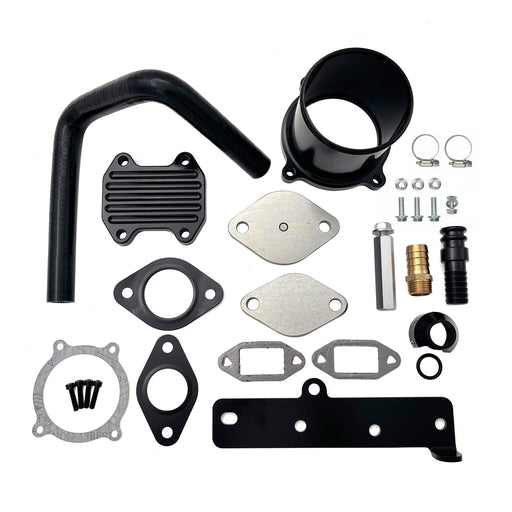
Seguler For 2013-2018 6.7L Dodge RAM 2500 3500 Cummins Diesel EGR Delete Cooler Throttle Valve Delete Kit
SEGULEROriginal price $112.00 - Original price $112.00Original price$112.00$112.00 - $112.00Current price $112.00FITMENT 2013–2018 6.7L Dodge Ram Cummins 2500 & 3500 Pickup Turbo Diesel. Note: Does NOT fit Cab & Chassis (3500 / 4500 / 5500 C&C) m...
View full details


Leave a comment