

6.7L Powerstroke EGR Delete: Protect Your Engine
From the perspective of a long-term truck asset manager, the EGR system is far from an insignificant emissions component. It represents an embedded, ongoing depreciation risk within the heart of the 6.7L Powerstroke. With every cycle, it accelerates wear and carbon buildup in critical components. Thus, removing the EGR is more than just a performance upgrade. By permanently eliminating this inherent point of vulnerability, we protect not only the engine’s longevity but also the long-term reliability of the truck as both a productive tool and a valuable capital asset.
EGR – A Critical Factor in the Health of the 6.7 Powerstroke
Since Ford introduced the EGR system in the 6.0L Powerstroke in 2003, it has remained a key focus among owners and mechanics. Although refined in the 6.7L version, the core issue persists: reintroducing hot, soot-laden exhaust gases into the cylinders essentially means bringing contaminants back into the engine’s most precise components.
Common Symptoms of EGR System Issues
Rough Idle or Stalling
If the EGR valve is stuck open, excess exhaust gas enters the intake manifold, disrupting combustion stability. This can cause noticeable shaking at idle or even unexpected stalling when the vehicle is stationary.
Reduced Power Output
When the EGR valve is stuck open, the higher proportion of exhaust gas in the intake mixture lowers combustion efficiency. You may experience sluggish acceleration, especially when climbing hills or passing other vehicles.
Increased Fuel Consumption
A drop in combustion efficiency directly impacts fuel economy. A sudden rise in fuel consumption is often a sign that the EGR system needs attention.
Strong Fuel Odor
The EGR system helps control nitrogen oxide emissions. If it malfunctions, incomplete combustion may occur, leading to a noticeable fuel smell inside or around the vehicle.
Elevated Emissions
A clogged or stuck-open EGR valve can reduce the engine’s ability to manage heat, resulting in higher nitrogen oxide emissions. This can affect both environmental compliance and emissions test results.
Check Engine Light Illuminated
An illuminated Check Engine Light is often the first warning sign. It typically indicates that the vehicle’s computer has detected an issue within the EGR system, such as a faulty valve or related component.
The most dangerous path for EGR cooler leakage
Path:
Coolant leaks through a failed EGR cooler → enters the intake manifold → is drawn into the cylinders.
Consequence:
Liquid coolant is incompressible, leading to engine hydrolock. The sudden, extreme stress can cause:
- Bent or broken connecting rods
- Shattered pistons
- Cracked cylinder walls or engine block
Repair Reality:
Damage at this level typically requires replacement of the engine's short block or even a full long block assembly. It represents one of the most expensive repairs possible for a 6.7L Powerstroke.
Redefining Truck Ownership
Discerning owners no longer view their truck as mere transportation, but as:
- A tool for productivity, where reliability directly impacts income.
- A depreciating asset with significant value-retention potential.
- A long-term partner for both business growth and personal journeys.
From this perspective, preventative maintenance is not an "optional upgrade," but a core principle of asset management. You shouldn't ignore the latent threat the EGR system poses to your truck's value and function.
The Preventative Asset Protection Solution
To meet this specific requirement for asset preservation, we have developed the "Preventive Asset Protection Package" - the 6.7L Powerstroke EGR Delete Kit - for the 6.7L engine.
2011-2023 6.7L Ford Powerstroke Diesel EGR Delete Kit
Unlike temporary fixes or inferior replacements, our kit is built on a simple principle: solve it once, never worry again.

Key Protective Features
- Prevents Hydrolock Catastrophe: Targets the root cause by permanently removing the fragile factory EGR cooler
- Intelligent Cooling Upgrade: A strategically designed flow plate reroutes coolant for faster circulation and lower overall engine temperatures. This reduces thermal stress, extending the lifespan.
- Long-Term System Health: Stops exhaust soot and oil vapor from entering the intake. This eliminates EGR valve clogging and carbon buildup, protecting critical components like the turbocharger and fuel injectors.
- Seamless Factory Integration: Includes a precision-machined exhaust block-off plate with a factory-spec 10mm port. It maintains full sensor function and prevents check engine lights, enabling a clean, trouble-free install.
Further upgrade to Protect Your Investment
We strongly recommend the 4-inch DPF & CAT Pipe + EGR Delete Performance Bundle. This comprehensive solution not only eliminates EGR-related reliability risks and carbon buildup but also delivers significantly improved turbo response and combustion efficiency. At the same time, it can also protect the long-term value and durability of your truck as an important asset.
2011-2023 6.7L Ford Powerstroke 4inch DPF & CAT Pipe / EGR Delete Kit

Key Protective Features
- It is made of T-409 stainless steel, which can be used for a long time under high temperatures.
- Effectively reduces exhaust gas temperatures, and contributes to extending the overall lifespan of the engine.
- It enhances exhaust flow, thereby improving engine performance and responsiveness.
- The elimination of the DPF/EGR system also removes the need for periodic regeneration and maintenance, saving you significant ongoing costs.
EGR Delete Kit Installation Guide
Step 1: Safety & Prep
Disconnect the battery and drain the cooling system. Unplug all electrical connections to the EGR components before starting.
Step 2: Remove Connecting Parts
Unbolt and remove the inlet pipe connecting the exhaust manifold to the EGR cooler, including its mounting bracket. Then, detach the outlet pipe running from the cooler to the intake.
Step 3: Fully Drain Coolant
Ensure all coolant is drained before disconnecting any EGR coolant lines. Have new coolant ready for refill.
Step 4: Remove Cooler Assembly
Disconnect vacuum lines and sensors, then unbolt the EGR cooler (including 8mm bolts and the 10mm nut for the back pressure sensor). Carefully remove the entire assembly.
Step 5: Install Block-Off Plates
Mount the exhaust plate using factory bolts. Secure the coolant cover and intake plate with provided hex bolts. Reconnect coolant lines using the supplied 3/8″ hose connector and clamps.
Step 6: Reassemble & Test
Cap vacuum ports, reconnect the 180-degree hose, and reinstall the intake manifold. Refill with coolant, reconnect the battery, check for leaks, and start the engine to verify proper operation.
Maintenance Guide After EGR Delete
EGR deletion is not a "set it and forget it" modification. Planned maintenance not only helps keep the vehicle in good condition but also ensures its long-term safety and reliability.
Engine Oil: The "Lifeblood" of Your Engine
- After EGR deletion, consider shortening your oil change intervals to help flush out any increased internal deposits.
- Prioritize full synthetic oil. It offers superior high-temperature protection, better cleaning properties, and enhanced wear resistance.
- Make it a habit to check oil level and condition, ensuring it is clean and at the proper level.
Cooling System: Maintaining a Stable "Temperature"
- Check the coolant level regularly and always use the type specified in your owner's manual.
- Replace the coolant according to the manufacturer's recommended schedule to prevent corrosion and scaling, maintaining peak cooling efficiency.
- Keep an eye on the coolant temperature gauge to ensure the system is operating correctly and prevent overheating.
Intake System: Ensuring Clear "Breathing"
- A dirty air filter significantly hurts performance and fuel economy. Inspect and replace it regularly.
- A high-performance or high-flow air filter can further improve airflow and engine responsiveness.
Proactive Monitoring: Using Data to "Listen" to Your Engine
- Regularly use an scanner to check for trouble codes and monitor key parameters for early problem detection.
- EGR deletion can lead to higher exhaust temperatures. Monitoring them helps protect the turbocharger and exhaust components.
- Periodically check intake and exhaust connections for leaks, and be alert for any unusual noises—these are often early warning signs of issues.
Conlusion: Protect Your Asset, Eliminate the Risk
For any 6.7L Powerstroke owner who values reliability and asset preservation, the factory EGR system represents an ongoing threat to both engine longevity and vehicle value. From common issues like power loss and increased fuel consumption to catastrophic failures such as coolant leaks and hydro-lock, the potential repair costs are staggering.
At www.seguler.com, our professional-grade EGR delete solution is engineered to eliminate this risk for good. To explore our complete solution, access step-by-step installation guides. Let us help you transform your truck into a dependable, worry-free partner that retains its value for years to come.
FAQs About 6.7L Powerstroke EGR Delete
Q1: Will removing the EGR extend my truck's service life?
A1: Yes. With proper engine tuning and consistent maintenance, eliminating the EGR system can significantly reduce carbon buildup caused by exhaust gas recirculation, which helps extend the lifespan of critical engine components.
Q2: What is the difference between a 6.7 Powerstroke EGR delete kit and an EGR block-off plate?
A2: These two solutions differ in engineering approach. A complete EGR delete kit removes the entire exhaust gas recirculation system, providing a permanent engineering solution. A block-off plate only seals the EGR passage mechanically while leaving the original components in the engine bay.
Q3: How much HP can I actually gain from EGR Delete?
A3: Typical horsepower gains range from 5 to 15 HP, depending on the vehicle’s overall modifications and tuning precision. The primary value of this modification lies in improving system reliability and responsiveness.
Q4: If my EGR fails, can I continue driving my truck?
A4: Technically possible, but strongly discouraged for extended periods. While a faulty EGR valve may not cause immediate breakdown.
Q5: Can I clean the EGR valve myself to prolong its life?
A5: Yes. For mild carbon buildup, professional cleaning can effectively restore valve function and delay failure. However, this is a maintenance measure rather than a permanent fix—severe issues will still require system repair or upgrading.


Featured collection
-
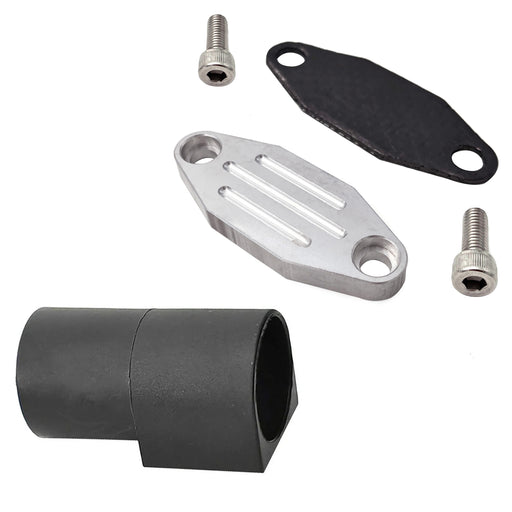
Seguler 1986-1995 Ford F150 F250 F350 Mustang Trucks EGR Simulator Eliminator / Block Off Plate Kit
SEGULEROriginal price $79.99 - Original price $79.99Original price$79.99$79.99 - $79.99Current price $79.99Block Off Plate Material: Aluminum alloy. Easy installation,and convenient to use. Made of CNC milled from aircraft grade Billet aluminum. Will N...
View full details -

Seguler 2011-2023 6.7L Ford Powerstroke Diesel EGR Delete Kit
SEGULEROriginal price $109.99 - Original price $109.99Original price$109.99$109.99 - $109.99Current price $109.99FITMENT 2011-2023 6.7L Ford Powerstroke F-250 F-350 F-450 F-550 Super Duty V8 Diesel. compatible with both standard Pickups and commercial Cab &...
View full details -
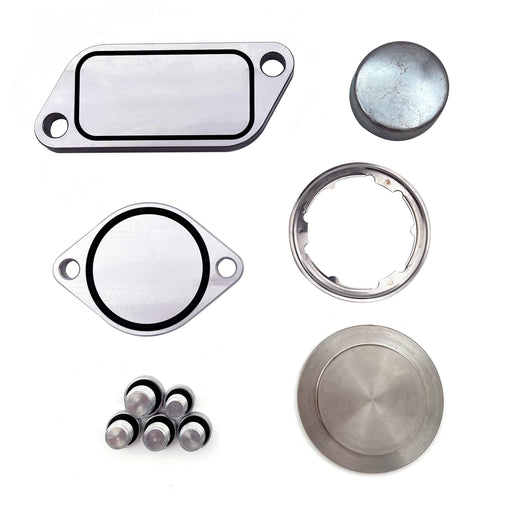
For 2010-Present Stage 2 ISX 15 CM2250 CM2350 EGR Delete Kit
SEGULEROriginal price $59.99 - Original price $59.99Original price$59.99$59.99 - $59.99Current price $59.99FITMENT 2010-Present Cummins Volvo, Peterbilt, Mack, International, Freightliner, Kenworth with the ISX15 CM2250 / CM2350 engines. DESCRIPTION P...
View full details -
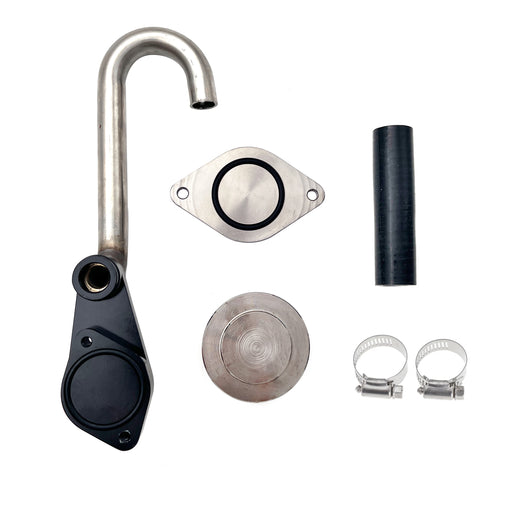
Seguler 2003-2007 6.0L FORD Powerstroke Diesel EGR Cooler Delete Kit
SEGULEROriginal price $56.14 - Original price $56.14Original price$56.14$56.14 - $56.14Current price $56.14FITMENT 2003-2007 6.0L Ford F-250 Ford F-350 F-450 F-550 Super Duty. 2003-2007 6.0L Ford Excursion SUV (Diesel Models Only). 2005-2010 Ford E-Se...
View full details -
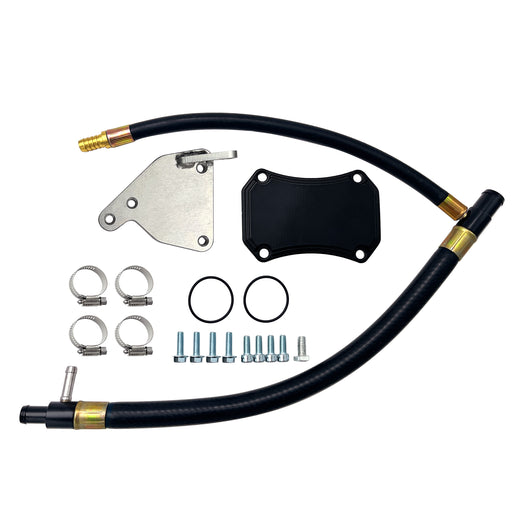
For 2011-2016 6.6L GMC Chevy Duramax Diesel LML EGR Valve Cooler Delete Kit
SEGULEROriginal price $66.49 - Original price $66.49Original price$66.49$66.49 - $66.49Current price $66.49FITMENT 2011-2016 6.6L Chevy GMC Duramax LML 2500 HD 3500 HD Diesel. DESCRIPTION Product Overview The 2011–2016 LML Duramax uses a complex EG...
View full details -
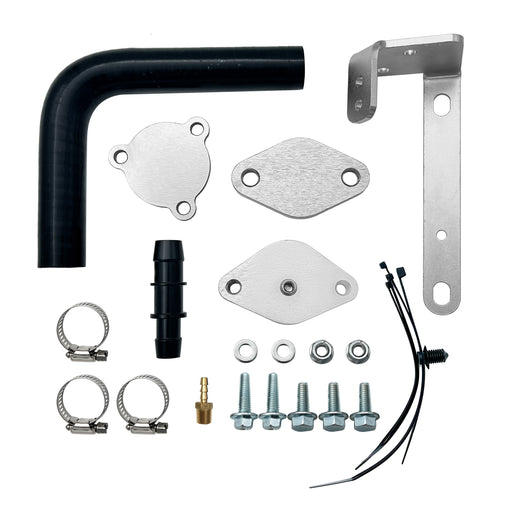
Seguler For 2014-2019 3.0L Dodge Ram 1500 EcoDiesel EGR Valve & Cooler Delete Kit
SEGULEROriginal price $72.99 - Original price $72.99Original price$72.99$72.99 - $72.99Current price $72.99FITMENT 2014-2019 3.0L Dodge Ram 1500 EcoDiesel V6 engine trucks. DESCRIPTION Product Overview Exhaust gas recirculation on 3.0L EcoDiesel V6 ...
View full details -

Seguler 2011-2023 6.7L Ford Powerstroke Diesel EGR Delete Kit
SEGULEROriginal price $85.99 - Original price $85.99Original price$85.99$85.99 - $85.99Current price $85.99FITMENT 2011-2023 6.7L Ford Powerstroke F-250 F-350 F-450 F-550 Super Duty V8 Diesel. compatible with both standard Pickups and commercial Cab &...
View full details -

Seguler 2010-2024 6.7L Dodge Ram Cummins Diesel EGR Valve Cooler Delete Kit
SEGULEROriginal price $89.99 - Original price $89.99Original price$89.99$89.99 - $89.99Current price $89.99FITMENT 2010–2024 6.7L Dodge Ram Cummins 2500 / 3500 Pickup Turbo Diesel. Note: Does NOT fit Chassis Cab 3500 / 4500 / 5500 models. DESCRIPTIO...
View full details -
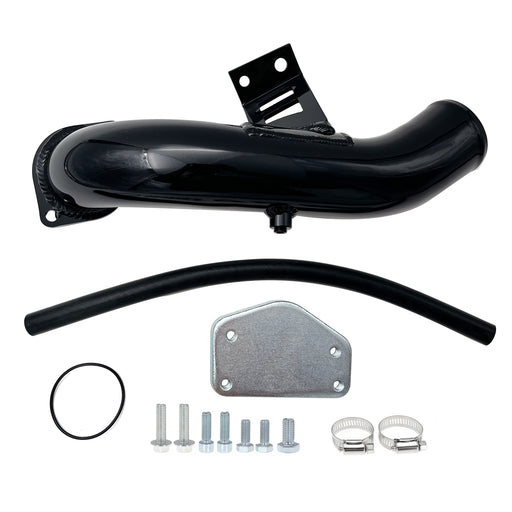
For 2004.5-2005 6.6L Chevy GMC Silverado LLY Duramax Diesel EGR Delete Kit
SEGULEROriginal price $92.99 - Original price $92.99Original price$92.99$92.99 - $92.99Current price $92.99FITMENT 2004.5-2005 6.6L Chevrolet Silverado Duramax LLY 2500HD / 3500 HD. 2004.5-2005 6.6L GMC Sierra Duramax LLY 2500HD / 3500 HD. DESCRIPTION...
View full details -

Seguler 2017-2019 L5P Duramax Diesel 4pcs L5P Can Bus Plugs Connector Replacement
SEGULEROriginal price $75.00 - Original price $75.00Original price$75.00$75.00 - $75.00Current price $75.00FITMENT 2017–2019 Chevrolet Silverado / GMC Sierra Duramax L5P 2500HD & 3500HD Diesel. DESCRIPTION Product Overview Unprotected harness con...
View full details -

Seguler 2020-2023 chevy duramax L5P Diesel Can Bus Plugs Connector
SEGULEROriginal price $80.00 - Original price $80.00Original price$80.00$80.00 - $80.00Current price $80.00FITMENT 2020–2023 Chevrolet Silverado / GMC Sierra Duramax L5P 2500HD & 3500HD Diesel. DESCRIPTION Product Overview Unprotected harness pl...
View full details -
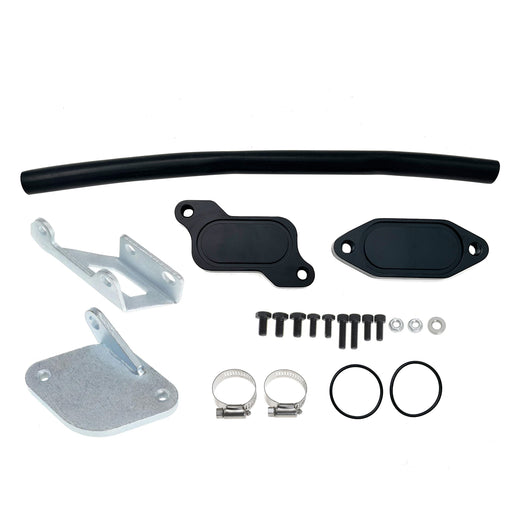
For 2006-2007 6.6L Chevrolet Silverado Classic GMC Duramax LBZ Diesel EGR Valve Cooler Delete Kit
SEGULEROriginal price $63.49 - Original price $63.49Original price$63.49$63.49 - $63.49Current price $63.49FITMENT 2006-2007.4 Chevrolet Silverado Duramax LBZ 2500HD / 3500HD. 2007.4 Chevrolet Silverado Duramax LBZ 2500HD / 3500HD Classic. 2006-2007.4 ...
View full details -

Seguler 2011-2023 6.7L Ford F250 F350 F450 F550 Powerstroke Diesel EGR Valve Delete Cooler Delete Kit
SEGULEROriginal price $55.99 - Original price $55.99Original price$55.99$55.99 - $55.99Current price $55.99FITMENT 2011-2023 6.7L Ford Powerstroke F-250 F-350 F-450 F-550 Super Duty V8 Diesel compatible with both standard Pickups and commercial Cab &a...
View full details -
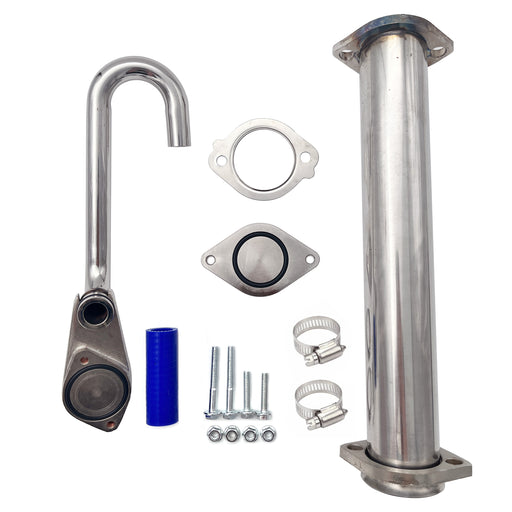
Seguler 2003-2007 6.0L Ford F250 F350 Powerstroke Diesel EGR Basic Cooler Kit
SEGULEROriginal price $79.99 - Original price $79.99Original price$79.99$79.99 - $79.99Current price $79.99FITMENT 2003-2007 6.0L Ford F250 F350 F450 F550 Super Duty Turbo (except 2004 F250 Super Duty). 2003-2005 6.0L Ford Excursion Turbo. 2005 Ford F...
View full details -
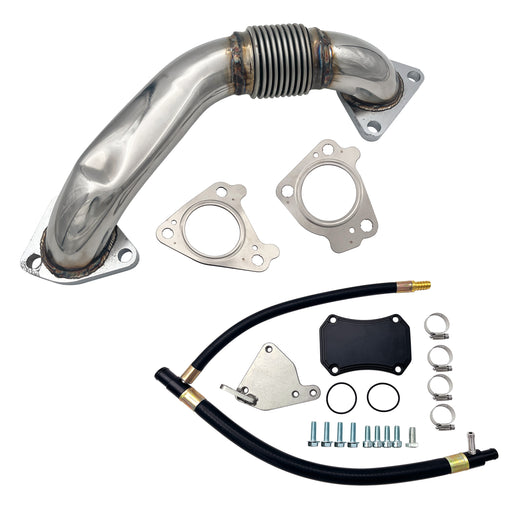
Seguler 2011-2016 6.6L GMC Chevy Duramax Diesel LML Up-Pipe & EGR Valve Cooler Delete Kit
SEGULEROriginal price $173.86 - Original price $173.86Original price$173.86$173.86 - $173.86Current price $173.86FITMENT 2011-2016 6.6L Chevy GMC Duramax LML 2500 HD 3500 HD Diesel. DESCRIPTION Product Overview Direct-injection technology endows GM 5.3L an...
View full details -
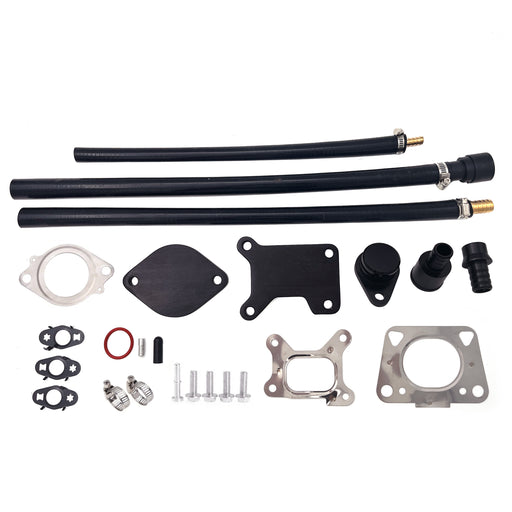
For 2017-2023 6.6L Chevy GMC Duramax L5P diesel EGR Valve Cooler Delete kit
SEGULEROriginal price $131.99 - Original price $131.99Original price$131.99$131.99 - $131.99Current price $131.99FITMENT 2017–2023 6.6L Chevrolet Silverado / GMC Sierra Duramax L5P 2500HD 3500HD Diesel. DESCRIPTION Product Overview Hot soot recirculation ...
View full details -
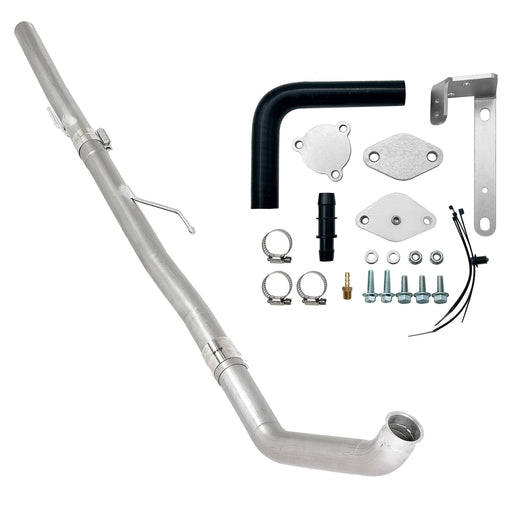
Seguler 3" Ecodiesel DPF Delete Pipe & EGR Delete kit for 2014-2018 3.0L Ram
SEGULEROriginal price $342.00 - Original price $342.00Original price$342.00$342.00 - $342.00Current price $342.00FITMENT 2014–2018 3.0L Dodge Ram 1500 EcoDiesel V6. NOTE: Fit standard Pickup models only (Crew Cab, Quad Cab). Does NOT fit Jeep Grand Cheroke...
View full details -
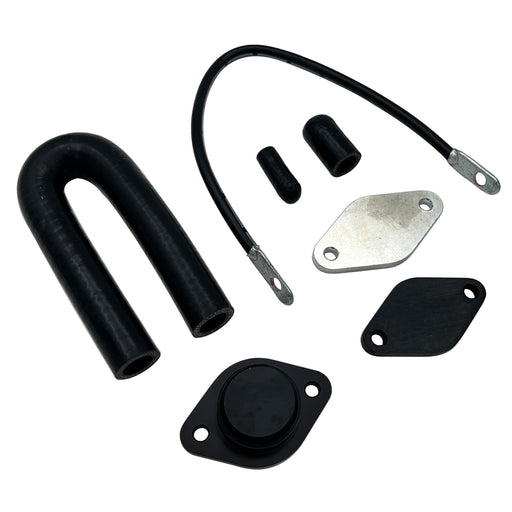
Seguler EGR valve cooler Delete kit for 2020-2022 3.0L Chevy Duramax LM2
SEGULEROriginal price $189.12 - Original price $189.12Original price$189.12$189.12 - $189.12Current price $189.12FITMENT 2020–2022 3.0L Chevrolet Silverado GMC Sierra 1500 LM2 Turbo-Diesel. DESCRIPTION Product Overview Powered by smooth inline-six engine...
View full details -

For 2013-2023 6.7L Dodge Ram Cummins Cab & Chassis EGR Delete Kit Diesel
SEGULEROriginal price $62.99 - Original price $62.99Original price$62.99$62.99 - $62.99Current price $62.99FITMENT 2013–2023 6.7L Ram Cummins 3500 4500 5500 Cab & Chassis / Commercial Trucks. Does NOT fit standard Ram 2500 3500 Pickups. DESCRIPTIO...
View full details -
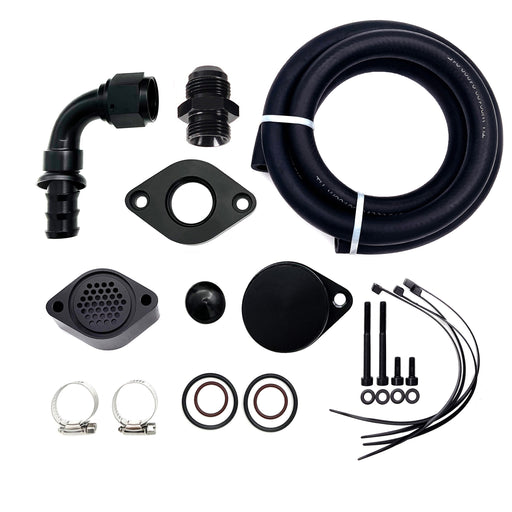
Seguler 2011-2023 6.7L Ford Powerstroke CCV PCV Reroute Engine Ventilation Kit
SEGULEROriginal price $82.99 - Original price $82.99Original price$82.99$82.99 - $82.99Current price $82.99FITMENT 2011-2023 6.7L Ford Powerstroke F-250 F-350 F-450 F-550 Super Duty V8 Diesel. Compatible with both standard Pickups and commercial Cab &...
View full details -
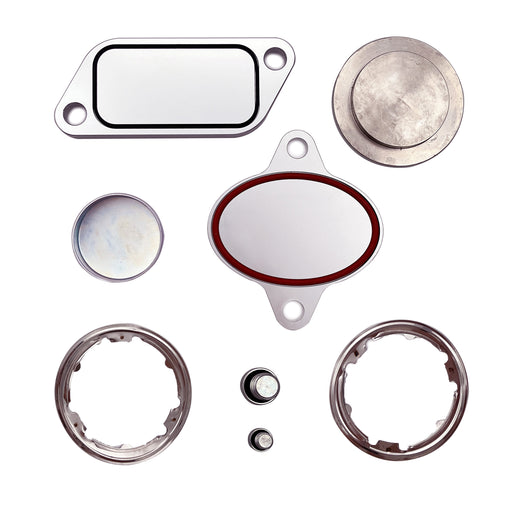
For 2007-2010 Cummins ISX CM871 EGR Plug Kit Stage 2 Plates and Plugs Aluminum
SEGULEROriginal price $67.99 - Original price $67.99Original price$67.99$67.99 - $67.99Current price $67.99FITMENT 2007-2010 Cummins Volvo, Peterbilt, Mack, International, Freightliner, Kenworth with the ISX CM871 Engines. DESCRIPTION Product Overvie...
View full details -
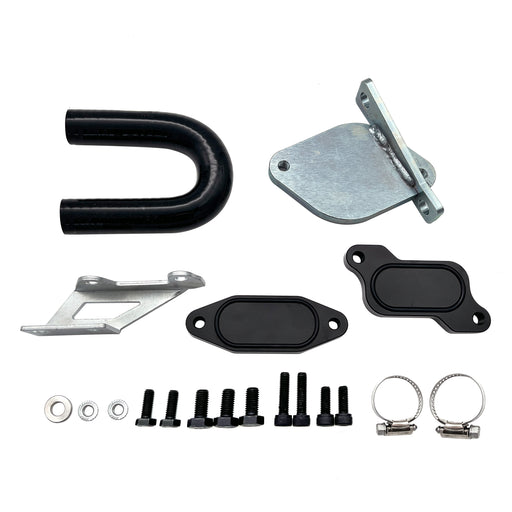
For 2007-2010 6.6L Chevy GMC LMM Duramax EGR Valve Cooler Delete Kit Fit
SEGULEROriginal price $61.99 - Original price $61.99Original price$61.99$61.99 - $61.99Current price $61.99FITMENT 2007.5-2010 6.6L Chevrolet Silverado Duramax LMM 2500HD / 3500HD. 2007.5-2010 6.6L GMC Sierra Duramax LMM 2500HD / 3500HD. Note: Standard...
View full details -
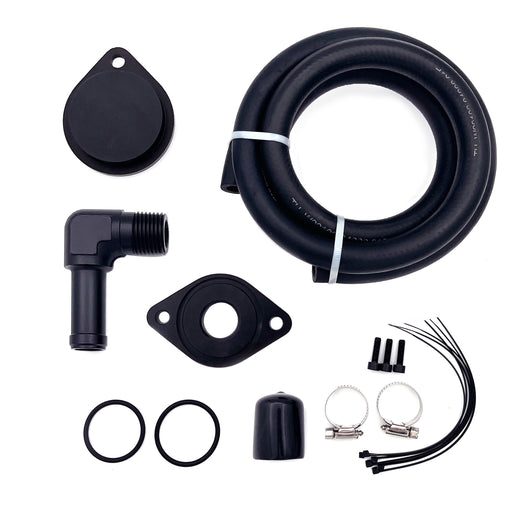
Seguler 2011-2023 Ford 6.7L Powerstroke CCV/PCV Reroute/Delete Engine Ventilation Kit
SEGULEROriginal price $72.00 - Original price $72.00Original price$72.00$72.00 - $72.00Current price $72.00FITMENT 2011-2023 6.7L Ford Powerstroke F-250 F-350 F-450 F-550 Super Duty V8 Diesel. Compatible with both standard Pickups and commercial Cab &...
View full details -
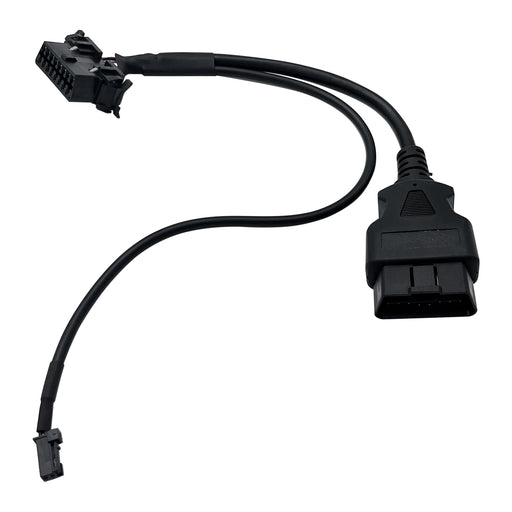
Seguler 2018+ RAM Cummins OBD2 HD Security Gate Bypass Cable
SEGULEROriginal price $45.00 - Original price $45.00Original price$45.00$45.00 - $45.00Current price $45.00FITMENT 2018+ 6.7L Ram Cummins 2500 3500 Turbo Diesel. Designed for Ram pickup trucks equipped with the factory Security Gateway Module. Note: Pl...
View full details -
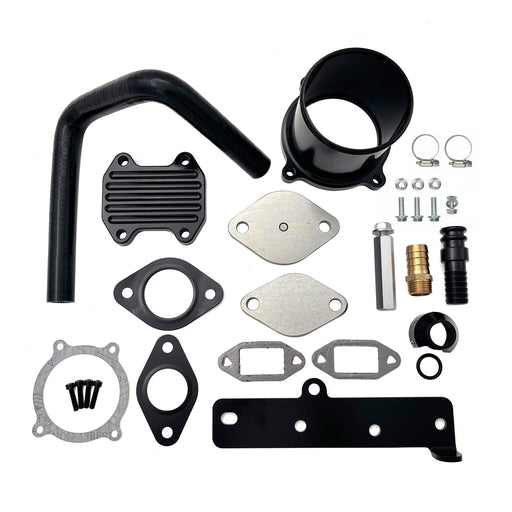
Seguler For 2013-2018 6.7L Dodge RAM 2500 3500 Cummins Diesel EGR Delete Cooler Throttle Valve Delete Kit
SEGULEROriginal price $112.00 - Original price $112.00Original price$112.00$112.00 - $112.00Current price $112.00FITMENT 2013–2018 6.7L Dodge Ram Cummins 2500 & 3500 Pickup Turbo Diesel. Note: Does NOT fit Cab & Chassis (3500 / 4500 / 5500 C&C) m...
View full details


Leave a comment