

Modifying 6.7L Powerstroke & Cummins: Guide
🔑 Key Takeaways
- EGR delete on 6.7L Powerstroke and Cummins engines delivers 15-30+ HP and 1-3 MPG improvement across both platforms
- Both engines share the same core benefit: eliminating carbon buildup that clogs intake systems and causes cooler failures
- Professional tuning is non-negotiable—the ECU must be recalibrated to operate safely without EGR feedback
- Federal law prohibits emissions tampering on street vehicles; these modifications are for off-road/competition use only
The rivalry between Cummins and Powerstroke, two titans of diesel power, has never ceased. On paper, their performance figures are closely matched. But in real-world use, one common component has become a hot topic among owners—the EGR system. More and more owners are considering an EGR delete to pursue better reliability, lower operating temperatures, and stronger power output. However, this modification does not come without costs: legal risks, soaring exhaust gas temperatures (EGT), and the potential for engine knocking… each of these is enough to give anyone pause. When environmental regulations clash with performance demands, how should owners decide? Based on technical facts and real-world user feedback, this article provides an objective and comprehensive reference for your decision-making.
Background: Evolution of Two Diesel Engines
Cummins
Since its founding in 1919, Cummins has focused on the development and production of industrial power systems. Cummins has built a strong reputation among Mopar enthusiasts thanks to its turbocharging technology and gear-driven camshaft design. In 2007, Cummins introduced the 6.7L engine. This engine is the largest-displacement inline-six diesel currently available in light-duty trucks and is Cummins’ first to feature a variable geometry turbocharger—technology that significantly reduces turbo lag and is effectively used in the exhaust braking system.
Powerstroke
Ford has relied on Powerstroke as its primary diesel option for pickups since 1994. After developing the 6.7L Powerstroke between 2008 and 2009, Ford first deployed it in the 2011 model year. This engine features a 90-degree V8 architecture, a single Garrett turbocharger, four valves per cylinder, and aluminum cylinder heads. It is powerful and reliable enough to handle heavy-duty applications such as school buses.
On paper, the current 6.7L Powerstroke produces nearly 450 horsepower and 935 lb-ft of torque, while the latest 6.7L Cummins delivers about 400 horsepower and 1,000 lb-ft of torque. The two are closely matched, and with the right modifications, even more potential can be unlocked.
What is the EGR System?
The Exhaust Gas Recirculation (EGR) system was designed to reduce nitrogen oxide (NOx) emissions. It works by redirecting a portion of exhaust gases back into the intake manifold, lowering combustion chamber temperatures and thus suppressing the formation of harmful pollutants. However, this environmentally friendly design places a considerable burden on the engine in real-world operation.
Why Do Owners Consider Deleting the EGR?
More and more 6.7L diesel owners are choosing to delete the EGR system for the following practical reasons:
-
Avoiding a Design Flaw: The EGR cooler on the 6.7L engine is a well-known weak point with frequent failures. Deleting it eliminates a major reliability concern.
-
Improving Thermal Load: With no more hot exhaust gases recirculated, the engine runs cooler, and the operating environment for all components improves.
-
Unlocking Intake Potential: Deleting the EGR means a cleaner, freer-flowing intake path, allowing the engine to "breathe" more easily and burn more efficiently.
-
Reducing Long-Term Costs: EGR components are prone to clogging, carbon buildup, and failure. Removing them eliminates associated repair and replacement costs.
Benefits of EGR Delete
Sharper Throttle Response
After the EGR delete, the engine ingests cleaner, cooler air, resulting in more complete combustion. Owners commonly report power gains of 5-15 horsepower and noticeably improved throttle response, making towing and off-road driving smoother and more linear.
Better Fuel Economy
Because exhaust gases no longer dilute the intake charge, the engine’s thermal efficiency improves. Some owners have measured fuel economy gains from 15 MPG to 17-18 MPG in mixed driving conditions, leading to significant long-term savings.
Lower Maintenance Costs
Common EGR system failures—such as valve clogging and cooler leaks—typically cost between $500 and $2,000 to repair. Deleting the EGR eliminates these expenses, while also reducing the frequency of intake system cleanings and extending the life of related components.
Cleaner Engine Internals
With exhaust gases no longer flowing back into the combustion chamber, carbon buildup inside the engine is drastically reduced. This translates to better long-term stability, slower performance degradation, and less oil contamination.
EGR Delete Kits for Powerstroke & Cummins
Powerstroke Series Products
2011-2023 Ford 6.7L Powerstroke EGR Valve & Cooler Delete Kit
If you're looking for a solution to completely eliminate EGR system troubles while improving engine response and operating efficiency, this EGR valve and cooler delete kit, designed specifically for 2011-2023 Ford F-Series trucks, is exactly what you need.

Product Features:
-
Materials: Aluminum, stainless steel
-
Black anodized components for significantly improved durability and corrosion resistance
-
Exhaust cover plate features a 12mm hole perfectly suited for Ford EGT probes
-
Exhaust cover plate is pre-tapped for direct installation of factory Ford exhaust temperature sensors
-
Faster turbocharger response and lower exhaust temperatures for significantly improved vehicle operating efficiency
2011-2023 6.7L Ford Powerstroke Diesel EGR Delete Kit
When the EGR system starts dragging down your truck's performance and reliability, it's time for a change. This CNC-machined EGR delete kit helps your 6.7L Powerstroke engine break free from the constraints of the EGR system that keeps your engine running cooler and lasting longer. Choose it for peace of mind and efficiency.

Product Features:
-
Materials: Aluminum, stainless steel
-
Exhaust cover plate features a 10mm hole designed for Ford EGT probes
-
CNC-machined billet aluminum and stainless steel components for durability far beyond factory specifications
-
Significantly reduces the high maintenance costs associated with the EGR system
-
Includes an enhanced coolant circulation plate that accelerates coolant flow, effectively lowering coolant temperatures
Cummins Series Products
2010-2024 6.7L Dodge Ram Cummins Diesel EGR Valve Cooler Delete Kit
The Cummins 6.7L inline-six diesel engine is famous worldwide for its massive torque and reliability, but the EGR system has become an invisible killer of this "heart." Designed specifically for off-road use, this EGR valve and cooler delete kit allows your Cummins engine to completely break free from EGR system troubles.

Product Features:
-
Materials: Aluminum, silicone
-
This kit is specifically designed for off-road use only
-
Thoroughly eliminates carbon buildup and clogging of the EGR valve
-
High-temperature exhaust gases are no longer reintroduced into the engine, resulting in cleaner intake air
-
Coolant no longer passes through the EGR cooler, achieving lower coolant temperatures
-
Completely replaces the factory EGR valve and EGR cooler—no additional components needed for installation
-
Circulates engine coolant faster and more efficiently than the factory EGR system
2009-2024 6.7L Ram Cummins 2500 3500 EGR Valve Cooler Delete Kit
For owners of 2009-2024 Ram 2500 and 3500 series trucks, the tremendous potential of the Cummins 6.7L engine is often held back by the EGR system. This EGR valve and cooler delete kit completely removes the EGR cooler and designs for easy installation without having to deal with exhaust studs.

Product Features:
-
Material: High-quality aluminum
-
Machined intake block-off plate for a perfect fit
-
Pre-tapped manifold block-off plate for direct EGT probe installation
-
Completely removes the EGR cooler, cross tube, and actuator, significantly reducing carbon buildup in the intake path
-
Improved one-piece DDC riser bracket: mounts directly to the engine block—no need to deal with exhaust studs for easier installation
-
Unique design delivers coolant directly to the rear of the cylinder head, between cylinders 5 and 6, providing precision cooling to critical areas
Risks and Downsides You Cannot Ignore
Legal Compliance
Deleting the EGR system directly violates federal emissions regulations enforced by the EPA. Driving a modified vehicle on public roads can result in severe penalties, including fines. In states with strict emissions enforcement—such as California and New York—the vehicle will fail annual inspections.
Increased Risk of Engine Knock
The altered thermal dynamics in the combustion chamber can cause the air-fuel mixture to ignite prematurely, a condition known as "knock" or "detonation." This directly threatens the life of pistons and connecting rod bearings. If not addressed promptly, it can result in catastrophic engine failure. Professional custom ECU tuning is essential to mitigate this risk.
Reduced Resale Value:
A modified truck is much harder to sell, especially in regions with strict emissions regulations. Resale value typically drops by 10%-20%, and returning the truck to stock condition is both expensive and labor-intensive.
Key Points for a Safe Installation
If, after careful consideration, you decide to proceed with an EGR delete, please follow these principles:
-
Always Use Professional Tuning: Deleting the EGR fundamentally changes the engine’s operating parameters. Proper ECU tuning is the only way to prevent check engine lights, optimize combustion, and maintain safe EGTs. An untuned EGR delete is almost a guarantee of engine damage.
-
Choose an Experienced Installer: If you lack professional mechanical knowledge and experience, it is highly recommended to hire a certified technician. A proper, standardized installation is the foundation for reducing risks and ensuring safe operation.
-
Understand the Legal Boundaries: Before modifying your truck, know the laws in your area. Enforcement of emissions regulations varies significantly from state to state. Generally, off-road use may be unrestricted, but as soon as the vehicle is driven on public roads, an EGR delete is illegal.
Conclusion: Leave It to the Professionals
The EGR delete modification for 6.7L diesel engines is a double-edged sword. It can deliver sharper throttle response, better fuel economy, lower maintenance costs, and cleaner engine internals. However, it also comes with significant trade-offs: legal risks, detonation concerns, and reduced resale value.
Every owner needs to make a rational decision based on their specific use case, tolerance for legal risk, and attitude toward potential engine damage. If, after a comprehensive evaluation, you still decide to proceed with an EGR delete, choosing a reliable kit, professional installation, and precise ECU tuning is the only way to minimize risks and protect your engine.
Modification isn’t about taking risks—it’s about informed, prepared upgrades. Choose www.seguler.com to unlock the true potential of your 6.7L diesel engine legally, safely, and reliably.
FAQs About 6.7L EGR Delete
Q1: Will my truck trigger a check engine light after an EGR delete?
A1: Yes, it will if you do not perform an ECU tune. After the EGR system is removed, the engine control unit will detect abnormal signals from the EGR valve position sensor and exhaust flow, which will trigger a diagnostic trouble code and illuminate the check engine light.
Q2: I use my truck for daily driving. Is an EGR delete right for me?
A2: This depends on your tolerance for legal risk. From a technical perspective, an EGR delete does improve daily driving reliability and fuel economy. However, if you primarily drive on public roads and live in an area with emissions testing requirements, an EGR delete may not be suitable for you.
Q3: Will installing an EGR delete kit affect my vehicle's emissions inspection?
A3: Yes, it will. In states that enforce EPA emissions regulations, as well as in areas with strict annual inspection requirements, removing the EGR system will cause the vehicle to fail both tailpipe emissions testing and visual inspection.
Q4: How can I tell if my EGR system is going bad?
A4: The check engine light is usually the first clue—common codes include P0401. You might also notice you're burning through fuel faster than usual, the engine idles rough or hunts around, and carbon buildup starts choking the intake manifold.
Q5: Are there any alternatives to an EGR delete that can reduce carbon buildup issues?
A5: Yes, there are. If you prefer not to take on the legal risks and potential problems associated with an EGR delete, several alternative solutions are available. Regularly cleaning the EGR system; installing an oil catch can reduces the amount of oil vapor entering the intake system; Using high-quality diesel fuel and additives.


Featured collection
-
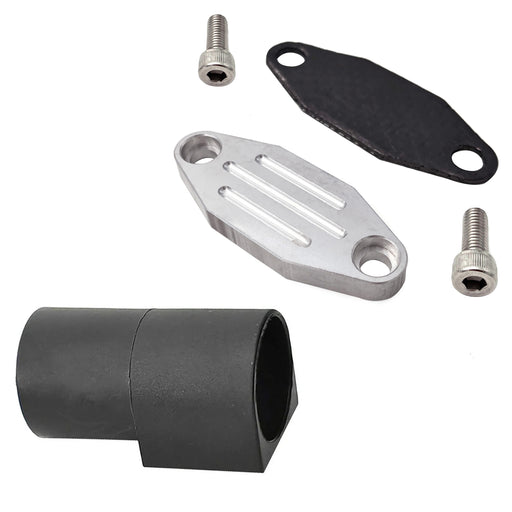
Seguler 1986-1995 Ford F150 F250 F350 Mustang Trucks EGR Simulator Eliminator / Block Off Plate Kit
SEGULEROriginal price $79.99 - Original price $79.99Original price$79.99$79.99 - $79.99Current price $79.99Block Off Plate Material: Aluminum alloy. Easy installation,and convenient to use. Made of CNC milled from aircraft grade Billet aluminum. Will N...
View full details -

Seguler 2011-2023 6.7L Ford Powerstroke Diesel EGR Delete Kit
SEGULEROriginal price $109.99 - Original price $109.99Original price$109.99$109.99 - $109.99Current price $109.99FITMENT 2011-2023 6.7L Ford Powerstroke F-250 F-350 F-450 F-550 Super Duty V8 Diesel. compatible with both standard Pickups and commercial Cab &...
View full details -
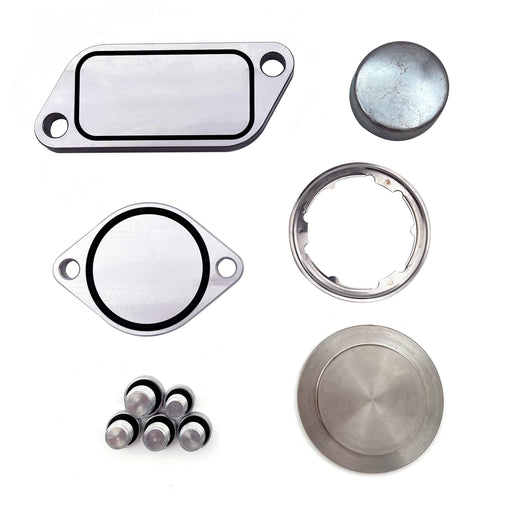
For 2010-Present Stage 2 ISX 15 CM2250 CM2350 EGR Delete Kit
SEGULEROriginal price $59.99 - Original price $59.99Original price$59.99$59.99 - $59.99Current price $59.99FITMENT 2010-Present Cummins Volvo, Peterbilt, Mack, International, Freightliner, Kenworth with the ISX15 CM2250 / CM2350 engines. DESCRIPTION P...
View full details -
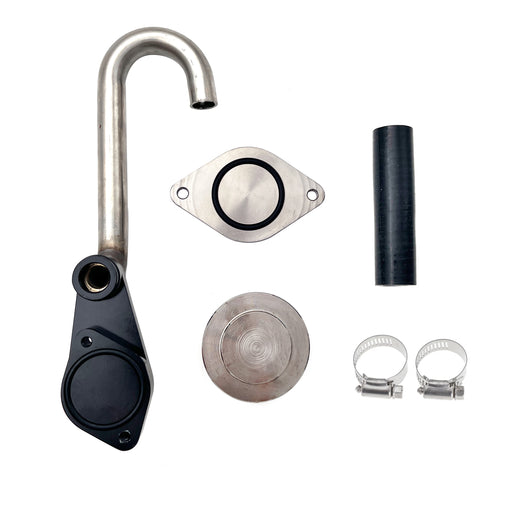
Seguler 2003-2007 6.0L FORD Powerstroke Diesel EGR Cooler Delete Kit
SEGULEROriginal price $56.14 - Original price $56.14Original price$56.14$56.14 - $56.14Current price $56.14FITMENT 2003-2007 6.0L Ford F-250 Ford F-350 F-450 F-550 Super Duty. 2003-2007 6.0L Ford Excursion SUV (Diesel Models Only). 2005-2010 Ford E-Se...
View full details -
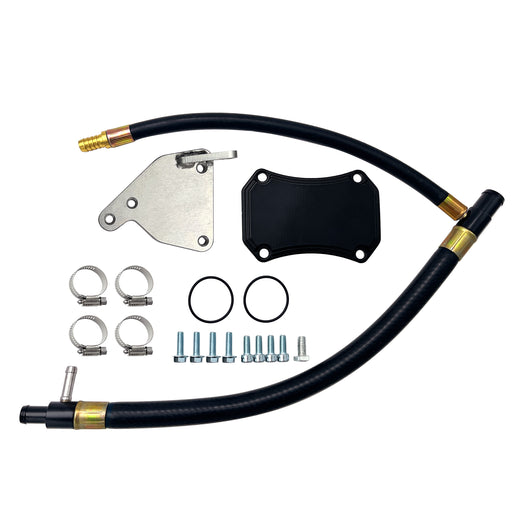
For 2011-2016 6.6L GMC Chevy Duramax Diesel LML EGR Valve Cooler Delete Kit
SEGULEROriginal price $66.49 - Original price $66.49Original price$66.49$66.49 - $66.49Current price $66.49FITMENT 2011-2016 6.6L Chevy GMC Duramax LML 2500 HD 3500 HD Diesel. DESCRIPTION Product Overview The 2011–2016 LML Duramax uses a complex EG...
View full details -
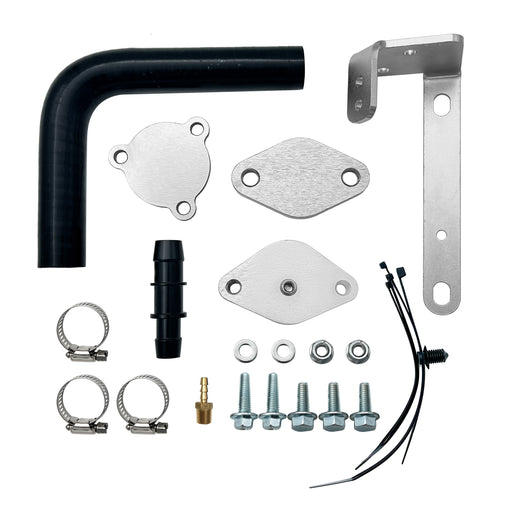
Seguler For 2014-2019 3.0L Dodge Ram 1500 EcoDiesel EGR Valve & Cooler Delete Kit
SEGULEROriginal price $72.99 - Original price $72.99Original price$72.99$72.99 - $72.99Current price $72.99FITMENT 2014-2019 3.0L Dodge Ram 1500 EcoDiesel V6 engine trucks. DESCRIPTION Product Overview Exhaust gas recirculation on 3.0L EcoDiesel V6 ...
View full details -

Seguler 2011-2023 6.7L Ford Powerstroke Diesel EGR Delete Kit
SEGULEROriginal price $85.99 - Original price $85.99Original price$85.99$85.99 - $85.99Current price $85.99FITMENT 2011-2023 6.7L Ford Powerstroke F-250 F-350 F-450 F-550 Super Duty V8 Diesel. compatible with both standard Pickups and commercial Cab &...
View full details -

Seguler 2010-2024 6.7L Dodge Ram Cummins Diesel EGR Valve Cooler Delete Kit
SEGULEROriginal price $89.99 - Original price $89.99Original price$89.99$89.99 - $89.99Current price $89.99FITMENT 2010–2024 6.7L Dodge Ram Cummins 2500 / 3500 Pickup Turbo Diesel. Note: Does NOT fit Chassis Cab 3500 / 4500 / 5500 models. DESCRIPTIO...
View full details -
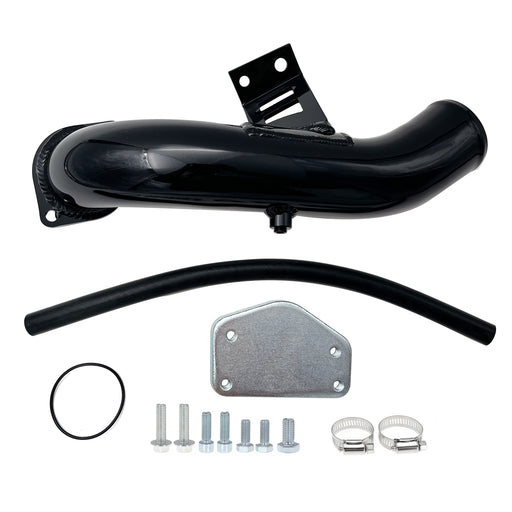
For 2004.5-2005 6.6L Chevy GMC Silverado LLY Duramax Diesel EGR Delete Kit
SEGULEROriginal price $92.99 - Original price $92.99Original price$92.99$92.99 - $92.99Current price $92.99FITMENT 2004.5-2005 6.6L Chevrolet Silverado Duramax LLY 2500HD / 3500 HD. 2004.5-2005 6.6L GMC Sierra Duramax LLY 2500HD / 3500 HD. DESCRIPTION...
View full details -

Seguler 2017-2019 L5P Duramax Diesel 4pcs L5P Can Bus Plugs Connector Replacement
SEGULEROriginal price $75.00 - Original price $75.00Original price$75.00$75.00 - $75.00Current price $75.00FITMENT 2017–2019 Chevrolet Silverado / GMC Sierra Duramax L5P 2500HD & 3500HD Diesel. DESCRIPTION Product Overview Unprotected harness con...
View full details -

Seguler 2020-2023 chevy duramax L5P Diesel Can Bus Plugs Connector
SEGULEROriginal price $80.00 - Original price $80.00Original price$80.00$80.00 - $80.00Current price $80.00FITMENT 2020–2023 Chevrolet Silverado / GMC Sierra Duramax L5P 2500HD & 3500HD Diesel. DESCRIPTION Product Overview Unprotected harness pl...
View full details -
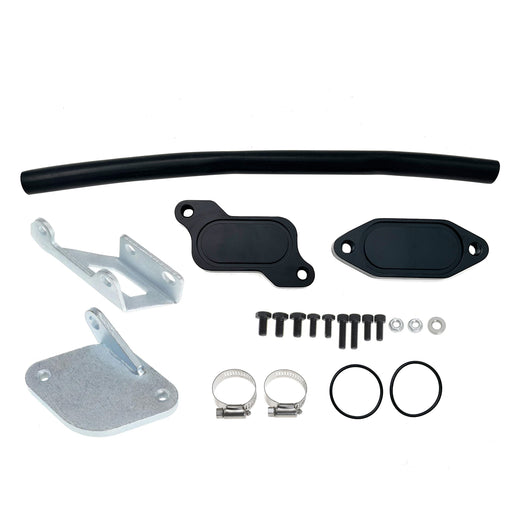
For 2006-2007 6.6L Chevrolet Silverado Classic GMC Duramax LBZ Diesel EGR Valve Cooler Delete Kit
SEGULEROriginal price $63.49 - Original price $63.49Original price$63.49$63.49 - $63.49Current price $63.49FITMENT 2006-2007.4 Chevrolet Silverado Duramax LBZ 2500HD / 3500HD. 2007.4 Chevrolet Silverado Duramax LBZ 2500HD / 3500HD Classic. 2006-2007.4 ...
View full details -

Seguler 2011-2023 6.7L Ford F250 F350 F450 F550 Powerstroke Diesel EGR Valve Delete Cooler Delete Kit
SEGULEROriginal price $55.99 - Original price $55.99Original price$55.99$55.99 - $55.99Current price $55.99FITMENT 2011-2023 6.7L Ford Powerstroke F-250 F-350 F-450 F-550 Super Duty V8 Diesel compatible with both standard Pickups and commercial Cab &a...
View full details -
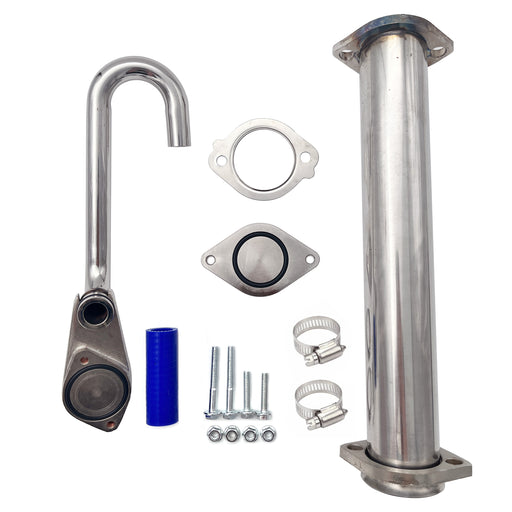
Seguler 2003-2007 6.0L Ford F250 F350 Powerstroke Diesel EGR Basic Cooler Kit
SEGULEROriginal price $79.99 - Original price $79.99Original price$79.99$79.99 - $79.99Current price $79.99FITMENT 2003-2007 6.0L Ford F250 F350 F450 F550 Super Duty Turbo (except 2004 F250 Super Duty). 2003-2005 6.0L Ford Excursion Turbo. 2005 Ford F...
View full details -
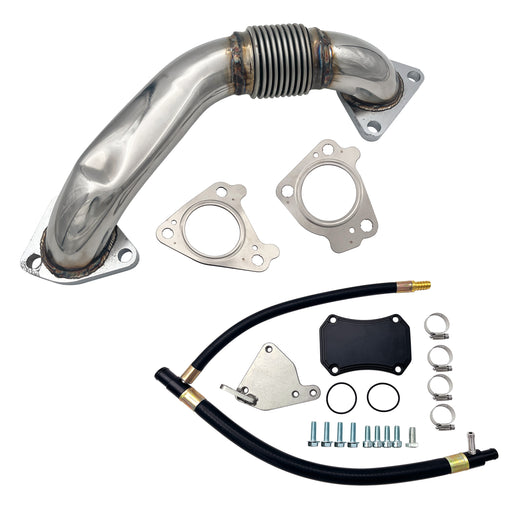
Seguler 2011-2016 6.6L GMC Chevy Duramax Diesel LML Up-Pipe & EGR Valve Cooler Delete Kit
SEGULEROriginal price $173.86 - Original price $173.86Original price$173.86$173.86 - $173.86Current price $173.86FITMENT 2011-2016 6.6L Chevy GMC Duramax LML 2500 HD 3500 HD Diesel. DESCRIPTION Product Overview Direct-injection technology endows GM 5.3L an...
View full details -
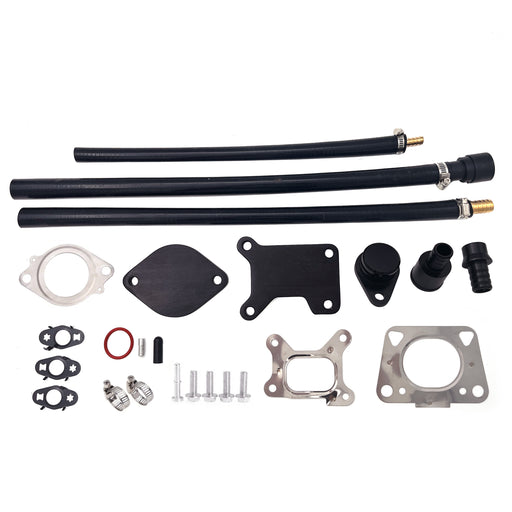
For 2017-2023 6.6L Chevy GMC Duramax L5P diesel EGR Valve Cooler Delete kit
SEGULEROriginal price $131.99 - Original price $131.99Original price$131.99$131.99 - $131.99Current price $131.99FITMENT 2017–2023 6.6L Chevrolet Silverado / GMC Sierra Duramax L5P 2500HD 3500HD Diesel. DESCRIPTION Product Overview Hot soot recirculation ...
View full details -
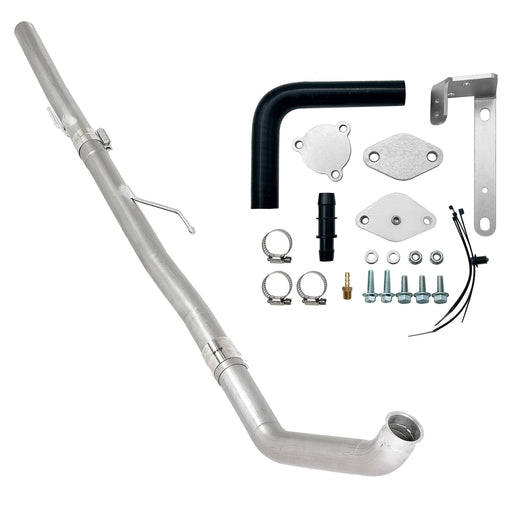
Seguler 3" Ecodiesel DPF Delete Pipe & EGR Delete kit for 2014-2018 3.0L Ram
SEGULEROriginal price $342.00 - Original price $342.00Original price$342.00$342.00 - $342.00Current price $342.00FITMENT 2014–2018 3.0L Dodge Ram 1500 EcoDiesel V6. NOTE: Fit standard Pickup models only (Crew Cab, Quad Cab). Does NOT fit Jeep Grand Cheroke...
View full details -
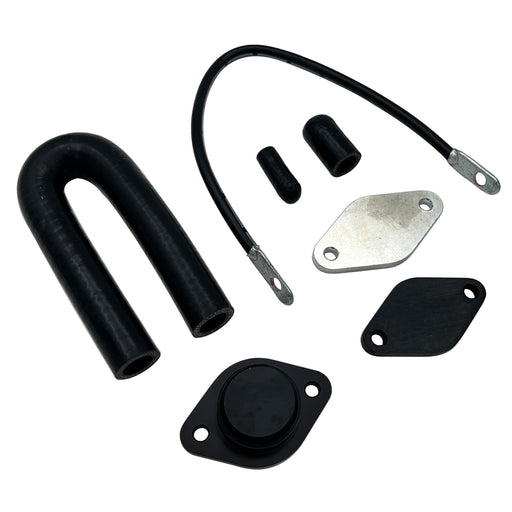
Seguler EGR valve cooler Delete kit for 2020-2022 3.0L Chevy Duramax LM2
SEGULEROriginal price $189.12 - Original price $189.12Original price$189.12$189.12 - $189.12Current price $189.12FITMENT 2020–2022 3.0L Chevrolet Silverado GMC Sierra 1500 LM2 Turbo-Diesel. DESCRIPTION Product Overview Powered by smooth inline-six engine...
View full details -

For 2013-2023 6.7L Dodge Ram Cummins Cab & Chassis EGR Delete Kit Diesel
SEGULEROriginal price $62.99 - Original price $62.99Original price$62.99$62.99 - $62.99Current price $62.99FITMENT 2013–2023 6.7L Ram Cummins 3500 4500 5500 Cab & Chassis / Commercial Trucks. Does NOT fit standard Ram 2500 3500 Pickups. DESCRIPTIO...
View full details -
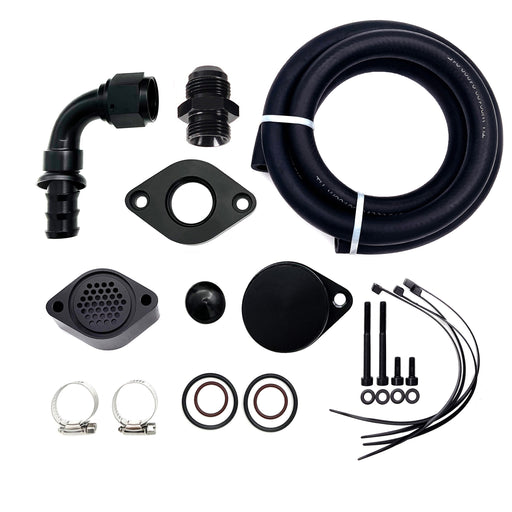
Seguler 2011-2023 6.7L Ford Powerstroke CCV PCV Reroute Engine Ventilation Kit
SEGULEROriginal price $82.99 - Original price $82.99Original price$82.99$82.99 - $82.99Current price $82.99FITMENT 2011-2023 6.7L Ford Powerstroke F-250 F-350 F-450 F-550 Super Duty V8 Diesel. Compatible with both standard Pickups and commercial Cab &...
View full details -
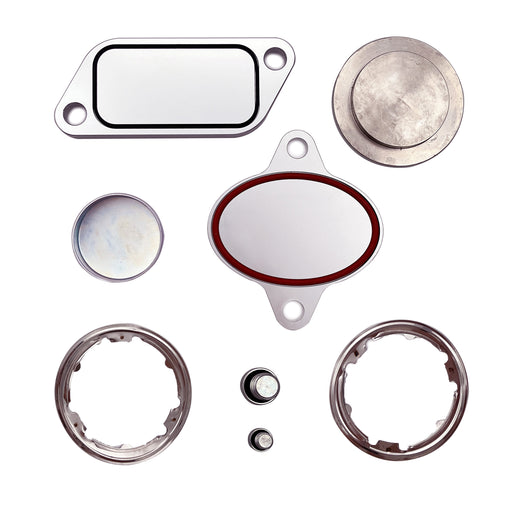
For 2007-2010 Cummins ISX CM871 EGR Plug Kit Stage 2 Plates and Plugs Aluminum
SEGULEROriginal price $67.99 - Original price $67.99Original price$67.99$67.99 - $67.99Current price $67.99FITMENT 2007-2010 Cummins Volvo, Peterbilt, Mack, International, Freightliner, Kenworth with the ISX CM871 Engines. DESCRIPTION Product Overvie...
View full details -
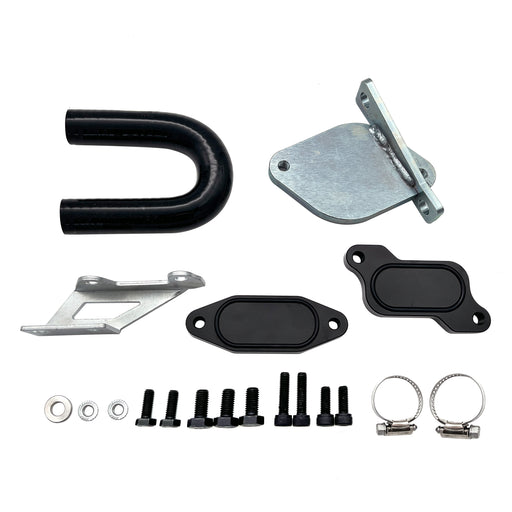
For 2007-2010 6.6L Chevy GMC LMM Duramax EGR Valve Cooler Delete Kit Fit
SEGULEROriginal price $61.99 - Original price $61.99Original price$61.99$61.99 - $61.99Current price $61.99FITMENT 2007.5-2010 6.6L Chevrolet Silverado Duramax LMM 2500HD / 3500HD. 2007.5-2010 6.6L GMC Sierra Duramax LMM 2500HD / 3500HD. Note: Standard...
View full details -
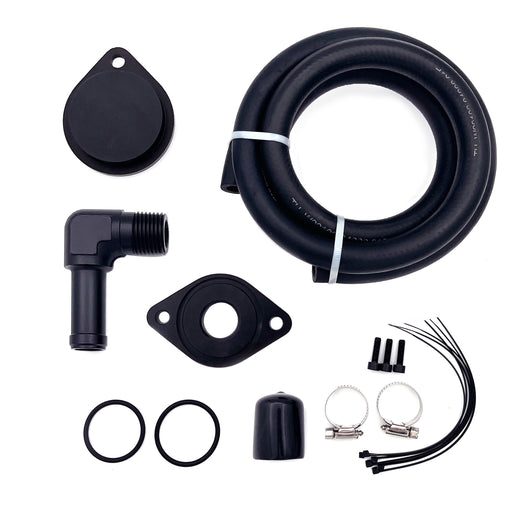
Seguler 2011-2023 Ford 6.7L Powerstroke CCV/PCV Reroute/Delete Engine Ventilation Kit
SEGULEROriginal price $72.00 - Original price $72.00Original price$72.00$72.00 - $72.00Current price $72.00FITMENT 2011-2023 6.7L Ford Powerstroke F-250 F-350 F-450 F-550 Super Duty V8 Diesel. Compatible with both standard Pickups and commercial Cab &...
View full details -
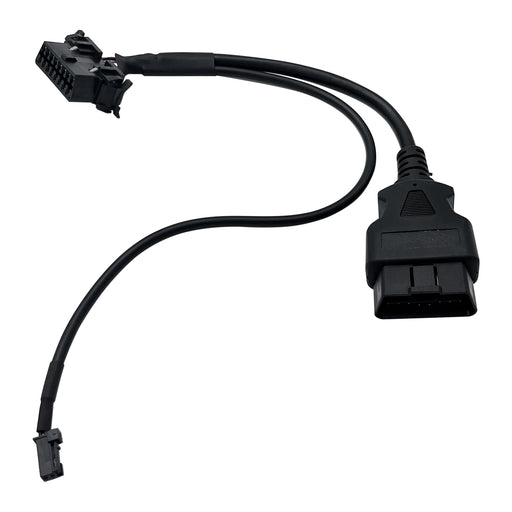
Seguler 2018+ RAM Cummins OBD2 HD Security Gate Bypass Cable
SEGULEROriginal price $45.00 - Original price $45.00Original price$45.00$45.00 - $45.00Current price $45.00FITMENT 2018+ 6.7L Ram Cummins 2500 3500 Turbo Diesel. Designed for Ram pickup trucks equipped with the factory Security Gateway Module. Note: Pl...
View full details -
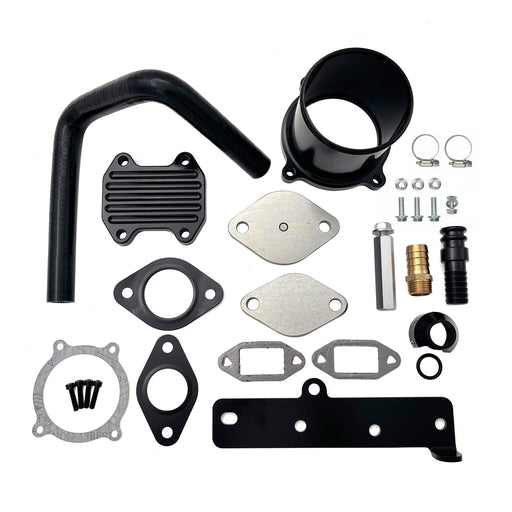
Seguler For 2013-2018 6.7L Dodge RAM 2500 3500 Cummins Diesel EGR Delete Cooler Throttle Valve Delete Kit
SEGULEROriginal price $112.00 - Original price $112.00Original price$112.00$112.00 - $112.00Current price $112.00FITMENT 2013–2018 6.7L Dodge Ram Cummins 2500 & 3500 Pickup Turbo Diesel. Note: Does NOT fit Cab & Chassis (3500 / 4500 / 5500 C&C) m...
View full details


Leave a comment