

AFM/DFM Disabler vs Full Delete: Which to Choose?
There are two paths. One costs $86 and takes 60 seconds. The other costs $4,000 and requires pulling the heads off your engine.
GM’s Active Fuel Management (AFM) and Dynamic Fuel Management (DFM) systems are the most divisive engineering decisions the company has made in the last two decades. Their purpose — shutting down cylinders during light-throttle cruising to save fuel — is reasonable on paper. In practice, the specialized lifters that make cylinder deactivation possible are also the single most common cause of catastrophic engine failure in 5.3L and 6.2L GM V8s.
When owners discover this — whether through a forum deep-dive or a $3,000 repair bill — they arrive at the same question: do I disable the system electronically, or do I rip out the hardware entirely?

The Problem: Where the AFM/DFM Disabler vs. Full Delete Debate Starts
Before you spend a dime, let’s settle the one question every GM truck owner eventually asks: is this actually a real threat, or just forum hysteria?
What the Owners Say
Two voices from a recent Reddit thread — same platform, same question, opposite answers:
“I do 3,000-mile oil changes. AFM disabled electronically. Lifter failed at 115,000 miles. It’s fully deleted now — the only solution is to delete the troublesome hardware.” — after a $4,000 engine-out delete
“2012 5.3 with 163K miles. AFM has been activated its whole life and the engine has zero issues. I bought a plug-in disabler and it threw my computer off within a month. I came to the conclusion they’re snake oil.” — Reddit user MNmostlynice, still running AFM-active, still fine
Two trucks. Two outcomes. Same question: whose experience applies to yours?
What AFM and DFM Actually Are
A quick reference, since this shapes the rest of the decision:
| AFM (Active Fuel Management) | DFM (Dynamic Fuel Management) | |
|---|---|---|
| Introduced | Mid-2000s | 2019 |
| Cylinders deactivated | Fixed: 8→4 (or 6→4 on V6) | Up to 6 cylinders, 17 firing patterns |
| Cylinders with special lifters | 4 out of 8 | All 8 |
| Deactivation cycle | Hundreds of lock/unlock events per drive | Same |
| Found in | Silverado, Sierra, Tahoe, Suburban, Yukon 5.3L/6.0L/6.2L | 2019+ models (some with AFM) |
| Failure risk | 4 weak lifters | 8 weak lifters |
Both systems rely on the same hardware:
Specialized lifters with internal spring-loaded cartridges and locking pins. Oil pressure sent by the LOMA solenoids (mounted under the valley cover) unlocks the pins. The cartridge collapses around an internal spring. No pushrod movement. No valve opening. Cylinder off.
When you step on the throttle, pressure bleeds off, the spring pushes the cartridge back up, pins re-lock. Normal operation resumes. This happens hundreds of times per drive.
The Failure Chain
When the system works, it’s invisible. When it doesn’t, here’s what happens — and how the repair bill escalates:
| Stage | What Happens | Symptom | Repair Cost |
|---|---|---|---|
| 1 — Locking pin sticks | Lifter won’t re-lock into V8; pushrod hammers rocker arm | Light ticking, often ignored | ~$500 |
| 2 — Lifter collapses | Cartridge seizes or spring fails; cylinder dead | Misfire, CEL, rough idle | ~$1,500 |
| 3 — Cam lobe wiped | Roller skids on cam; hardened surface scored; metal in oil | Same as above + glitter in oil | $3,000+ |
| 4 — Lifter spins sideways | Plastic guide tray cracks; cracks block | Catastrophic engine failure | $6,000+ |
Stage 4 is not a hypothetical. A shop with 75+ AFM lifter jobs on the books, has seen lifters turn sideways and destroy cylinder blocks down to the crankshaft webs — requiring a complete engine replacement.
So What Are the Odds?
The forums disagree violently. GM sold over 800,000 trucks in 2024 alone, and the roads aren’t littered with dead Silverados. But shop bays are busy — and the repair bills are large enough to make every forum thread feel personal.
One owner did the homework:
vehicles with consistent oil changes see a roughly 3-5% failure rate. Engines that were neglected climb toward 25%. Even at 3%, that’s 24,000 trucks from a single model year.
Option 1: The AFM/DFM Disabler — Plug-and-Play Prevention
An AFM/DFM disabler is a small electronic device — about the size of a USB thumb drive — that plugs into your truck’s OBD-II diagnostic port beneath the dashboard. It communicates over the CAN bus, intercepting the signal that would normally trigger cylinder deactivation. The ECU still asks for V4 mode. The disabler says no. The engine stays in V8 mode, 100% of the time.

Three Common Misunderstandings About Disablers
Misunderstanding #1: “It adds power.”
It doesn’t. A disabler is not a tuner. Your peak horsepower and torque numbers don’t change — the engine management is identical aside from one variable. What does change is the experience of driving it:
- No split-second delay while four cylinders wake back up.
- No stumble at 45 MPH.
- Just a V8 that acts like a V8 every time you touch the pedal.
Misunderstanding #2: “The lifters are protected forever.”
The disabler stops the lock/unlock cycling — the primary wear mechanism — but the AFM lifters are still physically weaker than standard units. They still have locking pins that can seize. They still sit in plastic guide trays that can crack. A disabler reduces the probability of failure significantly. It does not reduce it to zero.
Misunderstanding #3: “If my engine is already ticking, the disabler will quiet it down.”
It won’t. A disabler is prevention, not repair. Once a lifter’s locking pin is stuck or the roller is chewing into the cam, the damage is mechanical. The disabler’s signal to “stay in V8 mode” does nothing to a lifter that already can’t re-lock. If you hear noise, skip the disabler and go straight to diagnosis.
Installation: Exactly How to Plug In the AFM Disabler
Installation is a 60-second job with zero tools. Here’s the step-by-step for the TruckTok ER-0308 Premium AFM/DFM Disabler:
Step 1: Ensure the vehicle is off and in Park (P).
Step 2: Locate the OBD-II diagnostic connector below the driver’s side instrument panel. This is a 16-pin trapezoidal connector, typically positioned below the steering column or near the hood release lever. It looks exactly like the port a dealership scan tool plugs into.
Step 3: Smoothly insert the disabler into the OBD-II connector until it is fully seated. It only fits one way — don’t force it.
Step 4: Start the engine and observe the LED indicator on the device:
- LED illuminates: The device has successfully taken over control. Cylinder management is disabled. You’re in full V8 mode.
- LED does not illuminate: Disconnect and reconnect the device, or check your vehicle’s OBD-II connector fuse.
That’s it. No flashing. No tuning. No permanent changes.
SEG Plug & Play V6 V8 AFM/DFM Disabler Module
This AFM/DFM disabler sits right where the math works: well above the $40 clones that fail at 3 months, well below the $200+ Range units that are overkill for a device that does one thing.
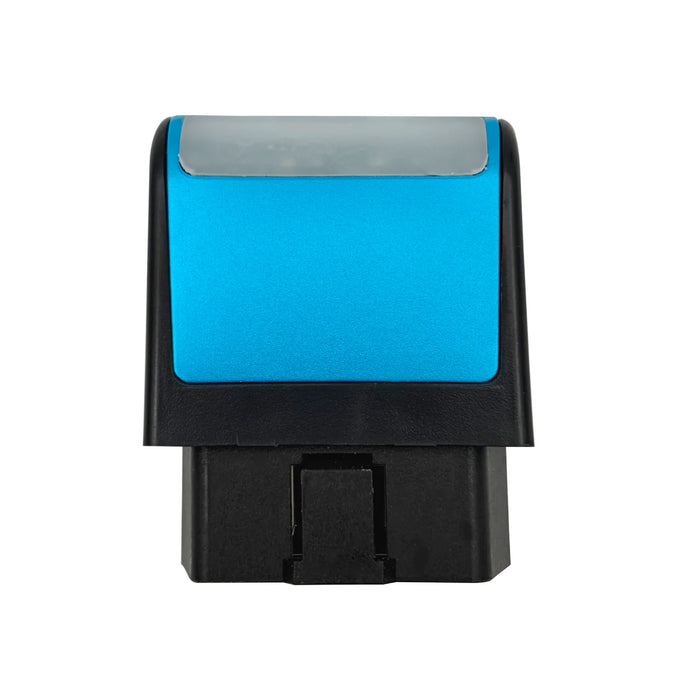
- 60-second OBD-II install — no tools, no laptop, no mechanical work
- Zero ECU footprint — unplug and the truck goes back to 100% stock
- Covers Silverado, Sierra, Tahoe, Suburban, Yukon, Escalade, Camaro, Corvette (2004-2020)
The Free Alternative: M5 / L5 Manual Mode
If $86 isn’t in the budget this week, there’s a zero-cost workaround buried in your owner’s manual: shift into M5 or L5 mode and leave it there.
On a 6-speed GM transmission, selecting M or L and tapping down to 5 locks out sixth gear. It also prevents AFM/DFM from engaging. The truck runs V8 in gears 1 through 5, shifts automatically within that range, and never enters V4 mode. Highway RPM increases slightly, MPG drops by about 0.5-1.0, but cylinder deactivation is fully defeated without touching a single bolt or buying a single device.
The Tipes: this method also carries the risk of damage, and you won't always remember to shift gears.
What Owners Report
Across Reddit, forums, and YouTube reviews, the disabler experience breaks into three camps:
-
“Installed it early, zero problems 100K+ miles later.” The most common positive report. These owners treat the disabler as insurance — they plug it in, change their oil every 5,000 miles with quality synthetic, and stop thinking about it.
-
“Installed it, lifter still failed anyway.” The 115K-mile owner on Reddit. 3,000-mile oil changes, AFM disabled electronically, lifter collapsed at 115K. His take: “It’s fully deleted now. The only solution is to delete the troublesome hardware.” This is the reality — the disabler reduces risk but doesn’t eliminate it. The hardware is still there.
-
“Tried it, threw codes, returned it.” A minority of users — mostly on older or high-mileage trucks — report check engine lights or drivability issues. The 2012 Silverado owner at 163K miles unplugged his after a month and never looked back. His engine is still running fine with AFM fully active.
The consensus: a disabler is the best first step for a healthy engine. It’s not a guarantee. It’s $86 of risk reduction.
Option 2: The Full Mechanical Delete — The Nuclear Option
A mechanical AFM/DFM delete is exactly what it sounds like: physically removing every component related to cylinder deactivation and replacing them with standard, non-AFM parts. Then re-tuning the ECU so it never looks for the now-missing hardware.
What Gets Replaced
A proper AFM/DFM delete requires:
| Component | What Changes |
|---|---|
| Camshaft | Replaced with a non-AFM cam (no deactivation lobes) |
| Lifters (all 16) | All AFM/DFM lifters removed; standard hydraulic lifters installed |
| Lifter trays | New plastic guide trays (standard LS-style) |
| Valley cover | AFM valley cover with solenoid pack removed; non-AFM flat cover installed to block oil passages |
| Head gaskets & bolts | New gaskets and TTY bolts required (heads come off) |
| Oil pump | Often upgraded during the job (labor overlap) |
| Timing chain | Commonly refreshed (already accessible) |
| ECU tune | Mandatory. Without it, throwing check engine lights and drivability codes |
Optional upgrades often done during a delete: performance camshaft, upgraded valve springs, hardened pushrods. A mild Stage 1 cam in a 5.3L can push output toward 400 crank horsepower — not why you’re doing the delete, but a bonus if you’re already in there.
Cost Breakdown
| Expense | Typical Range |
|---|---|
| Delete kit (cam, lifters, trays, valley cover, gaskets, bolts) | $750 - $1,500 |
| Labor (15-25 hours at shop rate) | $2,000 - $3,500 |
| ECU tuning (handheld tuner + unlock or mail-in service) | $400 - $600 |
| Optional upgrades (oil pump, timing chain, performance cam) | $500 - $1,500+ |
| Total | $3,500 - $6,500 |
The shop that did robbobster’s delete on Reddit: “I paid about $4K in labor to pull the motor, and I supplied the parts.” That lands right in the middle of the range.
The AC Delco OEM Trap
If you’re going this route — or even just replacing failed lifters while keeping AFM intact — you need to know one thing: do not buy AC Delco OEM lifters.
Pine Hollow Auto’s experience is not an isolated case. Brand-new AC Delco AFM lifters, straight from the GM parts counter, refused to pump up after installation. Soaked in oil for three days. Installed correctly. Still clattered. The entire job had to be redone from scratch.
The fix was Elgen lifters — the only brand they’ve used across 75+ AFM lifter jobs that hasn’t come back. Instantly quiet on first startup. Same procedure. Same installer. Different brand.
When a Delete Is Non-Negotiable
The delete is the right call when:
-
The engine is already ticking, clattering, or misfiring. The disabler cannot fix mechanical damage. Once a lifter is stuck or collapsed, hardware must come out.
-
You’re already pulling the heads for another reason (head gasket, cam swap, rebuild). The incremental cost of deleting AFM while the engine is apart is just the price of the kit. Doing it separately later means paying for the same labor twice.
-
You plan to keep the truck for another 150,000+ miles and want zero AFM-related risk for the rest of its life.
-
You tow heavy or push the engine hard regularly. Constant load reduces AFM engagement naturally, but the hardware is still there and still fragile.
Disabler vs. Delete: Side-by-Side
| Factor | AFM/DFM Disabler | Full Mechanical Delete |
|---|---|---|
| Cost | $86 - $220 | $3,500 - $6,500 |
| Installation time | 60 seconds, no tools | 15-25 hours, major engine surgery |
| Reversibility | Unplug and stock returns instantly | Permanent |
| Stops AFM cycling? | Yes — 100% V8 mode | Yes — hardware no longer exists |
| Removes weak lifters? | No — AFM lifters remain in engine | Yes — standard lifters installed |
| Fixes existing damage? | No — prevention only | Yes — damaged parts are replaced |
| Warranty impact | None — removable, no ECU flash | Voids powertrain warranty |
| Emissions legality | Passes OBD-II plug-in test | non-compliant in many states |
| Power gain | None (drivability improvement only) | Possible with performance cam upgrade |
| Compatibility | 2005-2020 AFM V6/V8; 2019-2021 DFM | All AFM/DFM engines |
AFM/DFM Disabler vs. Full Delete: The Decision Tree
Answer these four questions in order:
1. Is your engine making noise right now?
Ticking, clattering, or any sound that wasn’t there 5,000 miles ago? → You need a mechanical delete or lifter replacement. The disabler cannot fix a lifter that has already started failing. Do not spend $86 on a device that won’t help — put it toward the repair.
2. Is your truck still under warranty?
Yes → Get the disabler. It’s removable, leaves no trace, and will not trigger a warranty denial. Unplug it before dealer visits. However, there is one point to note: After unplugging, you need to continue driving for several more kilometers.
3. How many miles on the engine?
- Under 80K, no symptoms → Disabler. You’re still in the prevention window.
- 80K-120K, no symptoms → Disabler, with awareness that risk is climbing. Consider a delete fund.
- 120K+, no symptoms → Disabler is still cheaper than a delete, but you’re on borrowed time with factory AFM lifters. Keep oil changes tight at 5,000 miles.
4. How long are you keeping this truck?
- Less than 2 years → Disabler. No reason to spend delete money on a truck you’re selling.
- 2-5 years → Disabler. The math favors cheap insurance over major surgery.
- 5+ years or “until it dies” → Strongly consider the delete, especially if mileage is above 100K. The longer you own it, the more likely you eventually face a failure.
Simple Decision Flow

Conclusion
The GM AFM/DFM lifter failure is not a conspiracy theory. It’s a mechanical reality — a set of physically weaker components cycling hundreds of times per drive, in an engine that was perfectly reliable before they were added. The question isn’t whether the system can fail. It’s whether you’ll be the one holding the repair bill when it does.
An AFM/DFM disabler is the right first step for almost every owner with a healthy engine. It costs $86. It installs in 60 seconds. It stops the cycling that wears out the locking pins. It’s reversible, warranty-friendly, and backed by thousands of owners who’ve crossed 150,000 miles without issue.
Ready to Go Further? SEGULER Has the Hardware
The disabler is the smartest $86 you’ll spend on your GM truck. But once you’ve stabilized the engine, you might start wondering what else is out there — especially if you’re building out a dedicated project truck.
SEGULER catalog covers EGR delete kits for Cummins and Duramax platforms, turbo-back and downpipe-back exhaust systems, stainless steel headers, universal diesel mufflers, and intake components — the kind of hardware you look for once the electronics are handled.
Unlike the big-box retailers, SEGULER runs lean — competitive pricing, direct shipping, and a catalog that’s specific to the diesel and heavy-duty gas truck owner. If your build plan includes exhaust upgrades, emissions deletes, or just replacing a rusted-out muffler with something that actually flows, it’s worth a browse.
FAQ About AFM/DFM Disabler vs. Full Delete
Q1: Can I leave the disabler plugged in all the time?
Yes. It’s designed to be plugged in permanently. The only exception: if you park the truck for more than two weeks without driving, unplug it to eliminate any parasitic battery draw. For normal daily drivers, leave it in and forget about it.
Q2: Will I fail an emissions test with the disabler?
If you unplug the device and drive straight to the test, yes — the ECU’s diagnostic monitors won’t have completed their readiness cycle. The fix: unplug the disabler, drive 50-100 miles (mix of city and highway), then take the test. Re-plug it afterward. The device itself does not alter emissions, and the truck will pass a standard OBD-II plug-in test once monitors are ready.
Q3: Does DFM need a different disabler than AFM?
Most modern disablers work on both AFM and DFM — look for products explicitly labeled “AFM/DFM Disabler.” The critical compatibility gate is the transmission: DFM engines with 8-speed transmissions are generally supported; DFM engines with 10-speed transmissions (2022+ Silverado/Sierra refresh, 2021+ SUVs) require a tune, not a plug-in disabler, because GM changed the TCM-ECM communication architecture.
Q4: What happens if I install a disabler on an engine that already has a bad lifter?
Nothing good. The disabler stops future AFM cycling, but it cannot repair a lifter that’s already collapsed, stuck, or grinding the cam lobe. You’ll still have the misfire, the noise, and the check engine light — plus $86 less in your pocket. Fix the mechanical problem first, then plug in the disabler.
Q5: Can the M5/L5 manual mode trick damage my transmission?
No. Running in M5 simply locks out sixth gear. The transmission still shifts automatically through gears 1-5. RPM is slightly higher at highway speed (~200-300 RPM), but well within the engine’s designed operating range. This is a factory-recommended towing mode documented in your owner’s manual.
Q6: If I do a mechanical delete, do I have to upgrade the camshaft?
No. Stock-spec non-AFM cams exist and will return stock power and drivability. That said, the labor to access the cam is the most expensive part of the job — once you’re paying for it, the incremental cost of a mild performance cam ($300-500) is modest. Most shops recommend at least considering it.
Q7: Does a disabler work on a 2022 or newer Silverado?
If it has the 10-speed transmission: no. The standard OBD-II plug-in disabler does not work on 10-speed trucks because the TCM and ECM use a different communication protocol. For these vehicles, tuning is the only electronic option — which requires ECM unlocking ($400-600), a handheld tuner ($400-500), and flashes your ECU permanently, voiding the warranty.
Q8: Will deleting AFM make my truck louder?
Not with a stock-spec camshaft. A properly executed delete with OEM-equivalent parts sounds and drives like a normal V8 — because that’s exactly what it becomes. If you choose a performance cam during the delete, idle will have a slight lope, but volume won’t change dramatically unless you also modify the exhaust.
Q9: What’s the bottom line on reliability — does disabling actually help?
It helps, but it doesn’t make the engine bulletproof. The disabler removes the activation stress on AFM lifters — no more locking/unlocking hundreds of times per drive. That’s the primary wear mechanism. But the lifters are still physically weaker than standard lifters. They still have locking pins. They still sit in plastic trays. A disabler reduces the probability of failure. A delete eliminates the possibility entirely.
Featured collection
-
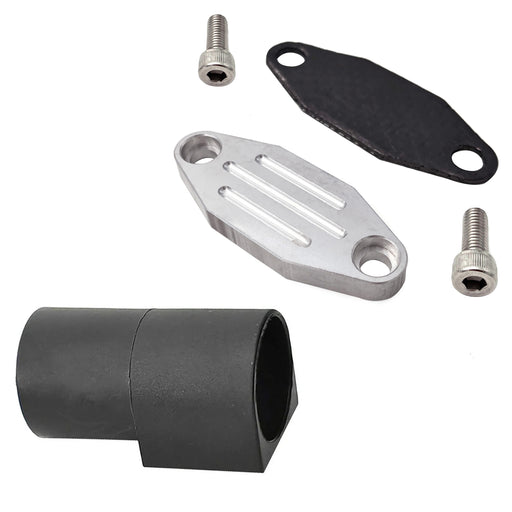
Seguler 1986-1995 Ford F150 F250 F350 Mustang Trucks EGR Simulator Eliminator / Block Off Plate Kit
SEGULEROriginal price $79.99 - Original price $79.99Original price$79.99$79.99 - $79.99Current price $79.99Block Off Plate Material: Aluminum alloy. Easy installation,and convenient to use. Made of CNC milled from aircraft grade Billet aluminum. Will N...
View full details -

Seguler 2011-2023 6.7L Ford Powerstroke Diesel EGR Delete Kit
SEGULEROriginal price $109.99 - Original price $109.99Original price$109.99$109.99 - $109.99Current price $109.99FITMENT 2011-2023 6.7L Ford Powerstroke F-250 F-350 F-450 F-550 Super Duty V8 Diesel. compatible with both standard Pickups and commercial Cab &...
View full details -
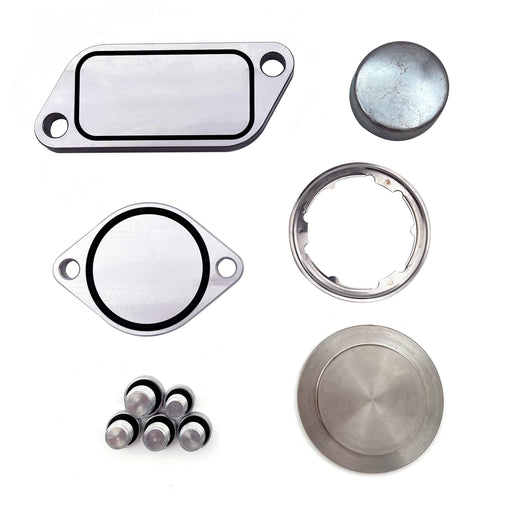
For 2010-Present Stage 2 ISX 15 CM2250 CM2350 EGR Delete Kit
SEGULEROriginal price $59.99 - Original price $59.99Original price$59.99$59.99 - $59.99Current price $59.99FITMENT 2010-Present Cummins Volvo, Peterbilt, Mack, International, Freightliner, Kenworth with the ISX15 CM2250 / CM2350 engines. DESCRIPTION P...
View full details -
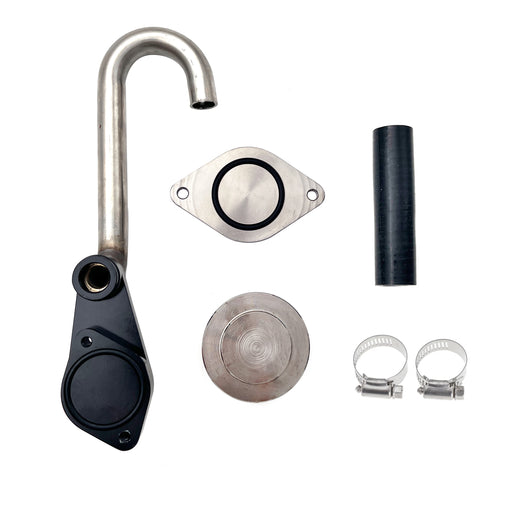
Seguler 2003-2007 6.0L FORD Powerstroke Diesel EGR Cooler Delete Kit
SEGULEROriginal price $56.14 - Original price $56.14Original price$56.14$56.14 - $56.14Current price $56.14FITMENT 2003-2007 6.0L Ford F-250 Ford F-350 F-450 F-550 Super Duty. 2003-2007 6.0L Ford Excursion SUV (Diesel Models Only). 2005-2010 Ford E-Se...
View full details -
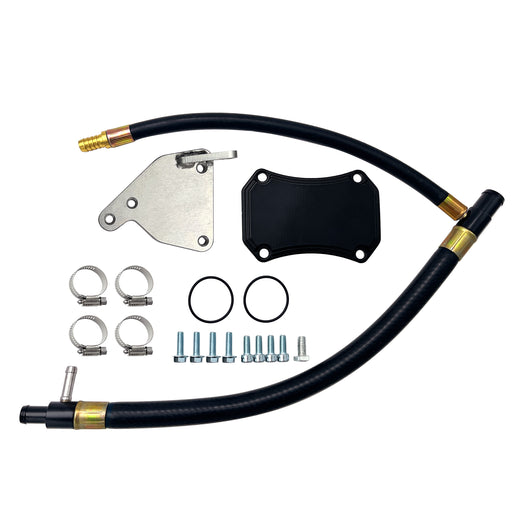
For 2011-2016 6.6L GMC Chevy Duramax Diesel LML EGR Valve Cooler Delete Kit
SEGULEROriginal price $66.49 - Original price $66.49Original price$66.49$66.49 - $66.49Current price $66.49FITMENT 2011-2016 6.6L Chevy GMC Duramax LML 2500 HD 3500 HD Diesel. DESCRIPTION Product Overview The 2011–2016 LML Duramax uses a complex EG...
View full details -
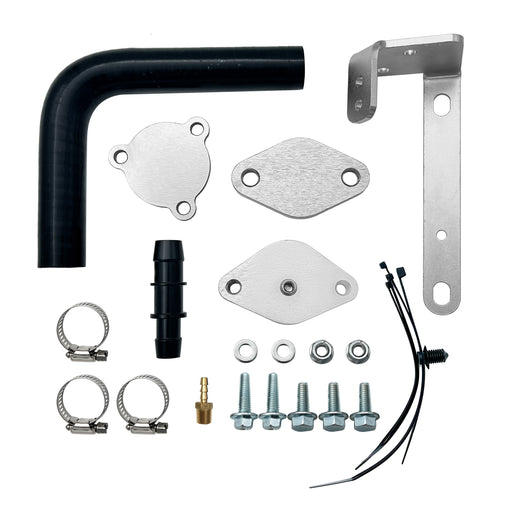
Seguler For 2014-2019 3.0L Dodge Ram 1500 EcoDiesel EGR Valve & Cooler Delete Kit
SEGULEROriginal price $72.99 - Original price $72.99Original price$72.99$72.99 - $72.99Current price $72.99FITMENT 2014-2019 3.0L Dodge Ram 1500 EcoDiesel V6 engine trucks. DESCRIPTION Product Overview Exhaust gas recirculation on 3.0L EcoDiesel V6 ...
View full details -

Seguler 2011-2023 6.7L Ford Powerstroke Diesel EGR Delete Kit
SEGULEROriginal price $85.99 - Original price $85.99Original price$85.99$85.99 - $85.99Current price $85.99FITMENT 2011-2023 6.7L Ford Powerstroke F-250 F-350 F-450 F-550 Super Duty V8 Diesel. compatible with both standard Pickups and commercial Cab &...
View full details -

Seguler 2010-2024 6.7L Dodge Ram Cummins Diesel EGR Valve Cooler Delete Kit
SEGULEROriginal price $89.99 - Original price $89.99Original price$89.99$89.99 - $89.99Current price $89.99FITMENT 2010–2024 6.7L Dodge Ram Cummins 2500 / 3500 Pickup Turbo Diesel. Note: Does NOT fit Chassis Cab 3500 / 4500 / 5500 models. DESCRIPTIO...
View full details -
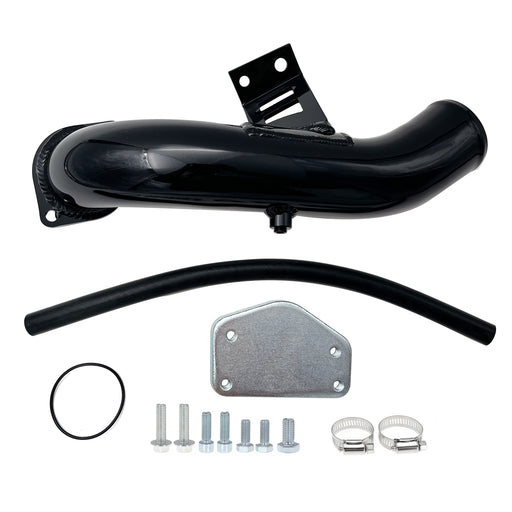
For 2004.5-2005 6.6L Chevy GMC Silverado LLY Duramax Diesel EGR Delete Kit
SEGULEROriginal price $92.99 - Original price $92.99Original price$92.99$92.99 - $92.99Current price $92.99FITMENT 2004.5-2005 6.6L Chevrolet Silverado Duramax LLY 2500HD / 3500 HD. 2004.5-2005 6.6L GMC Sierra Duramax LLY 2500HD / 3500 HD. DESCRIPTION...
View full details -

Seguler 2017-2019 L5P Duramax Diesel 4pcs L5P Can Bus Plugs Connector Replacement
SEGULEROriginal price $75.00 - Original price $75.00Original price$75.00$75.00 - $75.00Current price $75.00FITMENT 2017–2019 Chevrolet Silverado / GMC Sierra Duramax L5P 2500HD & 3500HD Diesel. DESCRIPTION Product Overview Unprotected harness con...
View full details -

Seguler 2020-2023 chevy duramax L5P Diesel Can Bus Plugs Connector
SEGULEROriginal price $80.00 - Original price $80.00Original price$80.00$80.00 - $80.00Current price $80.00FITMENT 2020–2023 Chevrolet Silverado / GMC Sierra Duramax L5P 2500HD & 3500HD Diesel. DESCRIPTION Product Overview Unprotected harness pl...
View full details -
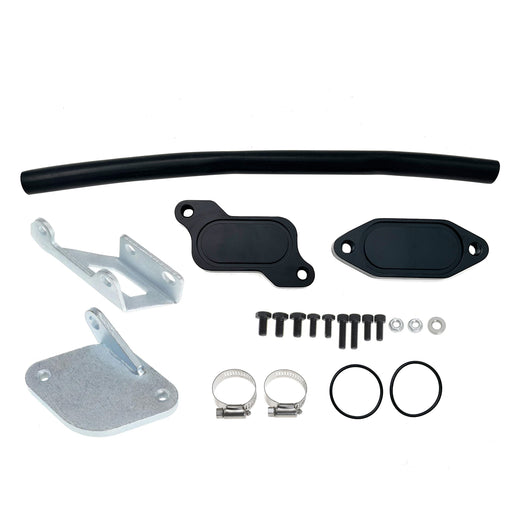
For 2006-2007 6.6L Chevrolet Silverado Classic GMC Duramax LBZ Diesel EGR Valve Cooler Delete Kit
SEGULEROriginal price $63.49 - Original price $63.49Original price$63.49$63.49 - $63.49Current price $63.49FITMENT 2006-2007.4 Chevrolet Silverado Duramax LBZ 2500HD / 3500HD. 2007.4 Chevrolet Silverado Duramax LBZ 2500HD / 3500HD Classic. 2006-2007.4 ...
View full details -

Seguler 2011-2023 6.7L Ford F250 F350 F450 F550 Powerstroke Diesel EGR Valve Delete Cooler Delete Kit
SEGULEROriginal price $55.99 - Original price $55.99Original price$55.99$55.99 - $55.99Current price $55.99FITMENT 2011-2023 6.7L Ford Powerstroke F-250 F-350 F-450 F-550 Super Duty V8 Diesel compatible with both standard Pickups and commercial Cab &a...
View full details -
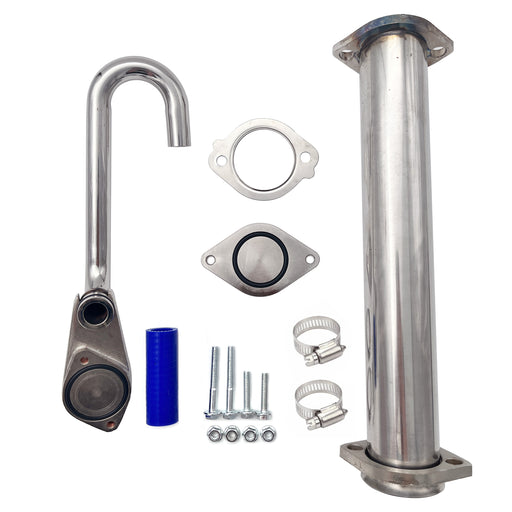
Seguler 2003-2007 6.0L Ford F250 F350 Powerstroke Diesel EGR Basic Cooler Kit
SEGULEROriginal price $79.99 - Original price $79.99Original price$79.99$79.99 - $79.99Current price $79.99FITMENT 2003-2007 6.0L Ford F250 F350 F450 F550 Super Duty Turbo (except 2004 F250 Super Duty). 2003-2005 6.0L Ford Excursion Turbo. 2005 Ford F...
View full details -
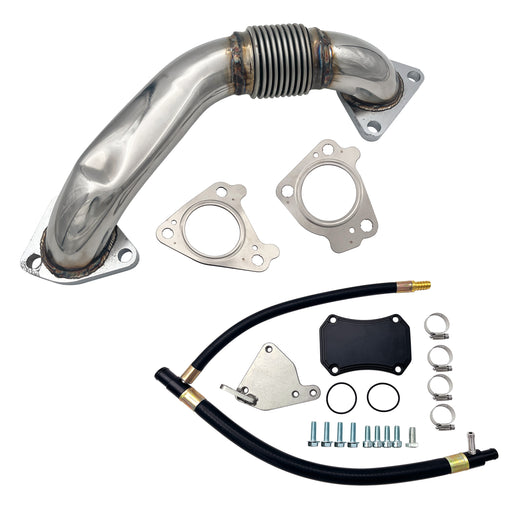
Seguler 2011-2016 6.6L GMC Chevy Duramax Diesel LML Up-Pipe & EGR Valve Cooler Delete Kit
SEGULEROriginal price $173.86 - Original price $173.86Original price$173.86$173.86 - $173.86Current price $173.86FITMENT 2011-2016 6.6L Chevy GMC Duramax LML 2500 HD 3500 HD Diesel. DESCRIPTION Product Overview Direct-injection technology endows GM 5.3L an...
View full details -
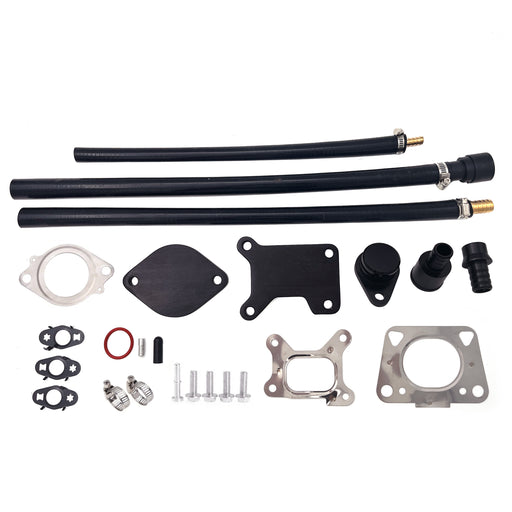
For 2017-2023 6.6L Chevy GMC Duramax L5P diesel EGR Valve Cooler Delete kit
SEGULEROriginal price $131.99 - Original price $131.99Original price$131.99$131.99 - $131.99Current price $131.99FITMENT 2017–2023 6.6L Chevrolet Silverado / GMC Sierra Duramax L5P 2500HD 3500HD Diesel. DESCRIPTION Product Overview Hot soot recirculation ...
View full details -
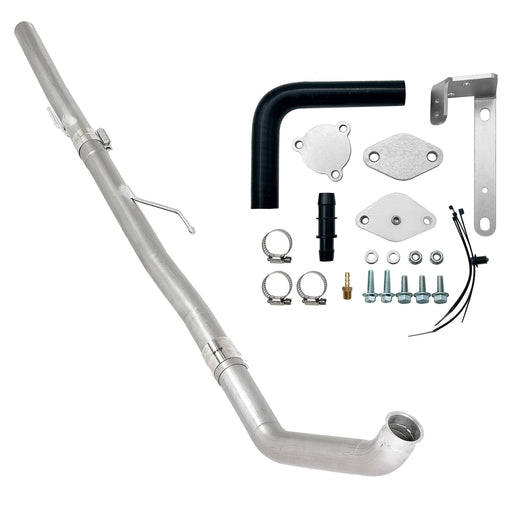
Seguler 3" Ecodiesel DPF Delete Pipe & EGR Delete kit for 2014-2018 3.0L Ram
SEGULEROriginal price $342.00 - Original price $342.00Original price$342.00$342.00 - $342.00Current price $342.00FITMENT 2014–2018 3.0L Dodge Ram 1500 EcoDiesel V6. NOTE: Fit standard Pickup models only (Crew Cab, Quad Cab). Does NOT fit Jeep Grand Cheroke...
View full details -
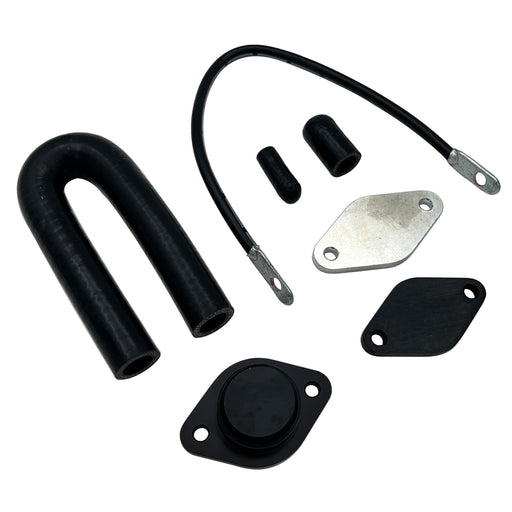
Seguler EGR valve cooler Delete kit for 2020-2022 3.0L Chevy Duramax LM2
SEGULEROriginal price $189.12 - Original price $189.12Original price$189.12$189.12 - $189.12Current price $189.12FITMENT 2020–2022 3.0L Chevrolet Silverado GMC Sierra 1500 LM2 Turbo-Diesel. DESCRIPTION Product Overview Powered by smooth inline-six engine...
View full details -

For 2013-2023 6.7L Dodge Ram Cummins Cab & Chassis EGR Delete Kit Diesel
SEGULEROriginal price $62.99 - Original price $62.99Original price$62.99$62.99 - $62.99Current price $62.99FITMENT 2013–2023 6.7L Ram Cummins 3500 4500 5500 Cab & Chassis / Commercial Trucks. Does NOT fit standard Ram 2500 3500 Pickups. DESCRIPTIO...
View full details -
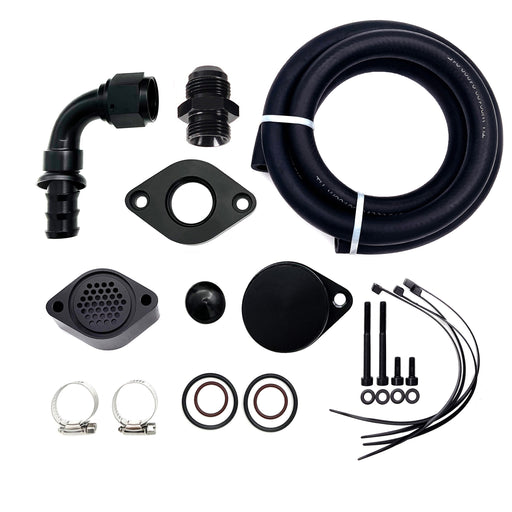
Seguler 2011-2023 6.7L Ford Powerstroke CCV PCV Reroute Engine Ventilation Kit
SEGULEROriginal price $82.99 - Original price $82.99Original price$82.99$82.99 - $82.99Current price $82.99FITMENT 2011-2023 6.7L Ford Powerstroke F-250 F-350 F-450 F-550 Super Duty V8 Diesel. Compatible with both standard Pickups and commercial Cab &...
View full details -
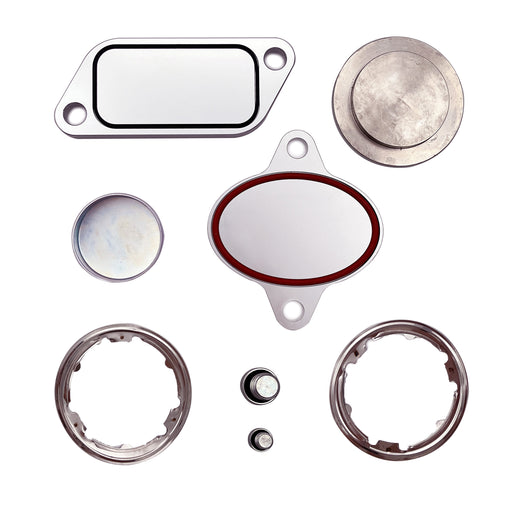
For 2007-2010 Cummins ISX CM871 EGR Plug Kit Stage 2 Plates and Plugs Aluminum
SEGULEROriginal price $67.99 - Original price $67.99Original price$67.99$67.99 - $67.99Current price $67.99FITMENT 2007-2010 Cummins Volvo, Peterbilt, Mack, International, Freightliner, Kenworth with the ISX CM871 Engines. DESCRIPTION Product Overvie...
View full details -
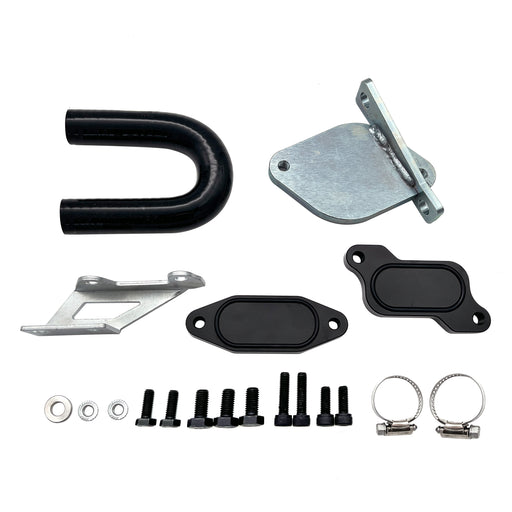
For 2007-2010 6.6L Chevy GMC LMM Duramax EGR Valve Cooler Delete Kit Fit
SEGULEROriginal price $61.99 - Original price $61.99Original price$61.99$61.99 - $61.99Current price $61.99FITMENT 2007.5-2010 6.6L Chevrolet Silverado Duramax LMM 2500HD / 3500HD. 2007.5-2010 6.6L GMC Sierra Duramax LMM 2500HD / 3500HD. Note: Standard...
View full details -
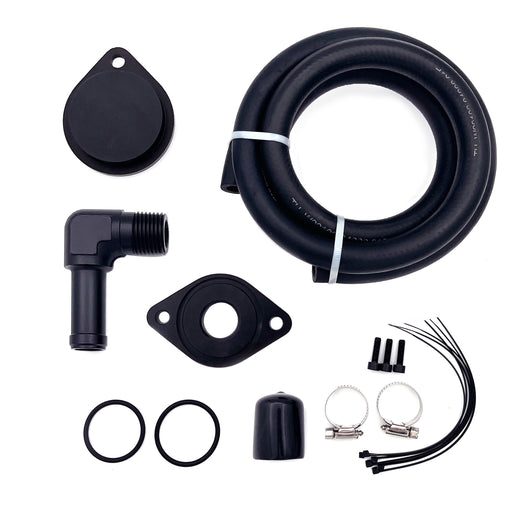
Seguler 2011-2023 Ford 6.7L Powerstroke CCV/PCV Reroute/Delete Engine Ventilation Kit
SEGULEROriginal price $72.00 - Original price $72.00Original price$72.00$72.00 - $72.00Current price $72.00FITMENT 2011-2023 6.7L Ford Powerstroke F-250 F-350 F-450 F-550 Super Duty V8 Diesel. Compatible with both standard Pickups and commercial Cab &...
View full details -
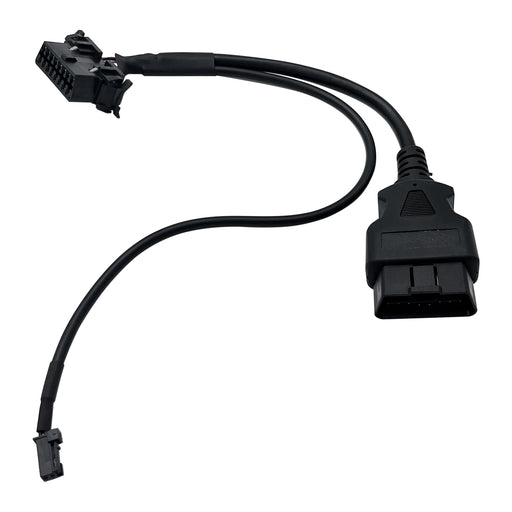
Seguler 2018+ RAM Cummins OBD2 HD Security Gate Bypass Cable
SEGULEROriginal price $45.00 - Original price $45.00Original price$45.00$45.00 - $45.00Current price $45.00FITMENT 2018+ 6.7L Ram Cummins 2500 3500 Turbo Diesel. Designed for Ram pickup trucks equipped with the factory Security Gateway Module. Note: Pl...
View full details -
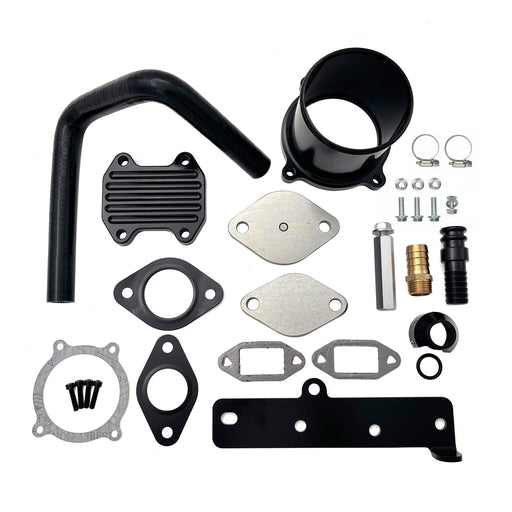
Seguler For 2013-2018 6.7L Dodge RAM 2500 3500 Cummins Diesel EGR Delete Cooler Throttle Valve Delete Kit
SEGULEROriginal price $112.00 - Original price $112.00Original price$112.00$112.00 - $112.00Current price $112.00FITMENT 2013–2018 6.7L Dodge Ram Cummins 2500 & 3500 Pickup Turbo Diesel. Note: Does NOT fit Cab & Chassis (3500 / 4500 / 5500 C&C) m...
View full details


Leave a comment