

Does EGR Delete Increase Horsepower? (Real Numbers)
How the EGR System Works
The Exhaust Gas Recirculation (EGR) system is a core emissions control technology on modern diesel engines. Its operating principle is straightforward: a portion of exhaust gas is diverted from the exhaust manifold, cooled through a heat exchanger (the EGR cooler), and routed into the intake manifold. This exhaust gas — which is largely inert, having already been burned — displaces some of the fresh oxygen-rich air that would otherwise enter the cylinders.
Key Takeaways
- The EGR system reduces horsepower through four mechanisms: oxygen displacement (5-10% power loss at high EGR rates), hotter intake air, progressive carbon deposit buildup, and combustion quality degradation
- Deleting EGR removes all four horsepower-limiting mechanisms — typical gains of 10-30 HP and 0.5-2 MPG on stock hardware
- A quality ECM tune is mandatory after EGR delete; fuel and timing maps must be recalibrated for clean air operation to realize full power potential
- Carbon deposits on intake valves from EGR operation progressively restrict airflow over time — delete eliminates the source of this restriction entirely
- EGR delete is illegal for on-road diesel vehicles in the US and will fail all state emissions inspections
Key Takeaways
- The EGR system reduces horsepower through four mechanisms: oxygen displacement (5-10% power loss at high EGR rates), hotter intake air, progressive carbon deposit buildup, and combustion quality degradation
- Deleting EGR removes all four horsepower-limiting mechanisms — typical gains of 10-30 HP and 0.5-2 MPG on stock hardware
- A quality ECM tune is mandatory after EGR delete; fuel and timing maps must be recalibrated for clean air operation to realize full power potential
- Carbon deposits on intake valves from EGR operation progressively restrict airflow over time — delete eliminates the source of this restriction entirely
- EGR delete is illegal for on-road diesel vehicles in the US and will fail all state emissions inspections
Why would engineers deliberately reduce the engine's oxygen supply? The answer is emissions chemistry. Nitrogen oxides (NOx) form when combustion temperatures exceed approximately 2,500°F. By diluting the intake charge with inert exhaust gas, peak combustion temperatures are reduced, and NOx formation drops significantly. This is how modern diesels meet EPA Tier 4 emissions standards for on-road operation.
The tradeoff, however, is that the engine is operating on a compromised air charge — less oxygen per combustion event means less complete combustion, which directly translates to reduced power output and lower thermal efficiency.
How EGR Reduces Horsepower in Stock Configuration
There are four distinct mechanisms by which the EGR system reduces horsepower on a stock engine:
1. Oxygen Displacement
This is the primary mechanism. Exhaust gas contains very little oxygen — typically 5-10% compared to the 21% oxygen concentration in ambient air. When EGR dilutes the intake charge, the total oxygen available per combustion cycle decreases. Less oxygen means less fuel can be burned completely, directly reducing the engine's power ceiling. At high EGR flow rates (which can reach 30-40% of intake volume under certain operating conditions), this oxygen displacement can reduce peak power by 5-10% compared to what the engine could produce with clean air.
2. Increased Intake Air Temperatures
Even after passing through the EGR cooler, recirculated exhaust gas enters the intake at 300-500°F — far hotter than ambient air. Hotter air is less dense, containing fewer oxygen molecules per unit volume. This compounds the oxygen displacement effect: not only is oxygen being replaced, but the remaining air is also less oxygen-dense. The net effect on combustion quality is greater than either factor alone.
3. Carbon Deposit Accumulation
Exhaust gas carries soot particles — microscopic carbon solids that do not burn completely in the combustion chamber. Over thousands of miles, these particles accumulate on intake valves, intake manifold walls, and intercooler surfaces. The resulting carbon deposits progressively narrow airflow paths, creating a gradual restriction that reduces intake airflow efficiency over the engine's lifetime. This is why a 100,000-mile EGR-equipped engine typically produces less power than it did when new — not because of mechanical wear, but because of carbon-induced airflow restriction.
4. Combustion Quality Degradation
Introducing inert gas into the combustion chamber slows the flame front propagation during the power stroke. Combustion takes longer to complete and does not achieve the same peak cylinder pressure. This results in less torque production per combustion event and reduced thermal efficiency — more fuel energy is lost as heat rather than converted to crankshaft rotation.
How Much Horsepower Does an EGR Delete Add?
The horsepower gain from an EGR delete alone (without other modifications) is modest — typically 10-20 horsepower at the wheels. The primary benefit of an EGR delete is not raw peak power, but rather:
- Cleaner, more responsive throttle feel: Without exhaust gas diluting the intake charge during throttle transitions, the engine responds more immediately and predictably to accelerator input
- Prevention of carbon-induced power loss: The engine maintains its power output over time rather than experiencing the gradual decline that affects EGR-equipped engines
- Lower intake temperatures enabling more aggressive tuning: With intake temperatures reduced by 100-150°F, tuners can safely add more fuel and timing advance without exceeding safe EGT limits
When an EGR delete is combined with a DPF delete and a proper performance tune, the total power gain is much more significant — typically 50-100+ horsepower, depending on the engine platform and tune level. The EGR delete contributes to this by providing the clean, cool, oxygen-dense air that allows the tune to safely increase fuel delivery and advance injection timing.
Real-World Results by Engine Platform
Reported power gains from EGR delete (with tune) vary by engine:
- 6.0L Powerstroke: 15-25 HP gain from EGR delete alone. Combined EGR delete, head studs, and tune: 100-150 HP over stock.
- 6.4L Powerstroke: 15-20 HP from EGR delete alone. Combined with DPF delete and tune: 120-180 HP over stock.
- 6.7L Powerstroke (2011-2024): 15-25 HP from EGR delete. Combined full delete and tune: 80-120 HP.
- 6.6L Duramax LLY/LBZ/LMM: 10-20 HP from EGR delete. Combined with tune: 60-100 HP.
- 6.7L Cummins: 15-25 HP from EGR delete. Combined full delete and tune: 80-150 HP (tune-dependent).
The pattern is consistent across platforms: the EGR delete itself provides a modest power increase, but its real value is enabling the engine to safely accept more aggressive tuning that delivers the substantial gains owners seek.
Additional Benefits Beyond Horsepower
An EGR delete delivers several other benefits that contribute to real-world performance and ownership satisfaction:
- Sharper Throttle Response: Without EGR gas in the intake during tip-in, the engine reacts to throttle input with less delay. This is particularly noticeable during passing maneuvers and when accelerating with a load.
- Reduced Turbo Lag: The EGR system diverts exhaust energy that would otherwise drive the turbocharger. Deleting it returns that exhaust energy to the turbine, improving spool time.
- Lower Maintenance Costs: EGR valve cleaning or replacement ($400-800), EGR cooler replacement ($1,000-2,500), and intake manifold cleaning ($500-1,000) are eliminated.
- Extended Engine Life: By preventing carbon accumulation on intake valves and cylinder walls, and by eliminating the risk of EGR cooler failure introducing coolant into cylinders, the engine's mechanical longevity improves.
FAQs About EGR Delete and Horsepower
Q1: Does an EGR delete increase horsepower without a tune?
A1: Marginally, if at all. The ECM's fuel and timing maps are calibrated to expect EGR flow. Without a tune that adjusts these maps for clean air, the ECM may actually reduce power in response to the changed airflow characteristics. A tune is essential to realize the horsepower potential of an EGR delete.
Q2: How does an EGR delete compare to a DPF delete for horsepower gains?
A2: The DPF delete typically delivers larger immediate horsepower gains (20-40 HP) because the DPF is the single largest flow restriction in the exhaust system. However, the EGR delete contributes to power in a different way — by improving intake air quality — and the two modifications are complementary. The best results come from addressing both simultaneously.
Q3: Will an EGR delete cause my engine to fail emissions testing?
A3: Yes. Removing the EGR system significantly increases NOx emissions and the vehicle will fail any emissions inspection. This modification is legal only for off-road, competition, and export vehicles.
Q4: Can I install just an EGR block-off plate instead of a full delete?
A4: An EGR block-off plate ($20-50) is a simpler, reversible alternative that blocks exhaust flow at the EGR valve while leaving all hardware in place. It provides some of the airflow and carbon reduction benefits of a full delete, but intake restriction remains from the EGR cooler and piping. It still requires ECM tuning to prevent check engine lights. For maximum results, a full delete kit is recommended.
Q5: Is an EGR delete worth it if I am only looking for horsepower gains?
A5: If horsepower is your only goal, an EGR delete should be part of a comprehensive upgrade strategy — not the only modification. The most effective path to significant power is: ECM tune (foundation), DPF delete (biggest restriction removal), EGR delete (air quality improvement), cold air intake (airflow improvement), and supporting upgrades (intercooler, lift pump, transmission tune). Each step builds on the previous ones.
Conclusion
Does an EGR delete increase horsepower? Yes — but the direct horsepower gain (10-25 HP) is modest compared to other modifications. The greater value of an EGR delete lies in the secondary benefits: cleaner intake airflow that prevents carbon-induced power loss over time, cooler intake temperatures that enable safer aggressive tuning, sharper throttle response, and the elimination of expensive EGR system repairs. When combined with a DPF delete and professional tuning as part of a comprehensive performance strategy, the EGR delete is an essential component of unlocking your diesel engine's full potential. Explore our EGR delete solutions for your specific engine platform.


Featured collection
-
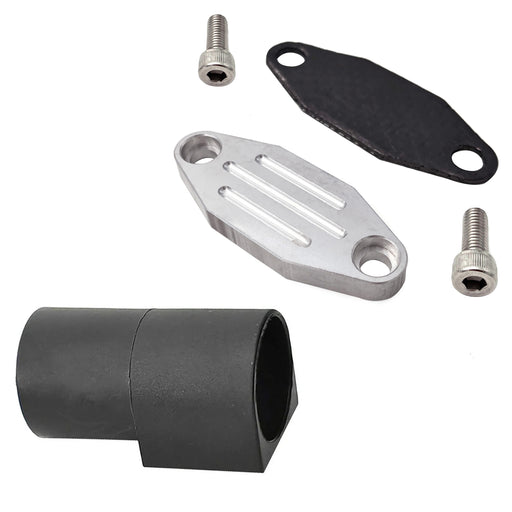
Seguler 1986-1995 Ford F150 F250 F350 Mustang Trucks EGR Simulator Eliminator / Block Off Plate Kit
SEGULEROriginal price $79.99 - Original price $79.99Original price$79.99$79.99 - $79.99Current price $79.99Block Off Plate Material: Aluminum alloy. Easy installation,and convenient to use. Made of CNC milled from aircraft grade Billet aluminum. Will N...
View full details -

Seguler 2011-2023 6.7L Ford Powerstroke Diesel EGR Delete Kit
SEGULEROriginal price $109.99 - Original price $109.99Original price$109.99$109.99 - $109.99Current price $109.99FITMENT 2011-2023 6.7L Ford Powerstroke F-250 F-350 F-450 F-550 Super Duty V8 Diesel. compatible with both standard Pickups and commercial Cab &...
View full details -
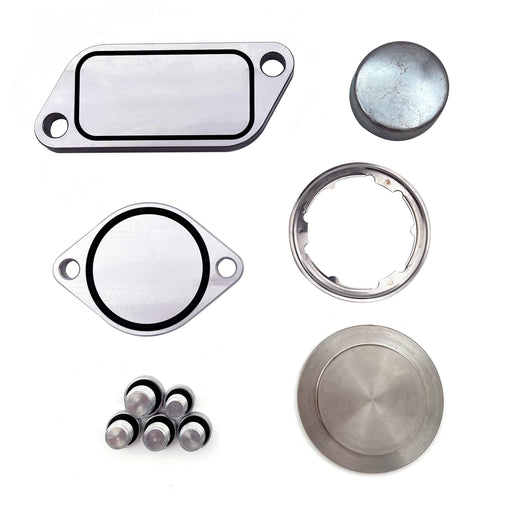
For 2010-Present Stage 2 ISX 15 CM2250 CM2350 EGR Delete Kit
SEGULEROriginal price $59.99 - Original price $59.99Original price$59.99$59.99 - $59.99Current price $59.99FITMENT 2010-Present Cummins Volvo, Peterbilt, Mack, International, Freightliner, Kenworth with the ISX15 CM2250 / CM2350 engines. DESCRIPTION P...
View full details -
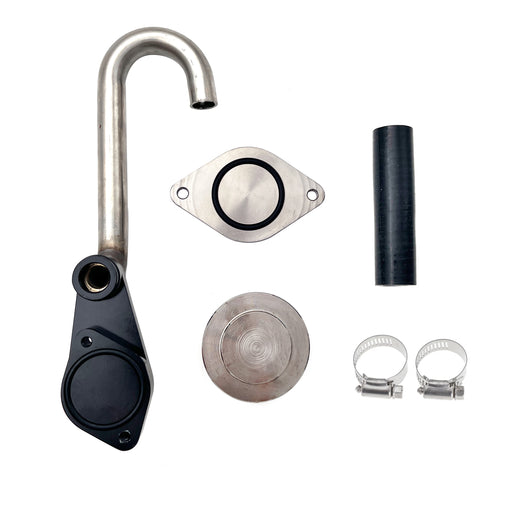
Seguler 2003-2007 6.0L FORD Powerstroke Diesel EGR Cooler Delete Kit
SEGULEROriginal price $56.14 - Original price $56.14Original price$56.14$56.14 - $56.14Current price $56.14FITMENT 2003-2007 6.0L Ford F-250 Ford F-350 F-450 F-550 Super Duty. 2003-2007 6.0L Ford Excursion SUV (Diesel Models Only). 2005-2010 Ford E-Se...
View full details -
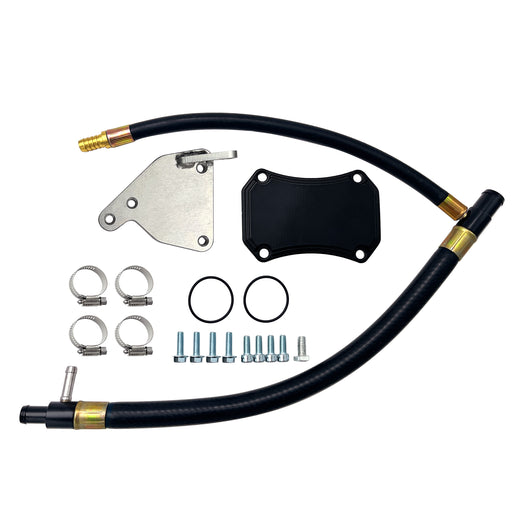
For 2011-2016 6.6L GMC Chevy Duramax Diesel LML EGR Valve Cooler Delete Kit
SEGULEROriginal price $66.49 - Original price $66.49Original price$66.49$66.49 - $66.49Current price $66.49FITMENT 2011-2016 6.6L Chevy GMC Duramax LML 2500 HD 3500 HD Diesel. DESCRIPTION Product Overview The 2011–2016 LML Duramax uses a complex EG...
View full details -
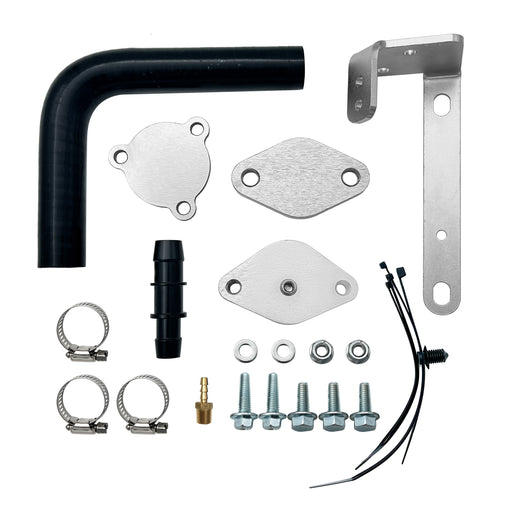
Seguler For 2014-2019 3.0L Dodge Ram 1500 EcoDiesel EGR Valve & Cooler Delete Kit
SEGULEROriginal price $72.99 - Original price $72.99Original price$72.99$72.99 - $72.99Current price $72.99FITMENT 2014-2019 3.0L Dodge Ram 1500 EcoDiesel V6 engine trucks. DESCRIPTION Product Overview Exhaust gas recirculation on 3.0L EcoDiesel V6 ...
View full details -

Seguler 2011-2023 6.7L Ford Powerstroke Diesel EGR Delete Kit
SEGULEROriginal price $85.99 - Original price $85.99Original price$85.99$85.99 - $85.99Current price $85.99FITMENT 2011-2023 6.7L Ford Powerstroke F-250 F-350 F-450 F-550 Super Duty V8 Diesel. compatible with both standard Pickups and commercial Cab &...
View full details -

Seguler 2010-2024 6.7L Dodge Ram Cummins Diesel EGR Valve Cooler Delete Kit
SEGULEROriginal price $89.99 - Original price $89.99Original price$89.99$89.99 - $89.99Current price $89.99FITMENT 2010–2024 6.7L Dodge Ram Cummins 2500 / 3500 Pickup Turbo Diesel. Note: Does NOT fit Chassis Cab 3500 / 4500 / 5500 models. DESCRIPTIO...
View full details -
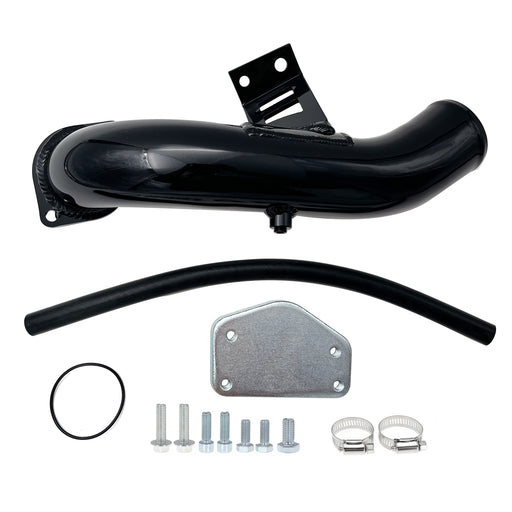
For 2004.5-2005 6.6L Chevy GMC Silverado LLY Duramax Diesel EGR Delete Kit
SEGULEROriginal price $92.99 - Original price $92.99Original price$92.99$92.99 - $92.99Current price $92.99FITMENT 2004.5-2005 6.6L Chevrolet Silverado Duramax LLY 2500HD / 3500 HD. 2004.5-2005 6.6L GMC Sierra Duramax LLY 2500HD / 3500 HD. DESCRIPTION...
View full details -

Seguler 2017-2019 L5P Duramax Diesel 4pcs L5P Can Bus Plugs Connector Replacement
SEGULEROriginal price $75.00 - Original price $75.00Original price$75.00$75.00 - $75.00Current price $75.00FITMENT 2017–2019 Chevrolet Silverado / GMC Sierra Duramax L5P 2500HD & 3500HD Diesel. DESCRIPTION Product Overview Unprotected harness con...
View full details -

Seguler 2020-2023 chevy duramax L5P Diesel Can Bus Plugs Connector
SEGULEROriginal price $80.00 - Original price $80.00Original price$80.00$80.00 - $80.00Current price $80.00FITMENT 2020–2023 Chevrolet Silverado / GMC Sierra Duramax L5P 2500HD & 3500HD Diesel. DESCRIPTION Product Overview Unprotected harness pl...
View full details -
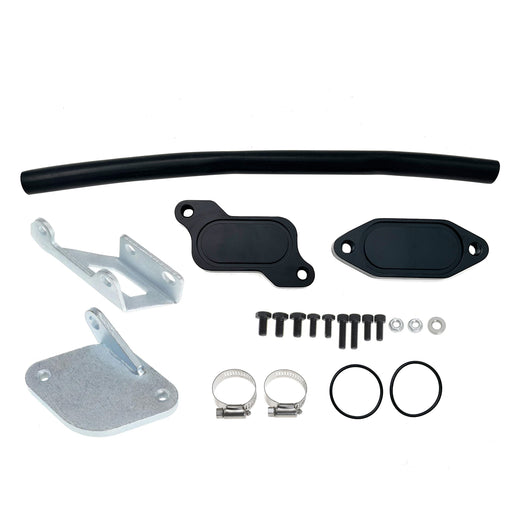
For 2006-2007 6.6L Chevrolet Silverado Classic GMC Duramax LBZ Diesel EGR Valve Cooler Delete Kit
SEGULEROriginal price $63.49 - Original price $63.49Original price$63.49$63.49 - $63.49Current price $63.49FITMENT 2006-2007.4 Chevrolet Silverado Duramax LBZ 2500HD / 3500HD. 2007.4 Chevrolet Silverado Duramax LBZ 2500HD / 3500HD Classic. 2006-2007.4 ...
View full details -

Seguler 2011-2023 6.7L Ford F250 F350 F450 F550 Powerstroke Diesel EGR Valve Delete Cooler Delete Kit
SEGULEROriginal price $55.99 - Original price $55.99Original price$55.99$55.99 - $55.99Current price $55.99FITMENT 2011-2023 6.7L Ford Powerstroke F-250 F-350 F-450 F-550 Super Duty V8 Diesel compatible with both standard Pickups and commercial Cab &a...
View full details -
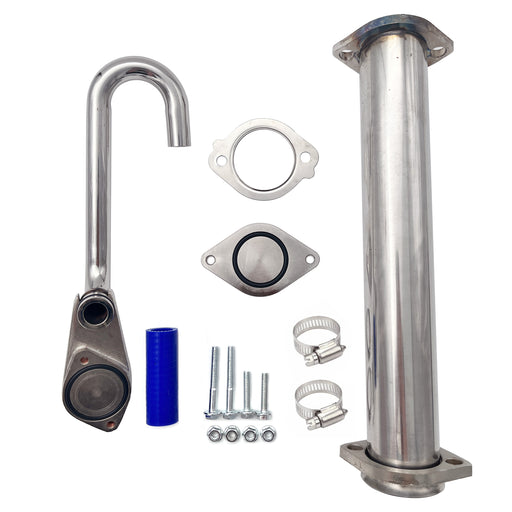
Seguler 2003-2007 6.0L Ford F250 F350 Powerstroke Diesel EGR Basic Cooler Kit
SEGULEROriginal price $79.99 - Original price $79.99Original price$79.99$79.99 - $79.99Current price $79.99FITMENT 2003-2007 6.0L Ford F250 F350 F450 F550 Super Duty Turbo (except 2004 F250 Super Duty). 2003-2005 6.0L Ford Excursion Turbo. 2005 Ford F...
View full details -
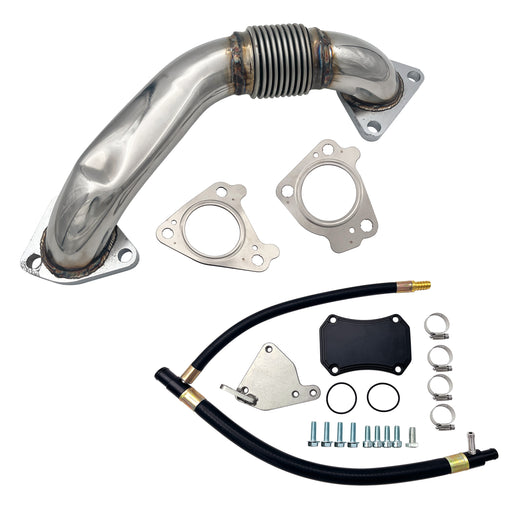
Seguler 2011-2016 6.6L GMC Chevy Duramax Diesel LML Up-Pipe & EGR Valve Cooler Delete Kit
SEGULEROriginal price $173.86 - Original price $173.86Original price$173.86$173.86 - $173.86Current price $173.86FITMENT 2011-2016 6.6L Chevy GMC Duramax LML 2500 HD 3500 HD Diesel. DESCRIPTION Product Overview Direct-injection technology endows GM 5.3L an...
View full details -
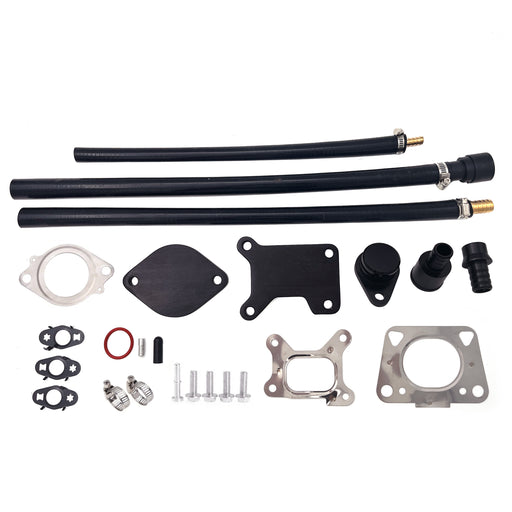
For 2017-2023 6.6L Chevy GMC Duramax L5P diesel EGR Valve Cooler Delete kit
SEGULEROriginal price $131.99 - Original price $131.99Original price$131.99$131.99 - $131.99Current price $131.99FITMENT 2017–2023 6.6L Chevrolet Silverado / GMC Sierra Duramax L5P 2500HD 3500HD Diesel. DESCRIPTION Product Overview Hot soot recirculation ...
View full details -
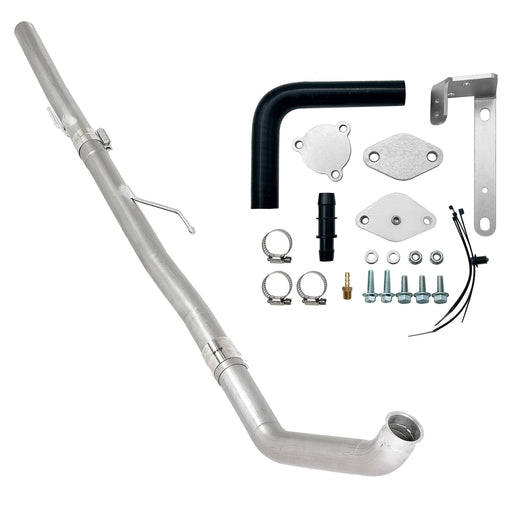
Seguler 3" Ecodiesel DPF Delete Pipe & EGR Delete kit for 2014-2018 3.0L Ram
SEGULEROriginal price $342.00 - Original price $342.00Original price$342.00$342.00 - $342.00Current price $342.00FITMENT 2014–2018 3.0L Dodge Ram 1500 EcoDiesel V6. NOTE: Fit standard Pickup models only (Crew Cab, Quad Cab). Does NOT fit Jeep Grand Cheroke...
View full details -
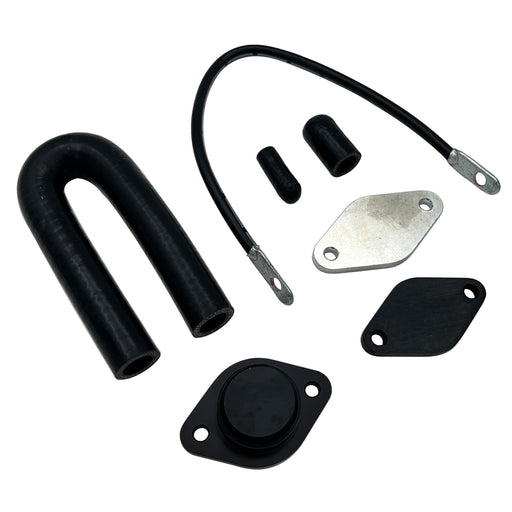
Seguler EGR valve cooler Delete kit for 2020-2022 3.0L Chevy Duramax LM2
SEGULEROriginal price $189.12 - Original price $189.12Original price$189.12$189.12 - $189.12Current price $189.12FITMENT 2020–2022 3.0L Chevrolet Silverado GMC Sierra 1500 LM2 Turbo-Diesel. DESCRIPTION Product Overview Powered by smooth inline-six engine...
View full details -

For 2013-2023 6.7L Dodge Ram Cummins Cab & Chassis EGR Delete Kit Diesel
SEGULEROriginal price $62.99 - Original price $62.99Original price$62.99$62.99 - $62.99Current price $62.99FITMENT 2013–2023 6.7L Ram Cummins 3500 4500 5500 Cab & Chassis / Commercial Trucks. Does NOT fit standard Ram 2500 3500 Pickups. DESCRIPTIO...
View full details -
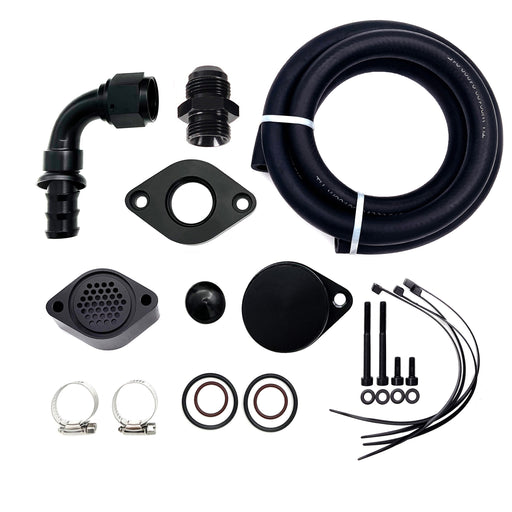
Seguler 2011-2023 6.7L Ford Powerstroke CCV PCV Reroute Engine Ventilation Kit
SEGULEROriginal price $82.99 - Original price $82.99Original price$82.99$82.99 - $82.99Current price $82.99FITMENT 2011-2023 6.7L Ford Powerstroke F-250 F-350 F-450 F-550 Super Duty V8 Diesel. Compatible with both standard Pickups and commercial Cab &...
View full details -
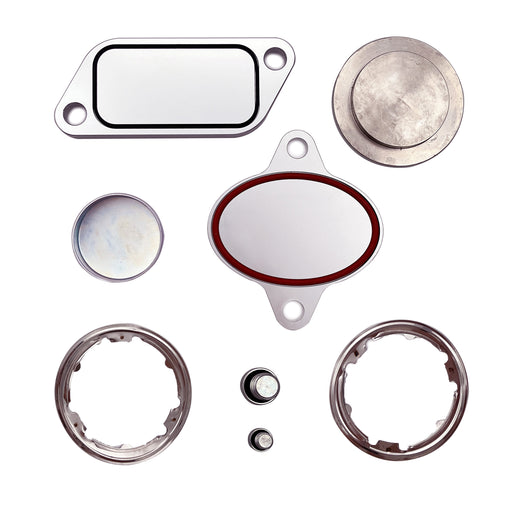
For 2007-2010 Cummins ISX CM871 EGR Plug Kit Stage 2 Plates and Plugs Aluminum
SEGULEROriginal price $67.99 - Original price $67.99Original price$67.99$67.99 - $67.99Current price $67.99FITMENT 2007-2010 Cummins Volvo, Peterbilt, Mack, International, Freightliner, Kenworth with the ISX CM871 Engines. DESCRIPTION Product Overvie...
View full details -
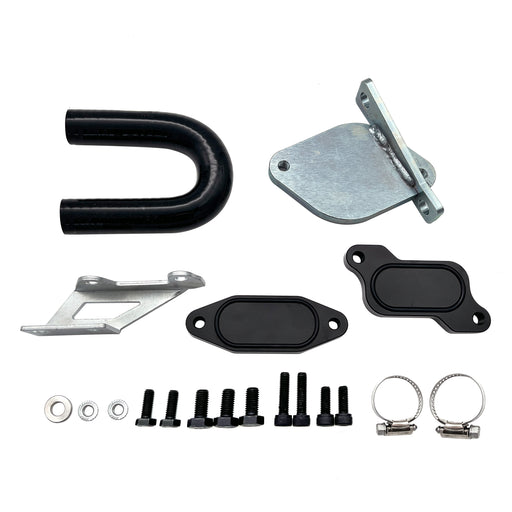
For 2007-2010 6.6L Chevy GMC LMM Duramax EGR Valve Cooler Delete Kit Fit
SEGULEROriginal price $61.99 - Original price $61.99Original price$61.99$61.99 - $61.99Current price $61.99FITMENT 2007.5-2010 6.6L Chevrolet Silverado Duramax LMM 2500HD / 3500HD. 2007.5-2010 6.6L GMC Sierra Duramax LMM 2500HD / 3500HD. Note: Standard...
View full details -
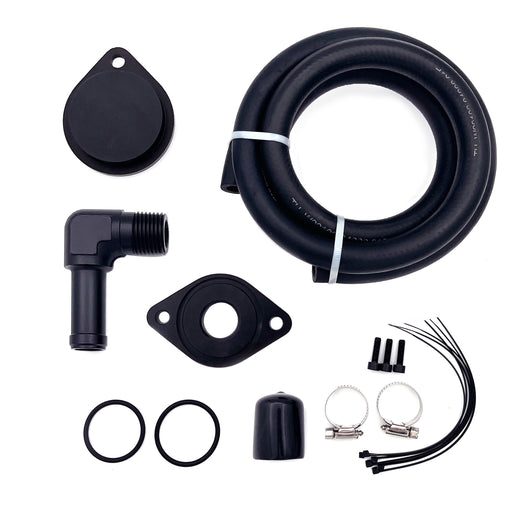
Seguler 2011-2023 Ford 6.7L Powerstroke CCV/PCV Reroute/Delete Engine Ventilation Kit
SEGULEROriginal price $72.00 - Original price $72.00Original price$72.00$72.00 - $72.00Current price $72.00FITMENT 2011-2023 6.7L Ford Powerstroke F-250 F-350 F-450 F-550 Super Duty V8 Diesel. Compatible with both standard Pickups and commercial Cab &...
View full details -
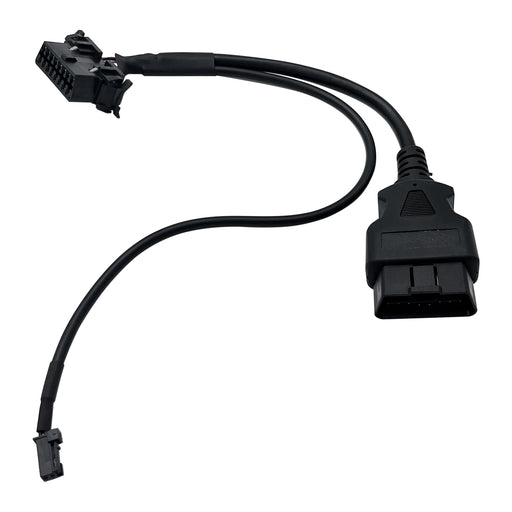
Seguler 2018+ RAM Cummins OBD2 HD Security Gate Bypass Cable
SEGULEROriginal price $45.00 - Original price $45.00Original price$45.00$45.00 - $45.00Current price $45.00FITMENT 2018+ 6.7L Ram Cummins 2500 3500 Turbo Diesel. Designed for Ram pickup trucks equipped with the factory Security Gateway Module. Note: Pl...
View full details -
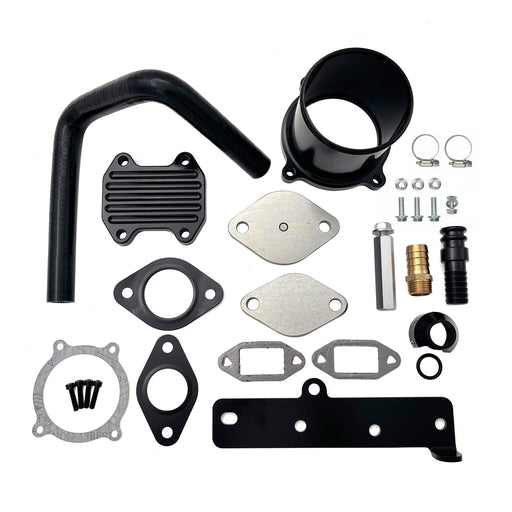
Seguler For 2013-2018 6.7L Dodge RAM 2500 3500 Cummins Diesel EGR Delete Cooler Throttle Valve Delete Kit
SEGULEROriginal price $112.00 - Original price $112.00Original price$112.00$112.00 - $112.00Current price $112.00FITMENT 2013–2018 6.7L Dodge Ram Cummins 2500 & 3500 Pickup Turbo Diesel. Note: Does NOT fit Cab & Chassis (3500 / 4500 / 5500 C&C) m...
View full details


Leave a comment