

EGR Block-Off Plate: Low-Cost EGR Fix
🔑 Key Takeaways
- An EGR block off plate is the most affordable way to stop exhaust gas recirculation—typically $30-$80 vs. $200-$600 for a full delete kit
- Block off plates are easier to install and can be reversed more quickly than a complete delete kit
- Limitations: plates don't remove the EGR cooler (which can still fail), don't improve airflow, and may not seal as reliably long-term
- ECU tuning is still required—the engine computer will detect reduced EGR flow and trigger a check engine light
In the diesel truck community, the EGR (Exhaust Gas Recirculation) system has always been a topic of debate. This system, designed to reduce nitrogen oxide emissions, has become a source of frustration for many owners in real-world use—intake manifold carbon buildup, cooler blockages, sensor failures—issues that not only affect performance but also lead to expensive repair bills.
Faced with these problems, some owners have turned to the EGR block off plate as a solution.
What Is an EGR Block Off Plate
An EGR block off plate is a flat piece of steel or stainless steel installed between the EGR valve and the intake manifold or cooler passage, effectively preventing exhaust gas from recirculating. It doesn't remove any EGR components—the valve, cooler, and piping all stay in place. It simply uses a metal plate to cut off the exhaust path.
Easy installation
The installation process is surprisingly simple. Remove a few bolts, slide the block off plate in along with the gasket, then tighten everything back up. Most owners can complete this job in 30 to 60 minutes using a basic set of socket and ratchet wrenches, with no need for special tools or a lift.
Real-World Results After Installation
Performance Advantages
After installing an EGR block off plate, the most noticeable change is that the intake system is no longer contaminated by exhaust gas and carbon deposits. With most of the exhaust blocked from entering the intake manifold, the engine breathes cleaner air.
- Improving combustion
- The engine runs smoother
- Idle vibration decreases
- Throttle response improves to some extent.
Improvement Is Limited
Because the EGR valve, cooler, and piping remain in place, the intake restriction they create isn't eliminated. Compared to completely deleting the EGR system, the performance gain from a block off plate is modest at best, falling far short of fully unlocking the engine's potential.
Clear Cost Advantage
From a cost perspective, a quality block off plate sells for just $20 to $50, far less than the cost of a complete EGR delete kit. Combined with the simple installation, many DIY enthusiasts see it as a quick way to address EGR problems.
Reversibility Offers Convenience
Reversibility is another significant advantage. If the vehicle needs to be sold or needs to pass an emissions inspection, simply remove a few bolts to take out the plate, and everything returns to stock condition. This stealthy nature also gives it an edge in areas that require visual inspections—most of the hardware stays in place, so there are no visible changes from the outside.
Reliability Limitations
While it prevents exhaust gas from entering the intake manifold and reduces carbon buildup, components like the EGR cooler and valve—parts that can fail—remain in the system. This means that over the long term, these components could still fail, leading to additional repair costs.
Legal Risks Require Attention
In the United States, the EPA has strict regulations regarding emissions modifications, and many states classify such modifications as violations. California, in particular, enforces these laws strictly—if caught, you could face fines ranging from hundreds to thousands of dollars, plus be required to restore the vehicle to stock condition to pass emissions testing.
For this reason, EGR block off plates are essentially off-road or racing use only modifications, and daily drivers need to carefully consider local regulations. Before making these modifications, be sure to check local laws and clearly understand that this is for off-road or racing use only.
Tuning Is a Necessary Step
Possible consequences
However, the EGR block off plate isn't a plug-and-play solution. The most immediate consequence is that the check engine light will likely come on. Modern diesel truck ECUs continuously monitor the EGR system's operation, and when they detect that exhaust gas is no longer recirculating, they'll register a system fault and illuminate the warning light. On newer models, this can even trigger limp mode, limiting engine output to protect the system.
This brings us to a key point:
simply installing the block off plate isn't enough. To keep the vehicle running properly, you'll need an ECU tune to disable the EGR sensor monitoring. This means that even with the block off plate, tuning is unavoidable.
Block Off Plate vs. Complete EGR Delete
To help owners better understand the differences between the two options, here's a comparison across several key dimensions.
Performance Gains
- Block Off Plate: Power, torque, and throttle response see some enhancement, and the engine runs smoother, but the gains are limited.
- EGR delete kit: It provides significant performance gains. Intake temperatures drop noticeably, throttle response becomes much more direct, and the engine's overall performance sees a qualitative leap forward.
Installation Difficulty
- Block Off Plate: Installing a block off plate is very simple. It works on most engines, and owners can do it themselves with basic tools, requiring no specialized knowledge.
- EGR delete kit: A complete delete is much more involved. It may require advanced tools and professional tuning, with higher demands on mechanical skill.
Cost Considerations
- Block Off Plate: The initial cost of a block off plate is very low. A quality intake manifold block off plate runs just $20 to $50, making it an entry-level modification choice.
- EGR delete kit: It requires a higher investment in parts and tuning. However, over the long term, it may prove more cost-effective by eliminating the repair costs associated with EGR system failures.
Reversibility
- Block Off Plate: It is easy to reverse. Simply remove the plate, and the vehicle returns to stock condition—a quick and simple process.
- EGR delete kit: A complete delete is much harder to reverse. You'd need to repurchase and install all the EGR components, spending more time and money to return to stock.
Legal Compliance
The legal status is identical for both. They're for off-road use only, likely won't pass emissions inspections in most areas, and carry the same legal risks.
Recommendations for Different Scenarios
Daily Commuter Vehicles
For daily-driven street vehicles where the main goal is addressing EGR-related carbon buildup, a block off plate is a sensible choice. It improves engine operation while preserving the option to return to stock if needed.
High-Mileage Older Trucks
For high-mileage older trucks, a complete EGR delete offers more value. It helps extend engine life and reduces future maintenance by fundamentally eliminating the risk of intake clogging and excessive carbon buildup.
Off-Road or Performance Builds
For pure off-road use or owners chasing maximum performance, completely removing the EGR system delivers the best results. This provides more power, sharper throttle response, and extended engine life—provided regulatory restrictions aren't a concern.
Budget-Conscious Situations
For owners on a tight budget, a block off plate serves as an entry point, addressing immediate issues at low cost while leaving the option to upgrade to a complete delete later if desired.
1986-1995 Ford F150 F250 F350 Mustang Trucks EGR Simulator Eliminator/Block Off Plate
This comprehensive kit combines a simulator with a precision-machined block off plate, delivering a professional result that addresses both the mechanical and electronic challenges of EGR deletion.

Compatible with: Ford F150, F250, F350, and Mustang
Key Features:
-
Smart EGR Simulator – Connects directly to factory EGR valve harness and communicates with your truck's computer to indicate normal EGR function
-
Factory-Style Locking Connectors – Plug directly into stock wiring harness for a reliable connection that won't shake loose
-
Precision CNC-Machined Block Off Plate – Crafted from aerospace-grade 6061 T6 aluminum billet
-
Superior Durability – Won't warp or deform under repeated heat cycles like thinner stamped plates
-
Perfect Flatness – Maintains sealing surface indefinitely for reliable performance
4.3L 5.7L CPI Chevy Silverado Surburban EGR Delete Block Off Plates Kit
This block off plates kit includes everything needed to block off the EGR system cleanly and effectively in one convenient package.

Compatible with: 4.3L and 5.7L CPI Chevy Silverado and Suburban engines
Key Features:
-
CNC Laser Cut or Precision Machined Plates – Consistent quality and exact fitment across all components
-
Durable Aluminum Construction – Stands up to under-hood temperatures and conditions without degradation
-
Complete Gasket Set – All necessary gaskets included for proper sealing between components
-
High-Pressure Sealed Plugs – Professional-grade connectors designed to hold pressure indefinitely without leaking
-
Comprehensive Kit – Everything needed in one box, no hunting for additional parts
5.3L 6.0L LS EGR+EVAP Valve Block Off Plates Kit Purge Solenoid Plug Intake/Exhaust LM7 Generic
This comprehensive kit provides a complete solution for both EGR and EVAP deletion in one convenient package. Rather than piecing together multiple block-off plates from different sources, you get a unified solution designed to work together.

Compatible with: 5.3L, 6.0L LS engines including LM7 and other GM truck platforms
Key Features:
-
Complete Dual-System Coverage – Addresses both EGR and EVAP systems in one kit
-
CNC Machined Aerospace-Grade Aluminum – Same material used in high-performance racing applications
-
Precision Tolerances – Guarantees seamless fit with intake manifold, no gaps or leaks
-
Comprehensive Package – Everything needed comes in the box
-
Universal LS Compatibility – Designed for 5.3L and 6.0L platforms including LM7 and other GM truck engines
Conclusion
Ultimately, the EGR block off plate is a product that requires a rational perspective. It solves carbon buildup issues at a very low cost with simple installation, allowing the engine to breathe cleaner air. But it can't deliver the performance gains of a complete delete kit, carries the same legal risks, and requires an ECU tune to function properly.
For owners considering this modification, understanding these trade-offs is essential to making the right choice for their situation. Whether choosing a block off plate or a complete delete, the key lies in being clear about your needs, budget, and tolerance for legal risk. Welcome to visit www.seguler.com . Whether you choose the simple block mode or the complete system deletion, we can offer you the perfect product.
FAQs About EGR Block Off Plate
Q1: Do you need a tune for EGR block off plates?
A1: Yes, it must be done manually. If the program is not adjusted, the vehicle's computer will detect the anomaly and, with a high probability, light up the warning light. In severe cases, the truck will even enter a wobbling mode, limiting the power output.
Q2: Do block off plates stop EGR cooler failure?
A2: The block off plate does indeed reduce the accumulation of carbon deposits, but the cooler itself and the surrounding piping are still present, so the risks of aging, leakage or rupture have not completely disappeared.
Q3: Can EGR plates cause exhaust manifold cracks?
A3: This is possible. Because the sealing plate alters the exhaust gas circulation path, the exhaust resistance increases. If this pressure has nowhere to release, the original cast iron manifold on older or high-mileage vehicles may not be able to withstand it and could develop cracks.
Q4: EGR delete vs block off plates—which is easier to install?
A4: Block-off plates, hands down. Simple design, easy DIY. The entire removal process is quite extensive, involving the disassembly of the radiator, piping, and even the intake manifold. Professional tools and more complex adjustments are required for this.
Q5: Can you reverse an EGR block off plate install?
A5: Sure, and it's quite simple. The plug is basically just a physical barrier. Just remove it and reset the pipeline. But if you want to remove the entire unit, cut the pipeline and dismantle the cooler. It's basically impossible to return to the factory state completely.


Featured collection
-
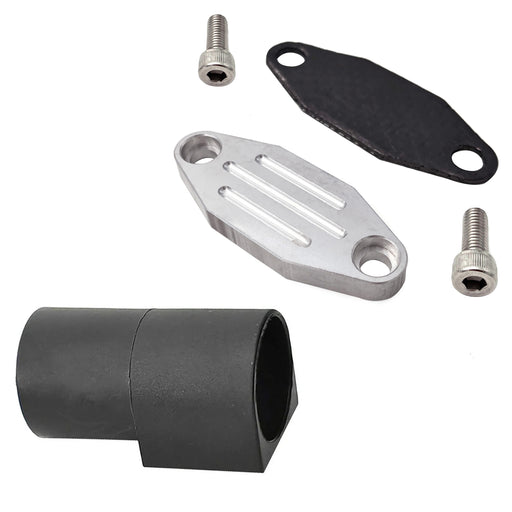
Seguler 1986-1995 Ford F150 F250 F350 Mustang Trucks EGR Simulator Eliminator / Block Off Plate Kit
SEGULEROriginal price $79.99 - Original price $79.99Original price$79.99$79.99 - $79.99Current price $79.99Block Off Plate Material: Aluminum alloy. Easy installation,and convenient to use. Made of CNC milled from aircraft grade Billet aluminum. Will N...
View full details -

Seguler 2011-2023 6.7L Ford Powerstroke Diesel EGR Delete Kit
SEGULEROriginal price $109.99 - Original price $109.99Original price$109.99$109.99 - $109.99Current price $109.99FITMENT 2011-2023 6.7L Ford Powerstroke F-250 F-350 F-450 F-550 Super Duty V8 Diesel. compatible with both standard Pickups and commercial Cab &...
View full details -
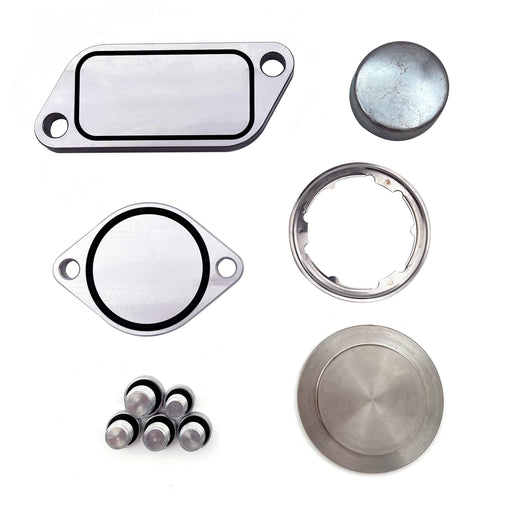
For 2010-Present Stage 2 ISX 15 CM2250 CM2350 EGR Delete Kit
SEGULEROriginal price $59.99 - Original price $59.99Original price$59.99$59.99 - $59.99Current price $59.99FITMENT 2010-Present Cummins Volvo, Peterbilt, Mack, International, Freightliner, Kenworth with the ISX15 CM2250 / CM2350 engines. DESCRIPTION P...
View full details -
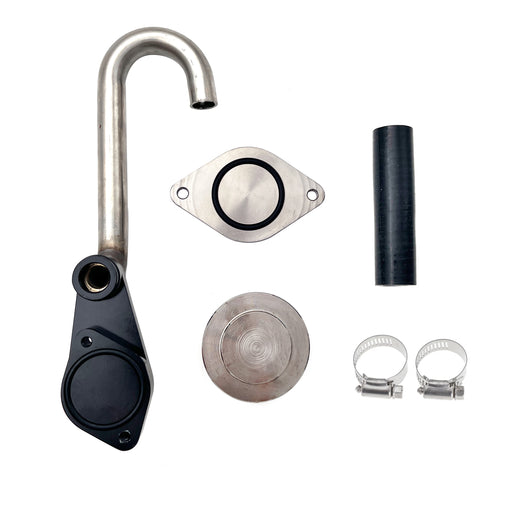
Seguler 2003-2007 6.0L FORD Powerstroke Diesel EGR Cooler Delete Kit
SEGULEROriginal price $56.14 - Original price $56.14Original price$56.14$56.14 - $56.14Current price $56.14FITMENT 2003-2007 6.0L Ford F-250 Ford F-350 F-450 F-550 Super Duty. 2003-2007 6.0L Ford Excursion SUV (Diesel Models Only). 2005-2010 Ford E-Se...
View full details -
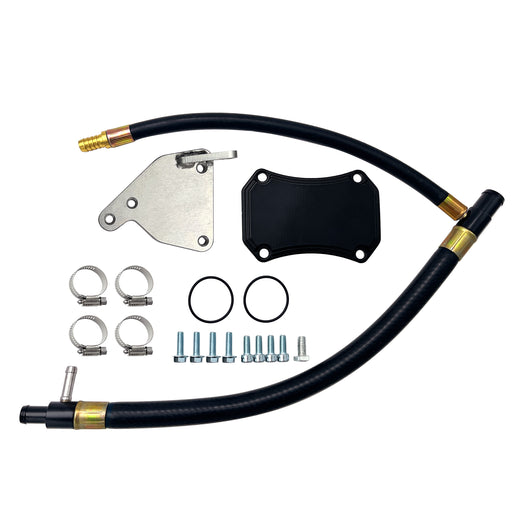
For 2011-2016 6.6L GMC Chevy Duramax Diesel LML EGR Valve Cooler Delete Kit
SEGULEROriginal price $66.49 - Original price $66.49Original price$66.49$66.49 - $66.49Current price $66.49FITMENT 2011-2016 6.6L Chevy GMC Duramax LML 2500 HD 3500 HD Diesel. DESCRIPTION Product Overview The 2011–2016 LML Duramax uses a complex EG...
View full details -
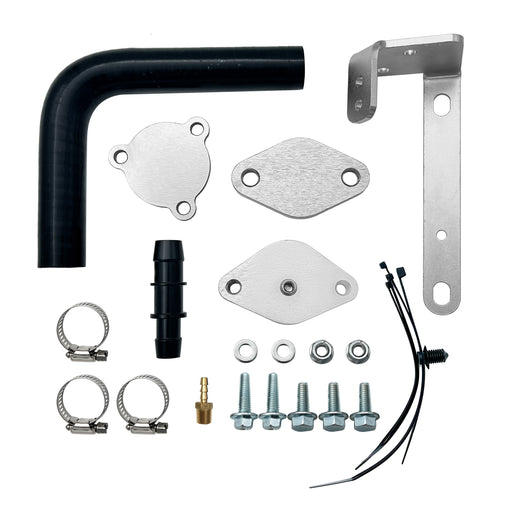
Seguler For 2014-2019 3.0L Dodge Ram 1500 EcoDiesel EGR Valve & Cooler Delete Kit
SEGULEROriginal price $72.99 - Original price $72.99Original price$72.99$72.99 - $72.99Current price $72.99FITMENT 2014-2019 3.0L Dodge Ram 1500 EcoDiesel V6 engine trucks. DESCRIPTION Product Overview Exhaust gas recirculation on 3.0L EcoDiesel V6 ...
View full details -

Seguler 2011-2023 6.7L Ford Powerstroke Diesel EGR Delete Kit
SEGULEROriginal price $85.99 - Original price $85.99Original price$85.99$85.99 - $85.99Current price $85.99FITMENT 2011-2023 6.7L Ford Powerstroke F-250 F-350 F-450 F-550 Super Duty V8 Diesel. compatible with both standard Pickups and commercial Cab &...
View full details -

Seguler 2010-2024 6.7L Dodge Ram Cummins Diesel EGR Valve Cooler Delete Kit
SEGULEROriginal price $89.99 - Original price $89.99Original price$89.99$89.99 - $89.99Current price $89.99FITMENT 2010–2024 6.7L Dodge Ram Cummins 2500 / 3500 Pickup Turbo Diesel. Note: Does NOT fit Chassis Cab 3500 / 4500 / 5500 models. DESCRIPTIO...
View full details -
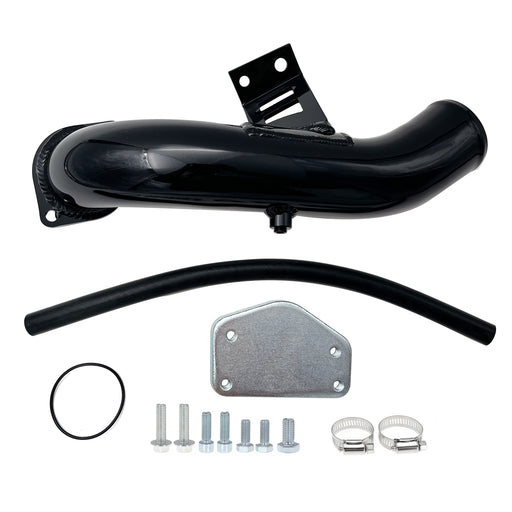
For 2004.5-2005 6.6L Chevy GMC Silverado LLY Duramax Diesel EGR Delete Kit
SEGULEROriginal price $92.99 - Original price $92.99Original price$92.99$92.99 - $92.99Current price $92.99FITMENT 2004.5-2005 6.6L Chevrolet Silverado Duramax LLY 2500HD / 3500 HD. 2004.5-2005 6.6L GMC Sierra Duramax LLY 2500HD / 3500 HD. DESCRIPTION...
View full details -

Seguler 2017-2019 L5P Duramax Diesel 4pcs L5P Can Bus Plugs Connector Replacement
SEGULEROriginal price $75.00 - Original price $75.00Original price$75.00$75.00 - $75.00Current price $75.00FITMENT 2017–2019 Chevrolet Silverado / GMC Sierra Duramax L5P 2500HD & 3500HD Diesel. DESCRIPTION Product Overview Unprotected harness con...
View full details -

Seguler 2020-2023 chevy duramax L5P Diesel Can Bus Plugs Connector
SEGULEROriginal price $80.00 - Original price $80.00Original price$80.00$80.00 - $80.00Current price $80.00FITMENT 2020–2023 Chevrolet Silverado / GMC Sierra Duramax L5P 2500HD & 3500HD Diesel. DESCRIPTION Product Overview Unprotected harness pl...
View full details -
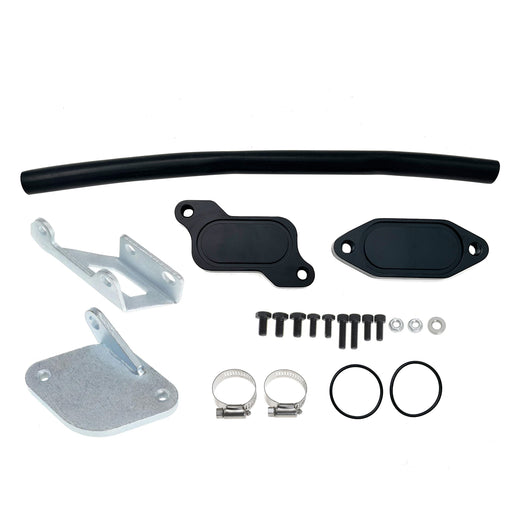
For 2006-2007 6.6L Chevrolet Silverado Classic GMC Duramax LBZ Diesel EGR Valve Cooler Delete Kit
SEGULEROriginal price $63.49 - Original price $63.49Original price$63.49$63.49 - $63.49Current price $63.49FITMENT 2006-2007.4 Chevrolet Silverado Duramax LBZ 2500HD / 3500HD. 2007.4 Chevrolet Silverado Duramax LBZ 2500HD / 3500HD Classic. 2006-2007.4 ...
View full details -

Seguler 2011-2023 6.7L Ford F250 F350 F450 F550 Powerstroke Diesel EGR Valve Delete Cooler Delete Kit
SEGULEROriginal price $55.99 - Original price $55.99Original price$55.99$55.99 - $55.99Current price $55.99FITMENT 2011-2023 6.7L Ford Powerstroke F-250 F-350 F-450 F-550 Super Duty V8 Diesel compatible with both standard Pickups and commercial Cab &a...
View full details -
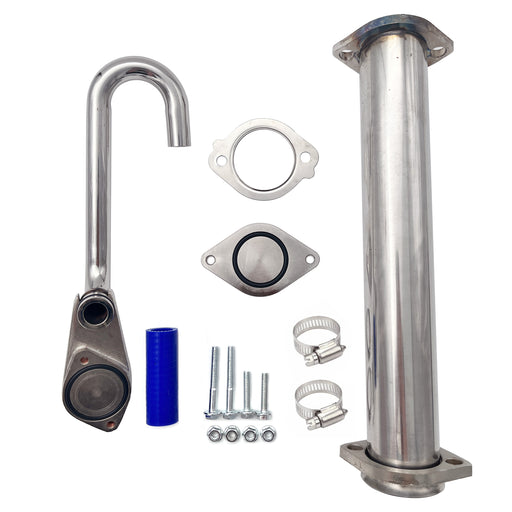
Seguler 2003-2007 6.0L Ford F250 F350 Powerstroke Diesel EGR Basic Cooler Kit
SEGULEROriginal price $79.99 - Original price $79.99Original price$79.99$79.99 - $79.99Current price $79.99FITMENT 2003-2007 6.0L Ford F250 F350 F450 F550 Super Duty Turbo (except 2004 F250 Super Duty). 2003-2005 6.0L Ford Excursion Turbo. 2005 Ford F...
View full details -
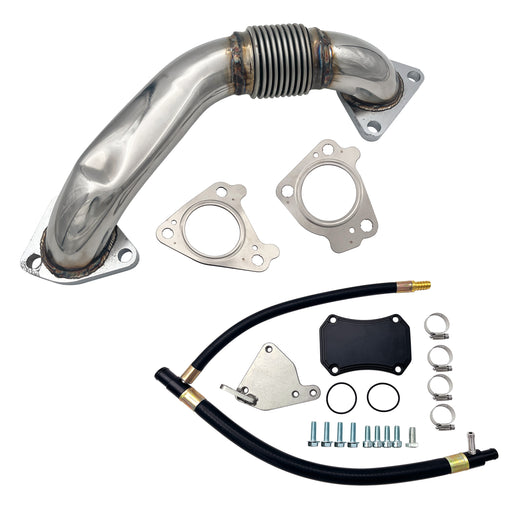
Seguler 2011-2016 6.6L GMC Chevy Duramax Diesel LML Up-Pipe & EGR Valve Cooler Delete Kit
SEGULEROriginal price $173.86 - Original price $173.86Original price$173.86$173.86 - $173.86Current price $173.86FITMENT 2011-2016 6.6L Chevy GMC Duramax LML 2500 HD 3500 HD Diesel. DESCRIPTION Product Overview Direct-injection technology endows GM 5.3L an...
View full details -
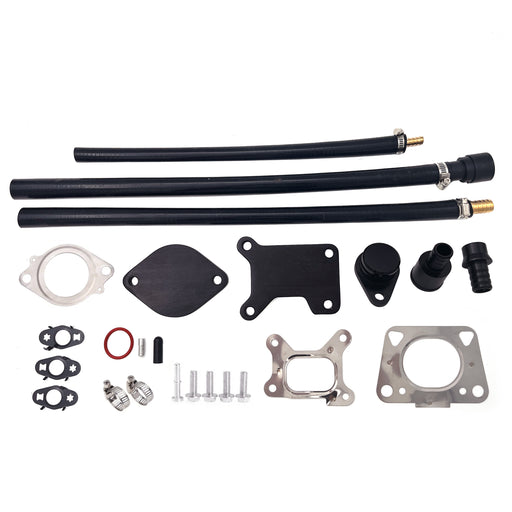
For 2017-2023 6.6L Chevy GMC Duramax L5P diesel EGR Valve Cooler Delete kit
SEGULEROriginal price $131.99 - Original price $131.99Original price$131.99$131.99 - $131.99Current price $131.99FITMENT 2017–2023 6.6L Chevrolet Silverado / GMC Sierra Duramax L5P 2500HD 3500HD Diesel. DESCRIPTION Product Overview Hot soot recirculation ...
View full details -
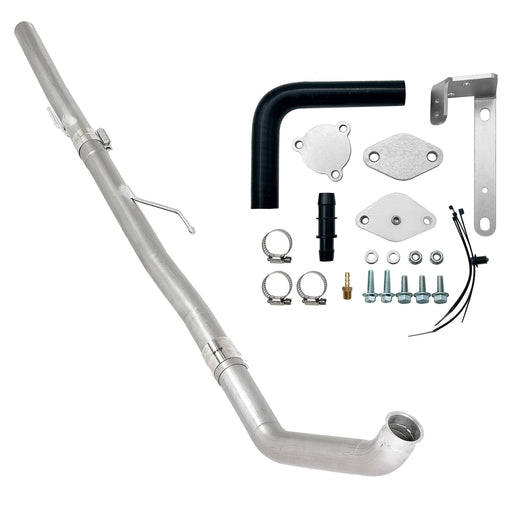
Seguler 3" Ecodiesel DPF Delete Pipe & EGR Delete kit for 2014-2018 3.0L Ram
SEGULEROriginal price $342.00 - Original price $342.00Original price$342.00$342.00 - $342.00Current price $342.00FITMENT 2014–2018 3.0L Dodge Ram 1500 EcoDiesel V6. NOTE: Fit standard Pickup models only (Crew Cab, Quad Cab). Does NOT fit Jeep Grand Cheroke...
View full details -
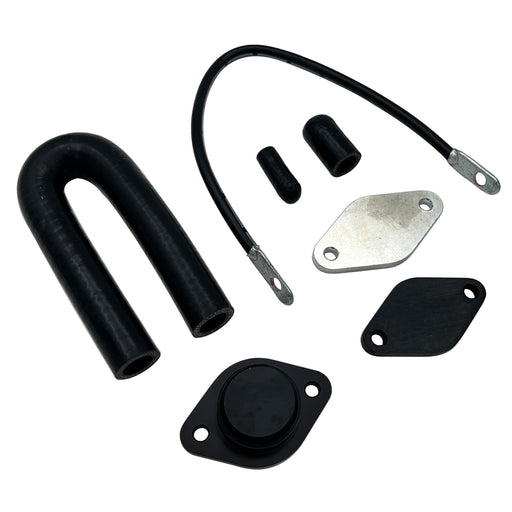
Seguler EGR valve cooler Delete kit for 2020-2022 3.0L Chevy Duramax LM2
SEGULEROriginal price $189.12 - Original price $189.12Original price$189.12$189.12 - $189.12Current price $189.12FITMENT 2020–2022 3.0L Chevrolet Silverado GMC Sierra 1500 LM2 Turbo-Diesel. DESCRIPTION Product Overview Powered by smooth inline-six engine...
View full details -

For 2013-2023 6.7L Dodge Ram Cummins Cab & Chassis EGR Delete Kit Diesel
SEGULEROriginal price $62.99 - Original price $62.99Original price$62.99$62.99 - $62.99Current price $62.99FITMENT 2013–2023 6.7L Ram Cummins 3500 4500 5500 Cab & Chassis / Commercial Trucks. Does NOT fit standard Ram 2500 3500 Pickups. DESCRIPTIO...
View full details -
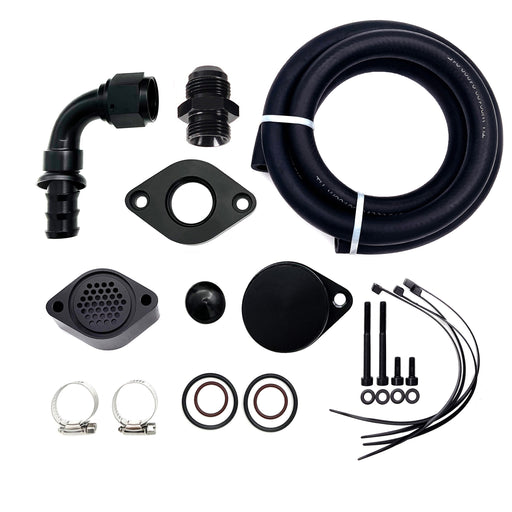
Seguler 2011-2023 6.7L Ford Powerstroke CCV PCV Reroute Engine Ventilation Kit
SEGULEROriginal price $82.99 - Original price $82.99Original price$82.99$82.99 - $82.99Current price $82.99FITMENT 2011-2023 6.7L Ford Powerstroke F-250 F-350 F-450 F-550 Super Duty V8 Diesel. Compatible with both standard Pickups and commercial Cab &...
View full details -
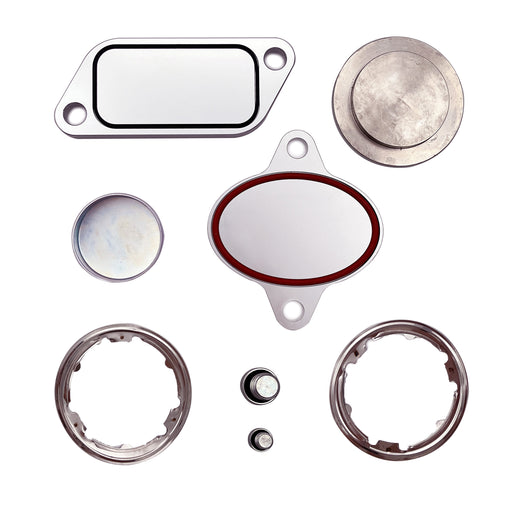
For 2007-2010 Cummins ISX CM871 EGR Plug Kit Stage 2 Plates and Plugs Aluminum
SEGULEROriginal price $67.99 - Original price $67.99Original price$67.99$67.99 - $67.99Current price $67.99FITMENT 2007-2010 Cummins Volvo, Peterbilt, Mack, International, Freightliner, Kenworth with the ISX CM871 Engines. DESCRIPTION Product Overvie...
View full details -
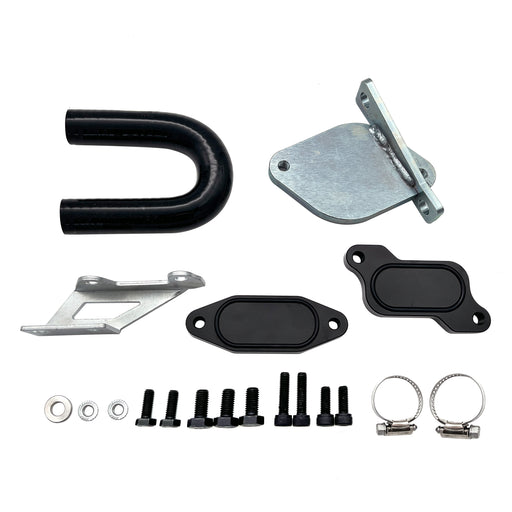
For 2007-2010 6.6L Chevy GMC LMM Duramax EGR Valve Cooler Delete Kit Fit
SEGULEROriginal price $61.99 - Original price $61.99Original price$61.99$61.99 - $61.99Current price $61.99FITMENT 2007.5-2010 6.6L Chevrolet Silverado Duramax LMM 2500HD / 3500HD. 2007.5-2010 6.6L GMC Sierra Duramax LMM 2500HD / 3500HD. Note: Standard...
View full details -
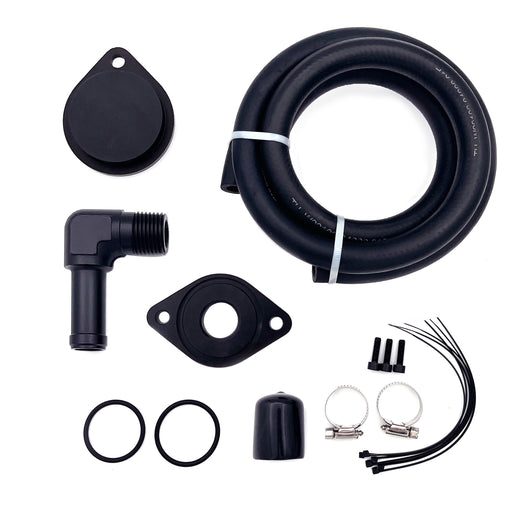
Seguler 2011-2023 Ford 6.7L Powerstroke CCV/PCV Reroute/Delete Engine Ventilation Kit
SEGULEROriginal price $72.00 - Original price $72.00Original price$72.00$72.00 - $72.00Current price $72.00FITMENT 2011-2023 6.7L Ford Powerstroke F-250 F-350 F-450 F-550 Super Duty V8 Diesel. Compatible with both standard Pickups and commercial Cab &...
View full details -
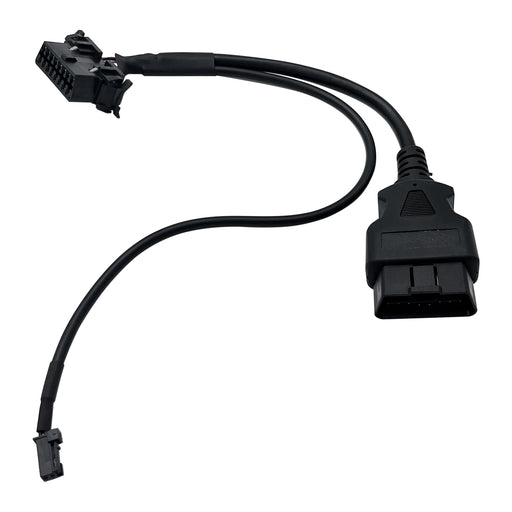
Seguler 2018+ RAM Cummins OBD2 HD Security Gate Bypass Cable
SEGULEROriginal price $45.00 - Original price $45.00Original price$45.00$45.00 - $45.00Current price $45.00FITMENT 2018+ 6.7L Ram Cummins 2500 3500 Turbo Diesel. Designed for Ram pickup trucks equipped with the factory Security Gateway Module. Note: Pl...
View full details -
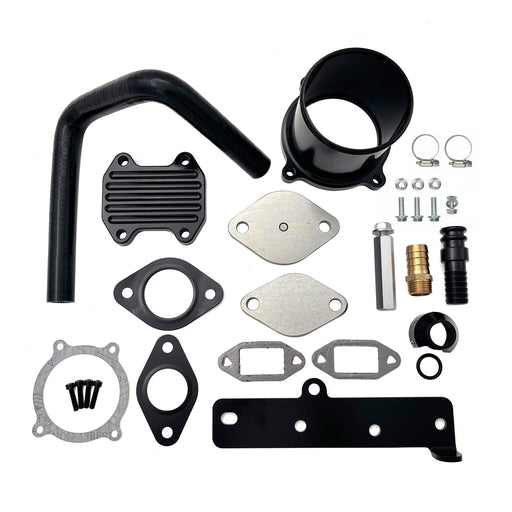
Seguler For 2013-2018 6.7L Dodge RAM 2500 3500 Cummins Diesel EGR Delete Cooler Throttle Valve Delete Kit
SEGULEROriginal price $112.00 - Original price $112.00Original price$112.00$112.00 - $112.00Current price $112.00FITMENT 2013–2018 6.7L Dodge Ram Cummins 2500 & 3500 Pickup Turbo Diesel. Note: Does NOT fit Cab & Chassis (3500 / 4500 / 5500 C&C) m...
View full details


Leave a comment