

6.7L Powerstroke EGR Upgrade: Should You Do It?
🔑 Key Takeaways
- The 6.7L Powerstroke's EGR system is reliable for the first 100k miles but becomes a ticking time bomb as carbon accumulates
- EGR delete kits permanently solve the biggest reliability issue while delivering 15-30 HP and 1-3 MPG improvements
- Not all delete kits are equal—look for CNC-machined components, complete hardware kits, and compatibility with your specific model year
- Carefully weigh the performance benefits against warranty, legal, and resale implications for your specific situation
If you own a 6.7L Powerstroke diesel truck, you've probably heard about the EGR system—that setup that shoves exhaust fumes back into the engine just to cut down on nitrogen oxide emissions. Sure, it's good for the environment in theory. But in the real world, a lot of owners have been dealing with carbon buildup, sluggish performance, and one repair bill after another. So more and more people are starting to think about a "one-and-done" solution: ripping the whole EGR system out.
But before you grab your tools, there are a few things you need to wrap your head around.This article walks you through the full picture—the pros, the cons, the step-by-step installation, the common screw-ups to avoid, and what else you should upgrade while you're at it.
What the EGR System Actually Does
On the 6.7L Powerstroke diesel, the Exhaust Gas Recirculation (EGR) system has one main job: cutting down nitrogen oxide (NOx) emissions. Here's how it works—it takes some of the already-burned exhaust and feeds it back into the intake manifold. That lowers the combustion temperature inside the cylinders, and cooler temps mean fewer harmful emissions. Simple enough, right?
The system uses a few key parts. The EGR valve acts like a gatekeeper, controlling how much exhaust gets recirculated. The EGR cooler drops the temperature of those gases before they go back into the engine—otherwise, you're just feeding the engine hot air that does more harm than good. Add in a bunch of piping, sensors, and the ECU's control logic, and that's the whole setup.
The Problems Factory EGR Systems Cause
Let's be honest—the EGR system might be good for the environment, but plenty of owners have had nothing but headaches with it. The usual issues include:
- Carbon buildup clogging up the intake manifold like a blocked artery
- The engine feeling sluggish, like it's holding back
- EGR parts failing left and right, with repair bills stacking up
It's no surprise that a lot of owners start looking at one solution: ripping the whole EGR system out.
What an EGR Delete Kit Actually Gets You
Once the EGR system is gone, you'll notice some pretty clear changes in how the engine runs:
Better airflow and combustion
Without exhaust diluting the incoming air, the cylinders get a cleaner charge. That means more efficient combustion. Behind the wheel? Better throttle response, more grunt when you're towing, and stronger pulling power on hills.
Carbon buildup drops way down
Exhaust and oil vapor are the main ingredients for carbon deposits. Cut off the exhaust path, and you've eliminated a huge chunk of the problem. Over the long haul, the engine stays cleaner and runs better.
Lower engine operating temps
The EGR system dumps hot exhaust back into the intake, and all that heat stays in the engine. Pull it out, and you've removed a major heat source. The engine runs cooler, plain and simple.
Better long-term reliability
The EGR system is a common failure point. Get rid of it, and you've eliminated one more thing that can break. Fewer breakdowns, lower repair costs—that's the idea, anyway.
Don't Rush Into It: Here's the Downside
Before you grab your tools, there are a few non-mechanical things you need to think through. Seriously.
It's illegal on the street:
If you drive this truck on public roads, deleting the EGR violates federal emissions laws. What does that mean in real life? Failed inspections, potential fines, and registration problems. This isn't fear-mongering—it's the law.
You have to tune the ECU:
You can't just pull the hardware and call it a day. The factory ECU is programmed to expect the EGR system working properly. Mess with that, and it'll throw codes—P0401, P0402, P0404, you name it. Some trucks will go straight into limp mode. You'll need a tuner and the right custom tune to make it work.
Kiss your warranty goodbye:
If your truck is still under factory warranty, deleting the EGR will almost certainly void it. Dealers can easily spot missing parts or a modified ECU. And they won't cut you any slack.
Resale gets complicated:
A lot of used truck dealers won't touch a vehicle that's had its emissions system tampered with. Or they'll lowball you hard. Even if they take it, they have to spend money putting the EGR back on before they can legally sell it.
Top EGR Delete Kits for the 6.7L Powerstroke
Now that you understand what's involved, let's look at three serious kits that can get the job done. These aren't generic parts—they're engineered specifically for the 6.7L Powerstroke.
2011-2023 6.7L Ford Powerstroke Diesel EGR Delete Kit
Why this kit stands out:
This EGR upgrade kit isn't some cheap stamped-metal setup. It's built from CNC-machined aluminum billet and stainless steel. Every component is designed to outlast the original EGR system by a long shot.

Key Features & Benefits:
-
CNC-machined aluminum & stainless steel – Precision fit, no gaps, no fighting with bolt holes.
-
10mm EGT probe port – Works with your factory Ford exhaust temp sensor. No cutting or splicing.
-
Cuts expensive EGR maintenance – No more cooler failures, stuck valves, or sensor replacements.
-
Coolant circulation plate included – Speeds up coolant flow, drops coolant temps, reduces thermal stress on your engine.
2011-2023 6.7L Ford Powerstroke Diesel EGR Delete Kit
Why this kit stands out:
This EGR delete kit takes everything from the first option and protection against one of the biggest long-term killers of these engines: oil vapor buildup and EGR valve clogging.

Key Features & Benefits:
-
Same CNC-machined construction – Aluminum and stainless steel. Fits right, lasts long.
-
10mm EGT probe port – Factory sensor compatibility. No CEL headaches.
-
Eliminates costly EGR repairs – One upfront cost instead of repeated shop visits.
- Prevents oil vapor buildup – Stops the oily mist that mixes with soot to create rock-hard carbon sludge.
-
Extends engine life – Less gunk in the intake means cleaner airflow and fewer problems for years.
4" Exhaust Delete Pipe & CCV Reroute EGR Delete Kit for 2011-2019 6.7L Powerstroke
Why this kit stands out:
This is the full upgrade kit. It's not just an EGR delete—it's a complete exhaust and crankcase ventilation overhaul. You're deleting the EGR, deleting the DPF, and fixing the CCV system all in one package. For owners who want maximum performance and zero restrictions, this is the endgame.

Key Features & Benefits:
-
Stainless steel & aluminum – No mild steel that'll rust out.
-
Black anodized finish – Corrosion-resistant and good-looking.
-
100% leak-tested with O-ring seals – No drips, no leaks, no chasing problems after install.
-
Eliminates carbon and EGR clogging – Cuts off the root cause completely.
-
Vents crankcase blow-by (CCV reroute) – Dramatically reduces oil deposits inside the engine.
-
Venturi-style design – No restrictive baffles. The engine breathes freely.
-
DPF delete + 4" exhaust – Slashes exhaust backpressure. Turbo spools faster. Exhaust flows better.
How to Install an EGR Delete
If you've weighed the pros and cons and still want to go through with it, here's what the installation looks like.
Prep work (30–45 minutes)
- Park on level ground and let the engine cool down completely.
- Disconnect both negative battery cables.
- Put a drain pan underneath that holds at least 15 quarts.
Take your time with those plastic drain plugs—they get brittle with age, and snapping one off means a new radiator.
Tear-down (1.5 to 2.5 hours)
Pull off the intake tube and air filter housing. Remove any heat shields blocking the EGR valve. Details vary by model year—some need vacuum line clips undone, others require pulling the inner fender liner to reach the back bolts.
Remove the EGR valve and cooler in order. Don't force anything. After pulling the hoses, expect some leftover coolant to dribble out—keep rags handy. Once the whole EGR assembly is out, clean the surfaces on the manifolds. Any leftover gasket debris will cause leaks.
Installing the block-off plates (1 to 1.25 hours)
Start with the exhaust manifold block-off plate. Install a new gasket, start the bolts by hand, then torque them in a cross pattern to 28 lb-ft. M8 bolts max out at 18 lb-ft. Crank them tighter than that, and you'll strip the threads.
Connect the coolant bypass lines according to your kit's instructions. Tighten all hose clamps properly. A coolant leak will cause overheating or even a blown hose under load.
Reassembly and refill (45–60 minutes)
Put all the brackets, heat shields, and intake parts back on. Cap off the EGR sensor connectors with the supplied plugs or electrical tape. Zip-tie the wiring harness out of the way—away from moving parts and hot exhaust pipes.
Refill the coolant slowly. Fire up the engine and let it idle up to operating temperature so the thermostat opens and burps the air out of the system. Top off the coolant as the level drops. Then crawl underneath and check every block-off plate and coolant fitting for drips. If you see any, fix them now.
Tuning—non-negotiable
Without a tune, the truck won't run right. Period. The factory computer will look for EGR flow, not find it, and throw a fit—P0401, P0402, P0404, and maybe limp mode. Use your tuner to flash a custom EGR-delete tune. That disables the EGR monitors and adjusts the fuel parameters to match the new setup.
Common Screw-Ups to Avoid
Plenty of people have learned these lessons the hard way. Learn from them.
- Snapping the radiator drain plugs: Those plastic plugs get brittle and stuck over time. The right move is to rotate them 180 degrees with pliers and pull straight out.
- Over-torquing the block-off bolts: That aluminum intake manifold can't take much. 18 lb-ft is the limit.
- Reusing old EGR bolts: Old bolts rust and corrode. When you try to remove them, they snap off inside the engine.
- Leaving sensor connectors hanging: Unplugging or exposing sensor connectors can still trigger codes. Cap them, tape them, zip-tie them out of the way.
- Driving without tuning first: Some people finish the install, get excited, and fire it up without flashing the ECU. Bad idea. The truck might go into limp mode immediately, or run like absolute garbage. Flash the tune before you turn the key for the first time.
What Else Should You Upgrade After an EGR Delete?
If you want the truck to stay reliable long-term, think about adding these:
Exhaust gas temp gauge: EGTs can climb after an EGR delete. Install a probe and keep an eye on it. You don't want to cook your turbo or pistons.
Good custom tune: Tuning isn't just about killing the check engine light. A quality tune optimizes fuel delivery and timing for both power and safety.
Cooling system tweaks: Some trucks have minor coolant flow imbalances after an EGR delete because the EGR cooler loop is gone. A bypass kit or updated hoses can help stabilize temps under heavy load.
CCV reroute: Oil vapor from the crankcase is another big contributor to carbon buildup. Since you're already deleting the EGR, reroute the crankcase ventilation while you're in there. Keep that oily vapor out of your intake.
Conclusion
At the end of the day, deleting the EGR system on a 6.7L Powerstroke comes down to one thing: trade-offs. Whether this path makes sense depends entirely on how you use your truck. If you're willing to accept the consequences, and you've done your homework on tuning and supporting upgrades, then an EGR delete can definitely help this engine deliver the kind of performance it was capable of all along.
Whatever you decide—keep it or delete it—remember this: figuring it all out before you turn a wrench is always better than regretting it afterward. For more detailed information and product listings, visit: www.seguler.com
FAQs About 6.7L Powerstroke EGR Delete
Q1: How can I tell if my EGR system is going bad?
A1: The check engine light is usually the first clue—common codes include P0401 (insufficient EGR flow). You might also notice you're burning through fuel faster than usual, the engine idles rough or hunts around, and carbon buildup starts choking the intake manifold.
Q2: Is it better to just clean the EGR system instead of deleting it?
A2: For a truck that sees regular street duty, yes—sticking with routine cleaning and maintenance is usually the safer call. Cleaning keeps you legal, avoids any run-ins with emissions inspectors.However, there is no way to completely eliminate the problems caused by EGR.
Q3: How much horsepower will I actually gain from an EGR delete?
A3: Real-world gains typically land somewhere between 5 and 15 horsepower. That number moves up or down depending on what other mods you've got bolted on and how aggressive your custom tune is. The bigger difference you'll feel isn't peak horsepower—it's throttle response and how the engine behaves under load.
Q4: Can I put the factory emissions parts back on later if I change my mind?
A4: Reinstalling is possible, but it's not always as simple as people hope. You'll need to reflash the ECU back to a factory or stock-style tune, and you might need some fresh parts. Also, if the original factory parts have been stored for a long time and not properly maintained, they may no longer be usable.
Q5: Should I have a professional install the EGR delete kit?
A5: Strongly recommended. Doing this right takes more than just turning wrenches. One slipped torque spec, one loose connection, or skipping the tune can trigger fault codes, make the truck drive like garbage, or even cause an over-fueling condition. Can you do it yourself? Sure, if you've got the skills.


Featured collection
-
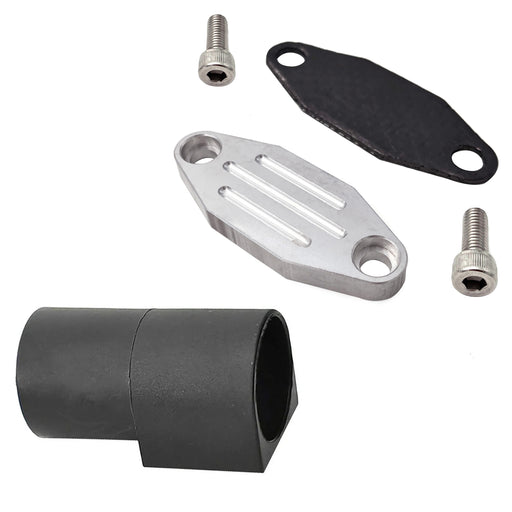
Seguler 1986-1995 Ford F150 F250 F350 Mustang Trucks EGR Simulator Eliminator / Block Off Plate Kit
SEGULEROriginal price $79.99 - Original price $79.99Original price$79.99$79.99 - $79.99Current price $79.99Block Off Plate Material: Aluminum alloy. Easy installation,and convenient to use. Made of CNC milled from aircraft grade Billet aluminum. Will N...
View full details -

Seguler 2011-2023 6.7L Ford Powerstroke Diesel EGR Delete Kit
SEGULEROriginal price $109.99 - Original price $109.99Original price$109.99$109.99 - $109.99Current price $109.99FITMENT 2011-2023 6.7L Ford Powerstroke F-250 F-350 F-450 F-550 Super Duty V8 Diesel. compatible with both standard Pickups and commercial Cab &...
View full details -
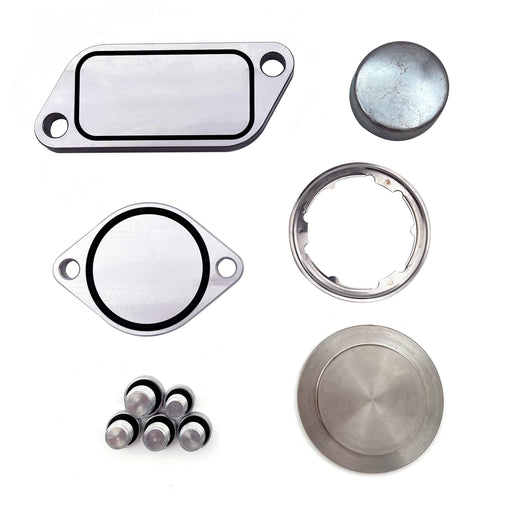
For 2010-Present Stage 2 ISX 15 CM2250 CM2350 EGR Delete Kit
SEGULEROriginal price $59.99 - Original price $59.99Original price$59.99$59.99 - $59.99Current price $59.99FITMENT 2010-Present Cummins Volvo, Peterbilt, Mack, International, Freightliner, Kenworth with the ISX15 CM2250 / CM2350 engines. DESCRIPTION P...
View full details -
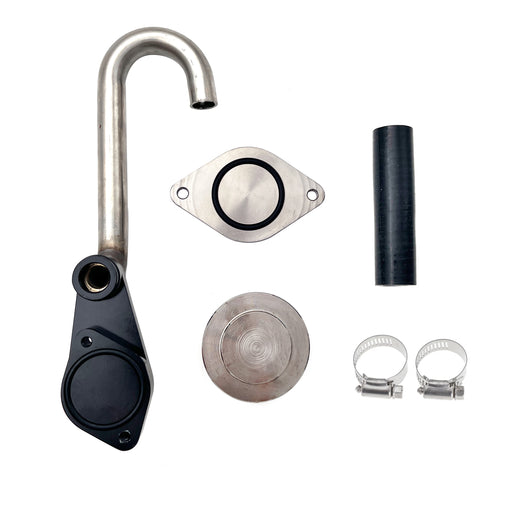
Seguler 2003-2007 6.0L FORD Powerstroke Diesel EGR Cooler Delete Kit
SEGULEROriginal price $56.14 - Original price $56.14Original price$56.14$56.14 - $56.14Current price $56.14FITMENT 2003-2007 6.0L Ford F-250 Ford F-350 F-450 F-550 Super Duty. 2003-2007 6.0L Ford Excursion SUV (Diesel Models Only). 2005-2010 Ford E-Se...
View full details -
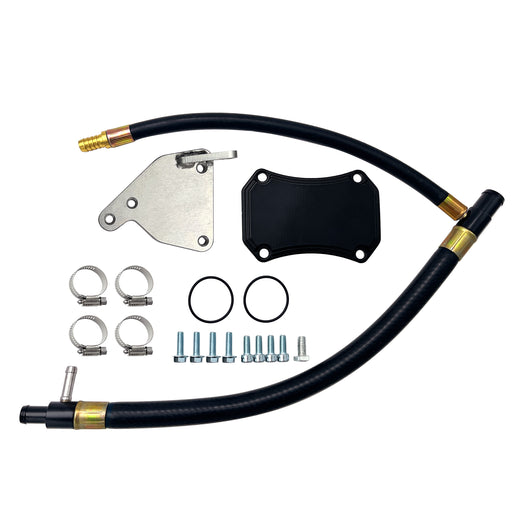
For 2011-2016 6.6L GMC Chevy Duramax Diesel LML EGR Valve Cooler Delete Kit
SEGULEROriginal price $66.49 - Original price $66.49Original price$66.49$66.49 - $66.49Current price $66.49FITMENT 2011-2016 6.6L Chevy GMC Duramax LML 2500 HD 3500 HD Diesel. DESCRIPTION Product Overview The 2011–2016 LML Duramax uses a complex EG...
View full details -
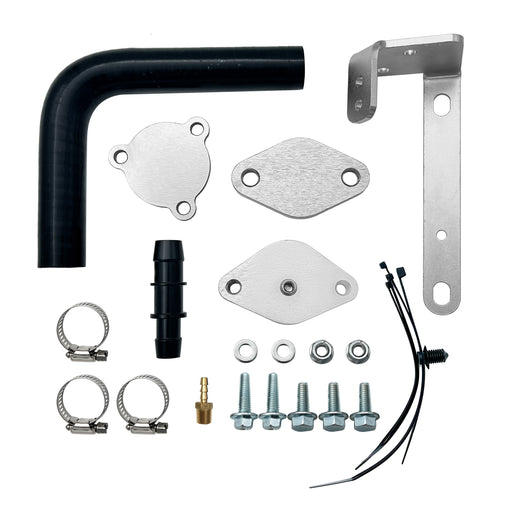
Seguler For 2014-2019 3.0L Dodge Ram 1500 EcoDiesel EGR Valve & Cooler Delete Kit
SEGULEROriginal price $72.99 - Original price $72.99Original price$72.99$72.99 - $72.99Current price $72.99FITMENT 2014-2019 3.0L Dodge Ram 1500 EcoDiesel V6 engine trucks. DESCRIPTION Product Overview Exhaust gas recirculation on 3.0L EcoDiesel V6 ...
View full details -

Seguler 2011-2023 6.7L Ford Powerstroke Diesel EGR Delete Kit
SEGULEROriginal price $85.99 - Original price $85.99Original price$85.99$85.99 - $85.99Current price $85.99FITMENT 2011-2023 6.7L Ford Powerstroke F-250 F-350 F-450 F-550 Super Duty V8 Diesel. compatible with both standard Pickups and commercial Cab &...
View full details -

Seguler 2010-2024 6.7L Dodge Ram Cummins Diesel EGR Valve Cooler Delete Kit
SEGULEROriginal price $89.99 - Original price $89.99Original price$89.99$89.99 - $89.99Current price $89.99FITMENT 2010–2024 6.7L Dodge Ram Cummins 2500 / 3500 Pickup Turbo Diesel. Note: Does NOT fit Chassis Cab 3500 / 4500 / 5500 models. DESCRIPTIO...
View full details -
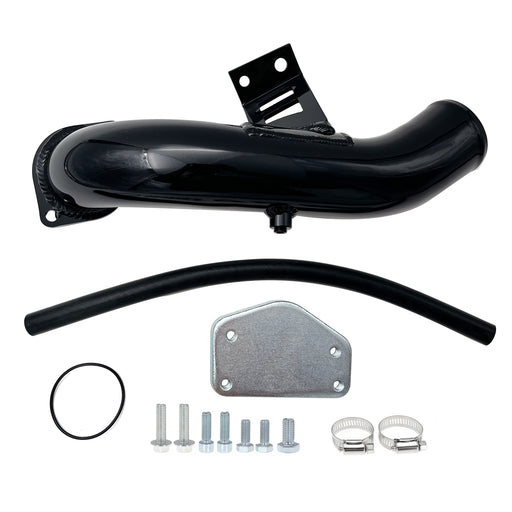
For 2004.5-2005 6.6L Chevy GMC Silverado LLY Duramax Diesel EGR Delete Kit
SEGULEROriginal price $92.99 - Original price $92.99Original price$92.99$92.99 - $92.99Current price $92.99FITMENT 2004.5-2005 6.6L Chevrolet Silverado Duramax LLY 2500HD / 3500 HD. 2004.5-2005 6.6L GMC Sierra Duramax LLY 2500HD / 3500 HD. DESCRIPTION...
View full details -

Seguler 2017-2019 L5P Duramax Diesel 4pcs L5P Can Bus Plugs Connector Replacement
SEGULEROriginal price $75.00 - Original price $75.00Original price$75.00$75.00 - $75.00Current price $75.00FITMENT 2017–2019 Chevrolet Silverado / GMC Sierra Duramax L5P 2500HD & 3500HD Diesel. DESCRIPTION Product Overview Unprotected harness con...
View full details -

Seguler 2020-2023 chevy duramax L5P Diesel Can Bus Plugs Connector
SEGULEROriginal price $80.00 - Original price $80.00Original price$80.00$80.00 - $80.00Current price $80.00FITMENT 2020–2023 Chevrolet Silverado / GMC Sierra Duramax L5P 2500HD & 3500HD Diesel. DESCRIPTION Product Overview Unprotected harness pl...
View full details -
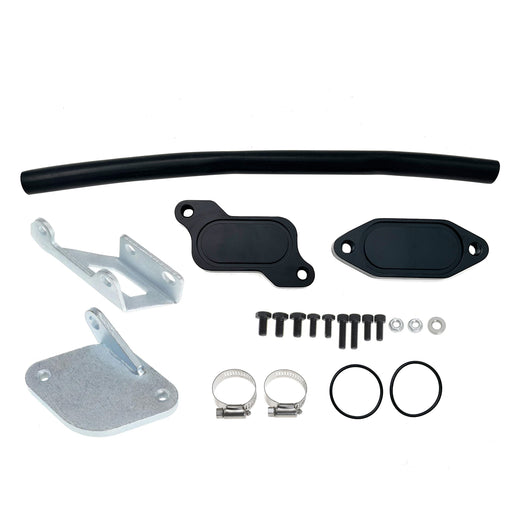
For 2006-2007 6.6L Chevrolet Silverado Classic GMC Duramax LBZ Diesel EGR Valve Cooler Delete Kit
SEGULEROriginal price $63.49 - Original price $63.49Original price$63.49$63.49 - $63.49Current price $63.49FITMENT 2006-2007.4 Chevrolet Silverado Duramax LBZ 2500HD / 3500HD. 2007.4 Chevrolet Silverado Duramax LBZ 2500HD / 3500HD Classic. 2006-2007.4 ...
View full details -

Seguler 2011-2023 6.7L Ford F250 F350 F450 F550 Powerstroke Diesel EGR Valve Delete Cooler Delete Kit
SEGULEROriginal price $55.99 - Original price $55.99Original price$55.99$55.99 - $55.99Current price $55.99FITMENT 2011-2023 6.7L Ford Powerstroke F-250 F-350 F-450 F-550 Super Duty V8 Diesel compatible with both standard Pickups and commercial Cab &a...
View full details -
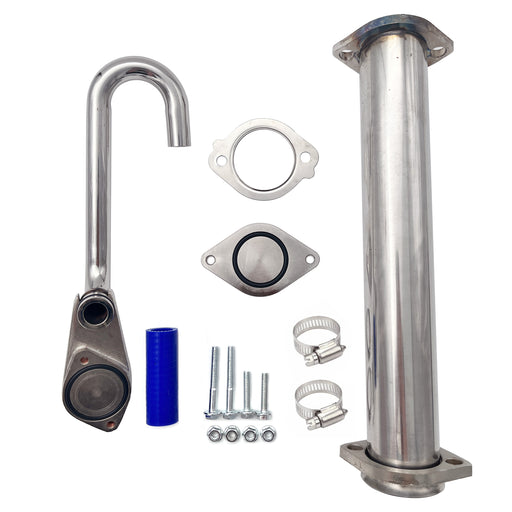
Seguler 2003-2007 6.0L Ford F250 F350 Powerstroke Diesel EGR Basic Cooler Kit
SEGULEROriginal price $79.99 - Original price $79.99Original price$79.99$79.99 - $79.99Current price $79.99FITMENT 2003-2007 6.0L Ford F250 F350 F450 F550 Super Duty Turbo (except 2004 F250 Super Duty). 2003-2005 6.0L Ford Excursion Turbo. 2005 Ford F...
View full details -
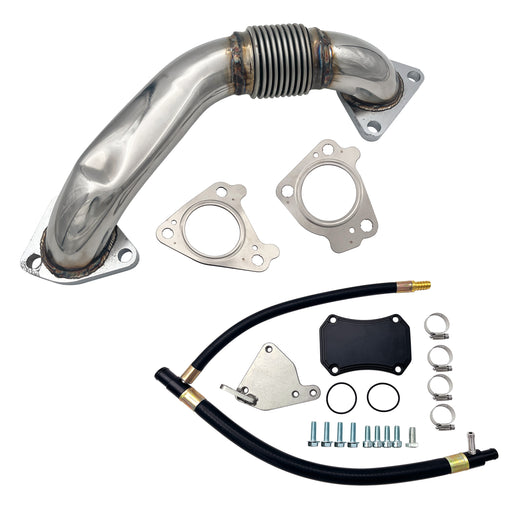
Seguler 2011-2016 6.6L GMC Chevy Duramax Diesel LML Up-Pipe & EGR Valve Cooler Delete Kit
SEGULEROriginal price $173.86 - Original price $173.86Original price$173.86$173.86 - $173.86Current price $173.86FITMENT 2011-2016 6.6L Chevy GMC Duramax LML 2500 HD 3500 HD Diesel. DESCRIPTION Product Overview Direct-injection technology endows GM 5.3L an...
View full details -
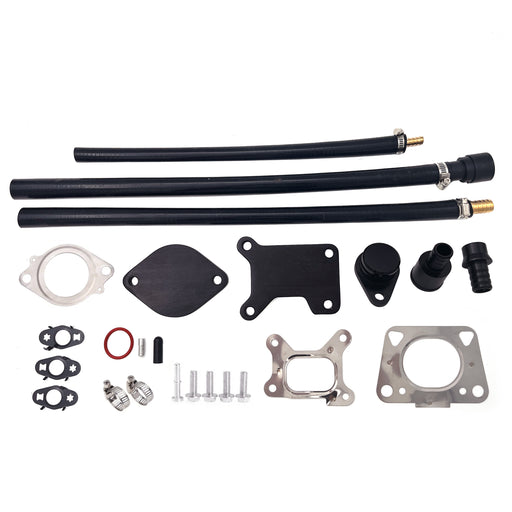
For 2017-2023 6.6L Chevy GMC Duramax L5P diesel EGR Valve Cooler Delete kit
SEGULEROriginal price $131.99 - Original price $131.99Original price$131.99$131.99 - $131.99Current price $131.99FITMENT 2017–2023 6.6L Chevrolet Silverado / GMC Sierra Duramax L5P 2500HD 3500HD Diesel. DESCRIPTION Product Overview Hot soot recirculation ...
View full details -
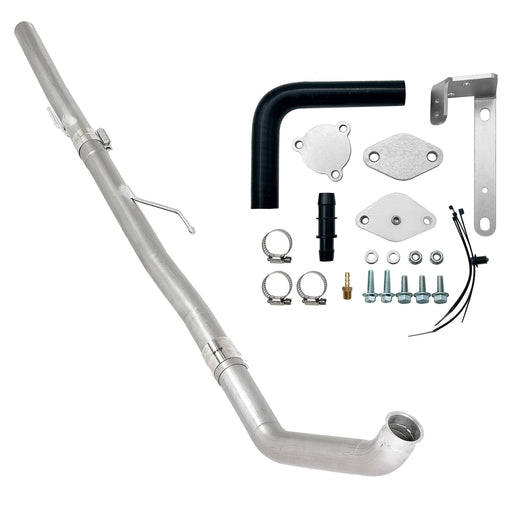
Seguler 3" Ecodiesel DPF Delete Pipe & EGR Delete kit for 2014-2018 3.0L Ram
SEGULEROriginal price $342.00 - Original price $342.00Original price$342.00$342.00 - $342.00Current price $342.00FITMENT 2014–2018 3.0L Dodge Ram 1500 EcoDiesel V6. NOTE: Fit standard Pickup models only (Crew Cab, Quad Cab). Does NOT fit Jeep Grand Cheroke...
View full details -
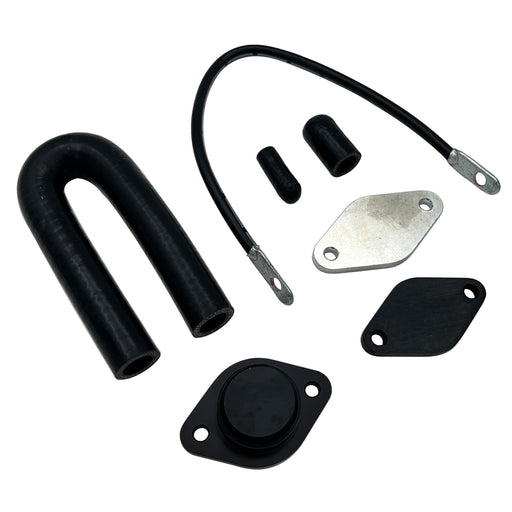
Seguler EGR valve cooler Delete kit for 2020-2022 3.0L Chevy Duramax LM2
SEGULEROriginal price $189.12 - Original price $189.12Original price$189.12$189.12 - $189.12Current price $189.12FITMENT 2020–2022 3.0L Chevrolet Silverado GMC Sierra 1500 LM2 Turbo-Diesel. DESCRIPTION Product Overview Powered by smooth inline-six engine...
View full details -

For 2013-2023 6.7L Dodge Ram Cummins Cab & Chassis EGR Delete Kit Diesel
SEGULEROriginal price $62.99 - Original price $62.99Original price$62.99$62.99 - $62.99Current price $62.99FITMENT 2013–2023 6.7L Ram Cummins 3500 4500 5500 Cab & Chassis / Commercial Trucks. Does NOT fit standard Ram 2500 3500 Pickups. DESCRIPTIO...
View full details -
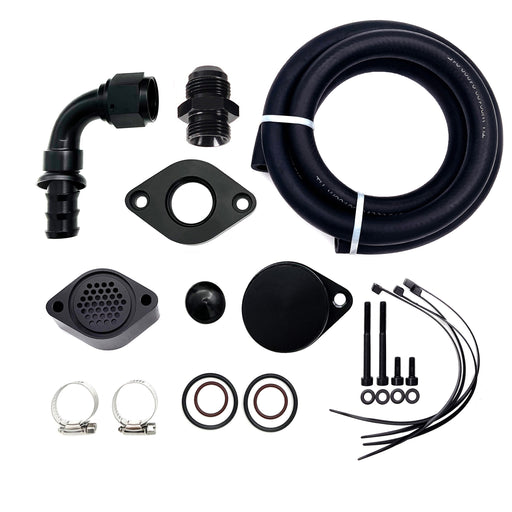
Seguler 2011-2023 6.7L Ford Powerstroke CCV PCV Reroute Engine Ventilation Kit
SEGULEROriginal price $82.99 - Original price $82.99Original price$82.99$82.99 - $82.99Current price $82.99FITMENT 2011-2023 6.7L Ford Powerstroke F-250 F-350 F-450 F-550 Super Duty V8 Diesel. Compatible with both standard Pickups and commercial Cab &...
View full details -
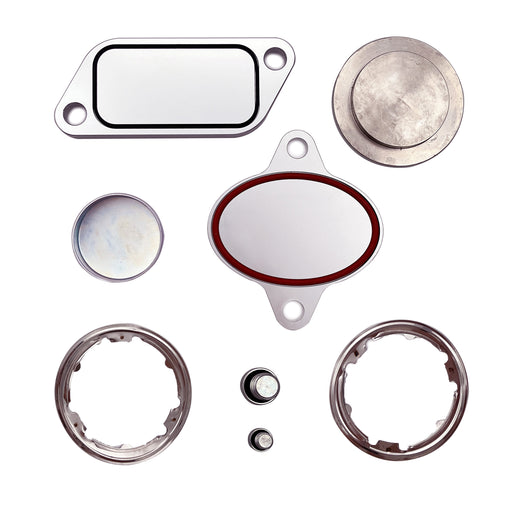
For 2007-2010 Cummins ISX CM871 EGR Plug Kit Stage 2 Plates and Plugs Aluminum
SEGULEROriginal price $67.99 - Original price $67.99Original price$67.99$67.99 - $67.99Current price $67.99FITMENT 2007-2010 Cummins Volvo, Peterbilt, Mack, International, Freightliner, Kenworth with the ISX CM871 Engines. DESCRIPTION Product Overvie...
View full details -
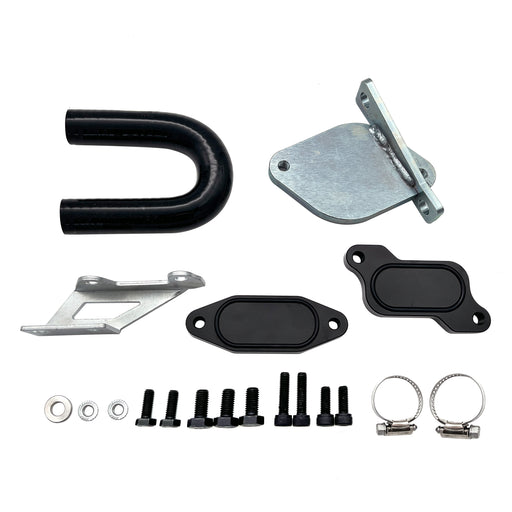
For 2007-2010 6.6L Chevy GMC LMM Duramax EGR Valve Cooler Delete Kit Fit
SEGULEROriginal price $61.99 - Original price $61.99Original price$61.99$61.99 - $61.99Current price $61.99FITMENT 2007.5-2010 6.6L Chevrolet Silverado Duramax LMM 2500HD / 3500HD. 2007.5-2010 6.6L GMC Sierra Duramax LMM 2500HD / 3500HD. Note: Standard...
View full details -
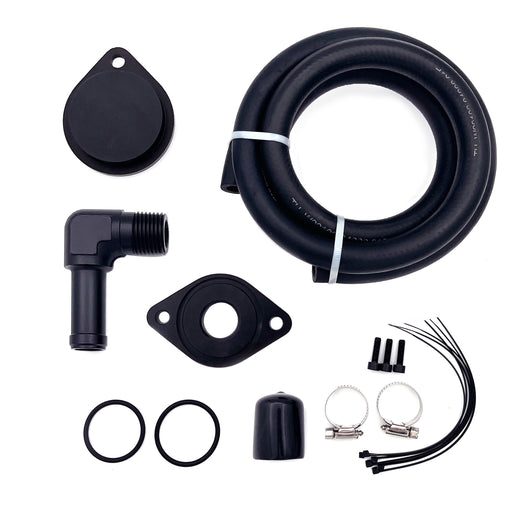
Seguler 2011-2023 Ford 6.7L Powerstroke CCV/PCV Reroute/Delete Engine Ventilation Kit
SEGULEROriginal price $72.00 - Original price $72.00Original price$72.00$72.00 - $72.00Current price $72.00FITMENT 2011-2023 6.7L Ford Powerstroke F-250 F-350 F-450 F-550 Super Duty V8 Diesel. Compatible with both standard Pickups and commercial Cab &...
View full details -
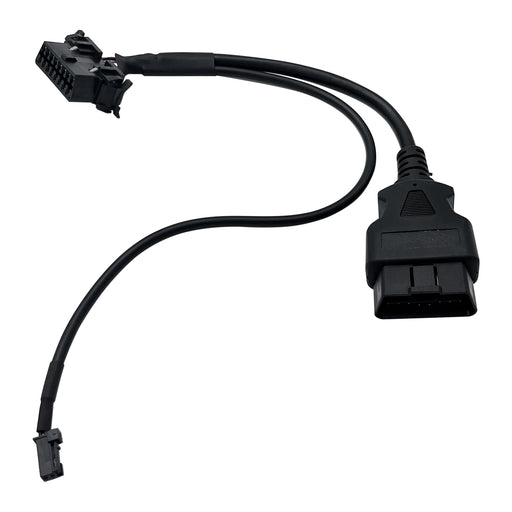
Seguler 2018+ RAM Cummins OBD2 HD Security Gate Bypass Cable
SEGULEROriginal price $45.00 - Original price $45.00Original price$45.00$45.00 - $45.00Current price $45.00FITMENT 2018+ 6.7L Ram Cummins 2500 3500 Turbo Diesel. Designed for Ram pickup trucks equipped with the factory Security Gateway Module. Note: Pl...
View full details -
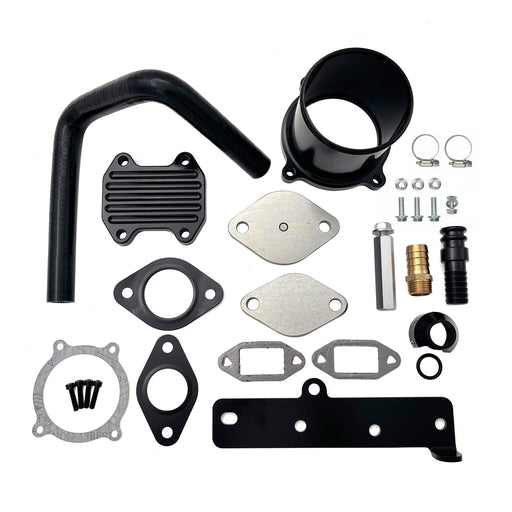
Seguler For 2013-2018 6.7L Dodge RAM 2500 3500 Cummins Diesel EGR Delete Cooler Throttle Valve Delete Kit
SEGULEROriginal price $112.00 - Original price $112.00Original price$112.00$112.00 - $112.00Current price $112.00FITMENT 2013–2018 6.7L Dodge Ram Cummins 2500 & 3500 Pickup Turbo Diesel. Note: Does NOT fit Cab & Chassis (3500 / 4500 / 5500 C&C) m...
View full details


Leave a comment