

6.7L Powerstroke CCV System: Delete or Reroute?
🔑 Key Takeaways
- The factory 6.7L Powerstroke CCV system routes oily crankcase vapors through the turbo and intercooler—gradually coating and degrading both
- A CCV reroute with oil-air separator captures oil mist while venting clean crankcase pressure, keeping the intake tract pristine
- Full CCV delete removes the entire factory filter assembly for maximum clearance, ideal for high-performance builds
- Unlike EGR/DPF modifications, CCV mods are generally reversible and have fewer regulatory concerns
If you own a 6.7L Powerstroke, you already know it's a beast of an engine—but even beasts have their weak points. One of the most overlooked yet troublesome areas is the factory Crankcase Ventilation (CCV) system. On paper, it handles blow-by gases, traps oil mist, and keeps crankcase pressure in check. In reality, it often becomes a headache: clogged filters, oil soaking your intercooler and turbo, and mounting maintenance bills. That's why a growing number of owners are ditching the stock setup in favor of a CCV delete or reroute.
But which route is right for you—full removal or a separator-based reroute? And how do these mods actually affect performance, emissions, and long-term reliability? In this guide, we'll break down exactly how the factory CCV works, where it fails, and how the right aftermarket kit can save your turbo—and your sanity.
The Three Core Jobs of the CCV System
On the 6.7L Powerstroke diesel, the crankcase ventilation (CCV) system isn't just a minor player. It handles three critical tasks:
Blow-by Recycling
Combustion gases that leak past the piston rings into the crankcase are pulled out and fed back into the intake, where they mix with fresh air and get burned again. In theory, this offers a small fuel economy benefit.
Contaminant Trapping
Oil mist, soot particles, and unburned hydrocarbons get captured here, preventing them from depositing inside the combustion chamber. That means less carbon buildup from the start.
Maintaining Negative Pressure
The system constantly draws vapor out, keeping the crankcase under a slight vacuum. That lowers the risk of oil seeping past seals and gaskets.
The Original Design's Achilles' Heel
But over the long haul, the factory design starts showing its weak spots:
-
Clogging filters – Oil mist and gunk gradually plug up the filter media, killing efficiency. Once the filter gets near saturation, crankcase pressure balance goes out the window.
-
Pressure backfire – When crankcase pressure climbs too high, oily vapor gets forced back into the intake, eventually forming stubborn deposits inside the intercooler and turbocharger.
-
Shorter service intervals – The filter needs frequent swapping. Under heavy loads, change intervals get noticeably shorter.
To keep oily vapor from invading the intake and intercooler, the factory setup has two possible paths:
-
CCV reroute – Divert the vapor away from the intake tract.
-
Full CCV delete – Rip out the entire system (less common).
Part III: Two Different Roads – Delete vs. Reroute
Plenty of owners choose to modify the system to get around its factory flaws. Today, the market offers two main approaches – CCV delete and CCV reroute. People often confuse them, but they work very differently.
Path A: CCV Delete – Outright Elimination
A true CCV delete means removing the entire factory crankcase ventilation setup and venting crankcase gases straight to the atmosphere. The logic here is simple: if the factory system causes so many problems, just get rid of it entirely.
For 11-23 Ford 6.7L Powerstroke CCV/PCV Reroute/Delete Engine Ventilation Kit
This CCV delete kit uses quality aluminum and reinforced rubber. The black anodized finish adds durability and looks good under the hood. It vents crankcase gases cleanly while also freeing up engine bay space for other mods.

Big Upsides of a CCV Delete
-
Intake system stays completely free of oil contamination – intake manifold, turbo, and intercooler stay clean.
-
Less carbon buildup, which noticeably slows down EGR valve clogging.
-
Turbo blades don't get coated with oil, so they last longer.
-
No more recurring costs and downtime for CCV filter changes.
-
Air-fuel ratio stays consistent, giving sharper throttle response.
Path B: CCV Reroute – Gentler but Effective
A CCV reroute keeps the ventilation function working but changes where the gases end up. The most common method is adding an oil-air separator can in the system.
2011-2023 6.7L Ford Powerstroke CCV PCV Reroute Engine Ventilation Kit
This advanced CCV kit comes with a well-designed oil-air separator can that minimizes pressure loss between baffles, keeps airflow smooth, and efficiently filters engine oil out of the crankcase vapor.

Big Upsides of a CCV Reroute
-
Drastically cuts the amount of oil reaching the intake (though it can't eliminate it 100%).
-
Keeps the original emissions-control idea alive – cleaner than a full delete.
-
Intake system cleanliness improves dramatically, without the legal risks of a full delete.
-
In areas that require vehicle inspections, this mod usually passes a visual check much more easily.
Installation & Maintenance
Installation Process
- Locate the CCV assembly on the driver-side valve cover.
- Remove the factory piping and fittings.
- Install the delete or reroute kit.
- Make sure the new plumbing stays away from hot components.
-
Check for a good seal and any leaks.
Most kits take 1–2 hours with basic tools – some mechanical experience helps.
Is the Delete Worth It?
For most owners, a CCV reroute kit delivers more upside than downside. It's a proactive mod that protects your expensive turbo and intercooler, keeps engine efficiency up, and cuts long-term maintenance costs. Given what it prevents, it's a pretty smart upgrade for the money.
Post-Mod Maintenance
-
Periodically check that all connections stay tight.
-
Keep an eye out for any signs of leakage.
-
Then just enjoy a cleaner, happier engine.
Conclsion
The factory CCV system on the 6.7L Powerstroke serves three main purposes—recycling blow-by gases, controlling oil mist and contaminants, and maintaining crankcase negative pressure. But over time, filter clogging, pressure imbalances, and oil buildup in the turbo and intercooler become all too common. That's why many owners turn to one of two proven modifications: a full CCV delete for those who want a completely clean intake tract, or a CCV reroute with an oil-air separator for a more emissions-friendly, inspection-passing solution.
At www.seguler.com , we've helped thousands of Powerstroke owners make the right call for their trucks—whether it's a heavy-duty CCV delete kit or a high-efficiency reroute setup. No recurring filter changes. No oil-coated intercoolers. Just cleaner, sharper, more reliable performance mile after mile.
FAQs About 6.7 Powerstroke CCV Delete
Q1: Can I delete both the CCV and the EGR at the same time?
A1: Yes, you can. In fact, a lot of diesel enthusiasts do exactly that to squeeze out maximum power, cut down on carbon buildup, and reduce long-term maintenance headaches. But here's the catch: messing with any emissions-related parts can run you afoul of regulations and void your factory warranty.
Q2: My truck is mostly a daily driver, which mod makes more sense?
A2: If your pickup spends the vast majority of its time on paved roads, installing a CCV reroute kit with an oil-air separator is the smarter play—not a full delete. Outright CCV removal is really only at home on track-only rigs or hardcore off-road toys.
Q3: How often does a CCV delete system need maintenance?
A3: That depends on which kit you go with. A basic reroute setup is pretty much set-it-and-forget-it. But if you're running a system with an oil-air separator can, check the can's fluid level every time you change your oil, and drain it as needed—especially if you tow heavy or put a lot of highway miles on the truck.
Q4: Will deleting the CCV mess up my turbo?
A4: It can—but it mostly comes down to how well the crankcase gases are routed. If the plumbing isn't designed right, it can put extra pressure on the turbo's oil seals, which leads to leaks and eventually damage.
Q5: Will the dealer be able to tell I deleted the CCV?
A5: Almost certainly. Dealer techs typically figure it out two ways: first, by scanning the OBD system for specific trouble codes (like flow or pressure abnormalities), and second—by just popping the hood and looking.


Featured collection
-
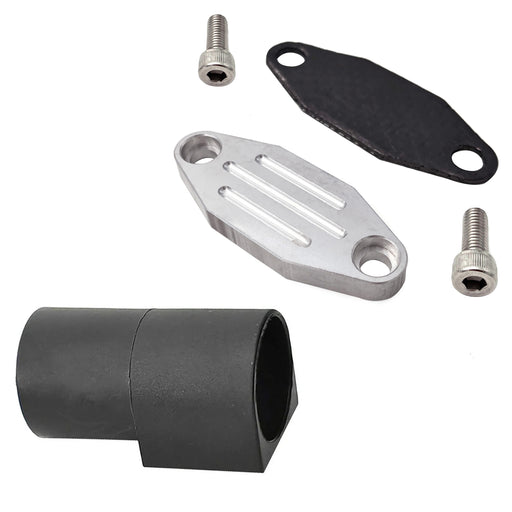
Seguler 1986-1995 Ford F150 F250 F350 Mustang Trucks EGR Simulator Eliminator / Block Off Plate Kit
SEGULEROriginal price $79.99 - Original price $79.99Original price$79.99$79.99 - $79.99Current price $79.99Block Off Plate Material: Aluminum alloy. Easy installation,and convenient to use. Made of CNC milled from aircraft grade Billet aluminum. Will N...
View full details -

Seguler 2011-2023 6.7L Ford Powerstroke Diesel EGR Delete Kit
SEGULEROriginal price $109.99 - Original price $109.99Original price$109.99$109.99 - $109.99Current price $109.99FITMENT 2011-2023 6.7L Ford Powerstroke F-250 F-350 F-450 F-550 Super Duty V8 Diesel. compatible with both standard Pickups and commercial Cab &...
View full details -
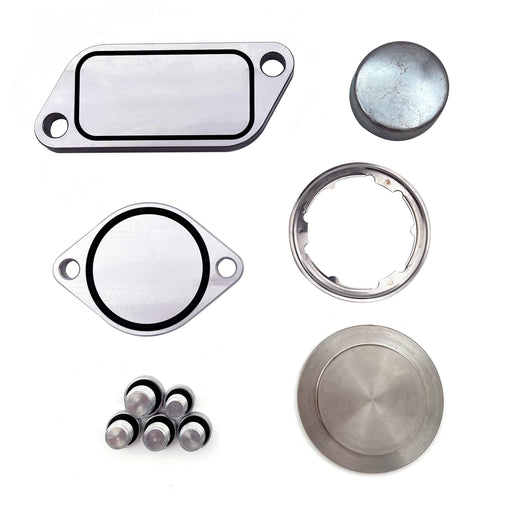
For 2010-Present Stage 2 ISX 15 CM2250 CM2350 EGR Delete Kit
SEGULEROriginal price $59.99 - Original price $59.99Original price$59.99$59.99 - $59.99Current price $59.99FITMENT 2010-Present Cummins Volvo, Peterbilt, Mack, International, Freightliner, Kenworth with the ISX15 CM2250 / CM2350 engines. DESCRIPTION P...
View full details -
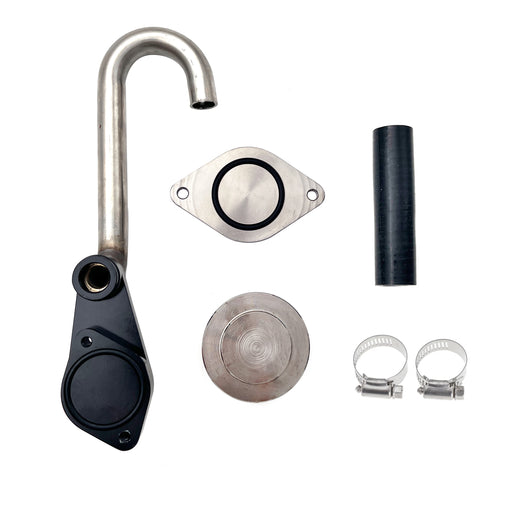
Seguler 2003-2007 6.0L FORD Powerstroke Diesel EGR Cooler Delete Kit
SEGULEROriginal price $56.14 - Original price $56.14Original price$56.14$56.14 - $56.14Current price $56.14FITMENT 2003-2007 6.0L Ford F-250 Ford F-350 F-450 F-550 Super Duty. 2003-2007 6.0L Ford Excursion SUV (Diesel Models Only). 2005-2010 Ford E-Se...
View full details -
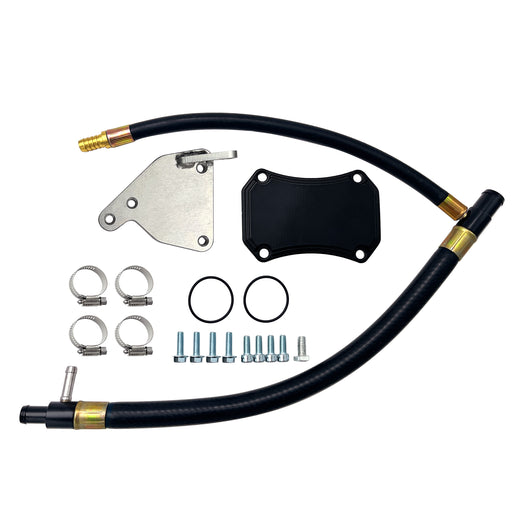
For 2011-2016 6.6L GMC Chevy Duramax Diesel LML EGR Valve Cooler Delete Kit
SEGULEROriginal price $66.49 - Original price $66.49Original price$66.49$66.49 - $66.49Current price $66.49FITMENT 2011-2016 6.6L Chevy GMC Duramax LML 2500 HD 3500 HD Diesel. DESCRIPTION Product Overview The 2011–2016 LML Duramax uses a complex EG...
View full details -
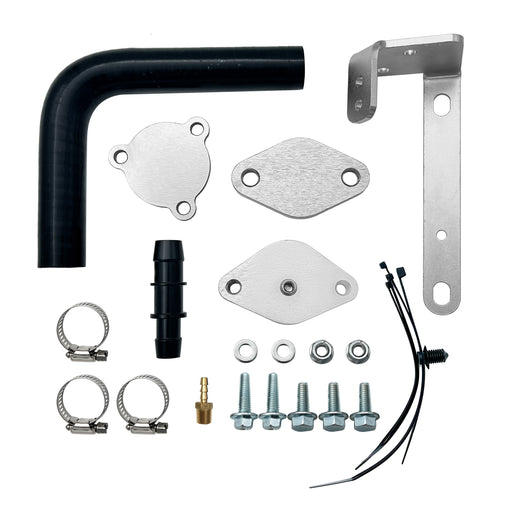
Seguler For 2014-2019 3.0L Dodge Ram 1500 EcoDiesel EGR Valve & Cooler Delete Kit
SEGULEROriginal price $72.99 - Original price $72.99Original price$72.99$72.99 - $72.99Current price $72.99FITMENT 2014-2019 3.0L Dodge Ram 1500 EcoDiesel V6 engine trucks. DESCRIPTION Product Overview Exhaust gas recirculation on 3.0L EcoDiesel V6 ...
View full details -

Seguler 2011-2023 6.7L Ford Powerstroke Diesel EGR Delete Kit
SEGULEROriginal price $85.99 - Original price $85.99Original price$85.99$85.99 - $85.99Current price $85.99FITMENT 2011-2023 6.7L Ford Powerstroke F-250 F-350 F-450 F-550 Super Duty V8 Diesel. compatible with both standard Pickups and commercial Cab &...
View full details -

Seguler 2010-2024 6.7L Dodge Ram Cummins Diesel EGR Valve Cooler Delete Kit
SEGULEROriginal price $89.99 - Original price $89.99Original price$89.99$89.99 - $89.99Current price $89.99FITMENT 2010–2024 6.7L Dodge Ram Cummins 2500 / 3500 Pickup Turbo Diesel. Note: Does NOT fit Chassis Cab 3500 / 4500 / 5500 models. DESCRIPTIO...
View full details -
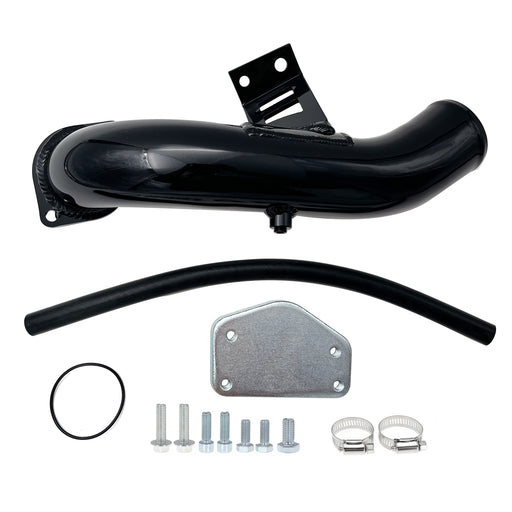
For 2004.5-2005 6.6L Chevy GMC Silverado LLY Duramax Diesel EGR Delete Kit
SEGULEROriginal price $92.99 - Original price $92.99Original price$92.99$92.99 - $92.99Current price $92.99FITMENT 2004.5-2005 6.6L Chevrolet Silverado Duramax LLY 2500HD / 3500 HD. 2004.5-2005 6.6L GMC Sierra Duramax LLY 2500HD / 3500 HD. DESCRIPTION...
View full details -

Seguler 2017-2019 L5P Duramax Diesel 4pcs L5P Can Bus Plugs Connector Replacement
SEGULEROriginal price $75.00 - Original price $75.00Original price$75.00$75.00 - $75.00Current price $75.00FITMENT 2017–2019 Chevrolet Silverado / GMC Sierra Duramax L5P 2500HD & 3500HD Diesel. DESCRIPTION Product Overview Unprotected harness con...
View full details -

Seguler 2020-2023 chevy duramax L5P Diesel Can Bus Plugs Connector
SEGULEROriginal price $80.00 - Original price $80.00Original price$80.00$80.00 - $80.00Current price $80.00FITMENT 2020–2023 Chevrolet Silverado / GMC Sierra Duramax L5P 2500HD & 3500HD Diesel. DESCRIPTION Product Overview Unprotected harness pl...
View full details -
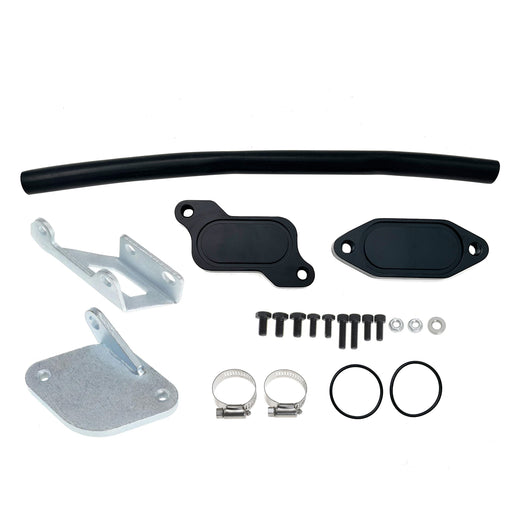
For 2006-2007 6.6L Chevrolet Silverado Classic GMC Duramax LBZ Diesel EGR Valve Cooler Delete Kit
SEGULEROriginal price $63.49 - Original price $63.49Original price$63.49$63.49 - $63.49Current price $63.49FITMENT 2006-2007.4 Chevrolet Silverado Duramax LBZ 2500HD / 3500HD. 2007.4 Chevrolet Silverado Duramax LBZ 2500HD / 3500HD Classic. 2006-2007.4 ...
View full details -

Seguler 2011-2023 6.7L Ford F250 F350 F450 F550 Powerstroke Diesel EGR Valve Delete Cooler Delete Kit
SEGULEROriginal price $55.99 - Original price $55.99Original price$55.99$55.99 - $55.99Current price $55.99FITMENT 2011-2023 6.7L Ford Powerstroke F-250 F-350 F-450 F-550 Super Duty V8 Diesel compatible with both standard Pickups and commercial Cab &a...
View full details -
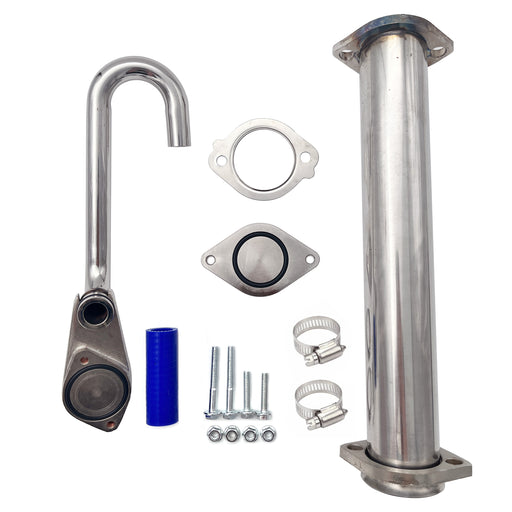
Seguler 2003-2007 6.0L Ford F250 F350 Powerstroke Diesel EGR Basic Cooler Kit
SEGULEROriginal price $79.99 - Original price $79.99Original price$79.99$79.99 - $79.99Current price $79.99FITMENT 2003-2007 6.0L Ford F250 F350 F450 F550 Super Duty Turbo (except 2004 F250 Super Duty). 2003-2005 6.0L Ford Excursion Turbo. 2005 Ford F...
View full details -
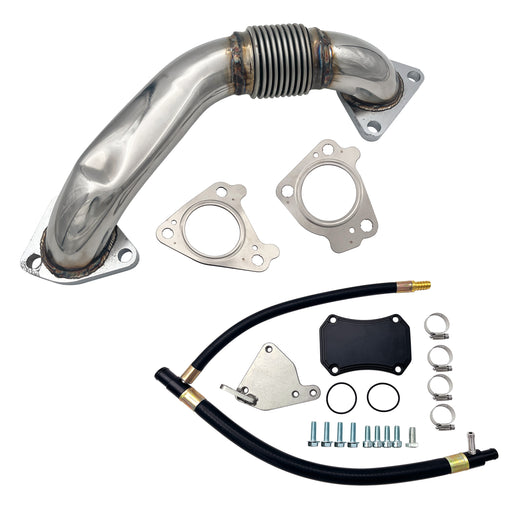
Seguler 2011-2016 6.6L GMC Chevy Duramax Diesel LML Up-Pipe & EGR Valve Cooler Delete Kit
SEGULEROriginal price $173.86 - Original price $173.86Original price$173.86$173.86 - $173.86Current price $173.86FITMENT 2011-2016 6.6L Chevy GMC Duramax LML 2500 HD 3500 HD Diesel. DESCRIPTION Product Overview Direct-injection technology endows GM 5.3L an...
View full details -
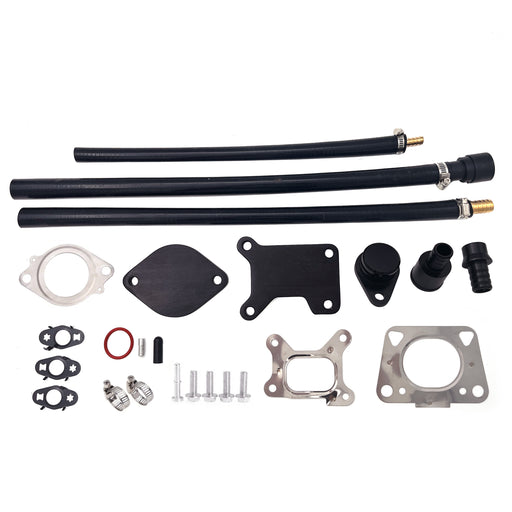
For 2017-2023 6.6L Chevy GMC Duramax L5P diesel EGR Valve Cooler Delete kit
SEGULEROriginal price $131.99 - Original price $131.99Original price$131.99$131.99 - $131.99Current price $131.99FITMENT 2017–2023 6.6L Chevrolet Silverado / GMC Sierra Duramax L5P 2500HD 3500HD Diesel. DESCRIPTION Product Overview Hot soot recirculation ...
View full details -
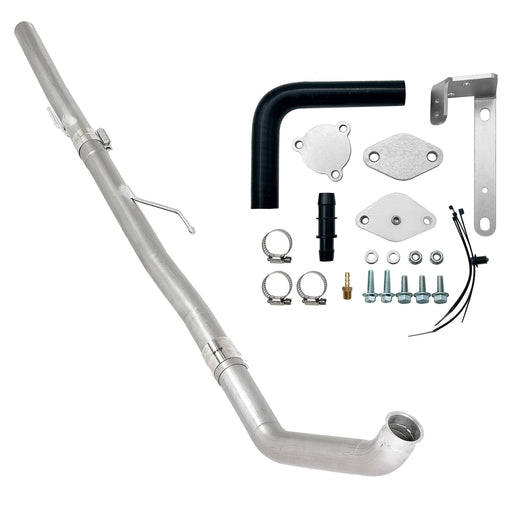
Seguler 3" Ecodiesel DPF Delete Pipe & EGR Delete kit for 2014-2018 3.0L Ram
SEGULEROriginal price $342.00 - Original price $342.00Original price$342.00$342.00 - $342.00Current price $342.00FITMENT 2014–2018 3.0L Dodge Ram 1500 EcoDiesel V6. NOTE: Fit standard Pickup models only (Crew Cab, Quad Cab). Does NOT fit Jeep Grand Cheroke...
View full details -
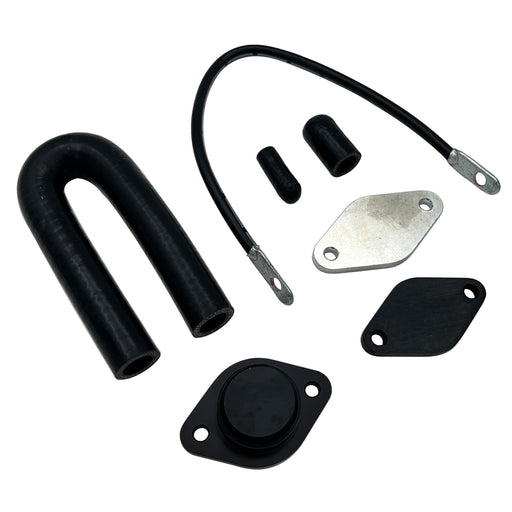
Seguler EGR valve cooler Delete kit for 2020-2022 3.0L Chevy Duramax LM2
SEGULEROriginal price $189.12 - Original price $189.12Original price$189.12$189.12 - $189.12Current price $189.12FITMENT 2020–2022 3.0L Chevrolet Silverado GMC Sierra 1500 LM2 Turbo-Diesel. DESCRIPTION Product Overview Powered by smooth inline-six engine...
View full details -

For 2013-2023 6.7L Dodge Ram Cummins Cab & Chassis EGR Delete Kit Diesel
SEGULEROriginal price $62.99 - Original price $62.99Original price$62.99$62.99 - $62.99Current price $62.99FITMENT 2013–2023 6.7L Ram Cummins 3500 4500 5500 Cab & Chassis / Commercial Trucks. Does NOT fit standard Ram 2500 3500 Pickups. DESCRIPTIO...
View full details -
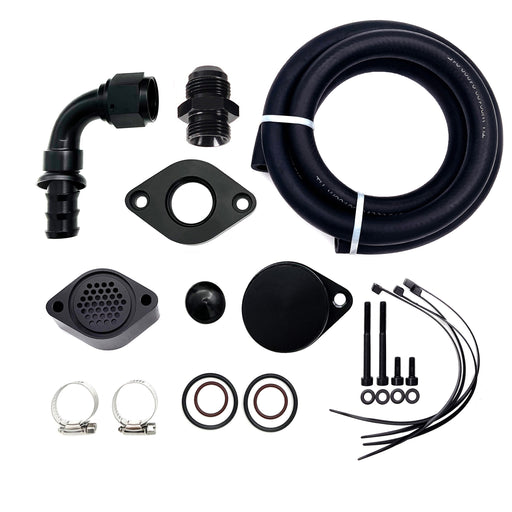
Seguler 2011-2023 6.7L Ford Powerstroke CCV PCV Reroute Engine Ventilation Kit
SEGULEROriginal price $82.99 - Original price $82.99Original price$82.99$82.99 - $82.99Current price $82.99FITMENT 2011-2023 6.7L Ford Powerstroke F-250 F-350 F-450 F-550 Super Duty V8 Diesel. Compatible with both standard Pickups and commercial Cab &...
View full details -
For 2007-2010 Cummins ISX CM871 EGR Plug Kit Stage 2 Plates and Plugs Aluminum
SEGULEROriginal price $67.99 - Original price $67.99Original price$67.99$67.99 - $67.99Current price $67.99FITMENT 2007-2010 Cummins Volvo, Peterbilt, Mack, International, Freightliner, Kenworth with the ISX CM871 Engines. DESCRIPTION Product Overvie...
View full details -
For 2007-2010 6.6L Chevy GMC LMM Duramax EGR Valve Cooler Delete Kit Fit
SEGULEROriginal price $61.99 - Original price $61.99Original price$61.99$61.99 - $61.99Current price $61.99FITMENT 2007.5-2010 6.6L Chevrolet Silverado Duramax LMM 2500HD / 3500HD. 2007.5-2010 6.6L GMC Sierra Duramax LMM 2500HD / 3500HD. Note: Standard...
View full details -
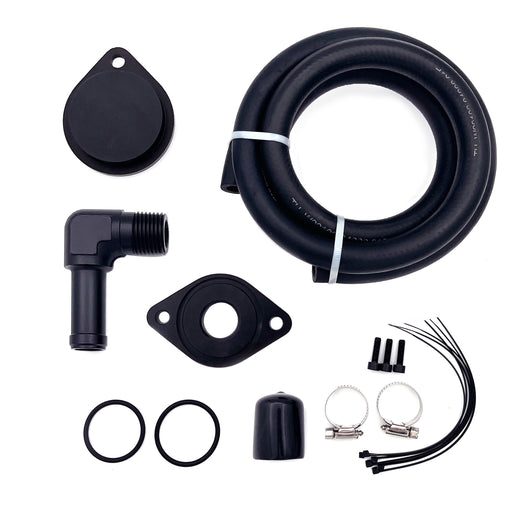
Seguler 2011-2023 Ford 6.7L Powerstroke CCV/PCV Reroute/Delete Engine Ventilation Kit
SEGULEROriginal price $72.00 - Original price $72.00Original price$72.00$72.00 - $72.00Current price $72.00FITMENT 2011-2023 6.7L Ford Powerstroke F-250 F-350 F-450 F-550 Super Duty V8 Diesel. Compatible with both standard Pickups and commercial Cab &...
View full details -
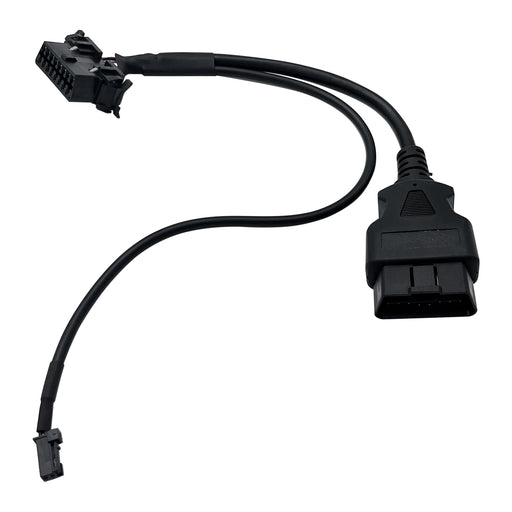
Seguler 2018+ RAM Cummins OBD2 HD Security Gate Bypass Cable
SEGULEROriginal price $45.00 - Original price $45.00Original price$45.00$45.00 - $45.00Current price $45.00FITMENT 2018+ 6.7L Ram Cummins 2500 3500 Turbo Diesel. Designed for Ram pickup trucks equipped with the factory Security Gateway Module. Note: Pl...
View full details -
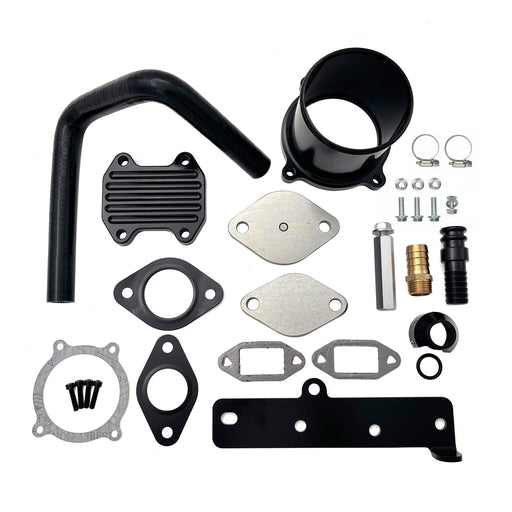
Seguler For 2013-2018 6.7L Dodge RAM 2500 3500 Cummins Diesel EGR Delete Cooler Throttle Valve Delete Kit
SEGULEROriginal price $112.00 - Original price $112.00Original price$112.00$112.00 - $112.00Current price $112.00FITMENT 2013–2018 6.7L Dodge Ram Cummins 2500 & 3500 Pickup Turbo Diesel. Note: Does NOT fit Cab & Chassis (3500 / 4500 / 5500 C&C) m...
View full details


Leave a comment