

LML Duramax EGR Delete: Complete Guide
🔑 Key Takeaways
- The LML Duramax (2011-2016) EGR system follows a predictable failure timeline—most coolers fail between 80k-120k miles
- Three upgrade stages: Stage 1 (basic block-off), Stage 2 (performance intake elbow + delete), Stage 3 (full competition kit with supporting mods)
- The LML's 9th injector (for DPF regeneration) makes a full EGR+DPF delete particularly impactful for both performance and reliability
- Professional ECM tuning is mandatory—the LML's Bosch ECU requires expert calibration to operate safely without emissions feedback
In the world of diesel engine modification, the 2011–2016 LML Duramax 6.6L holds a unique place. This powertrain delivered impressive output straight from the factory, but to meet increasingly stringent emissions regulations, General Motors equipped it with a full Exhaust Gas Recirculation (EGR) system. While this system played a role in reducing nitrogen oxide (NOx) emissions, it also introduced a host of persistent issues over time.
By completely removing the factory EGR system, this approach not only addresses those reliability concerns but also delivers tangible benefits in performance and reduced operating temperatures. However, an EGR delete is far more involved than simply “taking it off.” This article will start with the fundamentals of how the EGR system works, then provide a systematic breakdown of LML Duramax EGR delete kits and the critical steps to take before and after installation. Whether you’re weighing whether to go through with this modification, this guide aims to offer clear, practical, and objective information.
How the EGR System Works
The Exhaust Gas Recirculation (EGR) system was designed with emissions reduction in mind. By rerouting a portion of exhaust gases back into the intake manifold, it lowers peak combustion temperatures, which in turn reduces the formation of nitrogen oxides (NOx). For Duramax diesel owners, this system is a key component in meeting emissions standards.
In practice, however, the EGR system introduces a range of challenges—especially on the 2011–2016 LML Duramax 6.6L engine. The constant flow of hot, soot-laden exhaust gas leads to severe carbon buildup, frequent EGR cooler failures, reduced boost pressure, and persistent diagnostic trouble codes (DTCs). These recurring issues are what drive many owners to consider the EGR delete route.
What Is an LML Duramax EGR Delete Kit?
An EGR delete kit is an aftermarket solution designed to physically remove the factory EGR system and seal off the related passages. It’s important to note that this modification is intended for off-road or racing use only.
A complete EGR delete kit for the LML Duramax typically includes the following components:
-
Block-off plates: Used to seal the EGR valve and EGR cooler ports, permanently stopping exhaust gas recirculation.
-
Replacement up-pipe: Replaces the factory exhaust pipe section that originally connected to the EGR system.
-
Coolant bypass hose: After the EGR cooler is removed, this hose maintains proper coolant circulation through the engine.
-
Gaskets, bolts, and clamps: Ensure a leak-free, secure installation.
Different brands may include slight variations in their kits, so it’s essential to verify the contents before purchasing.
Real-World Benefits of an EGR Delete
Removing the EGR system changes the engine’s operating characteristics in several ways, each of which directly impacts performance and long-term reliability.
Improved Airflow and Throttle Response
With no exhaust gas being reintroduced into the intake, the engine ingests cleaner, denser air. The result is sharper throttle response, smoother power delivery, and noticeably better performance under heavy loads or towing conditions.
Lower Exhaust Gas Temperatures (EGTs)
After deleting the EGR system, the temperature of the air entering the combustion chamber drops significantly. This reduces thermal stress on pistons, turbocharger components, and cooling system parts, which can help extend their service life.
Reduced Carbon and Soot Buildup
Removing it prevents soot-laden exhaust from ever entering the intake manifold, keeping the intake valves, runners, and related components cleaner for much longer. This supports better combustion efficiency and reduces maintenance frequency.
Enhanced Reliability
Factory EGR valves and coolers are known failure points. Leaking coolers can lead to coolant loss and potential engine damage, while stuck valves often trigger limp mode. Deleting these components eliminates those failure modes entirely, reducing the risk of unexpected breakdowns.
How to Choose the Right EGR Delete Kit
There’s no single “best” EGR delete kit for the LML Duramax—the right choice depends on your priorities. The following factors will help you make an informed decision.
Material Quality:
Kits made from T304 or T409 stainless steel offer superior resistance to heat and corrosion, which is critical for components living in the engine bay.
Completeness:
A kit that includes every necessary component will save you time and frustration. Missing parts can delay installation and lead to unexpected expenses.
Vehicle Compatibility:
The LML Duramax covers model years 2011 through 2016. While the engine is largely the same, subtle differences in routing and connections exist. Make sure the kit explicitly states compatibility with your specific year.
Tuning Requirements:
After the EGR system is removed, the engine control unit (ECU) must be recalibrated. Without proper tuning, the vehicle will trigger check engine lights, run poorly, or default to a reduced power state.
Brand Reputation and Support:
Stick with well-established brands that have positive feedback from real-world users. Good customer support, clear installation instructions, and a reasonable warranty policy are all indicators of a reliable product.
What to Consider Before Installing an EGR Delete
When It Makes Sense:
If your vehicle is still under factory warranty, performing an EGR delete will void powertrain coverage. This modification is most suitable for vehicles that are out of warranty, have experienced repeated EGR-related failures, or are primarily used for off-road or high-performance applications.
Legal Considerations:
Before moving forward, familiarize yourself with local emissions regulations. Vehicles with the EGR system removed no longer meet on-road emissions standards. Depending on where you live, enforcement can vary significantly, so it’s important to understand the potential legal implications.
Professional Installation:
While experienced DIYers can tackle this job, it’s highly recommended to have the work performed by a certified diesel technician. The EGR system ties into the coolant, exhaust, and intake systems—improper installation can result in coolant leaks, exhaust leaks, or loose connections that compromise reliability.
How to Choose: A Three-Stage Upgrade Path
There’s no single “best” EGR delete kit on the market—the right choice depends on your specific needs and goals. For the LML Duramax, we’ve put together three progressive upgrade solutions. You can select the one that best fits your budget, driving habits, and performance objectives.
Stage 1: 2011-2016 6.6L GMC Chevy Duramax Diesel LML EGR Valve Cooler Delete Kit
For owners who are new to EGR delete modifications and want to address the most critical issues with minimal investment, this EGR upgrade kit is the ideal starting point. Constructed from stainless steel and aluminum billet, it balances strength with lightweight design. Once installed, you can expect the following improvements:

-
Eliminates carbon buildup and blockages in the EGR valve, preventing high-EGT exhaust gases from re-entering the engine
-
Faster turbocharger response, lower exhaust gas temperatures, and improved overall operating efficiency
-
Accelerated coolant circulation, resulting in reduced coolant temperatures
-
Significant reduction in costly EGR system maintenance and repairs
-
Improved overall fuel efficiency, with fuel economy gains of up to 20%
-
Stronger, more durable, and longer-lasting construction compared to the factory design
Best For: Owners on a budget, those dealing with recurring EGR system failures, and anyone seeking a solid foundation for performance improvement.
Stage 2: CCV ReRoute & EGR Cooler Delete Kit for 2011-2016 6.6L Chevy Duramax LML
If you’re looking to further optimize your engine’s operating environment beyond just deleting the EGR system, this EGE & CCV upgrade kit represents the ideal next step. Like the entry-level option, it’s built from high-quality stainless steel and aluminum billet, but it offers expanded functionality. In addition to deleting the EGR cooler, it adds a crankcase ventilation reroute system. Key features include:

-
Eliminates carbon buildup and a clogged EGR valve, lower coolant temperatures
-
Pressure-tested TIG welds for guaranteed leak-free performance
-
Each component is leak-tested and features O-ring seals to ensure a leak-free installation
-
Vents crankcase blow-by gases, reducing oil deposits inside the engine
-
Venturi-style design eliminates the need for restrictive baffles
-
Includes a ¾-inch, 5-foot 100% silicone-reinforced hose, specifically designed for oil-service applications
Best For: Owners who want to combine an EGR delete with crankcase ventilation optimization, and those seeking superior sealing reliability and overall engine cleanliness.
4" DPF & CAT Delete Pipe & EGR Cooler Delete Kit for 2015.5-2016 6.6L Duramax LML
This complete kit represents the most comprehensive solution available. It features a 4-inch exhaust pipe constructed from T-409 stainless steel, designed to remove the diesel particulate filter (DPF) and catalytic converter (CAT) while incorporating a muffler to balance performance with everyday drivability. In terms of core functionality, it combines EGR cooler deletion with a crankcase ventilation reroute—delivering a one-stop solution.

-
4-inch T-409 stainless steel exhaust piping, designed to delete the DPF and CAT, with an integrated muffler
-
Achieves the lowest possible coolant temperatures
-
Pressure-tested TIG welds for guaranteed leak-free performance
-
Eliminates carbon buildup and a clogged EGR valve
-
Vents crankcase blow-by gases, reducing oil deposits inside the engine
-
Each component is leak-tested and features O-ring seals to ensure a leak-free installation
Important Note: Only fit models equipped with 3-bolt flange and will not work for trucks equipped with the V-band clamp off the turbo direct pipe Please verify your vehicle’s configuration before purchasing to ensure proper fitment.
Best For: Owners pursuing maximum performance, those who want to address all emissions control hardware in a single installation, and vehicles primarily used for off-road or high-performance applications.
Installation Overview
For those planning to perform the installation themselves, the following steps provide a general outline. Always refer to the specific instructions included with your kit.
-
Preparation: Disconnect the battery’s negative terminal and ensure the engine is completely cool. Confirm that all components in the kit are present.
-
Remove Factory Components: Remove the EGR valve, EGR cooler, and associated piping. Some bolts may be seized due to heat cycling—apply penetrating oil and exercise patience rather than forcing them.
-
Install Block-Off Plates: Install the block-off plates at the EGR valve and EGR cooler mounting points. Ensure the sealing surfaces are clean and free of debris.
-
Route the Coolant Bypass: Install the coolant bypass hose to replace the factory loop that ran through the EGR cooler. Check that the hose is routed cleanly, with no sharp bends or contact with hot components.
-
Install the Replacement Up-Pipe: Fit the new up-pipe included in the kit, tightening all bolts and clamps to the specified torque values.
-
System Check: Start the engine and inspect for coolant or exhaust leaks. Allow the engine to reach operating temperature and recheck all connections.
Pro Tip: Take photos during disassembly to document hose routing and bolt locations. If you hit a frustrating spot, step back and take a break—rushing leads to mistakes.
Tuning and Post-Installation Steps
Once the hardware is installed, the most critical step remains: ECU tuning. A professional tuner will recalibrate the engine management system to disable EGR-related diagnostics, adjust fuel and timing maps, and optimize performance for the new setup.
After the modification is complete, keep all receipts and tuning files in a safe place. If you ever need to return the vehicle to stock configuration—for resale or compliance reasons—having that documentation will be invaluable.


Featured collection
-
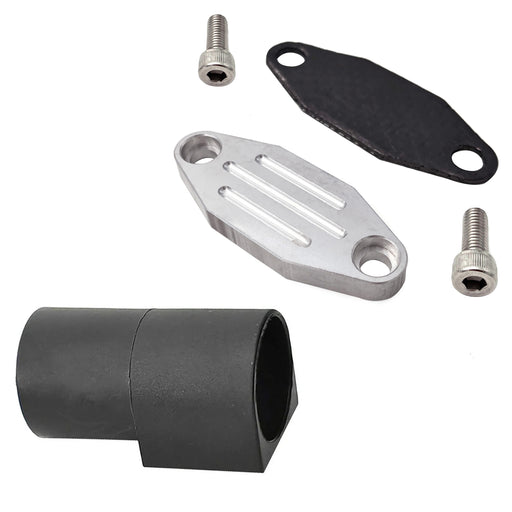
Seguler 1986-1995 Ford F150 F250 F350 Mustang Trucks EGR Simulator Eliminator / Block Off Plate Kit
SEGULEROriginal price $79.99 - Original price $79.99Original price$79.99$79.99 - $79.99Current price $79.99Block Off Plate Material: Aluminum alloy. Easy installation,and convenient to use. Made of CNC milled from aircraft grade Billet aluminum. Will N...
View full details -

Seguler 2011-2023 6.7L Ford Powerstroke Diesel EGR Delete Kit
SEGULEROriginal price $109.99 - Original price $109.99Original price$109.99$109.99 - $109.99Current price $109.99FITMENT 2011-2023 6.7L Ford Powerstroke F-250 F-350 F-450 F-550 Super Duty V8 Diesel. compatible with both standard Pickups and commercial Cab &...
View full details -
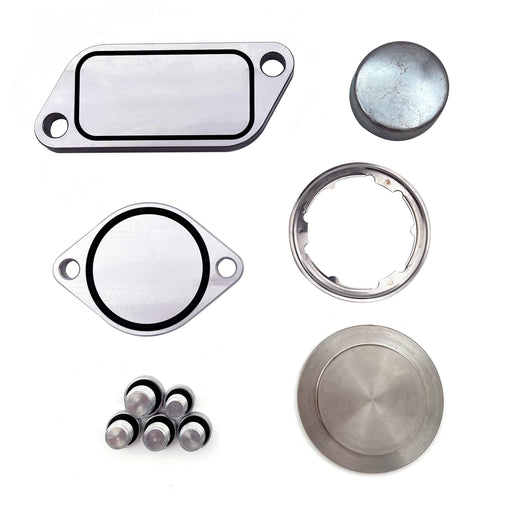
For 2010-Present Stage 2 ISX 15 CM2250 CM2350 EGR Delete Kit
SEGULEROriginal price $59.99 - Original price $59.99Original price$59.99$59.99 - $59.99Current price $59.99FITMENT 2010-Present Cummins Volvo, Peterbilt, Mack, International, Freightliner, Kenworth with the ISX15 CM2250 / CM2350 engines. DESCRIPTION P...
View full details -
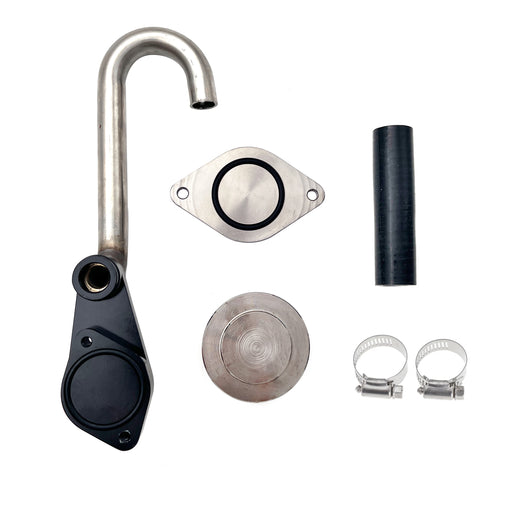
Seguler 2003-2007 6.0L FORD Powerstroke Diesel EGR Cooler Delete Kit
SEGULEROriginal price $56.14 - Original price $56.14Original price$56.14$56.14 - $56.14Current price $56.14FITMENT 2003-2007 6.0L Ford F-250 Ford F-350 F-450 F-550 Super Duty. 2003-2007 6.0L Ford Excursion SUV (Diesel Models Only). 2005-2010 Ford E-Se...
View full details -
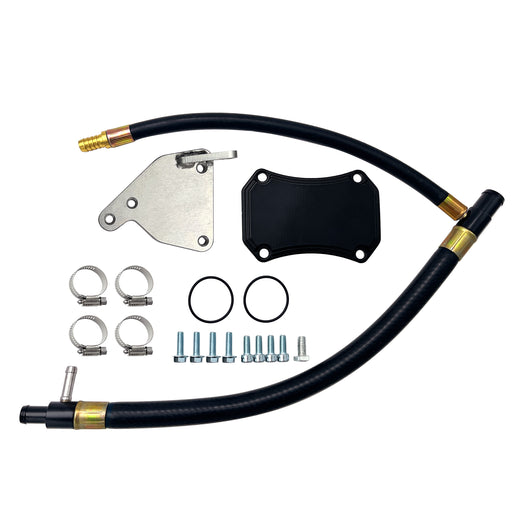
For 2011-2016 6.6L GMC Chevy Duramax Diesel LML EGR Valve Cooler Delete Kit
SEGULEROriginal price $66.49 - Original price $66.49Original price$66.49$66.49 - $66.49Current price $66.49FITMENT 2011-2016 6.6L Chevy GMC Duramax LML 2500 HD 3500 HD Diesel. DESCRIPTION Product Overview The 2011–2016 LML Duramax uses a complex EG...
View full details -
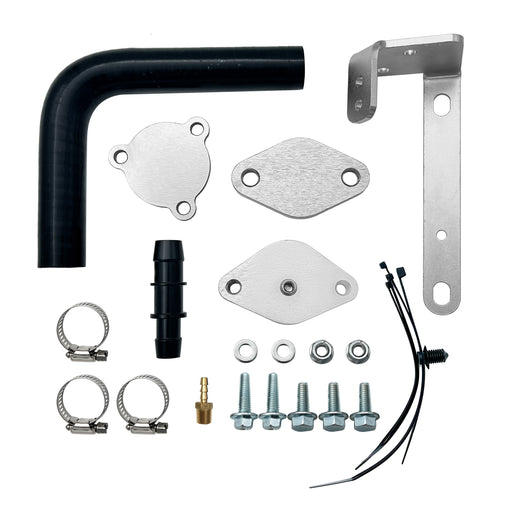
Seguler For 2014-2019 3.0L Dodge Ram 1500 EcoDiesel EGR Valve & Cooler Delete Kit
SEGULEROriginal price $72.99 - Original price $72.99Original price$72.99$72.99 - $72.99Current price $72.99FITMENT 2014-2019 3.0L Dodge Ram 1500 EcoDiesel V6 engine trucks. DESCRIPTION Product Overview Exhaust gas recirculation on 3.0L EcoDiesel V6 ...
View full details -

Seguler 2011-2023 6.7L Ford Powerstroke Diesel EGR Delete Kit
SEGULEROriginal price $85.99 - Original price $85.99Original price$85.99$85.99 - $85.99Current price $85.99FITMENT 2011-2023 6.7L Ford Powerstroke F-250 F-350 F-450 F-550 Super Duty V8 Diesel. compatible with both standard Pickups and commercial Cab &...
View full details -

Seguler 2010-2024 6.7L Dodge Ram Cummins Diesel EGR Valve Cooler Delete Kit
SEGULEROriginal price $89.99 - Original price $89.99Original price$89.99$89.99 - $89.99Current price $89.99FITMENT 2010–2024 6.7L Dodge Ram Cummins 2500 / 3500 Pickup Turbo Diesel. Note: Does NOT fit Chassis Cab 3500 / 4500 / 5500 models. DESCRIPTIO...
View full details -
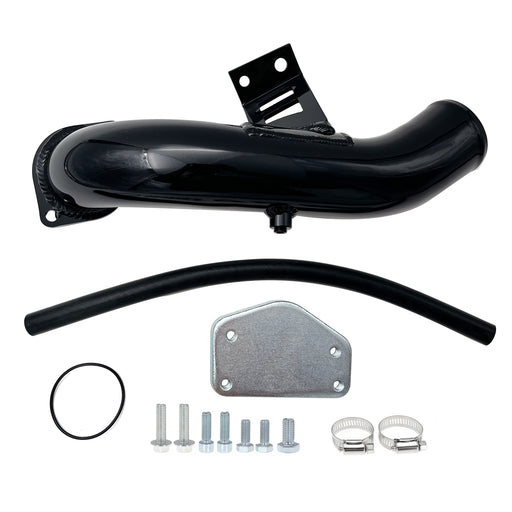
For 2004.5-2005 6.6L Chevy GMC Silverado LLY Duramax Diesel EGR Delete Kit
SEGULEROriginal price $92.99 - Original price $92.99Original price$92.99$92.99 - $92.99Current price $92.99FITMENT 2004.5-2005 6.6L Chevrolet Silverado Duramax LLY 2500HD / 3500 HD. 2004.5-2005 6.6L GMC Sierra Duramax LLY 2500HD / 3500 HD. DESCRIPTION...
View full details -

Seguler 2017-2019 L5P Duramax Diesel 4pcs L5P Can Bus Plugs Connector Replacement
SEGULEROriginal price $75.00 - Original price $75.00Original price$75.00$75.00 - $75.00Current price $75.00FITMENT 2017–2019 Chevrolet Silverado / GMC Sierra Duramax L5P 2500HD & 3500HD Diesel. DESCRIPTION Product Overview Unprotected harness con...
View full details -

Seguler 2020-2023 chevy duramax L5P Diesel Can Bus Plugs Connector
SEGULEROriginal price $80.00 - Original price $80.00Original price$80.00$80.00 - $80.00Current price $80.00FITMENT 2020–2023 Chevrolet Silverado / GMC Sierra Duramax L5P 2500HD & 3500HD Diesel. DESCRIPTION Product Overview Unprotected harness pl...
View full details -
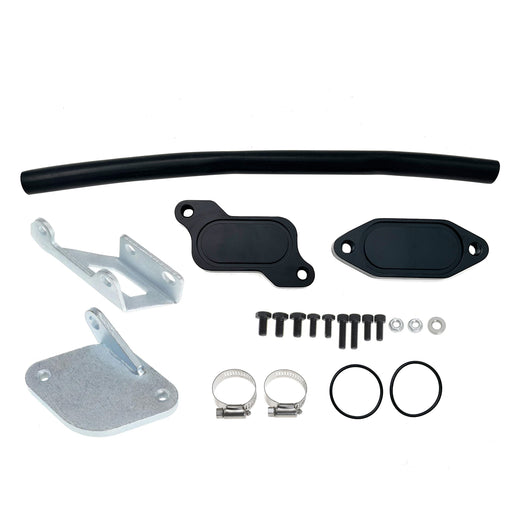
For 2006-2007 6.6L Chevrolet Silverado Classic GMC Duramax LBZ Diesel EGR Valve Cooler Delete Kit
SEGULEROriginal price $63.49 - Original price $63.49Original price$63.49$63.49 - $63.49Current price $63.49FITMENT 2006-2007.4 Chevrolet Silverado Duramax LBZ 2500HD / 3500HD. 2007.4 Chevrolet Silverado Duramax LBZ 2500HD / 3500HD Classic. 2006-2007.4 ...
View full details -

Seguler 2011-2023 6.7L Ford F250 F350 F450 F550 Powerstroke Diesel EGR Valve Delete Cooler Delete Kit
SEGULEROriginal price $55.99 - Original price $55.99Original price$55.99$55.99 - $55.99Current price $55.99FITMENT 2011-2023 6.7L Ford Powerstroke F-250 F-350 F-450 F-550 Super Duty V8 Diesel compatible with both standard Pickups and commercial Cab &a...
View full details -
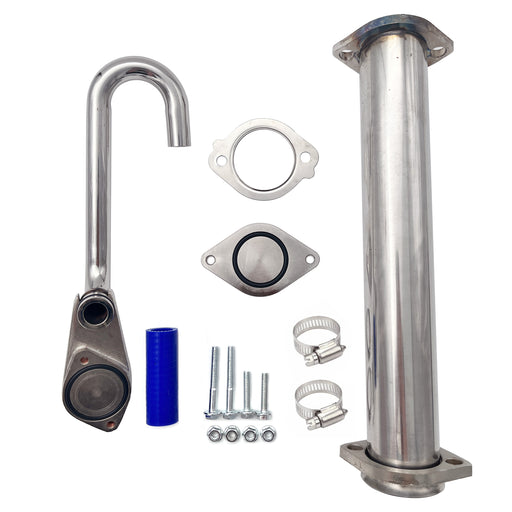
Seguler 2003-2007 6.0L Ford F250 F350 Powerstroke Diesel EGR Basic Cooler Kit
SEGULEROriginal price $79.99 - Original price $79.99Original price$79.99$79.99 - $79.99Current price $79.99FITMENT 2003-2007 6.0L Ford F250 F350 F450 F550 Super Duty Turbo (except 2004 F250 Super Duty). 2003-2005 6.0L Ford Excursion Turbo. 2005 Ford F...
View full details -
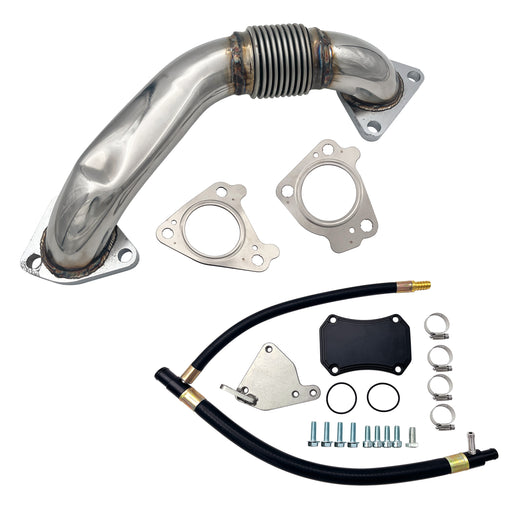
Seguler 2011-2016 6.6L GMC Chevy Duramax Diesel LML Up-Pipe & EGR Valve Cooler Delete Kit
SEGULEROriginal price $173.86 - Original price $173.86Original price$173.86$173.86 - $173.86Current price $173.86FITMENT 2011-2016 6.6L Chevy GMC Duramax LML 2500 HD 3500 HD Diesel. DESCRIPTION Product Overview Direct-injection technology endows GM 5.3L an...
View full details -
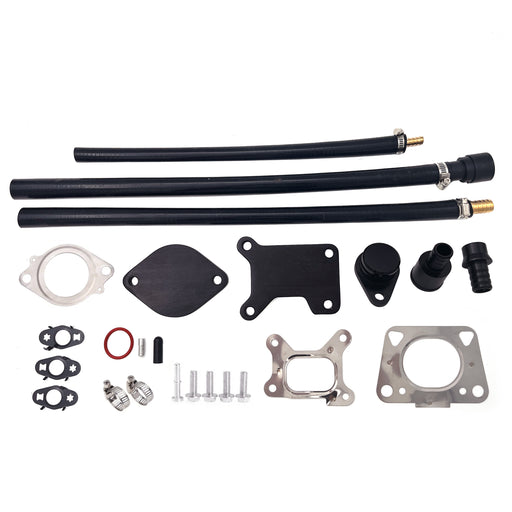
For 2017-2023 6.6L Chevy GMC Duramax L5P diesel EGR Valve Cooler Delete kit
SEGULEROriginal price $131.99 - Original price $131.99Original price$131.99$131.99 - $131.99Current price $131.99FITMENT 2017–2023 6.6L Chevrolet Silverado / GMC Sierra Duramax L5P 2500HD 3500HD Diesel. DESCRIPTION Product Overview Hot soot recirculation ...
View full details -
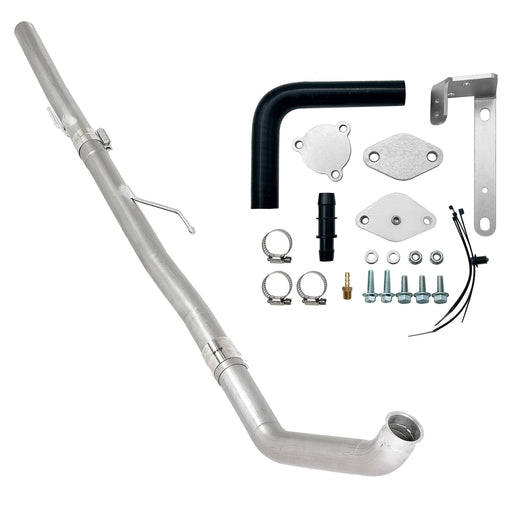
Seguler 3" Ecodiesel DPF Delete Pipe & EGR Delete kit for 2014-2018 3.0L Ram
SEGULEROriginal price $342.00 - Original price $342.00Original price$342.00$342.00 - $342.00Current price $342.00FITMENT 2014–2018 3.0L Dodge Ram 1500 EcoDiesel V6. NOTE: Fit standard Pickup models only (Crew Cab, Quad Cab). Does NOT fit Jeep Grand Cheroke...
View full details -
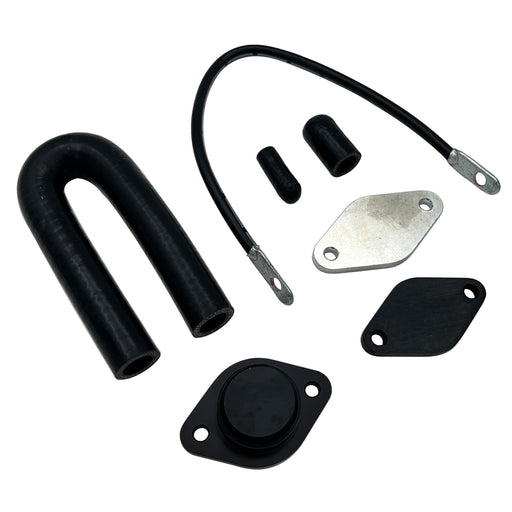
Seguler EGR valve cooler Delete kit for 2020-2022 3.0L Chevy Duramax LM2
SEGULEROriginal price $189.12 - Original price $189.12Original price$189.12$189.12 - $189.12Current price $189.12FITMENT 2020–2022 3.0L Chevrolet Silverado GMC Sierra 1500 LM2 Turbo-Diesel. DESCRIPTION Product Overview Powered by smooth inline-six engine...
View full details -

For 2013-2023 6.7L Dodge Ram Cummins Cab & Chassis EGR Delete Kit Diesel
SEGULEROriginal price $62.99 - Original price $62.99Original price$62.99$62.99 - $62.99Current price $62.99FITMENT 2013–2023 6.7L Ram Cummins 3500 4500 5500 Cab & Chassis / Commercial Trucks. Does NOT fit standard Ram 2500 3500 Pickups. DESCRIPTIO...
View full details -
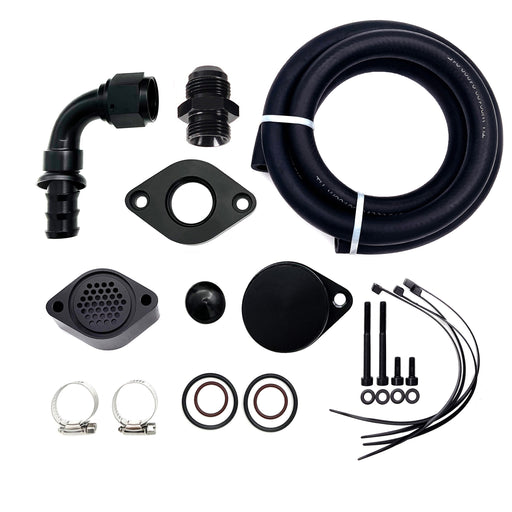
Seguler 2011-2023 6.7L Ford Powerstroke CCV PCV Reroute Engine Ventilation Kit
SEGULEROriginal price $82.99 - Original price $82.99Original price$82.99$82.99 - $82.99Current price $82.99FITMENT 2011-2023 6.7L Ford Powerstroke F-250 F-350 F-450 F-550 Super Duty V8 Diesel. Compatible with both standard Pickups and commercial Cab &...
View full details -
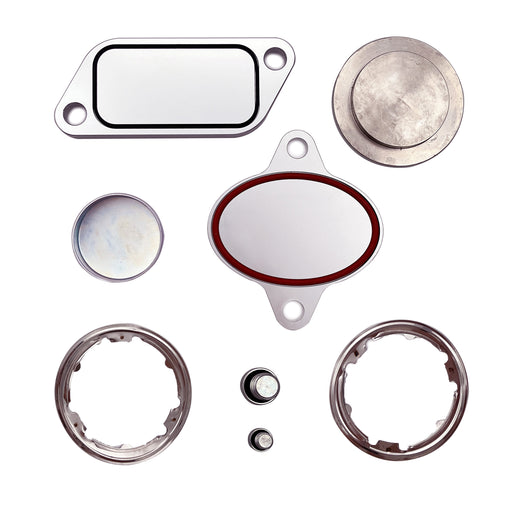
For 2007-2010 Cummins ISX CM871 EGR Plug Kit Stage 2 Plates and Plugs Aluminum
SEGULEROriginal price $67.99 - Original price $67.99Original price$67.99$67.99 - $67.99Current price $67.99FITMENT 2007-2010 Cummins Volvo, Peterbilt, Mack, International, Freightliner, Kenworth with the ISX CM871 Engines. DESCRIPTION Product Overvie...
View full details -
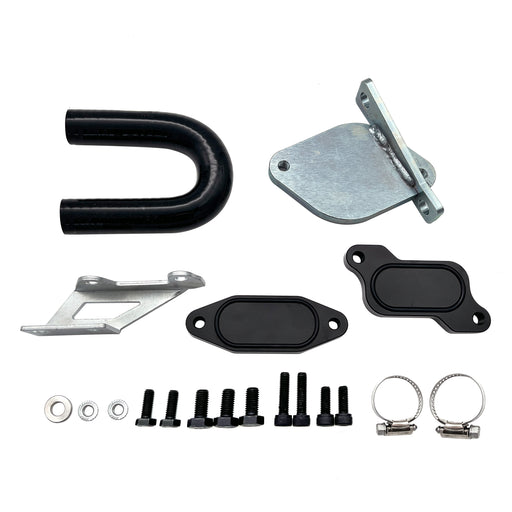
For 2007-2010 6.6L Chevy GMC LMM Duramax EGR Valve Cooler Delete Kit Fit
SEGULEROriginal price $61.99 - Original price $61.99Original price$61.99$61.99 - $61.99Current price $61.99FITMENT 2007.5-2010 6.6L Chevrolet Silverado Duramax LMM 2500HD / 3500HD. 2007.5-2010 6.6L GMC Sierra Duramax LMM 2500HD / 3500HD. Note: Standard...
View full details -
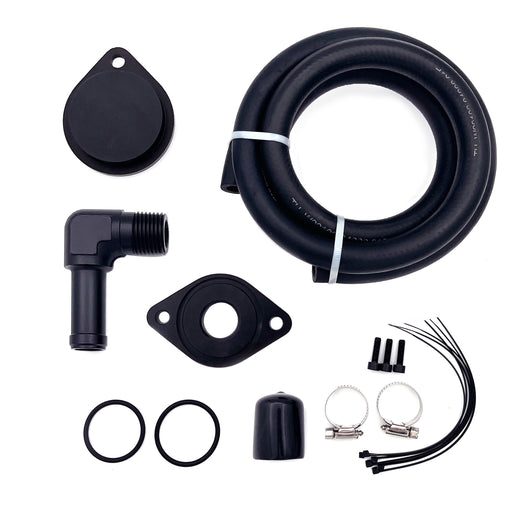
Seguler 2011-2023 Ford 6.7L Powerstroke CCV/PCV Reroute/Delete Engine Ventilation Kit
SEGULEROriginal price $72.00 - Original price $72.00Original price$72.00$72.00 - $72.00Current price $72.00FITMENT 2011-2023 6.7L Ford Powerstroke F-250 F-350 F-450 F-550 Super Duty V8 Diesel. Compatible with both standard Pickups and commercial Cab &...
View full details -
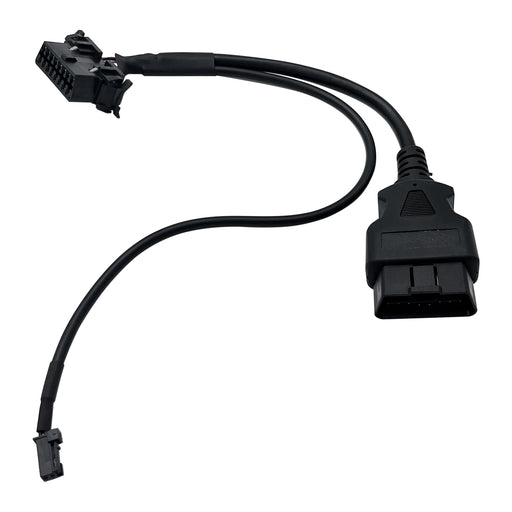
Seguler 2018+ RAM Cummins OBD2 HD Security Gate Bypass Cable
SEGULEROriginal price $45.00 - Original price $45.00Original price$45.00$45.00 - $45.00Current price $45.00FITMENT 2018+ 6.7L Ram Cummins 2500 3500 Turbo Diesel. Designed for Ram pickup trucks equipped with the factory Security Gateway Module. Note: Pl...
View full details -
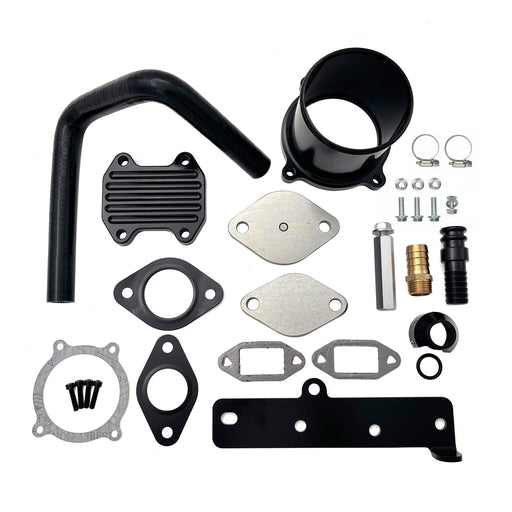
Seguler For 2013-2018 6.7L Dodge RAM 2500 3500 Cummins Diesel EGR Delete Cooler Throttle Valve Delete Kit
SEGULEROriginal price $112.00 - Original price $112.00Original price$112.00$112.00 - $112.00Current price $112.00FITMENT 2013–2018 6.7L Dodge Ram Cummins 2500 & 3500 Pickup Turbo Diesel. Note: Does NOT fit Cab & Chassis (3500 / 4500 / 5500 C&C) m...
View full details


Leave a comment