

6.4 Powerstroke Exhaust Upgrade: Performance Guide
Why Many 6.4L Powerstroke Owners Upgrade Their Exhaust System
The 2008–2010 Ford 6.4L Powerstroke was introduced during a period of tightening emissions regulations. The DPF and EGR systems were in their first generation — before DEF injection existed to share the load. The factory exhaust system was designed to meet emissions requirements while balancing performance, packaging, and durability.
Here’s what that means in practice. The 6.4L uses post-injection fuel during DPF regeneration to superheat the exhaust and burn soot out of the filter. During frequent regeneration cycles, some owners experience increased oil dilution concerns, especially under short-trip or heavy-duty driving conditions. Fuel-thinned oil can lose its ability to protect bearings, rocker tips, and turbo seals. Meanwhile, the EGR cooler cycles between ambient temperature and over 1,000°F thousands of times — repeated thermal cycling can contribute to EGR cooler wear over time in some engines. When EGR cooler issues develop, they may affect combustion efficiency. Increased soot output can lead to faster DPF loading, more frequent regeneration, and additional fuel entering the oil. For many owners, upgrading airflow-related components becomes a practical way to improve drivability, reduce system stress, and maintain long-term diesel performance.
These three factors — thermal stress, potential fuel dilution, and carbon loading — can interact on the 6.4L Powerstroke, with each one potentially contributing to the others. A comprehensive 6.4L Powerstroke Exhaust Upgrade isn’t about chasing horsepower. It’s about improving airflow, reducing exhaust restriction, and addressing the components that most commonly limit long-term reliability. The intake benefits from cleaner air. The turbos benefit from unrestricted flow. The up-pipes benefit from durable materials that handle sustained heat.
Product Overview: Three Components for the 6.4L Exhaust Path
The 6.4L Powerstroke exhaust system runs from the exhaust manifold ports through the up-pipes into the compound turbo setup, then downstream through the DPF and catalyst. Addressing restrictions at each stage creates a more complete 6.4 Powerstroke Exhaust Upgrade than addressing any single component alone.
Fitment
| Vehicle | Years | Engine |
|---|---|---|
| Ford F-250 Super Duty | 2008–2010 | 6.4L Powerstroke V8 Diesel |
| Ford F-350 Super Duty | 2008–2010 | 6.4L Powerstroke V8 Diesel |
| Ford F-450 Super Duty | 2008–2010 | 6.4L Powerstroke V8 Diesel |
| Ford F-550 Super Duty | 2008–2010 | 6.4L Powerstroke V8 Diesel |
Key Components
| Component | Function | Location in Exhaust Path |
|---|---|---|
| EGR Upgrade Kit |
EGR valve & cooler upgrade — cleaner intake, fewer coolant issues |
Engine bay (EGR cooler, valve, intake elbow) |
| Heavy Duty Up-Pipes |
Replaces factory up-pipes — reduces leaks and turbo-side restriction |
Exhaust manifold to turbo inlet |
| High-Flow Exhaust Pipe |
Replaces DPF & CAT — reduces exhaust restriction and regen issues |
Downpipe-back exhaust |
EGR System Components
| Category | Typical Market Range | What to Expect |
|---|---|---|
| Budget EGR block-off plates | $25–50 |
Plates only — may not include coolant line plugs, hose connectors, or replacement intake elbow |
| Complete EGR upgrade kits | $50–150 |
Complete kit with block-offs, plugs, fittings & intake elbow. |
Complete kits that include the intake elbow and all hardware eliminate the need to source coolant plugs and hose connectors separately — the price difference often reflects these included components rather than material quality alone.
Up-Pipes
| Category | Typical Market Range | What to Expect |
|---|---|---|
| OEM-style replacement up-pipes | $120–250 | Factory bellows design — same material, same potential wear pattern |
| Reinforced stainless up-pipes | $150–350 |
Stainless steel with reinforced bellows sections, includes gaskets and hardware |
Up-pipe pricing is closely tied to material and reinforcement. The difference between a basic replacement and a reinforced stainless design often shows up after sustained heat cycling, where unreinforced bellows can develop cracks.
DPF Replacement Pipes
| Category | Typical Market Range | What to Expect |
|---|---|---|
| Aluminized steel pipes | $90–180 |
Lower cost but reduced corrosion resistance compared to stainless |
| T409 stainless steel pipes | $130–300 |
Enhanced heat resistance and durability with 1.5mm thick construction. |
For a vehicle that operates in regions with road salt or high humidity, stainless steel offers corrosion resistance that aluminized steel may not match over multiple seasons.
Seguler 6.4L Exhaust Solutions
| Component | Product | Price |
|---|---|---|
| EGR System Upgrade | Seguler EGR System Upgrade Kit (SG-ER-0004) | $74.99 |
| Up-Pipes | Seguler Heavy Duty Exhaust Up-Pipe (SG-DP-0023) | $178.00 |
| DPF Replacement | Seguler 4" High-Flow Exhaust Pipe (SG-ER-0034) | $152.49 |
Seguler 2008-2010 Ford 6.4L Powerstroke EGR Delete Kit
The factory EGR system on the 6.4L Powerstroke can introduce exhaust soot into the intake tract and create long-term maintenance concerns. The EGR Delete Kit is designed to replace the factory EGR valve, cooler, and related components, helping reduce intake contamination, lower coolant-related risks, and improve overall airflow efficiency.
Engineered for 2008–2010 Ford 6.4L Powerstroke diesel trucks, this EGR Delete Kit includes a high-flow intake elbow to optimize intake routing and provide a cleaner, more efficient air path for upgraded diesel performance applications.

- Material & Durability: Constructed from polished aluminum alloy, offering long-term resistance to corrosion and rust while providing excellent heat dissipation and high-flow elbows to improve airflow and fuel efficiency.
- System Dismantling: Allows the entire EGR system to be completely dismantled.
- Temperature & Cleanliness: Eliminates accumulated dust to clean the intake air, and keeps coolant temperatures cooler since it no longer runs through the EGR cooler.
- Maintenance & Fitment: Reduces maintenance costs and extends overall engine service life; fits 2008-2010 6.4L Powerstroke F250/F350/F450/F550 V8 Turbo Diesel trucks.
Designed for high-mileage trucks, towing applications, and performance diesel builds, the Seguler 6.4L Powerstroke EGR Delete Kit addresses common factory EGR-related concerns by improving intake airflow and reducing soot exposure inside the intake system. The included high-flow intake elbow provides a smoother transition from the intercooler to the intake manifold, helping maintain consistent airflow for improved engine response and long-term reliability. Combined with proper tuning and supporting exhaust upgrades, this EGR solution helps create a cleaner, more efficient foundation for 2008–2010 Ford 6.4L Powerstroke diesel performance applications.
Seguler 2008-2010 6.4L Ford Powerstroke Diesel Heavy Duty Exhaust Up-Pipe
The factory exhaust up-pipes on the 6.4L Powerstroke can develop leaks over time and create restrictions in the exhaust path before the turbocharger. The Seguler 6.4L Ford Exhaust Up-Pipe is designed to replace the factory components, helping improve exhaust flow, reduce leak risks, and maintain more consistent turbo performance.
Engineered for 2008–2010 Ford 6.4L Powerstroke diesel trucks, this 6.4L Ford Exhaust Up-Pipe provides a more efficient exhaust routing solution for improved airflow and reliable performance in heavy-duty diesel applications.

- Material & Durability: Constructed from high-quality stainless steel and reinforced with interlocking braided bent corrugated pipes to significantly increase pipeline durability.
- Flow & Performance: Engineered to maximize smooth, high exhaust flow for improved vehicle performance and better fuel efficiency.
- Precision Engineering: Features precision-machined forging and highly precise engineering to ensure correct assembly holes and proper installation sizes.
- Vehicle Fitment: Designed specifically for 2008-2010 Ford Powerstroke F-250, F-350, F-450, and F-550 Super Duty 6.4L diesel turbo trucks.
Whether you are upgrading a high-mileage work truck or improving the reliability of a modified diesel setup, the Seguler 6.4L Ford Exhaust Up-Pipe provides a dependable solution for restoring proper exhaust flow before the turbocharger. By addressing common factory up-pipe limitations, it helps support smoother turbo operation and more consistent performance under demanding driving conditions.
Designed as a direct-fit upgrade for 2008–2010 Ford 6.4L Powerstroke Super Duty trucks, this exhaust up-pipe delivers improved durability, efficient exhaust routing, and long-term reliability for towing, daily driving, and performance applications. Combined with proper installation and supporting modifications, it helps create a stronger foundation for your diesel upgrade build.
Seguler 2008-2010 6.4L Ford F250 F350 F450 F550 Powerstroke 4inch Cat & DPF Delete Pipe
The factory exhaust system on the 6.4L Powerstroke is designed for emissions compliance but can create additional exhaust restriction and heat buildup under heavy-duty driving conditions. The Seguler 4inch Cat & DPF Delete Pipe is designed to replace the factory catalytic converter and DPF assembly, helping improve exhaust flow, reduce backpressure, and support better turbo efficiency.
Engineered for 2008–2010 Ford 6.4L Powerstroke diesel trucks, this 4inch Cat & DPF Delete Pipe provides a smoother exhaust path for improved airflow and optimized performance when paired with proper tuning and supporting modifications.
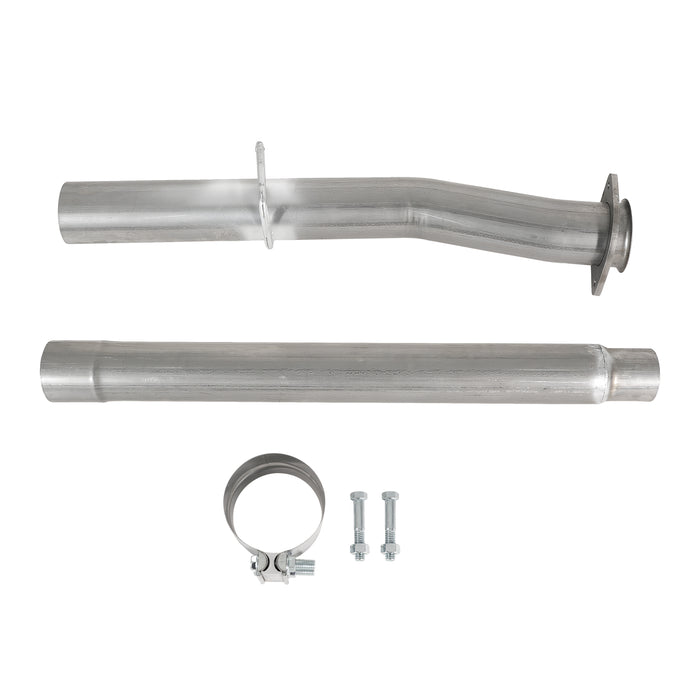
- Material & Specifications: Constructed from 1.5mm thick T409 stainless steel featuring a 4.0" inlet diameter, offering superior heat-resistance and durability compared to standard OEM aluminized steel exhaust systems.
- Maintenance & Reliability: Eliminates the need for regular DPF maintenance (cleaning or replacement) and removes the risk of DPF failures that can lead to expensive diesel repairs.
- Performance Enhancement: Enhances exhaust flow and boosts engine performance by significantly reducing exhaust backpressure.
- Vehicle Fitment: Designed for 2008-2010 6.4L Powerstroke F-250, F-350, F-450, and F-550 SuperDuty pickup trucks (crew cab short bed & crew cab long bed), including Cab & Chassis models.
Built for 2008–2010 Ford 6.4L Powerstroke F-250, F-350, F-450, and F-550 Super Duty trucks, this high-flow exhaust solution is designed for owners looking to improve exhaust system durability and reduce the limitations of the factory DPF and catalytic converter assembly. By increasing exhaust flow and reducing unnecessary restriction, it helps create a more efficient foundation for towing, daily driving, and performance-focused diesel builds. When combined with proper calibration and supporting upgrades, the Seguler 4" Cat & DPF Delete Pipe provides a reliable exhaust path designed to handle the demands of heavy-duty diesel applications.
What Makes These Components Different
At a combined price point that reflects basic aftermarket pricing, the Seguler exhaust components are designed to address the three common areas where airflow and durability improvements can make the biggest difference — pre-turbo flow through the up-pipes, intake contamination from the EGR system, and post-turbo restriction from the DPF and catalyst.
EGR System Upgrade Kit: Complete Intake Path Solution
The 6.4L EGR cooler is bolted into the engine valley, sharing the coolant circuit with the oil cooler and front cover. When the cooler develops internal cracks — a known failure pattern on high-mileage 6.4L engines — coolant can enter the intake stream and oil system. The factory EGR system also routes soot-laden exhaust into the intake manifold, where carbon can accumulate on valves and in the intake runners over time.
The Seguler EGR System Upgrade Kit (SG-ER-0004) uses aluminum alloy construction with a polished high-flow intake elbow. The aluminum material is designed for thermal stability in the engine bay environment. The kit includes coolant line plugs and a brass barbed hose connector — components that may not be included with budget block-off-plate-only kits. The intake elbow replaces the factory EGR-equipped elbow, providing a direct intake path from the intercooler to the manifold — helping maintain smoother airflow and cleaner intake conditions for modified and high-mileage trucks.
Heavy Duty Up-Pipes: Reinforced for the Pre-Turbo Environment
The up-pipes on the 6.4L Powerstroke carry exhaust from the manifolds to the compound turbocharger inlet. This is the hottest, highest-pressure section of the exhaust path. Factory up-pipes use bellows sections that can crack under repeated thermal cycling — a leak here means exhaust energy that should be spinning the turbo is instead venting into the engine bay.
The Seguler up-pipe kit (SG-DP-0023) uses stainless steel with reinforced interlocking braided corrugated pipe sections. Precision-machined flanges are designed for proper alignment with factory manifold and turbo mounting points — improving exhaust energy delivery to the compound turbo system. The kit includes four gaskets and all required hardware, meaning no separate sourcing of fasteners or flange seals.
High-Flow Exhaust Pipe: 4-Inch Mandrel-Bent T409 Stainless
The factory DPF and catalyst assembly is designed for emissions control, but over time it can contribute to increased exhaust restriction and additional thermal load during regeneration cycles. Reduced exhaust flow may affect turbo response and overall diesel efficiency, especially in high-mileage or heavy-duty towing applications.
The Seguler High-Flow Exhaust Pipe (SG-ER-0034) features a 4-inch mandrel-bent design made from T409 stainless steel with a 1.5mm wall thickness. Compared with lower-cost aluminized steel alternatives, T409 stainless provides improved heat resistance and corrosion protection for long-term durability. The larger exhaust diameter helps create a smoother exhaust path with reduced restriction compared with the factory DPF/catalyst assembly.
The kit includes all required clamps and hardware for installation. Two pipe sections replace the factory exhaust section between the downpipe and rear exhaust connection, providing a durable high-flow solution for 2008-2010 Ford 6.4L Powerstroke applications.
Why Address All Three Together
The three components in a 6.4L Powerstroke Exhaust Upgrade address different points in the same system:
- The EGR upgrade kit addresses the contamination source at the intake — reducing soot and coolant entering the combustion chambers.
- The up-pipes ensure the exhaust energy leaving the cylinders actually reaches the turbos — no more waste through cracked bellows.
- The high-flow exhaust pipe removes the post-turbo restriction — reducing backpressure and eliminating regeneration-related fuel dilution.
Addressing two out of three is an improvement. But leaving one restriction in place means the full potential of the other two is limited by what remains. The labor to access the EGR cooler and up-pipes already requires significant disassembly — combining the work saves repeating the teardown.
Why Choose Seguler?
🔩 Stainless Construction
Built to handle extreme diesel exhaust temperatures. T409 stainless steel and reinforced interlocking braided sections are selected for durability under repeated heat cycles compared with basic entry-level materials.
📦 Complete Hardware Included
Less searching, easier installation. Every kit includes the gaskets, bolts, coolant plugs, hose connectors, and routing clips needed for the job — no separate sourcing of hardware or fasteners.
🔧 Designed for 6.4L Fitment
Engineered around factory mounting points. Precision-machined flanges are designed for proper bolt-hole alignment with the 6.4L’s exhaust manifolds, turbo inlet, and factory hanger locations.
DIY Installation: 6.4L Exhaust System Upgrade
These three exhaust components are located in different areas of the truck — the EGR cooler sits in the engine valley, the up-pipes connect the manifolds to the turbo, and the DPF/CAT assembly runs under the cab. Professional installation is recommended for the EGR system upgrade and up-pipe replacement. The high-flow exhaust pipe is more accessible from underneath.
EGR System Upgrade Kit Installation
The 6.4L EGR system uses two coolers — a vertical cooler on top and a horizontal cooler in the engine valley. Access requires removing the battery tray, degas bottle, steering shaft, and upper radiator hose to reach both units. The kit (SG-ER-0004) replaces both coolers with a block-off plate at the exhaust manifold, coolant line plugs, and a polished aluminum intake elbow.
Tools needed: socket set (8mm–15mm), 10mm wrench, 13mm wrench, torque wrench, coolant drain pan, pick tool set, flathead screwdriver, shop rags.
Before starting: disconnect both batteries, drain coolant from the radiator drain plug on the driver-side bottom, and have replacement coolant available.
Step 1 — Disconnect both batteries and drain coolant from the radiator drain plug. Remove the upper radiator hose, degas bottle hoses, vent line, battery tray, and degas bottle. Save the 3/8" hose running to the degas bottle — it will be reused.
Step 2 — Loosen the driver-side intercooler tube clamp and pull the tube back for clearance. Disconnect the electrical connector on top of the vertical EGR cooler. Remove the nuts, bolts, and clamps securing the two coolers together, then pull the vertical EGR cooler up and out.
Step 3 — Remove the upper radiator hose from the thermostat housing. Remove the upper EGR cooler mount (three 10mm bolts + one 13mm stud — keep the stud). Remove the steering shaft bolt and slide the shaft out. Do not turn the wheel with the shaft disconnected.
Step 4 — Remove the nut securing the dipstick tube and move it aside. Release the clamps on the lower EGR cooler — access through the wheel well helps. Remove the coolant line (cutting it speeds the process) and the bolts on the rear flange.
Step 5 — Pull the lower EGR cooler forward and rotate it out. Remove the coolant line bolted to the timing cover. Install the four M10-1.25x40 bolts in the exhaust manifold and torque to factory spec.
Step 6 — Remove the coolant tube from the engine and install the supplied coolant plug. Re-install the stud with the spacer, secure the power steering line, and reassemble the steering shaft, plastic coolant tube, battery box, and degas bottle.
Step 7 — Remove the EGR valve (four bolts + hose clamp). Install the intake elbow: slide it into the boot, align the flange, and secure with M6-1.25x25 bolts.
Step 8 — Use the saved 3/8" hose and the barbed connector from the kit to reconnect the coolant line to the degas bottle. Reuse factory hose clamps. Secure coolant lines with routing clips, refill coolant, bleed the system, and check for leaks before road testing.
Estimated time: 6–8 hours for first-time installation.
Heavy Duty Exhaust Up-Pipe
The 6.4L up-pipes run from the exhaust manifolds up to the compound turbocharger inlet. Access is from underneath the truck — the pipes are visible between the engine block and the firewall on both sides.
Tools needed: socket set (10mm–15mm), ratchet with extensions, penetrating oil, torque wrench, brake cleaner, safety glasses.
Before starting: allow the exhaust system to cool completely. Apply penetrating oil to the manifold and turbo flange bolts the night before — these fasteners experience extreme heat cycling and may be seized.
Step 1 — Remove the bolts at the exhaust manifold flanges first, then at the turbo inlet flanges. Extract both old up-pipes and inspect the bellows sections — visible cracks or soot residue confirm the pipes were leaking.
Step 2 — Clean the manifold and turbo mating surfaces. Install the new up-pipes with the supplied gaskets, starting all flange bolts by hand. The pipes have flex sections — center them evenly on both manifolds and the turbo inlet before tightening.
Step 3 — Torque the manifold flange bolts to 18 ft-lbs, then tighten the turbo flange bolts. The 6.4L’s rear-most manifold bolt holes are prone to stripping over time — if a bolt won’t hold torque, a flange nut through-bolted from the back side is a common field fix (the teeth bite into the turbo housing and self-lock).
Step 4 — Check the exhaust back pressure sensor tube: aftermarket up-pipes may position the sensor port differently than the factory pipes. The tube may need slight bending to reach the new port location without kinking.
Step 5 — Wipe down all pipe surfaces with brake cleaner before the first heat cycle — this removes fingerprints and oil that would smoke on startup. Start the engine and check for exhaust leaks at all four flanges. Recheck after the first heat cycle.
Estimated time: 2–4 hours.
High-Flow Exhaust Pipe Installation
The factory DPF and catalyst assembly runs from the downpipe to the factory exhaust aft of the transmission. The pipe (SG-ER-0034) replaces this section with two sections of 4-inch T409 stainless tubing. Installation is accessible from underneath with the truck on jack stands or a lift.
Tools needed: socket set (10mm–15mm), penetrating oil, exhaust hanger removal tool, anti-seize compound, safety glasses.
Before starting: calibration changes must be loaded to address DPF and SCR sensor monitoring. The pipe is designed to accommodate multiple cab and bed configurations — measure the second pipe section before final connection if trimming is needed.
Step 1 — Unplug all DPF pressure and temperature sensors. Starting at the downpipe flange, loosen the flange bolts and the clamp at the rear of the DPF. Release the metal hanger from the factory rubber mount, then lower the assembly — it’s heavy, use a transmission jack or have help.
Step 2 — Place the welded metal hanger on pipe #1 into the factory rubber mount. Loosely connect the flanged end of pipe #1 to the downpipe — do not fully tighten yet.
Step 3 — Connect pipe #2 to the muffler section. Measure and trim the second section before final connection if needed for your cab/bed configuration.
Step 4 — Adjust the entire system for even clearance at all points. Tighten all clamps working front to back, applying anti-seize to clamp bolts. Load the calibration for DPF and SCR monitoring. Start the engine, check for leaks at all slip joints, and recheck clamps after the first heat cycle.
Estimated time: 1–2 hours.
🚫 Four Expensive Mistakes 6.4L Owners Make During Exhaust Upgrades
Mistake 1: Addressing the DPF While Ignoring the EGR Cooler
Replacing the DPF solves regeneration-related fuel dilution and backpressure, but the EGR cooler remains the component most likely to cause a catastrophic failure. Internal cooler cracking allows coolant into the intake — a problem that can progress from gradual coolant loss to hydrolock without warning. If you’re already under the hood, leaving the EGR cooler untouched means paying for labor twice when it eventually fails.
The fix: If budget is tight, prioritize the EGR upgrade kit over the DPF pipe. The EGR cooler failure is harder to detect early and more expensive to recover from than DPF restriction.
Mistake 2: Throwing Away Factory Parts Needed for Reassembly
During the EGR installation, several factory components are reused: the 3/8" hose running to the degas bottle, the stud from the upper EGR cooler mount for the power steering line, and the factory hose clamps at the coolant connections. Tossing these into the scrap pile means an unplanned trip to the parts store mid-install — or worse, a coolant leak from an improvised connection.
The fix: Bag and label everything as it comes off. The barbed hose connector in the kit is designed to work specifically with the factory 3/8" hose — not generic replacement line.
Mistake 3: Skipping Up-Pipe Inspection During DPF or EGR Work
The 6.4L up-pipe bellows are a known fatigue point — heat cycling eventually cracks the corrugated sections. If you’re already under the truck removing the DPF or in the engine bay pulling the EGR cooler, the marginal labor to inspect and replace up-pipes is negligible. Finding leaking bellows a month after reassembly means unbolting everything again.
The fix: Check for black soot residue around the bellows. If either side shows cracking, replace both — the passenger and driver-side pipes see the same heat cycles and the second failure isn’t far behind.
Mistake 4: Installing Hardware Before Confirming Calibration Compatibility
Not all calibration solutions support every hardware combination. Loading a DPF-only calibration when EGR hardware is also removed can trigger persistent EGR position and flow sensor faults. Loading a tune that does not account for removed SCR components causes communication errors. The truck may start and run — but the check engine light and reduced-power events will follow.
The fix: Confirm with your calibration provider exactly which hardware changes their tune supports before turning a single bolt. Match the calibration to the hardware, not the other way around.
Common Questions About the 6.4L Powerstroke Exhaust Upgrade
Q1: Will upgrading the exhaust system improve fuel economy on a 6.4L Powerstroke?
A1: Some owners report changes in fuel economy after exhaust system modifications, particularly when DPF regeneration cycles are eliminated. Regeneration burns additional diesel fuel to heat the DPF — without it, some of that fuel stays in the tank. However, results vary based on driving conditions, calibration, tire size, and gearing. The improvement is typically more noticeable in trucks that previously experienced frequent regen cycles due to a partially loaded DPF.
Q2: Does a DPF replacement require tuning?
A2: Changing factory emissions-related exhaust components requires calibration adjustments to properly match the new hardware configuration. The 6.4L ECM monitors DPF pressure differential, exhaust temperature sensors, and regeneration status — calibration updates help ensure these systems operate correctly with the updated components.
Q3: How do I know if my 6.4L up-pipes are leaking?
A3: Look for black soot residue around the bellows sections of the up-pipes — this is the most visible indication. Audible signs include a ticking or hissing sound from the engine bay under load, particularly when the engine is cold. Reduced boost response and increased turbo lag can also indicate a pre-turbo exhaust leak, though these symptoms can have multiple causes.
Q4: Can I install the EGR upgrade kit without addressing the DPF?
A4: Yes, they are mechanically independent. The EGR upgrade addresses the intake and coolant side. The DPF remains in the exhaust path. Keeping the DPF while removing the EGR soot source reduces one source of intake contamination, but the backpressure and regeneration cycles from the DPF remain unchanged. Some owners address both together for a more complete change in system behavior. Many customers choose a complete airflow package to avoid repeating labor later, since accessing the EGR cooler and up-pipes already requires significant disassembly.
Q5: Will exhaust modifications make my 6.4L Powerstroke louder?
A5: The DPF and catalyst act as significant mufflers in the factory exhaust system. Changing the factory DPF and catalyst configuration can alter exhaust sound characteristics — typically a deeper, more present tone, especially under load. The up-pipes and EGR upgrade kit do not directly affect exhaust volume.
Q6: What is the primary benefit of upgrading the exhaust on a 6.4L?
A6: The primary benefit of exhaust modifications is addressing multiple factory system restrictions at once — reducing backpressure, eliminating regeneration-related fuel dilution risk, stopping soot and potential coolant contamination at the intake, and ensuring pre-turbo exhaust flow through leak-free up-pipes. Proper calibration should always match the installed hardware configuration for optimal results. For trucks that tow, idle frequently, or accumulate high mileage, these changes address known failure points before they cascade into more expensive repairs.
Q7: Are these components compatible with 2008-2010 F-450 and F-550 chassis cab trucks?
A7: The EGR upgrade kit and up-pipes fit 2008-2010 F-250 through F-550 models. The high-flow exhaust pipe fits F-250 through F-450 crew cab configurations and cab & chassis trucks. Verify specific fitment for your cab and bed configuration before purchasing.
Q8: What other components should I inspect during exhaust system work on a 6.4L?
A8: While the intake manifold and exhaust components are accessible, inspect the turbocharger for shaft play, the coolant lines for brittleness, and the engine oil for signs of fuel dilution. The labor overlap during installation provides a practical opportunity to assess these items — catching a developing turbo seal leak or aging coolant hose during the upgrade is far less expensive than discovering it after reassembly.
Q9: Is this upgrade suitable for towing and daily driving?
A9: Yes. Many 6.4L Powerstroke owners choose exhaust upgrades for towing, hauling, and high-mileage applications because improved airflow and reduced exhaust restriction can help the engine operate more efficiently under load. F-250 and F-350 owners who tow regularly — travel trailers, goosenecks, heavy equipment — often report that the engine runs at lower exhaust gas temperatures during sustained grades after addressing the factory exhaust restrictions.
🏁 The Bottom Line
The 2008–2010 6.4L Powerstroke has the hardware to make reliable power — but over time, the factory exhaust system can introduce restrictions that limit its potential. Over time, regeneration cycles, intake contamination from the EGR system, and exhaust heat cycling through the up-pipes can place additional stress on key engine components.
A 6.4L Powerstroke Exhaust Upgrade across all three restricted sections — the intake (EGR), the pre-turbo path (up-pipes), and the post-turbo path (DPF/CAT) — addresses the system as a whole rather than treating one symptom at a time. The parts don’t bulletproof the engine. They do reduce the factory airflow and emissions-system related stress points that can accelerate wear on components that are expensive to replace.
Explore Seguler’s 6.4L Powerstroke upgrade components designed for improved airflow, durability, and long-term diesel performance at seguler.com.
Featured collection
-
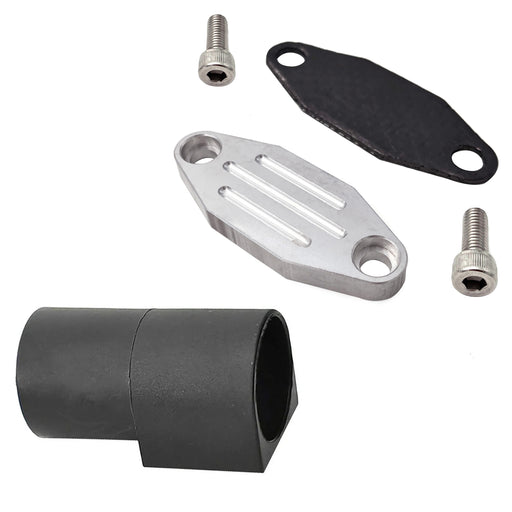
Seguler 1986-1995 Ford F150 F250 F350 Mustang Trucks EGR Simulator Eliminator / Block Off Plate Kit
SEGULEROriginal price $79.99 - Original price $79.99Original price$79.99$79.99 - $79.99Current price $79.99Block Off Plate Material: Aluminum alloy. Easy installation,and convenient to use. Made of CNC milled from aircraft grade Billet aluminum. Will N...
View full details -

Seguler 2011-2023 6.7L Ford Powerstroke Diesel EGR Delete Kit
SEGULEROriginal price $109.99 - Original price $109.99Original price$109.99$109.99 - $109.99Current price $109.99FITMENT 2011-2023 6.7L Ford Powerstroke F-250 F-350 F-450 F-550 Super Duty V8 Diesel. compatible with both standard Pickups and commercial Cab &...
View full details -
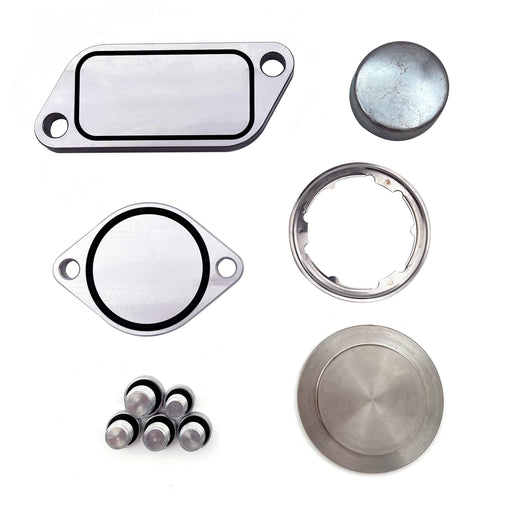
For 2010-Present Stage 2 ISX 15 CM2250 CM2350 EGR Delete Kit
SEGULEROriginal price $59.99 - Original price $59.99Original price$59.99$59.99 - $59.99Current price $59.99FITMENT 2010-Present Cummins Volvo, Peterbilt, Mack, International, Freightliner, Kenworth with the ISX15 CM2250 / CM2350 engines. DESCRIPTION P...
View full details -
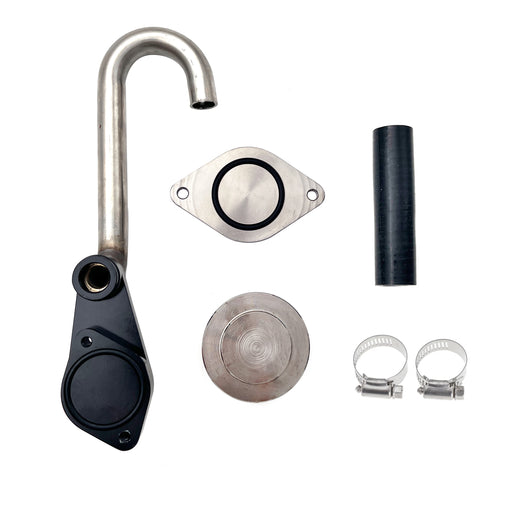
Seguler 2003-2007 6.0L FORD Powerstroke Diesel EGR Cooler Delete Kit
SEGULEROriginal price $56.14 - Original price $56.14Original price$56.14$56.14 - $56.14Current price $56.14FITMENT 2003-2007 6.0L Ford F-250 Ford F-350 F-450 F-550 Super Duty. 2003-2007 6.0L Ford Excursion SUV (Diesel Models Only). 2005-2010 Ford E-Se...
View full details -
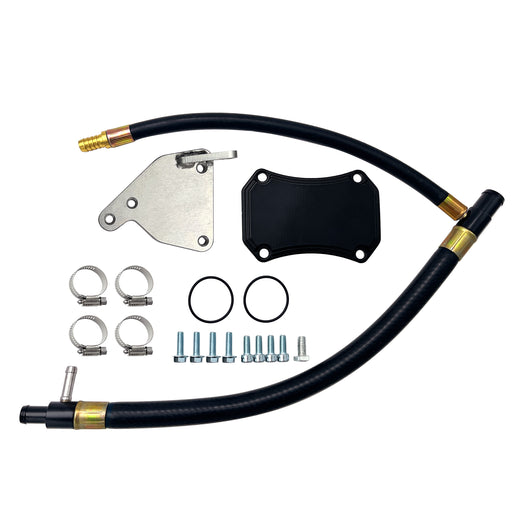
For 2011-2016 6.6L GMC Chevy Duramax Diesel LML EGR Valve Cooler Delete Kit
SEGULEROriginal price $66.49 - Original price $66.49Original price$66.49$66.49 - $66.49Current price $66.49FITMENT 2011-2016 6.6L Chevy GMC Duramax LML 2500 HD 3500 HD Diesel. DESCRIPTION Product Overview The 2011–2016 LML Duramax uses a complex EG...
View full details -
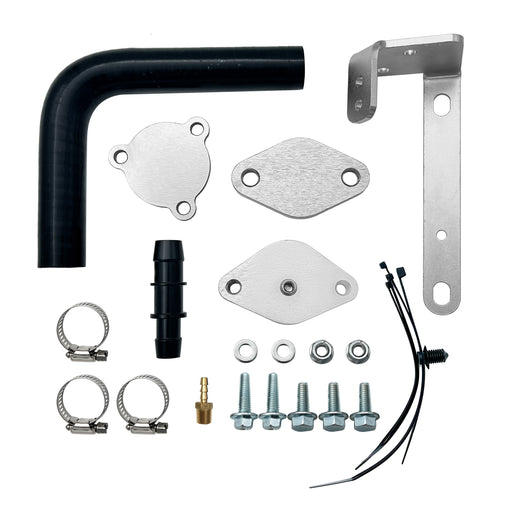
Seguler For 2014-2019 3.0L Dodge Ram 1500 EcoDiesel EGR Valve & Cooler Delete Kit
SEGULEROriginal price $72.99 - Original price $72.99Original price$72.99$72.99 - $72.99Current price $72.99FITMENT 2014-2019 3.0L Dodge Ram 1500 EcoDiesel V6 engine trucks. DESCRIPTION Product Overview Exhaust gas recirculation on 3.0L EcoDiesel V6 ...
View full details -

Seguler 2011-2023 6.7L Ford Powerstroke Diesel EGR Delete Kit
SEGULEROriginal price $85.99 - Original price $85.99Original price$85.99$85.99 - $85.99Current price $85.99FITMENT 2011-2023 6.7L Ford Powerstroke F-250 F-350 F-450 F-550 Super Duty V8 Diesel. compatible with both standard Pickups and commercial Cab &...
View full details -

Seguler 2010-2024 6.7L Dodge Ram Cummins Diesel EGR Valve Cooler Delete Kit
SEGULEROriginal price $89.99 - Original price $89.99Original price$89.99$89.99 - $89.99Current price $89.99FITMENT 2010–2024 6.7L Dodge Ram Cummins 2500 / 3500 Pickup Turbo Diesel. Note: Does NOT fit Chassis Cab 3500 / 4500 / 5500 models. DESCRIPTIO...
View full details -
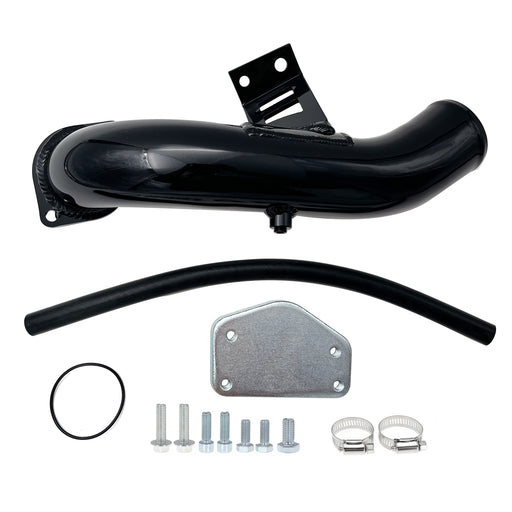
For 2004.5-2005 6.6L Chevy GMC Silverado LLY Duramax Diesel EGR Delete Kit
SEGULEROriginal price $92.99 - Original price $92.99Original price$92.99$92.99 - $92.99Current price $92.99FITMENT 2004.5-2005 6.6L Chevrolet Silverado Duramax LLY 2500HD / 3500 HD. 2004.5-2005 6.6L GMC Sierra Duramax LLY 2500HD / 3500 HD. DESCRIPTION...
View full details -

Seguler 2017-2019 L5P Duramax Diesel 4pcs L5P Can Bus Plugs Connector Replacement
SEGULEROriginal price $75.00 - Original price $75.00Original price$75.00$75.00 - $75.00Current price $75.00FITMENT 2017–2019 Chevrolet Silverado / GMC Sierra Duramax L5P 2500HD & 3500HD Diesel. DESCRIPTION Product Overview Unprotected harness con...
View full details -

Seguler 2020-2023 chevy duramax L5P Diesel Can Bus Plugs Connector
SEGULEROriginal price $80.00 - Original price $80.00Original price$80.00$80.00 - $80.00Current price $80.00FITMENT 2020–2023 Chevrolet Silverado / GMC Sierra Duramax L5P 2500HD & 3500HD Diesel. DESCRIPTION Product Overview Unprotected harness pl...
View full details -
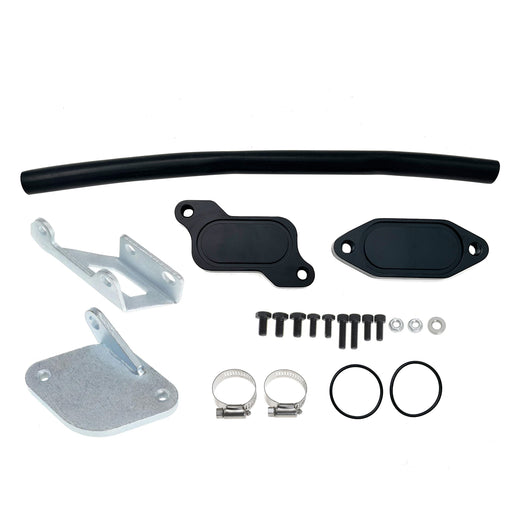
For 2006-2007 6.6L Chevrolet Silverado Classic GMC Duramax LBZ Diesel EGR Valve Cooler Delete Kit
SEGULEROriginal price $63.49 - Original price $63.49Original price$63.49$63.49 - $63.49Current price $63.49FITMENT 2006-2007.4 Chevrolet Silverado Duramax LBZ 2500HD / 3500HD. 2007.4 Chevrolet Silverado Duramax LBZ 2500HD / 3500HD Classic. 2006-2007.4 ...
View full details -

Seguler 2011-2023 6.7L Ford F250 F350 F450 F550 Powerstroke Diesel EGR Valve Delete Cooler Delete Kit
SEGULEROriginal price $55.99 - Original price $55.99Original price$55.99$55.99 - $55.99Current price $55.99FITMENT 2011-2023 6.7L Ford Powerstroke F-250 F-350 F-450 F-550 Super Duty V8 Diesel compatible with both standard Pickups and commercial Cab &a...
View full details -
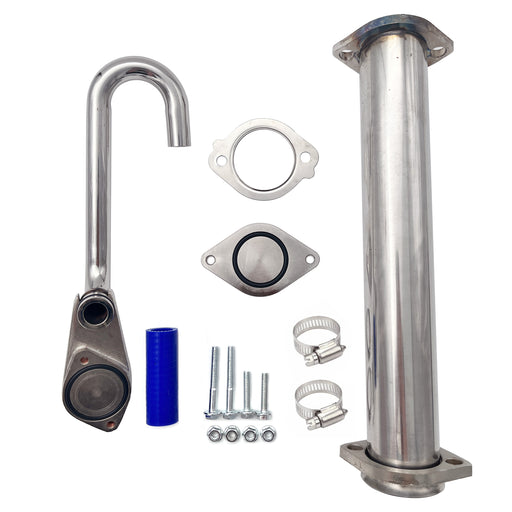
Seguler 2003-2007 6.0L Ford F250 F350 Powerstroke Diesel EGR Basic Cooler Kit
SEGULEROriginal price $79.99 - Original price $79.99Original price$79.99$79.99 - $79.99Current price $79.99FITMENT 2003-2007 6.0L Ford F250 F350 F450 F550 Super Duty Turbo (except 2004 F250 Super Duty). 2003-2005 6.0L Ford Excursion Turbo. 2005 Ford F...
View full details -
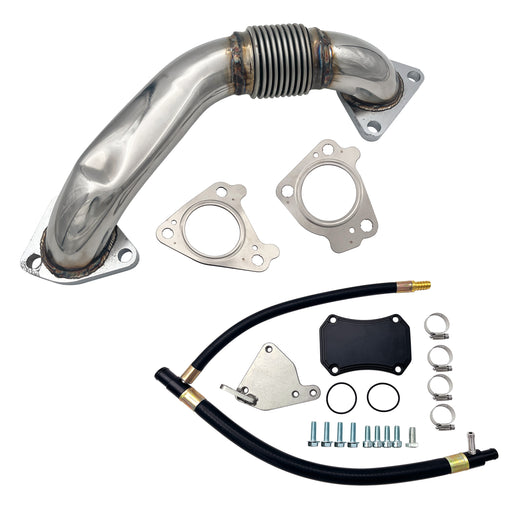
Seguler 2011-2016 6.6L GMC Chevy Duramax Diesel LML Up-Pipe & EGR Valve Cooler Delete Kit
SEGULEROriginal price $173.86 - Original price $173.86Original price$173.86$173.86 - $173.86Current price $173.86FITMENT 2011-2016 6.6L Chevy GMC Duramax LML 2500 HD 3500 HD Diesel. DESCRIPTION Product Overview Direct-injection technology endows GM 5.3L an...
View full details -
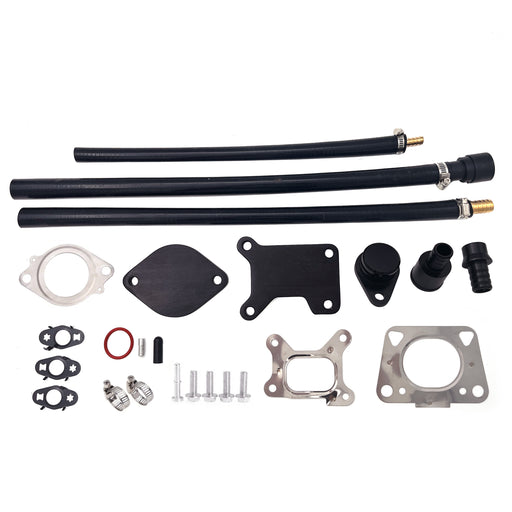
For 2017-2023 6.6L Chevy GMC Duramax L5P diesel EGR Valve Cooler Delete kit
SEGULEROriginal price $131.99 - Original price $131.99Original price$131.99$131.99 - $131.99Current price $131.99FITMENT 2017–2023 6.6L Chevrolet Silverado / GMC Sierra Duramax L5P 2500HD 3500HD Diesel. DESCRIPTION Product Overview Hot soot recirculation ...
View full details -
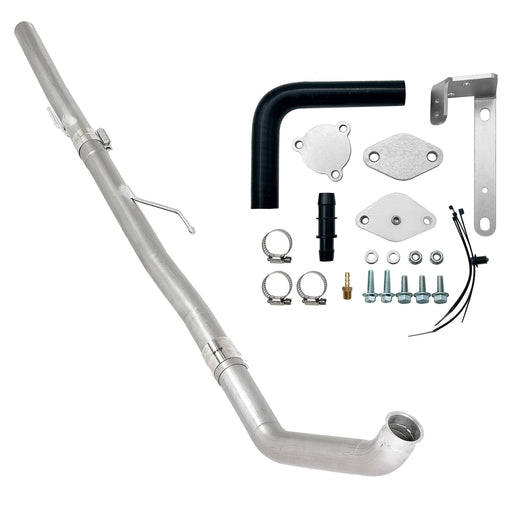
Seguler 3" Ecodiesel DPF Delete Pipe & EGR Delete kit for 2014-2018 3.0L Ram
SEGULEROriginal price $342.00 - Original price $342.00Original price$342.00$342.00 - $342.00Current price $342.00FITMENT 2014–2018 3.0L Dodge Ram 1500 EcoDiesel V6. NOTE: Fit standard Pickup models only (Crew Cab, Quad Cab). Does NOT fit Jeep Grand Cheroke...
View full details -
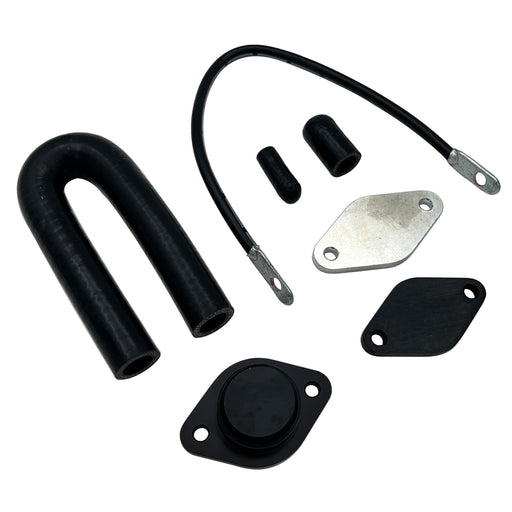
Seguler EGR valve cooler Delete kit for 2020-2022 3.0L Chevy Duramax LM2
SEGULEROriginal price $189.12 - Original price $189.12Original price$189.12$189.12 - $189.12Current price $189.12FITMENT 2020–2022 3.0L Chevrolet Silverado GMC Sierra 1500 LM2 Turbo-Diesel. DESCRIPTION Product Overview Powered by smooth inline-six engine...
View full details -

For 2013-2023 6.7L Dodge Ram Cummins Cab & Chassis EGR Delete Kit Diesel
SEGULEROriginal price $62.99 - Original price $62.99Original price$62.99$62.99 - $62.99Current price $62.99FITMENT 2013–2023 6.7L Ram Cummins 3500 4500 5500 Cab & Chassis / Commercial Trucks. Does NOT fit standard Ram 2500 3500 Pickups. DESCRIPTIO...
View full details -
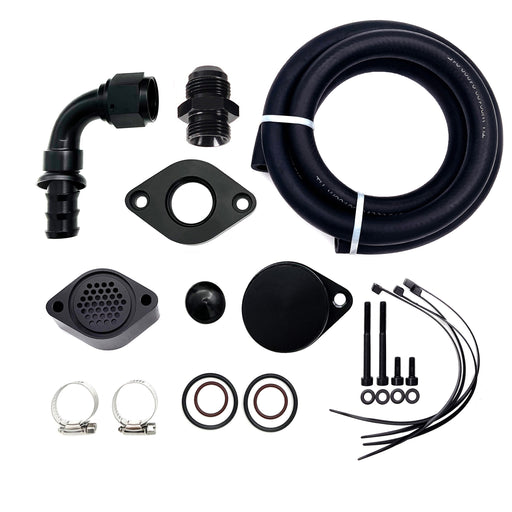
Seguler 2011-2023 6.7L Ford Powerstroke CCV PCV Reroute Engine Ventilation Kit
SEGULEROriginal price $82.99 - Original price $82.99Original price$82.99$82.99 - $82.99Current price $82.99FITMENT 2011-2023 6.7L Ford Powerstroke F-250 F-350 F-450 F-550 Super Duty V8 Diesel. Compatible with both standard Pickups and commercial Cab &...
View full details -
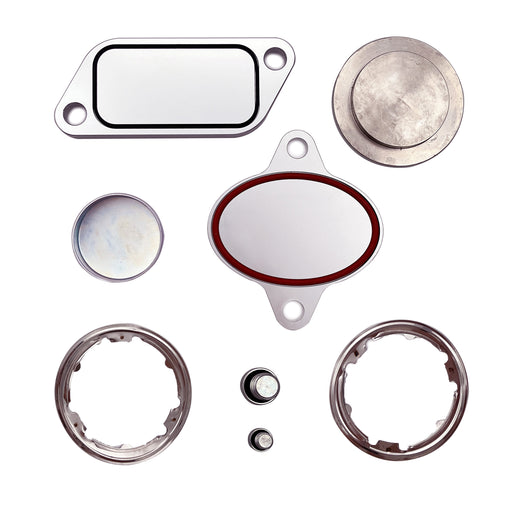
For 2007-2010 Cummins ISX CM871 EGR Plug Kit Stage 2 Plates and Plugs Aluminum
SEGULEROriginal price $67.99 - Original price $67.99Original price$67.99$67.99 - $67.99Current price $67.99FITMENT 2007-2010 Cummins Volvo, Peterbilt, Mack, International, Freightliner, Kenworth with the ISX CM871 Engines. DESCRIPTION Product Overvie...
View full details -
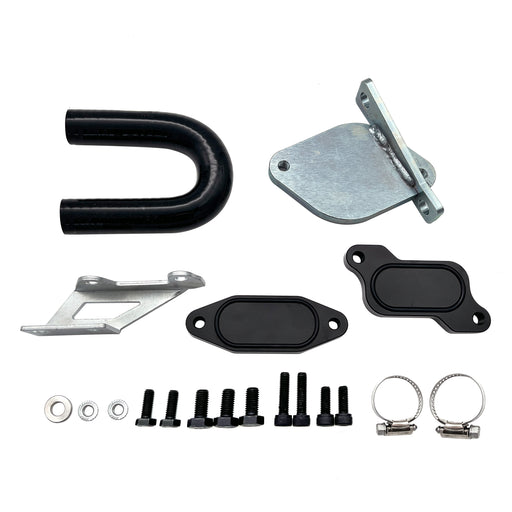
For 2007-2010 6.6L Chevy GMC LMM Duramax EGR Valve Cooler Delete Kit Fit
SEGULEROriginal price $61.99 - Original price $61.99Original price$61.99$61.99 - $61.99Current price $61.99FITMENT 2007.5-2010 6.6L Chevrolet Silverado Duramax LMM 2500HD / 3500HD. 2007.5-2010 6.6L GMC Sierra Duramax LMM 2500HD / 3500HD. Note: Standard...
View full details -
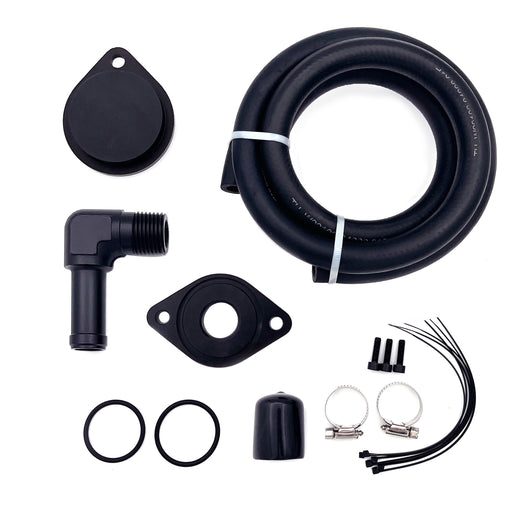
Seguler 2011-2023 Ford 6.7L Powerstroke CCV/PCV Reroute/Delete Engine Ventilation Kit
SEGULEROriginal price $72.00 - Original price $72.00Original price$72.00$72.00 - $72.00Current price $72.00FITMENT 2011-2023 6.7L Ford Powerstroke F-250 F-350 F-450 F-550 Super Duty V8 Diesel. Compatible with both standard Pickups and commercial Cab &...
View full details -
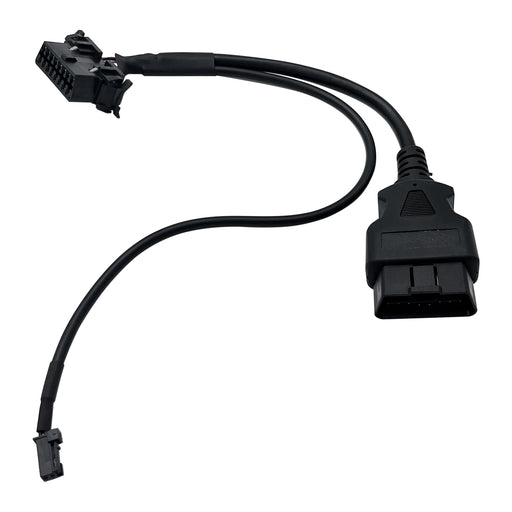
Seguler 2018+ RAM Cummins OBD2 HD Security Gate Bypass Cable
SEGULEROriginal price $45.00 - Original price $45.00Original price$45.00$45.00 - $45.00Current price $45.00FITMENT 2018+ 6.7L Ram Cummins 2500 3500 Turbo Diesel. Designed for Ram pickup trucks equipped with the factory Security Gateway Module. Note: Pl...
View full details -
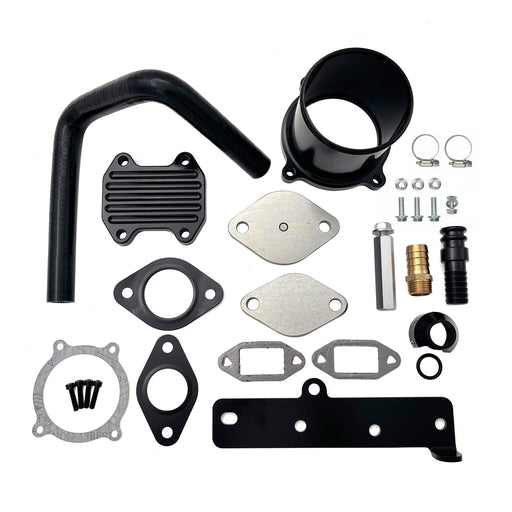
Seguler For 2013-2018 6.7L Dodge RAM 2500 3500 Cummins Diesel EGR Delete Cooler Throttle Valve Delete Kit
SEGULEROriginal price $112.00 - Original price $112.00Original price$112.00$112.00 - $112.00Current price $112.00FITMENT 2013–2018 6.7L Dodge Ram Cummins 2500 & 3500 Pickup Turbo Diesel. Note: Does NOT fit Cab & Chassis (3500 / 4500 / 5500 C&C) m...
View full details


Leave a comment