

Chevy 3500HD Overheating While Towing? Fix It
🔑 Key Takeaways
- Exhaust upgrades reduce backpressure, lowering EGT by 100-200°F during heavy towing
- 4" to 5" diameter exhaust provides significant cooling benefits for 3500HD trucks
- Installing a catalytic converter delete or high-flow exhaust cuts engine temps
- Lower operating temperatures extend head gasket and EGR cooler lifespan
- For off-road use only—check emissions regulations before modifying
Why Does the Chevy 3500HD Overheat When Towing?
Before diving into exhaust upgrades, it is important to understand why heavy towing leads to overheating on the Chevy 3500HD. The Duramax diesel and gas variants share common thermal stress factors:
- Increased Engine Load — Towing an RV, fifth-wheel, or heavy equipment trailer forces the engine to sustain high output for extended periods, generating significantly more heat than unloaded driving.
- Restricted Exhaust Flow — Stock exhaust systems are engineered primarily for noise compliance and emissions, not maximum flow. The factory piping diameter, muffler design, and catalytic converter create measurable backpressure that traps heat in the engine bay.
- Hotter Ambient Temperatures — Summer towing in 90°F+ conditions reduces the cooling system's efficiency. When ambient air is already hot, the radiator, intercooler, and oil cooler have less capacity to shed engine heat.
- EGR and DPF Systems — On diesel 3500HD models, the Exhaust Gas Recirculation (EGR) system reintroduces hot exhaust gases into the intake, raising combustion temperatures. The Diesel Particulate Filter (DPF) retains significant thermal mass and radiates heat into the surrounding components.
An inefficient exhaust system compounds these issues by trapping exhaust heat rather than evacuating it. The result: climbing coolant temperatures, reduced power output from heat soak, and in extreme cases, limp mode activation.
How an Exhaust Upgrade Reduces Overheating Risk
Upgrading your Chevy 3500HD's exhaust system addresses overheating through several mechanical pathways:
1. Reduced Backpressure Lowers Engine Load
A high-flow exhaust system with larger-diameter mandrel-bent tubing reduces backpressure by 30-50% compared to stock. Less backpressure means the pistons expend less energy pushing exhaust gases out during the exhaust stroke — energy that otherwise converts to additional heat. Independent testing shows that reducing backpressure by 2-3 psi can lower exhaust gas temperatures (EGTs) by 50-100°F under sustained load.
2. Faster Turbo Spool and Heat Dissipation (Diesel Models)
For 3500HD trucks equipped with the 6.6L Duramax, a performance downpipe and free-flowing exhaust allow the turbocharger to spool faster and expel hot gases more efficiently. The turbo itself is a major heat source — keeping exhaust moving through it quickly prevents heat from radiating into the intake charge and engine compartment.
3. Mitigating EGR and DPF Heat Soak
While a cat-back exhaust does not remove emissions equipment, it helps evacuate the heat these systems generate. The DPF in particular can reach internal temperatures exceeding 1,100°F during active regeneration. A higher-flow exhaust path helps dissipate this thermal load faster, reducing the "heat soak" effect that raises under-hood temperatures after the regen cycle completes.
4. Material Upgrades for Extreme Conditions
Quality aftermarket exhaust systems use T-409 or T-304 stainless steel, which handles thermal cycling far better than the aluminized steel used in many factory systems. Stainless steel resists warping and cracking under repeated heat stress, maintaining consistent flow characteristics over years of heavy towing.
Best Exhaust Upgrade Options for the Chevy 3500HD
Not all exhaust upgrades deliver the same results. Here is a breakdown by application:
Cat-Back Exhaust Systems
A cat-back system replaces everything from the catalytic converter (or DPF on diesels) rearward. This is the most popular upgrade path because it improves flow without modifying emissions components. Expect a 10-15°F reduction in sustained EGTs and noticeably cooler under-hood temperatures during long climbs. Best for: owners who want a bolt-on improvement with no tuning required.
Turbo-Back Exhaust Systems (Diesel)
For maximum flow, a turbo-back system replaces the entire exhaust path from the turbocharger outlet. This includes a high-flow downpipe that eliminates the restrictive factory unit. Combined with an upgraded intercooler, turbo-back systems can reduce EGTs by 100-150°F under heavy load. Best for: owners who tow at or near the 3500HD's maximum GCWR in hot climates.
High-Flow Mufflers and Resonator Deletes
A more budget-conscious option: replacing the factory muffler with a straight-through design reduces restriction without a full system replacement. Pairing this with a resonator delete further smooths flow. While less impactful than a full system, this approach can still yield measurable EGT reductions for occasional towers.
Material Choice: Stainless vs. Aluminized
- T-304 Stainless Steel: Maximum corrosion resistance. Ideal for trucks operated in road-salt regions or coastal environments. Higher upfront cost but effectively lifetime durability.
- T-409 Stainless Steel: Good balance of corrosion resistance and cost. Surface rust may appear but structural integrity remains for years.
- Aluminized Steel: Most affordable option. Suitable for dry climates but will corrode faster in humid or salty conditions.
Complementary Cooling Upgrades
An exhaust upgrade works best as part of a comprehensive cooling strategy. Combine it with these practices for maximum protection:
- Coolant System Maintenance: Flush and fill with manufacturer-specified coolant every 50,000 miles. Use a 50/50 mix for optimal heat transfer.
- Auxiliary Transmission Cooler: For fifth-wheel and gooseneck towing, an auxiliary cooler reduces transmission fluid temperatures by 20-40°F.
- Lower Gear Selection on Grades: Manually downshift to keep RPMs in the 2,000-2,500 range when climbing. This increases water pump speed and fan airflow while reducing engine lugging.
- Monitor with Gauges: Install EGT, transmission temperature, and coolant temperature gauges if your truck did not come with them from the factory.
FAQs About Chevy 3500HD Overheating and Exhaust Upgrades
Q1: Will a cat-back exhaust void my Chevy 3500HD warranty?
A1: Under the Magnuson-Moss Warranty Act, a cat-back exhaust cannot void your entire vehicle warranty. However, if an aftermarket part directly causes a failure, the dealer may deny coverage for that specific repair. Cat-back systems are downstream of emissions components and generally do not impact warranty coverage for engine or drivetrain issues.
Q2: How much EGT reduction can I realistically expect from an exhaust upgrade?
A2: A quality cat-back system typically reduces EGTs by 50-100°F under sustained load. A full turbo-back system with an upgraded downpipe can achieve 100-150°F reductions. These numbers assume proper installation and a system designed for your specific model year.
Q3: Is a 4-inch or 5-inch exhaust better for towing with a Duramax 3500HD?
A3: For most towing applications, a 4-inch system provides an excellent balance of flow and exhaust velocity. The 5-inch system offers maximum flow for builds exceeding 500 horsepower or for extreme-duty towing (consistently at or near GCWR). The larger diameter produces a deeper exhaust note but may reduce low-end torque slightly on stock-tuned engines due to reduced exhaust gas velocity.
Q4: Can I install an exhaust system on my 3500HD myself?
A4: Cat-back systems are generally DIY-friendly with basic hand tools, jack stands, and 2-3 hours of time. Turbo-back systems are more involved and may require cutting factory exhaust components. If you are not comfortable working under the vehicle or lack a torque wrench and penetrating oil, professional installation ($200-400) is recommended.
Q5: Does an exhaust upgrade improve fuel economy while towing?
A5: Yes, though the improvement is modest. By reducing pumping losses (the energy the engine wastes pushing exhaust through a restrictive system), a high-flow exhaust can improve towing fuel economy by 0.5-1.5 MPG. Over a 1,000-mile towing trip, that translates to saving 5-15 gallons of diesel.
Conclusion
If you regularly tow heavy loads with your Chevy 3500HD in warm weather, a performance exhaust system is one of the most effective upgrades for managing engine temperatures. By reducing backpressure, accelerating heat evacuation, and upgrading to more durable materials, a quality exhaust helps keep your Duramax or gas engine in its safe operating range — protecting your investment mile after mile. Visit www.seguler.com to explore exhaust systems engineered specifically for the Chevy 3500HD platform.


Featured collection
-
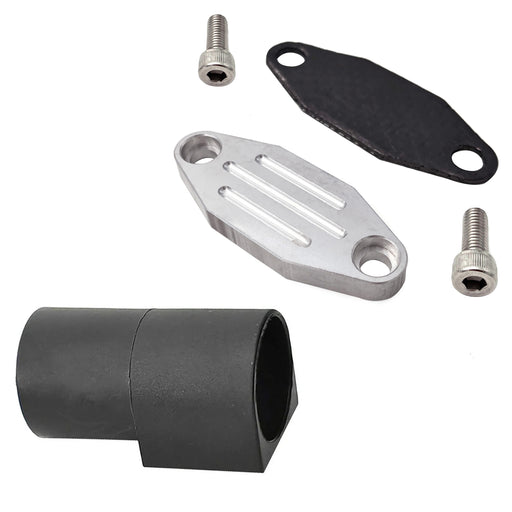
Seguler 1986-1995 Ford F150 F250 F350 Mustang Trucks EGR Simulator Eliminator / Block Off Plate Kit
SEGULEROriginal price $79.99 - Original price $79.99Original price$79.99$79.99 - $79.99Current price $79.99Block Off Plate Material: Aluminum alloy. Easy installation,and convenient to use. Made of CNC milled from aircraft grade Billet aluminum. Will N...
View full details -

Seguler 2011-2023 6.7L Ford Powerstroke Diesel EGR Delete Kit
SEGULEROriginal price $109.99 - Original price $109.99Original price$109.99$109.99 - $109.99Current price $109.99FITMENT 2011-2023 6.7L Ford Powerstroke F-250 F-350 F-450 F-550 Super Duty V8 Diesel. compatible with both standard Pickups and commercial Cab &...
View full details -
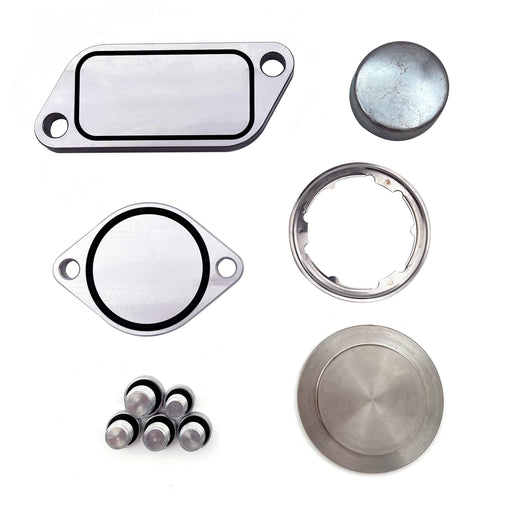
For 2010-Present Stage 2 ISX 15 CM2250 CM2350 EGR Delete Kit
SEGULEROriginal price $59.99 - Original price $59.99Original price$59.99$59.99 - $59.99Current price $59.99FITMENT 2010-Present Cummins Volvo, Peterbilt, Mack, International, Freightliner, Kenworth with the ISX15 CM2250 / CM2350 engines. DESCRIPTION P...
View full details -
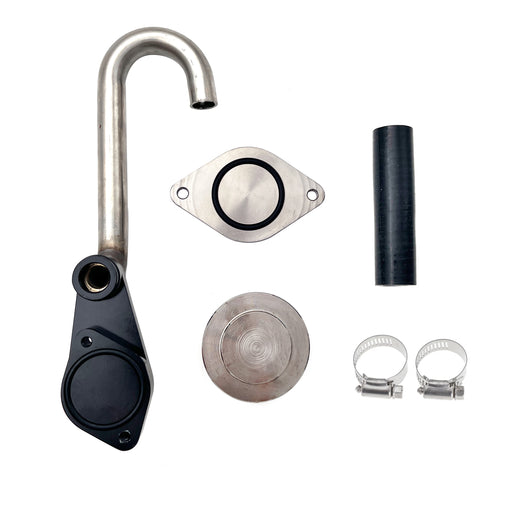
Seguler 2003-2007 6.0L FORD Powerstroke Diesel EGR Cooler Delete Kit
SEGULEROriginal price $56.14 - Original price $56.14Original price$56.14$56.14 - $56.14Current price $56.14FITMENT 2003-2007 6.0L Ford F-250 Ford F-350 F-450 F-550 Super Duty. 2003-2007 6.0L Ford Excursion SUV (Diesel Models Only). 2005-2010 Ford E-Se...
View full details -
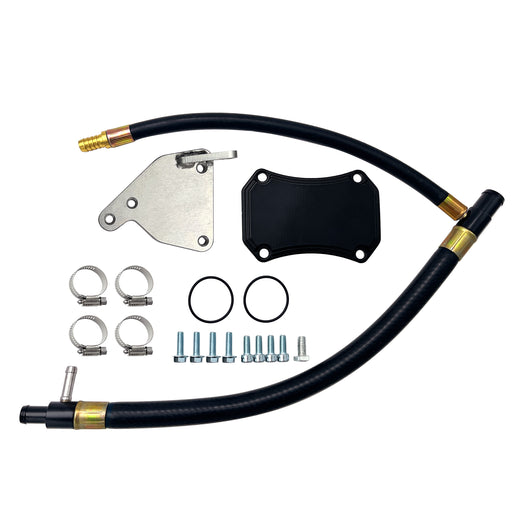
For 2011-2016 6.6L GMC Chevy Duramax Diesel LML EGR Valve Cooler Delete Kit
SEGULEROriginal price $66.49 - Original price $66.49Original price$66.49$66.49 - $66.49Current price $66.49FITMENT 2011-2016 6.6L Chevy GMC Duramax LML 2500 HD 3500 HD Diesel. DESCRIPTION Product Overview The 2011–2016 LML Duramax uses a complex EG...
View full details -
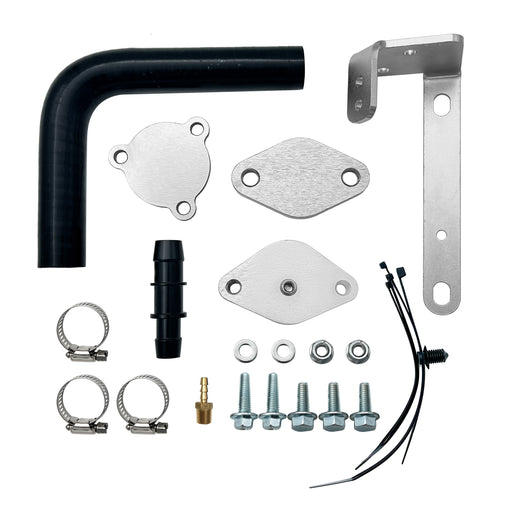
Seguler For 2014-2019 3.0L Dodge Ram 1500 EcoDiesel EGR Valve & Cooler Delete Kit
SEGULEROriginal price $72.99 - Original price $72.99Original price$72.99$72.99 - $72.99Current price $72.99FITMENT 2014-2019 3.0L Dodge Ram 1500 EcoDiesel V6 engine trucks. DESCRIPTION Product Overview Exhaust gas recirculation on 3.0L EcoDiesel V6 ...
View full details -

Seguler 2011-2023 6.7L Ford Powerstroke Diesel EGR Delete Kit
SEGULEROriginal price $85.99 - Original price $85.99Original price$85.99$85.99 - $85.99Current price $85.99FITMENT 2011-2023 6.7L Ford Powerstroke F-250 F-350 F-450 F-550 Super Duty V8 Diesel. compatible with both standard Pickups and commercial Cab &...
View full details -

Seguler 2010-2024 6.7L Dodge Ram Cummins Diesel EGR Valve Cooler Delete Kit
SEGULEROriginal price $89.99 - Original price $89.99Original price$89.99$89.99 - $89.99Current price $89.99FITMENT 2010–2024 6.7L Dodge Ram Cummins 2500 / 3500 Pickup Turbo Diesel. Note: Does NOT fit Chassis Cab 3500 / 4500 / 5500 models. DESCRIPTIO...
View full details -
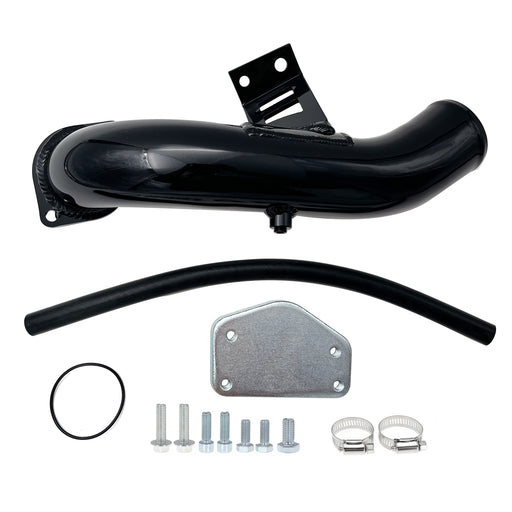
For 2004.5-2005 6.6L Chevy GMC Silverado LLY Duramax Diesel EGR Delete Kit
SEGULEROriginal price $92.99 - Original price $92.99Original price$92.99$92.99 - $92.99Current price $92.99FITMENT 2004.5-2005 6.6L Chevrolet Silverado Duramax LLY 2500HD / 3500 HD. 2004.5-2005 6.6L GMC Sierra Duramax LLY 2500HD / 3500 HD. DESCRIPTION...
View full details -

Seguler 2017-2019 L5P Duramax Diesel 4pcs L5P Can Bus Plugs Connector Replacement
SEGULEROriginal price $75.00 - Original price $75.00Original price$75.00$75.00 - $75.00Current price $75.00FITMENT 2017–2019 Chevrolet Silverado / GMC Sierra Duramax L5P 2500HD & 3500HD Diesel. DESCRIPTION Product Overview Unprotected harness con...
View full details -

Seguler 2020-2023 chevy duramax L5P Diesel Can Bus Plugs Connector
SEGULEROriginal price $80.00 - Original price $80.00Original price$80.00$80.00 - $80.00Current price $80.00FITMENT 2020–2023 Chevrolet Silverado / GMC Sierra Duramax L5P 2500HD & 3500HD Diesel. DESCRIPTION Product Overview Unprotected harness pl...
View full details -
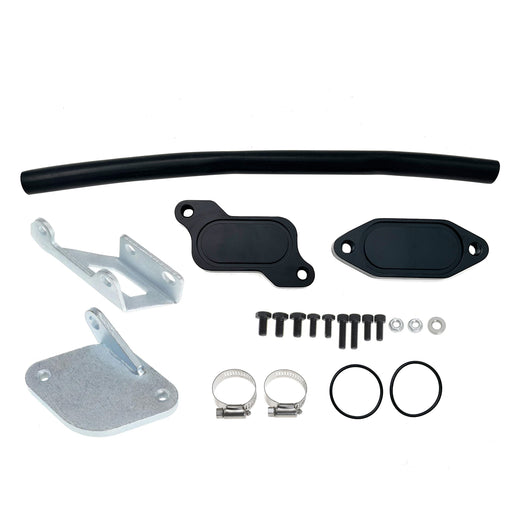
For 2006-2007 6.6L Chevrolet Silverado Classic GMC Duramax LBZ Diesel EGR Valve Cooler Delete Kit
SEGULEROriginal price $63.49 - Original price $63.49Original price$63.49$63.49 - $63.49Current price $63.49FITMENT 2006-2007.4 Chevrolet Silverado Duramax LBZ 2500HD / 3500HD. 2007.4 Chevrolet Silverado Duramax LBZ 2500HD / 3500HD Classic. 2006-2007.4 ...
View full details -

Seguler 2011-2023 6.7L Ford F250 F350 F450 F550 Powerstroke Diesel EGR Valve Delete Cooler Delete Kit
SEGULEROriginal price $55.99 - Original price $55.99Original price$55.99$55.99 - $55.99Current price $55.99FITMENT 2011-2023 6.7L Ford Powerstroke F-250 F-350 F-450 F-550 Super Duty V8 Diesel compatible with both standard Pickups and commercial Cab &a...
View full details -
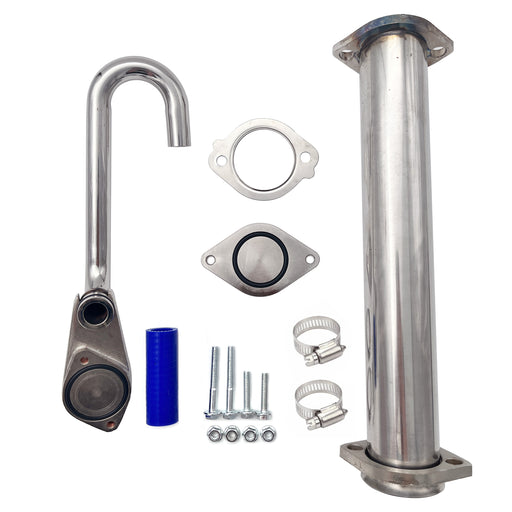
Seguler 2003-2007 6.0L Ford F250 F350 Powerstroke Diesel EGR Basic Cooler Kit
SEGULEROriginal price $79.99 - Original price $79.99Original price$79.99$79.99 - $79.99Current price $79.99FITMENT 2003-2007 6.0L Ford F250 F350 F450 F550 Super Duty Turbo (except 2004 F250 Super Duty). 2003-2005 6.0L Ford Excursion Turbo. 2005 Ford F...
View full details -
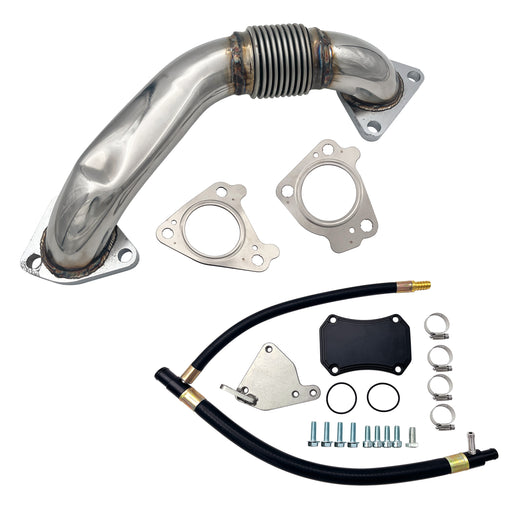
Seguler 2011-2016 6.6L GMC Chevy Duramax Diesel LML Up-Pipe & EGR Valve Cooler Delete Kit
SEGULEROriginal price $173.86 - Original price $173.86Original price$173.86$173.86 - $173.86Current price $173.86FITMENT 2011-2016 6.6L Chevy GMC Duramax LML 2500 HD 3500 HD Diesel. DESCRIPTION Product Overview Direct-injection technology endows GM 5.3L an...
View full details -
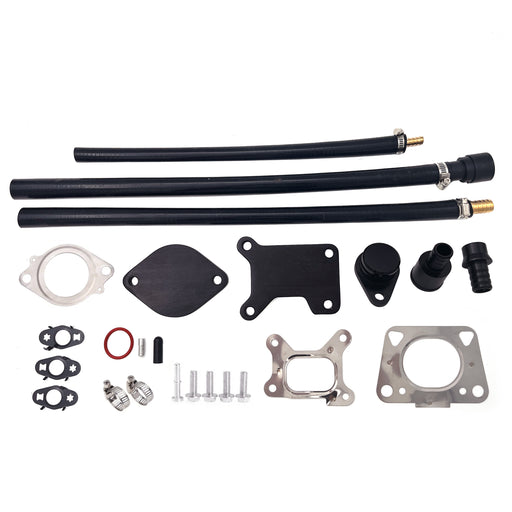
For 2017-2023 6.6L Chevy GMC Duramax L5P diesel EGR Valve Cooler Delete kit
SEGULEROriginal price $131.99 - Original price $131.99Original price$131.99$131.99 - $131.99Current price $131.99FITMENT 2017–2023 6.6L Chevrolet Silverado / GMC Sierra Duramax L5P 2500HD 3500HD Diesel. DESCRIPTION Product Overview Hot soot recirculation ...
View full details -
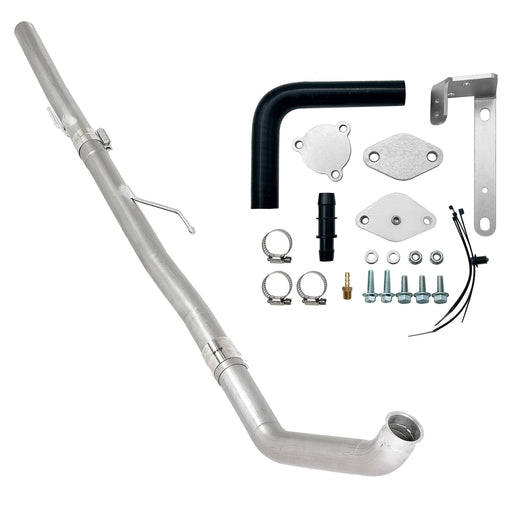
Seguler 3" Ecodiesel DPF Delete Pipe & EGR Delete kit for 2014-2018 3.0L Ram
SEGULEROriginal price $342.00 - Original price $342.00Original price$342.00$342.00 - $342.00Current price $342.00FITMENT 2014–2018 3.0L Dodge Ram 1500 EcoDiesel V6. NOTE: Fit standard Pickup models only (Crew Cab, Quad Cab). Does NOT fit Jeep Grand Cheroke...
View full details -
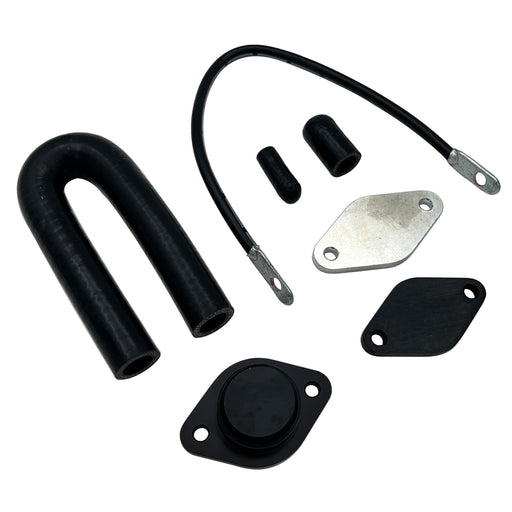
Seguler EGR valve cooler Delete kit for 2020-2022 3.0L Chevy Duramax LM2
SEGULEROriginal price $189.12 - Original price $189.12Original price$189.12$189.12 - $189.12Current price $189.12FITMENT 2020–2022 3.0L Chevrolet Silverado GMC Sierra 1500 LM2 Turbo-Diesel. DESCRIPTION Product Overview Powered by smooth inline-six engine...
View full details -

For 2013-2023 6.7L Dodge Ram Cummins Cab & Chassis EGR Delete Kit Diesel
SEGULEROriginal price $62.99 - Original price $62.99Original price$62.99$62.99 - $62.99Current price $62.99FITMENT 2013–2023 6.7L Ram Cummins 3500 4500 5500 Cab & Chassis / Commercial Trucks. Does NOT fit standard Ram 2500 3500 Pickups. DESCRIPTIO...
View full details -
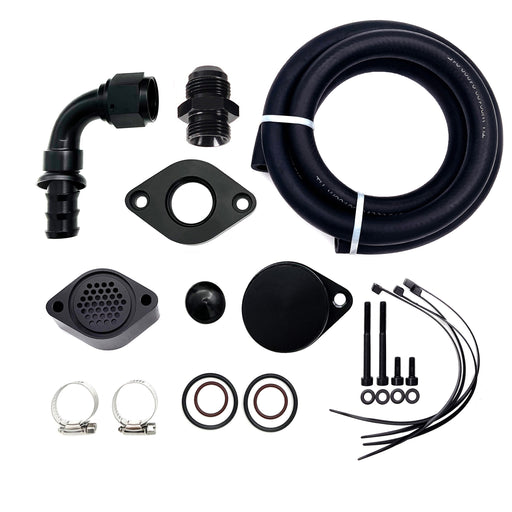
Seguler 2011-2023 6.7L Ford Powerstroke CCV PCV Reroute Engine Ventilation Kit
SEGULEROriginal price $82.99 - Original price $82.99Original price$82.99$82.99 - $82.99Current price $82.99FITMENT 2011-2023 6.7L Ford Powerstroke F-250 F-350 F-450 F-550 Super Duty V8 Diesel. Compatible with both standard Pickups and commercial Cab &...
View full details -
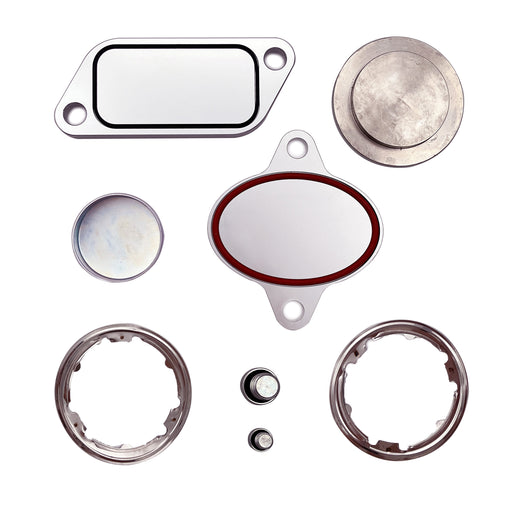
For 2007-2010 Cummins ISX CM871 EGR Plug Kit Stage 2 Plates and Plugs Aluminum
SEGULEROriginal price $67.99 - Original price $67.99Original price$67.99$67.99 - $67.99Current price $67.99FITMENT 2007-2010 Cummins Volvo, Peterbilt, Mack, International, Freightliner, Kenworth with the ISX CM871 Engines. DESCRIPTION Product Overvie...
View full details -
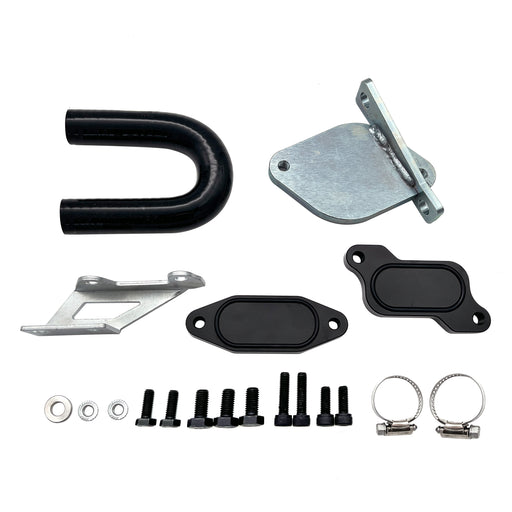
For 2007-2010 6.6L Chevy GMC LMM Duramax EGR Valve Cooler Delete Kit Fit
SEGULEROriginal price $61.99 - Original price $61.99Original price$61.99$61.99 - $61.99Current price $61.99FITMENT 2007.5-2010 6.6L Chevrolet Silverado Duramax LMM 2500HD / 3500HD. 2007.5-2010 6.6L GMC Sierra Duramax LMM 2500HD / 3500HD. Note: Standard...
View full details -
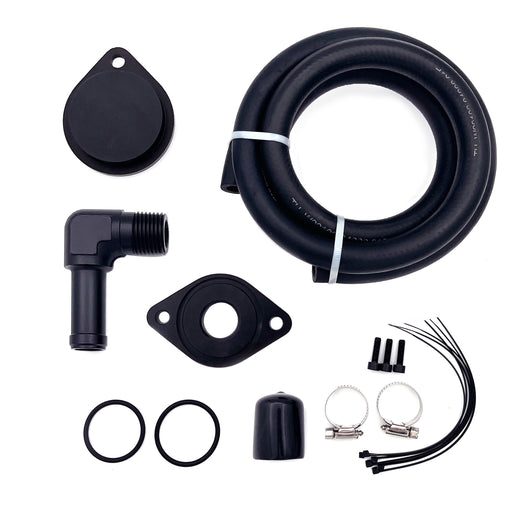
Seguler 2011-2023 Ford 6.7L Powerstroke CCV/PCV Reroute/Delete Engine Ventilation Kit
SEGULEROriginal price $72.00 - Original price $72.00Original price$72.00$72.00 - $72.00Current price $72.00FITMENT 2011-2023 6.7L Ford Powerstroke F-250 F-350 F-450 F-550 Super Duty V8 Diesel. Compatible with both standard Pickups and commercial Cab &...
View full details -
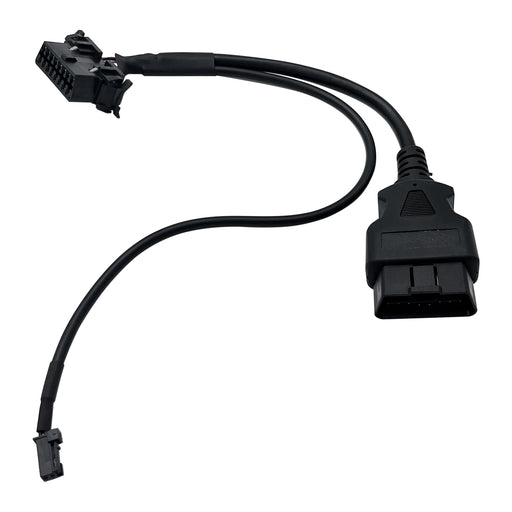
Seguler 2018+ RAM Cummins OBD2 HD Security Gate Bypass Cable
SEGULEROriginal price $45.00 - Original price $45.00Original price$45.00$45.00 - $45.00Current price $45.00FITMENT 2018+ 6.7L Ram Cummins 2500 3500 Turbo Diesel. Designed for Ram pickup trucks equipped with the factory Security Gateway Module. Note: Pl...
View full details -
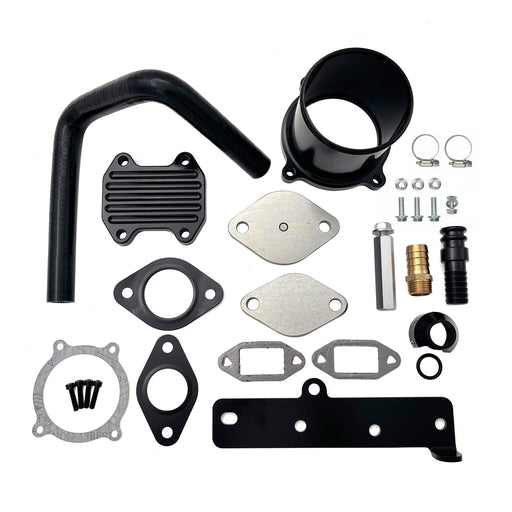
Seguler For 2013-2018 6.7L Dodge RAM 2500 3500 Cummins Diesel EGR Delete Cooler Throttle Valve Delete Kit
SEGULEROriginal price $112.00 - Original price $112.00Original price$112.00$112.00 - $112.00Current price $112.00FITMENT 2013–2018 6.7L Dodge Ram Cummins 2500 & 3500 Pickup Turbo Diesel. Note: Does NOT fit Cab & Chassis (3500 / 4500 / 5500 C&C) m...
View full details


Leave a comment