

1986-1995 Ford EGR Simulator & Block Off Plate — Stop the Check Engine Light
There’s a specific frustration that every owner of a 1986–1995 Ford truck runs into the moment they try to clean up the EGR system. You block off the EGR valve or pull it entirely, fire the truck up, and the check engine light comes on — and stays on. Not because you broke something, but because the computer noticed the EGR is gone and is now throwing codes at you.
This is the problem the EGR Simulator Eliminator was built to solve, and it’s worth understanding why it works before you spend the money — because on these trucks, the “check engine light after a delete” is not a tuning problem. It’s an electrical one, and it has a specific, elegant fix.
This guide walks through what’s actually happening inside the computer, what a block-off plate and a simulator each do, and what a delete honestly changes about the way your truck runs.
Why Blocking Off the EGR Turns On the Light
The 1986–1995 Ford trucks run an EEC-IV engine computer and an OBD-1 diagnostic system. That’s a fundamentally different animal from the OBD-2 systems on anything built after 1996, and it’s the whole reason this problem exists.
Here’s the mechanism, step by step:
-
The EGR valve on these trucks has an EVP sensor — the EGR Valve Position sensor — bolted to the top of it. It sends a variable resistance signal back to the EEC-IV computer that tells the computer where the valve is at any given moment.
-
When you block off the EGR with a plate but leave the valve and sensor in place, the computer still sees the EVP signal. But when it commands the EGR open and the flow doesn’t actually change, it detects a mismatch — insufficient EGR flow — and logs a fault.
-
When you remove the EGR valve and sensor entirely, the computer loses the EVP resistance signal altogether — an open circuit — and logs a different fault for the missing sensor.
Either way, the dashboard lights up with the classic Ford OBD-1 codes: 31, 33, 34, and the continuous-memory code 332. On a modern truck you’d clear this with a tune. On an EEC-IV truck, there’s no practical reflash — so you need a different approach.
What That Warning Light Actually Costs You
Here’s the thing most people miss: a check engine light on one of these trucks isn’t just a nuisance light on the dash. It’s the visible symptom of the computer having already changed how it’s running the engine.
The Computer Drops Into a Fail-Safe Mode
The moment the EEC-IV detects a problem with the EGR feedback — either a flow mismatch or a missing sensor signal — it doesn’t just turn on a light and shrug. It enters a fail-safe (or “limp-home”) calibration to protect the engine, and that changes three real things:
-
It pulls ignition timing. To guard against detonation (knock), the computer retards the spark. The result is less power and a throttle that feels lazy — the engine is literally leaving performance on the table to keep itself safe.
-
It runs rich. The computer adds fuel to the mixture as a conservative safety margin. That means more fuel burned for the same work, and it shows up as a drop in fuel economy.
-
It may stay in open-loop control. Instead of fine-tuning the air/fuel ratio using its sensors, the computer falls back to fixed, conservative fueling tables — which is why a truck with the light on often feels slightly “off” even when it still drives.
This is exactly what the simulator is designed to prevent. The product’s own spec calls it out directly: it stops the EEC-IV from pulling timing or running rich due to missing EGR feedback. It’s not just turning off a light — it’s keeping the computer on its normal, optimal calibration.
The Consequences Stack Up Over Time
Beyond the immediate power and economy hit, a permanent warning light has a slower, sneaky cost:
-
Fuel economy stays depressed. Running rich isn’t a one-time event — it’s the computer’s new normal until the fault is cleared.
-
Rich running means more carbon. Unburned fuel and a richer mixture feed the exact intake carbon buildup you were trying to delete in the first place.
-
Fuel dilution. In extreme cases, excess fuel washes past the rings into the oil, thinning it and accelerating wear.
-
You stop trusting the light. This is the “cry wolf” effect — live with a light that’s always on, and you’ll ignore it the one time it’s signaling something genuinely new and serious.
-
Resale takes a hit. A truck with a lit check engine light reads as a problem to buyers, even when the “problem” is just a deleted EGR.
The Point
The light isn’t the problem — it’s the symptom of the computer running in a degraded, self-protecting mode. That’s why “stop the check engine light” matters: not for the cosmetics, but because it means the EEC-IV has gone back to its normal timing, its normal fueling, and its normal performance.
Two Ways to Stop the Light — and Why These Trucks Use a Simulator
There Are Two Ways to Keep the Check Engine Light:
1. Reflash the computer. This is what you’d do on a modern diesel. But the EEC-IV is a 1980s-era ECU — it’s not something the average owner reflashes in the driveway, and the tuning ecosystem for a 1986 F-150 isn’t exactly thriving.
2. Fool the sensor. Instead of reprogramming the computer, you give the EVP circuit what it expects to see. This is what the Simulator Eliminator does — and it’s the reason it exists for these trucks specifically.
The Principle and Function of the EGR Simulation Eliminator
The simulator is a plug-and-play harness bridge that connects directly into the factory 3-pin EVP wiring harness. Inside, it sends a fixed, “valve-closed” voltage signal back to the EEC-IV — the same signal a healthy EGR valve sitting in the closed position would produce. The computer reads that signal, decides the EGR is present and functioning, and stays quiet.
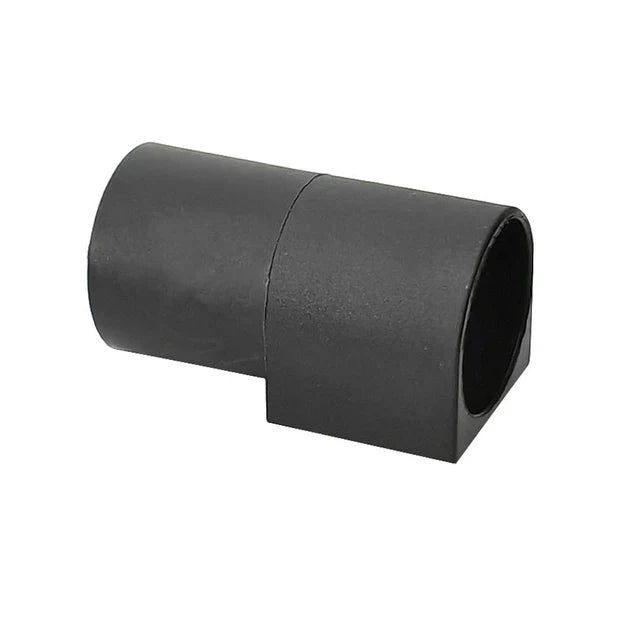
It does not disable EGR functions, and it keeps the check engine light available for other real problems. You’re not blinding the computer — you’re giving it the one specific signal it’s missing.
What the Block Off Plate Does (the Physical Half)
The simulator handles the electrical side. The block-off plate handles the physical side — and it’s the part that actually stops the exhaust gas from flowing.
The plate is a precision-machined piece of 6061-T6 billet aluminum that bolts in between the EGR valve and the intake manifold, sealing off the passage that lets exhaust gas recirculate back into the engine. That’s the whole job: no more hot, soot-laden exhaust feeding back into the intake.
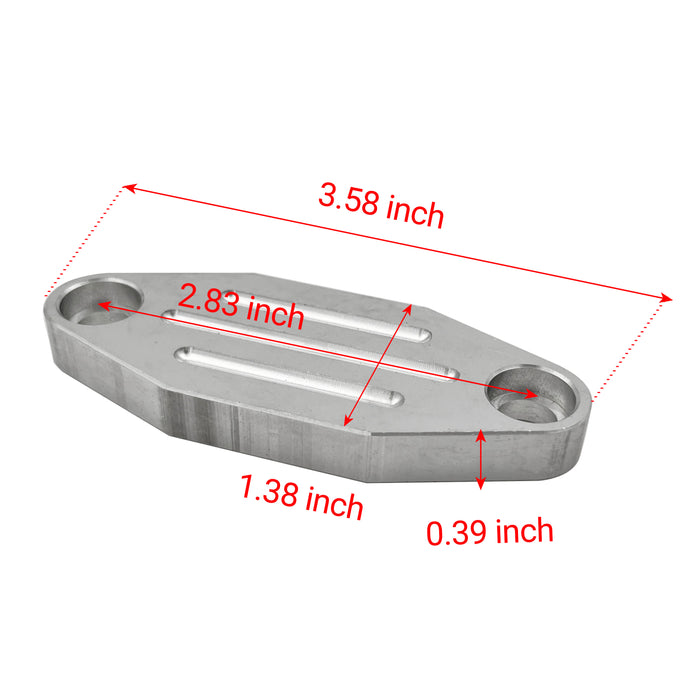
Two details matter here:
-
Aircraft-grade 6061-T6 aluminum won’t warp. Cheaper thin plates flex under heat cycling and eventually leak; a properly machined billet plate holds its shape and its seal.
-
Measure before you buy. The product’s own note is blunt: measure the pitch of the baffle to confirm it matches your truck. EGR flange bolt spacing isn’t identical across every engine in this range.
The Honest Answer: What a Delete Actually Changes
Before you spend the money, it’s worth being straight about what an EGR delete does — and doesn’t — do, because this is where a lot of the marketing oversells.
What an EGR Delete Actually Gets You
-
A cleaner intake. This is the real, uncontested benefit. No more exhaust soot feeding back into the intake manifold and throttle body, baking into carbon over tens of thousands of miles.
-
No more EGR valve failure. The EGR valve is a soot-magnet that eventually sticks open or closed and throws codes. Remove the flow, and that failure point disappears.
-
Smoother running when the EGR was already failing. If your truck was already fighting a carbon-clogged EGR, the delete restores clean airflow and the throttle response comes back.
What It Doesn’t Do
-
It won’t add horsepower. The EGR valve is naturally closed at wide-open throttle. When you’re actually asking the engine for everything it’s got, the EGR was already shut. So deleting it doesn’t unlock power you were being robbed of — the power gains people report are mostly from fixing a failing EGR.
-
It won’t completely eliminate carbon buildup. The biggest contributor to intake carbon on these engines isn’t the EGR — it’s the PCV (positive crankcase ventilation) system feeding oily crankcase vapor into the intake. Delete the EGR and you cut the dry soot, but the oily mist is still there. If carbon buildup is your real goal, the PCV is the other half of the equation.
-
It changes combustion temperatures. EGR exists to lower peak combustion temps and cut NOx. Remove it and combustion runs hotter — something to keep an eye on if you run the truck hard.
Know Your Engine: The 1986–1995 Range Isn’t One Truck
The 1986–1995 Ford lineup spans a lot of ground, and the EGR setup isn’t identical across all of it. The simulator and plate cover these engines:
| Engine | Size | Where You’ll Find It |
|---|---|---|
| 2.8L V6 | 171 ci | Ranger, Bronco II (early) |
| 4.9L I6 | 300 ci | F-150, F-250, Bronco — the legendary “300 six” |
| 5.0L V8 | 302 ci | F-150, Bronco, Mustang |
| 5.8L V8 | 351 Windsor | F-150, F-250, Bronco |
| 7.5L V8 | 460 ci | F-250, F-350 |
The EGR valve type (vacuum-controlled vs electronic), the EVP sensor location, and the flange bolt spacing can differ between engines and across the year range. The universal lesson from the forums: confirm your exact engine and measure the flange before ordering. A plate that fits a 5.0L isn’t guaranteed to fit a 7.5L, and a 1986 vacuum-EGR setup differs from a later electronic one.
The Three Ways to “Delete” an EGR — and Where This Kit Fits
There are three broad approaches to getting rid of EGR, and this kit occupies the sweet spot between two of them:
1. Block-off plate only (physical). Cheap and keeps the stock appearance, but it leaves the computer detecting a flow mismatch — which means codes and a light, unless you also address the electrical side.
2. Full hardware removal. Take the valve, pipes, and (on diesels) the cooler out entirely. The most thorough, but also the most visible, the hardest to reverse, and on these Fords it guarantees the missing-sensor code unless you fool the EVP circuit.
3. Software-only disable. Keeps all hardware, programs the computer to hold the valve closed. The cleanest solution on a modern ECU — but not a practical option on an EEC-IV.
Kit 1 — EGR Simulator + Block Off Plate
The Simulator Eliminator + Block Off Plate kit is approach #1 done properly — it blocks the flow physically and satisfies the EVP sensor electrically, so you get the clean intake of a delete without the constant check engine light, and without the complexity of ripping the entire system out.
This is the core package for the job — covering F-150, F-250, F-350, and Mustang across the 2.8L, 4.9L, 5.0L, 5.8L, and 7.5L engines:

- The Simulator Eliminator — a plug-and-play electronic bridge that connects into the factory 3-pin EVP harness and sends the fixed “valve-closed” signal the EEC-IV expects, clearing the persistent EGR fault codes without any wire cutting or splicing.
- The EGR Block Off Plate — CNC-machined from aircraft-grade 6061-T6 billet aluminum, thick enough that it won’t warp or deform the way thin stamped plates do under heat.
Together they stop the exhaust flow and keep the computer happy — the two halves of a clean EGR delete that most one-piece kits leave half-done.
Kit 2 — EGR + IAC Simulator / Block Off Plates
This Ford Mustang Bronco EGR Simulator/Block Off Plate kit adds a third piece — an IAC (idle air control) block-off plate — alongside the same EGR simulator and EGR block-off plate. The IAC plate seals the idle-air passage on the throttle body, for builds where you’re also deleting the idle air control valve. It’s aimed at the F-150, F-250, Mustang, and Bronco with the 2.8L, 4.9L, and 5.0L engines.
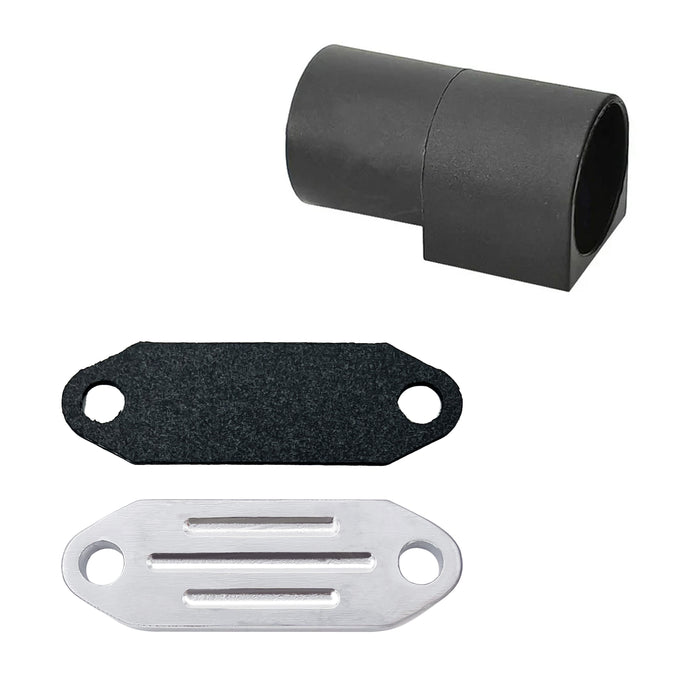
What’s the Difference, and How to Choose
| SG-ER-0166 ($79.99) | SG-ER-0174 ($89.99) | |
|---|---|---|
| In the box | EGR simulator + EGR plate | EGR simulator + EGR plate + IAC plate |
| Trucks covered | F-150, F-250, F-350, Mustang | F-150, F-250, Mustang, Bronco |
| Engines | 2.8L, 4.9L, 5.0L, 5.8L, 7.5L | 2.8L, 4.9L, 5.0L |
| Best for | Deleting EGR only; F-350 or big-block V8 | Deleting EGR and the IAC; Bronco / small-displacement |
The decision is straightforward:
-
If you’re only deleting the EGR — the most common job — Kit 1 is all you need. It’s $10 cheaper and covers the big trucks, including the F-350 and the 5.8L/7.5L big-blocks.
-
If you’re also deleting the idle air control valve — a more aggressive, race/competition-oriented build where you’re setting a fixed idle — Kit 2 gives you the extra IAC block-off plate so the throttle body passage is sealed too.
-
Match the engine and truck. If you have an F-350 or a 5.8L/7.5L, Kit 1 is the one that lists your fitment. If you have a Bronco or a 2.8L V6, Kit 2 is the one built for you. Either way, measure the baffle pitch before ordering — that’s the note both listings carry, and it’s the step that prevents a plate that doesn’t line up.
Installation: Two Pieces, Step by Step
The beauty of this setup is that neither piece requires cutting wires or tearing the engine apart. But “half an hour” is only realistic if you’ve prepped properly and know the two or three spots where people trip up.
Tools You’ll Need
- Socket set — 8mm, 10mm, 13mm (the EGR bolts are usually 10mm or 13mm, depending on engine)
- Ratchet and matching wrenches
- Torque wrench — the plate bolts want to be at 20–25 ft-lb, and guessing is how you strip threads
- Penetrating oil (PB Blaster) — this is the single most important item on the list
- New gasket (recommended over reusing a 30-year-old one)
- Zip ties or electrical tape to secure the simulator
- Clean rag and contact cleaner for the EVP connector
Before You Start
- Work cold. The EGR area sits against the exhaust and intake, and it stays hot for a long time after shut-down. Let the engine cool completely.
- Disconnect the negative battery cable. It prevents a short while you’re handling the EVP harness.
- Soak the bolts in penetrating oil a day or two ahead. This is the difference between a 30-minute job and drilling out a snapped stud. Spray cold, then again with the engine warm if you can, and let it sit.
The Simulator (the Electrical Half)
- Disconnect the factory wiring harness from the EGR valve’s EVP sensor.
- Confirm the connector is clean and not corroded. (A little dielectric grease inside is normal — leave it.)
- Firmly insert the Simulator Eliminator into the harness until the locking tab clicks — you should feel it seat.
- Secure it to a nearby harness with a zip tie or electrical tape so it can’t bounce loose from engine vibration.
- Start the truck and confirm the check engine light stays off.
The test is immediate and unforgiving: if the simulator has a bad connection, the light comes on right at start-up and stays on. If that happens, it’s almost always a connector that didn’t fully seat — reseat it and restart.
The Block Off Plate (the Physical Half)
- Locate the EGR valve and the flange where its pipe meets the intake manifold.
- Remove the two bolts, and set the EGR pipe aside (keep the gasket if it’s in good shape — but new is better on a truck this old).
- Clean the mating surfaces so the new gasket seats flat.
- Insert the block-off plate between the valve and the manifold, with the gasket on the exhaust side.
- Hand-tighten the bolts, then torque them to spec — around 20–25 ft-lb. Don’t over-torque; these are soft threads in an old manifold.
- Reconnect anything you moved, start the engine, and listen for any hissing that would indicate an exhaust leak.
If the bolts were stubborn, back them out and re-oil rather than forcing them. The forums are full of “I broke one and turned an hour into a weekend” stories — all of them skippable with patience.
Where People Get It Wrong
The five mistakes that turn this easy job into a headache:
-
Skipping the penetrating-oil soak. The manifold bolts on a 30-year-old truck are the most likely thing to break, and they break because someone tried to force them cold. Soak, then work them back-and-forth gently.
-
Not measuring the flange before ordering. EGR bolt spacing isn’t the same across the 2.8L, 4.9L, 5.0L, 5.8L, and 7.5L engines. A plate that fits a 5.0L isn’t guaranteed to fit a 7.5L. Measure the baffle pitch.
-
Not seating the simulator fully. If the locking tab doesn’t click, the connection is weak — and the check engine light will tell you the moment you start the truck. Press until it clicks, then secure it.
-
Putting the gasket on the wrong side. The gasket goes on the exhaust side of the plate. On the wrong side, it won’t seal and you’ll get an exhaust leak plus a code.
-
Over-torquing the bolts. Twenty to 25 ft-lb is a light touch. Crank past that and you strip the soft manifold threads, which is a much bigger repair than the delete itself.
After the Install: What to Check and Expect
Once it’s in, a few things to verify and a few things to understand:
-
Confirm the light is out at cold start. The simulator either works immediately or it doesn’t — there’s no in-between. Start it cold and watch the dash.
-
Don’t panic if you still see code 33/332 on a scan. The product’s note is explicit: that code may remain in memory, but it will not trigger the check engine light on its own. As long as no other faults are present, the light stays off.
-
Listen for exhaust leaks. A faint hiss or a “tick” near the EGR flange means the plate isn’t sealing — retorque or reseat the gasket.
-
Watch your engine temperature. EGR exists to lower peak combustion temps, so a deleted engine runs hotter under sustained load. If the truck works hard, keep an eye on the gauge.
-
Remember the PCV is still there. The delete stops the dry soot, but the crankcase’s oily vapor still feeds the intake. If carbon buildup is your real battle, the PCV is the next thing to address — not a reason to skip the EGR delete, but a reason to know the job isn’t fully “done” just because the EGR is gone.
-
Recheck the simulator connection after a few hundred miles. Vibration can work a loose connector free; a quick glance under the hood is cheap insurance against the light coming back.
The Legal Reality
None of this changes the fact that removing emissions equipment is regulated.
- Tampering with emissions controls on a vehicle driven on public roads violates the federal Clean Air Act (42 U.S.C. § 7522) and EPA regulations.
- Individual penalties can reach $5,911 per violation, and enforcement varies by state.
- These parts are for off-road, race, and competition use only, where permitted by law. A street-driven truck with a deleted EGR will fail inspection anywhere it’s tested.
Know your local laws before you modify anything.
The Bottom Line
The 1986–1995 Ford truck is a classic for a reason — dead simple, easy to work on, and the EEC-IV’s EGR system is really the only thing about it that fights back when you try to clean things up. Block off the EGR and the computer throws 31/33/34; pull it and it complains about the missing sensor. The check engine light becomes a permanent passenger.
The Simulator Eliminator + Block Off Plate solves that specific problem the right way: stop the flow physically, satisfy the sensor electrically, and keep the computer’s diagnostics alive for everything else. It’s not a horsepower mod, and it’s not a substitute for fixing a real carbon problem — but if what you want is a cleaner intake and no warning light staring at you from the dash, this is the clean, reversible fix.
For the EGR simulator and block-off plate — plus the rest of the line for Ford, Chevy, and Ram trucks — head to Seguler.com. Every kit is machined to spec, ships with fitment guidance for your exact engine and year, and is backed so you order the right plate the first time.
Frequently Asked Questions
Q1: Why does my check engine light come on after I block off the EGR?
A: The EEC-IV computer monitors the EVP sensor on the EGR valve. Block off the flow and it sees a mismatch; remove the valve and it loses the signal entirely. Either way it logs codes 31/33/34.
Q2: How does the simulator stop the light?
A: It plugs into the factory EVP harness and sends a fixed “valve-closed” voltage signal — the same signal a healthy closed EGR valve produces — so the computer believes the EGR is present and working.
Q3: Does deleting the EGR add horsepower?
A: Not really. The EGR valve is naturally closed at wide-open throttle, so it wasn’t robbing you of power there. Most reported gains come from fixing an EGR that was already failing, not from removing a working one.
Q4: Will a delete completely stop carbon buildup in my intake?
A: No. The EGR contributes dry soot, but the PCV system’s oily crankcase vapor is the bigger cause of intake carbon. A delete helps, but it’s only half the picture.
Q5: Does this kit fit every 1986–1995 Ford?
A: It covers the 2.8L, 4.9L, 5.0L, 5.8L, and 7.5L engines across F-150, F-250, F-350, Bronco, and Mustang — but measure your EGR flange pitch to confirm, since spacing varies.
Q6: Is installation reversible?
A: Yes. Both the simulator and the plate unbolt cleanly, so you can return the truck to stock by reinstalling the original EGR valve and reconnecting the harness.
Q7: Will I still see a code after installing the simulator?
A: When scanning, code 33/332 may still appear in memory — but it won’t trigger the check engine light on its own, as long as no other faults are present.
Q8: Is this legal for street use?
A: No. Removing emissions equipment violates the federal Clean Air Act and can carry fines up to $5,911. These parts are for off-road, race, and competition use only.
Q9: Do I need any special tools to install it?
A: Basic hand tools — sockets and a wrench for the plate, and nothing but your hands for the plug-in simulator. A torque wrench is recommended for the plate bolts.
Q10: What’s the difference between a solid plate and one with a hole?
A: A solid plate blocks all EGR flow for the cleanest intake, but needs the simulator to avoid codes. A plate with a small bleed hole lets a trace of exhaust through, which can reduce codes on its own but doesn’t stop carbon as completely.
Featured collection
-
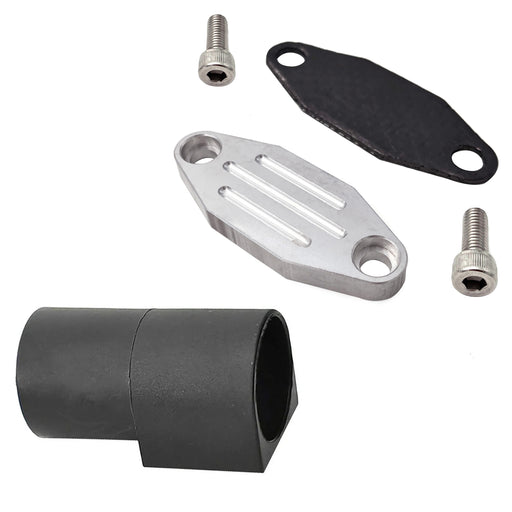
Seguler 1986-1995 Ford F150 F250 F350 Mustang Trucks EGR Simulator Eliminator / Block Off Plate Kit
SEGULEROriginal price $79.99 - Original price $79.99Original price$79.99$79.99 - $79.99Current price $79.99Block Off Plate Material: Aluminum alloy. Easy installation,and convenient to use. Made of CNC milled from aircraft grade Billet aluminum. Will N...
View full details -

Seguler 2011-2023 6.7L Ford Powerstroke Diesel EGR Delete Kit
SEGULEROriginal price $109.99 - Original price $109.99Original price$109.99$109.99 - $109.99Current price $109.99FITMENT 2011-2023 6.7L Ford Powerstroke F-250 F-350 F-450 F-550 Super Duty V8 Diesel. compatible with both standard Pickups and commercial Cab &...
View full details -
For 2010-Present Stage 2 ISX 15 CM2250 CM2350 EGR Delete Kit
SEGULEROriginal price $59.99 - Original price $59.99Original price$59.99$59.99 - $59.99Current price $59.99FITMENT 2010-Present Cummins Volvo, Peterbilt, Mack, International, Freightliner, Kenworth with the ISX15 CM2250 / CM2350 engines. DESCRIPTION P...
View full details -
Seguler 2003-2007 6.0L FORD Powerstroke Diesel EGR Cooler Delete Kit
SEGULEROriginal price $56.14 - Original price $56.14Original price$56.14$56.14 - $56.14Current price $56.14FITMENT 2003-2007 6.0L Ford F-250 Ford F-350 F-450 F-550 Super Duty. 2003-2007 6.0L Ford Excursion SUV (Diesel Models Only). 2005-2010 Ford E-Se...
View full details -
For 2011-2016 6.6L GMC Chevy Duramax Diesel LML EGR Valve Cooler Delete Kit
SEGULEROriginal price $66.49 - Original price $66.49Original price$66.49$66.49 - $66.49Current price $66.49FITMENT 2011-2016 6.6L Chevy GMC Duramax LML 2500 HD 3500 HD Diesel. DESCRIPTION Product Overview The 2011–2016 LML Duramax uses a complex EG...
View full details -
Seguler For 2014-2019 3.0L Dodge Ram 1500 EcoDiesel EGR Valve & Cooler Delete Kit
SEGULEROriginal price $72.99 - Original price $72.99Original price$72.99$72.99 - $72.99Current price $72.99FITMENT 2014-2019 3.0L Dodge Ram 1500 EcoDiesel V6 engine trucks. DESCRIPTION Product Overview Exhaust gas recirculation on 3.0L EcoDiesel V6 ...
View full details -

Seguler 2011-2023 6.7L Ford Powerstroke Diesel EGR Delete Kit
SEGULEROriginal price $85.99 - Original price $85.99Original price$85.99$85.99 - $85.99Current price $85.99FITMENT 2011-2023 6.7L Ford Powerstroke F-250 F-350 F-450 F-550 Super Duty V8 Diesel. compatible with both standard Pickups and commercial Cab &...
View full details -

Seguler 2010-2024 6.7L Dodge Ram Cummins Diesel EGR Valve Cooler Delete Kit
SEGULEROriginal price $89.99 - Original price $89.99Original price$89.99$89.99 - $89.99Current price $89.99FITMENT 2010–2024 6.7L Dodge Ram Cummins 2500 / 3500 Pickup Turbo Diesel. Note: Does NOT fit Chassis Cab 3500 / 4500 / 5500 models. DESCRIPTIO...
View full details -
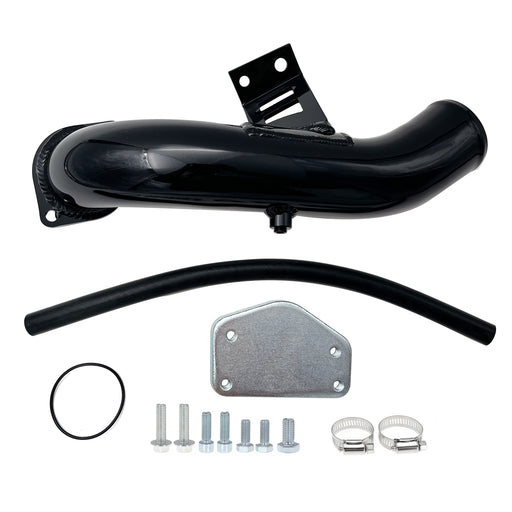
For 2004.5-2005 6.6L Chevy GMC Silverado LLY Duramax Diesel EGR Delete Kit
SEGULEROriginal price $92.99 - Original price $92.99Original price$92.99$92.99 - $92.99Current price $92.99FITMENT 2004.5-2005 6.6L Chevrolet Silverado Duramax LLY 2500HD / 3500 HD. 2004.5-2005 6.6L GMC Sierra Duramax LLY 2500HD / 3500 HD. DESCRIPTION...
View full details -

Seguler 2017-2019 L5P Duramax Diesel 4pcs L5P Can Bus Plugs Connector Replacement
SEGULEROriginal price $75.00 - Original price $75.00Original price$75.00$75.00 - $75.00Current price $75.00FITMENT 2017–2019 Chevrolet Silverado / GMC Sierra Duramax L5P 2500HD & 3500HD Diesel. DESCRIPTION Product Overview Unprotected harness con...
View full details -

Seguler 2020-2023 chevy duramax L5P Diesel Can Bus Plugs Connector
SEGULEROriginal price $80.00 - Original price $80.00Original price$80.00$80.00 - $80.00Current price $80.00FITMENT 2020–2023 Chevrolet Silverado / GMC Sierra Duramax L5P 2500HD & 3500HD Diesel. DESCRIPTION Product Overview Unprotected harness pl...
View full details -
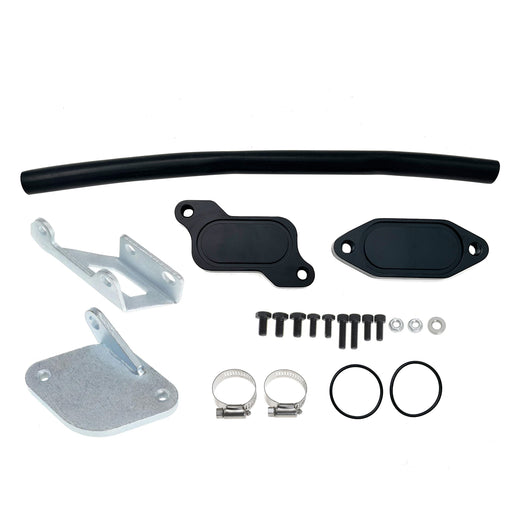
For 2006-2007 6.6L Chevrolet Silverado Classic GMC Duramax LBZ Diesel EGR Valve Cooler Delete Kit
SEGULEROriginal price $63.49 - Original price $63.49Original price$63.49$63.49 - $63.49Current price $63.49FITMENT 2006-2007.4 Chevrolet Silverado Duramax LBZ 2500HD / 3500HD. 2007.4 Chevrolet Silverado Duramax LBZ 2500HD / 3500HD Classic. 2006-2007.4 ...
View full details -
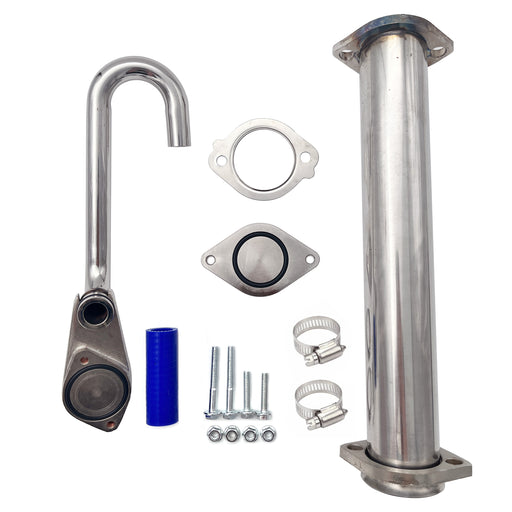
Seguler 2003-2007 6.0L Ford F250 F350 Powerstroke Diesel EGR Basic Cooler Kit
SEGULEROriginal price $79.99 - Original price $79.99Original price$79.99$79.99 - $79.99Current price $79.99FITMENT 2003-2007 6.0L Ford F250 F350 F450 F550 Super Duty Turbo (except 2004 F250 Super Duty). 2003-2005 6.0L Ford Excursion Turbo. 2005 Ford F...
View full details -

Seguler 2011-2023 6.7L Ford F250 F350 F450 F550 Powerstroke Diesel EGR Valve Delete Cooler Delete Kit
SEGULEROriginal price $55.99 - Original price $55.99Original price$55.99$55.99 - $55.99Current price $55.99FITMENT 2011-2023 6.7L Ford Powerstroke F-250 F-350 F-450 F-550 Super Duty V8 Diesel compatible with both standard Pickups and commercial Cab &a...
View full details -
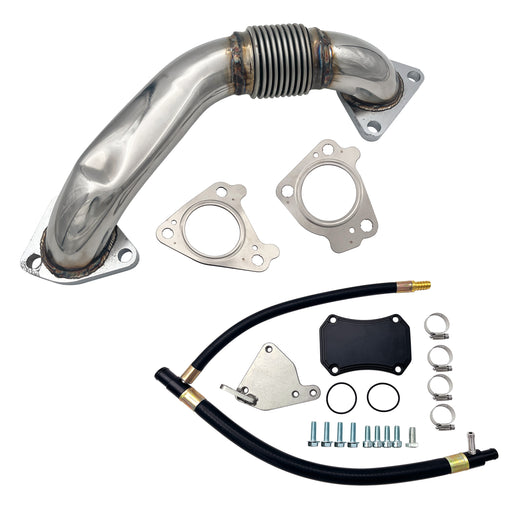
Seguler 2011-2016 6.6L GMC Chevy Duramax Diesel LML Up-Pipe & EGR Valve Cooler Delete Kit
SEGULEROriginal price $173.86 - Original price $173.86Original price$173.86$173.86 - $173.86Current price $173.86FITMENT 2011-2016 6.6L Chevy GMC Duramax LML 2500 HD 3500 HD Diesel. DESCRIPTION Product Overview Direct-injection technology endows GM 5.3L an...
View full details -
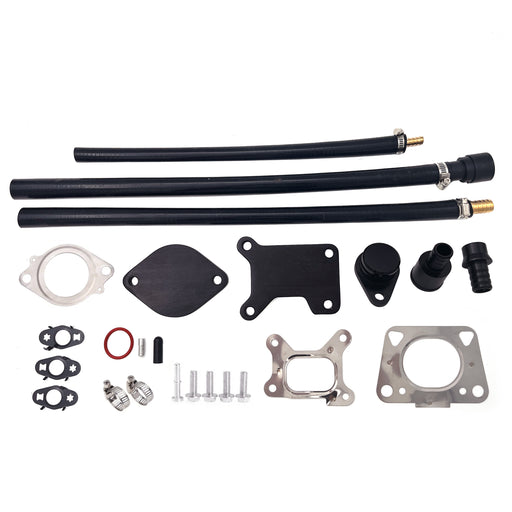
For 2017-2023 6.6L Chevy GMC Duramax L5P diesel EGR Valve Cooler Delete kit
SEGULEROriginal price $131.99 - Original price $131.99Original price$131.99$131.99 - $131.99Current price $131.99FITMENT 2017–2023 6.6L Chevrolet Silverado / GMC Sierra Duramax L5P 2500HD 3500HD Diesel. DESCRIPTION Product Overview Hot soot recirculation ...
View full details -

For 2013-2023 6.7L Dodge Ram Cummins Cab & Chassis EGR Delete Kit Diesel
SEGULEROriginal price $62.99 - Original price $62.99Original price$62.99$62.99 - $62.99Current price $62.99FITMENT 2013–2023 6.7L Ram Cummins 3500 4500 5500 Cab & Chassis / Commercial Trucks. Does NOT fit standard Ram 2500 3500 Pickups. DESCRIPTIO...
View full details -
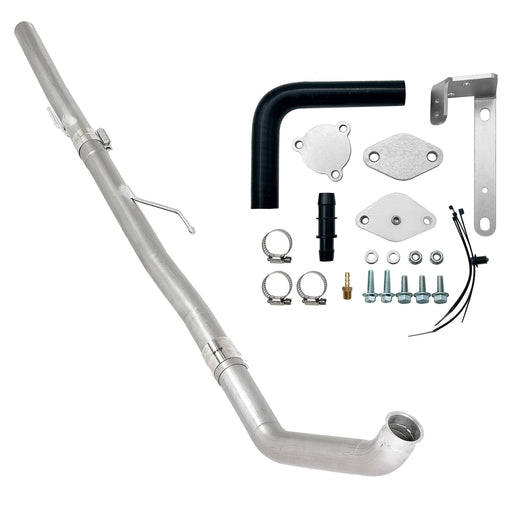
Seguler 3" Ecodiesel DPF Delete Pipe & EGR Delete kit for 2014-2018 3.0L Ram
SEGULEROriginal price $342.00 - Original price $342.00Original price$342.00$342.00 - $342.00Current price $342.00FITMENT 2014–2018 3.0L Dodge Ram 1500 EcoDiesel V6. NOTE: Fit standard Pickup models only (Crew Cab, Quad Cab). Does NOT fit Jeep Grand Cheroke...
View full details -
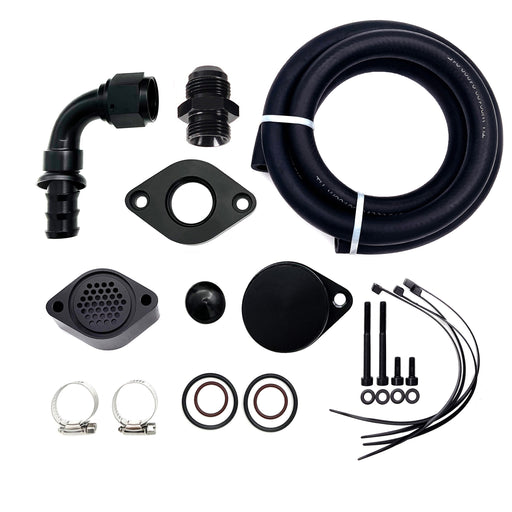
Seguler 2011-2023 6.7L Ford Powerstroke CCV PCV Reroute Engine Ventilation Kit
SEGULEROriginal price $82.99 - Original price $82.99Original price$82.99$82.99 - $82.99Current price $82.99FITMENT 2011-2023 6.7L Ford Powerstroke F-250 F-350 F-450 F-550 Super Duty V8 Diesel. Compatible with both standard Pickups and commercial Cab &...
View full details -
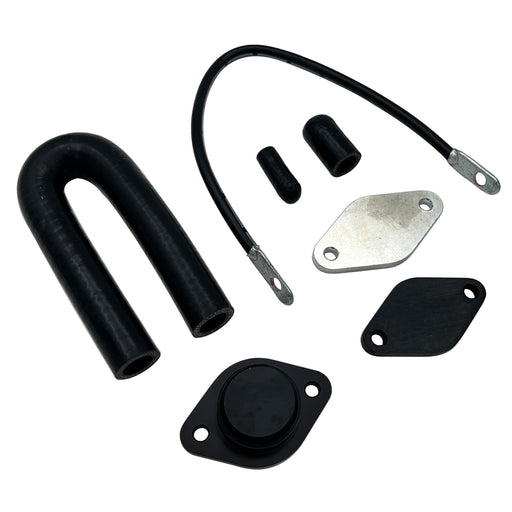
Seguler EGR valve cooler Delete kit for 2020-2022 3.0L Chevy Duramax LM2
SEGULEROriginal price $189.12 - Original price $189.12Original price$189.12$189.12 - $189.12Current price $189.12FITMENT 2020–2022 3.0L Chevrolet Silverado GMC Sierra 1500 LM2 Turbo-Diesel. DESCRIPTION Product Overview Powered by smooth inline-six engine...
View full details -
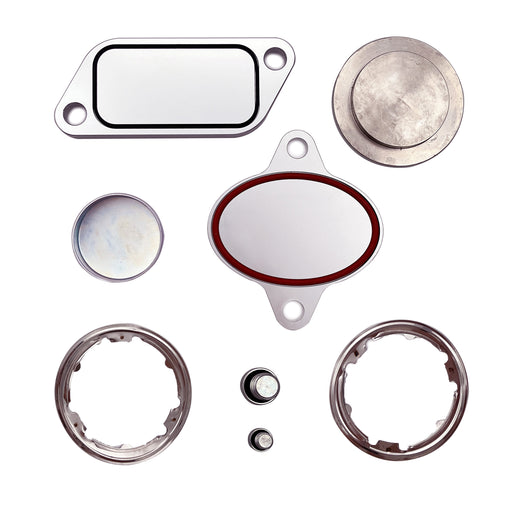
For 2007-2010 Cummins ISX CM871 EGR Plug Kit Stage 2 Plates and Plugs Aluminum
SEGULEROriginal price $67.99 - Original price $67.99Original price$67.99$67.99 - $67.99Current price $67.99FITMENT 2007-2010 Cummins Volvo, Peterbilt, Mack, International, Freightliner, Kenworth with the ISX CM871 Engines. DESCRIPTION Product Overvie...
View full details -
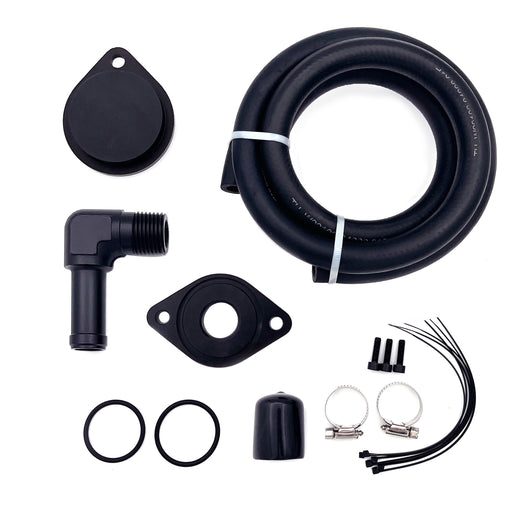
Seguler 2011-2023 Ford 6.7L Powerstroke CCV/PCV Reroute/Delete Engine Ventilation Kit
SEGULEROriginal price $72.00 - Original price $72.00Original price$72.00$72.00 - $72.00Current price $72.00FITMENT 2011-2023 6.7L Ford Powerstroke F-250 F-350 F-450 F-550 Super Duty V8 Diesel. Compatible with both standard Pickups and commercial Cab &...
View full details -
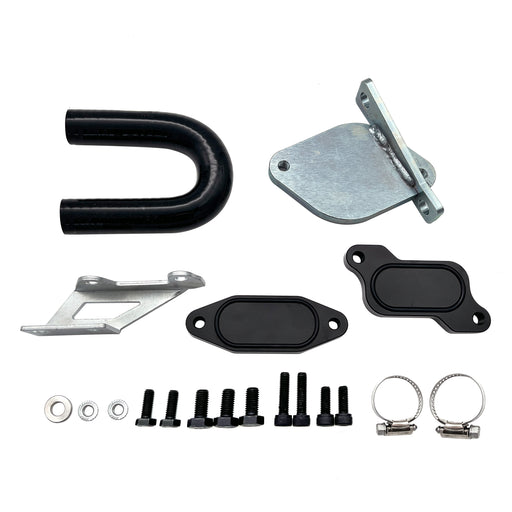
For 2007-2010 6.6L Chevy GMC LMM Duramax EGR Valve Cooler Delete Kit Fit
SEGULEROriginal price $61.99 - Original price $61.99Original price$61.99$61.99 - $61.99Current price $61.99FITMENT 2007.5-2010 6.6L Chevrolet Silverado Duramax LMM 2500HD / 3500HD. 2007.5-2010 6.6L GMC Sierra Duramax LMM 2500HD / 3500HD. Note: Standard...
View full details -
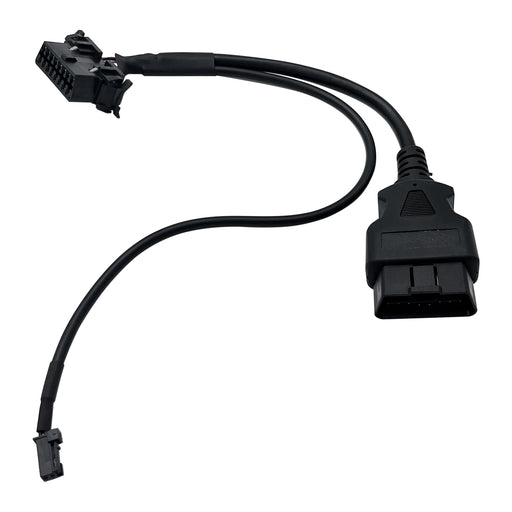
Seguler 2018+ RAM Cummins OBD2 HD Security Gate Bypass Cable
SEGULEROriginal price $45.00 - Original price $45.00Original price$45.00$45.00 - $45.00Current price $45.00FITMENT 2018+ 6.7L Ram Cummins 2500 3500 Turbo Diesel. Designed for Ram pickup trucks equipped with the factory Security Gateway Module. Note: Pl...
View full details -
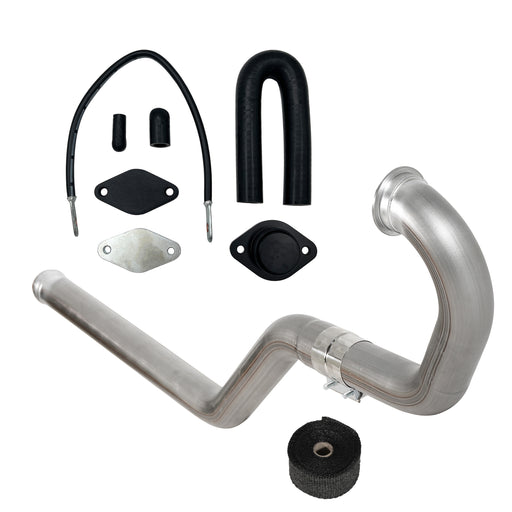
3" Turbo Back DPF & EGR Delete Kit for 2020-2022 GM 3.0L LM2 Duramax
SEGULEROriginal price $550.00 - Original price $550.00Original price$550.00$550.00 - $550.00Current price $550.00FITMENT 2020–2022 3.0L Chevrolet Silverado 1500 LM2 Diesel. 2020–2022 3.0L GMC Sierra 1500 LM2 Diesel. DESCRIPTION Product Overview On the 3.0...
View full details


Leave a comment