

What Are the Common EGR and DPF Problems on a 6.7L Cummins?
6.7L Cummins EGR and DPF Problems: Causes, Symptoms, and Solutions
The 6.7L Cummins has earned a reputation as one of the most durable diesel platforms used in Ram trucks for towing, work, and daily driving. However, as mileage increases, many owners begin paying closer attention to the EGR and DPF systems, which can become common areas of concern over time.
Small warning signs often appear gradually. A truck may regenerate more frequently, lose coolant without an obvious leak, trigger check engine lights, or feel less responsive under load. These issues usually develop slowly while the truck continues operating normally.
The EGR system on the intake side and the DPF system on the exhaust side are constantly exposed to heat cycles, soot buildup, and regeneration events. This guide explains how these systems work, why common problems develop, what symptoms owners should watch for, and how different solutions address long-term 6.7L Cummins concerns.
Why the 6.7L Cummins Runs Into Emissions Trouble
The 6.7L Cummins was built to be a long-lasting diesel, but the emissions systems added around it changed the ownership experience. The early 6.7L trucks introduced two major systems that owners need to understand: an EGR circuit on the intake side and a DPF on the exhaust side. Unlike later models, the 2007.5–2012 trucks did not use DEF and SCR systems, which means there are fewer emissions components to maintain — but more responsibility placed on the EGR and DPF systems.
The tradeoff is that these two systems work harder on early trucks. The EGR system handles more of the NOx reduction process, sending hot exhaust back through the intake and placing more stress on the cooler. At the same time, the DPF has to capture and burn the soot produced by the engine, which depends heavily on proper regeneration conditions and enough highway driving time.
For owners coming from the 5.9L Cummins, this difference is usually the first thing they notice. The older platform had fewer emissions components in the airflow path, which is a big reason it earned its reputation for simplicity. The 6.7L kept the strong engine foundation, but added systems that require more attention as mileage increases.
What the EGR System Does on a 6.7L Cummins
Exhaust gas recirculation is simple to describe and complicated to live with. From the driver’s seat, the EGR system is something most owners rarely think about until symptoms start showing up — coolant loss, carbon buildup, rough running, or EGR-related fault codes. Its job is to reduce emissions by routing a controlled amount of exhaust back into the intake, lowering combustion temperatures and reducing NOx emissions.
On a 6.7L Cummins, exhaust travels through the EGR cooler before passing through the EGR valve and returning to the intake. The cooler is the component owners usually pay the most attention to because it sits between hot exhaust gases and engine coolant. Over thousands of heat cycles, it must constantly manage extreme temperature changes while keeping those two fluids separated.
That constant stress is what makes the EGR cooler a common concern as mileage increases. Heat expansion, coolant pressure, and repeated temperature changes slowly weaken internal passages that are difficult to inspect before a failure occurs.
Why the EGR Cooler Is the Part That Fails First
The first signs of an EGR cooler problem are usually small. Many owners notice the coolant reservoir dropping between services, white smoke on startup, or needing to add coolant more often than expected.
The reason is simple: the EGR cooler sits between hot exhaust gases and engine coolant. Years of heat cycles, pressure changes, and thermal expansion can weaken the internal passages until a crack develops.
Common EGR Cooler Failure Signs
- Coolant loss without a visible leak — one of the most common warning signs.
- White smoke during startup — coolant may be entering the exhaust or intake path.
- Unexplained coolant consumption — the truck may continue running normally while the issue develops.
In severe cases, coolant entering the cylinder can cause serious internal engine damage. Catching the problem early is usually much easier than dealing with the damage after a major failure.
EGR Valve and Intake Buildup Issues
The EGR valve fails differently. Because it operates in a soot-filled exhaust environment, carbon buildup can cause the valve to stick or restrict proper flow. A valve stuck open can trigger excessive-flow issues, while restricted passages can cause insufficient-flow codes such as P0401 or P0402.
Another issue comes from soot mixing with oil vapor from the crankcase ventilation system. Over time, this creates sticky deposits inside the intake system, reducing airflow and increasing stress on the engine.
The Throttle Valve: A Second Restriction Hiding in the Intake
Most owners never think about the throttle valve because diesels traditionally do not use one the same way gasoline engines do. But the 6.7L Cummins uses an intake throttle — a butterfly valve in the intake tract — mainly for emissions control rather than driver input.
Its job is to help the EGR system operate by controlling airflow during certain conditions, including regeneration events. It also closes during shutdown to reduce airflow and help prevent engine run-on. That is why many owners are surprised to find an intake restriction coming from a component they never knew existed.
The throttle blade operates in a soot-filled intake environment and can develop common mechanical issues. Carbon buildup can cause sticking, boost pressure can create flutter, and a mechanical failure could force the blade closed under load. A tune may disable the actuator, but it cannot prevent a physical blade failure.
This is worth understanding because it is the one intake-side problem that spans every generation. The throttle valve is present on 2007.5 trucks and it is still present on much newer ones, which is why the fix for it covers a wider year range than the cooler-and-valve kits do.
What the DPF Does and Why Regeneration Problems Happen
Most DPF problems do not happen overnight. They usually start with small changes — more frequent regeneration, interrupted regeneration cycles, reduced power, or a truck that spends most of its time in short trips and stop-and-go driving.
The DPF is designed to trap soot before it leaves the exhaust system. That soot is stored inside the filter until regeneration raises exhaust temperatures high enough to burn it away. When the truck cannot complete regeneration often enough, the soot continues building up and the filter becomes increasingly restricted.
On a 6.7L Cummins, the DPF assembly sits downstream of the oxidation catalyst and creates a long section of emissions hardware between the turbocharger and tailpipe. Over time, soot buildup and repeated high-temperature cycles can increase exhaust restriction and heat stress throughout the system.
A DPF clogs for the same reason any filter clogs: it is asked to hold more material than it can remove. Successful regeneration depends on enough exhaust temperature, enough driving time, and operating conditions that allow the cleaning cycle to finish. When those conditions are missing, the soot load keeps increasing and the problem gets worse.
Regeneration: The Cycle Short Trips Break
One of the biggest challenges for many 6.7L Cummins owners is incomplete DPF regeneration. The system is designed to clean soot stored inside the DPF, but it only works when the truck reaches the right operating conditions.
During highway driving, passive regeneration burns soot naturally, while active regeneration adds extra fuel to raise exhaust temperatures when needed. Short trips and idling can interrupt the cycle, causing soot buildup, frequent regens, higher exhaust restriction, warning lights, reduced power, and possible fuel dilution in the engine oil.
DPF problems are often connected with other emissions issues. A restricted DPF increases exhaust stress, while EGR-related intake buildup can reduce airflow and increase soot production, creating a cycle where both systems place more stress on each other.
EGR Trouble vs DPF Trouble: Telling Them Apart
One of the most useful things a 6.7L owner can learn is how to read the symptoms and tell which system is the source. The two problems overlap — both can turn on a check engine light, both can show up as reduced power — but the fingerprints are different.
EGR issues usually appear on the intake side first. Coolant loss without a visible leak points to the cooler, while white smoke, intake sludge, valve sticking, or P0401/P0402 codes point to EGR flow problems. DPF issues show up through frequent regenerations, rising soot levels, or codes like P2459, P2463, and P2002.
The rule of thumb is that coolant disappearing points at the EGR cooler, while regeneration behavior going wrong points at the DPF. A truck that is doing both at once is usually a higher-mileage truck where the two systems have been stressing each other for a while — and that is the point where owners start weighing whether to keep replacing individual components or address the whole chain.
The Generation Split: 2007.5–2009, 2010–2012, and 2013+
The 6.7L Cummins has gone through several emissions changes over the years, and the systems are not identical across every model year. Understanding the differences is important when choosing parts or diagnosing problems.
The 2007.5–2009 trucks are the earliest 6.7L models. They use EGR and DPF systems without DEF or SCR, which means the emissions hardware is simpler but places more responsibility on the EGR cooler and DPF system. These trucks are the main focus for early EGR cooler concerns.
The 2010–2012 trucks keep the same basic EGR and DPF layout with refinements rather than a major emissions redesign. As a result, owners typically deal with many of the same concerns — cooler issues, carbon buildup, and regeneration problems.
The 2013-and-up trucks add DEF and SCR systems to the exhaust side while keeping the EGR system and intake throttle valve. This changes the fitment of exhaust-related parts, which is why year-specific applications matter. For this guide, the DPF-related hardware applies to 2007.5–2012 trucks, while throttle valve solutions cover a wider range of 6.7L models.
Signs Your 6.7L Is Asking for Help
The early signs are easy to overlook because they usually develop slowly, and the truck may continue driving normally. A coolant level that drops between services without a visible leak is one of the most common EGR cooler warning signs. More frequent regeneration, a check engine light, or a truck that feels weaker under load usually points toward DPF-related issues. Slower throttle response, exhaust haze, and higher temperatures during towing can also indicate that the airflow path is becoming restricted.
The most common codes owners may see include P0401 and P0402 for EGR flow issues, P2002 for DPF efficiency problems, P2459 for abnormal regeneration frequency, P2463 for excessive soot accumulation, and P244B for excessive DPF pressure difference. These codes are not the failure itself — they are signals that a monitored system is working outside its normal range and the underlying cause needs to be identified.
What Ignoring These Systems Costs
The financial impact is usually what gets owners’ attention. A failed EGR cooler may start as a small issue, but coolant entering a cylinder can turn a minor repair into major engine damage. A clogged or cracked DPF can also become a major expense, with replacement assemblies often costing thousands of dollars — especially when the same driving conditions continue causing the problem.
There are also hidden costs that build over time: failed regenerations, fuel waste, oil dilution, reduced efficiency, and lost time dealing with warning lights or reduced-power conditions. Eventually, the question is not whether the problem needs attention, but which solution fixes the root cause instead of repeating the same repairs.
What These Problems Look Like on a Real Truck
The symptoms above are easier to understand when they appear on a real truck. These patterns are common across the platform and show how EGR and DPF issues usually develop.
The short-trip work truck. A 2010 2500 that spends most of its time on jobsites and rarely completes a full regeneration cycle. Over time, it regenerates more often, sets a P2459 code, and may enter reduced power because the DPF cannot clear itself.
The high-mileage tow rig. A 2008 truck with heavy towing miles that slowly loses coolant with no visible leak. A cold-start puff of white smoke eventually reveals a cracked EGR cooler allowing coolant into the intake.
The neglected-maintenance truck. A 2011 with a sticking EGR valve, intake buildup, and a loaded DPF. The two systems begin affecting each other until the owner is no longer replacing one part — they are addressing the entire emissions chain.
None of these trucks has a bad engine. The problem is usually the emissions hardware around it reaching the end of its service life. The solution is identifying the failure point, removing the restriction, and matching the calibration to the new setup.
What You Actually Pay: The Real Comparison
Prices checked across the channels that actually carry these part numbers.
4" DPF / CAT delete — 2007.5–2012 6.7L Cummins
| Channel | What’s in the box | Price | The catch |
|---|---|---|---|
| Seguler SG-DP-0291 | 4" T409 mid-pipe (DPF + CAT) | $241.00 | Keeps factory muffler |
| Vigor Diesel | 4" T-409 pipe | $125.99 | No-muffler design |
| JS Speed Shop | 4" DPF + CAT pipe | $220.00 | Check fitment |
EGR cooler + valve delete — 2007–2009 6.7L Cummins
| Channel | What’s in the box | Price | The catch |
|---|---|---|---|
| Seguler SG-ER-0016 | 3 plates + gaskets + EGT port + coolant bypass | $72.99 | EGT port included |
| Heyelly | EGR cooler delete | $66.59 | Cooler only, no valve |
| Fudoray | EGR valve + cooler delete | $79.59 | Similar price |
Throttle valve delete — 2007.5–2024 6.7L Cummins
| Channel | What’s in the box | Price | The catch |
|---|---|---|---|
| Seguler SG-ER-0072 | Straight-through aluminum pipe | $31.99 | Replaces butterfly valve |
The goal is not simply to find the lowest-priced option — it is to choose a kit with the correct components, fitment, and supporting hardware for the job. Seguler kits are designed as complete solutions, including the required block-off plates, gaskets, coolant bypass components, and hardware needed for proper installation.
Lower-cost options may appear similar, but differences in included parts, materials, and fitment can affect the installation experience and long-term reliability. When comparing exhaust components, look beyond pipe diameter alone — material grade, design, and what the kit actually replaces are equally important.
Prices change over time, so this comparison should be used as a general reference rather than a fixed quote.
Seguler Solutions for the 6.7L Cummins
The three fixes that follow map directly to the failure points above: one for the EGR cooler and valve, one for the throttle valve, and one for the DPF and catalytic converter. They are built for the specific years each problem is worst in, and they work together as a complete intake-and-exhaust solution for the 2007.5–2012 trucks.
Seguler For 2007-2009 6.7L Dodge Ram Cummins Diesel EGR Delete Kit
The EGR Valve & Cooler Delete Kit is designed to replace the factory EGR valve and cooler assembly on 2007–2009 6.7L Cummins diesel trucks. The kit removes the factory EGR exhaust recirculation path, helping prevent hot exhaust gases and soot from being routed back into the intake system.
By removing the factory EGR components, this kit helps reduce soot buildup in the intake system and eliminates the EGR cooler as a potential source of coolant leaks and exhaust-related failures. It also includes the required block-off plates, gaskets, and coolant bypass components to help maintain proper coolant flow after the factory cooler is removed.
For 6.7L Cummins owners looking to address common EGR-related concerns, this kit provides a complete solution for the intake-side system while supporting cleaner airflow, reduced maintenance concerns, and long-term engine durability.

Key points:
- CNC-cut block-off plates with high-temperature graphite gaskets seal the exhaust manifold, intake, and EGR cooler ports for a reliable fit.
- A pre-tapped 1/8" NPT port allows direct exhaust gas temperature monitoring with an aftermarket EGT probe.
- A reinforced silicone bypass hose reroutes coolant around the deleted EGR cooler while maintaining proper coolant circulation.
- The included mounting bracket secures the dipstick tube and coolant hose to help prevent vibration, rubbing, and heat damage.
The EGR system is one of the areas that receives the most attention on early 6.7L Cummins trucks due to its exposure to exhaust heat, soot buildup, and continuous coolant flow. Understanding how the EGR valve, cooler, and related components work together helps owners identify common concerns and choose the right solution when addressing long-term maintenance needs.
Seguler For 2007-2024 6.7L Dodge Ram Cummins Diesel EGR Valve Delete Kit
The EGR Valve Delete Kit is designed to replace the factory EGR valve assembly on 2007–2018 6.7L Cummins diesel trucks. The kit removes the factory EGR valve from the intake system, helping prevent exhaust gas and soot from being continuously routed back through the intake tract.
By eliminating the factory EGR valve, this kit helps reduce carbon buildup inside the intake system and addresses common EGR-related airflow restrictions. For 6.7L Cummins owners looking to simplify the intake-side system and reduce long-term maintenance concerns, this kit provides a straightforward solution while supporting cleaner airflow and improved system reliability.
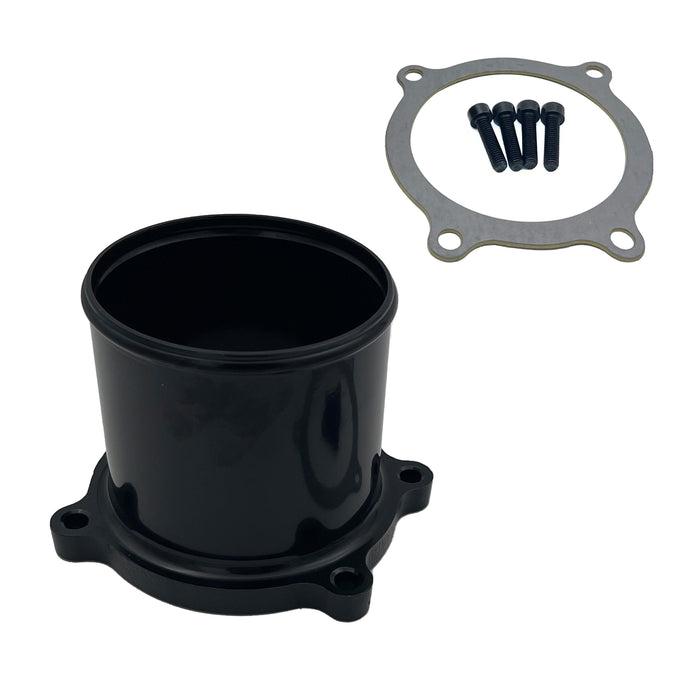
Key points:
- Replace the factory throttle valve with a solid straight-through aluminum pipe to eliminate valve sticking, fluttering, and airflow restriction.
- Improve airflow efficiency with a smooth, unrestricted intake path that helps reduce turbulence and support better throttle response.
- Built from TIG-welded, pressure-tested aluminum construction for reliable performance under high boost conditions.
- Reduce intake restriction and help lower heat buildup by allowing cleaner, unrestricted airflow through the intake system.
The EGR system is one of the areas that receives the most attention on the 6.7L Cummins platform due to its exposure to exhaust flow, soot buildup, and constant operation. Understanding how this system works and how each component affects intake airflow helps owners make informed decisions when addressing long-term maintenance concerns.
Seguler 2007.5-2012 6.7L Cummins Dodge Ram 2500/3500 4" DPF Delete Race Pipe
The 4" DPF Delete Race Pipe is designed to replace the factory DPF and exhaust restriction components on 2007.5–2012 6.7L Cummins Ram 2500 and 3500 trucks. The pipe removes the factory diesel particulate filter section, helping reduce exhaust restriction and improve exhaust flow for off-road and competition applications.
By replacing the restrictive DPF section with a 4-inch mandrel-bent exhaust pipe, this kit helps reduce exhaust backpressure and allows exhaust gases to exit more efficiently. The stainless steel construction provides durability under high-temperature diesel exhaust conditions while maintaining a direct-fit installation design.
For 6.7L Cummins owners looking to address exhaust flow limitations, this DPF delete race pipe provides a simplified exhaust solution designed for off-road use. It helps support improved airflow through the exhaust system while reducing the maintenance concerns associated with factory aftertreatment components.

Key points:
- Premium T409 stainless steel construction with mandrel-bent 4-inch tubing for excellent heat resistance and long-term durability.
- High-flow 4-inch straight pipe design replaces restrictive factory DPF and CAT sections to improve exhaust flow.
- Reduced exhaust backpressure helps lower EGTs and improve turbo spool response under heavy loads.
- Direct-fit mid-section replacement uses factory hangers and OEM connections for easy installation without welding.
The factory DPF system is one of the key areas that receives attention on the 6.7L Cummins platform due to its impact on exhaust flow and long-term maintenance. Understanding how the DPF affects the exhaust system and how a high-flow replacement pipe changes that airflow path helps owners make informed decisions when choosing the right solution for their truck.
How These Two Sides Fit Together
The three parts above address different points in the same airflow system. The DPF race pipe opens the exhaust side, the EGR delete kit addresses the intake-side recirculation path, and the throttle valve delete removes an additional intake restriction. A 2007.5–2009 truck can use all three solutions, while 2010–2012 trucks focus on the DPF pipe and throttle valve delete. 2013-and-up trucks are limited to the throttle valve solution listed here because their exhaust systems use different DEF and SCR hardware.
The key is matching the part to the actual problem and truck year. Coolant loss points toward the EGR cooler, regeneration issues point toward the DPF, and intake restriction points toward the throttle valve. Addressing the right system first helps avoid chasing repeated problems and gives higher-mileage trucks a cleaner baseline.
Installation Overview
None of these jobs is a quick bolt-on, but a careful DIY owner with basic tools can complete them with proper preparation. Plan for the truck to be down for a full day or longer if access is limited or fasteners are seized.
You will need basic hand tools, fresh gaskets, coolant for intake-side work, and safe support for exhaust-side work. Follow proper torque specifications, prepare the matching calibration before installation, and make sure sealing surfaces, coolant bleeding, and exhaust clearance are checked before the first drive.
EGR Cooler and Valve Delete (SG-ER-0016)
This is the most involved of the three jobs because the EGR valve and coolers sit directly in a coolant path — the job is not just unbolting metal, it is also disconnecting and sealing that coolant path.
Step 1. Remove the engine cover, loosen the EGR crossover pipe clamps, remove the center bolt, disconnect the sensor plug, and unplug the EGR valve connector.
Step 2. Remove the factory EGR valve assembly, disconnect the EGR tube and electrical connectors, then remove the related hardware.
Step 3. Remove the factory EGR crossover pipe and clean the mounting surfaces to prepare for installation.
Step 4. Disconnect the EGR cooler coolant lines, remove the factory mounting bolts and exhaust connections, then remove the EGR cooler assembly.
Step 5. Install the first exhaust block-off plate with factory hardware and secure all mounting points.
Step 6. Install the second exhaust block-off plate, reinstall the breather tube, secure the supplied bracket and coolant lines, then refill the coolant system.
Step 7. Check all connections for leaks, bleed the cooling system completely, and verify proper operation before driving.
Check the throttle valve and cooling system carefully. Ensure the intake O-rings seal properly, bleed the coolant system, and load the correct calibration before driving.
Throttle Valve Delete (SG-ER-0072)
This is the quickest of the three — it stays in the intake tract and does not touch the cooling system.
Step 1. Remove the heat shield and unplug the throttle valve connector, then release the intercooler tube clamp and separate the boot for clearance.
Step 2. Remove the four 8mm bolts holding the throttle valve — two screws sit hidden underneath — and disconnect the valve.
Step 3. Fit the straight-through pipe with its bolt and the four hex bolts and washers from the kit, then reconnect and tighten the intercooler tubes and clamps.
Step 4. Reinstall the heat shield and connector, and secure the now-unused throttle valve connector so it does not dangle.
Step 5. Load the calibration that turns off the throttle-valve logic so the truck does not set codes for the removed part.
DPF Race Pipe (SG-DP-0291)
This is the exhaust-side job, and it is mostly about working the factory hardware out cleanly.
Step 1. Lift and safely support the truck and let the exhaust cool completely, then disconnect the sensors and any connections from the factory DPF and catalytic converter.
Step 2. Loosen the flange connections and the clamp at the tailpipe end, remove the DPF and catalytic converter assembly, and take off the tailpipe. At the turbo, loosen the bolt and remove the clamp that secures the downpipe.
Step 3. Pry the clamps out of the three flange positions with a flat-head screwdriver and set them aside — they get reused on the new pipe.
Step 4. Slide pipe clamps onto every connection before assembling, then fit the first section to the turbo using the stock band clamp, snugging it just enough to hold the pipe while still allowing it to move.
Step 5. Connect the second section to the end of the first, keeping the factory muffler in place, then tighten the connections working from front to back so the full run lines up.
Step 6. Check the full run for clearance against the frame, transmission lines, and wiring, then load the matching calibration so the truck operates correctly with the factory filter removed.
Common Installation Mistakes
Dirty sealing surfaces.
A block-off plate or gasket on a surface that still has old material or grime is the fastest way to a leak that shows up days later. Scrape every mounting face clean and keep a rag in open ports so debris never falls into the intake.
Air left in the cooling system.
After the cooler is removed, a loop that is not fully burped holds air pockets that can cause overheating — a problem that has nothing to do with the kit. Refill, run the engine until the coolant circulates, and bleed it before calling the job done.
Skipping the small brackets and supports.
The original hardware held the dipstick tube and hoses steady, and leaving those brackets off lets them vibrate against the block. Reinstall every bracket and support the factory provided.
Rushing the exhaust side.
Forcing fasteners that should be worked loose, leaving the new pipe’s clamps misaligned, and skipping the final clearance check around transmission lines and wiring are the three ways the exhaust job goes wrong. Align everything, tighten from front to back, and check clearance.
Installing hardware before the calibration.
A truck that has not been tuned for the new configuration will keep setting codes and fighting itself, which makes a correctly installed part look faulty. Load the matching calibration before road testing.
What to Expect After the Upgrade
The first thing most owners notice after the exhaust side is opened up is a change in exhaust note — deeper, with a clearer turbo whistle — and a throttle that feels more eager because the engine is no longer pushing against a loaded filter. EGTs that used to climb under load settle down, and the regeneration cycle, along with the oil dilution that came with it, stops being a daily concern. On the intake side, the change is quieter: cleaner airflow, no more coolant loss, and a cooling system that is no longer carrying a heat exchanger that could fail.
It is worth being honest about what these changes are and are not. They remove specific failure modes and specific restrictions; they do not turn a 350-horsepower truck into something it is not, and they do not replace maintenance on the rest of the drivetrain. The 68RFE transmission, the fuel system, and the rest of the engine still need the same care they always did. What changes is that the two systems responsible for the most common, most expensive 6.7L problems are no longer in the loop to fail.
Frequently Asked Questions
Q: Which system fails first on a 6.7L Cummins, the EGR or the DPF?
A: It depends on how the truck is driven. Short-tripped trucks tend to hit DPF trouble first, because regeneration never completes. Higher-mileage trucks that spend time at temperature tend to see the EGR cooler crack first, commonly past the 100,000-mile mark. The two systems feed each other, so a truck with one problem often develops the other.
Q: Does deleting the EGR cooler affect engine cooling?
A: The main thing owners need to pay attention to is completing the coolant bypass correctly. A poorly done installation can create cooling problems, while a properly completed setup keeps coolant circulation working as intended — and the engine actually sheds a heat source that had been dumping exhaust-level temperature into the coolant jacket.
Q: What is the throttle valve, and why would I remove it?
A: It is a butterfly blade in the intake tract that helps the EGR system draw exhaust back in during regeneration. It can jam, flutter, or fail mechanically, and a tune can only disable it electrically — not physically. Replacing it with a straight pipe removes a moving part and a restriction at the same time.
Q: Will the DPF race pipe make my truck much louder?
A: Moderately. Because the pipe replaces only the mid-section DPF and catalytic converter while keeping the factory muffler and tailpipe, volume increases some — a deeper tone and clearer turbo whistle — without the drone or cabin noise of a full straight-pipe exhaust.
Q: Do I need tuning with these parts?
A: Yes. Removing the EGR, throttle valve, or DPF changes what the engine’s computer expects to see, and the calibration has to match the new configuration or the truck will keep setting codes. The hardware and the calibration are two halves of the same job.
Q: Why does one EGR kit cover 2007–2009 while the throttle valve delete covers through 2024?
A: The cooler-and-valve hardware changed as the platform evolved, so that specific kit is built for the early trucks where the cooler is the known failure point. The throttle valve is present across every generation, so its delete spans the full 2007.5-and-up range.
Q: Can I run these parts on a cab-and-chassis truck?
A: It depends on the part and the truck. The DPF race pipe is built for the 2500/3500 pickup and does not fit cab-and-chassis commercial trucks or trucks with aftermarket air-ride suspension. Check the specific fitment for each part before ordering.
Q: How long does the install take?
A: Budget a full day for a careful first-time install, and more if access is tight or fasteners are seized. None of the jobs requires welding, but they all require patience around sealing surfaces, the cooling system, and final clearance checks.
Q: Are these parts legal for street use?
A: These are performance and off-road oriented components. Removing or modifying factory emissions systems can affect the vehicle’s compliance with applicable regulations, and any installation should be checked against the rules where the truck is registered and operated.
Bottom Line
The 6.7L Cummins earned its reputation from the strength of the engine itself, not the emissions hardware added around it. Over time, the EGR system and DPF become two of the areas most owners pay attention to as mileage increases. The good news is that these issues follow predictable patterns — the symptoms are recognizable, and the solutions usually focus on addressing the components that create the restriction or failure point.
For 2007.5–2012 trucks, the most complete approach is addressing both intake and exhaust sides while matching the calibration to the hardware changes. For later models, the right solution depends on the specific system and year. Choosing the correct part for the actual problem helps avoid repeated repairs and maintain a reliable 6.7L Cummins.
Understanding how these systems work, what symptoms to watch for, and how different solutions address specific problems helps owners make better decisions when maintaining their trucks.
For more 6.7L Cummins upgrade solutions and diesel performance components, visit Seguler.com.
Featured collection
-
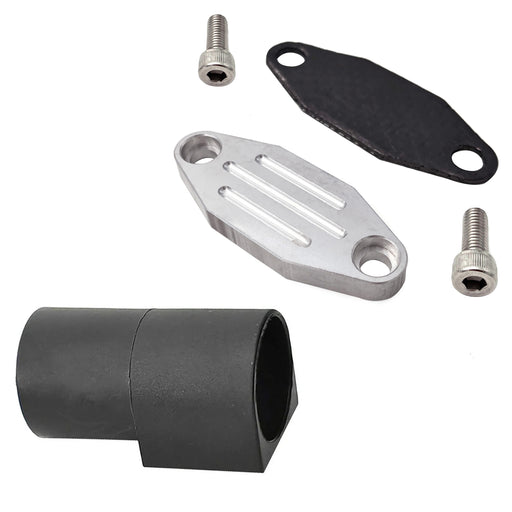
Seguler 1986-1995 Ford F150 F250 F350 Mustang Trucks EGR Simulator Eliminator / Block Off Plate Kit
SEGULEROriginal price $79.99 - Original price $79.99Original price$79.99$79.99 - $79.99Current price $79.99Block Off Plate Material: Aluminum alloy. Easy installation,and convenient to use. Made of CNC milled from aircraft grade Billet aluminum. Will N...
View full details -

Seguler 2011-2023 6.7L Ford Powerstroke Diesel EGR Delete Kit
SEGULEROriginal price $109.99 - Original price $109.99Original price$109.99$109.99 - $109.99Current price $109.99FITMENT 2011-2023 6.7L Ford Powerstroke F-250 F-350 F-450 F-550 Super Duty V8 Diesel. compatible with both standard Pickups and commercial Cab &...
View full details -
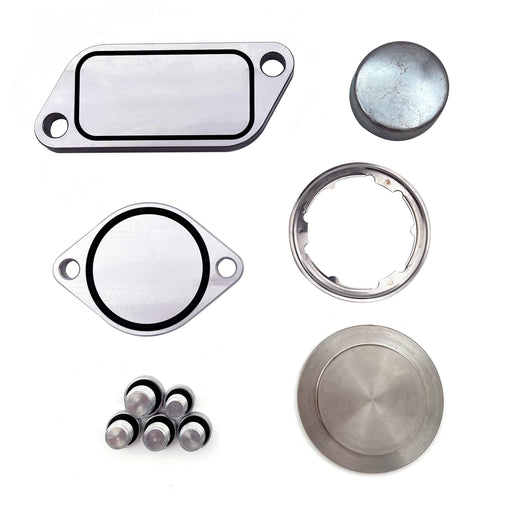
For 2010-Present Stage 2 ISX 15 CM2250 CM2350 EGR Delete Kit
SEGULEROriginal price $59.99 - Original price $59.99Original price$59.99$59.99 - $59.99Current price $59.99FITMENT 2010-Present Cummins Volvo, Peterbilt, Mack, International, Freightliner, Kenworth with the ISX15 CM2250 / CM2350 engines. DESCRIPTION P...
View full details -
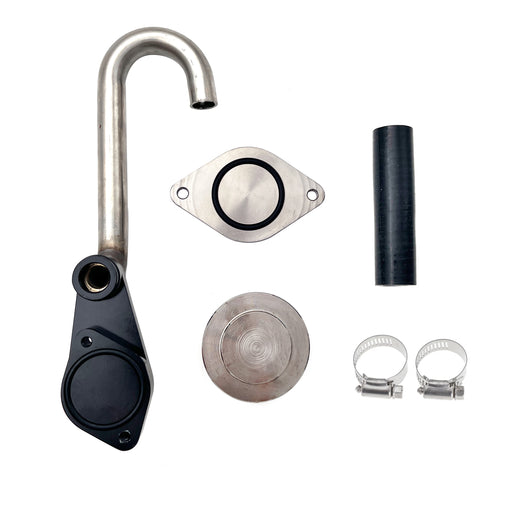
Seguler 2003-2007 6.0L FORD Powerstroke Diesel EGR Cooler Delete Kit
SEGULEROriginal price $56.14 - Original price $56.14Original price$56.14$56.14 - $56.14Current price $56.14FITMENT 2003-2007 6.0L Ford F-250 Ford F-350 F-450 F-550 Super Duty. 2003-2007 6.0L Ford Excursion SUV (Diesel Models Only). 2005-2010 Ford E-Se...
View full details -
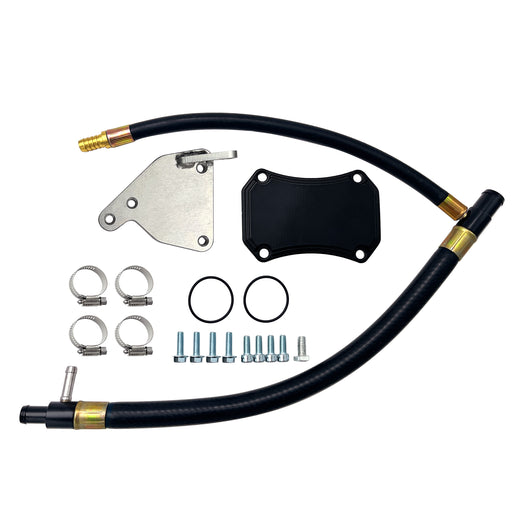
For 2011-2016 6.6L GMC Chevy Duramax Diesel LML EGR Valve Cooler Delete Kit
SEGULEROriginal price $66.49 - Original price $66.49Original price$66.49$66.49 - $66.49Current price $66.49FITMENT 2011-2016 6.6L Chevy GMC Duramax LML 2500 HD 3500 HD Diesel. DESCRIPTION Product Overview The 2011–2016 LML Duramax uses a complex EG...
View full details -
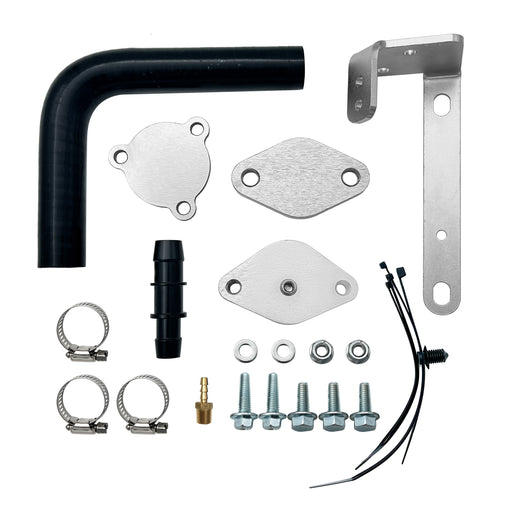
Seguler For 2014-2019 3.0L Dodge Ram 1500 EcoDiesel EGR Valve & Cooler Delete Kit
SEGULEROriginal price $72.99 - Original price $72.99Original price$72.99$72.99 - $72.99Current price $72.99FITMENT 2014-2019 3.0L Dodge Ram 1500 EcoDiesel V6 engine trucks. DESCRIPTION Product Overview Exhaust gas recirculation on 3.0L EcoDiesel V6 ...
View full details -

Seguler 2011-2023 6.7L Ford Powerstroke Diesel EGR Delete Kit
SEGULEROriginal price $85.99 - Original price $85.99Original price$85.99$85.99 - $85.99Current price $85.99FITMENT 2011-2023 6.7L Ford Powerstroke F-250 F-350 F-450 F-550 Super Duty V8 Diesel. compatible with both standard Pickups and commercial Cab &...
View full details -

Seguler 2010-2024 6.7L Dodge Ram Cummins Diesel EGR Valve Cooler Delete Kit
SEGULEROriginal price $89.99 - Original price $89.99Original price$89.99$89.99 - $89.99Current price $89.99FITMENT 2010–2024 6.7L Dodge Ram Cummins 2500 / 3500 Pickup Turbo Diesel. Note: Does NOT fit Chassis Cab 3500 / 4500 / 5500 models. DESCRIPTIO...
View full details -
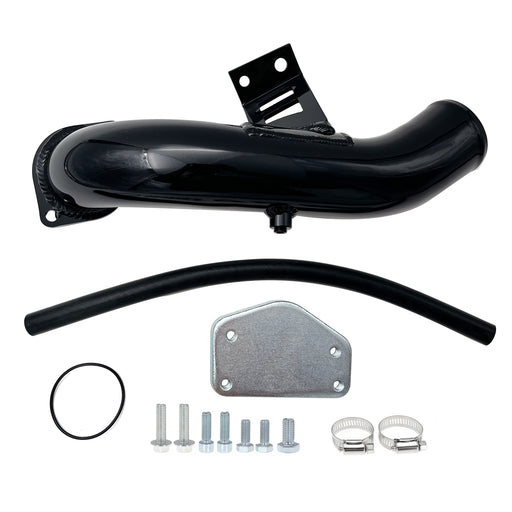
For 2004.5-2005 6.6L Chevy GMC Silverado LLY Duramax Diesel EGR Delete Kit
SEGULEROriginal price $92.99 - Original price $92.99Original price$92.99$92.99 - $92.99Current price $92.99FITMENT 2004.5-2005 6.6L Chevrolet Silverado Duramax LLY 2500HD / 3500 HD. 2004.5-2005 6.6L GMC Sierra Duramax LLY 2500HD / 3500 HD. DESCRIPTION...
View full details -

Seguler 2017-2019 L5P Duramax Diesel 4pcs L5P Can Bus Plugs Connector Replacement
SEGULEROriginal price $75.00 - Original price $75.00Original price$75.00$75.00 - $75.00Current price $75.00FITMENT 2017–2019 Chevrolet Silverado / GMC Sierra Duramax L5P 2500HD & 3500HD Diesel. DESCRIPTION Product Overview Unprotected harness con...
View full details -

Seguler 2020-2023 chevy duramax L5P Diesel Can Bus Plugs Connector
SEGULEROriginal price $80.00 - Original price $80.00Original price$80.00$80.00 - $80.00Current price $80.00FITMENT 2020–2023 Chevrolet Silverado / GMC Sierra Duramax L5P 2500HD & 3500HD Diesel. DESCRIPTION Product Overview Unprotected harness pl...
View full details -
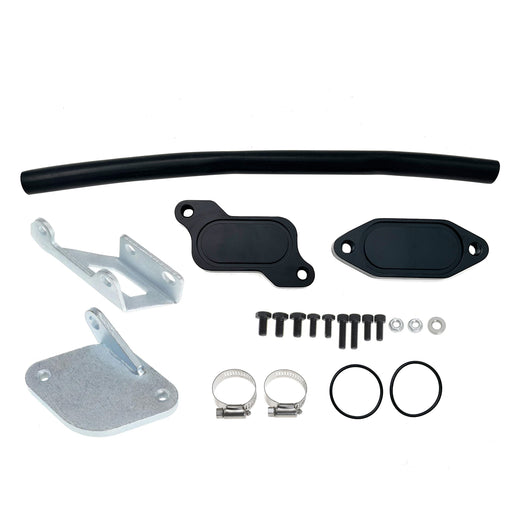
For 2006-2007 6.6L Chevrolet Silverado Classic GMC Duramax LBZ Diesel EGR Valve Cooler Delete Kit
SEGULEROriginal price $63.49 - Original price $63.49Original price$63.49$63.49 - $63.49Current price $63.49FITMENT 2006-2007.4 Chevrolet Silverado Duramax LBZ 2500HD / 3500HD. 2007.4 Chevrolet Silverado Duramax LBZ 2500HD / 3500HD Classic. 2006-2007.4 ...
View full details -
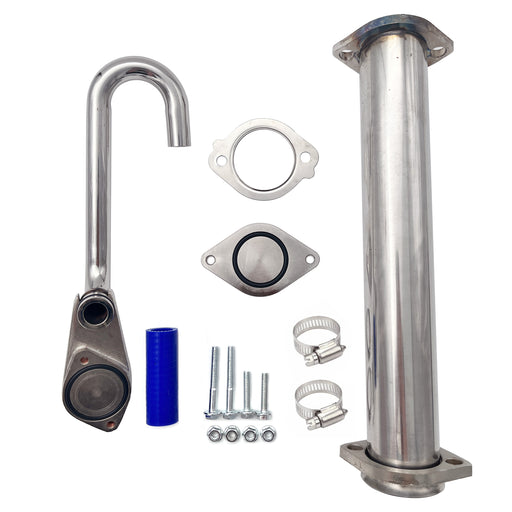
Seguler 2003-2007 6.0L Ford F250 F350 Powerstroke Diesel EGR Basic Cooler Kit
SEGULEROriginal price $79.99 - Original price $79.99Original price$79.99$79.99 - $79.99Current price $79.99FITMENT 2003-2007 6.0L Ford F250 F350 F450 F550 Super Duty Turbo (except 2004 F250 Super Duty). 2003-2005 6.0L Ford Excursion Turbo. 2005 Ford F...
View full details -

Seguler 2011-2023 6.7L Ford F250 F350 F450 F550 Powerstroke Diesel EGR Valve Delete Cooler Delete Kit
SEGULEROriginal price $55.99 - Original price $55.99Original price$55.99$55.99 - $55.99Current price $55.99FITMENT 2011-2023 6.7L Ford Powerstroke F-250 F-350 F-450 F-550 Super Duty V8 Diesel compatible with both standard Pickups and commercial Cab &a...
View full details -
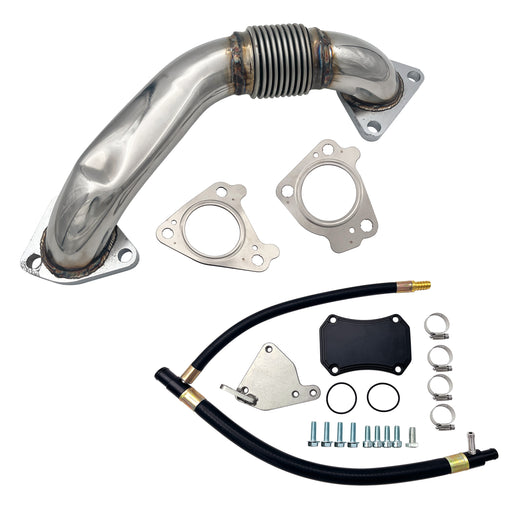
Seguler 2011-2016 6.6L GMC Chevy Duramax Diesel LML Up-Pipe & EGR Valve Cooler Delete Kit
SEGULEROriginal price $173.86 - Original price $173.86Original price$173.86$173.86 - $173.86Current price $173.86FITMENT 2011-2016 6.6L Chevy GMC Duramax LML 2500 HD 3500 HD Diesel. DESCRIPTION Product Overview Direct-injection technology endows GM 5.3L an...
View full details -
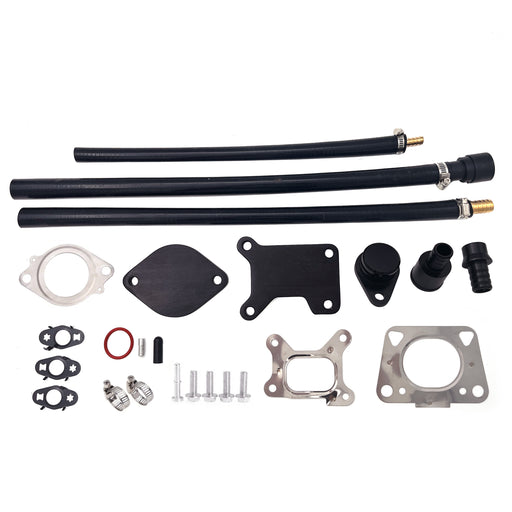
For 2017-2023 6.6L Chevy GMC Duramax L5P diesel EGR Valve Cooler Delete kit
SEGULEROriginal price $131.99 - Original price $131.99Original price$131.99$131.99 - $131.99Current price $131.99FITMENT 2017–2023 6.6L Chevrolet Silverado / GMC Sierra Duramax L5P 2500HD 3500HD Diesel. DESCRIPTION Product Overview Hot soot recirculation ...
View full details -
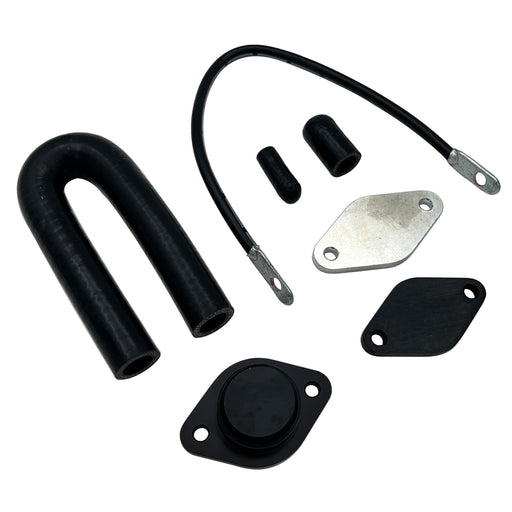
Seguler EGR valve cooler Delete kit for 2020-2022 3.0L Chevy Duramax LM2
SEGULEROriginal price $189.12 - Original price $189.12Original price$189.12$189.12 - $189.12Current price $189.12FITMENT 2020–2022 3.0L Chevrolet Silverado GMC Sierra 1500 LM2 Turbo-Diesel. DESCRIPTION Product Overview Powered by smooth inline-six engine...
View full details -
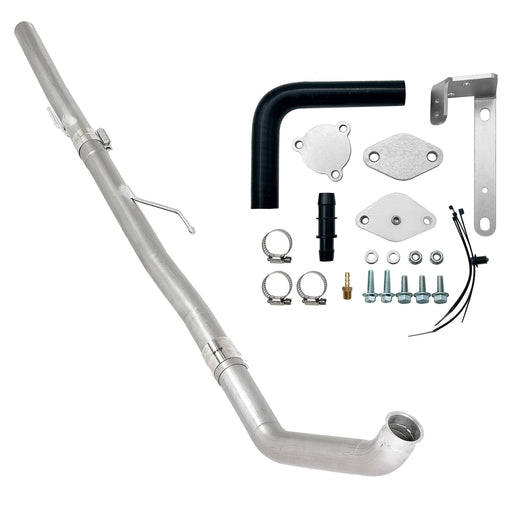
Seguler 3" Ecodiesel DPF Delete Pipe & EGR Delete kit for 2014-2018 3.0L Ram
SEGULEROriginal price $342.00 - Original price $342.00Original price$342.00$342.00 - $342.00Current price $342.00FITMENT 2014–2018 3.0L Dodge Ram 1500 EcoDiesel V6. NOTE: Fit standard Pickup models only (Crew Cab, Quad Cab). Does NOT fit Jeep Grand Cheroke...
View full details -

For 2013-2023 6.7L Dodge Ram Cummins Cab & Chassis EGR Delete Kit Diesel
SEGULEROriginal price $62.99 - Original price $62.99Original price$62.99$62.99 - $62.99Current price $62.99FITMENT 2013–2023 6.7L Ram Cummins 3500 4500 5500 Cab & Chassis / Commercial Trucks. Does NOT fit standard Ram 2500 3500 Pickups. DESCRIPTIO...
View full details -
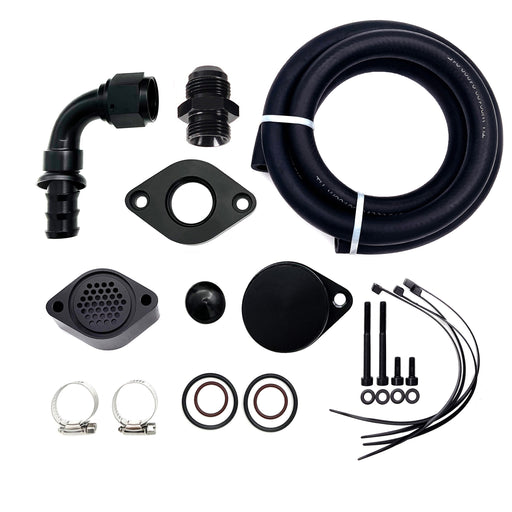
Seguler 2011-2023 6.7L Ford Powerstroke CCV PCV Reroute Engine Ventilation Kit
SEGULEROriginal price $82.99 - Original price $82.99Original price$82.99$82.99 - $82.99Current price $82.99FITMENT 2011-2023 6.7L Ford Powerstroke F-250 F-350 F-450 F-550 Super Duty V8 Diesel. Compatible with both standard Pickups and commercial Cab &...
View full details -
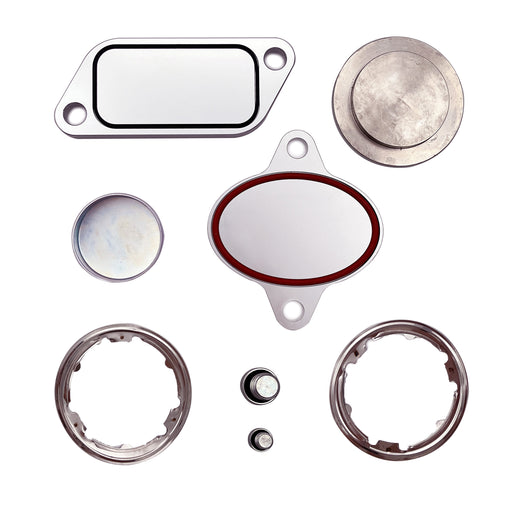
For 2007-2010 Cummins ISX CM871 EGR Plug Kit Stage 2 Plates and Plugs Aluminum
SEGULEROriginal price $67.99 - Original price $67.99Original price$67.99$67.99 - $67.99Current price $67.99FITMENT 2007-2010 Cummins Volvo, Peterbilt, Mack, International, Freightliner, Kenworth with the ISX CM871 Engines. DESCRIPTION Product Overvie...
View full details -
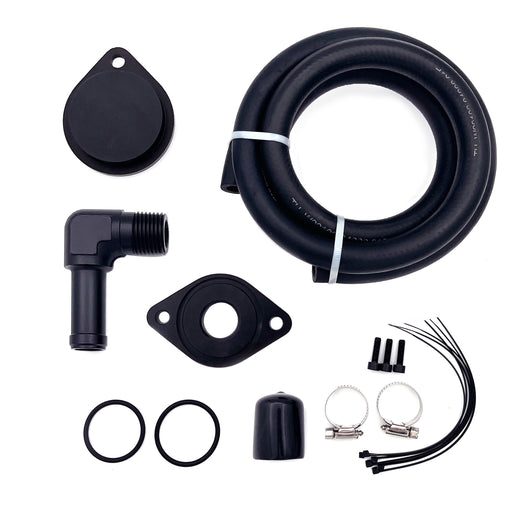
Seguler 2011-2023 Ford 6.7L Powerstroke CCV/PCV Reroute/Delete Engine Ventilation Kit
SEGULEROriginal price $72.00 - Original price $72.00Original price$72.00$72.00 - $72.00Current price $72.00FITMENT 2011-2023 6.7L Ford Powerstroke F-250 F-350 F-450 F-550 Super Duty V8 Diesel. Compatible with both standard Pickups and commercial Cab &...
View full details -
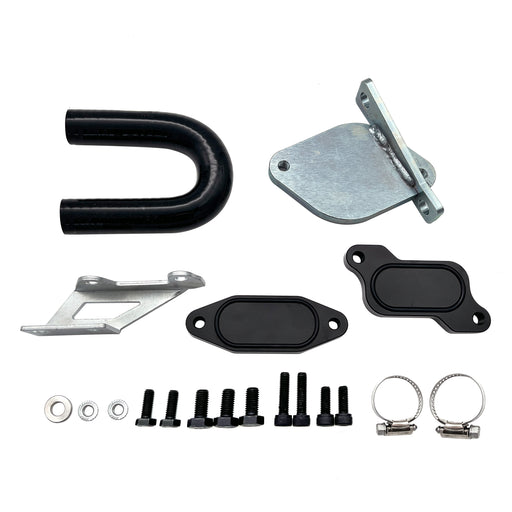
For 2007-2010 6.6L Chevy GMC LMM Duramax EGR Valve Cooler Delete Kit Fit
SEGULEROriginal price $61.99 - Original price $61.99Original price$61.99$61.99 - $61.99Current price $61.99FITMENT 2007.5-2010 6.6L Chevrolet Silverado Duramax LMM 2500HD / 3500HD. 2007.5-2010 6.6L GMC Sierra Duramax LMM 2500HD / 3500HD. Note: Standard...
View full details -
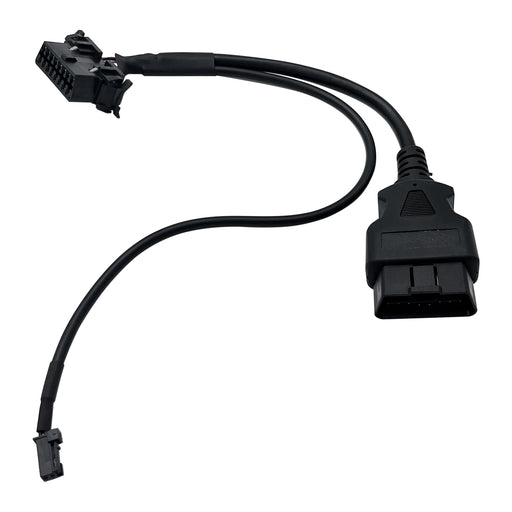
Seguler 2018+ RAM Cummins OBD2 HD Security Gate Bypass Cable
SEGULEROriginal price $45.00 - Original price $45.00Original price$45.00$45.00 - $45.00Current price $45.00FITMENT 2018+ 6.7L Ram Cummins 2500 3500 Turbo Diesel. Designed for Ram pickup trucks equipped with the factory Security Gateway Module. Note: Pl...
View full details -
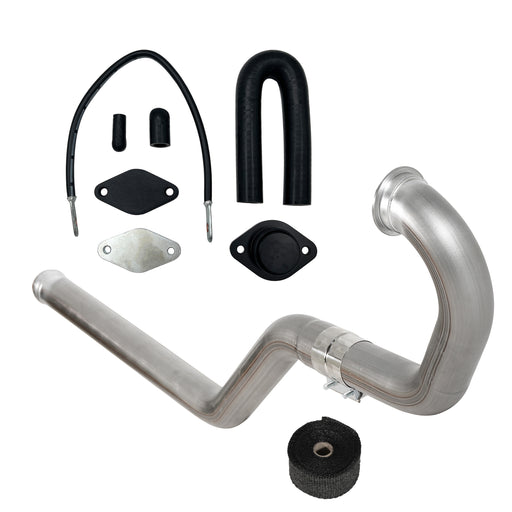
3" Turbo Back DPF & EGR Delete Kit for 2020-2022 GM 3.0L LM2 Duramax
SEGULEROriginal price $550.00 - Original price $550.00Original price$550.00$550.00 - $550.00Current price $550.00FITMENT 2020–2022 3.0L Chevrolet Silverado 1500 LM2 Diesel. 2020–2022 3.0L GMC Sierra 1500 LM2 Diesel. DESCRIPTION Product Overview On the 3.0...
View full details


Leave a comment