

Cummins ISX CM870 vs CM871 EGR Plug Kit: The Downtime Cost That Justifies It
There’s a math problem every owner-operator eventually does in their head, and it has nothing to do with fuel mileage. It goes like this: the truck is sitting in a shop bay with the hood up, and it’s losing money by the hour. Not just the repair bill — the load it isn’t hauling, the loop it isn’t running, the revenue that’s evaporating while a technician waits on a part.
For Cummins ISX owners, that scene plays out more than it should, and the culprit is usually the same: the EGR system. Not the transmission, not the turbo, not a bottom-end problem — the EGR cooler and valve, two components that were bolted onto this engine to meet an emissions standard and have been quietly failing ever since.
Why the ISX EGR Is the Downtime King
The ISX EGR system routes a slice of hot exhaust gas out of the manifold, through a cooler (a compact heat exchanger that uses engine coolant to drop the temperature), and back into the intake through an EGR valve. The theory is lower combustion temps and less NOx.
The reality, on a 15-liter engine that runs hard for a million miles, is a cascade of failures:
-
Soot packs the cooler tubes. High compression and heavy load cycles produce constant soot, and it accumulates inside the cooler’s narrow passages, restricting flow and creating hot spots.
-
Thermal cycling cracks the core. The cooler swings from cold-start ambient coolant to 800–1,000°F exhaust gas, thousands of times. The metal fatigues, and eventually a tube or weld lets go.
-
Coolant dumps into the intake. Once the core cracks, pressurized coolant leaks into the exhaust stream and straight into the intake manifold. Coolant doesn’t compress — it hydrolocks cylinders, washes the oil off the piston walls, and accelerates liner and ring wear.
-
The EGR valve sticks. Carbon gums up the valve shaft and seat, and the valve either seizes open (constant EGR, smoke, lost power) or partially closed (insufficient flow, derate codes).
The guy in the shop in the video put it plainly: he had a customer’s CM871 with an EGR cooler that he’d already replaced once — and it was leaking again in under a year. That’s not a one-off bad part. That’s a component that’s designed to fail on a schedule.
CM870 vs CM871: Know Which Engine You Have
This is the fork every ISX owner has to get right before ordering anything, because the two platforms aren’t the same engine with a different badge.
| CM870 (2003–2006) | CM871 (2007–2010) | |
|---|---|---|
| Emissions hardware | EGR only — no DPF, no SCR | EGR + DPF, still no DEF/SCR |
| Turbo control | Mechanical air solenoid | Electronic VGT motor (precise, ECM-driven) |
| Turbo cooling | Air-cooled | Water-cooled turbo housing |
| Regen | None | #7 injector pulses fuel into the exhaust for regen |
| EGR valve location | Hot side | Cold side (lives longer) |
| ECM cooling | Air-cooled | Fuel-cooled (through an aluminum plate) |
-
The CM870 was Cummins’ first EGR engine — no particulate filter, no DEF, just a cooler and a valve, and it taught the industry exactly what an EGR cooler failure looks like.
-
The CM871 added the DPF and a whole layer of aftertreatment control: a dedicated #7 injector that sprays fuel into the exhaust to hit 1,040°F for regen, a water-cooled turbo, and a cold-side EGR valve that’s more durable than the early hot-side design.
Why this matters for a delete: the CM871 has a DPF sitting downstream, and the CM870 doesn’t. That single difference changes the entire delete strategy.
Stage 1 vs Stage 2: What You’re Actually Buying
The ISX delete world uses two “stages” to describe how far you go, and the difference is the difference between stopping the problem and solving it.
| Stage 1 | Stage 2 | |
|---|---|---|
| What’s removed | EGR valve function only | EGR valve + cooler |
| What stays | EGR cooler | Nothing — cooler removed |
| Block-off point | Between valve and intake | At exhaust manifold + coolant circuit |
| Cooler fail-safe | No — a cracked cooler still leaks | Yes — no cooler left to fail |
| Install | 2–3 hours, no coolant drain | 4–6 hours, coolant drain required |
Here’s the trap that catches people:
A Stage 1 block-off stops the exhaust from recirculating, but it leaves the cooler pressurized and plumbed in. If that cooler cracks — and on a high-mileage ISX, it’s close to a when-not-if proposition — the coolant still has a path back toward the cylinders. You’ve spent money and labor to leave the single most failure-prone component on the engine exactly where it was.
A Stage 2 kit removes the cooler entirely and plugs the coolant circuit. There’s nothing left to crack, leak, or strand the truck. That’s the difference between a delete that postpones the problem and one that eliminates it.
How to Tell If Your EGR Cooler Is Already Leaking
Before you pick Stage 1 vs Stage 2 — or decide whether to delete at all — you need to know the state of the cooler that’s sitting on your engine right now. A cracked cooler doesn’t always announce itself with a warning light; more often it leaks internally, and the signs are subtle.
The Symptoms
-
White smoke from the stack. Coolant in the exhaust burns white, and it’s most visible when the EGR valve is open — that’s when the flooded coolant gets shoved back into the intake and burned. If the driver behind you says you’re smoking white, check the cooler before anything else.
-
Unexplained coolant loss. A half-gallon or more disappearing with no puddle under the truck is the classic internal-leak signature. One tech described a customer adding “half a gallon to a gallon every one or two days” — that’s a cooler that’s already gone.
-
Coolant in the oil. Potassium and sodium climbing in your last two or three oil samples means coolant is reaching the combustion chamber. At that point a Stage 1 block-off is no longer enough.
How to Confirm It
-
Pull the intake manifold sensor. Normally that sensor comes out dry and sooty. If it’s wet — coolant-wet, not just dirty — the cooler is leaking into the intake stream.
-
Pull the EGR cooler outlet pipe. Wetness inside the outlet is a direct tell that coolant is crossing into the exhaust side. On a healthy cooler that passage stays dry.

-
Look inside the DPF (CM871). A red or pink tint in the filter means coolant has already been carried into the aftertreatment — the leak has run long enough to reach the filter.
-
Do a coolant pressure test. Pressurize the system to 15–18 psi and hold it. Any pressure drop you can’t trace to a visible external leak points straight at an internal cooler failure.
The decision rule is simple: if the cooler tests clean on a sub-300,000-mile engine with no coolant in the oil, a Stage 1 block-off is a defensible call. If you see any of the signs above — white smoke, wet sensors, coolant in the oil — the cooler is already compromised, and Stage 2 is the only delete that actually removes the failure.
The Downtime Math: Why $80 Beats $11,000
This is where the title of this article comes from. Let’s put real numbers on the table, straight from the people who’ve lived it:
-
One DOC failure: a $3,500 part, plus three separate shop visits that totaled almost $11,000 — and the truck was down for days while the ECM history was shipped off to Cummins for diagnosis.
-
One owner-operator’s year: $13,000 in emissions repairs in a single year, then another $1,500 the next. EGR cooler $2,200, EGR valve $1,600, DOC $2,300, DPF $1,800, and a parade of $200–$450 sensors and pipes.
-
A CM871 that needed an in-frame rebuild at 325,000 miles because carbon from the EGR system had packed the rings and wiped the cam bearings — the machine shop guessed it had a million miles on it. Total repair bill north of $25,000.
Now stack the delete kit cost: $68–$81 for the plug kit, plus ECM tuning. Even with the tune and labor, you’re looking at a fraction of one of those failures.
But the real killer isn’t the parts — it’s the downtime:
A Class 8 truck that isn’t rolling loses a loop, and a loop is $2,000–$3,000 in revenue. Every day a truck sits waiting for an EGR cooler or a DOC is a day the payment still comes due and the revenue doesn’t. The EGR system is the single most reliable generator of those days, and the delete is the only fix that removes it from the equation entirely.
The Three Traps That Turn a Delete Into a New Problem
A delete isn’t automatically a win. Do it wrong, and you trade one failure for another.
Trap 1: On the CM871, the DPF Has to Go Too
The CM870 has no DPF, so deleting the EGR is a self-contained job. But the CM871 has a DPF downstream, and deleting the EGR alone makes things worse: with EGR gone, the engine burns richer, produces more soot, and that soot now has nowhere to go but straight into the DPF. Within a short time the filter packs up and the truck is back in derate.
On a CM871, the DPF delete has to happen before — or at the same time as — the EGR delete. The two systems are linked, and you can’t half-remove the pair.
Trap 2: The VGT Will Over-Spool Without Backpressure
This is a Class 8 problem you don’t get on a pickup. Pull the DPF and the exhaust backpressure collapses, and the variable-geometry turbo will try to over-spool. The two standard fixes are a fake DPF canister (a hollow shell that restores the right backpressure) or a proper VGT remap in the tune. Skip this and the turbo is the next thing that fails.
Trap 3: You Still Have to Reflash the ECM
Removing hardware without tuning the ECM is not a delete — it’s a derate. The ISX ECM monitors EGR flow and valve position, and when it doesn’t see what it expects, it sets codes and pulls power. The hardware and the ECM calibration have to go together, or the truck is parked anyway.
The Honest Answer: What a Delete Actually Changes
Because the marketing around ISX deletes gets inflated fast, here’s the straight version:
-
It doesn’t add horsepower by itself. The power comes from the tune you pair it with — typically a pre-EGR calibration that lets you pick the horsepower range the engine ran at before emissions. The delete hardware just removes the restriction and the failure point.
-
Don’t crank the horsepower. The old-timer advice from the forums is worth repeating verbatim: “Don’t turn up HP — if it was a 550hp leave it at 550hp. Motors now are built with skinny margins for failure. Your deleted 550 will last much longer.” On a heavy-duty engine, chasing big power is how you find the next weak link.
-
Fuel economy improves, but modestly. Real-world reports range from about a mile per gallon to 20% in the best cases — meaningful on a truck that burns 20,000 gallons a year, but not the headline reason to delete.
-
Oil stays cleaner. With EGR gone, the engine stops feeding its own soot back through the intake and down past the rings. Cleaner oil means longer life for the bearings, the rings, and the cam.
The Install: A Full Stage 2 Walkthrough
A Stage 2 ISX delete is a real job — plan a full day or more for a first-timer, and expect the turbo to come off for access. Here’s the complete sequence, drawn from a real CM871 cooler removal, so the tool sizes and the gotchas are what you’ll actually hit.
Tools You’ll Need
- 10mm, 13mm, 15mm, and 18mm sockets, plus a 1/2-inch drive for the big nuts
- Gear wrench and stubby wrenches — the back of the block is tight, and you’ll be working in gaps where a full-size ratchet won’t swing
- O-ring pick for digging the old cooler O-rings out
- Magnetic tray — the banjo washers and small bolts are easy to drop into the engine bay
- Coolant catch pan rated for 10+ gallons, plus fresh coolant to refill
- Torque wrench, penetrating oil, and a clean surface for the block-off plates
Step 0: Flash the Tuned ECM First
Get the delete calibration into the ECM while the truck is still whole. This is the one step you can’t skip or postpone — remove the hardware without it and the truck derates on the spot.
Step 1: Drain the Coolant
You’re removing the cooler, which is full of coolant. Drain at least 8–10 gallons and be ready for the lines to keep puking water every time you move one — keep the catch pan under the whole job.
Step 2: Remove the Turbo for Access
The turbo sits in front of the cooler, and on most chassis it has to come off:
- Unplug the turbo inlet temperature sensor and cut the zip ties holding the harness.
- Unplug the actuator. The actuator has its own coolant supply and return lines with banjo washers on them — save every washer, they’re easy to lose and hard to source.
- Unplug the turbine speed sensor (the green wire).
- Loosen the downpipe and get it out of the way.
- Remove the turbo drain line (10mm bolts) and the pressure lines up top.
- Pull the doser valve — its electrical connector and fuel line both have to come off.
- Remove the doser elbow (7/16 clamp) and the 18mm turbo bolts (two nuts on top, two on the bottom).
- Lift the turbo off. It’s heavy but manageable by hand — far lighter than a Cat D8 turbo.
Step 3: Pull the EGR Cooler (The Hard Part)
This is where the time goes, and where access decides how bad it hurts:
- Remove the cooler water-inlet flange bolts (13mm).
- Remove the rigid-mount bolts — a mix of 10mm and 13mm heads on top, and 15mm nuts underneath.
- Take off the hold-down plate that the bolts pass through.
- Pop the two-bolt flange at the bottom of the cooler.
- Work the coolant hose clamps off and the core O-rings loose — dry O-rings fight you, so expect some prying.
- Slide the cooler out. The two-flange gasket behind it is the single worst spot, especially on an International or Freightliner where the back pipe runs tight to the block. A Peterbilt gives you noticeably more room.
Step 4: Install the Plates and Plug the Coolant Circuit
- Match the block-off plates to the port pattern — on most kits the longer bolt goes on the bottom studs and the shorter on top.
- Replace every O-ring and flat-face O-ring fitting with the new ones from the kit, and lube them before seating so they slide in instead of tearing.
- Install the coolant circuit plugs at the former cooler connection points.
- Reinstall the turbo — the pro tip is to hang it on the turbo studs first rather than fighting it into place cold.
- Refill and burp the coolant, then fire it up and watch for leaks before you button anything back up.
The Mistakes That Cost You a Second Teardown
- The tube goes in one way. The tech in the video put the cooler tube in backwards, only realized it when the flange wouldn’t line up, and had to pull it back out. Dry-fit the tube orientation before you commit.
- Losing a banjo washer. One washer in the wrong place means a coolant leak on the actuator line that you’ll chase for an afternoon.
- Over-torquing a hot bolt. Exhaust-side fasteners that were torqued cold feel seized after heat cycling. Back them off carefully — stripped threads mean a stud replacement.
- Skipping the forced regen (CM871). If you kept the DPF and coolant got into the exhaust before the failure, run a forced regen to burn it out rather than letting it sit in the filter.
After the Delete: How to Care for a Deleted ISX
The delete removes the EGR’s failure points, but it doesn’t remove the need to look after the engine — and a deleted truck has a few rules of its own.
The First 500–1,000 Miles
-
Recheck every block-off plate and coolant plug after a few heat cycles. New gaskets settle, and a plate that was snug at install can weep once the engine has been through a dozen hot-cold swings.
-
Watch the coolant level closely. You just replumbed the cooling circuit, and any air pocket that didn’t burp out will show up as a low level or a hot spot in the first few runs.
-
Scan for codes. A proper delete tune should keep the dash clean, but the first few hundred miles are the time to catch a lingering EGR-flow code before it turns into a derate.
Long-Term Habits
-
Keep an eye on EGT under load. With the DPF gone the VGT has more room to over-spool, so monitor exhaust temps when you’re pulling hard — especially on a CM871 still running its stock turbo map.
-
Don’t stretch the oil interval too far. Deleted oil stays cleaner because the engine stops feeding soot back through the intake, but cleaner oil isn’t an excuse to double the interval. Heavy-duty engines still live and die by oil changed on schedule.
-
Keep every original part. The EGR valve, cooler, and plumbing are worth hanging onto in a box in the shop. If you ever sell the truck — and remember, most dealers won’t take a deleted truck on trade — being able to reinstall the emissions hardware and return the ECM to stock is the difference between selling it and being stuck with it.
-
Stay out of the enforcement states. A deleted truck can’t run California, and more ports and scales are checking. Know where your truck is legal and keep it there.
The Honest Bottom Line on Longevity
The old-timer rule still applies: run it at the factory horsepower, change the oil on time, and don’t chase big power. A deleted ISX at 550 hp with clean oil and no EGR feeding it soot will outlast both a stock emissions truck and a hot-rodded one. The delete doesn’t make the engine bulletproof — it just removes the component that was most likely to park it.
The Products: Two Stage 2 Kits, One for Each Platform
CM870 — Seguler ISX CM870 Stage 2 EGR Delete Plug Kit
Seguler 2002–2007 ISX CM870 Stage 2 EGR Delete Plug Kit (SKU SG-ER-0117, $81.19)
Built for the first-generation EGR ISX across Volvo, Peterbilt, Mack, International, Freightliner, and Kenworth:

- Stage 2 coverage — deletes the EGR valve and cooler, then caps every exhaust, intake, and coolant crossover port.
- Billet aluminum block-off plates plus 304 stainless steel plug fittings for a warp-resistant seal on the high-pressure exhaust and coolant circuits.
- Permanently isolates the engine from the internal coolant leak that a cracked cooler causes, and stops exhaust gas from seeping back through abandoned EGR ports.
CM871 — Seguler ISX CM871 EGR Plug Kit
Seguler 2007–2010 Cummins ISX CM871 EGR Plug Kit Stage 2 (SKU SG-ER-0114, $67.99)
For the DPF-era ISX across the same chassis lineup:

- Stage 2 deletion — removes the valve and cooler and precision-caps the exhaust, intake, and coolant ports.
- CNC-machined aluminum with 304 stainless steel plates and hardware for thermal resistance under heavy-haul duty.
- Blocks exhaust recirculation into the intake and completely isolates the cooler and valve passages after removal.
The difference between the two: it’s almost entirely about fitment. The CM870 and CM871 have different EGR plumbing and different port layouts, so each kit is matched to its platform. Pick the one that matches your engine’s build year — and if you’re on a CM871, remember the DPF has to be addressed as part of the same job.
The Legal Reality
Nothing here changes the fact that removing emissions equipment on a commercial vehicle is a serious legal matter, and the stakes are much higher than on a personal pickup.
-
Tampering with emissions controls violates the federal Clean Air Act (42 U.S.C. § 7522) and EPA regulations.
-
Commercial penalties are severe. State-level fines can run to $25,000 per violation, and the EPA has pursued six-figure settlements against fleets running deleted trucks. A glider truck entering California with a pre-emissions engine has drawn a $10,000 fine.
-
These kits are for off-road, competition, and exempt applications only. A truck that runs public roads with deleted EGR/DPF is a liability — for you, and for anyone who buys it from you.
Know the law in the states and ports where you run before you modify anything.
Conclusion
The Cummins ISX is a strong engine saddled with an EGR system that fails on a schedule — the cooler cracks, the valve sticks, and every failure costs thousands in parts and days in downtime. The CM870 and CM871 are the two generations where that problem is most acute, and the fix is the same: remove the valve and cooler completely, plug every port, and reflash the ECM so the truck runs the way the pre-emissions 550-horsepower engines did.
A Stage 2 plug kit costs less than a single EGR cooler, and a fraction of what one parked week costs you in lost revenue. That’s the math that justifies it — not horsepower, not fuel economy, but the simple fact that a truck that’s deleted is a truck that isn’t sitting in a bay waiting on a cooler.
For the CM870 and CM871 EGR plug kits — and the rest of the line for Cummins, Detroit, and CAT platforms — head to Seguler.com. Every kit is machined to spec for your exact engine and year, and ships with the fitment and port coverage to make sure you delete it once and delete it right.
Frequently Asked Questions
Q1: What’s the difference between the CM870 and CM871 ISX?
A: The CM870 (2003–2006) is EGR-only with no DPF or SCR. The CM871 (2007–2010) adds a DPF, a #7 injector for regen, a water-cooled turbo, and a cold-side EGR valve.
Q2: Why should I go Stage 2 instead of just a block-off plate?
A: A Stage 1 block-off stops recirculation but leaves the cooler pressurized and in place — a cracked cooler still leaks coolant. Stage 2 removes the cooler entirely, so there’s nothing left to fail.
Q3: Do I need to delete the DPF on a CM871 too?
A: Yes. Deleting the EGR alone makes the engine burn richer and produce more soot, which plugs the DPF. The DPF and EGR have to be addressed together on the CM871.
Q4: Does the delete add horsepower?
A: Not by itself. The power comes from the pre-EGR tune you pair with it. The hardware just removes the restriction and the failure point.
Q5: What’s the downtime cost of an EGR failure?
A: A single DOC or cooler failure can run $2,200–$3,500 in parts plus days of shop time — and every parked day costs a loop of revenue. That’s what makes an $80 delete kit cheap insurance.
Q6: Will I need to reflash the ECM?
A: Yes, absolutely. Removing hardware without tuning leaves the ECM detecting missing EGR flow and putting the truck into derate. Hardware and calibration go together.
Q7: What about the VGT turbo over-spooling after a DPF delete?
A: Removing the DPF drops backpressure and the VGT will try to over-spool. The fix is a fake DPF canister or a proper VGT remap in the tune.
Q8: Is this legal on the highway?
A: No. Removing emissions equipment violates the Clean Air Act, and commercial penalties can reach $25,000 per violation. These kits are for off-road and competition use only.
Q9: How long does a Stage 2 delete take?
A: Expect 4–6 hours for a shop with ISX experience, or a full weekend for a capable owner-operator. The turbo has to come off for access, and the coolant has to be drained and refilled.
Q10: Should I turn up the horsepower while I’m at it?
A: Most experienced ISX owners say no — keep it at the factory rating. These engines are built with thin margins, and a deleted 550 will outlast a deleted 700 every time.
Featured collection
-
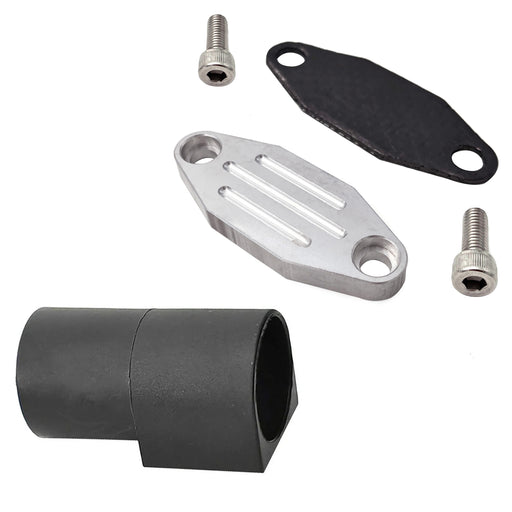
Seguler 1986-1995 Ford F150 F250 F350 Mustang Trucks EGR Simulator Eliminator / Block Off Plate Kit
SEGULEROriginal price $79.99 - Original price $79.99Original price$79.99$79.99 - $79.99Current price $79.99Block Off Plate Material: Aluminum alloy. Easy installation,and convenient to use. Made of CNC milled from aircraft grade Billet aluminum. Will N...
View full details -

Seguler 2011-2023 6.7L Ford Powerstroke Diesel EGR Delete Kit
SEGULEROriginal price $109.99 - Original price $109.99Original price$109.99$109.99 - $109.99Current price $109.99FITMENT 2011-2023 6.7L Ford Powerstroke F-250 F-350 F-450 F-550 Super Duty V8 Diesel. compatible with both standard Pickups and commercial Cab &...
View full details -
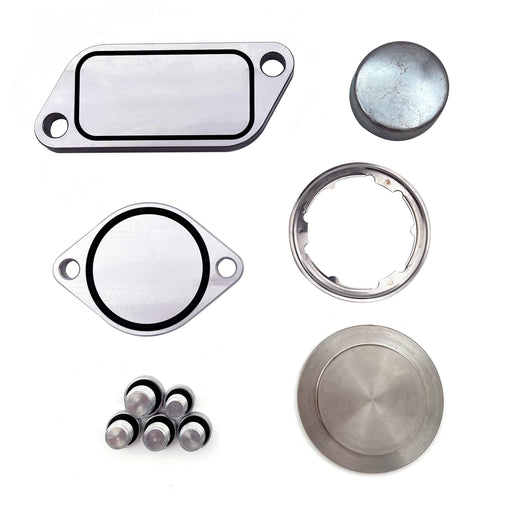
For 2010-Present Stage 2 ISX 15 CM2250 CM2350 EGR Delete Kit
SEGULEROriginal price $59.99 - Original price $59.99Original price$59.99$59.99 - $59.99Current price $59.99FITMENT 2010-Present Cummins Volvo, Peterbilt, Mack, International, Freightliner, Kenworth with the ISX15 CM2250 / CM2350 engines. DESCRIPTION P...
View full details -
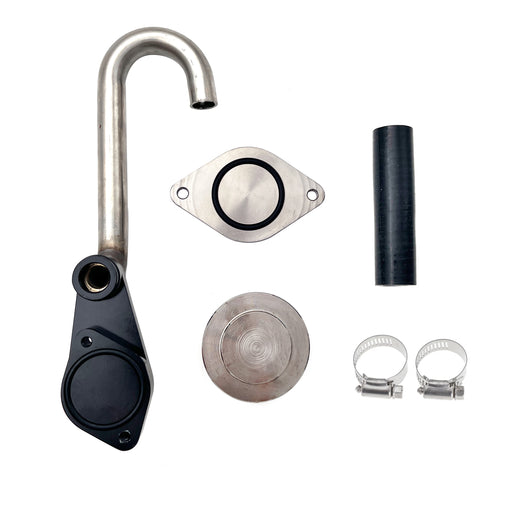
Seguler 2003-2007 6.0L FORD Powerstroke Diesel EGR Cooler Delete Kit
SEGULEROriginal price $56.14 - Original price $56.14Original price$56.14$56.14 - $56.14Current price $56.14FITMENT 2003-2007 6.0L Ford F-250 Ford F-350 F-450 F-550 Super Duty. 2003-2007 6.0L Ford Excursion SUV (Diesel Models Only). 2005-2010 Ford E-Se...
View full details -
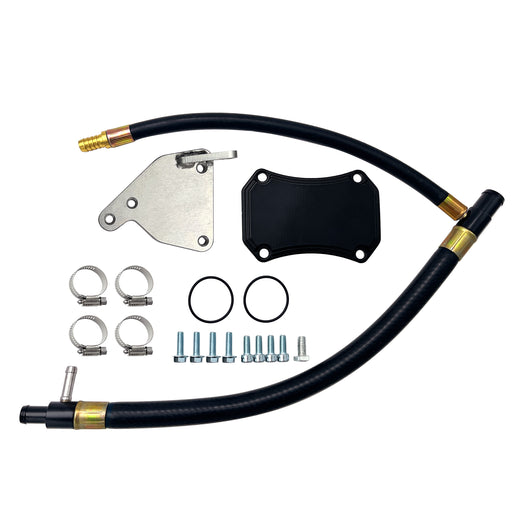
For 2011-2016 6.6L GMC Chevy Duramax Diesel LML EGR Valve Cooler Delete Kit
SEGULEROriginal price $66.49 - Original price $66.49Original price$66.49$66.49 - $66.49Current price $66.49FITMENT 2011-2016 6.6L Chevy GMC Duramax LML 2500 HD 3500 HD Diesel. DESCRIPTION Product Overview The 2011–2016 LML Duramax uses a complex EG...
View full details -
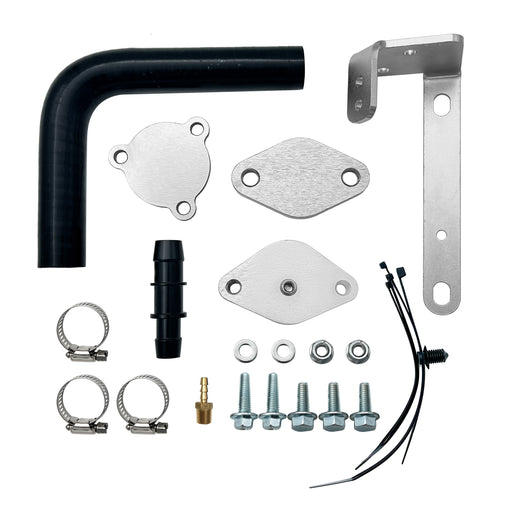
Seguler For 2014-2019 3.0L Dodge Ram 1500 EcoDiesel EGR Valve & Cooler Delete Kit
SEGULEROriginal price $72.99 - Original price $72.99Original price$72.99$72.99 - $72.99Current price $72.99FITMENT 2014-2019 3.0L Dodge Ram 1500 EcoDiesel V6 engine trucks. DESCRIPTION Product Overview Exhaust gas recirculation on 3.0L EcoDiesel V6 ...
View full details -

Seguler 2011-2023 6.7L Ford Powerstroke Diesel EGR Delete Kit
SEGULEROriginal price $85.99 - Original price $85.99Original price$85.99$85.99 - $85.99Current price $85.99FITMENT 2011-2023 6.7L Ford Powerstroke F-250 F-350 F-450 F-550 Super Duty V8 Diesel. compatible with both standard Pickups and commercial Cab &...
View full details -

Seguler 2010-2024 6.7L Dodge Ram Cummins Diesel EGR Valve Cooler Delete Kit
SEGULEROriginal price $89.99 - Original price $89.99Original price$89.99$89.99 - $89.99Current price $89.99FITMENT 2010–2024 6.7L Dodge Ram Cummins 2500 / 3500 Pickup Turbo Diesel. Note: Does NOT fit Chassis Cab 3500 / 4500 / 5500 models. DESCRIPTIO...
View full details -
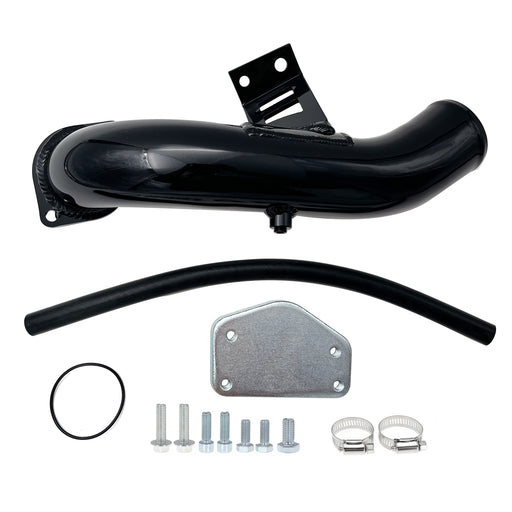
For 2004.5-2005 6.6L Chevy GMC Silverado LLY Duramax Diesel EGR Delete Kit
SEGULEROriginal price $92.99 - Original price $92.99Original price$92.99$92.99 - $92.99Current price $92.99FITMENT 2004.5-2005 6.6L Chevrolet Silverado Duramax LLY 2500HD / 3500 HD. 2004.5-2005 6.6L GMC Sierra Duramax LLY 2500HD / 3500 HD. DESCRIPTION...
View full details -

Seguler 2017-2019 L5P Duramax Diesel 4pcs L5P Can Bus Plugs Connector Replacement
SEGULEROriginal price $75.00 - Original price $75.00Original price$75.00$75.00 - $75.00Current price $75.00FITMENT 2017–2019 Chevrolet Silverado / GMC Sierra Duramax L5P 2500HD & 3500HD Diesel. DESCRIPTION Product Overview Unprotected harness con...
View full details -

Seguler 2020-2023 chevy duramax L5P Diesel Can Bus Plugs Connector
SEGULEROriginal price $80.00 - Original price $80.00Original price$80.00$80.00 - $80.00Current price $80.00FITMENT 2020–2023 Chevrolet Silverado / GMC Sierra Duramax L5P 2500HD & 3500HD Diesel. DESCRIPTION Product Overview Unprotected harness pl...
View full details -
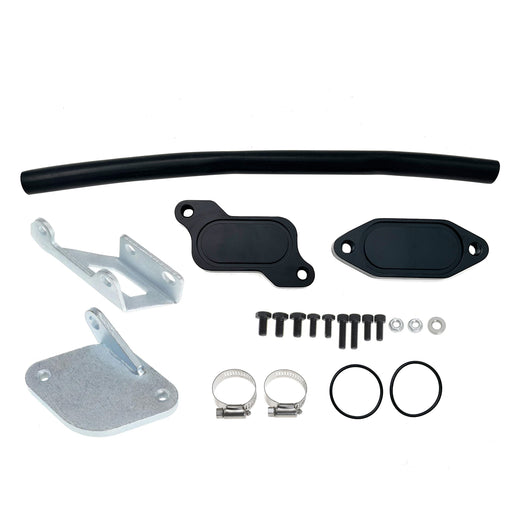
For 2006-2007 6.6L Chevrolet Silverado Classic GMC Duramax LBZ Diesel EGR Valve Cooler Delete Kit
SEGULEROriginal price $63.49 - Original price $63.49Original price$63.49$63.49 - $63.49Current price $63.49FITMENT 2006-2007.4 Chevrolet Silverado Duramax LBZ 2500HD / 3500HD. 2007.4 Chevrolet Silverado Duramax LBZ 2500HD / 3500HD Classic. 2006-2007.4 ...
View full details -
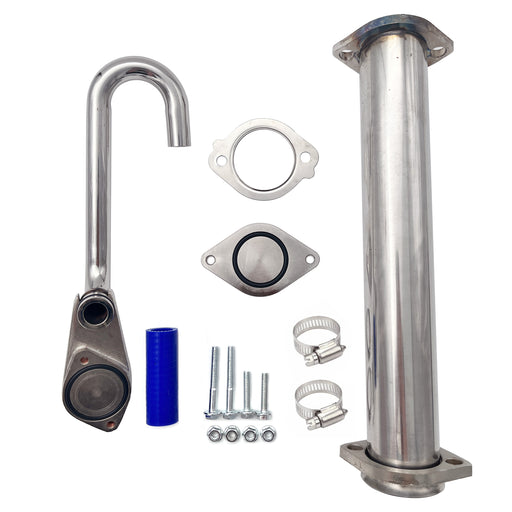
Seguler 2003-2007 6.0L Ford F250 F350 Powerstroke Diesel EGR Basic Cooler Kit
SEGULEROriginal price $79.99 - Original price $79.99Original price$79.99$79.99 - $79.99Current price $79.99FITMENT 2003-2007 6.0L Ford F250 F350 F450 F550 Super Duty Turbo (except 2004 F250 Super Duty). 2003-2005 6.0L Ford Excursion Turbo. 2005 Ford F...
View full details -

Seguler 2011-2023 6.7L Ford F250 F350 F450 F550 Powerstroke Diesel EGR Valve Delete Cooler Delete Kit
SEGULEROriginal price $55.99 - Original price $55.99Original price$55.99$55.99 - $55.99Current price $55.99FITMENT 2011-2023 6.7L Ford Powerstroke F-250 F-350 F-450 F-550 Super Duty V8 Diesel compatible with both standard Pickups and commercial Cab &a...
View full details -
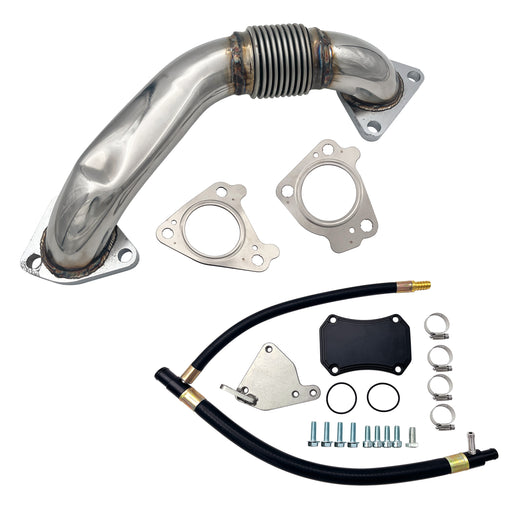
Seguler 2011-2016 6.6L GMC Chevy Duramax Diesel LML Up-Pipe & EGR Valve Cooler Delete Kit
SEGULEROriginal price $173.86 - Original price $173.86Original price$173.86$173.86 - $173.86Current price $173.86FITMENT 2011-2016 6.6L Chevy GMC Duramax LML 2500 HD 3500 HD Diesel. DESCRIPTION Product Overview Direct-injection technology endows GM 5.3L an...
View full details -
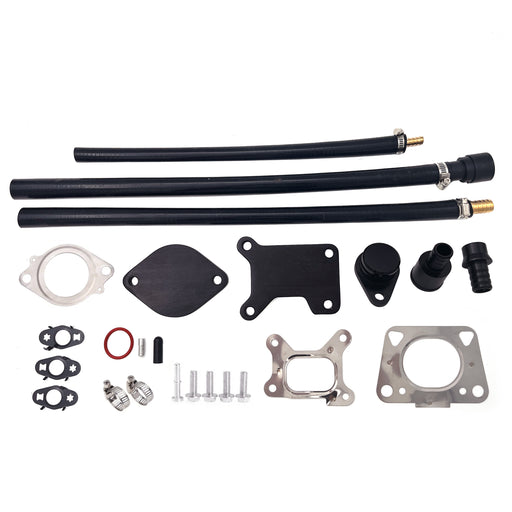
For 2017-2023 6.6L Chevy GMC Duramax L5P diesel EGR Valve Cooler Delete kit
SEGULEROriginal price $131.99 - Original price $131.99Original price$131.99$131.99 - $131.99Current price $131.99FITMENT 2017–2023 6.6L Chevrolet Silverado / GMC Sierra Duramax L5P 2500HD 3500HD Diesel. DESCRIPTION Product Overview Hot soot recirculation ...
View full details -

For 2013-2023 6.7L Dodge Ram Cummins Cab & Chassis EGR Delete Kit Diesel
SEGULEROriginal price $62.99 - Original price $62.99Original price$62.99$62.99 - $62.99Current price $62.99FITMENT 2013–2023 6.7L Ram Cummins 3500 4500 5500 Cab & Chassis / Commercial Trucks. Does NOT fit standard Ram 2500 3500 Pickups. DESCRIPTIO...
View full details -
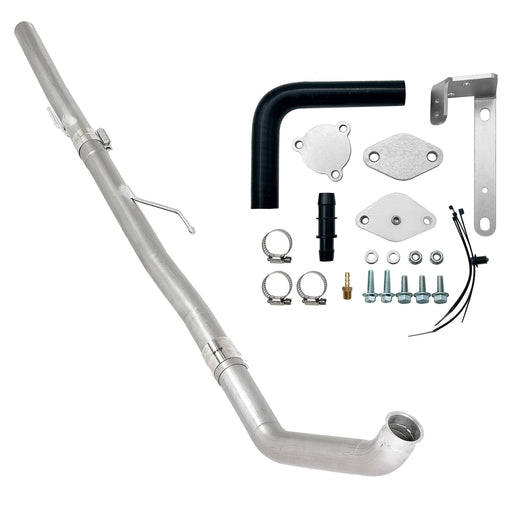
Seguler 3" Ecodiesel DPF Delete Pipe & EGR Delete kit for 2014-2018 3.0L Ram
SEGULEROriginal price $342.00 - Original price $342.00Original price$342.00$342.00 - $342.00Current price $342.00FITMENT 2014–2018 3.0L Dodge Ram 1500 EcoDiesel V6. NOTE: Fit standard Pickup models only (Crew Cab, Quad Cab). Does NOT fit Jeep Grand Cheroke...
View full details -
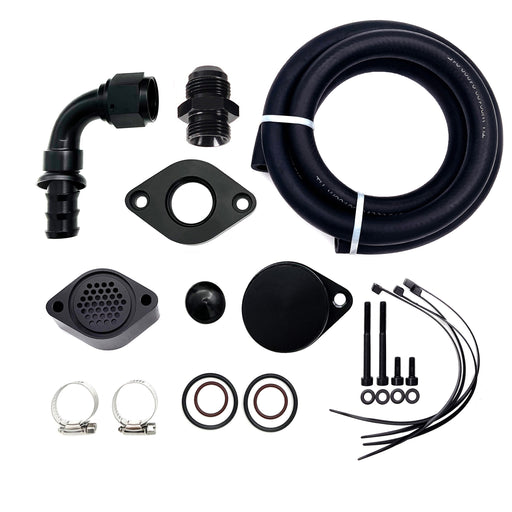
Seguler 2011-2023 6.7L Ford Powerstroke CCV PCV Reroute Engine Ventilation Kit
SEGULEROriginal price $82.99 - Original price $82.99Original price$82.99$82.99 - $82.99Current price $82.99FITMENT 2011-2023 6.7L Ford Powerstroke F-250 F-350 F-450 F-550 Super Duty V8 Diesel. Compatible with both standard Pickups and commercial Cab &...
View full details -
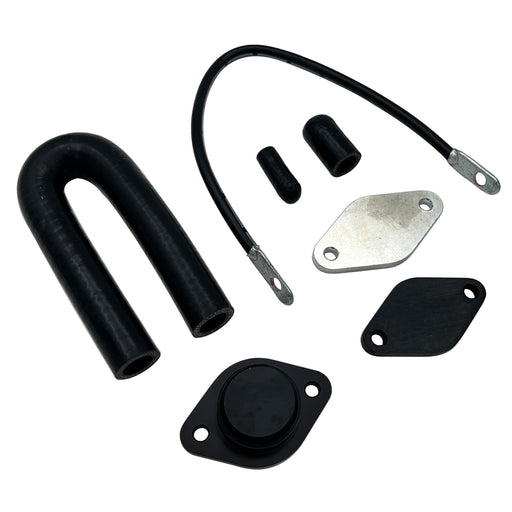
Seguler EGR valve cooler Delete kit for 2020-2022 3.0L Chevy Duramax LM2
SEGULEROriginal price $189.12 - Original price $189.12Original price$189.12$189.12 - $189.12Current price $189.12FITMENT 2020–2022 3.0L Chevrolet Silverado GMC Sierra 1500 LM2 Turbo-Diesel. DESCRIPTION Product Overview Powered by smooth inline-six engine...
View full details -
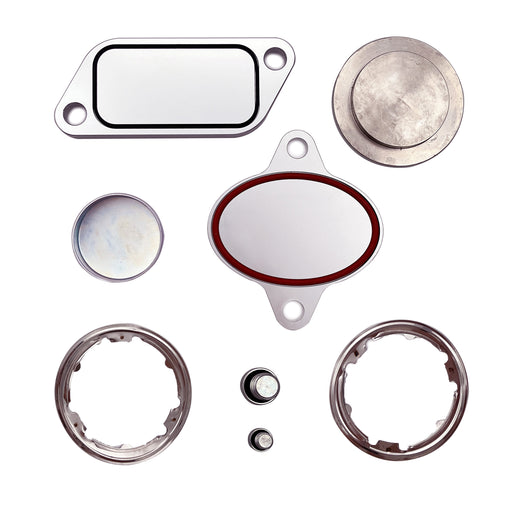
For 2007-2010 Cummins ISX CM871 EGR Plug Kit Stage 2 Plates and Plugs Aluminum
SEGULEROriginal price $67.99 - Original price $67.99Original price$67.99$67.99 - $67.99Current price $67.99FITMENT 2007-2010 Cummins Volvo, Peterbilt, Mack, International, Freightliner, Kenworth with the ISX CM871 Engines. DESCRIPTION Product Overvie...
View full details -
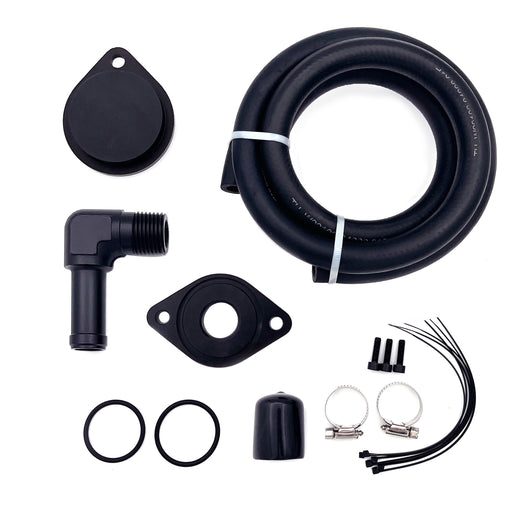
Seguler 2011-2023 Ford 6.7L Powerstroke CCV/PCV Reroute/Delete Engine Ventilation Kit
SEGULEROriginal price $72.00 - Original price $72.00Original price$72.00$72.00 - $72.00Current price $72.00FITMENT 2011-2023 6.7L Ford Powerstroke F-250 F-350 F-450 F-550 Super Duty V8 Diesel. Compatible with both standard Pickups and commercial Cab &...
View full details -
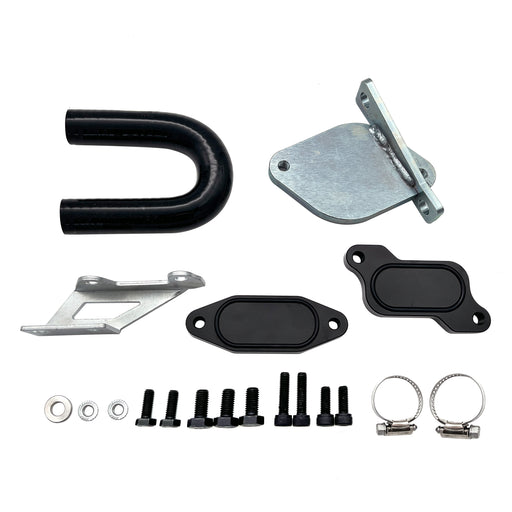
For 2007-2010 6.6L Chevy GMC LMM Duramax EGR Valve Cooler Delete Kit Fit
SEGULEROriginal price $61.99 - Original price $61.99Original price$61.99$61.99 - $61.99Current price $61.99FITMENT 2007.5-2010 6.6L Chevrolet Silverado Duramax LMM 2500HD / 3500HD. 2007.5-2010 6.6L GMC Sierra Duramax LMM 2500HD / 3500HD. Note: Standard...
View full details -
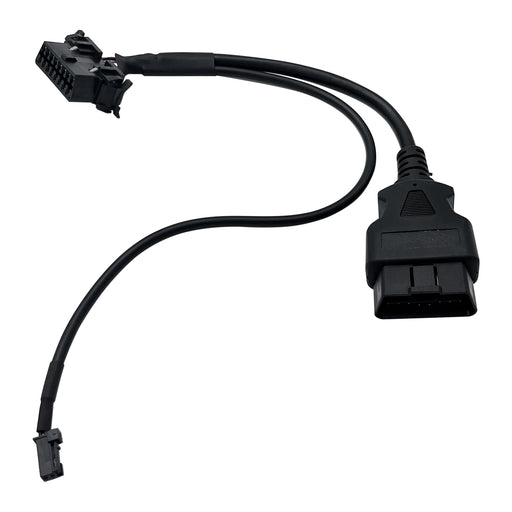
Seguler 2018+ RAM Cummins OBD2 HD Security Gate Bypass Cable
SEGULEROriginal price $45.00 - Original price $45.00Original price$45.00$45.00 - $45.00Current price $45.00FITMENT 2018+ 6.7L Ram Cummins 2500 3500 Turbo Diesel. Designed for Ram pickup trucks equipped with the factory Security Gateway Module. Note: Pl...
View full details -
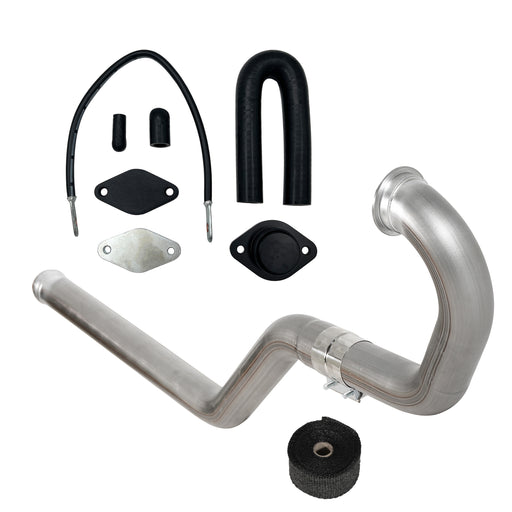
3" Turbo Back DPF & EGR Delete Kit for 2020-2022 GM 3.0L LM2 Duramax
SEGULEROriginal price $550.00 - Original price $550.00Original price$550.00$550.00 - $550.00Current price $550.00FITMENT 2020–2022 3.0L Chevrolet Silverado 1500 LM2 Diesel. 2020–2022 3.0L GMC Sierra 1500 LM2 Diesel. DESCRIPTION Product Overview On the 3.0...
View full details


Leave a comment