

Ram Diesel EGR and DPF Problems Explained: What Owners Need to Know
Ram diesel trucks are built for serious work — from daily driving to heavy towing and commercial use. But as mileage increases, many owners begin facing problems that are difficult to ignore: frequent DPF regeneration, reduced engine power, coolant loss, check engine lights, or unexpected limp mode during demanding situations.
These issues are often connected to two major components in the diesel emissions system: the Exhaust Gas Recirculation (EGR) system and the Diesel Particulate Filter (DPF). While these systems are designed to reduce emissions, years of heat cycles, soot buildup, towing loads, and short-trip driving can create reliability concerns that affect long-term truck performance.
Understanding how the EGR and DPF systems work, recognizing the early warning signs, and knowing the differences between Ram diesel platforms can help owners identify problems sooner and choose the right solution for their specific truck.
What Ram Diesel Owners Should Know Before Choosing Parts
When a Ram diesel starts having EGR or DPF-related issues, many owners immediately focus on replacing the failed component. However, the part itself is only one piece of the solution. Fitment, material quality, and how the component is designed all play an important role in long-term reliability.
Diesel exhaust and EGR components operate in extreme conditions, dealing with high temperatures, vibration, and repeated heat cycles. A component that looks similar on the outside may perform very differently after thousands of miles of towing, daily driving, and temperature changes.
The most important factor is choosing a part designed for your specific truck configuration. A 3.0L EcoDiesel, a 6.7L Cummins pickup, and a 6.7L Cummins cab-and-chassis truck may share the same brand name, but their layouts and requirements are different. Proper fitment is often the difference between a successful repair and ongoing problems.
What the EGR System Actually Does
Common Ram Diesel EGR Cooler and Valve Failure Symptoms
The EGR cooler operates under some of the harshest conditions in a diesel engine. It is exposed to extreme exhaust temperatures while engine coolant flows through the cooler to manage heat. After years of heat cycles, towing, and daily driving, internal passages and seals can weaken, increasing the risk of coolant leaks.
Early EGR cooler failure is not always easy to notice. Many Ram diesel owners first experience unexplained coolant loss without any visible leak. Other warning signs may include white exhaust smoke, a sweet coolant smell, overheating concerns, or changes in engine performance. In severe cases, coolant can enter the combustion chamber and lead to more serious engine damage.
The EGR valve can develop different problems because it is a moving component that controls exhaust flow into the intake system. Over time, carbon buildup can restrict valve movement and prevent proper operation. A valve that stays open too long may cause excessive EGR flow codes such as P0402, while a restricted or stuck valve may trigger insufficient flow codes such as P0401.
Another common contributor to EGR-related issues is the combination of exhaust soot and oil vapor. As soot from the EGR system mixes with oil vapor from the crankcase ventilation system, deposits can build up inside areas such as the intake horn, throttle valve, MAP sensor passage, and intake manifold. Over time, this buildup can reduce airflow and affect overall engine performance.
Why EGR and DPF Problems Often Appear Together on Ram Diesel Trucks
Although the EGR system and DPF are located in different areas of a diesel engine, they are closely connected through the combustion and exhaust process. When one system begins to experience problems, it can affect how the other system operates.
EGR-related issues can increase soot buildup. Carbon deposits from the EGR system can restrict airflow and affect combustion efficiency, which may increase soot production and cause the DPF to regenerate more frequently.
DPF restrictions can increase exhaust stress. When a DPF becomes overloaded or regeneration cannot complete properly, increased exhaust backpressure can reduce performance and place additional stress on related components.
Because both systems are affected by driving habits, engine condition, and exhaust temperatures, symptoms such as frequent regeneration, check engine lights, coolant loss, or reduced power require proper diagnosis before replacing parts.
What the DPF Does and Why It Clogs
If the EGR system manages the intake side of a diesel engine, the Diesel Particulate Filter (DPF) manages the exhaust side. The DPF captures soot and particulate matter from exhaust gases and uses regeneration to burn accumulated soot into ash.
For many Ram diesel owners, DPF problems occur when regeneration cannot complete properly. Short trips, frequent stop-and-go driving, extended idling, and repeated cold starts may prevent the exhaust system from reaching the temperatures needed to clean the filter. Over time, soot buildup can increase faster than the system can remove it.
As the DPF becomes more restricted, owners may notice frequent regeneration cycles, reduced performance, increased fuel consumption, or check engine lights related to soot loading and exhaust pressure. Identifying these issues early can help prevent more expensive repairs and further exhaust system damage.
Understanding the Ram Diesel Aftertreatment System: DOC, DPF, and SCR
Modern Ram diesel exhaust systems are more than just a single DPF filter. What many owners refer to as the “DPF” is actually part of a larger aftertreatment system that works together to reduce soot and emissions before exhaust gases exit the tailpipe.
The system typically includes three main components: the diesel oxidation catalyst (DOC), the diesel particulate filter (DPF), and the selective catalytic reduction (SCR) catalyst. The DOC helps manage exhaust gases and supports the temperature conditions needed for regeneration. The DPF captures soot particles and periodically burns them off during regeneration. The SCR system uses DEF to help reduce nitrogen oxide (NOx) emissions by converting them into nitrogen and water.
Understanding this complete system is important because problems on one side of the exhaust chain can affect how the other components operate. Factors such as driving habits, exhaust temperature, sensor readings, and regeneration performance all influence how effectively the aftertreatment system works.
For Ram diesel owners researching DPF-related concerns, knowing the role of each component makes it easier to understand common symptoms, maintenance requirements, and the differences between replacing individual components and considering other exhaust system options.
Regeneration and Oil Dilution: The Short-Trip Challenge
Among the different issues Ram diesel owners encounter, short-trip driving is one of the most misunderstood. The problem is not necessarily a failure of the emissions system itself, but rather a mismatch between the vehicle’s usage pattern and the conditions required for the system to operate effectively.
The DPF is designed to clean itself through regeneration, which requires the exhaust system to maintain sufficient temperature for a period of time. Trucks that regularly see highway driving can usually complete this process without issues. However, vehicles that are mainly used for short commutes, stop-and-go traffic, or extended idling may not always allow the regeneration cycle to fully complete, which can gradually increase soot buildup.
Frequent regeneration cycles can also contribute to fuel dilution concerns. During active regeneration, the engine adds additional fuel to increase exhaust temperature and burn accumulated soot. Under certain conditions, some unburned fuel may enter the crankcase and mix with the engine oil. While occasional regeneration is normal, repeated incomplete cycles may increase maintenance concerns over time.
For EcoDiesel owners who frequently drive in short-trip conditions, understanding how regeneration works is an important part of diagnosing DPF-related issues. Driving habits, vehicle usage, and the condition of the emissions system all play a role when determining the right maintenance or upgrade approach.
The Downstream Cost of Ignoring These Systems
The reason owners start researching these systems is usually the bill. None of these failures announce themselves cheaply. Repair costs vary significantly depending on parts, labor rates, and vehicle condition, so the figures that follow are a reference point rather than a fixed quote.
A DPF that has cracked from overheating, or loaded past the point where regeneration can recover it, is typically replaced rather than cleaned. Replacement filters for heavy-duty diesel trucks can run into the several-thousand-dollar range, and that is before labor and any damaged sensors are added. The fault codes that accompany a failed filter — P2002 for efficiency below threshold, P244B for excessive differential pressure, P2463 for excessive soot — each point toward the same expensive conclusion.
The EGR side is not much friendlier. An EGR cooler replacement means draining and refilling the cooling system, working in a tight space against the firewall, and replacing a component that failed precisely because of how hard it works. If the cooler has been leaking internally for a while, the damage may have already spread: a hydrolocked cylinder is an engine-out repair, and the cost difference between catching a cooler leak early and catching it late is the difference between a part swap and a rebuild.
There is also the cost of the limp mode itself. When an emissions fault derates the engine on the side of a mountain pass with a trailer attached, the immediate expense is the tow truck and the lost day — before anyone has even opened the hood to diagnose the underlying fault.
Ram Diesel Generations: Where Your Truck Sits
Ram diesel trucks have gone through several changes over the years, and knowing which platform you own is one of the most important steps before diagnosing problems or choosing parts. The 3.0L EcoDiesel and the 6.7L Cummins may both carry the Ram name, but they were built for very different jobs and tend to develop different issues.
The 3.0L EcoDiesel V6 was offered in the Ram 1500 from 2014 to 2018 and was designed around efficiency, daily driving, and lighter-duty use. That makes it a great fit for commuters and owners who want diesel fuel economy, but it also means the truck may spend more time in conditions that are harder on the DPF system. Short trips, stop-and-go driving, and frequent cold starts can make it harder for regeneration to complete, which is why many EcoDiesel owners eventually deal with frequent regens, soot buildup, or oil dilution concerns.
The 6.7L Cummins inline-six is built for a completely different purpose. Found in the Ram 2500, 3500, 4500, and 5500 platforms, it is designed around towing, hauling, and commercial workloads. The 2013–2018 trucks introduced DEF and SCR systems alongside the existing EGR and DPF components, while the 2019-and-newer trucks brought updated fuel systems, more power, and a more integrated emissions package. These changes mean parts and solutions that fit one generation may not always transfer to another.
One fitment detail that causes a lot of confusion is the difference between pickup trucks and cab-and-chassis models. A Ram 2500/3500 pickup and a Ram 3500/4500/5500 cab-and-chassis may share the same 6.7L Cummins engine, but the surrounding layout is different. Frame clearance, firewall space, coolant routing, and EGR component placement can all vary. This is why confirming the exact truck configuration before ordering parts is just as important as knowing the engine size.
The Cab-and-Chassis Difference, Explained
If there is one fitment distinction that causes more wasted money than any other in the Ram diesel world, it is the split between a pickup and a cab-and-chassis truck — and most owners do not realize they are different until a part does not fit.
A cab-and-chassis truck is sold as a bare frame with a cab, meant to have a flatbed, service body, or other upfit installed by a third party. The 3500, 4500, and 5500 in this category are built on a frame that is dimensionally different from the 2500 and 3500 pickups, even when the engine is the same 6.7L Cummins. That difference shows up in three places that matter for emissions hardware: the firewall clearance behind the engine, the routing of the coolant hoses, and the geometry of the EGR valve and cooler.
The firewall sits closer on a cab-and-chassis truck, which leaves less room to work and less room for a block-off plate or a cooler delete to clear. The coolant hoses run a different path, so a reroute hose cut for a pickup will be the wrong length and will kink when forced into place. And the EGR valve and cooler themselves are shaped differently, so a plate designed for a pickup will not seat correctly against the cab-and-chassis manifold.
This is why fitment is not a formality. A part listed for “Ram 6.7L Cummins” without specifying pickup versus cab-and-chassis is a part that may or may not fit your truck, and the only way to find out is to bolt it on and watch for the leaks. The responsible answer is a part dimensioned for the exact platform you drive.
EGR Trouble vs DPF Trouble: Telling Them Apart
Because both systems can throw a check engine light and cause rough running, it is worth knowing which one you are actually dealing with before buying parts.
EGR problems tend to show up on the intake side. A sticking EGR valve produces flow codes — P0401 when flow is too low, P0402 when it is too high. A failing EGR cooler produces coolant symptoms: slow coolant loss with no visible leak, white smoke from the exhaust, a sweet smell under the hood, or, in the worst case, hydrolock. You may also find heavy sludge in the intake when you pull the throttle valve or MAP sensor.
DPF problems tend to show up on the exhaust side. The classic sign is regeneration behavior — the truck regens more often than it used to, holds elevated exhaust temperatures, or seems unable to finish a regen. Codes like P2459, P2463, and P244B point at the filter and its pressure sensors. You may notice reduced throttle response as the restriction builds, or the truck may enter limp mode and refuse to make full power.
The two systems are also connected, which complicates diagnosis. EGR soot and DPF loading are both influenced by how the engine is driven, and a truck that is fighting one problem is often stressing the other at the same time. That is why a proper diagnosis starts with the actual codes and the actual symptoms, not with a guess.
Signs Your Ram Diesel Needs Attention
If any of the following sound familiar, the emissions systems are worth a closer look before they escalate:
- Frequent or incomplete regeneration. The truck regens noticeably more often, or seems unable to finish the cycle.
- Check engine light with EGR or DPF codes. P0401, P0402, P2002, P242F, P244B, P2459, and P2463 are the ones to take seriously.
- Slow coolant loss with no visible leak. Especially on a Cummins, this points at an internal EGR cooler leak.
- White smoke or a sweet smell from the exhaust. Coolant is getting into the combustion path.
- Rising oil level or a fuel smell in the oil. Active regeneration is washing fuel past the rings and diluting the crankcase.
- Reduced throttle response or feeling down on power. A loaded DPF or a restricted intake both make the engine work harder.
- Limp mode or derate under load. The computer is protecting itself from a fault it cannot clear.
None of these symptoms is a guarantee of a specific failure on its own — they are the starting point for diagnosis, not the conclusion.
What These Problems Look Like on a Real Truck
It is one thing to read about fault codes and quite another to watch the symptoms play out on an actual truck, so here are three situations that show up in owner forums over and over again.
The city EcoDiesel. A 2016 Ram 1500 EcoDiesel that spends its week doing ten-minute commutes and school runs. The owner notices the truck regens several times a week, the exhaust smells hot, and the oil level creeps up between changes with a faint fuel smell on the dipstick. The codes are P2459 first, then P20EE as the SCR starts to struggle. The owner has not done anything wrong — the truck is simply being asked to do a job its aftertreatment system was not designed for.
The loaded cab-and-chassis. A 2018 Ram 4500 with a service body that runs stop after stop all day, idles at job sites, and rarely sees open highway. The first sign is a slow coolant loss that no one can find on the ground, then a faint white puff on cold start. The diagnosis is an internally leaking EGR cooler, and the shop quote reflects how tight the access is on a cab-and-chassis frame.
The truck that waited too long. A high-mileage 6.7L that has been throwing P0401 for months. The owner cleared the code and kept driving. Eventually the intake sludge built up to the point that the truck ran rough and down on power, and the cooling system had already been quietly losing coolant. What could have been a straightforward cooler replacement became a much larger repair because the warning signs were ignored.
These situations are not hypothetical worst cases — they are the patterns this platform produces when its EGR and DPF systems meet real-world duty cycles. The point is not to alarm anyone, but to make it clear that these systems give warning, and the warning is worth taking seriously early.
What to Look for in Quality Replacement Hardware
When it is time to do something about an EGR or DPF problem, the hardware you choose matters more than the label on the box. A few characteristics separate a part that holds up from one that becomes the next problem.
Material grade and wall thickness. These parts live in extreme heat, constant thermal cycling, road salt, and vibration. Heavier-gauge stainless steel survives that environment; thin, crush-bent tubing does not. The grade of stainless also matters, because it determines how the part handles the repeated expansion and contraction that can crack cheaper exhaust components.
How the part is formed. Mandrel-bent tubing keeps a consistent inside diameter through the bends, so exhaust flow does not choke at every curve. Crush-bent tubing pinches at the bends and adds restriction right where you least want it.
What is actually in the box. A complete solution includes the gaskets, fasteners, clamps, and — on the EGR side — the coolant reroute hardware needed to keep the cooling system working after the cooler is gone. A bare part that forces you to source those pieces separately is not the same value as a kit that ships complete.
Fitment specificity. The most important check is that the part is built for your exact truck. A downpipe or race pipe built for a pickup will not necessarily clear a cab-and-chassis frame, and a kit built for one model-year range will not necessarily fit another. When a part is listed for a specific platform and configuration, that specificity is a feature, not a limitation — it is what prevents the hoses from kinking and the plates from sitting crooked.
Machining quality on block-off plates. On the EGR side, a block-off plate is a sealing surface, and it has to be flat and precisely machined to seal against the manifold without leaking. Billet aluminum machined from a solid block holds a truer, flatter surface than a stamped or cast plate, and it is far less likely to warp under heat. The difference shows up in how cleanly the plate seats and how long the gasket stays sealed.
Why One Fix Covers the 1500 and Another Covers the Cab-and-Chassis
The two trucks this guide keeps coming back to fail for different reasons, which is why they need different hardware. The 3.0L EcoDiesel 1500 fails on the exhaust side: its DPF loads up under light-duty driving, and the regeneration that tries to clear it creates the oil dilution and frequent-regen behavior owners dread. The fix is on the exhaust path.
The 6.7L Cummins cab-and-chassis fails on the intake side: its EGR cooler splits under the thermal load of commercial stop-and-go work, and it leaks coolant internally long before anyone sees a puddle. The fix is on the intake path.
A generic “Ram diesel delete” that tries to cover both ends up covering neither well, because the two platforms do not even share the same engine architecture. The EcoDiesel is a small-displacement V6 tuned for efficiency; the Cummins is an inline-six built for torque. Their EGR and DPF problems show up in different places and need parts dimensioned for different frames. That is the whole reason specificity matters as much as it does in this segment.
Seguler Solutions for These Common Problems
If the problem on your truck has been confirmed and the time has come to address it, there are two Ram-specific options that line up directly with the two systems this guide has been describing.
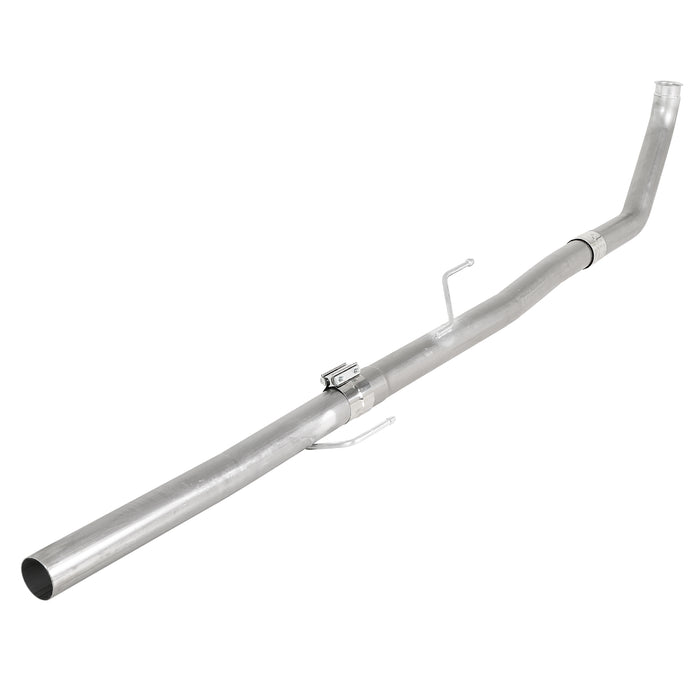
Seguler 3" Ecodiesel DPF Delete Pipe Exhaust for 2014-2018 3.0L Dodge Ram 1500
The 3.0L EcoDiesel DPF Delete Race Pipe Exhaust is designed for 2014–2018 Dodge Ram 1500 3.0L EcoDiesel diesel trucks to replace the factory DPF exhaust section and related aftertreatment components. By removing the restrictive factory DPF section, it simplifies the exhaust path and helps address common issues related to soot accumulation, exhaust restriction, and heat buildup over time.
The factory DPF system operates under continuous exposure to high exhaust temperatures and repeated regeneration cycles, making it an area many EcoDiesel owners monitor as mileage increases. Replacing the factory DPF section provides a more straightforward exhaust configuration, reduces heat-related stress from aftertreatment components, and supports improved exhaust flow for heavy-duty diesel applications.
Key points:
- Premium T409 stainless steel construction with mandrel-bent 3-inch tubing for durability against heat cycles, road salt, and corrosion.
- Improved exhaust flow with a smooth 3-inch design to help reduce restriction and support better turbocharger efficiency.
- Replaces factory DPF exhaust components with a simplified high-flow exhaust configuration for the 3.0L EcoDiesel V6 platform.
- Reduces heat buildup and exhaust system complexity by replacing restrictive aftertreatment components with a durable race pipe design.
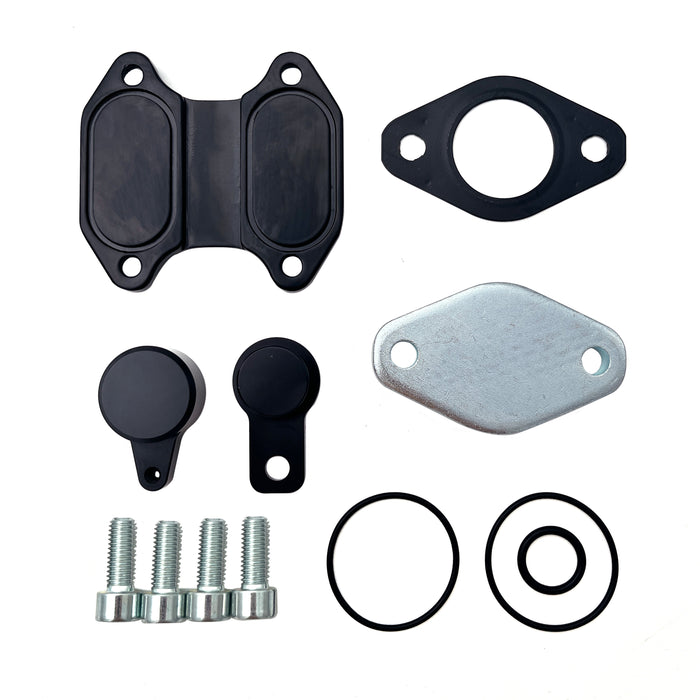
2013-2023 6.7L Dodge Ram Cummins Cab & Chassis EGR Delete Kit Diesel
The 6.7L Cummins Cab & Chassis EGR Delete Kit is designed for 2013–2018 Ram 3500, 4500, and 5500 Cab & Chassis trucks equipped with the 6.7L Cummins diesel engine to address the factory EGR valve, cooler, and related components. The Cab & Chassis platform uses a unique frame layout and cooling configuration, making a dedicated EGR solution necessary compared with standard Ram pickup models.
The EGR system operates under continuous exposure to high exhaust temperatures, soot buildup, and repeated heat cycles, making it an area many commercial-duty Cummins owners monitor as mileage increases. Replacing the factory EGR components helps simplify the exhaust recirculation system, maintain a cleaner intake-side environment, and provide a more straightforward configuration for heavy-duty work truck applications.
Key points:
- CNC-machined billet aluminum plates provide a durable seal against extreme heat cycles and heavy-duty operating conditions.
- Coolant reroute design maintains proper cooling system circulation after EGR cooler removal.
- Helps reduce carbon buildup in the intake system by preventing exhaust gas recirculation and soot exposure.
- Designed specifically for Ram 3500, 4500, and 5500 Cab & Chassis platforms with tight firewall and frame clearances.
The EGR system plays an important role in how the 6.7L Cummins manages exhaust recirculation, intake conditions, and heat control during normal operation. As Ram 3500, 4500, and 5500 Cab & Chassis trucks accumulate mileage and continue to operate under commercial-duty loads, understanding how EGR components affect soot buildup, coolant circulation, and overall system operation helps owners better evaluate long-term maintenance needs and the condition of their heavy-duty diesel platform.
6.7L Cummins EGR Solutions for Heavy-Duty Ram Trucks
The 6.7L Cummins EGR Upgrade Solutions are designed to address common concerns with the factory exhaust gas recirculation system across Ram diesel platforms. By improving the EGR system configuration, these upgrades help simplify related components, reduce soot exposure, and provide a more durable setup for trucks operating under demanding conditions.
Designed for both standard Ram applications and 3500, 4500, and 5500 Cab & Chassis models, these solutions focus on long-term reliability by addressing common EGR-related maintenance concerns. Understanding how exhaust recirculation, heat cycles, and coolant routing affect diesel system operation helps owners better maintain their Cummins platform for towing, commercial use, and heavy-duty applications.
Installation Overview
Both of these jobs are well within reach for a careful DIY owner with basic hand tools, but neither is a quick bolt-on. Plan for a full day, and give yourself more if access is tight or fasteners are seized.
What you will need is ordinary: a basic socket set, wrenches, a torque wrench for the fasteners that call for a specific value, fresh gaskets, coolant for the EGR-side job, and a way to safely support the truck if you are working underneath. None of these jobs should have a torque value pulled from memory — use your factory service information and the kit’s included instructions for the exact numbers. The one thing that is not optional is a matching calibration strategy, which has to be lined up before you turn the first bolt — the hardware side of either job is only half of it.
EcoDiesel Race Pipe (SG-DP-0310) Installation
Step 1. Let the exhaust cool, disconnect the battery, and safely raise the truck. Disconnect the DPF, SCR, and downpipe sensors, including the DEF injector, then secure the wiring. Load the required calibration before installation.
Step 2. Loosen the clamp between the exhaust and the muffler, then slide the factory pipe out from underneath. Remove the fasteners holding the SCR assembly and lift it out.
Step 3. At the turbo, loosen the clamp that holds the factory downpipe and remove the downpipe. Keep the factory V-clamp and clip — they are reused on the new pipe.
Step 4. Install the new #1 downpipe using the factory V-clamp you saved, and leave it loose for now so the pipe can still be adjusted.
Step 5. Install the #2 intermediate pipe, seating its hanger into the factory mount on the frame with the hanger pointing toward the front of the truck.
Step 6. Slide the long end of the #3 tail section into the end of pipe #2. On short-bed (5-foot-7) trucks, trim roughly 7 inches off the front end of the pipe, staying clear of the hanger.
Step 7. Refit the factory muffler to the end of pipe #3 and connect the tailpipe to the muffler outlet. Working from the downpipe back, tighten every clamp to the kit’s specified torque, then check clearance around the full run — transmission lines, hoses, and wiring included.
Cummins EGR Delete Kit (SG-ER-0071) Installation
Step 1. Disconnect the battery and let the engine cool, then relieve the cooling system pressure before touching any coolant line.
Step 2. Remove the EGR valve and cooler assembly, keeping track of the fasteners and brackets as you go.
Step 3. Clean the sealing surfaces thoroughly so the new plates seat flat — a dirty or uneven surface is the fastest way to a gasket leak.
Step 4. Install the CNC-machined block-off plates with fresh gaskets, starting every fastener by hand before tightening to the kit’s specified torque.
Step 5. Route the included coolant reroute hose so the cooling loop stays intact and no port is left capped into a dead end.
Step 6. Refill and burp the cooling system, then start the engine and check for both coolant and exhaust leaks before you call the job done.
After either job, take the truck for a short drive and let it reach operating temperature, then check again for leaks and confirm the calibration is behaving as expected.
Common Installation & Setup Mistakes
A few missteps are common enough to be worth naming before you start.
Mistake 1: Getting the platform wrong.
Cab-and-chassis trucks are not pickups, and the 1500 is not the 2500. A part built for one configuration will not necessarily clear the frame, firewall, or coolant routing of another. The fix: confirm the exact model year, engine, and body configuration — pickup versus cab-and-chassis — before ordering and again before you start.
Mistake 2: Ignoring the coolant path on an EGR delete.
The factory cooler is part of the cooling loop, and simply capping the ports can leave a dead end that traps air or pressure. The reroute hose is not an optional extra; it is what keeps the cooling system behaving correctly after the cooler is gone.
Mistake 3: Reusing old gaskets.
Gaskets are one-time-use crush components. A flattened or damaged gasket is a shortcut that shows up as an exhaust or coolant leak a few hundred miles later. Fit fresh gaskets and clean the sealing surfaces before assembly.
Mistake 4: Over-tightening the fasteners.
These parts seat against manifolds and thin flanges that can strip or warp under too much torque. Use the kit’s specified torque or your factory service information — not feel.
Mistake 5: Skipping the post-install leak check.
It is tempting to call the job done once everything is bolted up, but a small leak at an exhaust joint, coolant line, or gasket surface is far cheaper to catch in the driveway than on the side of the road. Start the engine and check every connection before you button everything back up.
What to Expect After the Upgrade
What you notice first depends on which side you fixed. Removing the DPF stops the regeneration cycle, which is the change EcoDiesel owners feel most directly — no more fuel-wasting regens and no more raw fuel washing into the oil. Removing the EGR cooler takes the cooler itself — the component that leaks coolant — out of the system, along with the sludge source on the intake side, which matters most on a work truck that cannot afford a hydrolocked engine in the middle of a job.
Neither change turns a Ram into something it is not, and this guide is not going to promise numbers it cannot back up. What these changes do is remove specific, well-documented failure points and let the engine breathe the way it was capable of breathing. For most owners, that means fewer warning lights, cooler running, and a truck that is no longer a hostage to its own emissions hardware.
On the road, most owners describe the change as the engine settling down rather than transforming. The exhaust note shifts subtly without the filter in the path, and the throttle feels more responsive because the engine is no longer working against a loaded filter or a restricted intake. Temperatures — both exhaust gas temperature and what the gauge shows — tend to settle once regeneration stops constantly pushing them upward. None of this is a promise of specific numbers; it is the qualitative shift owners consistently report when the two failure points are taken out of the loop.
Frequently Asked Questions
Q1: What is the difference between the EGR system and the DPF?
The EGR system works on the intake side. It routes a portion of exhaust gas back into the intake to lower combustion temperature and reduce NOx. The DPF works on the exhaust side, trapping soot and particulate matter before it reaches the tailpipe and burning it off through regeneration. They are separate systems with separate failure modes, which is why an EGR problem and a DPF problem present very differently.
Q2: Why does my EcoDiesel regenerate so often?
The EcoDiesel is sensitive to how it is driven. Short commutes, city stop-and-go, and long idling may never let the exhaust reach the sustained temperature that regeneration requires, so the soot load climbs faster than the system can clear it and the truck regens more and more often. Once the filter is loaded past the point of recovery, the only real fix is addressing the filter itself.
Q3: Do I need a tune after removing emissions hardware?
In most cases, yes. The factory calibration expects to see DPF pressure, EGR flow, and exhaust-temperature behavior that is no longer present once the hardware is changed. Without a matching calibration strategy, the truck can set codes, enter limp mode, or keep trying to regenerate a filter that is no longer there. This is the part of the job owners most often underestimate.
Q4: Will a DPF delete stop the fuel-in-oil problem?
The fuel-in-oil problem comes from the extra fuel injected during active regeneration washing past the piston rings. Once the filter and the regeneration that goes with it are removed, that particular source of oil dilution goes away. It is worth confirming there is not also a separate injector or combustion issue, but the regeneration-driven dilution is tied directly to the DPF.
Q5: Why won’t a pickup EGR delete kit fit my cab-and-chassis truck?
Cab-and-chassis trucks use a different frame design, different coolant hose routing, and different EGR valve geometry than the pickups. A pickup kit forced into that space kinks the coolant hoses and sits the block-off plates crooked, which creates the exact leaks you are trying to avoid. The kit has to be dimensioned for the cab-and-chassis platform specifically.
Q6: What happens if I leave a failing EGR cooler alone?
A failing cooler leaks coolant internally before it shows an obvious external sign. The first symptom is usually slow, unexplained coolant loss, but the risk is that coolant can reach a cylinder and cause hydrolock — a piston that physically cannot complete its stroke. By that point the repair is an engine-out job, not a cooler swap.
Q7: Does removing the DPF improve fuel economy?
Some owners report better economy after removing a loaded DPF, because the engine is no longer spending fuel on regeneration and is no longer fighting exhaust restriction. But the result depends on the tune, the truck’s condition, and how the truck is driven, so it should not be treated as a guaranteed number.
Q8: What is the difference between the 2013-2018 and 2019-and-newer Cummins?
The 2013–2018 trucks are the second-generation 6.7L, which added selective catalytic reduction and DEF injection on top of the existing EGR and DPF hardware. The 2019-and-newer trucks moved to a different high-pressure fuel pump and added more power, along with a more tightly integrated electronics package. Fitment, coolant routing, and tuning requirements differ between the two, so parts are not automatically interchangeable.
Q9: Can I install these parts myself?
The mechanical work is within reach for a careful DIY owner with basic hand tools and a full day set aside. The catch is the calibration — you need a matching tuning strategy, and the work has to be done on a truck used in a way that is legally permitted. If any part of that is outside your comfort zone, a shop that specializes in this platform is the safer route.
Q10: Are these parts legal for street use?
No. Removing, disabling, or tuning out emissions-related hardware such as EGR, DPF, or SCR components changes the operation of factory emissions systems and is subject to federal, state, and local regulations. These parts are intended for off-road, competition, or otherwise permitted applications only, and you are responsible for confirming that your use case and your local laws allow the modification before installing anything.
Q11: How do I know if my truck is caught in the short-trip trap?
The signs are usually three things happening together: regeneration that happens more often than it used to, an oil level that slowly rises or smells of fuel between changes, and codes like P2459 that point at the DPF. If your driving is mostly short trips, stop-and-go, or idling, and you are seeing any of these, the truck is fighting the regeneration strategy and is worth having looked at.
Q12: Can I keep the DPF and just drive it harder?
Driving harder — longer highway runs that let regeneration complete — can slow the buildup and is genuinely good advice for a truck that is still healthy. But once a filter is heavily loaded or a cooler is already leaking internally, driving differently will not undo the damage. It is a preventive habit, not a repair, and it will not fix a component that has already failed.
Bottom Line
The EGR and DPF systems on Ram diesel platforms are designed to meet specific operating requirements, but they can become areas of concern as driving conditions, workload, and mileage increase. The EcoDiesel DPF system is often affected by short-trip driving and regeneration demands, while 6.7L Cummins EGR components experience greater stress during heavy-duty and commercial use. Recognizing the symptoms early helps owners better understand the system and make informed maintenance decisions.
Choosing the right solution starts with identifying the exact platform and the issue being addressed. Whether you are maintaining a 3.0L EcoDiesel Ram 1500 or a 6.7L Cummins Cab & Chassis truck, Seguler provides purpose-built diesel components designed for specific applications. Explore more Ram diesel solutions at www.seguler.com and find the parts that match your vehicle needs.
These products are intended for off-road, competition, or otherwise permitted applications. Removing or modifying factory emissions-related systems changes how the vehicle operates and may be subject to applicable regulations. Always confirm your intended use and local laws before purchasing or installing.
Featured collection
-
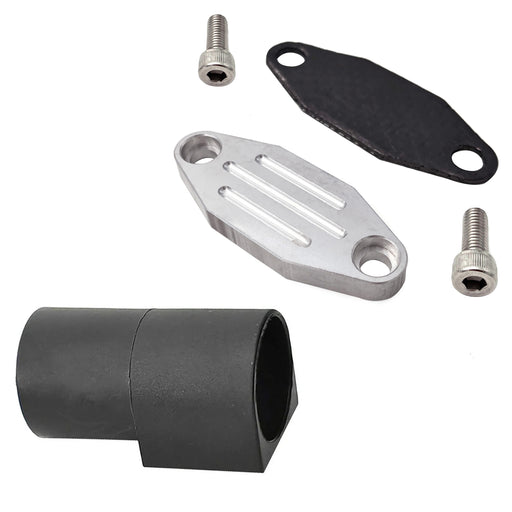
Seguler 1986-1995 Ford F150 F250 F350 Mustang Trucks EGR Simulator Eliminator / Block Off Plate Kit
SEGULEROriginal price $79.99 - Original price $79.99Original price$79.99$79.99 - $79.99Current price $79.99Block Off Plate Material: Aluminum alloy. Easy installation,and convenient to use. Made of CNC milled from aircraft grade Billet aluminum. Will N...
View full details -

Seguler 2011-2023 6.7L Ford Powerstroke Diesel EGR Delete Kit
SEGULEROriginal price $109.99 - Original price $109.99Original price$109.99$109.99 - $109.99Current price $109.99FITMENT 2011-2023 6.7L Ford Powerstroke F-250 F-350 F-450 F-550 Super Duty V8 Diesel. compatible with both standard Pickups and commercial Cab &...
View full details -
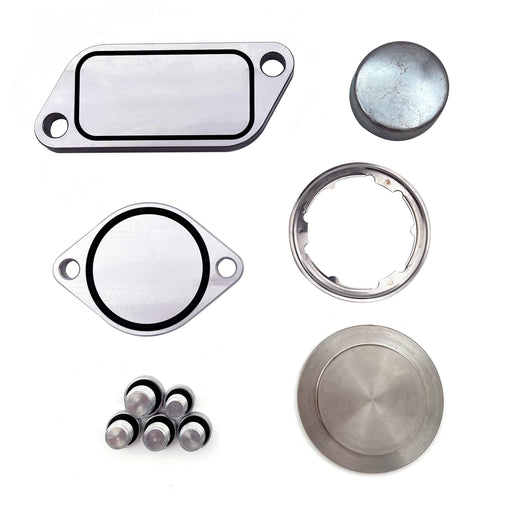
For 2010-Present Stage 2 ISX 15 CM2250 CM2350 EGR Delete Kit
SEGULEROriginal price $59.99 - Original price $59.99Original price$59.99$59.99 - $59.99Current price $59.99FITMENT 2010-Present Cummins Volvo, Peterbilt, Mack, International, Freightliner, Kenworth with the ISX15 CM2250 / CM2350 engines. DESCRIPTION P...
View full details -
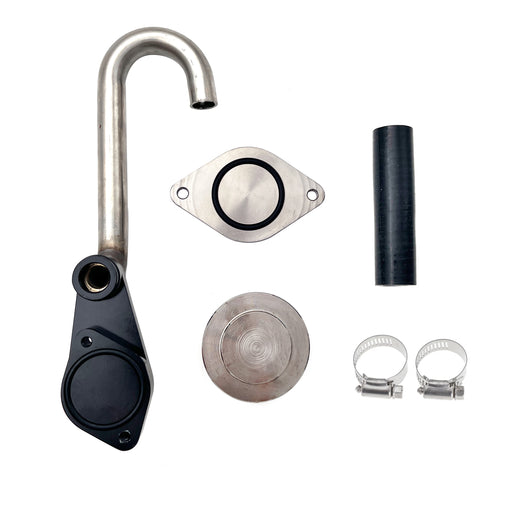
Seguler 2003-2007 6.0L FORD Powerstroke Diesel EGR Cooler Delete Kit
SEGULEROriginal price $56.14 - Original price $56.14Original price$56.14$56.14 - $56.14Current price $56.14FITMENT 2003-2007 6.0L Ford F-250 Ford F-350 F-450 F-550 Super Duty. 2003-2007 6.0L Ford Excursion SUV (Diesel Models Only). 2005-2010 Ford E-Se...
View full details -
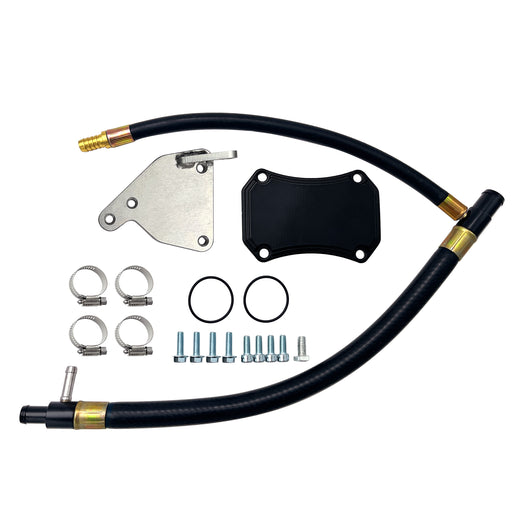
For 2011-2016 6.6L GMC Chevy Duramax Diesel LML EGR Valve Cooler Delete Kit
SEGULEROriginal price $66.49 - Original price $66.49Original price$66.49$66.49 - $66.49Current price $66.49FITMENT 2011-2016 6.6L Chevy GMC Duramax LML 2500 HD 3500 HD Diesel. DESCRIPTION Product Overview The 2011–2016 LML Duramax uses a complex EG...
View full details -
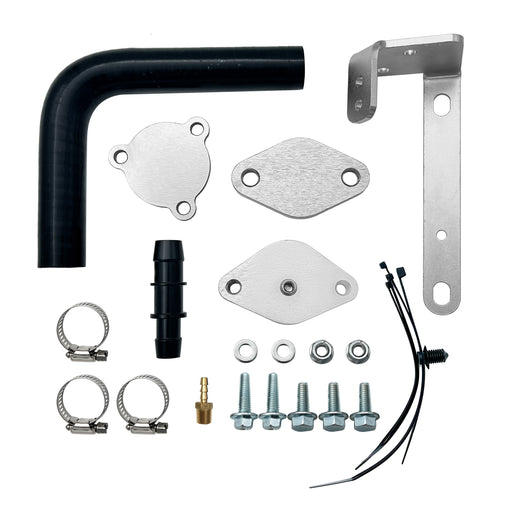
Seguler For 2014-2019 3.0L Dodge Ram 1500 EcoDiesel EGR Valve & Cooler Delete Kit
SEGULEROriginal price $72.99 - Original price $72.99Original price$72.99$72.99 - $72.99Current price $72.99FITMENT 2014-2019 3.0L Dodge Ram 1500 EcoDiesel V6 engine trucks. DESCRIPTION Product Overview Exhaust gas recirculation on 3.0L EcoDiesel V6 ...
View full details -

Seguler 2011-2023 6.7L Ford Powerstroke Diesel EGR Delete Kit
SEGULEROriginal price $85.99 - Original price $85.99Original price$85.99$85.99 - $85.99Current price $85.99FITMENT 2011-2023 6.7L Ford Powerstroke F-250 F-350 F-450 F-550 Super Duty V8 Diesel. compatible with both standard Pickups and commercial Cab &...
View full details -

Seguler 2010-2024 6.7L Dodge Ram Cummins Diesel EGR Valve Cooler Delete Kit
SEGULEROriginal price $89.99 - Original price $89.99Original price$89.99$89.99 - $89.99Current price $89.99FITMENT 2010–2024 6.7L Dodge Ram Cummins 2500 / 3500 Pickup Turbo Diesel. Note: Does NOT fit Chassis Cab 3500 / 4500 / 5500 models. DESCRIPTIO...
View full details -
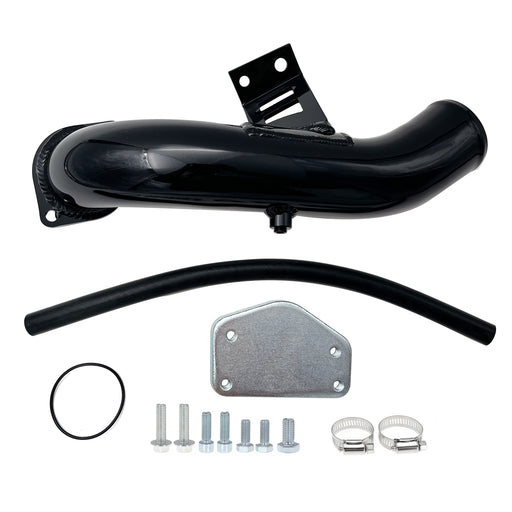
For 2004.5-2005 6.6L Chevy GMC Silverado LLY Duramax Diesel EGR Delete Kit
SEGULEROriginal price $92.99 - Original price $92.99Original price$92.99$92.99 - $92.99Current price $92.99FITMENT 2004.5-2005 6.6L Chevrolet Silverado Duramax LLY 2500HD / 3500 HD. 2004.5-2005 6.6L GMC Sierra Duramax LLY 2500HD / 3500 HD. DESCRIPTION...
View full details -

Seguler 2017-2019 L5P Duramax Diesel 4pcs L5P Can Bus Plugs Connector Replacement
SEGULEROriginal price $75.00 - Original price $75.00Original price$75.00$75.00 - $75.00Current price $75.00FITMENT 2017–2019 Chevrolet Silverado / GMC Sierra Duramax L5P 2500HD & 3500HD Diesel. DESCRIPTION Product Overview Unprotected harness con...
View full details -

Seguler 2020-2023 chevy duramax L5P Diesel Can Bus Plugs Connector
SEGULEROriginal price $80.00 - Original price $80.00Original price$80.00$80.00 - $80.00Current price $80.00FITMENT 2020–2023 Chevrolet Silverado / GMC Sierra Duramax L5P 2500HD & 3500HD Diesel. DESCRIPTION Product Overview Unprotected harness pl...
View full details -
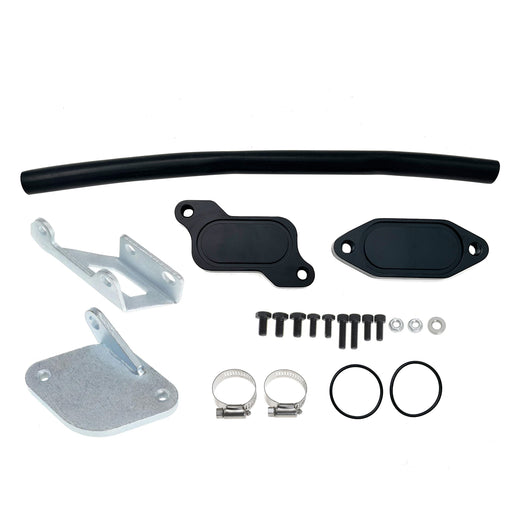
For 2006-2007 6.6L Chevrolet Silverado Classic GMC Duramax LBZ Diesel EGR Valve Cooler Delete Kit
SEGULEROriginal price $63.49 - Original price $63.49Original price$63.49$63.49 - $63.49Current price $63.49FITMENT 2006-2007.4 Chevrolet Silverado Duramax LBZ 2500HD / 3500HD. 2007.4 Chevrolet Silverado Duramax LBZ 2500HD / 3500HD Classic. 2006-2007.4 ...
View full details -
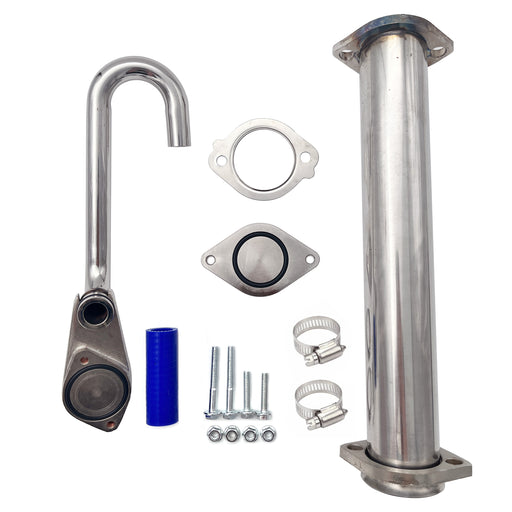
Seguler 2003-2007 6.0L Ford F250 F350 Powerstroke Diesel EGR Basic Cooler Kit
SEGULEROriginal price $79.99 - Original price $79.99Original price$79.99$79.99 - $79.99Current price $79.99FITMENT 2003-2007 6.0L Ford F250 F350 F450 F550 Super Duty Turbo (except 2004 F250 Super Duty). 2003-2005 6.0L Ford Excursion Turbo. 2005 Ford F...
View full details -

Seguler 2011-2023 6.7L Ford F250 F350 F450 F550 Powerstroke Diesel EGR Valve Delete Cooler Delete Kit
SEGULEROriginal price $55.99 - Original price $55.99Original price$55.99$55.99 - $55.99Current price $55.99FITMENT 2011-2023 6.7L Ford Powerstroke F-250 F-350 F-450 F-550 Super Duty V8 Diesel compatible with both standard Pickups and commercial Cab &a...
View full details -
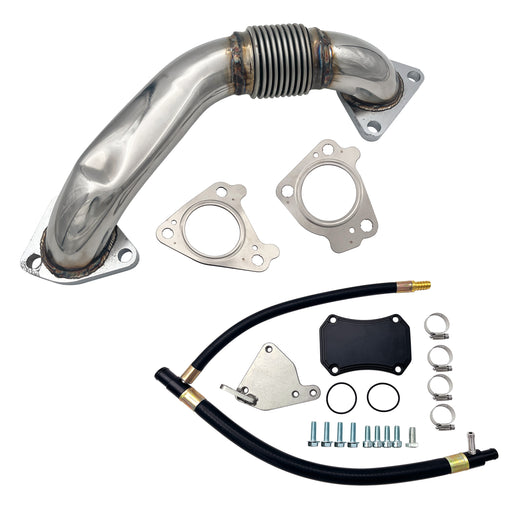
Seguler 2011-2016 6.6L GMC Chevy Duramax Diesel LML Up-Pipe & EGR Valve Cooler Delete Kit
SEGULEROriginal price $173.86 - Original price $173.86Original price$173.86$173.86 - $173.86Current price $173.86FITMENT 2011-2016 6.6L Chevy GMC Duramax LML 2500 HD 3500 HD Diesel. DESCRIPTION Product Overview Direct-injection technology endows GM 5.3L an...
View full details -
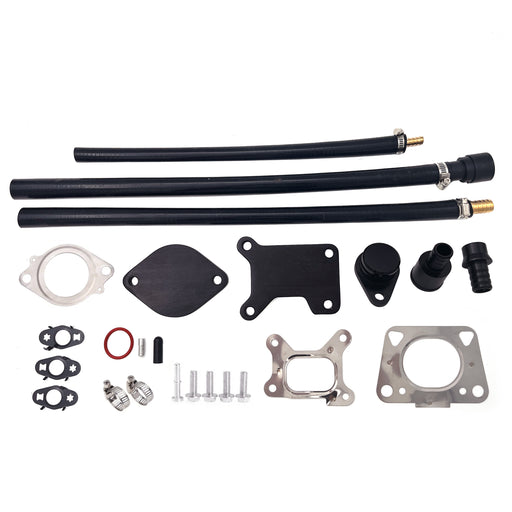
For 2017-2023 6.6L Chevy GMC Duramax L5P diesel EGR Valve Cooler Delete kit
SEGULEROriginal price $131.99 - Original price $131.99Original price$131.99$131.99 - $131.99Current price $131.99FITMENT 2017–2023 6.6L Chevrolet Silverado / GMC Sierra Duramax L5P 2500HD 3500HD Diesel. DESCRIPTION Product Overview Hot soot recirculation ...
View full details -

For 2013-2023 6.7L Dodge Ram Cummins Cab & Chassis EGR Delete Kit Diesel
SEGULEROriginal price $62.99 - Original price $62.99Original price$62.99$62.99 - $62.99Current price $62.99FITMENT 2013–2023 6.7L Ram Cummins 3500 4500 5500 Cab & Chassis / Commercial Trucks. Does NOT fit standard Ram 2500 3500 Pickups. DESCRIPTIO...
View full details -
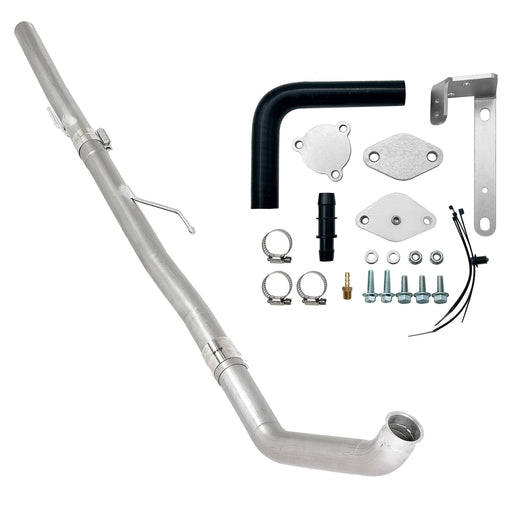
Seguler 3" Ecodiesel DPF Delete Pipe & EGR Delete kit for 2014-2018 3.0L Ram
SEGULEROriginal price $342.00 - Original price $342.00Original price$342.00$342.00 - $342.00Current price $342.00FITMENT 2014–2018 3.0L Dodge Ram 1500 EcoDiesel V6. NOTE: Fit standard Pickup models only (Crew Cab, Quad Cab). Does NOT fit Jeep Grand Cheroke...
View full details -
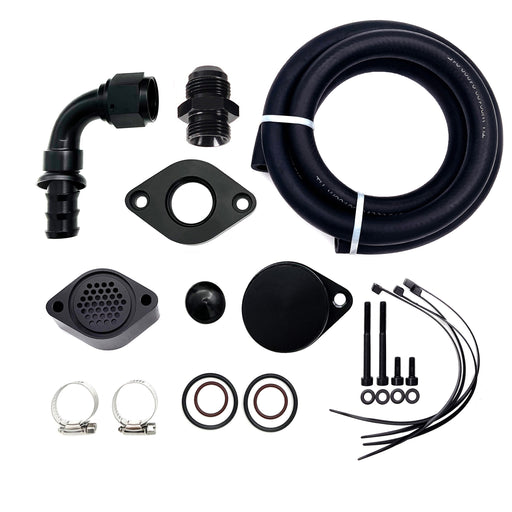
Seguler 2011-2023 6.7L Ford Powerstroke CCV PCV Reroute Engine Ventilation Kit
SEGULEROriginal price $82.99 - Original price $82.99Original price$82.99$82.99 - $82.99Current price $82.99FITMENT 2011-2023 6.7L Ford Powerstroke F-250 F-350 F-450 F-550 Super Duty V8 Diesel. Compatible with both standard Pickups and commercial Cab &...
View full details -
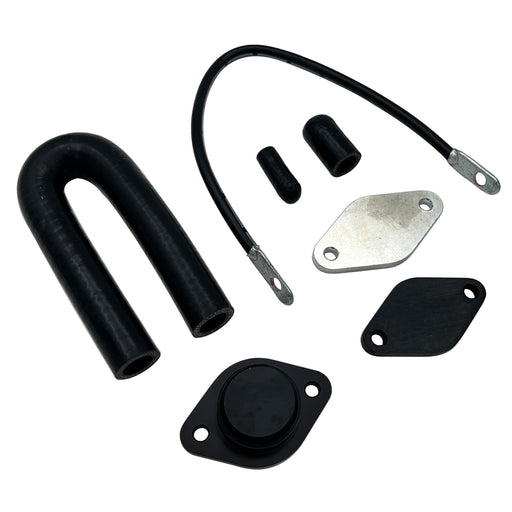
Seguler EGR valve cooler Delete kit for 2020-2022 3.0L Chevy Duramax LM2
SEGULEROriginal price $189.12 - Original price $189.12Original price$189.12$189.12 - $189.12Current price $189.12FITMENT 2020–2022 3.0L Chevrolet Silverado GMC Sierra 1500 LM2 Turbo-Diesel. DESCRIPTION Product Overview Powered by smooth inline-six engine...
View full details -
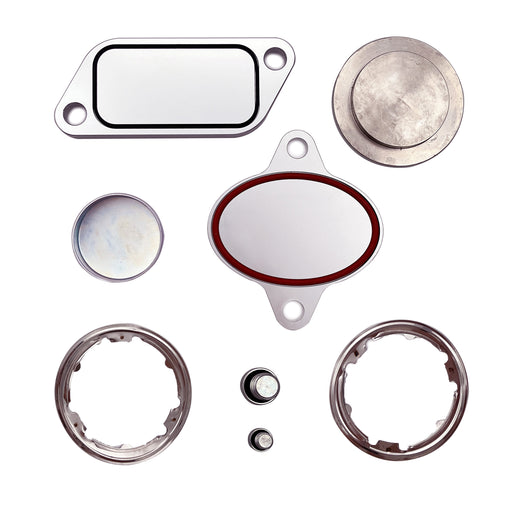
For 2007-2010 Cummins ISX CM871 EGR Plug Kit Stage 2 Plates and Plugs Aluminum
SEGULEROriginal price $67.99 - Original price $67.99Original price$67.99$67.99 - $67.99Current price $67.99FITMENT 2007-2010 Cummins Volvo, Peterbilt, Mack, International, Freightliner, Kenworth with the ISX CM871 Engines. DESCRIPTION Product Overvie...
View full details -
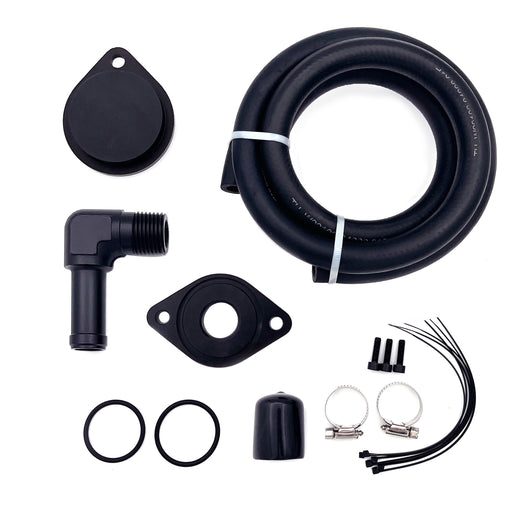
Seguler 2011-2023 Ford 6.7L Powerstroke CCV/PCV Reroute/Delete Engine Ventilation Kit
SEGULEROriginal price $72.00 - Original price $72.00Original price$72.00$72.00 - $72.00Current price $72.00FITMENT 2011-2023 6.7L Ford Powerstroke F-250 F-350 F-450 F-550 Super Duty V8 Diesel. Compatible with both standard Pickups and commercial Cab &...
View full details -
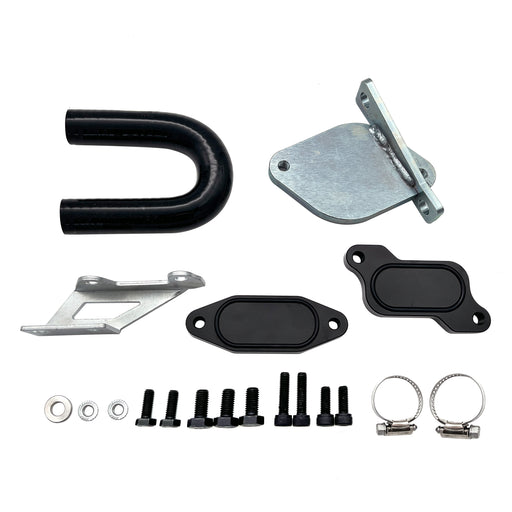
For 2007-2010 6.6L Chevy GMC LMM Duramax EGR Valve Cooler Delete Kit Fit
SEGULEROriginal price $61.99 - Original price $61.99Original price$61.99$61.99 - $61.99Current price $61.99FITMENT 2007.5-2010 6.6L Chevrolet Silverado Duramax LMM 2500HD / 3500HD. 2007.5-2010 6.6L GMC Sierra Duramax LMM 2500HD / 3500HD. Note: Standard...
View full details -
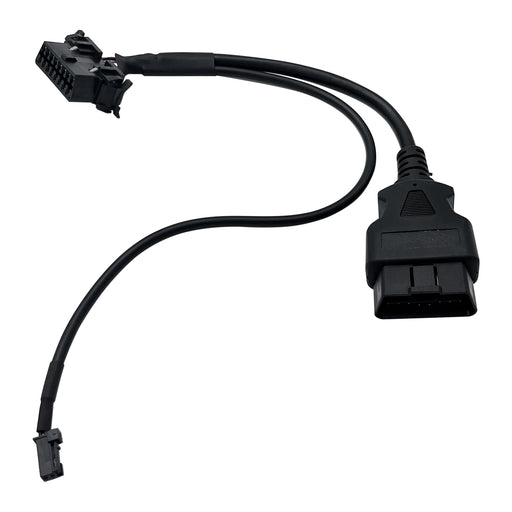
Seguler 2018+ RAM Cummins OBD2 HD Security Gate Bypass Cable
SEGULEROriginal price $45.00 - Original price $45.00Original price$45.00$45.00 - $45.00Current price $45.00FITMENT 2018+ 6.7L Ram Cummins 2500 3500 Turbo Diesel. Designed for Ram pickup trucks equipped with the factory Security Gateway Module. Note: Pl...
View full details -
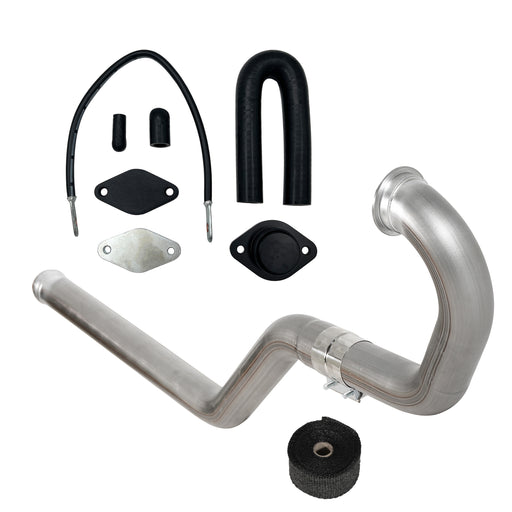
3" Turbo Back DPF & EGR Delete Kit for 2020-2022 GM 3.0L LM2 Duramax
SEGULEROriginal price $550.00 - Original price $550.00Original price$550.00$550.00 - $550.00Current price $550.00FITMENT 2020–2022 3.0L Chevrolet Silverado 1500 LM2 Diesel. 2020–2022 3.0L GMC Sierra 1500 LM2 Diesel. DESCRIPTION Product Overview On the 3.0...
View full details


Leave a comment