

6.7L Powerstroke: EGR Delete vs. DPF Delete – Which One done first?
Every 6.7L Powerstroke owner has heard the words “EGR delete” and “DPF delete” thrown around the truck stop, the Facebook group, and every diesel forum that’s ever loaded. What almost nobody stops to explain is the difference between the two — and almost nobody explains which one to do first.
That second question matters more than it sounds. The answer is not “the bigger one first,” and it’s not “do both at once or don’t bother.” It’s driven by two things: what’s actually hurting your truck right now, and a directional catch most people miss until the check-engine light comes back on.
Here’s the honest breakdown, with the real numbers, so you can sequence your build instead of guessing.
The Two Systems Are a Seesaw — and That’s the Whole Problem
EGR and DPF get lumped together as “emissions junk,” but they do opposite jobs, and understanding that is the key to everything else.
-
EGR (Exhaust Gas Recirculation) routes a metered slice of hot exhaust back into the intake to lower combustion temperature. Cooler combustion produces less NOx (nitrogen oxides) — an invisible gas that’s the main driver of smog.
-
DPF (Diesel Particulate Filter) sits downstream in the exhaust and traps soot — the visible black particulate matter.
Here’s the seesaw: combustion temperature controls which pollutant you make more of.
- Hot combustion → more NOx, but burns clean → less soot.
- Cool combustion → less NOx, but burns dirty → more soot.
So the EGR deliberately cools the burn to kill NOx, which creates more soot — which the DPF then has to catch. And when the DPF fills up, the truck has to run a regen — injecting fuel to spike exhaust temps and burn the soot off — which raises combustion temps again and creates more NOx.
It’s three systems fighting each other in a circle, and the ECM is the referee holding it all together with a calibrated strategy. That’s why you can’t just delete one and leave the other thinking everything’s normal.
What Each Delete Actually Does
Before you can sequence them, you need to know what each one changes. They’re not interchangeable, and they deliver different things.
The EGR Delete: Cleans the Intake Side
An EGR delete blocks or removes the EGR valve and cooler, stops exhaust from re-entering the intake, and requires a tune to shut off the EGR monitors.
What you get:
-
A permanently clean intake. No more soot caking the runners, the valves, or the EGR cooler passages. On a high-mileage 6.7L, this is the difference between a throttle that responds and one that feels lazy.
-
The EGR cooler failure point disappears. A cracked EGR cooler leaks coolant into the intake (or exhaust into the coolant) — a known, expensive failure on this platform. Delete it, and that risk is gone.
-
Crisper throttle response — the engine is no longer swallowing a partially inert charge.
What it costs you:
-
Combustion temps rise. Without the exhaust dilution, peak cylinder temps go up. That’s fine with a good tune — and a piston/valve/turbo risk with a bad one.
-
More NOx out the tailpipe. That’s the trade, and it’s why a quality calibration matters as much as the hardware.
The DPF Delete: Frees the Exhaust Side
A DPF delete replaces the filter section with a straight or race pipe and requires a tune to disable the regen logic and DPF sensors.
What you get:
-
Backpressure relief. The DPF is the single biggest restriction in the 6.7L exhaust. Remove it and the turbo spools faster, EGTs drop under load, and the truck pulls harder — most obvious when towing.
-
No more regen cycles. No more post-injection fuel dumps, no more elevated EGTs at the worst moment, no more 3–4 MPG disappearing into a regen you didn’t want.
-
No more $3,000–$6,000 DPF replacement down the road when the filter ashes out.
What it costs you:
-
Visible soot and odor on aggressive tunes — the PM the DPF used to catch now exits the tailpipe.
-
The tune is the whole game. Remove the DPF without tuning, and the ECM keeps trying to regen a filter that isn’t there — wasted fuel, EGT spikes, and a cascade of codes.
The Side-by-Side
| EGR Delete | DPF Delete | |
|---|---|---|
| Pollutant it targets | NOx | Soot (PM) |
| Side of the engine | Intake | Exhaust |
| Main benefit | Clean intake, no cooler failure | Free exhaust flow, no regen |
| Power gain (with tune) | ~20–50 HP | ~30–80 HP + 100–180 lb-ft |
| Without a tune | Almost nothing | 5–10 HP, and a CEL |
| Typical hardware cost | $200–500 | $500–1,500 |
| Biggest risk | High combustion temps (bad tune) | Soot/odor, and codes (no tune) |
Both demand a tune — that’s non-negotiable, and it’s the single biggest variable between a truck that runs strong and one that eats a turbo.
The Directional Catch: Delete EGR, and the DPF Fills Faster
This is the part that decides the sequence, and it’s the part most guides gloss over. The EGR cools combustion to cut NOx — and in doing so, it makes the burn dirtier and produces more soot. The DPF exists to catch that soot.
Delete The EGR and Leave The DPF In Place
Combustion runs hotter and richer. That’s good for soot reduction in theory — but here’s the catch that matters in the real world: without the EGR active, the ECM’s regen strategy is now operating on assumptions that no longer match reality. The factory calibration expected the EGR to be contributing its share of the soot load. Pull that variable out, and the soot model drifts.
Confirmed Across Multiple Sources:
Deleting the EGR while leaving the DPF active tends to accelerate DPF loading — more frequent regens, faster ash buildup, earlier plugging — unless the tune is specifically written to re-baseline the soot model and regen strategy for an EGR-deleted engine.
That’s The directional ccatch In one Line:
You can delete the DPF and just “switch off” the EGR in the tune (leaving the hardware in place) — but you can’t cleanly delete the EGR and leave a functional DPF behind without a carefully recalibrated tune.
This is exactly why you’ll hear tuners flip-flop on the “which first” question, and why a generic “EGR delete only” tune from a random vendor is a gamble.
Which Should Be Done First? The Honest Answer
Now we can answer the title directly. And the honest answer is: it depends on what’s hurting you — but the safe default is DPF first.
When DPF First Is the Right Call (the common case)
Start with the DPF delete when any of these are true:
-
You’re chasing performance or towing hard. The DPF is the primary exhaust restriction. Removing it delivers the biggest immediate seat-of-the-pants gain — faster spool, lower EGTs under load, no regen interruptions mid-pull.
-
You’re fighting regen cycles or DPF codes. If the truck is throwing DPF codes, dropping into limp mode, or facing a $4,000+ replacement, fix the actual pain point first.
-
You want the simplest staged build. You can do a DPF delete and switch the EGR off in the tune, leaving the EGR hardware bolted on until you’re ready to yank it. That’s a clean, reversible first step.
When EGR First Makes Sense (the exception)
The EGR-first camp — and there is a real one — makes a defensible case in one specific situation:
- The EGR cooler is already leaking, or the intake is badly coked. If the EGR cooler is cracked and dumping coolant into the intake, that’s a mechanical emergency, not a tuning decision. Fix it now. Same if the intake is so gummed up the truck barely runs.
But understand the trade:
An EGR-only delete on a truck that still has a DPF requires a tune that specifically re-baselines the soot model, or you’ll be back in six months with a plugged filter. That’s the trap the “just do the EGR first, it’s cheaper” advice walks straight into.
The Pattern You Want to Avoid
Here’s the real-world pattern we see over and over, and it’s the strongest argument for doing it right the first time:
-
Owner does an EGR-only delete to solve an immediate problem (cheaper, less intimidating).
-
Six to eighteen months later, the DPF starts acting up — because the EGR was feeding it soot the whole time.
-
Owner pays for a second tune, a second round of labor, and often a second set of downtime, to go back and delete the DPF they should have done at the same time.
The EGR and the DPF are one job. If you’re going to end up deleting both — and most owners who start down this road do — you’ll spend less and re-do less if you sequence them correctly from the start, or just do both at once.
Why Doing Both at Once Wins
If you already know you’re going to end up with both systems gone, there’s a strong case for skipping the sequencing question entirely and doing them together. Here’s what the combined delete actually buys you.
It Breaks the Seesaw for Good
The whole reason this topic is complicated is that EGR and DPF are locked together — deleting one leaves the other operating on false assumptions. Do them together, and you’re not managing a half-finished system. The cycle that was fighting itself is simply gone: no soot generator feeding a filter, no regen strategy reheating an engine you just cleaned. One clean, predictable engine instead of a partially deleted one waiting to misbehave.
One Tune Covers Everything
This is the quiet cost of staging: each delete needs its own calibration work. Do the EGR now and you pay for a tune that has to re-baseline the soot model for the still-installed DPF. Come back later for the DPF and you pay for a different tune — the first file is now obsolete. A combined delete uses one tune file written once, matched to both systems gone. That’s $400–$800 you don’t spend twice.
One Round of Labor, One Session of Downtime
The EGR cooler and the DPF both live in the cramped real estate around the engine and the exhaust. A shop (or a careful DIY weekend) that already has the intake opened up and the exhaust dropped is minutes from doing both — versus two separate teardowns weeks or months apart. Every staged build pays that access cost twice.
Intake and Exhaust Benefits Stack
An EGR delete cleans the intake; a DPF delete frees the exhaust. Do them together and the gains compound in a way neither delivers alone:
-
Cleaner air in + freer exhaust out = the turbo spools faster and has less heat soaking back into the intake charge.
-
No soot entering the intake (EGR gone) and no regen heat spikes (DPF gone) = the two things that were quietly cooking your turbo and intake are both eliminated at the same time.
-
Lower, steadier EGTs under load — the single biggest reliability win on a truck that tows.
Every Emissions Failure Point Disappears at Once
A combined delete removes the entire list of “things that will strand you or cost you $3,000+” in one pass: the crack-prone EGR cooler, the plugging DPF, the regen cycle that wastes fuel, and the DEF system that derates you at the worst moment. Partial deletes only check off some of that list — the combined delete checks off all of it.
The Only Real Downside Is the Upfront Bill
The honest counter: a combined kit costs more on day one than a single-system delete. But when you add up the second tune, the second install session, and the downtime from the “EGR now, DPF later” path, the combined route usually comes out cheaper in total, and done in one shot. If the budget allows it and the truck is already headed off-road, “both at once” is the cleanest, cheapest-per-mile answer.
The Numbers, Honestly
A word on the power numbers before you get excited: the delete itself doesn’t make horsepower. The tune does.
A straight pipe and a set of block-off plates don’t add a single horsepower by themselves. What they do is unlock the tune — remove the restrictions and the regen strategies so the calibration can actually add fuel and timing where it was holding back.
Here’s what’s realistic, with the “with tune” qualifier front and center:
| Setup | Realistic Gain (with tune) |
|---|---|
| EGR delete only | ~20–50 HP, cleaner intake, crisper throttle |
| DPF delete only | ~30–80 HP + 100–180 lb-ft, no regen |
| Both (combined) | ~30–80 HP + 100–180 lb-ft, cleanest and strongest overall |
| Either, no tune | Near zero — and a check-engine light |
The honest takeaway:
If your goal is maximum power, the tune is doing the work, and the deletes are just removing what was holding it back. If your goal is reliability and a truck that stops fighting itself, the deletes are the point and the power is a bonus.
The Products: Three Paths, Three Kits
TruckTok builds the 6.7L Powerstroke delete in three scopes, and they map one-to-one onto the three ways you can sequence this job.
Path 1 — EGR Only (the “clean the intake first” route)
The 2011–2023 6.7L Ford Powerstroke Diesel EGR Delete Kit is the standalone EGR delete — the right pick if your only problem is a leaking cooler or a coked intake, and you’re prepared to run the specific tune that re-baselines the soot model for a still-installed DPF.
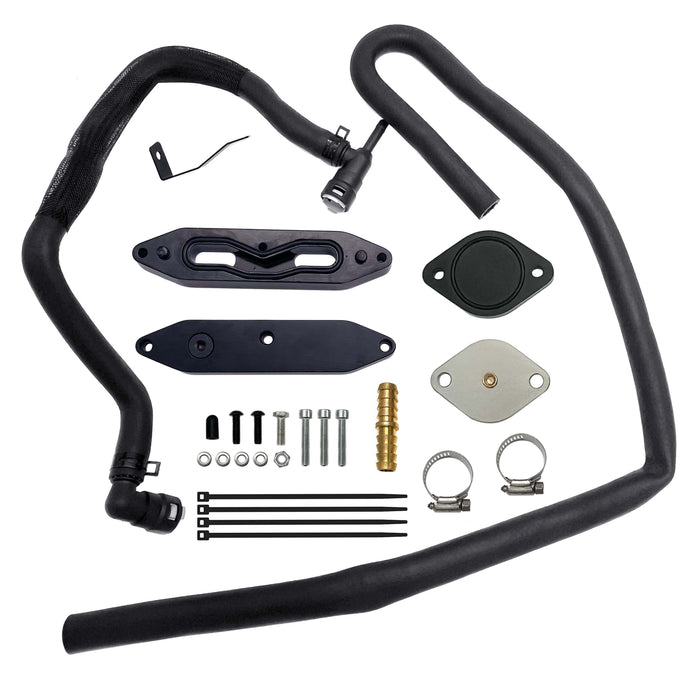
- CNC 6061-T6 billet block-off flanges with high-temp gaskets for a zero-leak seal.
- Eliminates the brittle factory cooler — the component most prone to internal thermal cracking and coolant loss.
- Drops pre-delete under-hood temps up to 36°F, taking heat stress off surrounding wiring.
- Fits 2011–2023 F-250/350/450/550, including Cab & Chassis, and comes with a formed quick-connect coolant hose. (Confirm your EGT sensor thread size — 10mm or 12mm — before ordering.)
Path 2 — DPF Only (the “free the exhaust first” route)
The 2011–2023 6.7L 4" DPF Delete Pipe is the standalone DPF delete — the safe default first step, since you can pair it with a tune that switches the EGR off while leaving the hardware in place.
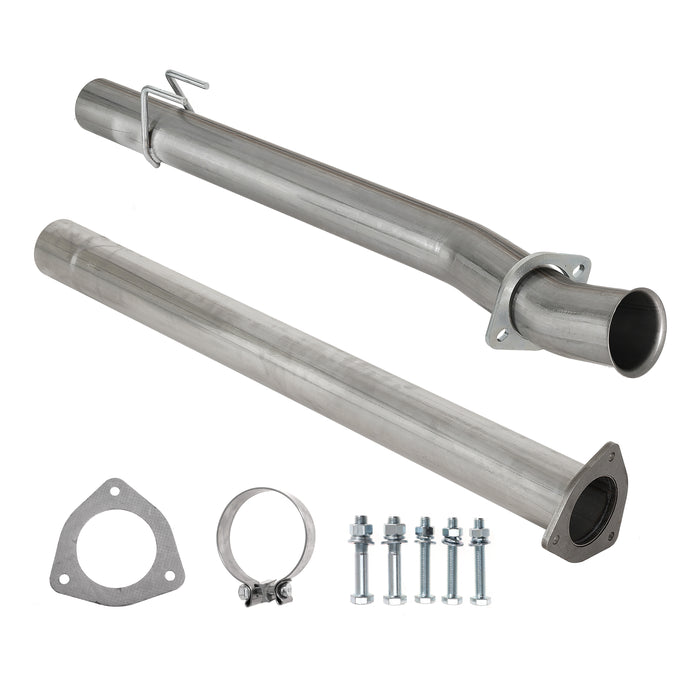
- T409 stainless, mandrel-bent, built to take sustained EGTs and road salt.
- Mid-section replacement that retains the factory tailpipe — you’re not paying for a full exhaust you don’t need yet.
- Eliminates the four fragile DPF sensors that rust, fail, and trigger limp mode.
- Fits 2011–2023 Crew Cab short- and long-bed; does not fit Cab & Chassis. A tuner (Mini Maxx V2 is the common pairing) is required.
Path 3 — Both at Once (the “do it right the first time” route)
The 2011–2022 6.7L 4"/5" DP-Back DPF Delete Pipe & EGR Delete is the combined kit — the one that sidesteps the “EGR first, then come back for the DPF” double-pay pattern entirely.

- Eight configurations across 4"/5" diameter, with or without a muffler, and Standard vs. Upgraded EGR (the Upgraded adds an M10 EGT port and an extra coolant flow plate).
- One kit, one tune, one install session — no second round of labor, no second tune file.
- Fits 2011–2022 F-250/350/450 Super Duty.
Install Reality: Tune First, Then Unbolt
Whatever scope you pick, the sequence of the work itself is fixed, and getting it wrong is the most common first-timer mistake.
-
Flash the tune first. Write the delete calibration into the ECM while the truck is still intact. Remove hardware first and you’ll be staring at a limp-mode truck before you finish the driveway. No tune, and a deleted 6.7L is limited to roughly 45 mph.
-
Soak the bolts days in advance. The EGR bolts — especially the one where the exhaust dumps into the cooler — are notorious for snapping. Hit them with PB Blaster daily for a week or two before you touch a wrench. The DPF bolts closest to the exhaust heat are the next most likely to break.
-
Drain the driver’s-side coolant for the EGR side, and expect to reroute the cooler’s coolant hoses.
-
Cap or zip-tie every unplugged sensor so moisture and road grime don’t corrode the connectors — especially if you ever plan to put the emissions back on.
The EGR is the harder of the two to remove physically (tight access, break-prone bolts, coolant reroute). The DPF is the more involved in terms of exhaust sections and sensor count. Budget a full afternoon for either, and a full day for both.
The 6.7L Is Different From the 6.0L and 6.4L
The 6.7L’s emissions system is dramatically more reliable than the 6.0L and 6.4L that came before it. The catastrophic, “this will grenade your engine” failure modes of those earlier Powerstrokes are largely gone. The 6.7L’s DPF and EGR are annoying and expensive when they fail — but they’re not the ticking time bomb the 6.4L’s regen system was.
What that means for your decision:
-
If your 6.7L is a daily driver, still under warranty, not towing 20,000 lbs regularly, and the emissions equipment is working fine — the honest advice is to leave it alone. You’re not dodging an inevitable engine death the way a 6.4L owner is.
-
The delete math flips when the equipment starts failing on its own — a plugged DPF, a cracked EGR cooler, a DEF derate — because the repair cost (north of $3,000, and recurring every 100k miles) is what makes the delete worth it, not the horsepower.
Deleting a 6.7L is a reliability and ownership-cost decision, not a “this engine is a grenade” decision. Keep that distinction straight and you’ll make a much smarter call than the guy who just heard “delete = more power.”
The Legal Reality (Read This Before You Commit)
Deletes are illegal on public roads, full stop. This isn’t a gray area.
- 42 U.S.C. § 7522(a)(3)(A) of the Clean Air Act prohibits removing or rendering inoperative any emissions control device on a vehicle used on public roads.
-
Individual fines run up to $5,911 per tampering event, and the numbers climb sharply for shops, dealers, and commercial operators.
- Deleted trucks fail OBD-II readiness checks and visual inspections in states that have them, and can face registration denial.
- Deletes void the factory emissions warranty, and many dealers won’t take a deleted truck on trade.
These parts are for off-road, race, competition, and non-road-registered builds only. Know your state’s laws before you touch anything.
Conclusion
The “which first” question has a clean answer once you understand the seesaw:
-
DPF first is the safe default — it delivers the biggest immediate gain, solves the most common pain point, and pairs cleanly with a tune that switches the EGR off while you decide.
-
EGR first is only the right call when the cooler is already failing or the intake is already coked — and even then, it demands a tune that re-baselines the soot model for the still-installed DPF.
-
The trap to avoid is the staged double-pay — if you’re going to end up at “both,” the combined kit is cheaper and cleaner than the scenic route.
For the full 6.7L Powerstroke delete lineup — EGR kits, DPF delete pipes, and combined downpipe-back systems built specifically for the 2011–2023 Super Duty — head to TruckTok.com. Every kit is engineered for the platform, ships free, and is backed by fitment guidance for your exact cab, bed, and year. Whether you’re deleting one system first or doing the whole job at once, you’ll find the kit that matches the path you’ve chosen.
Frequently Asked Questions
Q1: Is it better to delete the EGR or the DPF first?
A: For most trucks, the DPF first — it delivers the biggest immediate gain and solves the most common pain point (regen, plugging, limp mode). The EGR-first route only makes sense when the cooler is already leaking or the intake is badly coked. Either way, the tune decides whether the job holds together.
Q2: Can I delete the EGR and keep the DPF?
A: You can, but it’s risky. Deleting the EGR changes combustion enough that the DPF tends to load faster, so the tune has to specifically re-baseline the soot model and regen strategy. A generic “EGR delete only” tune is a gamble that often ends in a plugged filter.
Q3: Can I delete the DPF and keep the EGR?
A: Yes, and it’s the cleaner staged move. You remove the DPF, and the tune switches the EGR off in software — you can leave the EGR hardware bolted on until you’re ready to physically remove it.
Q4: Does the delete itself add horsepower?
A: No. The hardware removes restrictions, but the horsepower comes from the tune that’s now free to add fuel and timing. Without a tune, a DPF delete is worth roughly 5–10 HP and a check-engine light.
Q5: What does each delete cost?
A: An EGR delete kit typically runs $200–500, and a DPF delete (pipe or full exhaust) runs $500–1,500, before the tuner and any labor. The combined approach avoids paying for a second tune and a second install session later.
Q6: Why can’t I just unplug the EGR instead of deleting it?
A: Unplugging the EGR can give you a small economy bump, but it usually sets a code and a check-engine light, and it leaves the cooler in place to eventually crack and leak coolant. It’s a band-aid, not a delete.
Q7: Will a delete void my warranty?
A: Yes — removing or disabling emissions equipment voids the factory emissions warranty and can affect related drivetrain coverage. If the truck is still under warranty, that’s a real cost to factor in before you start.
Q8: Is a 6.7L delete as necessary as it was on the 6.0L or 6.4L?
A: No. The 6.7L’s emissions system is far more reliable than its predecessors. The delete becomes worth it when the equipment starts failing on its own — a plugged DPF, a cracked cooler — because the recurring repair cost is what makes the delete pay off, not an imminent engine death.
Q9: How much power can I realistically expect?
A: With a proper tune, roughly 20–50 HP from an EGR delete and 30–80 HP plus 100–180 lb-ft from a DPF delete, with the combined setup landing at the top of that range. The tune is doing the work — the deletes just clear the way for it.
Q10: Is any of this legal to drive on the street?
A: No. Removing emissions equipment on a public-road vehicle violates the Clean Air Act (42 U.S.C. § 7522), carries fines up to $5,911 for individuals, and fails inspections in regulated states. These kits are for off-road, race, and competition use only.
Featured collection
-
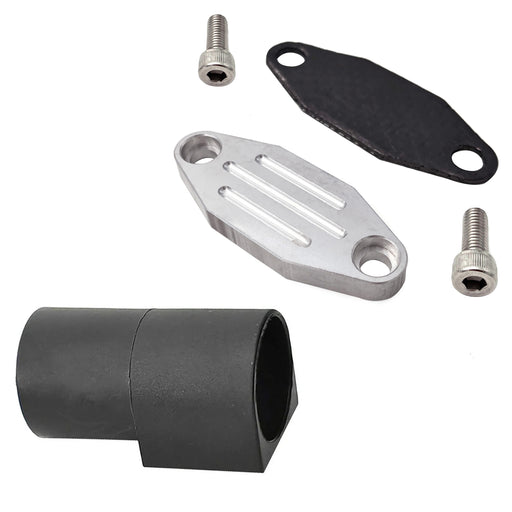
Seguler 1986-1995 Ford F150 F250 F350 Mustang Trucks EGR Simulator Eliminator / Block Off Plate Kit
SEGULEROriginal price $79.99 - Original price $79.99Original price$79.99$79.99 - $79.99Current price $79.99Block Off Plate Material: Aluminum alloy. Easy installation,and convenient to use. Made of CNC milled from aircraft grade Billet aluminum. Will N...
View full details -

Seguler 2011-2023 6.7L Ford Powerstroke Diesel EGR Delete Kit
SEGULEROriginal price $109.99 - Original price $109.99Original price$109.99$109.99 - $109.99Current price $109.99FITMENT 2011-2023 6.7L Ford Powerstroke F-250 F-350 F-450 F-550 Super Duty V8 Diesel. compatible with both standard Pickups and commercial Cab &...
View full details -
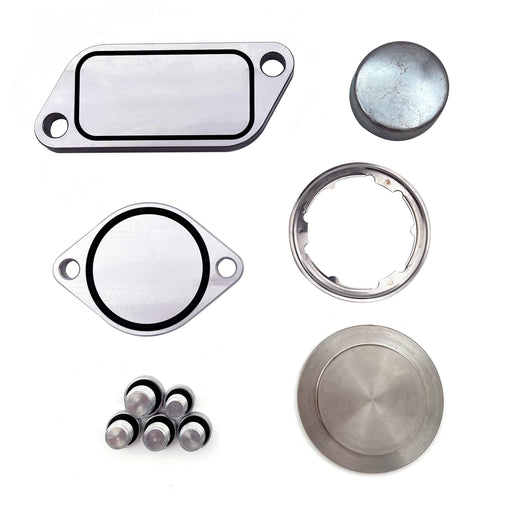
For 2010-Present Stage 2 ISX 15 CM2250 CM2350 EGR Delete Kit
SEGULEROriginal price $59.99 - Original price $59.99Original price$59.99$59.99 - $59.99Current price $59.99FITMENT 2010-Present Cummins Volvo, Peterbilt, Mack, International, Freightliner, Kenworth with the ISX15 CM2250 / CM2350 engines. DESCRIPTION P...
View full details -
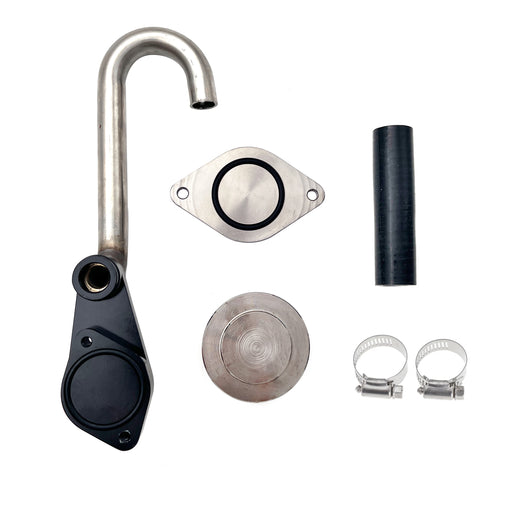
Seguler 2003-2007 6.0L FORD Powerstroke Diesel EGR Cooler Delete Kit
SEGULEROriginal price $56.14 - Original price $56.14Original price$56.14$56.14 - $56.14Current price $56.14FITMENT 2003-2007 6.0L Ford F-250 Ford F-350 F-450 F-550 Super Duty. 2003-2007 6.0L Ford Excursion SUV (Diesel Models Only). 2005-2010 Ford E-Se...
View full details -
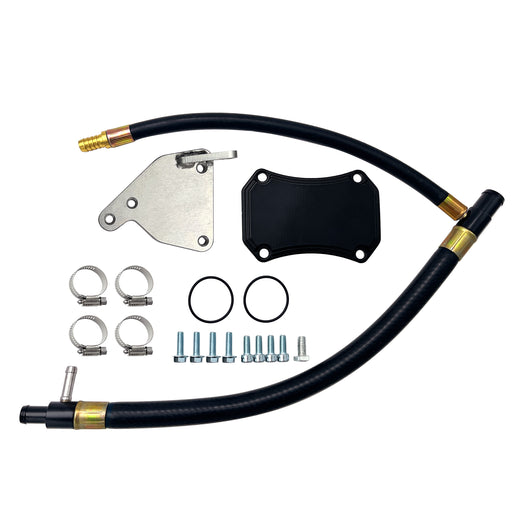
For 2011-2016 6.6L GMC Chevy Duramax Diesel LML EGR Valve Cooler Delete Kit
SEGULEROriginal price $66.49 - Original price $66.49Original price$66.49$66.49 - $66.49Current price $66.49FITMENT 2011-2016 6.6L Chevy GMC Duramax LML 2500 HD 3500 HD Diesel. DESCRIPTION Product Overview The 2011–2016 LML Duramax uses a complex EG...
View full details -
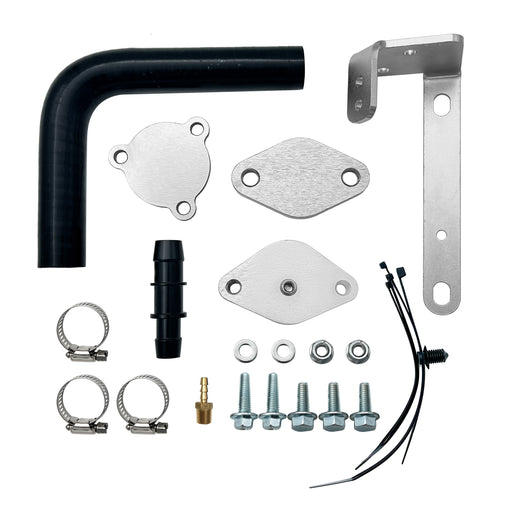
Seguler For 2014-2019 3.0L Dodge Ram 1500 EcoDiesel EGR Valve & Cooler Delete Kit
SEGULEROriginal price $72.99 - Original price $72.99Original price$72.99$72.99 - $72.99Current price $72.99FITMENT 2014-2019 3.0L Dodge Ram 1500 EcoDiesel V6 engine trucks. DESCRIPTION Product Overview Exhaust gas recirculation on 3.0L EcoDiesel V6 ...
View full details -

Seguler 2011-2023 6.7L Ford Powerstroke Diesel EGR Delete Kit
SEGULEROriginal price $85.99 - Original price $85.99Original price$85.99$85.99 - $85.99Current price $85.99FITMENT 2011-2023 6.7L Ford Powerstroke F-250 F-350 F-450 F-550 Super Duty V8 Diesel. compatible with both standard Pickups and commercial Cab &...
View full details -

Seguler 2010-2024 6.7L Dodge Ram Cummins Diesel EGR Valve Cooler Delete Kit
SEGULEROriginal price $89.99 - Original price $89.99Original price$89.99$89.99 - $89.99Current price $89.99FITMENT 2010–2024 6.7L Dodge Ram Cummins 2500 / 3500 Pickup Turbo Diesel. Note: Does NOT fit Chassis Cab 3500 / 4500 / 5500 models. DESCRIPTIO...
View full details -
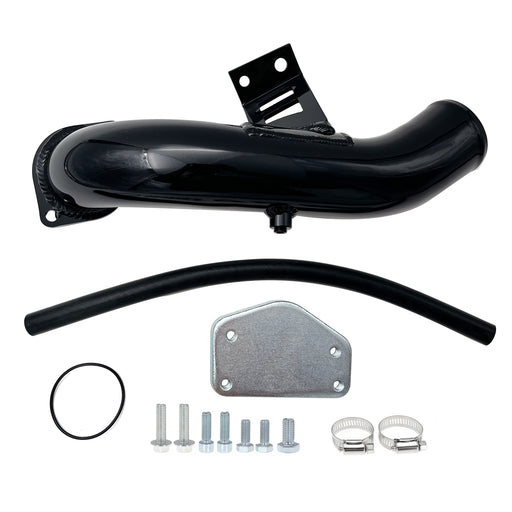
For 2004.5-2005 6.6L Chevy GMC Silverado LLY Duramax Diesel EGR Delete Kit
SEGULEROriginal price $92.99 - Original price $92.99Original price$92.99$92.99 - $92.99Current price $92.99FITMENT 2004.5-2005 6.6L Chevrolet Silverado Duramax LLY 2500HD / 3500 HD. 2004.5-2005 6.6L GMC Sierra Duramax LLY 2500HD / 3500 HD. DESCRIPTION...
View full details -

Seguler 2017-2019 L5P Duramax Diesel 4pcs L5P Can Bus Plugs Connector Replacement
SEGULEROriginal price $75.00 - Original price $75.00Original price$75.00$75.00 - $75.00Current price $75.00FITMENT 2017–2019 Chevrolet Silverado / GMC Sierra Duramax L5P 2500HD & 3500HD Diesel. DESCRIPTION Product Overview Unprotected harness con...
View full details -

Seguler 2020-2023 chevy duramax L5P Diesel Can Bus Plugs Connector
SEGULEROriginal price $80.00 - Original price $80.00Original price$80.00$80.00 - $80.00Current price $80.00FITMENT 2020–2023 Chevrolet Silverado / GMC Sierra Duramax L5P 2500HD & 3500HD Diesel. DESCRIPTION Product Overview Unprotected harness pl...
View full details -
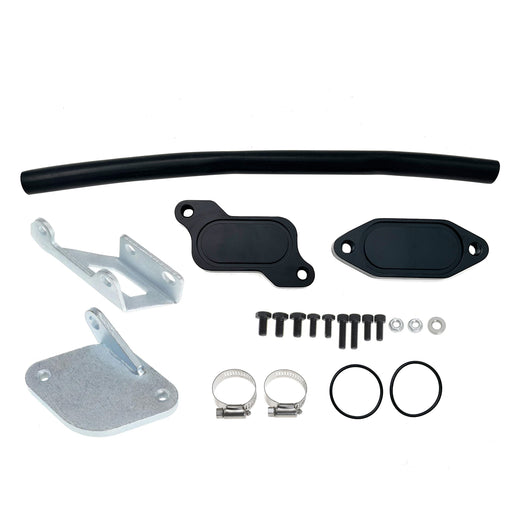
For 2006-2007 6.6L Chevrolet Silverado Classic GMC Duramax LBZ Diesel EGR Valve Cooler Delete Kit
SEGULEROriginal price $63.49 - Original price $63.49Original price$63.49$63.49 - $63.49Current price $63.49FITMENT 2006-2007.4 Chevrolet Silverado Duramax LBZ 2500HD / 3500HD. 2007.4 Chevrolet Silverado Duramax LBZ 2500HD / 3500HD Classic. 2006-2007.4 ...
View full details -
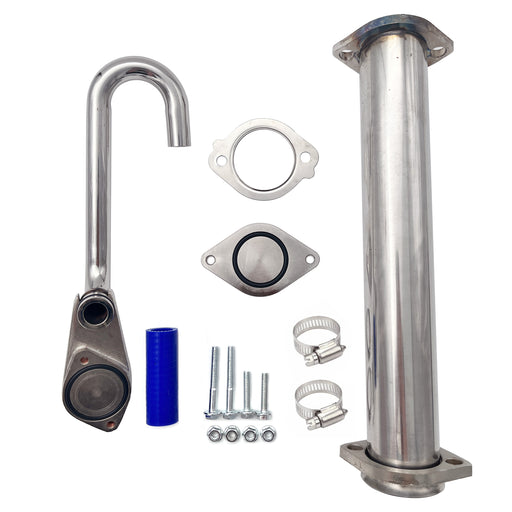
Seguler 2003-2007 6.0L Ford F250 F350 Powerstroke Diesel EGR Basic Cooler Kit
SEGULEROriginal price $79.99 - Original price $79.99Original price$79.99$79.99 - $79.99Current price $79.99FITMENT 2003-2007 6.0L Ford F250 F350 F450 F550 Super Duty Turbo (except 2004 F250 Super Duty). 2003-2005 6.0L Ford Excursion Turbo. 2005 Ford F...
View full details -

Seguler 2011-2023 6.7L Ford F250 F350 F450 F550 Powerstroke Diesel EGR Valve Delete Cooler Delete Kit
SEGULEROriginal price $55.99 - Original price $55.99Original price$55.99$55.99 - $55.99Current price $55.99FITMENT 2011-2023 6.7L Ford Powerstroke F-250 F-350 F-450 F-550 Super Duty V8 Diesel compatible with both standard Pickups and commercial Cab &a...
View full details -
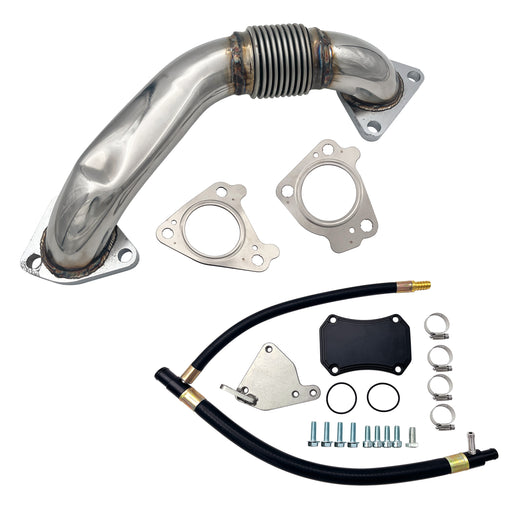
Seguler 2011-2016 6.6L GMC Chevy Duramax Diesel LML Up-Pipe & EGR Valve Cooler Delete Kit
SEGULEROriginal price $173.86 - Original price $173.86Original price$173.86$173.86 - $173.86Current price $173.86FITMENT 2011-2016 6.6L Chevy GMC Duramax LML 2500 HD 3500 HD Diesel. DESCRIPTION Product Overview Direct-injection technology endows GM 5.3L an...
View full details -
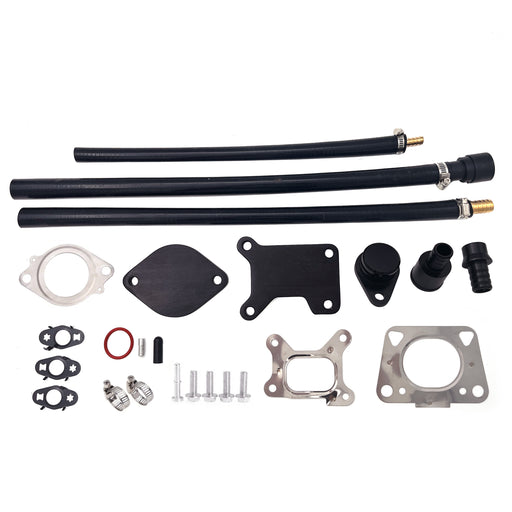
For 2017-2023 6.6L Chevy GMC Duramax L5P diesel EGR Valve Cooler Delete kit
SEGULEROriginal price $131.99 - Original price $131.99Original price$131.99$131.99 - $131.99Current price $131.99FITMENT 2017–2023 6.6L Chevrolet Silverado / GMC Sierra Duramax L5P 2500HD 3500HD Diesel. DESCRIPTION Product Overview Hot soot recirculation ...
View full details -
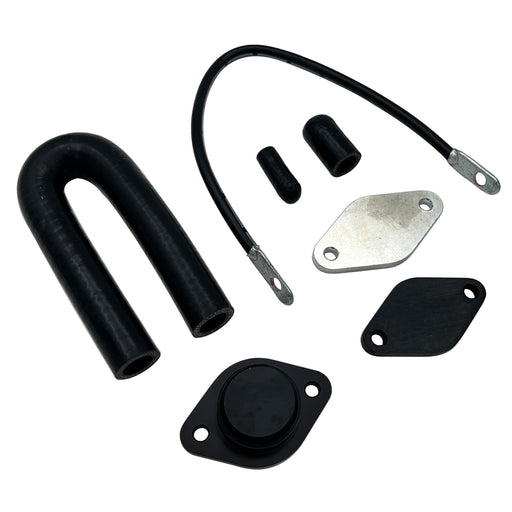
Seguler EGR valve cooler Delete kit for 2020-2022 3.0L Chevy Duramax LM2
SEGULEROriginal price $189.12 - Original price $189.12Original price$189.12$189.12 - $189.12Current price $189.12FITMENT 2020–2022 3.0L Chevrolet Silverado GMC Sierra 1500 LM2 Turbo-Diesel. DESCRIPTION Product Overview Powered by smooth inline-six engine...
View full details -
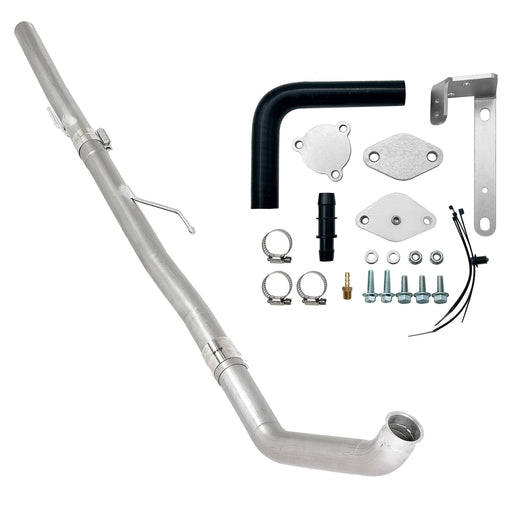
Seguler 3" Ecodiesel DPF Delete Pipe & EGR Delete kit for 2014-2018 3.0L Ram
SEGULEROriginal price $342.00 - Original price $342.00Original price$342.00$342.00 - $342.00Current price $342.00FITMENT 2014–2018 3.0L Dodge Ram 1500 EcoDiesel V6. NOTE: Fit standard Pickup models only (Crew Cab, Quad Cab). Does NOT fit Jeep Grand Cheroke...
View full details -

For 2013-2023 6.7L Dodge Ram Cummins Cab & Chassis EGR Delete Kit Diesel
SEGULEROriginal price $62.99 - Original price $62.99Original price$62.99$62.99 - $62.99Current price $62.99FITMENT 2013–2023 6.7L Ram Cummins 3500 4500 5500 Cab & Chassis / Commercial Trucks. Does NOT fit standard Ram 2500 3500 Pickups. DESCRIPTIO...
View full details -
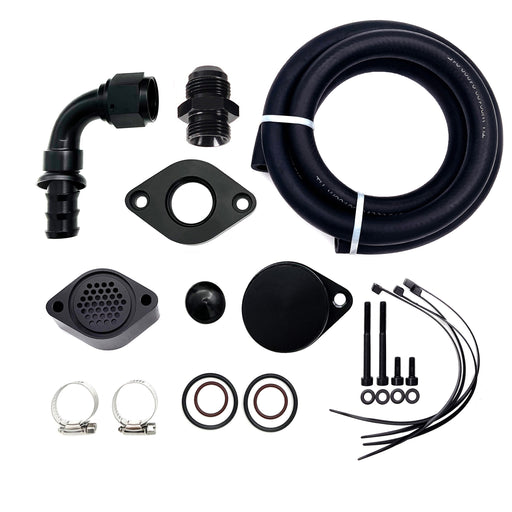
Seguler 2011-2023 6.7L Ford Powerstroke CCV PCV Reroute Engine Ventilation Kit
SEGULEROriginal price $82.99 - Original price $82.99Original price$82.99$82.99 - $82.99Current price $82.99FITMENT 2011-2023 6.7L Ford Powerstroke F-250 F-350 F-450 F-550 Super Duty V8 Diesel. Compatible with both standard Pickups and commercial Cab &...
View full details -
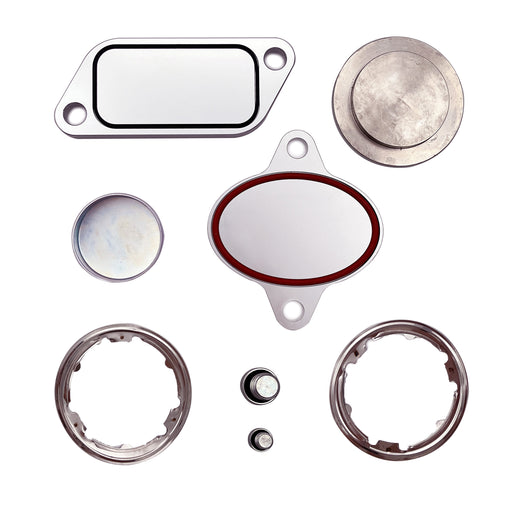
For 2007-2010 Cummins ISX CM871 EGR Plug Kit Stage 2 Plates and Plugs Aluminum
SEGULEROriginal price $67.99 - Original price $67.99Original price$67.99$67.99 - $67.99Current price $67.99FITMENT 2007-2010 Cummins Volvo, Peterbilt, Mack, International, Freightliner, Kenworth with the ISX CM871 Engines. DESCRIPTION Product Overvie...
View full details -
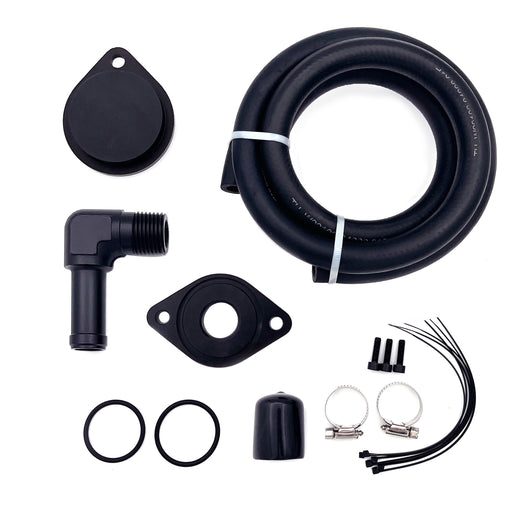
Seguler 2011-2023 Ford 6.7L Powerstroke CCV/PCV Reroute/Delete Engine Ventilation Kit
SEGULEROriginal price $72.00 - Original price $72.00Original price$72.00$72.00 - $72.00Current price $72.00FITMENT 2011-2023 6.7L Ford Powerstroke F-250 F-350 F-450 F-550 Super Duty V8 Diesel. Compatible with both standard Pickups and commercial Cab &...
View full details -
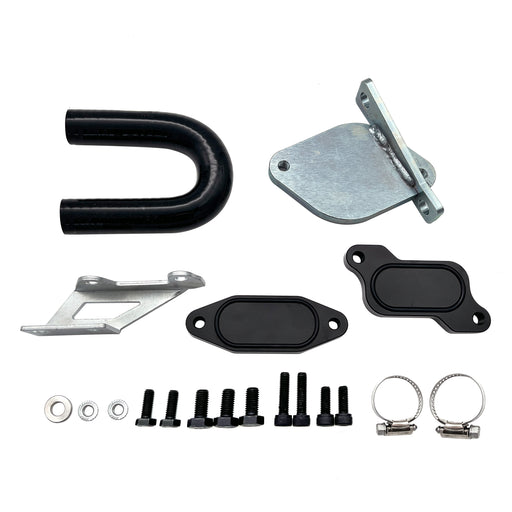
For 2007-2010 6.6L Chevy GMC LMM Duramax EGR Valve Cooler Delete Kit Fit
SEGULEROriginal price $61.99 - Original price $61.99Original price$61.99$61.99 - $61.99Current price $61.99FITMENT 2007.5-2010 6.6L Chevrolet Silverado Duramax LMM 2500HD / 3500HD. 2007.5-2010 6.6L GMC Sierra Duramax LMM 2500HD / 3500HD. Note: Standard...
View full details -
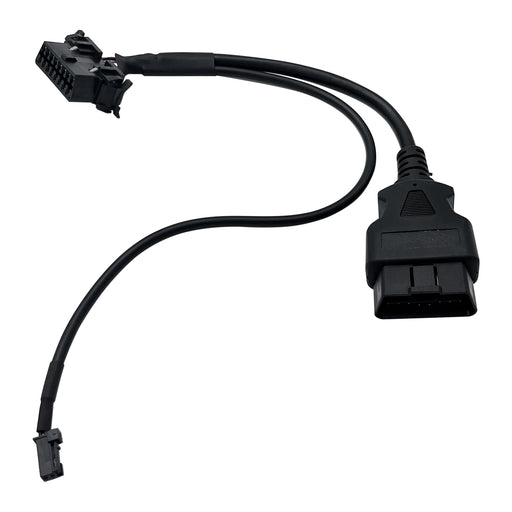
Seguler 2018+ RAM Cummins OBD2 HD Security Gate Bypass Cable
SEGULEROriginal price $45.00 - Original price $45.00Original price$45.00$45.00 - $45.00Current price $45.00FITMENT 2018+ 6.7L Ram Cummins 2500 3500 Turbo Diesel. Designed for Ram pickup trucks equipped with the factory Security Gateway Module. Note: Pl...
View full details -
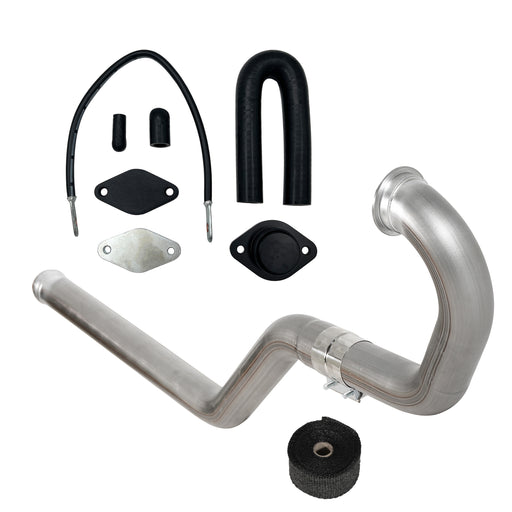
3" Turbo Back DPF & EGR Delete Kit for 2020-2022 GM 3.0L LM2 Duramax
SEGULEROriginal price $550.00 - Original price $550.00Original price$550.00$550.00 - $550.00Current price $550.00FITMENT 2020–2022 3.0L Chevrolet Silverado 1500 LM2 Diesel. 2020–2022 3.0L GMC Sierra 1500 LM2 Diesel. DESCRIPTION Product Overview On the 3.0...
View full details


Leave a comment