

L5P DPF Delete: 4" vs 5" Exhaust (Which to Pick)
🔑 Key Takeaways
- The L5P Duramax (2017-2023) DPF delete unlocks 20-40 HP and improves fuel efficiency by eliminating regeneration fuel consumption
- 4" systems are ideal for daily driving and mild tunes—excellent flow without overkill
- 5" systems maximize exhaust scavenging for high-horsepower builds (500+ HP) and heavy towing applications
- Proper tuning with CAN bus integration is critical for the L5P's advanced ECU to operate without derates or fault codes
Removing the Diesel Particulate Filter (DPF) is about more than just deleting an emissions component—it’s about unlocking the full potential of your diesel powertrain. For many diesel trucks, the DPF is a major bottleneck that restricts engine performance. By upgrading the exhaust system in a targeted manner, the engine can breathe freely, reducing backpressure and delivering meaningful gains in power, fuel efficiency, and overall driving dynamics.
Performance and Efficiency Gains
Once the DPF is removed, exhaust flow resistance drops significantly, allowing the engine to operate more efficiently. With proper tuning, real-world gains typically range from 30 to 50 horsepower and 50 to 100 lb-ft of torque, making towing and passing noticeably easier.
In addition, the active regeneration cycles required by the DPF—which consume extra fuel—are eliminated entirely. This often results in a 10–15% improvement in overall fuel economy. Equally important, removing the DPF helps avoid common issues such as oil dilution caused by failed regenerations, reducing long-term wear and contributing to greater engine reliability and longevity.
Important Considerations Before Deleting the DPF
Before proceeding, it’s essential to understand the legal and practical implications:
- The vehicle will no longer comply with emissions regulations, which may lead to failed inspections and potential fines.
- The factory warranty from the manufacturer will be voided.
- Resale value may be significantly impacted.
Choosing the Right Exhaust: 4“ vs. 5”
Selecting the appropriate exhaust diameter after DPF removal is critical to achieving the desired performance and driving experience. Both 4-inch and 5-inch systems offer distinct advantages in terms of sound, performance, and application.
Sound Characteristics
-
4-inch exhaust delivers a deeper, more assertive tone than the stock system while remaining restrained enough for daily driving.
-
5-inch exhaust produces a lower, more commanding rumble, with enhanced turbo spool and engine resonance that makes a bold statement.
Performance Orientation
-
A 4-inch system is well-suited for builds under 500 horsepower, offering strong low-end torque and responsive throttle feel for everyday driving and light towing.
-
A 5-inch system excels in high-output applications, particularly for builds exceeding 500 horsepower or for those frequently towing heavy loads in demanding conditions.
Making the Right Choice
For most owners, a 4-inch system strikes a practical balance between enhanced performance and everyday usability, making it a cost-effective starting point.
If your goals involve heavy towing, high-horsepower builds, or additional modifications such as upgraded turbochargers or fuel injectors, the 5-inch system offers the unrestricted flow and thermal management needed to fully realize your truck’s potential.
5" Downpipe Back DPF Delete Race Pipe for 2017-2023 6.6L GM DURAMAX L5P
If you own a 2017–2023 GM Duramax L5P, we also offer a dedicated 5“ race pipe option engineered for maximum flow and uncompromised performance. Built from durable T-409 stainless steel, this downpipe-back system delivers the unrestricted exhaust flow your engine demands.

-
Noticeable Power Gains: Experience a tangible increase in horsepower and throttle response with every drive.
-
Lower Exhaust Gas Temperatures (EGTs): Improved flow helps reduce EGTs, promoting better engine health during sustained heavy use.
-
Optimized Exhaust Flow: Designed to let your engine breathe freely, enhancing overall efficiency and performance.
-
Unrestricted Design: Eliminates flow bottlenecks for a smoother, more efficient exhaust path, contributing to improved fuel economy at the pump.
DPF/CCV/EGR All-in-One Kit for 2017-2023 6.6L Duramax L5P
For those seeking maximum exhaust flow, we offer a comprehensive 5-inch performance exhaust kit designed specifically for 2020–2023 Chevy and GMC Duramax L5P 6.6L engines. This system includes the full exhaust path, DPF delete pipe, and EGR removal components, all engineered to work together as a complete solution.

-
Main Exhaust Assembly: The 5-inch downpipe-back system features heavy-duty 4-bolt flanges for a leak-free seal. Constructed from T-409 stainless steel, it delivers an optimal balance of corrosion resistance and value.
-
CCV Management: An integrated CCV module with a dual-differential design prevents oil vapor from entering the intake system, protecting the turbocharger and extending the interval between intake cleanings.
-
Plug-and-Play Fit: All components are designed for direct physical compatibility, eliminating the need for additional adapters or modifications.
Installation Overview
-
Preparation: Disconnect the battery and allow the exhaust system to cool completely before beginning work.
-
Removal: Disconnect all exhaust sensor harnesses and unbolt the flanges securing the factory exhaust and DPF assembly. Remove the DPF unit along with any associated vent tubes. Apply lubricant to the exhaust hangers and carefully detach them from the rubber isolators.
-
Turbo Disconnect: Use a 15mm socket to remove the 4-bolt flange connecting the factory exhaust to the turbocharger outlet. If necessary, remove the transmission crossmember and trim the exhaust hanger for easier access.
-
New Exhaust Installation: Install the first section of the new exhaust, aligning the 4-bolt flange with the turbo outlet and loosely securing it. Connect the second section to the downpipe, aligning the slip joints and loosely clamping the connection. Hang the assembly using the factory isolators.
-
Exhaust Extension: Select the appropriate extension pipe based on your vehicle’s wheelbase and install it between the muffler inlet and tailpipe sections.
-
Final Tightening: Beginning at the downpipe, tighten all V-band clamps and fasteners progressively. Verify clearance and alignment at each connection point.
-
Inspection: Double-check all clamps, flanges, and sensor connections. Reconnect the battery, start the engine, and let it idle. Inspect for exhaust leaks and confirm that no warning lights appear on the dashboard.
Conclusion
Choosing between a 4-inch and 5-inch exhaust ultimately comes down to your vehicle’s intended use, performance goals, and driving preferences. For those pursuing maximum power output, frequent heavy towing, or a fully modified build, the 5-inch system delivers the unrestricted flow and thermal capacity to match. This upgrade is not merely a component swap—it’s a strategic refinement of your truck’s overall performance character. Visit www.seguler.com to learn more and equip your truck with the breathing system it deserves.
FAQs About L5P 5" Exhaust
Q1: What are the risks of deleting both the EGR and DPF on an L5P engine?
A1: The primary risks involve regulatory compliance and system compatibility. In most regions, removing both systems renders the vehicle non-compliant with emissions regulations, which may lead to failed inspections or potential penalties.
Q2: What are the long-term maintenance benefits of deleting the EGR and DPF?
A2: From a long-term maintenance perspective, deleting these systems eliminates common failure points associated with DPF regeneration cycles and EGR carbon buildup. When properly calibrated, this often leads to a reduction in overall maintenance frequency and repair costs, as the potential for component-related issues is significantly reduced.
Q3: How does DPF deletion affect fuel efficiency on a Duramax L5P engine?
A3: Removing the DPF lowers exhaust backpressure, reducing the resistance the engine must overcome during the exhaust stroke. This improvement in thermal efficiency typically translates to better fuel economy, allowing the vehicle to achieve lower fuel consumption under comparable driving conditions.
Q4: Does blocking the EGR valve affect the DPF?
A4: Blocking the EGR valve prevents exhaust gases from being recirculated back into the intake system, which can improve engine response and reduce carbon buildup on the intake side. While this modification does not directly impact the physical condition of the DPF, changes in combustion conditions and exhaust gas composition may indirectly influence the rate at which particulate matter accumulates in the filter.
Q5: How much horsepower can I gain by deleting the DPF on an L5P engine?
A5: Removing the DPF significantly reduces exhaust system backpressure, allowing the engine to expel gases more freely. With proper tuning, power gains typically range from 20 to 40 horsepower, depending on the vehicle's baseline configuration and any additional modifications.


Featured collection
-
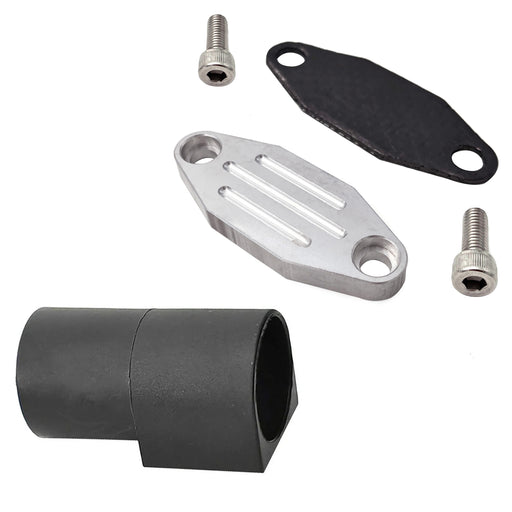
Seguler 1986-1995 Ford F150 F250 F350 Mustang Trucks EGR Simulator Eliminator / Block Off Plate Kit
SEGULEROriginal price $79.99 - Original price $79.99Original price$79.99$79.99 - $79.99Current price $79.99Block Off Plate Material: Aluminum alloy. Easy installation,and convenient to use. Made of CNC milled from aircraft grade Billet aluminum. Will N...
View full details -

Seguler 2011-2023 6.7L Ford Powerstroke Diesel EGR Delete Kit
SEGULEROriginal price $109.99 - Original price $109.99Original price$109.99$109.99 - $109.99Current price $109.99FITMENT 2011-2023 6.7L Ford Powerstroke F-250 F-350 F-450 F-550 Super Duty V8 Diesel. compatible with both standard Pickups and commercial Cab &...
View full details -
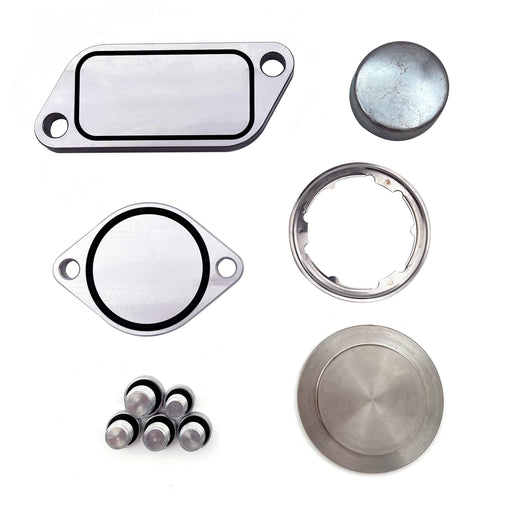
For 2010-Present Stage 2 ISX 15 CM2250 CM2350 EGR Delete Kit
SEGULEROriginal price $59.99 - Original price $59.99Original price$59.99$59.99 - $59.99Current price $59.99FITMENT 2010-Present Cummins Volvo, Peterbilt, Mack, International, Freightliner, Kenworth with the ISX15 CM2250 / CM2350 engines. DESCRIPTION P...
View full details -
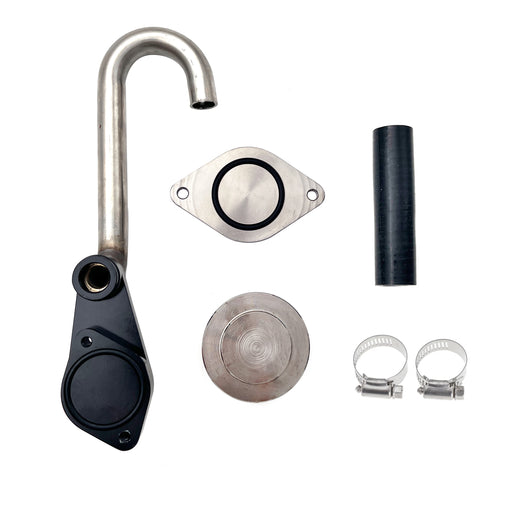
Seguler 2003-2007 6.0L FORD Powerstroke Diesel EGR Cooler Delete Kit
SEGULEROriginal price $56.14 - Original price $56.14Original price$56.14$56.14 - $56.14Current price $56.14FITMENT 2003-2007 6.0L Ford F-250 Ford F-350 F-450 F-550 Super Duty. 2003-2007 6.0L Ford Excursion SUV (Diesel Models Only). 2005-2010 Ford E-Se...
View full details -
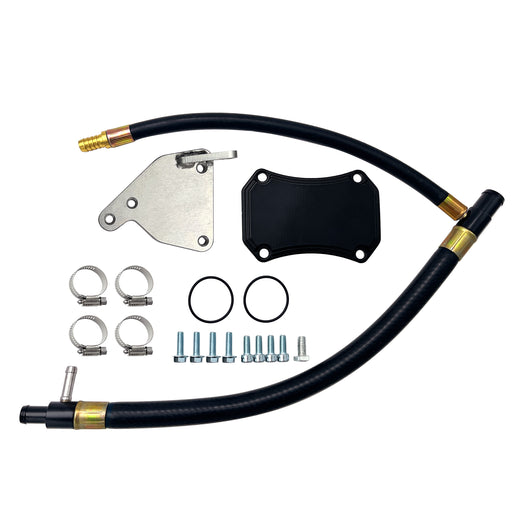
For 2011-2016 6.6L GMC Chevy Duramax Diesel LML EGR Valve Cooler Delete Kit
SEGULEROriginal price $66.49 - Original price $66.49Original price$66.49$66.49 - $66.49Current price $66.49FITMENT 2011-2016 6.6L Chevy GMC Duramax LML 2500 HD 3500 HD Diesel. DESCRIPTION Product Overview The 2011–2016 LML Duramax uses a complex EG...
View full details -
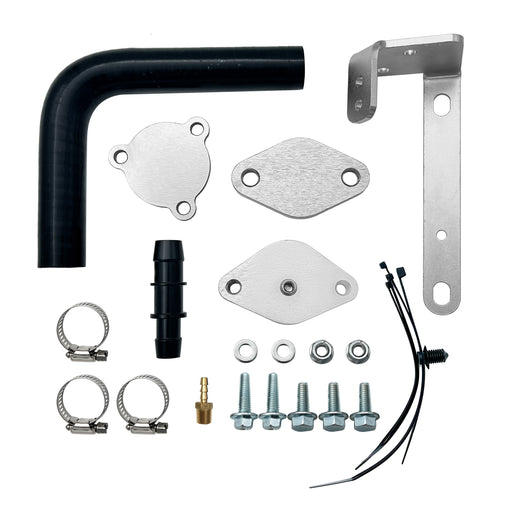
Seguler For 2014-2019 3.0L Dodge Ram 1500 EcoDiesel EGR Valve & Cooler Delete Kit
SEGULEROriginal price $72.99 - Original price $72.99Original price$72.99$72.99 - $72.99Current price $72.99FITMENT 2014-2019 3.0L Dodge Ram 1500 EcoDiesel V6 engine trucks. DESCRIPTION Product Overview Exhaust gas recirculation on 3.0L EcoDiesel V6 ...
View full details -

Seguler 2011-2023 6.7L Ford Powerstroke Diesel EGR Delete Kit
SEGULEROriginal price $85.99 - Original price $85.99Original price$85.99$85.99 - $85.99Current price $85.99FITMENT 2011-2023 6.7L Ford Powerstroke F-250 F-350 F-450 F-550 Super Duty V8 Diesel. compatible with both standard Pickups and commercial Cab &...
View full details -

Seguler 2010-2024 6.7L Dodge Ram Cummins Diesel EGR Valve Cooler Delete Kit
SEGULEROriginal price $89.99 - Original price $89.99Original price$89.99$89.99 - $89.99Current price $89.99FITMENT 2010–2024 6.7L Dodge Ram Cummins 2500 / 3500 Pickup Turbo Diesel. Note: Does NOT fit Chassis Cab 3500 / 4500 / 5500 models. DESCRIPTIO...
View full details -
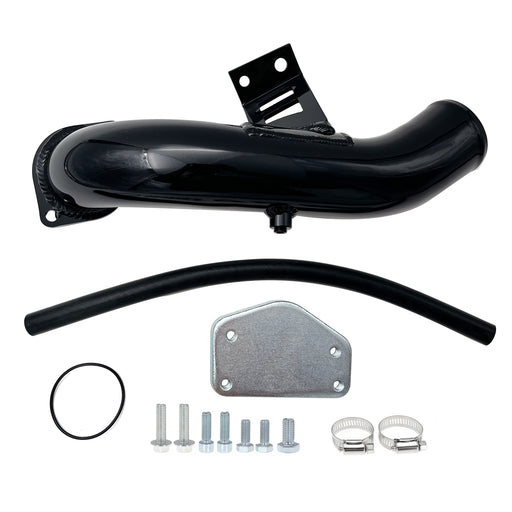
For 2004.5-2005 6.6L Chevy GMC Silverado LLY Duramax Diesel EGR Delete Kit
SEGULEROriginal price $92.99 - Original price $92.99Original price$92.99$92.99 - $92.99Current price $92.99FITMENT 2004.5-2005 6.6L Chevrolet Silverado Duramax LLY 2500HD / 3500 HD. 2004.5-2005 6.6L GMC Sierra Duramax LLY 2500HD / 3500 HD. DESCRIPTION...
View full details -

Seguler 2017-2019 L5P Duramax Diesel 4pcs L5P Can Bus Plugs Connector Replacement
SEGULEROriginal price $75.00 - Original price $75.00Original price$75.00$75.00 - $75.00Current price $75.00FITMENT 2017–2019 Chevrolet Silverado / GMC Sierra Duramax L5P 2500HD & 3500HD Diesel. DESCRIPTION Product Overview Unprotected harness con...
View full details -

Seguler 2020-2023 chevy duramax L5P Diesel Can Bus Plugs Connector
SEGULEROriginal price $80.00 - Original price $80.00Original price$80.00$80.00 - $80.00Current price $80.00FITMENT 2020–2023 Chevrolet Silverado / GMC Sierra Duramax L5P 2500HD & 3500HD Diesel. DESCRIPTION Product Overview Unprotected harness pl...
View full details -
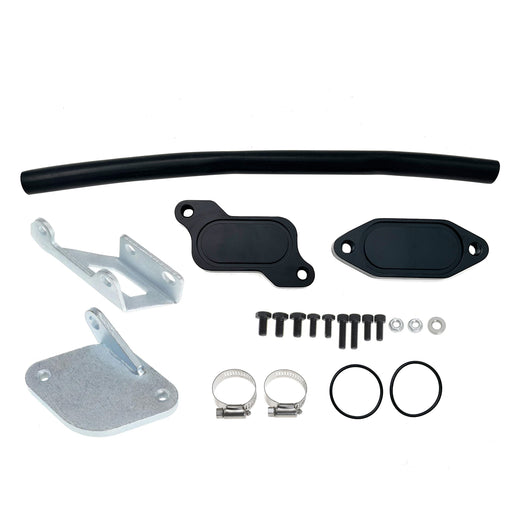
For 2006-2007 6.6L Chevrolet Silverado Classic GMC Duramax LBZ Diesel EGR Valve Cooler Delete Kit
SEGULEROriginal price $63.49 - Original price $63.49Original price$63.49$63.49 - $63.49Current price $63.49FITMENT 2006-2007.4 Chevrolet Silverado Duramax LBZ 2500HD / 3500HD. 2007.4 Chevrolet Silverado Duramax LBZ 2500HD / 3500HD Classic. 2006-2007.4 ...
View full details -

Seguler 2011-2023 6.7L Ford F250 F350 F450 F550 Powerstroke Diesel EGR Valve Delete Cooler Delete Kit
SEGULEROriginal price $55.99 - Original price $55.99Original price$55.99$55.99 - $55.99Current price $55.99FITMENT 2011-2023 6.7L Ford Powerstroke F-250 F-350 F-450 F-550 Super Duty V8 Diesel compatible with both standard Pickups and commercial Cab &a...
View full details -
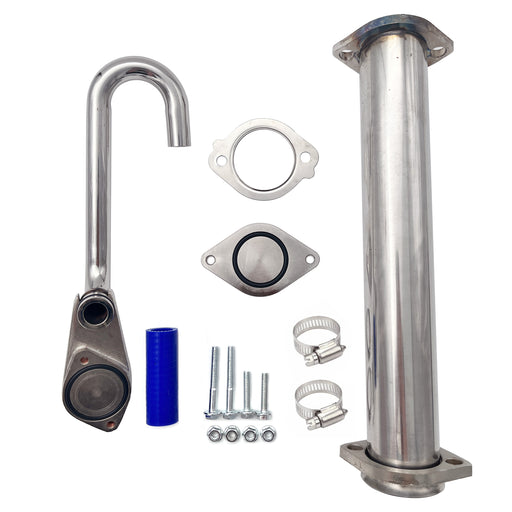
Seguler 2003-2007 6.0L Ford F250 F350 Powerstroke Diesel EGR Basic Cooler Kit
SEGULEROriginal price $79.99 - Original price $79.99Original price$79.99$79.99 - $79.99Current price $79.99FITMENT 2003-2007 6.0L Ford F250 F350 F450 F550 Super Duty Turbo (except 2004 F250 Super Duty). 2003-2005 6.0L Ford Excursion Turbo. 2005 Ford F...
View full details -
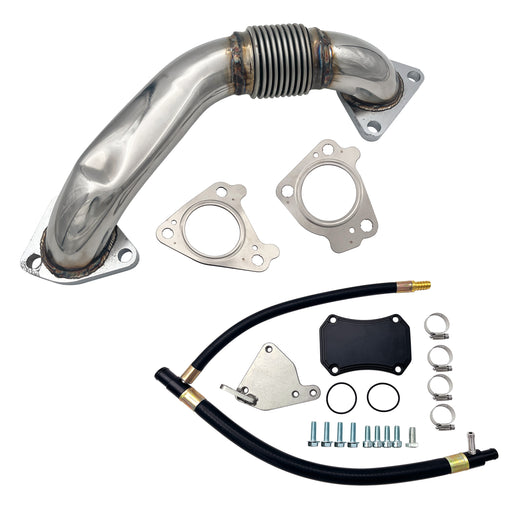
Seguler 2011-2016 6.6L GMC Chevy Duramax Diesel LML Up-Pipe & EGR Valve Cooler Delete Kit
SEGULEROriginal price $173.86 - Original price $173.86Original price$173.86$173.86 - $173.86Current price $173.86FITMENT 2011-2016 6.6L Chevy GMC Duramax LML 2500 HD 3500 HD Diesel. DESCRIPTION Product Overview Direct-injection technology endows GM 5.3L an...
View full details -
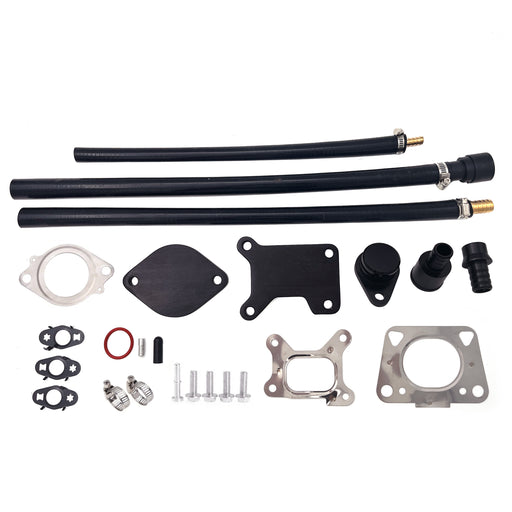
For 2017-2023 6.6L Chevy GMC Duramax L5P diesel EGR Valve Cooler Delete kit
SEGULEROriginal price $131.99 - Original price $131.99Original price$131.99$131.99 - $131.99Current price $131.99FITMENT 2017–2023 6.6L Chevrolet Silverado / GMC Sierra Duramax L5P 2500HD 3500HD Diesel. DESCRIPTION Product Overview Hot soot recirculation ...
View full details -
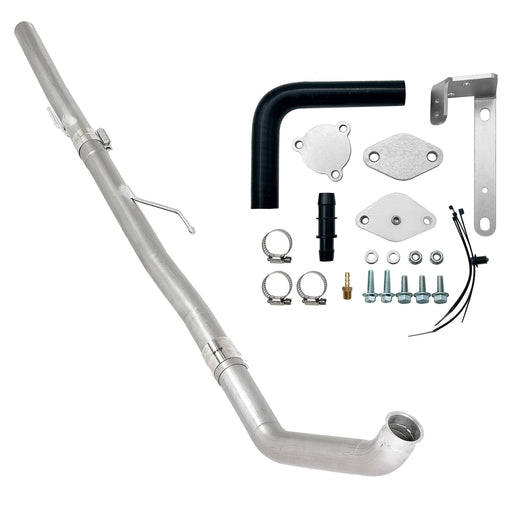
Seguler 3" Ecodiesel DPF Delete Pipe & EGR Delete kit for 2014-2018 3.0L Ram
SEGULEROriginal price $342.00 - Original price $342.00Original price$342.00$342.00 - $342.00Current price $342.00FITMENT 2014–2018 3.0L Dodge Ram 1500 EcoDiesel V6. NOTE: Fit standard Pickup models only (Crew Cab, Quad Cab). Does NOT fit Jeep Grand Cheroke...
View full details -
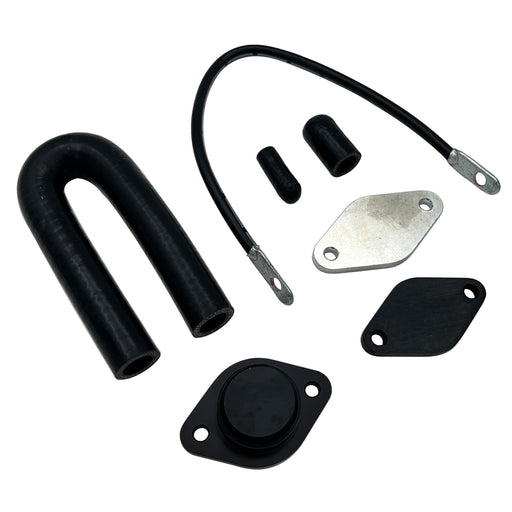
Seguler EGR valve cooler Delete kit for 2020-2022 3.0L Chevy Duramax LM2
SEGULEROriginal price $189.12 - Original price $189.12Original price$189.12$189.12 - $189.12Current price $189.12FITMENT 2020–2022 3.0L Chevrolet Silverado GMC Sierra 1500 LM2 Turbo-Diesel. DESCRIPTION Product Overview Powered by smooth inline-six engine...
View full details -

For 2013-2023 6.7L Dodge Ram Cummins Cab & Chassis EGR Delete Kit Diesel
SEGULEROriginal price $62.99 - Original price $62.99Original price$62.99$62.99 - $62.99Current price $62.99FITMENT 2013–2023 6.7L Ram Cummins 3500 4500 5500 Cab & Chassis / Commercial Trucks. Does NOT fit standard Ram 2500 3500 Pickups. DESCRIPTIO...
View full details -
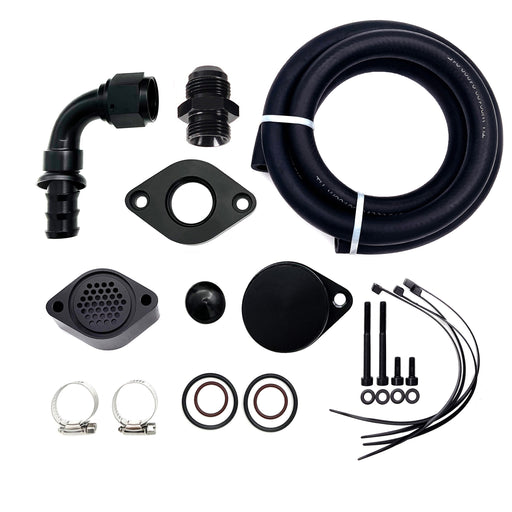
Seguler 2011-2023 6.7L Ford Powerstroke CCV PCV Reroute Engine Ventilation Kit
SEGULEROriginal price $82.99 - Original price $82.99Original price$82.99$82.99 - $82.99Current price $82.99FITMENT 2011-2023 6.7L Ford Powerstroke F-250 F-350 F-450 F-550 Super Duty V8 Diesel. Compatible with both standard Pickups and commercial Cab &...
View full details -
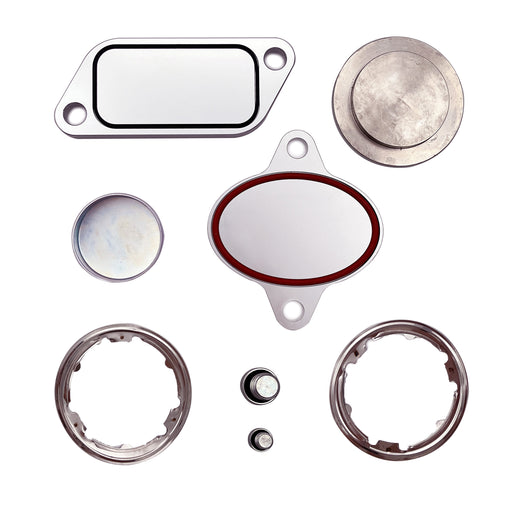
For 2007-2010 Cummins ISX CM871 EGR Plug Kit Stage 2 Plates and Plugs Aluminum
SEGULEROriginal price $67.99 - Original price $67.99Original price$67.99$67.99 - $67.99Current price $67.99FITMENT 2007-2010 Cummins Volvo, Peterbilt, Mack, International, Freightliner, Kenworth with the ISX CM871 Engines. DESCRIPTION Product Overvie...
View full details -
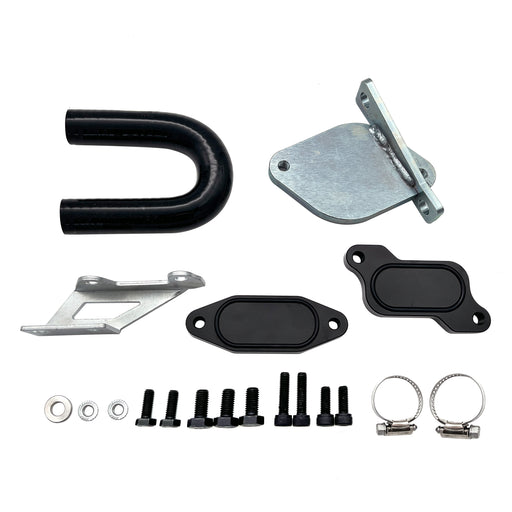
For 2007-2010 6.6L Chevy GMC LMM Duramax EGR Valve Cooler Delete Kit Fit
SEGULEROriginal price $61.99 - Original price $61.99Original price$61.99$61.99 - $61.99Current price $61.99FITMENT 2007.5-2010 6.6L Chevrolet Silverado Duramax LMM 2500HD / 3500HD. 2007.5-2010 6.6L GMC Sierra Duramax LMM 2500HD / 3500HD. Note: Standard...
View full details -
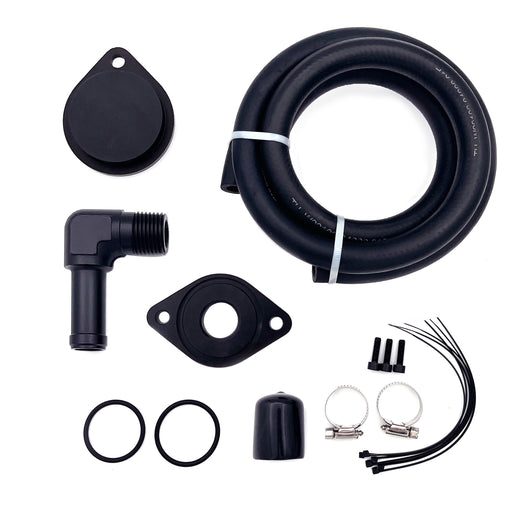
Seguler 2011-2023 Ford 6.7L Powerstroke CCV/PCV Reroute/Delete Engine Ventilation Kit
SEGULEROriginal price $72.00 - Original price $72.00Original price$72.00$72.00 - $72.00Current price $72.00FITMENT 2011-2023 6.7L Ford Powerstroke F-250 F-350 F-450 F-550 Super Duty V8 Diesel. Compatible with both standard Pickups and commercial Cab &...
View full details -
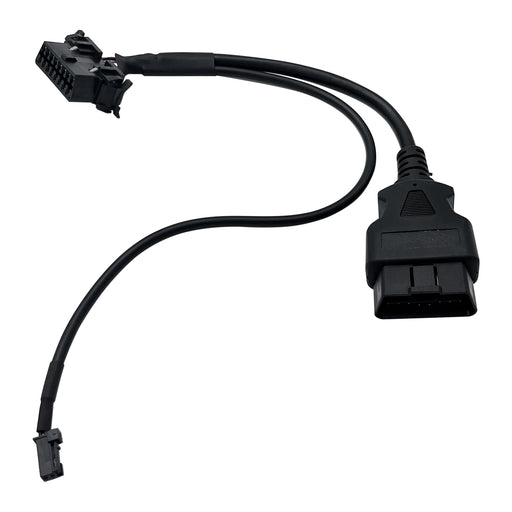
Seguler 2018+ RAM Cummins OBD2 HD Security Gate Bypass Cable
SEGULEROriginal price $45.00 - Original price $45.00Original price$45.00$45.00 - $45.00Current price $45.00FITMENT 2018+ 6.7L Ram Cummins 2500 3500 Turbo Diesel. Designed for Ram pickup trucks equipped with the factory Security Gateway Module. Note: Pl...
View full details -
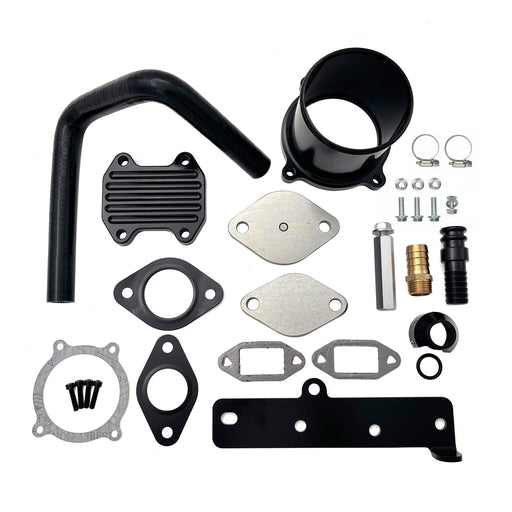
Seguler For 2013-2018 6.7L Dodge RAM 2500 3500 Cummins Diesel EGR Delete Cooler Throttle Valve Delete Kit
SEGULEROriginal price $112.00 - Original price $112.00Original price$112.00$112.00 - $112.00Current price $112.00FITMENT 2013–2018 6.7L Dodge Ram Cummins 2500 & 3500 Pickup Turbo Diesel. Note: Does NOT fit Cab & Chassis (3500 / 4500 / 5500 C&C) m...
View full details


Leave a comment